9 Things to Do When You Find a Snake Skin in Your Arizona Yard
You step outside to water the agave and spot a papery, see-through tube stretched across the gravel. A snake skin can make your heart jump, but it is really just a clue that a snake passed through and grew a little.
In the low desert, where rodents, heat, and water all shape what lives in your yard, that clue is worth paying attention to. Here are nine smart, calm steps to take next.
1. Understand What a Shed Skin Means
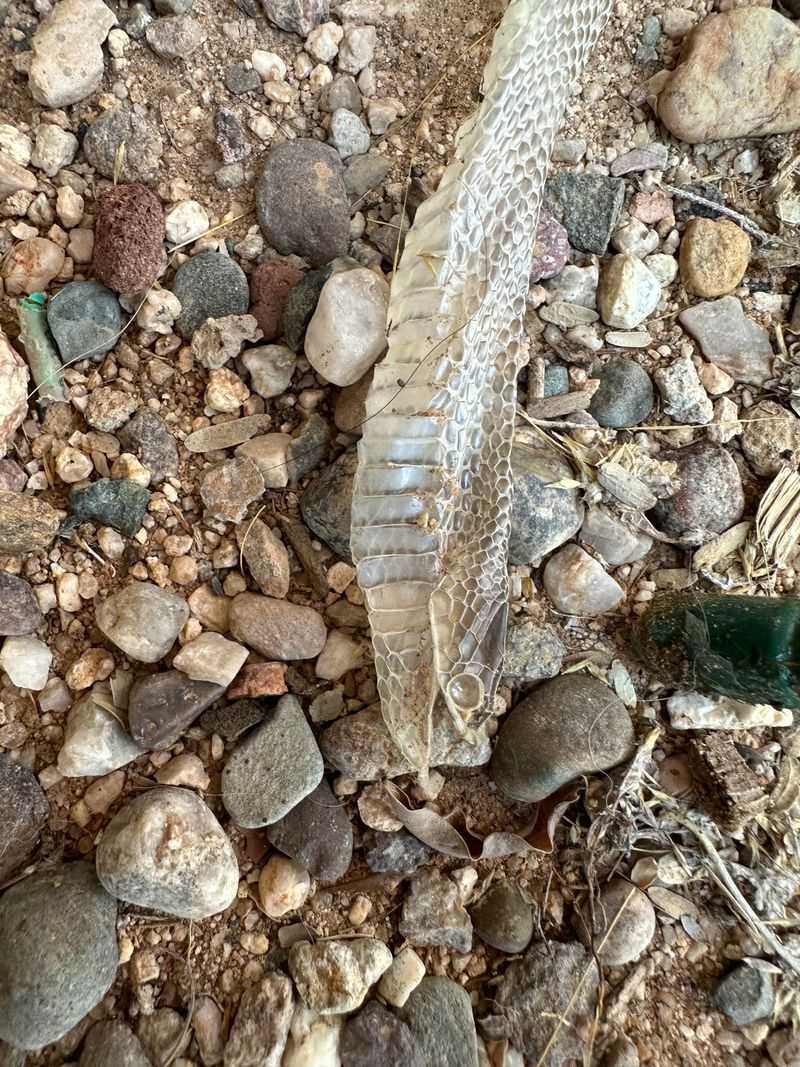
Picture a kid outgrowing last year’s jeans, and you have the basic idea. Snakes slip out of their old outer layer as they grow, and the process also swaps out worn or scratched scales.
The old skin peels off inside out, often in one long piece.
Finding one tells you a snake was in your yard at some point. It does not mean a snake is still hiding nearby, and it certainly does not mean you have a nest.
Many snakes simply travel through on their way to food, water, or shade.
Young snakes grow fast and may shed every few weeks. Adults usually shed only a few times a year.
In Arizona, you are most likely to find skins from spring through early fall, when snakes are active and eating well.
Fun fact: a snake’s eyes turn cloudy blue a few days before shedding, because fluid builds up under the old eye cap. Many snakes lie low during that time since they cannot see well.
So take a breath. A skin is a sign, not an emergency.
Knowing what it means helps you respond with clear thinking instead of panic, and that sets you up for every step that follows.
2. Handle the Skin with Caution
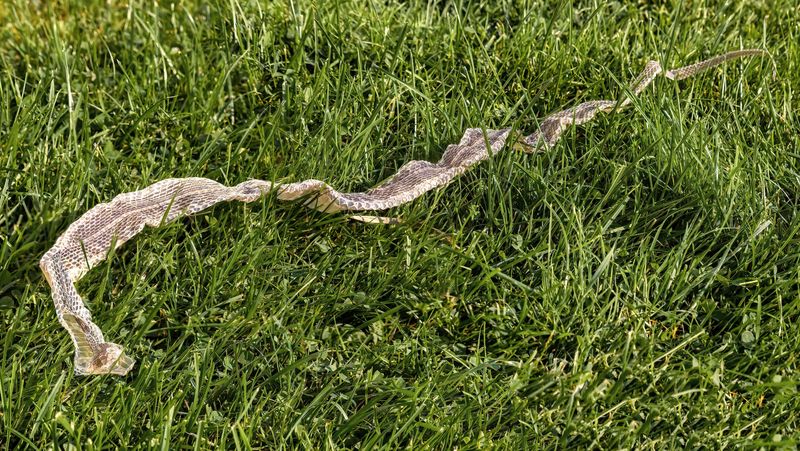
Grab the gloves first. That flaky skin may look harmless, but you have no idea where it has been or what has crawled across it since it was left behind.
Shed skins can carry bacteria, including salmonella, which reptiles often have on their bodies. The skin may also have picked up dust, droppings, or tiny bugs while sitting in your yard.
Bare hands are simply not the best tool for the job.
Use garden gloves, tongs, or even a small shovel to move it. If you want to keep it for identification, slide it into a zip bag or a paper envelope.
If not, bag it and toss it in the trash.
Kids love these finds, and that curiosity is wonderful. Let them look closely, take photos, and count the scale rows, but keep their fingers off.
Make handwashing with soap a firm rule if anyone does touch it by accident.
Pets matter too. Dogs may try to chew or roll on a skin, so pick it up before Fido gets interested.
A little caution here keeps a cool nature moment from turning into an upset tummy or a trip to the vet.
3. Look for Clues Without Relying on Them
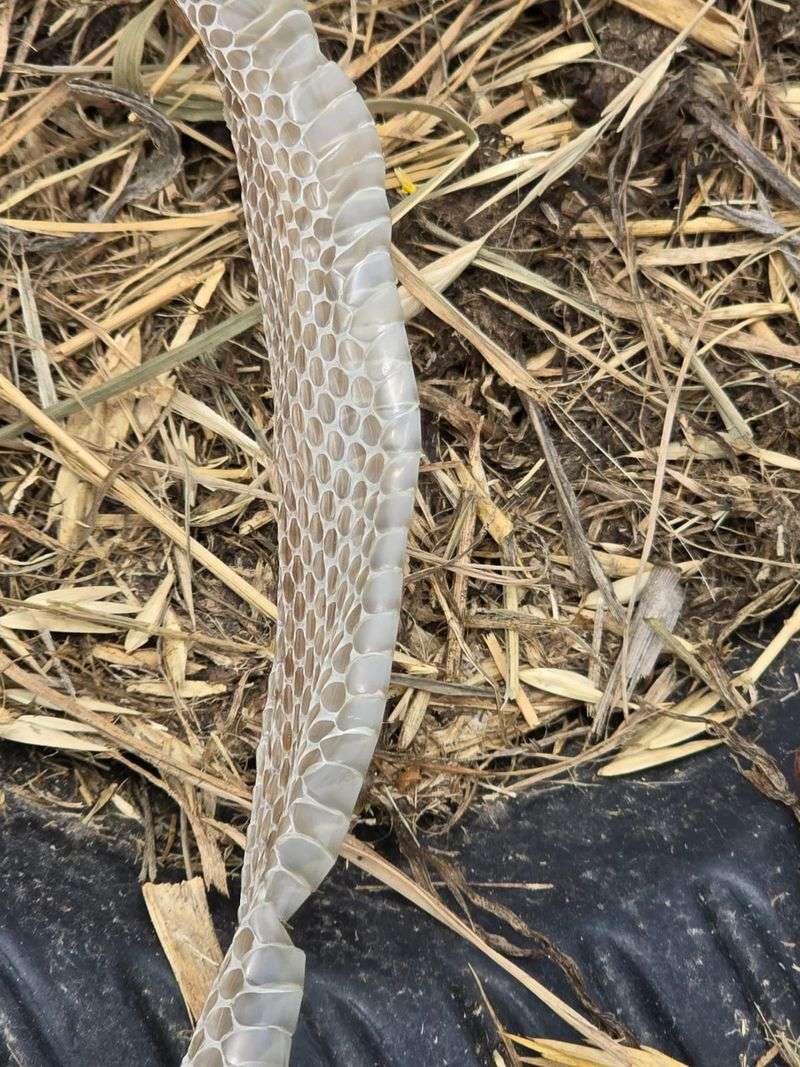
Detective time! A shed skin holds a few hints about who left it, even if it cannot tell the whole story.
Your Arizona Garden Changes Every Week. Your Plan Should Too.
Gardening in Arizona changes quickly throughout the season. Every Friday you’ll receive a simple weekly plan showing exactly what to plant, prune, fertilize, harvest, and protect so you never miss the right timing.
Flip the skin over and look at the underside of the tail near the tip. A single row of scales there may point to a venomous pit viper, like a rattlesnake.
A double row usually suggests a nonvenomous snake, such as a gopher snake or coachwhip. You might also spot a rattle segment shape at the very end on some rattlesnake sheds.
Length matters less than you think. Skins stretch as they come off, so a shed often looks longer than the real snake.
Colors and patterns also fade, leaving a pale ghost of the original markings.
Head shape is tricky too, since the head part often crumples. Pupil shape, which helps with live snakes, is nearly impossible to judge from a shed eye cap.
Arizona has more than 50 kinds of snakes, and many look alike. Snap clear photos of the tail, belly, and any pattern, then ask a local snake expert if you want a firm answer.
Treat your own guess as a starting point, never a final verdict.
4. Clear Out Hiding Spots and Clutter
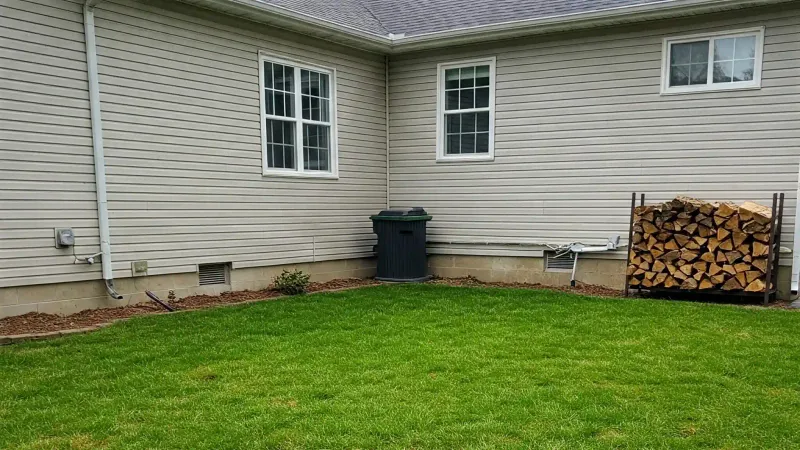
Shade is gold in a 110-degree Phoenix summer, and snakes know it better than anyone. They hunt for cool, hidden spots to escape the heat and stay safe from hawks and roadrunners.
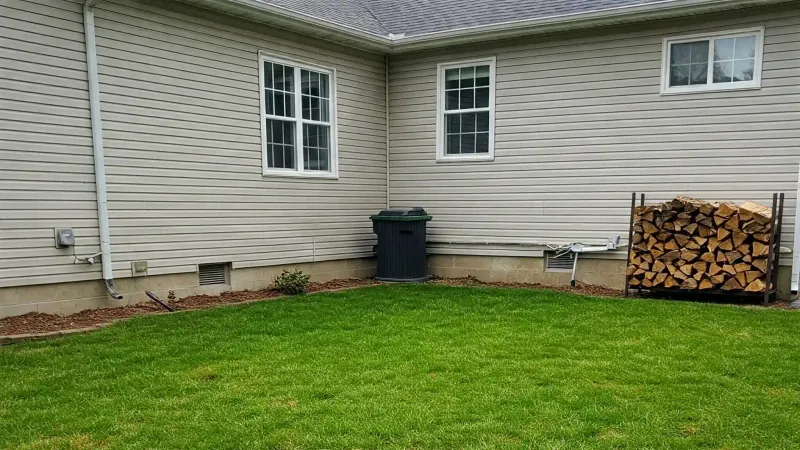
Walk your yard with fresh eyes. Woodpiles, stacked pavers, old tires, leaf piles, and forgotten pots all make cozy shelters.
Move firewood off the ground and away from the house, or skip storing it outside altogether.
Shrubs deserve a look too. Lift the canopies of plants like Texas sage and creosote so there is a gap between the branches and the ground.
That open space makes it harder for snakes to hide and easier for you to see what is there.
Do not forget the spots under patio furniture, storage sheds, and AC units. Keep the area around them swept and clear.
Trim palm skirts and thin heavy vines, which shelter both snakes and the rodents they hunt.
A tidy yard is not about looking fancy. It simply gives snakes fewer reasons to stick around, and it may make your space less inviting to scorpions as well.
That is a double win for a little weekend effort.
5. Manage Water Sources
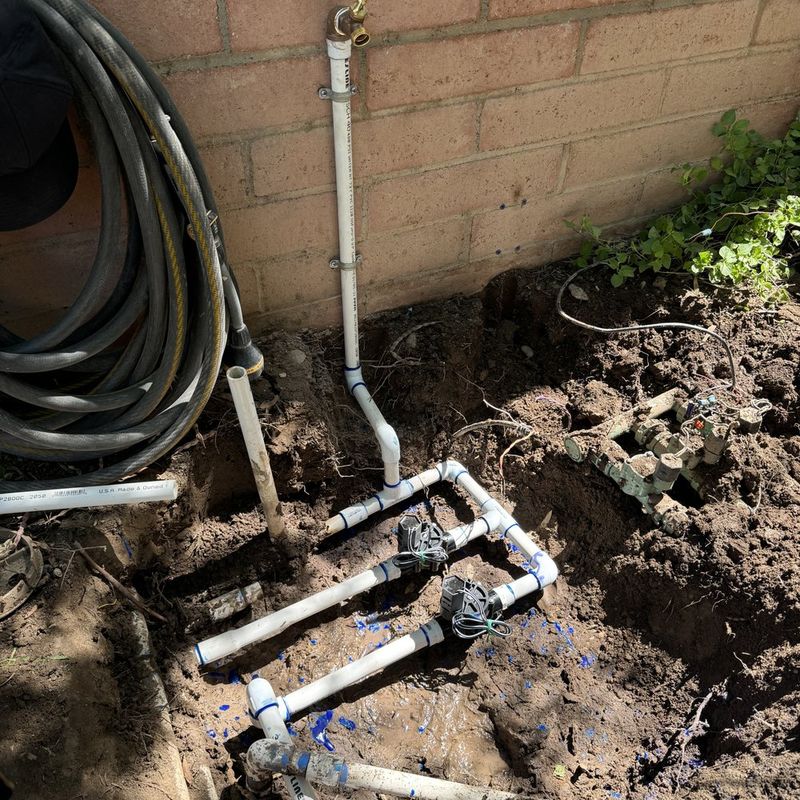
Water is the biggest magnet in the desert. Where it collects, frogs, birds, and rodents show up, and snakes follow the buffet.
Start with a leak check. Look for drip lines that spray, emitters that puddle, hoses that ooze, and faucets that drip.
Even a small leak can create a damp, green pocket that wildlife finds within days.
Next, look at your watering schedule. Many Arizona yards get far more water than desert plants need.
Natives like desert willow, palo verde, and penstemon do fine with deep, less frequent watering once they are settled, which keeps soil from staying soggy.
Birdbaths and pet bowls are fine, but location matters. Move them away from doors, patios, and play areas so any visitors gather at the edge of the yard instead of near your family.
Here is a bonus: getting rid of standing water can also reduce mosquito breeding, especially after monsoon storms. Dump saucers, buckets, and low spots after the rain rolls through.
Less wasted water means a lower bill, healthier native plants, and a yard that may be less appealing to the critters that draw snakes in.
6. Cut Back the Rodent Buffet
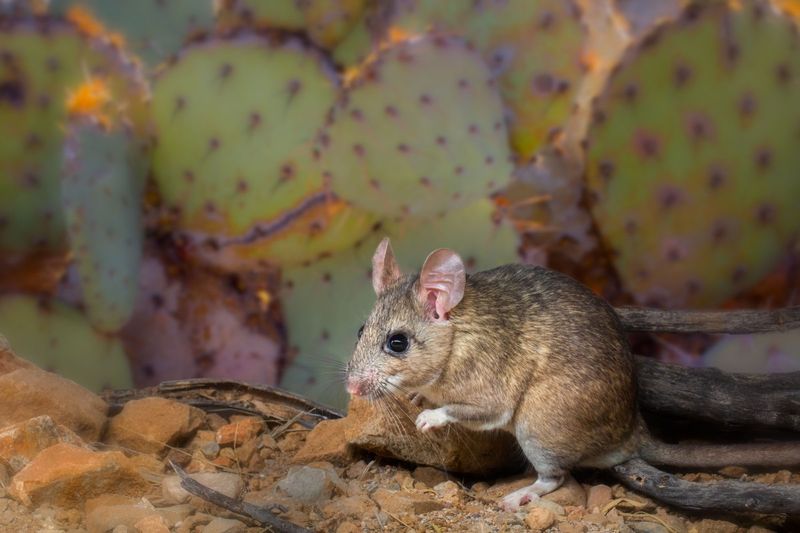
Follow the food, and you will find the snake. In Arizona, mice, rats, and pack rats top the menu for many species, including rattlesnakes and gopher snakes.
Spilled birdseed is a common culprit. Try a tray under feeders, or switch to no-mess seed that birds eat completely.
Store bags of seed and pet food in hard, sealed bins, since rodents chew through plastic bags in minutes.
Trash cans need tight lids, and fallen fruit from citrus trees should be picked up quickly. Rats love oranges and grapefruit just as much as you do.
Pack rats build big stick nests, often under prickly pear or in thick brush near walls. Clearing these piles, carefully and with gloves, removes a prime rodent hotel.
Nature can help too. Owls, hawks, and roadrunners all hunt rodents, and roadrunners even snack on small snakes and scorpions.
Leaving a tall mesquite or palo verde for perching raptors may give you a free pest patrol.
Fewer rodents usually means fewer hungry snakes passing through. It is one of the most effective, low-effort changes you can make, and your garage will thank you.
7. Plant Smart with Desert Natives
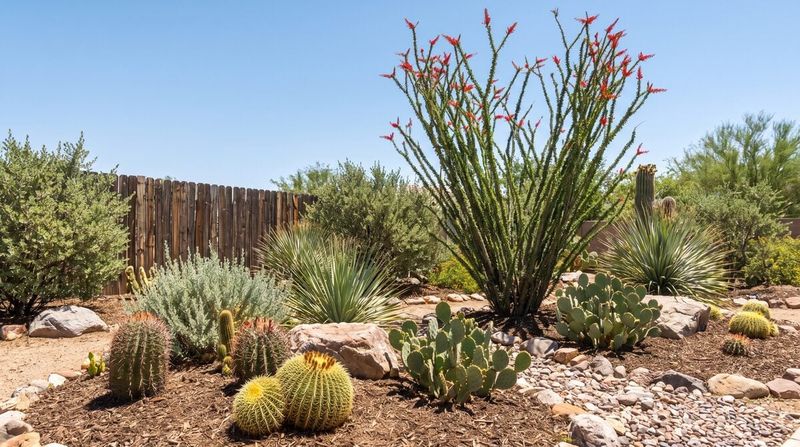
No plant works like a magic force field, despite what some online ads claim. Still, smart plant choices can shape how inviting your yard feels to snakes and their prey.
Spiny natives add a physical layer of protection. Golden barrel cactus and prickly pear, planted along borders, create prickly zones that most animals avoid crossing.
Keep them spaced out, though, since dense clumps can shelter pack rats.
Scented herbs offer another angle. Rosemary, lavender, and society garlic handle Arizona heat well once established, and their strong smells may help discourage rodents.
Less food nearby can mean fewer snakes stopping by to hunt.
Plant in fall, from October to November, or in early spring. Those windows give roots time to settle before summer heat hits hard.
Think about open space too. Low groundcovers that hug the soil, like trailing dense mats, can hide snakes, so favor plants with clear ground underneath.
Upright shrubs such as brittlebush and desert marigold leave better sight lines.
The best part is that these natives sip water, feed pollinators, and need little care. Your yard becomes tougher, thriftier, and a little less snake-friendly all at once.
8. Seal Up Your Perimeter
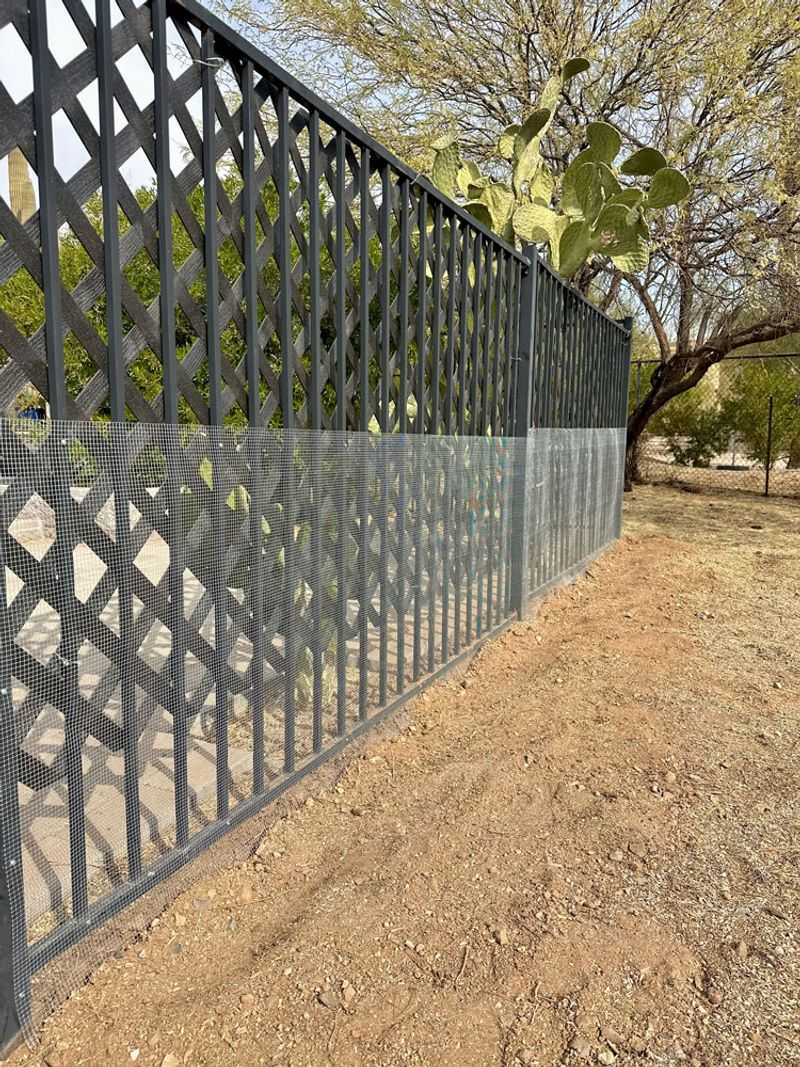
A gap the width of a pencil is all some young snakes need. That surprising fact makes checking your yard’s edges a smart weekend project.
Walk along your block wall and gates. Look for cracks, weep holes, and spaces under gates where the ground has washed out after monsoon rains.
A gate that sits snug to the ground leaves little room for sneaky visitors.
For extra protection, many Arizona homeowners add snake fencing. Use hardware cloth with openings around a quarter inch.
Bury the bottom a few inches into the soil, and angle the top outward so climbing snakes have a harder time getting over.
Then turn to the house itself. Seal foundation cracks, gaps around pipes, and openings near AC lines with caulk or foam.
Add fine mesh over vents and make sure door sweeps touch the threshold.
These fixes pull double duty. The same tiny gaps that let in snakes also welcome scorpions and rodents, so sealing them may cut down on several pests at once.
Fencing will never be perfect, but it can greatly reduce surprise encounters near patios, pools, and play areas where kids and pets spend time.
9. Call a Professional When Needed
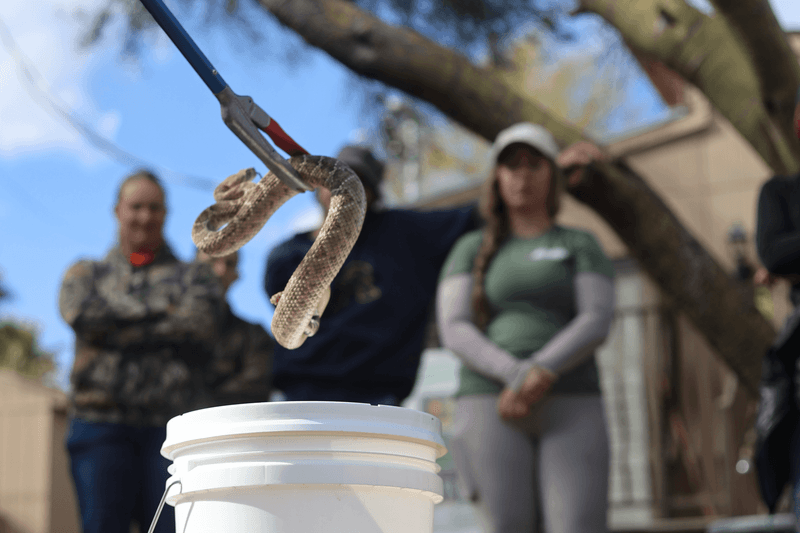
Sometimes the smartest move is picking up the phone. Knowing when to get help keeps your family safe and protects the snakes too.
Call a pro if you find several skins in the same spot, keep seeing live snakes, or suspect a rattlesnake is living near your home. Repeat sightings may mean a snake has found a favorite shelter, and an expert can track down why.
Never try to catch or corner a snake yourself. Most bites happen when people try to handle or chase one.
Keep kids and pets back, watch from a safe distance, and let the snake move along if it can.
Arizona has plenty of local snake removal services, and many offer humane relocation. Some fire departments in the Valley will also respond to venomous snakes near homes, so check with your city.
A good specialist does more than remove a snake. Many will walk your property and point out hiding spots, gaps, and water issues you may have missed.
Remember, most snakes help your yard by eating rodents. With smart prevention and a trusted expert on speed dial, you can share the desert peacefully and enjoy your outdoor space with confidence.