The Plants That Keep Bringing Cardinals And Other Songbirds Back To Your Arizona Yard
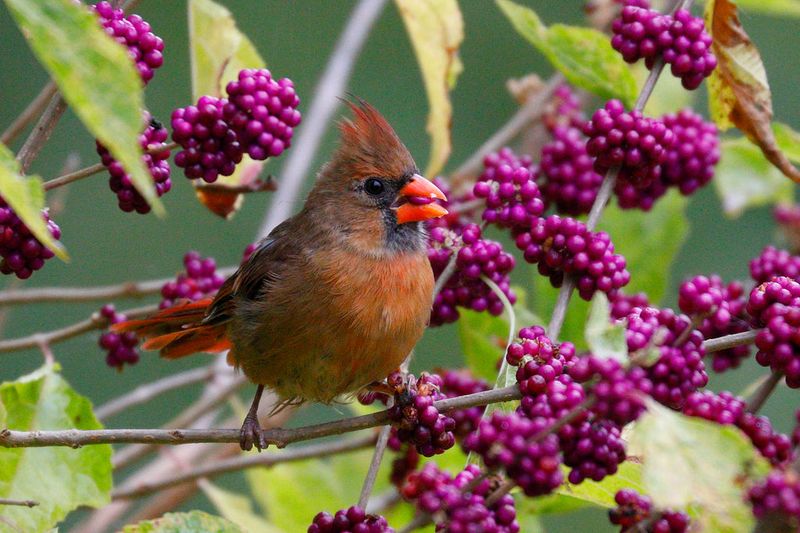
If you love seeing a flash of red cardinal wings or hearing finches chatter at dawn, your yard can become their favorite hangout. The trick is planting native, desert-tough species that hand out food, cover, and safe places to nest without draining your water bill.
In Arizona’s blazing heat and stubborn alkaline soil, the right plants do double duty by surviving on their own and pulling in birds year-round. Here are nine standouts that keep songbirds coming back again and again.
1. Desert Hackberry in Arizona
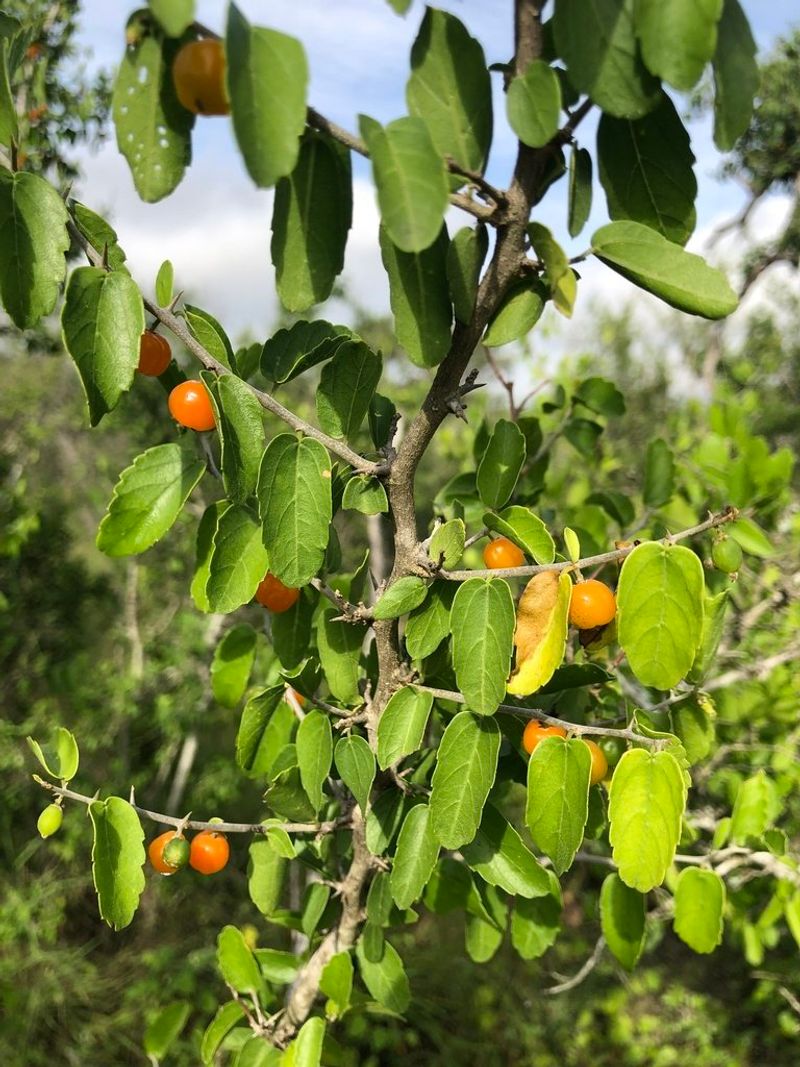
Ask cardinals to name their favorite Arizona shrub and Desert Hackberry might just top the list. Come summer and fall, this evergreen loads up on juicy orange berries that Northern Cardinals gobble down with enthusiasm.
What makes it stand out from other bird plants is the security it offers. The tangled, thorny branches create a fortress where songbirds can nest and hide from hawks and cats, giving them cover most desert plants simply cannot match.
Because it is drought-tolerant and stays green all year, it works overtime in an Arizona yard. You get living privacy screening, wildlife food, and safe nesting real estate rolled into one low-fuss shrub that shrugs off the heat.
2. Sunflowers in Arizona
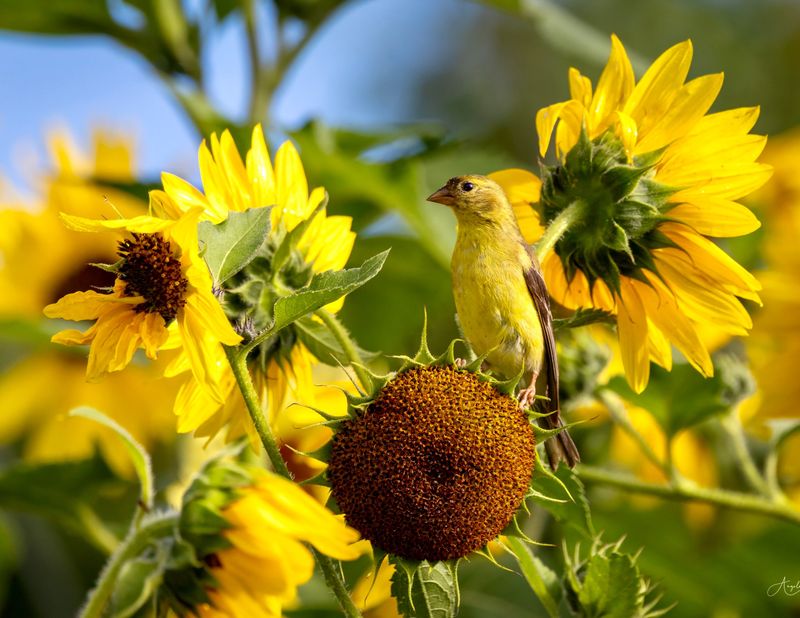
Few things say backyard buffet like a row of sunflowers nodding in the Arizona sun. Their fat seed heads are basically a free feeder that draws Northern Cardinals, Lesser Goldfinches, and House Finches right up to your window.
Unlike the shrubs and trees on this list, sunflowers are an easy, fast payoff. Drop a few seeds in the ground and within weeks you have towering blooms that reward you long after the petals fade, when birds cling to the heads and pick out every seed.
Plant them in a sunny spot and let the spent flowers stand instead of cutting them down. That patience turns a summer annual into an autumn feeding station that keeps the finch traffic steady in your yard.
3. Desert Willow in Arizona
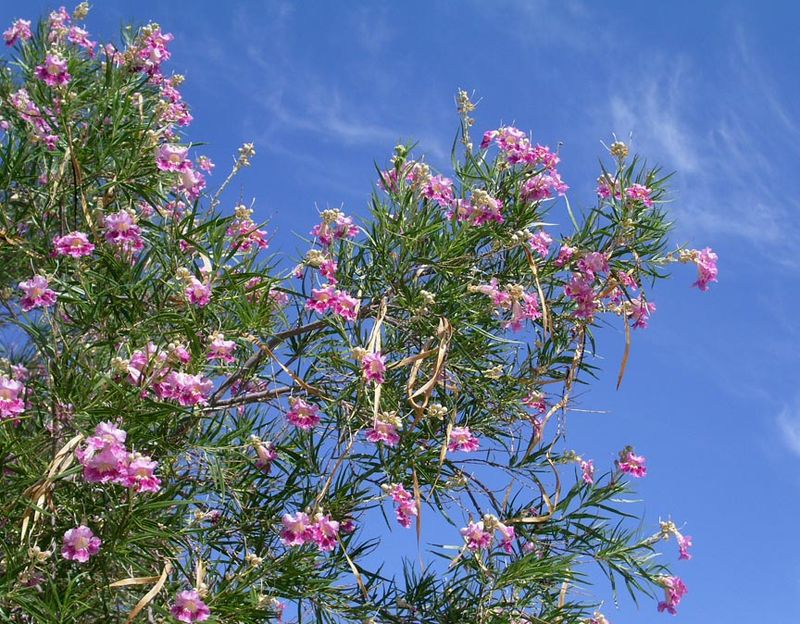
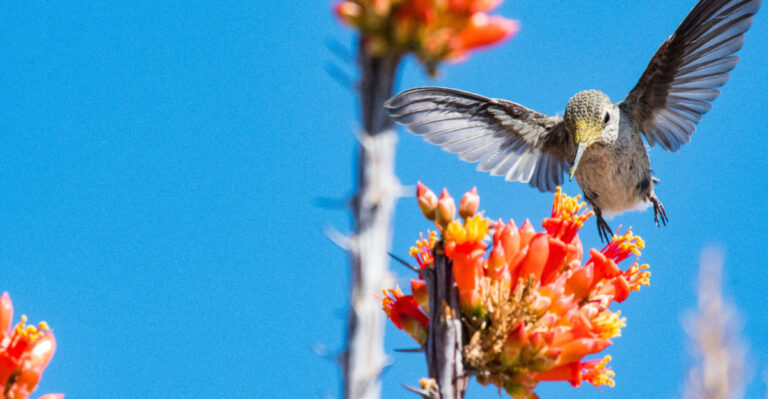
Picture a small tree draped in orchid-like blossoms of lavender and pink, and you have got the Desert Willow doing its thing from April through September. Hummingbirds and verdins can’t resist those trumpet-shaped flowers, and the nectar keeps them circling back.
Its unique advantage is the combo of light shade and food. Growing up to 25 feet, this thornless tree throws just enough dappled cover for cooler resting spots, while its seeds feed several bird species once the blooms fade.
Because it drops its leaves in winter and needs little water, it fits Arizona’s rhythm naturally. You get months of color, nesting sites, and a nectar bar all in a tree that never begs for the hose.
4. Ironwood in Arizona
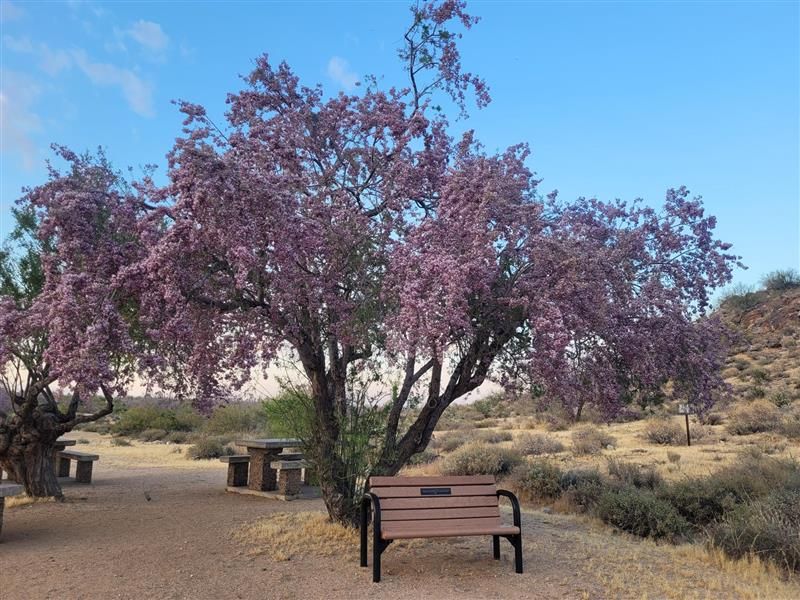
Think of the Ironwood as a full-service bird sanctuary planted in your yard. Nearly 150 bird species use its dense canopy for shelter and nesting, which is a jaw-dropping resume for a single tree.
Its edge over other picks is the sheer variety of food it hosts. Protein-rich seeds fill its pods, and the branches teem with insects, giving songbirds both plant and bug protein without leaving the tree.
Your Arizona Garden Changes Every Week. Your Plan Should Too.
Gardening in Arizona changes quickly throughout the season. Every Friday you’ll receive a simple weekly plan showing exactly what to plant, prune, fertilize, harvest, and protect so you never miss the right timing.
Here is a fun bit of desert lore: Ironwood is one of the longest-lived trees in the Sonoran Desert, sometimes hanging around for centuries. Plant one and you are creating shade for cacti and wildflowers, plus a legacy habitat future generations of Arizona birds will thank you for.
5. Mesquite in Arizona
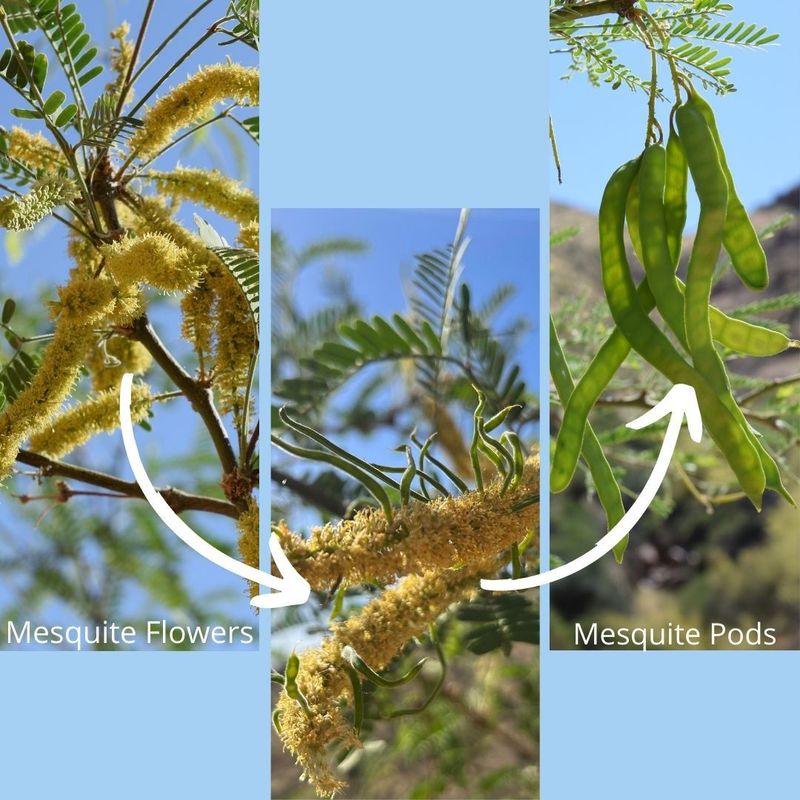
The mesquite is the neighborhood diner of the desert, and everybody shows up. Velvet and Honey Mesquite trees drop sweet seed pods that doves, quail, Verdins, and Abert’s Towhees happily devour.
What sets mesquite apart is how many roles it plays at once. Its bark and leaves shelter insects that hungry songbirds hunt, its flowers pull in a crowd of birds, and its wide canopy hands out the shade that makes an Arizona yard livable in July.
These trees are champions of drought tolerance, thriving in arid ground where fussier trees would sulk. Give one room to spread and it becomes a breeding, nesting, and roosting hub that anchors your whole bird habitat.
6. Prickly Pear in Arizona
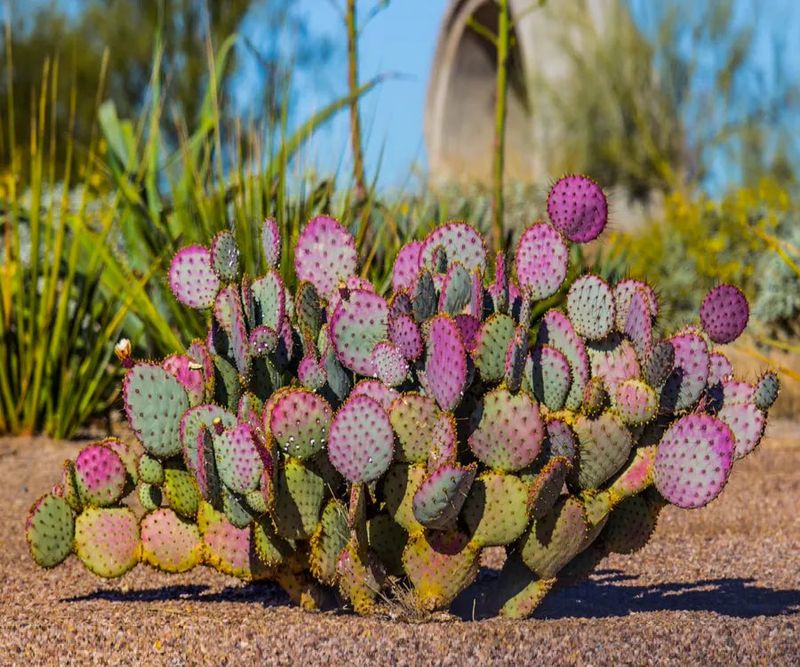
Low-maintenance doesn’t get much lower than the Prickly Pear, one of the toughest plants you can hand a bird. It laughs off scorching heat and long dry spells, asking for almost nothing in return.
Its standout gift is protection paired with a sweet treat. The spiny pads give birds a safe escape from predators, while the juicy summer fruit, called tunas, is a prize that many species value highly.
Add in the bright flowers that hum with pollinating insects, and you have a plant that feeds birds twice, once with fruit and once with the bugs those blooms attract. For a hot, forgotten corner of the yard, few plants earn their keep so easily.
7. Blue Palo Verde in Arizona
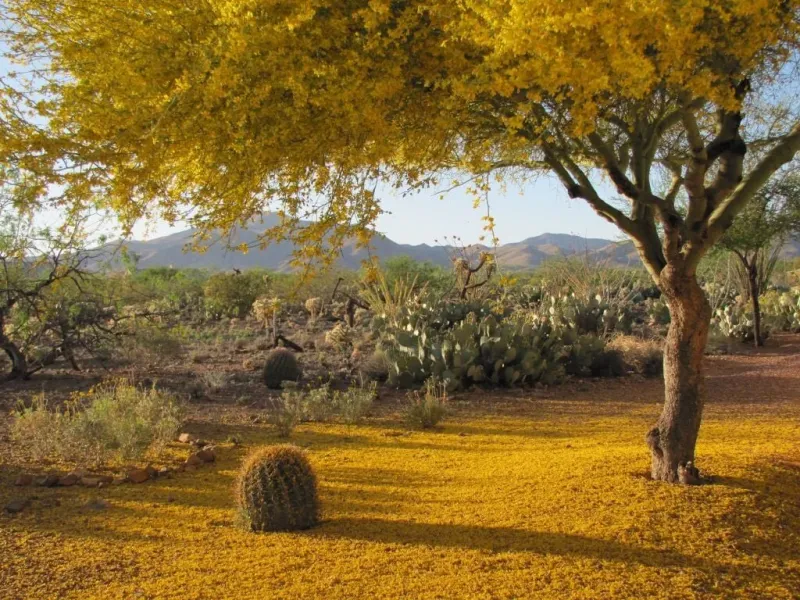
As Arizona’s official state tree, the Blue Palo Verde earns its crown every spring with an explosion of yellow flowers in late March and April. That golden display is a magnet for Verdins, Black-tailed Gnatcatchers, and Anna’s Hummingbirds.
Its clever twist is that even the trunk pitches in. The green and blue-green bark photosynthesizes, helping the tree survive when it drops leaves to conserve water, which means reliable cover for birds even in tough stretches.
Beyond the flower show, its thorny twigs give small songbirds a protected place to perch and nest. Light to moderate shade rounds out the package, making this a signature Arizona tree that pulls double duty as a bird haven.
8. Desert Marigold in Arizona
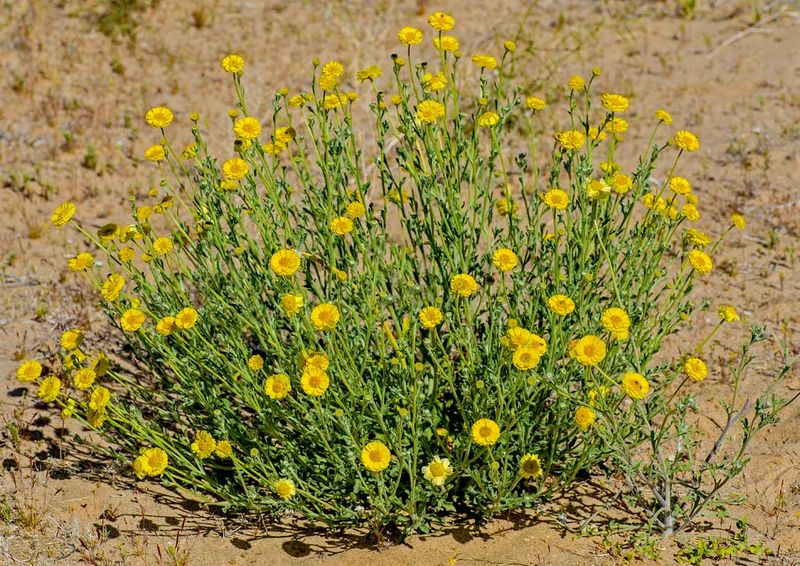
Cheerful and nearly unstoppable, Desert Marigold splashes bright yellow across an Arizona yard almost all year long. That endless bloom cycle is exactly what makes it special, because it keeps producing seeds when many other plants have called it quits.
Doves, sparrows, and finches drop by to snack on those seeds, turning a humble wildflower into a steady snack stand. It fits beautifully into xeriscaping since it needs so little water to keep flowering.
For gardeners who want maximum color and bird activity with minimal effort, this perennial is a quiet overachiever. Tuck it along paths and borders and let it seed itself into a self-renewing patch of habitat.
9. Yellow and Orange Bells in Arizona
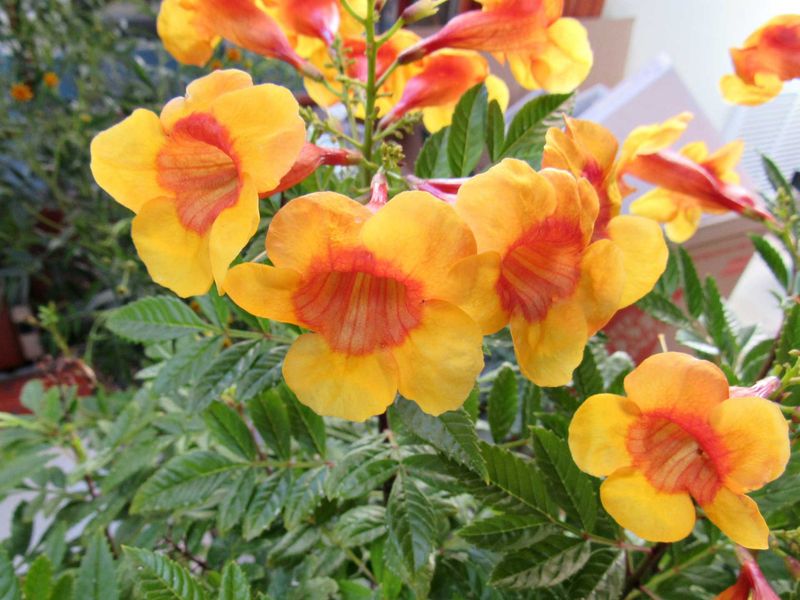
Loud, showy, and generous, Yellow and Orange Bells put on a flower parade from April clear through November. Those bright bell-shaped blooms are hummingbird favorites, keeping the tiny fliers buzzing around your yard for most of the year.
What earns these Tecoma shrubs their spot is the second act. When the flowers finish, pencil-like seed pods form in the fall, and those pods feed overwintering songbirds through the leaner months.
So you get spring-to-fall nectar for hummingbirds and winter groceries for the songbirds that stick around. Plant one of these large shrubs or small trees in full sun and enjoy a plant that keeps working when the calendar cools off.