Why Arizona Garden Soil Crusts Over In May And How To Break It
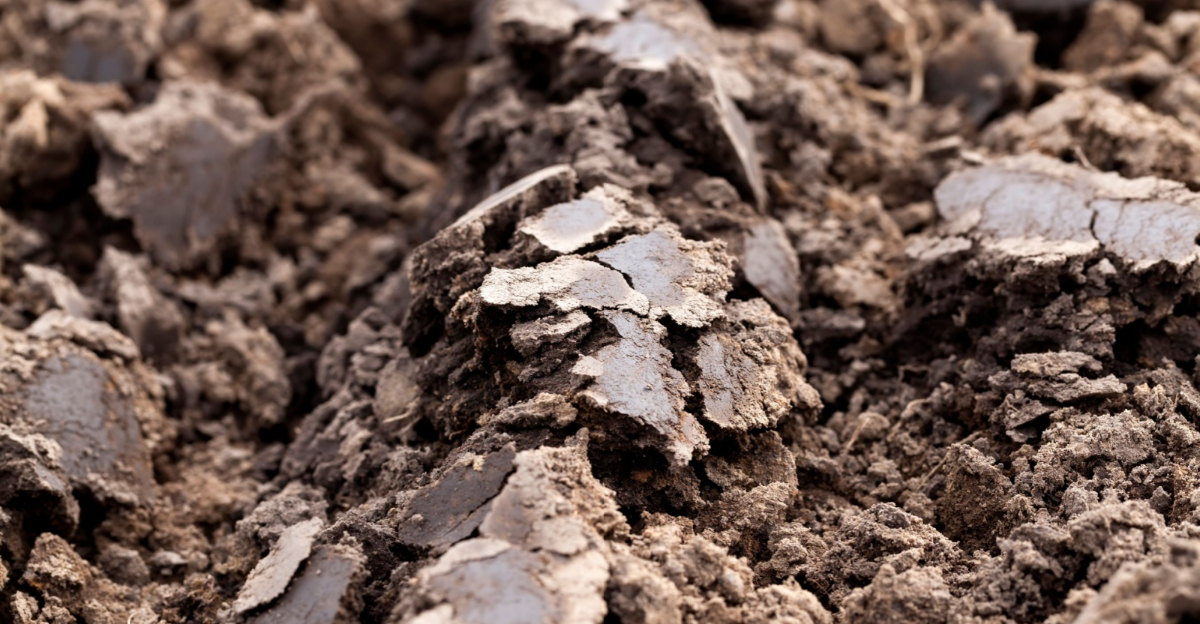
You water your Arizona garden, walk away feeling good about yourself, and come back the next day to find the soil surface looking like something you could tile a bathroom with. Hard, sealed, cracked, and completely uninviting.
Welcome to soil crusting, one of those gardening problems that doesn’t get nearly enough attention but shows up constantly in Arizona yards once the May heat starts doing its thing.
The combination of intense sun, dry air, low organic matter, and rapid surface drying creates the perfect conditions for that locked-up layer to form fast.
And once it’s there, it’s genuinely working against you. Water struggles to soak in, seedlings struggle to push through, and your garden basically has to fight its own soil just to function.
The fix starts with understanding exactly why it’s happening in the first place.
1. Dry Heat Hardens Bare Soil Fast
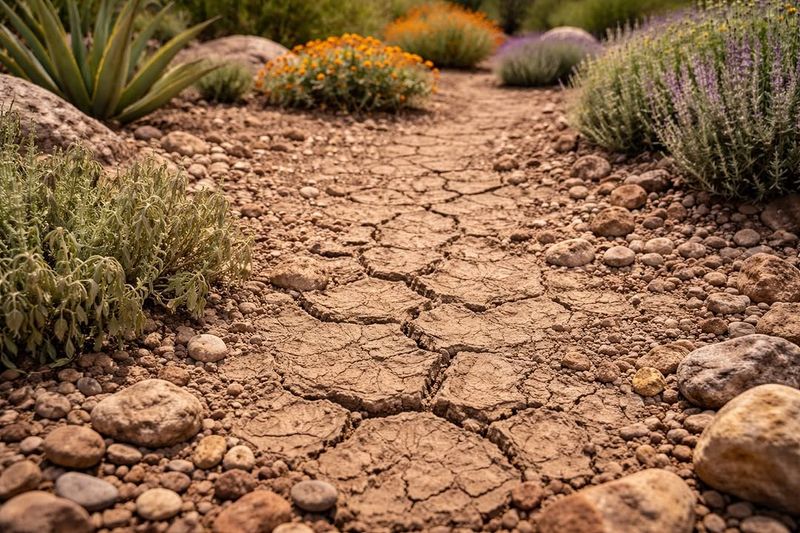
Bare soil in an Arizona garden during May is basically sitting in an oven with no protection.
When surface temperatures climb well above air temperature – which they often do on exposed desert ground – moisture evaporates from the top layer so quickly that soil particles bind together and form a dense crust.
That crust can appear within a day or two after rain or irrigation, especially when nothing is covering the ground.
Gardeners working vegetable plots or flower beds often notice this hardening along the edges of rows where plants have not yet filled in. The top quarter to half inch of soil becomes noticeably firmer and can resist water instead of absorbing it.
When water beads up on the surface or runs off to the sides, that is a sign the crust is already working against you.
Breaking up that surface crust with a hand cultivator or a light hoe pass can restore water infiltration quickly.
However, it helps more to prevent the crust from forming in the first place by keeping bare soil to a minimum.
Even a thin layer of straw or shredded wood mulch over open ground can significantly slow the surface drying that leads to crusting in Arizona’s intense May heat. Consistent attention to bare patches makes a noticeable difference across a full season.
2. Low Organic Matter Makes Crusting Worse
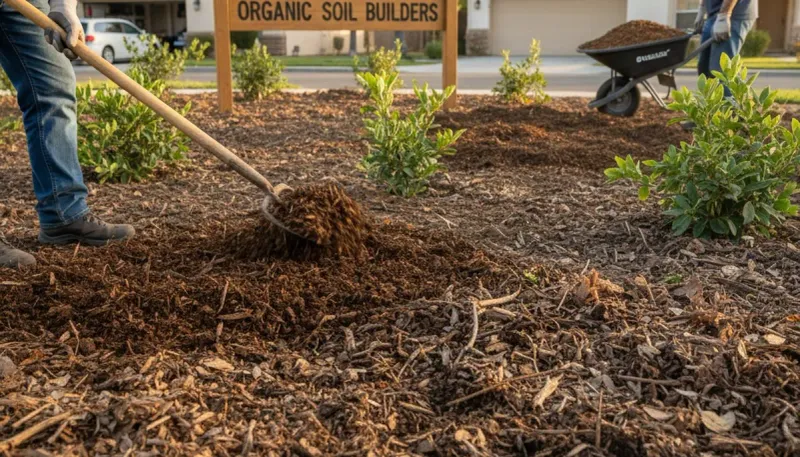
Native Arizona soils are often low in organic matter, and that characteristic plays a big role in how easily a crust develops. Organic matter – things like decomposed leaves, compost, or aged manure – acts like a sponge and a binder at the same time.
It keeps soil particles from packing tightly together at the surface, which is exactly what happens when organic content is low and May heat moves in.
When soil lacks that organic buffer, individual particles settle flat against each other after each watering. As the surface dries, those particles lock together and form the familiar hard cap that gardeners struggle with.
Vegetable beds and raised planters that have not been amended in a year or more tend to show this problem more dramatically than beds that receive regular organic additions.
Your Arizona Garden Changes Every Week. Your Plan Should Too.
Gardening in Arizona changes quickly throughout the season. Every Friday you’ll receive a simple weekly plan showing exactly what to plant, prune, fertilize, harvest, and protect so you never miss the right timing.
Adding compost each season is one of the most reliable ways to raise organic matter levels over time. Even a one-inch layer worked into the top few inches of soil can improve structure noticeably.
In Arizona, where soils are naturally sandy, silty, or clay-heavy depending on the region, building organic content is an ongoing process rather than a one-time fix.
Gardeners who commit to regular additions tend to see fewer crusting problems as the seasons progress and soil structure gradually improves with each amendment cycle.
3. Heavy Watering Can Seal The Surface
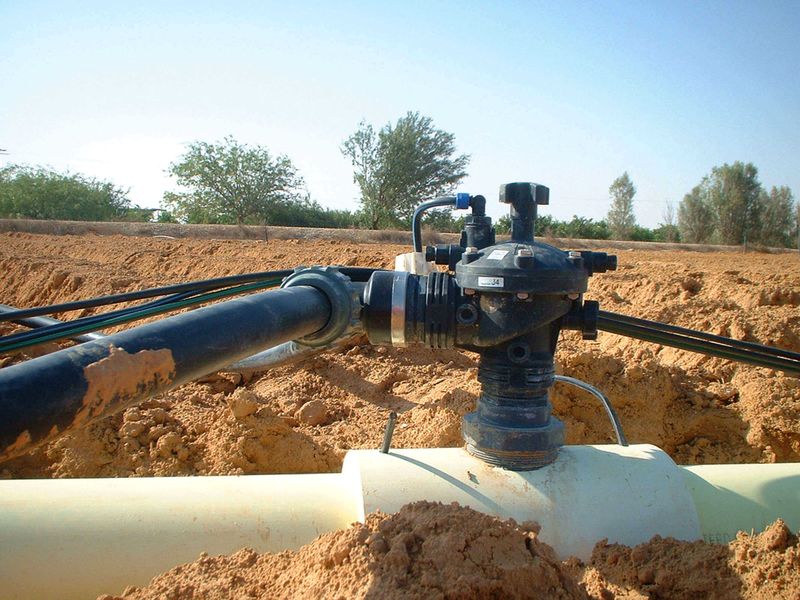
Irrigation splash is one of the sneakiest causes of soil crusting in Arizona gardens.
When water hits bare soil with any real force – whether from a sprinkler head, a hose, or even a drip emitter that is running too fast – the impact breaks apart surface aggregates and rearranges the tiny particles into a smooth, compact layer.
Once that layer dries under the Arizona sun, it hardens into a crust that slows future watering cycles.
This is particularly common in vegetable gardens where overhead watering is used to germinate seeds or water young transplants.
The fine spray from many sprinkler heads carries enough energy to disturb the soil surface repeatedly, and each watering event compounds the effect.
Gardeners sometimes increase water output thinking the soil is dry when the real issue is that the crust is blocking infiltration rather than the soil below being depleted.
Switching to drip irrigation or soaker hoses for established beds can reduce splash impact considerably. For seedling areas, a gentle watering wand with a soft rose head helps deliver moisture without disrupting the soil surface.
Placing a thin layer of fine mulch over newly seeded rows also buffers the impact of water droplets.
Gardeners who adjust their irrigation method often find that crusting problems become less frequent even before making any changes to soil composition or amendments.
4. Fine Clay Soil Crusts More Easily
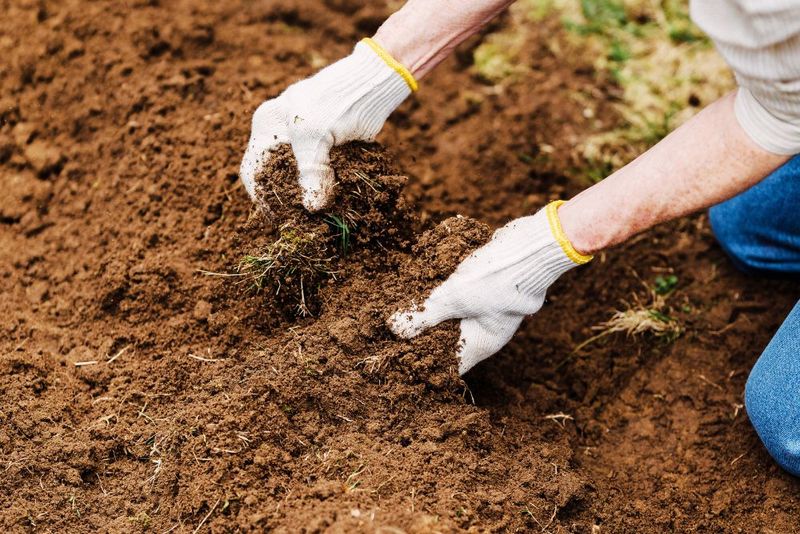
Not all Arizona soils behave the same way in May heat, and clay-heavy soils are among the most prone to crusting. Clay particles are extremely fine, which means they pack together tightly when wet and then dry into a stiff, almost cement-like layer at the surface.
If your garden bed has clay-rich soil, you have probably noticed how smooth and hard the top gets just a day or two after watering.
The challenge with clay soil in Arizona is that it can hold moisture deeper down while the surface becomes completely sealed.
That sealed layer then prevents additional water from reaching the root zone, creating an odd situation where the soil looks dry on top but may still have some moisture a few inches below.
Seedlings are especially vulnerable because they need to push through that hard surface layer before they can establish properly.
Gypsum is one amendment that gardeners sometimes use to help break up clay structure without changing soil pH significantly. Working it into the top few inches of a clay-heavy bed can improve drainage and reduce the tendency to crust over time.
Compost additions also help by separating clay particles and improving overall texture.
Repeated amendments across multiple growing seasons tend to produce the most lasting improvement in clay soils, and gardeners with patience usually see real progress within two to three seasons of consistent soil care.
5. Wind Can Dry The Top Layer Quickly
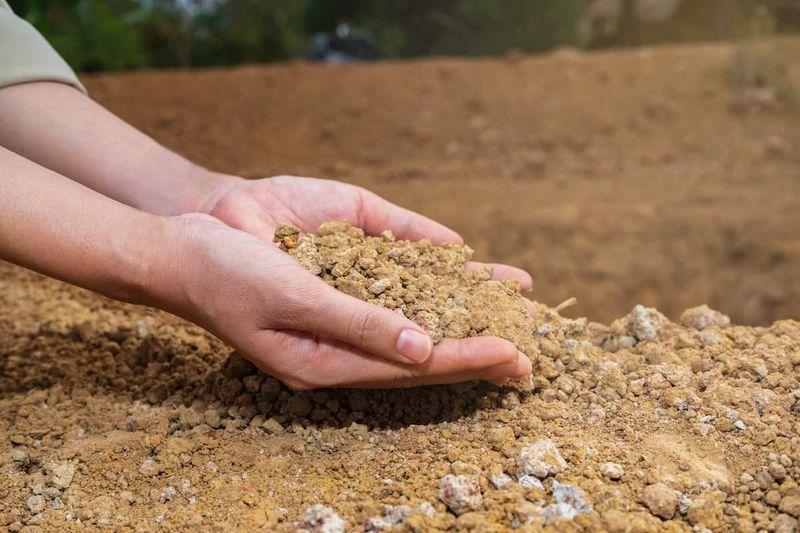
Arizona afternoons in May are known for gusty, dry winds that pull moisture out of the environment fast. That same wind works on your garden soil, stripping surface moisture within hours of irrigation.
When the top layer dries faster than the layers below, the surface particles settle and bind together before natural soil movement can mix them. The result is a crust that forms even on days when the garden was watered in the morning.
Wind drying is especially noticeable in raised beds and open vegetable rows where the soil sits fully exposed to air movement. Patio planters and container gardens can also develop surface crusts quickly because the smaller soil volume dries out faster overall.
In areas where prevailing winds sweep across the yard regularly, the problem tends to appear on the windward side of beds before spreading.
One practical response is to water in the early morning so soil has time to absorb moisture before the wind picks up in the afternoon.
Using row cover fabric or shade cloth over young seedling rows also reduces wind exposure and slows surface drying during the hottest and windiest part of the day.
Mulching is again helpful here, since even a light covering of organic material reduces wind contact with the bare soil surface and keeps the top layer from losing moisture so rapidly during Arizona’s breezy spring afternoons.
6. Foot Traffic Compacts Garden Beds
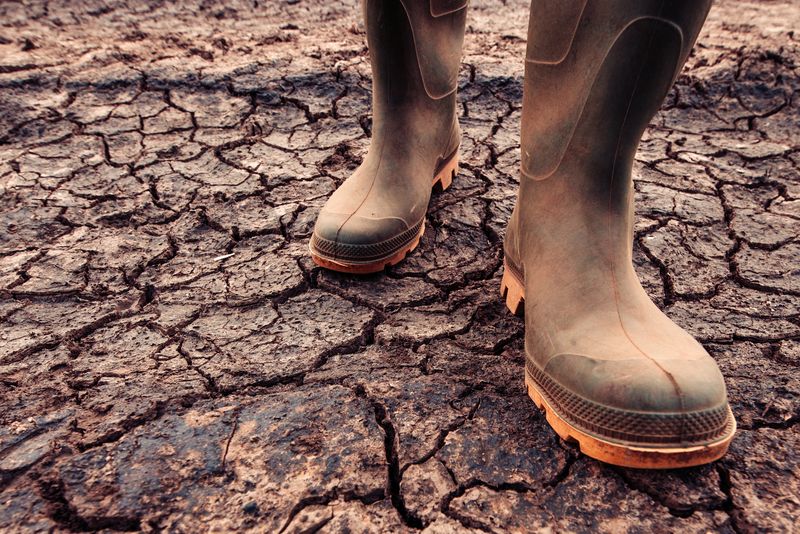
Walking through a garden bed might seem harmless, especially when the soil looks dry and firm, but repeated foot traffic is one of the more overlooked causes of surface compaction in Arizona vegetable gardens.
Each step pushes soil particles closer together, reducing the tiny air pockets that allow water to move through.
Over time, heavily trafficked areas develop a dense surface layer that water struggles to penetrate.
In smaller Arizona gardens where space is limited, it is easy for gardeners to step between plant rows while weeding, harvesting, or adjusting irrigation lines. Even stepping on the same spot a few times a week can create noticeable compaction over a growing season.
Children playing near garden beds or pets cutting through planted areas add to the problem without anyone realizing the long-term effect on soil structure.
Creating defined pathways using stepping stones, gravel, or wooden boards gives people a clear place to walk without disturbing planted areas.
Raised beds with narrow widths – around two to three feet – allow gardeners to reach the center from either side without stepping in.
For in-ground beds, marking off a dedicated path and keeping it consistent protects the planting area from compaction.
Gardeners who establish these habits early in the season tend to maintain better soil texture throughout the warm months, and their beds stay more workable even when May heat is at its peak.
7. Mulch Helps Protect The Soil Surface
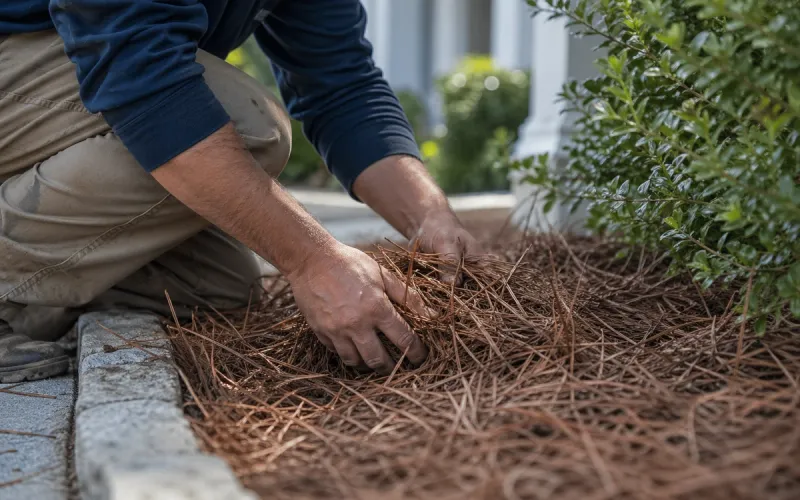
Spreading mulch over garden soil is one of the most effective steps an Arizona gardener can take to slow down surface crusting.
Mulch acts as a physical barrier between the soil and the intense May sun, keeping the surface temperature lower and reducing the rate at which moisture evaporates from the top layer.
When the surface stays slightly cooler and more moist, soil particles are less likely to lock together into a hard crust.
Organic mulch options like straw, shredded wood, or dried grass clippings work well in vegetable gardens and raised beds. A two-to-three-inch layer is usually enough to make a real difference without smothering plant stems or blocking air circulation.
As organic mulch breaks down over the season, it also contributes small amounts of organic matter back into the soil, which gradually helps improve texture and reduce future crusting.
Inorganic mulches like gravel or decomposed granite are common in Arizona low-water landscapes and around patio planters. These materials protect the soil from wind and sun but do not add organic matter over time.
For areas where vegetable growth and seedling establishment are priorities, organic mulch tends to be the more useful choice.
Applying mulch right after planting or seeding gives gardens the best chance of keeping the soil surface loose, moist, and workable through the hottest stretch of May and into summer.
8. Compost Improves Soil Texture Over Time
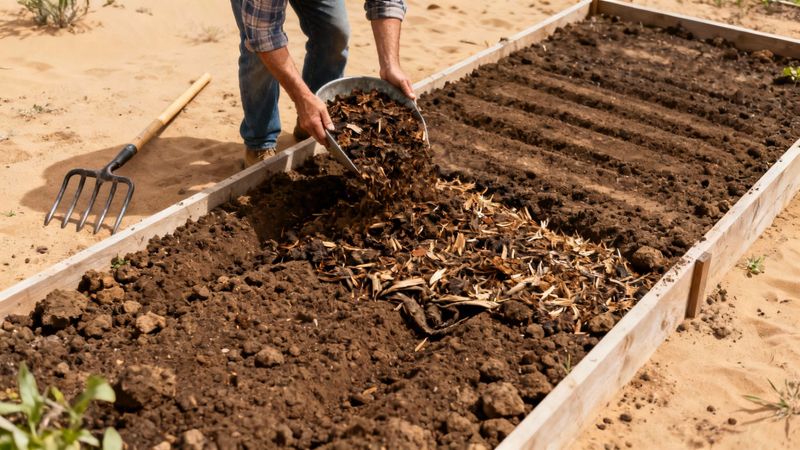
Compost is one of the most reliable tools an Arizona gardener has for fighting soil crusting, but its benefits build gradually rather than appearing overnight.
When worked into the top several inches of a garden bed, compost separates fine soil particles, improves drainage, and creates a more open structure that resists surface hardening.
Beds that receive compost additions each season tend to develop a noticeably different texture compared to unamended soil nearby.
In Arizona, where native soils often lack organic content, compost fills a gap that is hard to address any other way. A two-inch layer spread over the surface and lightly incorporated before planting is a straightforward starting point.
Over multiple seasons, the cumulative effect becomes more apparent – water soaks in more readily, crusts form less frequently, and seedlings push through the surface with less resistance.
Homemade compost made from kitchen scraps, garden trimmings, and dry leaves is a practical option for many households. Purchased bagged compost or bulk compost from local suppliers also works well and is widely available across the state.
The key is consistency – adding compost once and expecting permanent results is not realistic for Arizona soils.
Regular seasonal additions, combined with mulching and thoughtful watering habits, give garden beds the best foundation for staying loose, productive, and resistant to the crusting that May heat so reliably brings back each year.