These Fuzzy Red Cones On Pennsylvania Roadsides Deserve A Closer Look
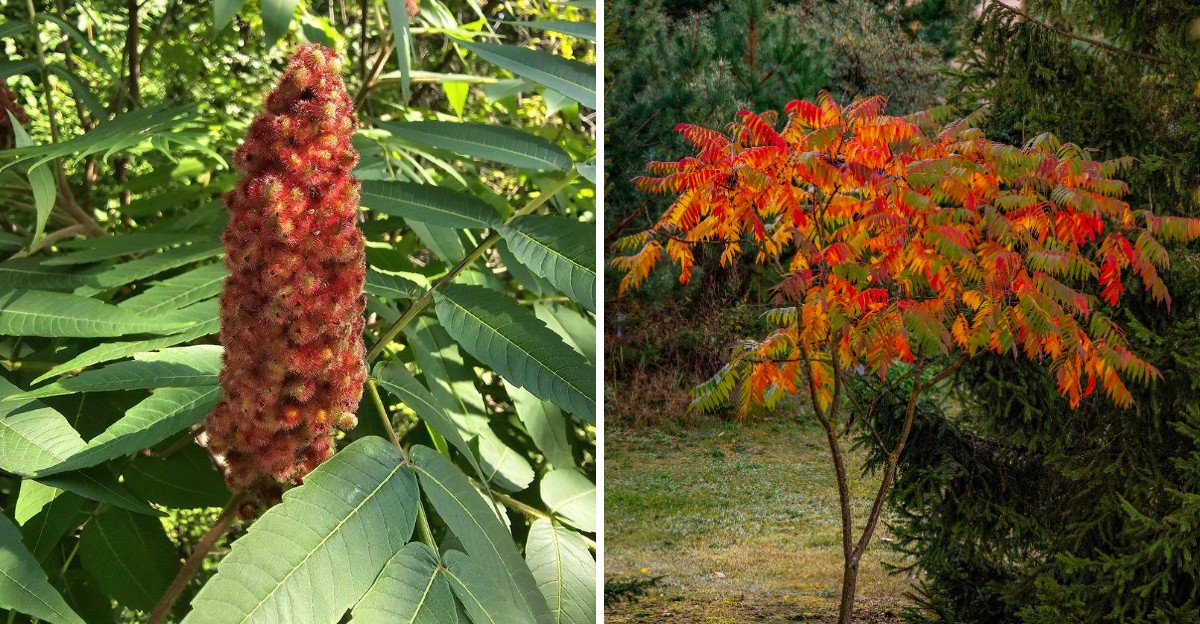
Cruise down almost any Pennsylvania country road in fall, and you’ll likely spot them. Upright clusters of fuzzy, deep red cones sit atop small trees, almost like candles glowing along the shoulder of the road.
Most people zip right past without a second glance. That’s a shame, because this native plant has some surprising tricks.
Those velvety red clusters are packed with tiny berries coated in a tart, lemony flavor. For generations, people have soaked them in cold water to make a refreshing pink drink that tastes a lot like lemonade.
Birds rely on the clusters for food in late winter, when little else is left. And in autumn, the leaves turn some of the brightest shades of scarlet, orange, and gold.
Many people worry it might be poisonous, but this common roadside plant is safe for most people and surprisingly useful. It just takes a closer look to appreciate it.
A Common Pennsylvania Native
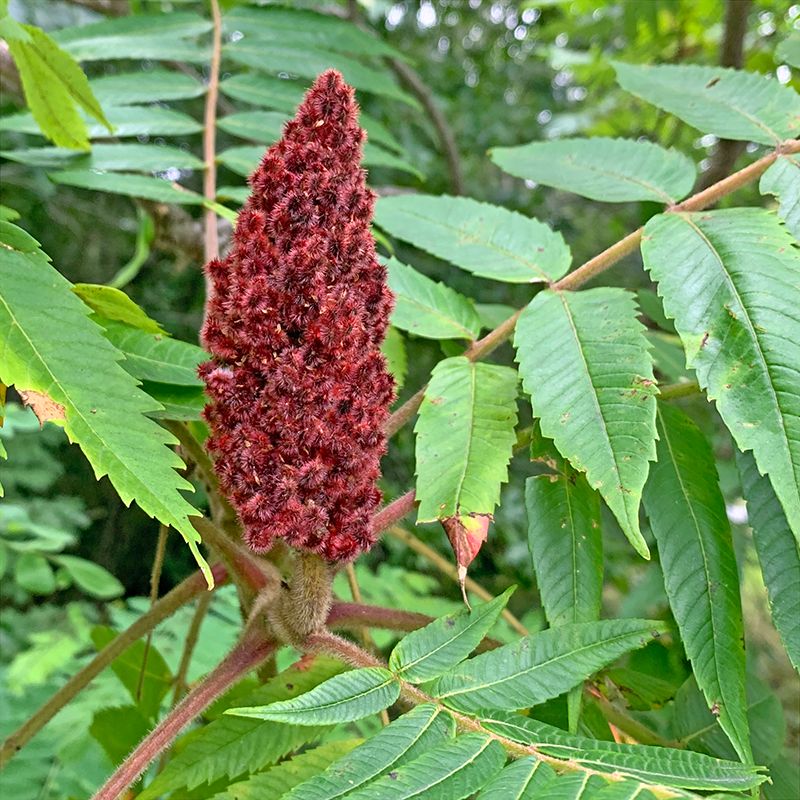
Long before highways crossed Pennsylvania, staghorn sumac was already at home here. It is a true native plant. That means it grew in the state long before settlers arrived.
You can find it in many sunny, open places. It loves roadsides, railroad tracks, forest edges, and old farm fields. Basically, if a spot gets plenty of light and nobody mows it, sumac may move in.
Most staghorn sumac plants grow about 10 to 20 feet tall. Some stay shrubby, while others look more like small trees with a slightly crooked shape. The branches spread out at the top, a bit like an umbrella.
Here is the neat part. Staghorn sumac rarely grows alone. It sends out underground roots that pop up new shoots nearby.
Over time, one plant can become a whole colony. These groups form thick patches called thickets. The tallest plants usually stand in the middle, with shorter ones around the edges. From a distance, a colony can look like a soft green dome.
Those thickets do important work. They help hold soil in place on steep banks, which reduces erosion after heavy rains. They also give small animals a safe place to hide.
Want to spot one yourself? Look for long leaves made of many narrow leaflets lined up in pairs. Then check for those upright red cones at the branch tips during summer and fall.
Once you learn to recognize it, you will start seeing staghorn sumac everywhere. It is one of the easiest native plants to identify in the state, making it a perfect starting point for new nature lovers.
Where It Gets Its Name
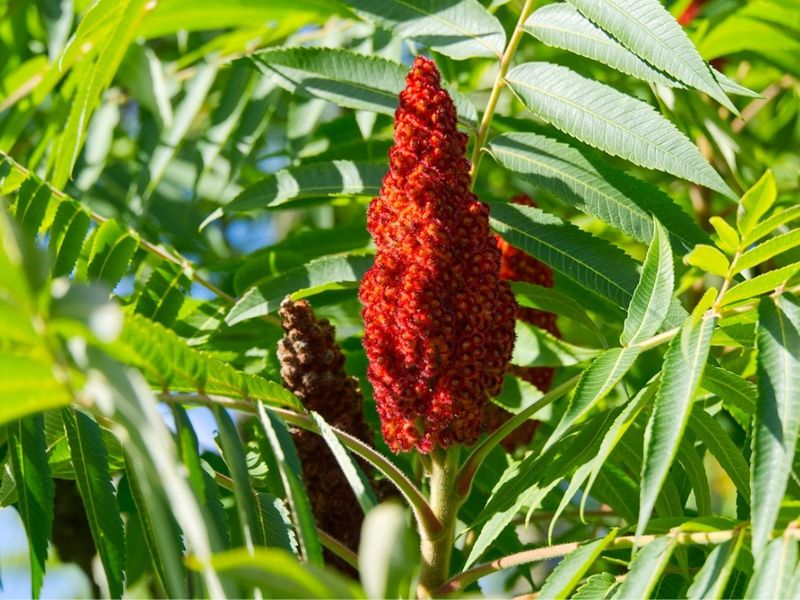
Run your fingers along a young sumac branch, and you might be surprised. It feels soft, almost like a stuffed animal. That fuzzy texture is the secret behind the plant’s unusual name.
Male deer are called stags or bucks. Every year, they grow brand new antlers. While those antlers are growing, they are covered in a soft, fuzzy skin called velvet.
Early observers noticed that young sumac branches look a lot like antlers in velvet. The twigs fork in a similar way. They are also coated with tiny brownish hairs. Put those clues together, and the name staghorn sumac makes perfect sense.
Your Pennsylvania Garden Changes Every Week. Your Plan Should Too.
Gardening in Pennsylvania changes quickly throughout the season. Every Friday you’ll receive a simple weekly plan showing exactly what to plant, prune, fertilize, harvest, and protect so you never miss the right timing.
The red fruit clusters add to the effect. They stand straight up at the tips of the branches. In fact, a whole plant can look like a deer head poking out of the brush.
Fun fact time! The fuzz on the branches is so thick that some people call it a velvet look. Older branches lose much of that fuzz, so the softest feel is usually on the newest growth.
Winter is actually a great time to notice this feature. The leaves have fallen, so the bare, fuzzy branches really stand out. Against a snowy background, they look even more like antlers.
Try this simple game on your next walk. Find a sumac plant and gently touch a young twig and an older one. Compare how they feel.
Kids especially love this trick. It turns a regular roadside plant into a hands-on science lesson. Plus, you will never forget how staghorn sumac got its name.
It’s Not Poison Sumac
Ask around, and you will meet someone who backs away from every sumac they see. That fear is understandable. Nobody wants an itchy rash that lasts for weeks.
Still, staghorn sumac and poison sumac are very different plants. Once you know what to look for, telling them apart is pretty easy. Think of it as solving a simple puzzle with a few clear clues.
Clue number one is where the plant grows. Poison sumac likes wet ground. You usually find it in swamps, bogs, and soggy areas.
Staghorn sumac prefers the opposite. It grows in dry, sunny, open spots like roadsides and fields. So if you are standing on a dusty highway shoulder, odds are good that you are not looking at poison sumac.
Clue number two is the berries. Poison sumac has small white to grayish berries. They hang down in loose, droopy clusters.
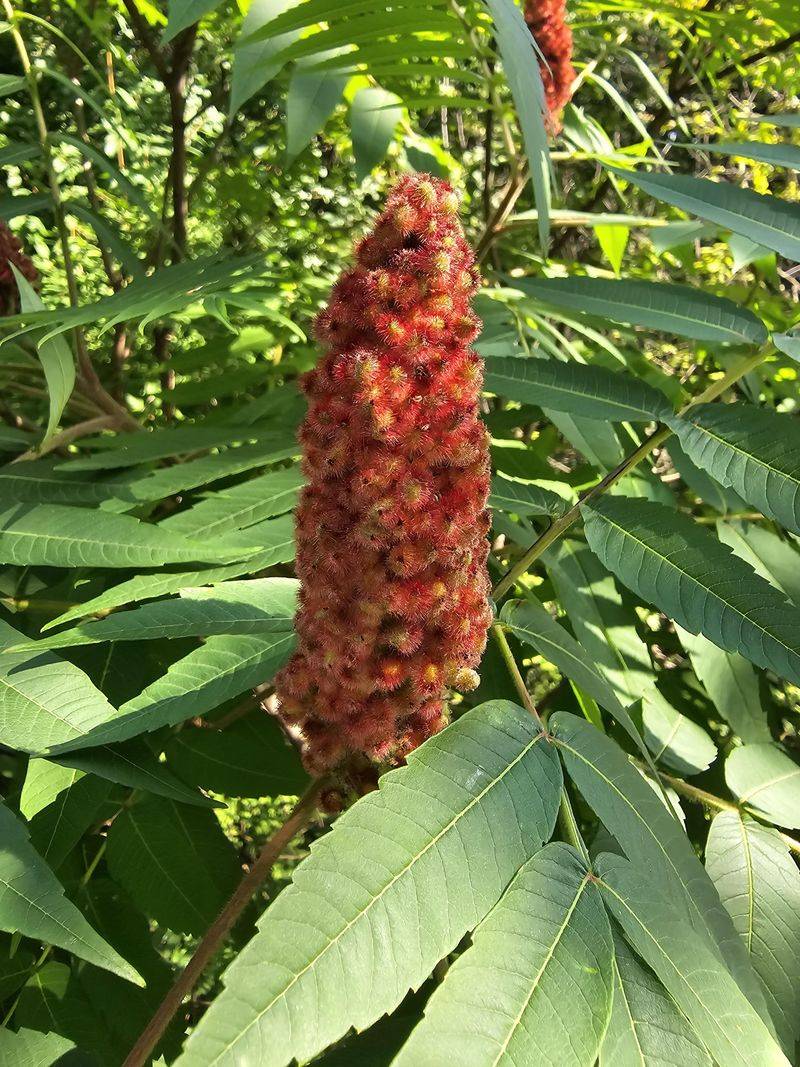
Staghorn sumac has bright red berries packed tightly together. They point straight up like a cone or a flame. Plus, they are covered in fuzz.
Clue number three is the leaf edges. Staghorn sumac leaflets have tiny teeth along the edges. Poison sumac leaflets have smooth edges.
Here is a quick memory trick. Red and upright means all right. White and hanging means stay away.
Even with these tips, being careful is smart. If you are ever unsure about a plant, simply leave it alone and snap a photo instead. You can check it later with a field guide or a plant app before touching anything.
Its Berries Have A Surprising Use
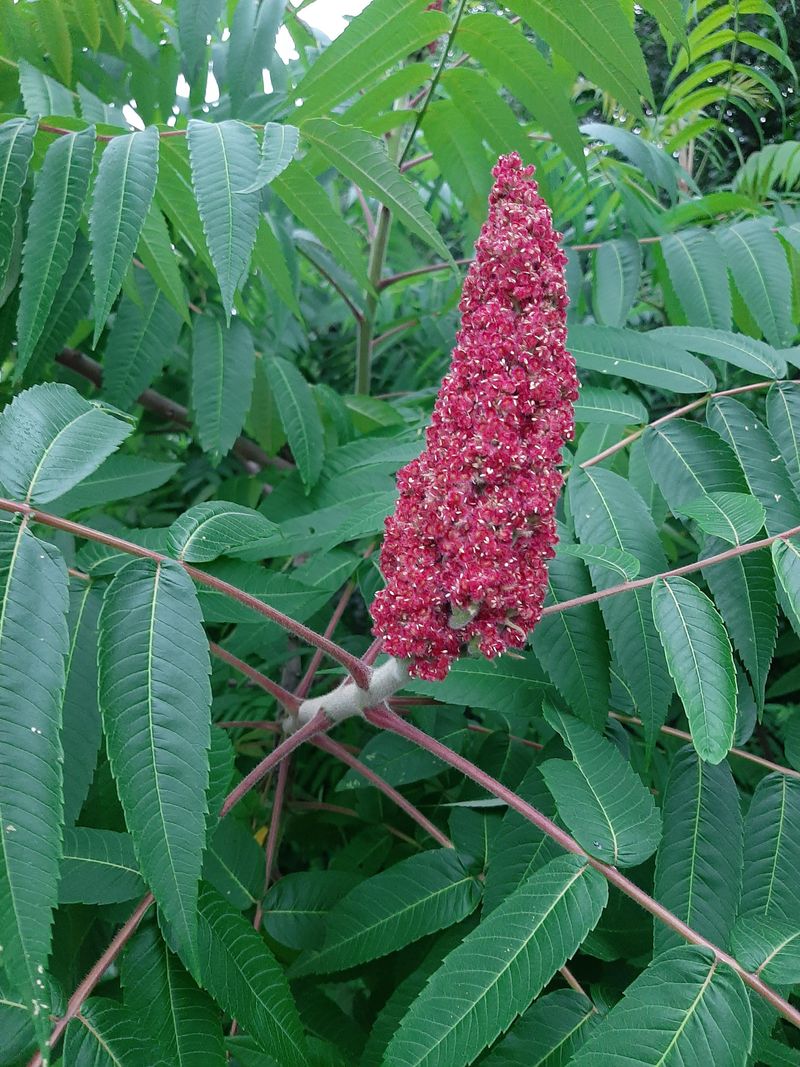
Lemonade without lemons? It sounds like a magic trick, but staghorn sumac makes it possible. Those fuzzy red berries hold a tasty secret.
Each tiny berry is coated with a sour, tangy substance. When you taste it, the flavor is a lot like lemon. Native American communities used sumac for food and drinks long ago, and early settlers picked up the habit too.
The most famous recipe is often called sumac-ade. Making it is pretty simple. People gather a few ripe berry clusters, rinse them gently, and soak them in cold water.
After soaking for a while, they rub the berries to release more flavor. Then they strain the liquid through a cloth or coffee filter. That step removes the fuzzy hairs and any bits of debris.
The result is a pale pink drink with a bright, tart taste. Some folks add a little honey or sugar. Others enjoy it plain on a hot summer day.
A few helpful tips can make a big difference. Use cold water, because hot water can pull out bitter flavors. Also, pick berries after a dry spell, since heavy rain can wash away the tangy coating.
Fun fact: a close cousin of staghorn sumac is used to make a popular spice in Middle Eastern cooking.
Now for the most important part. Never taste any wild plant unless you are completely sure what it is. Ask an experienced adult or forager to double-check, and avoid picking plants near busy roads where car exhaust and sprays may linger.
A Winter Food Source For Wildlife
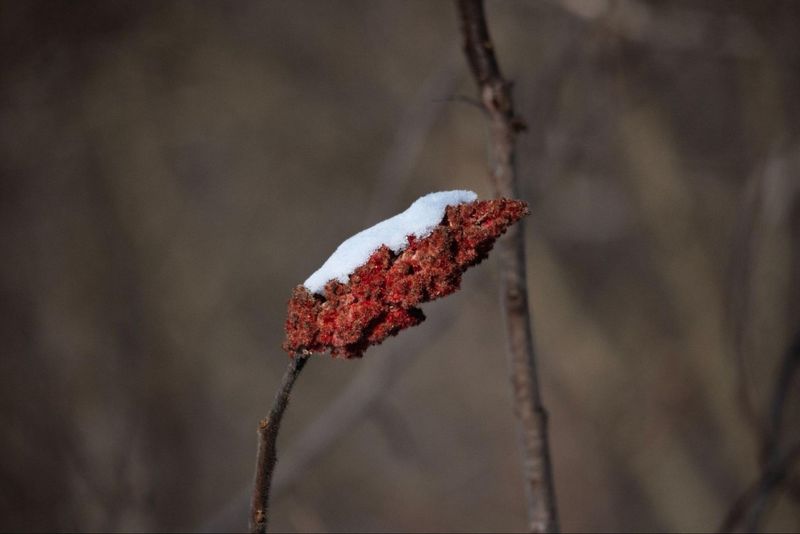
January in Pennsylvania can feel pretty harsh. Snow covers the ground, and most plants look empty and brown. Yet staghorn sumac keeps holding up its red cones like little gifts.
Unlike many fruits, sumac berries do not drop off quickly. They often stay on the branches all winter long. That staying power makes them extremely valuable to wildlife.
By late winter, many favorite foods are gone. Juicy berries have been eaten. Seeds are buried under snow.
That is when hungry animals turn to sumac. Some experts call it emergency food, because birds may rely on it when better choices run out. It may not be the tastiest meal, but it keeps them going.
So who stops by for a snack? Eastern bluebirds are frequent visitors. American robins that stay north for winter also munch on the berries.
Ruffed grouse, Pennsylvania’s state bird, feed on them too. Wild turkeys, cardinals, and other birds join in. Even some mammals, like rabbits and deer, nibble on the twigs and bark.
Bird watchers, take note. A sumac patch can be a fantastic place to spot birds on a cold morning. Bring binoculars, stand quietly nearby, and give it a few minutes.
You can help, too. If you have sumac on your property, consider leaving the fruit clusters alone through winter.
In warmer months, the flowers also attract bees and other pollinators. So staghorn sumac quietly supports wildlife all year round, from spring blossoms to snowy days.
Brilliant Fall Color And Easy Growing
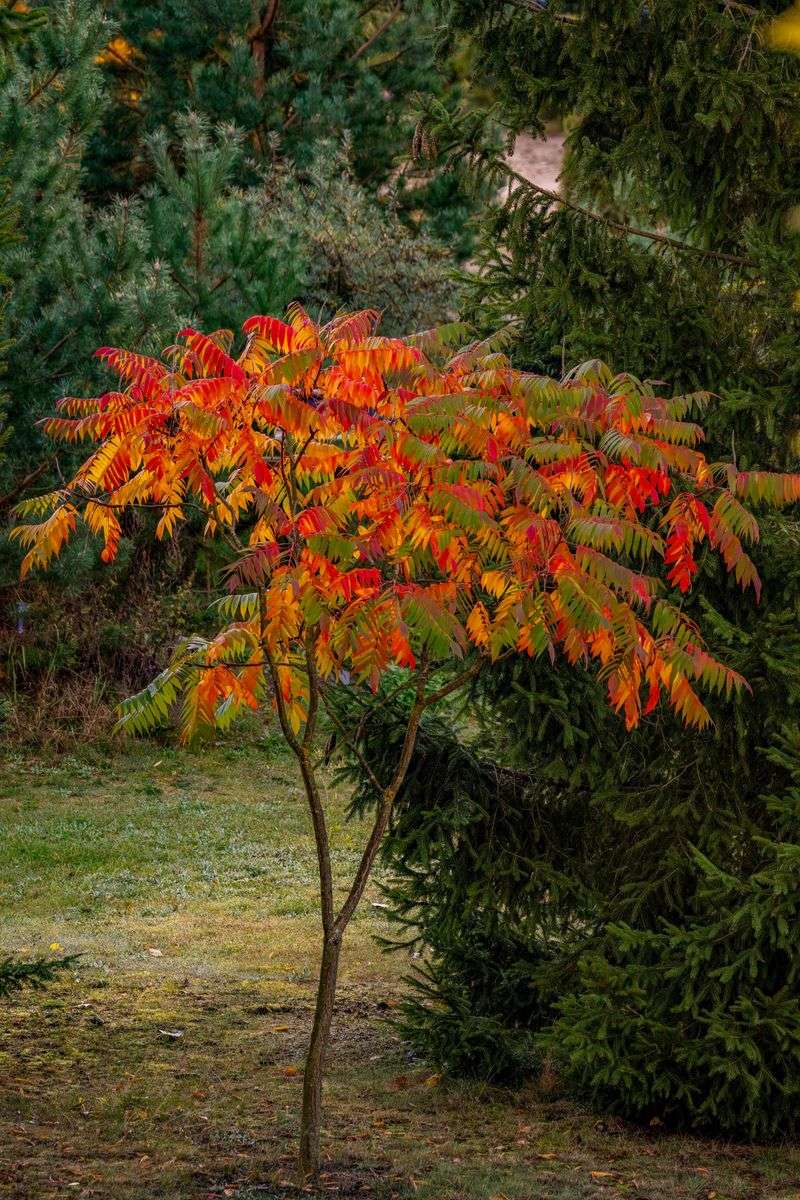
Come October, staghorn sumac puts on a show that rivals any maple. Its long, feathery leaves blaze with color. Whole hillsides seem to catch fire.
The leaves can turn deep red, glowing orange, or sunny yellow. Sometimes one plant shows all three colors at once. On a bright fall day, it is truly stunning.
Gardeners love sumac for more than its looks. It is incredibly tough. It thrives in dry, rocky, and poor soil where many plants struggle.
Give it full sun, and it will grow happily. It handles heat and drought like a champ. Once established, it hardly needs any watering or fertilizer.
That makes it great for tricky spots. Steep slopes, sunny banks, and wild meadow areas are perfect. Its roots also help keep soil from washing away.
There is one catch, though. Staghorn sumac loves to spread. Those underground roots keep sending up new shoots.
So plan ahead before planting. Choose a spot with lots of room, far from neat flower beds. Mowing around the edges can help keep it in check.
Short on space? Look for a cutleaf variety sold at garden centers. It has lacy, fern-like leaves and can be easier to manage in smaller yards.
Planting tip: early spring or fall is the best time to add sumac to your landscape.
With the right space, staghorn sumac gives back so much. You get fall color, winter interest, and happy birds, all from one easygoing native plant.