What Pennsylvania Gardeners Should Do For Hostas Before Winter
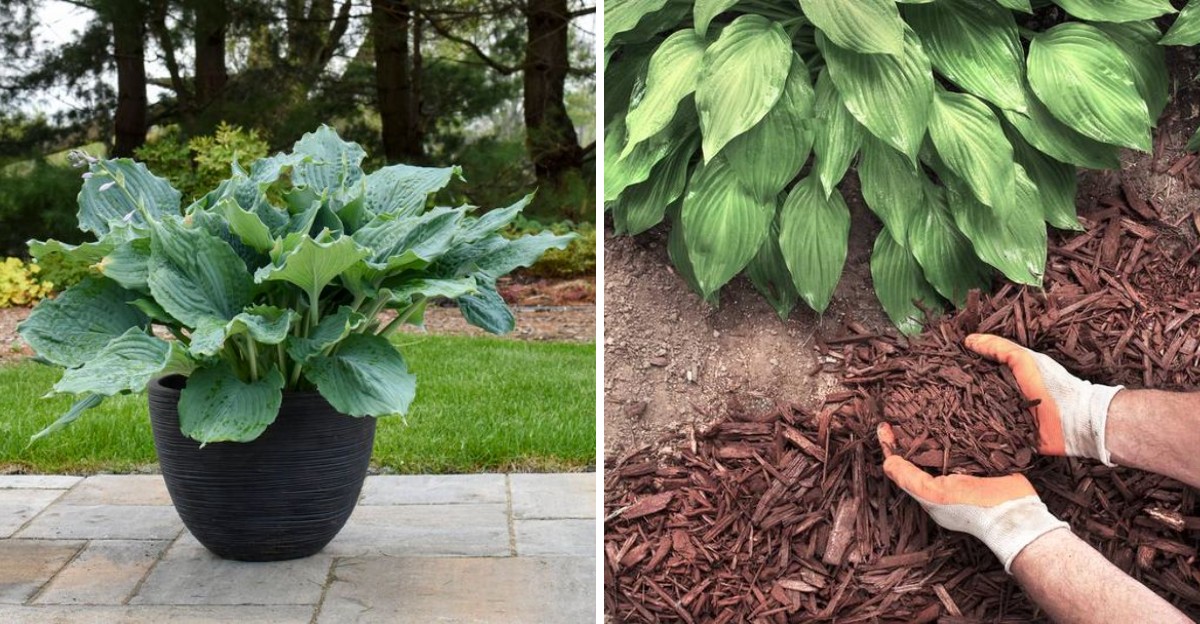
Your hostas are having a moment, and it is not a flattering one. The big, bold leaves that ruled the shade garden all summer are turning yellow, floppy, and a little mushy, and it is tempting to grab the shears and call it a season.
Hold that thought. Nothing is wrong.
Those tired leaves are still sending energy down to the roots, which is like the plant packing a pantry for winter. A few chores this fall can mean fuller, healthier hostas when spring rolls around, and most of them take less time than a trip to the apple orchard.
Pennsylvania frost shows up on its own schedule, so grab your gloves and a warm cider. Your hostas are heading into a long nap, so let’s tuck them in right.
1. Wait For The First Frost Before Cutting Back
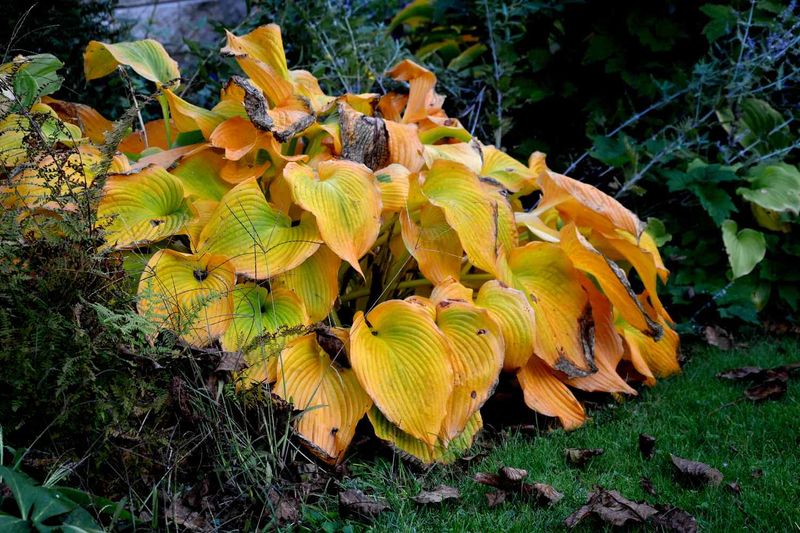
Patience is a gardener’s secret weapon in the fall. Your hostas are still working hard even when their leaves start to fade.
Those yellowing leaves keep sending energy down into the roots. Roots store that energy like a pantry, and the plant uses it to push out fresh shoots next spring.
In Pennsylvania, the first hard frost usually shows up between late September and early November. The exact timing depends on where you live.
The northern mountains can see frost in late September, while the southeast around Philadelphia often waits until late October or even November.
After a frost, hosta leaves turn soft, brown, and droopy almost overnight. That is your signal that the plant has finished its job for the year.
Cutting too early can rob the roots of stored food. A plant with less energy may come back smaller or weaker when the weather warms up.
So go ahead and let your hostas look a little messy for a few weeks. Your neighbors might wonder, but your plants will thank you.
A simple trick is to check your local weather forecast each week in October. Once the temperature dips below about 28 degrees, plan your cleanup for the following weekend.
Fun fact: hostas actually need a cold rest period to grow well. A chilly winter helps reset them, which is one reason they thrive in Pennsylvania backyards.
2. Trim Old Leaves To Keep Slugs Away
Slugs are sneaky little squatters. They love hiding under soggy, rotting hosta leaves all winter long.
Even worse, slugs lay their eggs in that damp mess. Come spring, those eggs hatch right next to your tender new hosta shoots, and the munching begins.
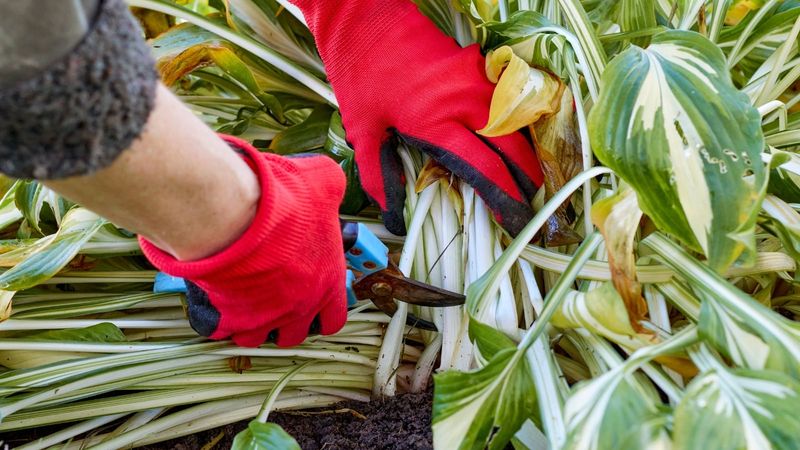
Once the leaves have flopped after a frost, it is time to tidy up. Grab a clean pair of pruning shears or sharp scissors.
Cut each leaf stem down to about one or two inches above the soil. Leaving a tiny stub helps you remember exactly where each plant lives.
Be careful not to dig into the crown, which is the center where new growth starts. That spot is precious, so treat it gently.
Pennsylvania falls tend to be wet and cool, which is perfect slug weather. Removing old foliage takes away their cozy hotel and cuts down on spring damage.
Toss the trimmed leaves in a yard waste bag instead of your compost pile. If any leaves showed spots or disease, keeping them out of compost stops problems from spreading.
One small tip from experienced growers: wipe your shears with rubbing alcohol between plants. It takes just a few seconds and helps keep any plant germs from hitching a ride to healthy hostas.
3. Give Hostas A Deep Drink Before The Ground Freezes
Think of fall watering like packing a lunch for a long road trip. Hostas need moisture stored in their roots before the soil turns hard and icy.
Many people stop watering once summer ends. That makes sense, but dry autumn weeks can leave roots thirsty right when they need to settle in for winter.
Pennsylvania sometimes gets surprise dry spells in September and October. If you haven’t seen a good rain for a week or more, your hostas could use a hand.
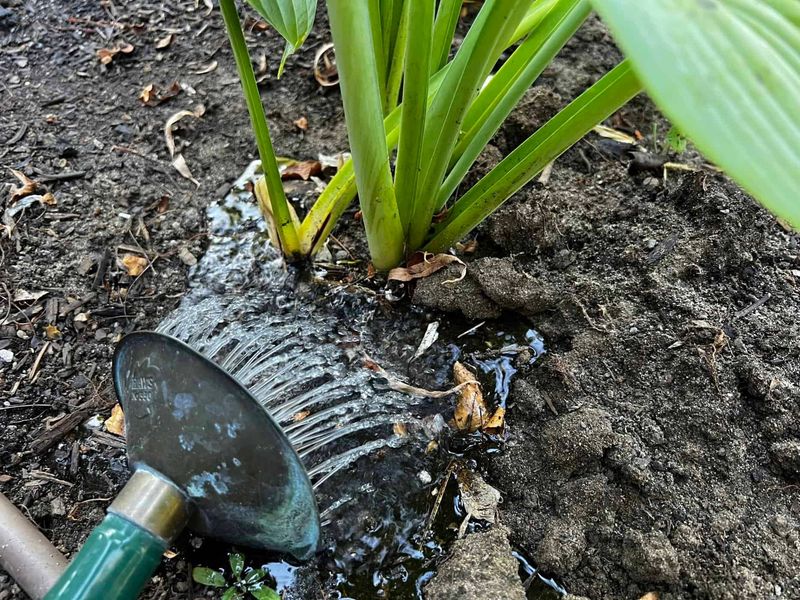
Water slowly and deeply at the base of each plant. A soaker hose or a slow trickle from a regular hose works great.
Aim for about one inch of water per week until the ground starts to freeze. You can check by sticking your finger two inches into the soil.
If it feels dry, water again. If it feels damp, give it a few more days.
Morning is the best time to water in fall. The soil soaks it up during the day, and the leaves stay drier overnight, which helps prevent fungus.
Well-watered roots handle frozen soil much better than dry ones. Moist soil also holds warmth a little longer, giving your plants extra protection on those frosty Pennsylvania nights.
4. Spread A Cozy Mulch Blanket Over Hosta Beds
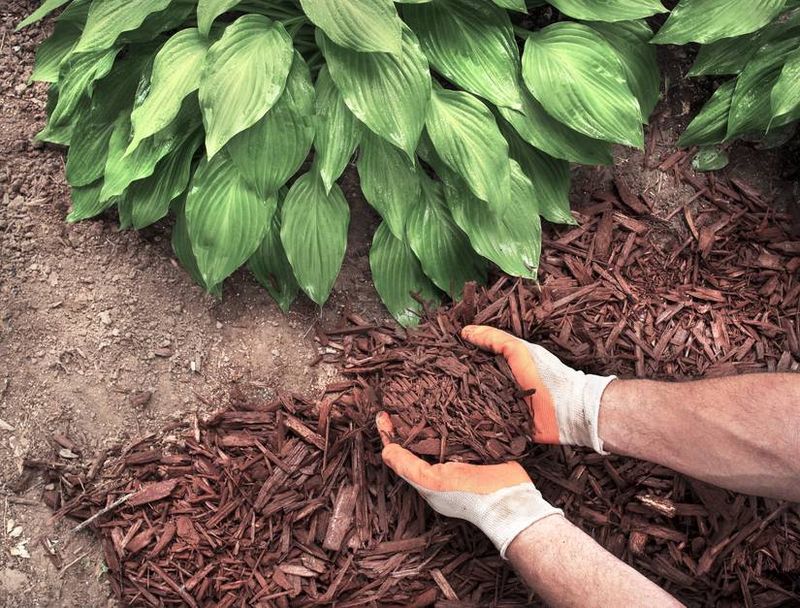
Nobody likes getting out of a warm bed on a freezing morning, and your hostas feel the same way. A layer of mulch acts like a fluffy comforter for their roots.
Here is the real problem in Pennsylvania winters. The weather swings from cold to mild and back again, sometimes all in one week.
When soil freezes and thaws over and over, it can push plant roots right up out of the ground. Gardeners call this frost heaving, and it can leave crowns exposed to icy wind.
Mulch keeps soil temperatures steady. Spread about two to three inches of shredded bark, pine needles, or chopped leaves around your plants.
Wait until the ground is cold, usually in late November. Mulching too early can invite mice to build cozy nests near your hostas.
Keep the mulch a couple of inches away from the very center of each plant. Piling it right on the crown can trap too much moisture and lead to rot.
Chopped leaves are a free and easy option. Just run your lawn mower over a pile of fallen oak or maple leaves, and you have instant mulch.
In spring, gently pull the mulch back so the new shoots can poke through and soak up the sun.
5. Divide Crowded Clumps During Early Fall
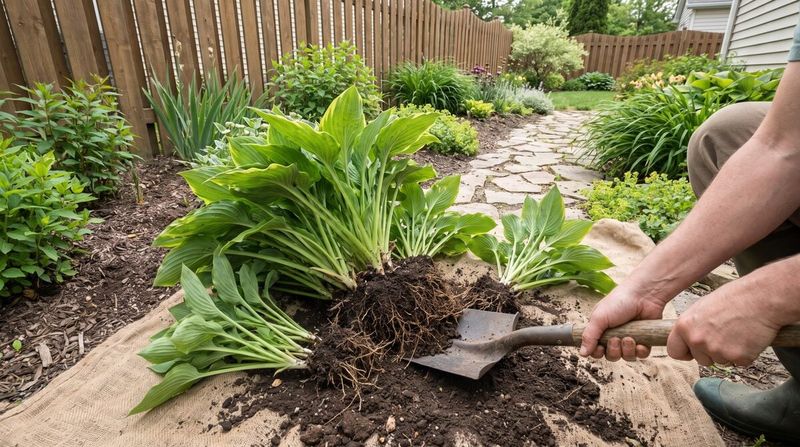
Got a hosta that has turned into a giant green monster? Early fall is a wonderful time to split it up and share the love.
Hostas grow outward in clumps every year. After four or five seasons, the middle can get crowded, and the plant may look tired or thin in the center.
In Pennsylvania, early to mid September is the sweet spot for dividing. The soil is still warm, which helps new roots grow before winter sets in.
Start by watering the plant the day before. Moist soil makes digging easier and keeps roots from drying out.
Dig around the whole clump with a spade and lift it out. Then use the spade or a sharp knife to cut it into chunks, making sure each piece has a few shoots and plenty of roots.
Replant the divisions at the same depth they were growing before. Water them well and keep the soil damp for the next few weeks.
Try to finish dividing at least six weeks before the ground freezes. That gives the new plants enough time to settle in.
Bonus: extra divisions make terrific gifts. Your friends and neighbors will be thrilled to get free plants, and you get a tidier garden in return.
6. Skip The Fertilizer Once Fall Arrives
Feeding plants feels like a kind thing to do. In fall, though, extra fertilizer can actually cause more trouble than help.
Fertilizer, especially the kind high in nitrogen, tells plants to grow new leaves. That is great in May, but not so great in October.
Fresh, tender growth late in the season has no time to toughen up. When the first cold snap hits Pennsylvania, those soft leaves get damaged quickly, and the plant wastes energy it should be saving.
Most experts suggest stopping fertilizer by late summer. After that, hostas should focus on storing food in their roots, not growing new leaves.
So what can you do instead? Add a thin layer of compost around your plants in late fall.
Compost feeds the soil slowly over the winter. It improves soil texture and helps worms and tiny helpful critters stay busy underground.
Then, in spring, when the first pointy shoots appear, you can bring back a balanced fertilizer. Your hostas will be hungry and ready to grow.
Here is a quick fun fact: hostas are native to northeast Asia, including Japan, Korea, China, and the Russian Far East. Many grow in cool, moist woodland settings there, which is one reason compost suits them so well in our gardens too.
7. Protect Potted Hostas From Freezing Roots
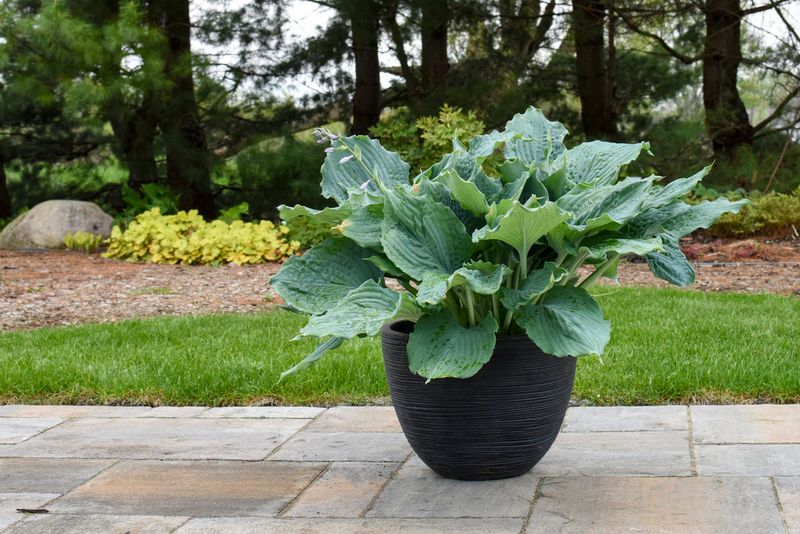
Container hostas are a bit like kids waiting for the school bus without a coat. Their roots sit above ground, so they feel the cold much more than plants in garden beds.
In the ground, soil works as insulation. In a pot, only a thin wall of plastic or clay stands between the roots and freezing Pennsylvania air.
The good news is that potted hostas are easy to protect. One simple option is moving the pots into an unheated garage or shed after the leaves fade.
Hostas still need their cold rest, so skip the warm living room. A spot that stays between about 25 and 40 degrees works well.
No garage? Try burying the pot right in the ground up to its rim, then covering it with mulch.
You can also group pots together against the house and wrap them with burlap or bubble wrap. Packing leaves around them adds extra warmth.
Clay and ceramic pots can crack when wet soil freezes and expands. Moving them indoors or switching to plastic or resin pots can save you a broken container.
Check the soil about once a month during winter. If it feels bone dry, give it a small splash of water, but don’t soak it.
8. Guard Against Hungry Deer And Rodents
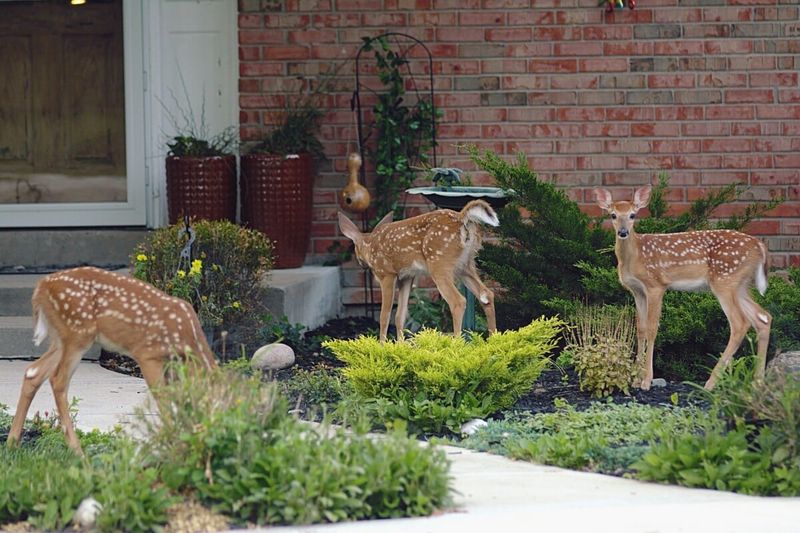
Ask any hosta lover in Pennsylvania about deer, and you will probably hear a groan. White-tailed deer treat hostas like a salad bar.
Our state has a very large deer population, commonly estimated at well over a million animals, though the Pennsylvania Game Commission tracks population trends rather than publishing an exact count. When food gets scarce in late fall and early spring, deer wander into backyards looking for a snack.
While hostas are resting underground, deer may not bother them much. The real danger comes in spring when juicy shoots pop up, so planning now saves headaches later.
Consider putting up a simple fence or netting around your best plants before winter. You can also mark the spot so you remember where to put protection in spring.
Voles are another sneaky pest. These tiny rodents tunnel under mulch and snow and nibble on hosta roots during winter.
To discourage voles, keep mulch thin near the crowns and clear away thick weeds nearby. Some gardeners mix sharp gravel into the planting hole to make digging uncomfortable for them.
Deer repellent sprays can help too. Products with a strong smell, like garlic or rotten egg, often send deer looking elsewhere.
Switch repellent brands now and then. Deer are clever and can get used to one smell over time.
9. Plan Next Year’s Hosta Garden Now

Winter might seem like downtime, but smart gardeners use it to dream big. Fall is the perfect moment to look back and jot down notes while the season is fresh in your mind.
Grab a notebook or open a notes app on your phone. Write down which hostas thrived and which ones struggled.
Did one plant get scorched by too much afternoon sun? Maybe it needs a shadier spot next year.
Snap a few photos of your garden beds before cleanup. These pictures help you remember where everything grows, which is handy when the ground is bare in early spring.
Many Pennsylvania garden centers hold fall sales on perennials. You might find beautiful hosta varieties at great prices.
Fall planting can work well if you get new hostas in the ground at least four to six weeks before the first hard frost, so the roots have time to settle in.
Hostas come in more than 7,000 registered varieties, according to the American Hosta Society. Some are as tiny as a teacup, while others, like Sum and Substance, grow leaves bigger than a dinner plate.
Winter evenings are great for browsing seed and plant catalogs. Make a wish list of new colors and leaf shapes to try.
Planning ahead turns a cold Pennsylvania winter into something to look forward to. By spring, you will be ready to grow your best hosta garden yet.