What St. Augustine Grass Needs In November As Florida Lawns Slow Down
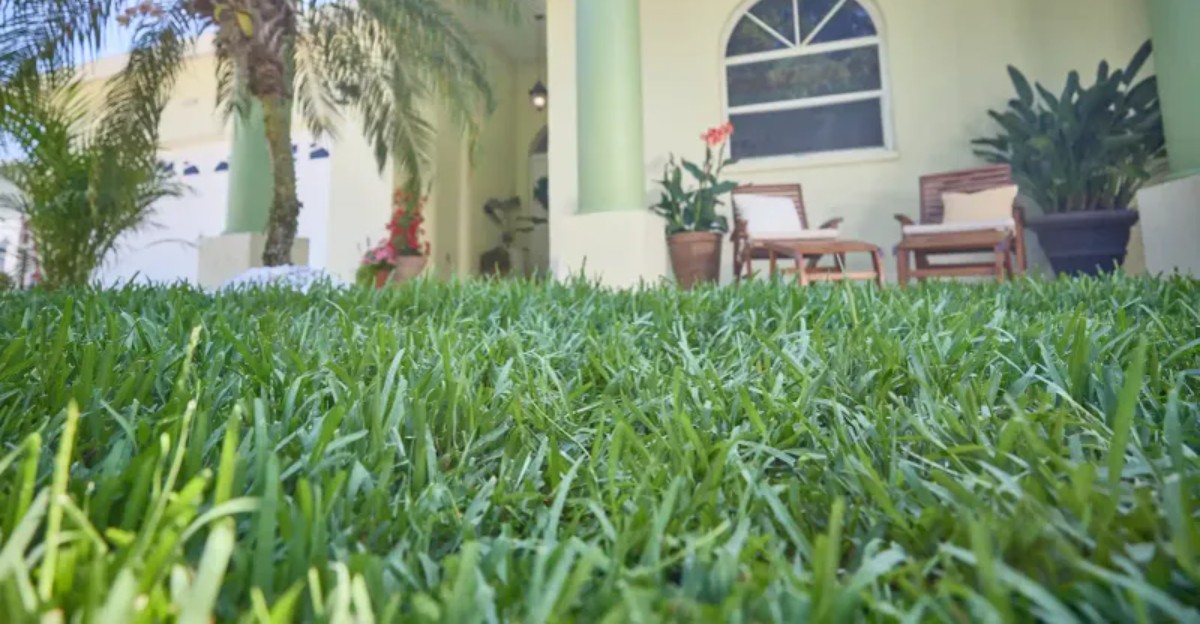
November changes the rules for St. Augustine grass, and the sprinkler schedule you set in July is already out of date.
Florida lawns keep looking green through the fall, which makes it easy to assume nothing needs to change. Shorter days tell a different story.
Growth slows, roots shift gears, and the grass starts using water and food in a whole new way.
Keep up the summer routine and you risk feeding problems instead of feeding turf. A few chores should stop now.
A few matter more than they did all year.
Some of the changes feel backwards until you hear why they work.
Rework your lawn plan this month. A little adjustment now beats a rough start to spring.
1. Expect Slower Growth As Days Shorten And Nights Cool
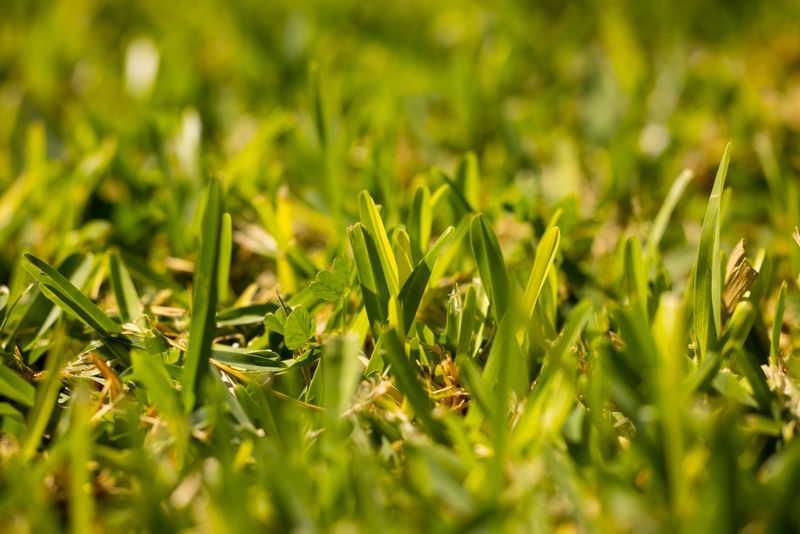
Picture your lawn as a summer athlete finally taking a breather. After months of racing to grow, St. Augustine grass starts to ease off as November rolls in.
Shorter days mean less sunlight for the blades to turn into energy. Cooler nights send another signal that it is time to slow down and rest.
Warm-season grasses like St. Augustine love heat, so this change is natural. You will see fewer new runners and a much slower climb in blade height.
Here is a fun fact to share with neighbors. Grass tends to go fully dormant when soil temperatures stay below about 55 degrees Fahrenheit.
In much of the state, especially Central and South Florida, that rarely happens for long. So your lawn usually stays semi-active, growing slowly but not fully asleep.
That means your yard still needs some attention, just much less of it. Think of November as a time for light, smart care instead of heavy work.
Use this slower season to relax a bit and observe your turf. Notice where it looks thin, where water puddles, and where shade falls longer now.
Those simple notes help you plan better for spring. A calm, watchful approach now often pays off with a thicker, greener lawn later.
2. Let It Wilt A Little Before You Water
Your lawn is pretty good at telling you when it is thirsty. The trick is learning to read its body language instead of following a timer.
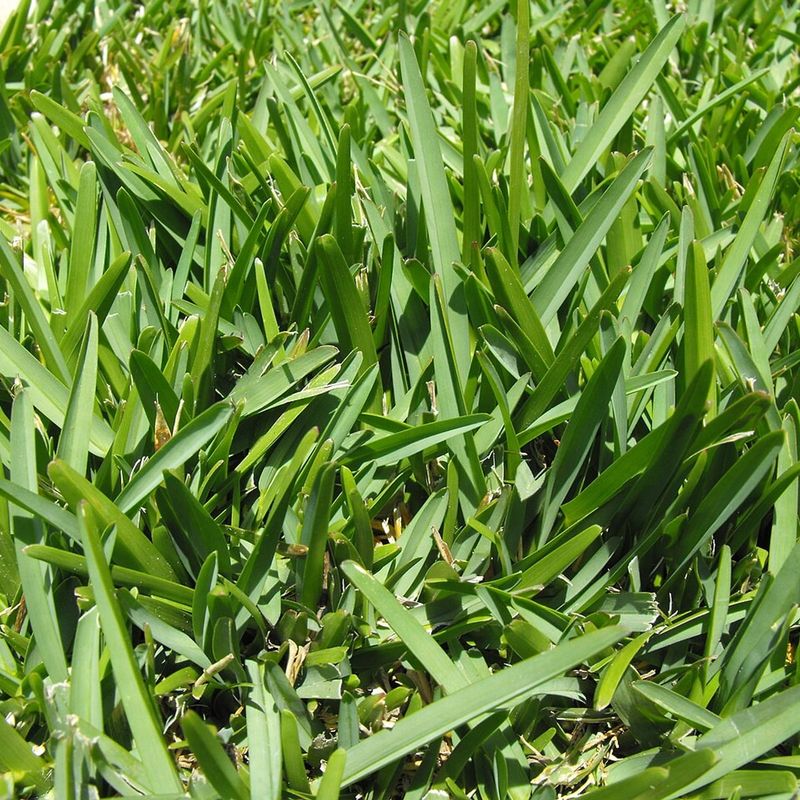
Watch the blades first. When St. Augustine needs water, the leaves fold in half lengthwise, a bit like a taco shell closing up.
Color is another clue worth checking. A thirsty lawn shifts from bright green to a dull, bluish-gray shade that looks tired.
Then try the footprint test, which kids tend to love. Walk across the grass and look back at your steps.
If the prints stay pressed down instead of springing back, your lawn wants a drink. Healthy, hydrated grass bounces up within a few moments.
Why wait for these signs at all? Watering only when needed pushes roots to grow deeper in search of moisture.
Deeper roots make a tougher lawn that handles dry spells and cold snaps better. Shallow roots, from frequent light watering, leave grass weak and needy.
In November, cooler air means the soil holds moisture longer. You may find your lawn goes a week or more without showing any stress.
So resist the urge to water on autopilot. Let the grass ask first, and you will save water while building stronger turf.
3. Apply About 1/2 To 3/4 Inch When It Does Need Water
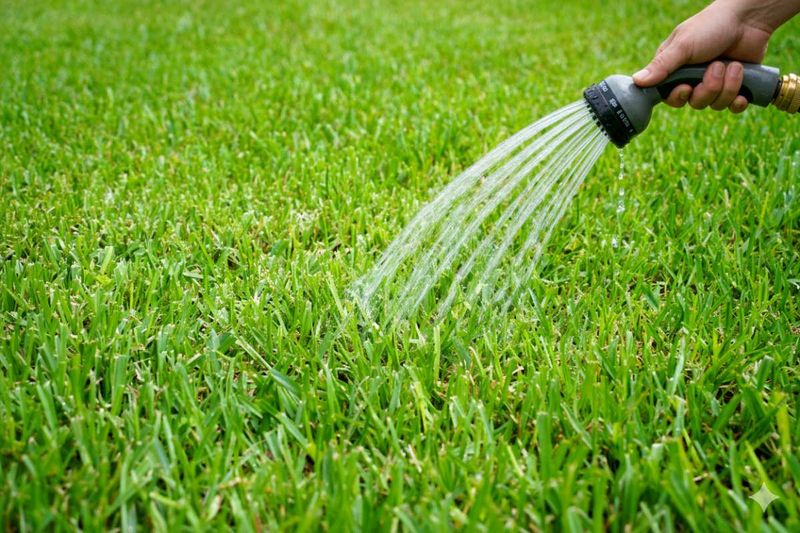
Grab an empty tuna can, because it is about to become your favorite lawn tool. That humble can is roughly the perfect way to measure your watering.
When your lawn shows thirst signs, aim for about 1/2 to 3/4 inch of water. Apply it in one deep session rather than several quick sprinkles.
During cooler months, that amount, counting rainfall, usually covers a whole week. Your grass simply does not drink as much as it did in July.
To measure, set a few cans around the yard and run your sprinklers. Check how long it takes for water to reach the right depth.
Write that time down and stick it near your irrigation controller. Now you know exactly how long each zone should run.
Deep watering soaks the soil several inches down. Roots follow that moisture, growing longer and sturdier over time.
Too much water causes its own trouble, though. Soggy soil invites fungus and wastes a precious resource that Florida cares a lot about.
Also keep an eye on the weather forecast. If a good rain is coming, skip the sprinklers and let nature handle the job.
A rain gauge in the yard makes this even easier. One quick glance tells you whether your lawn already got its weekly share.
4. Follow Your Area’s Winter Watering Schedule
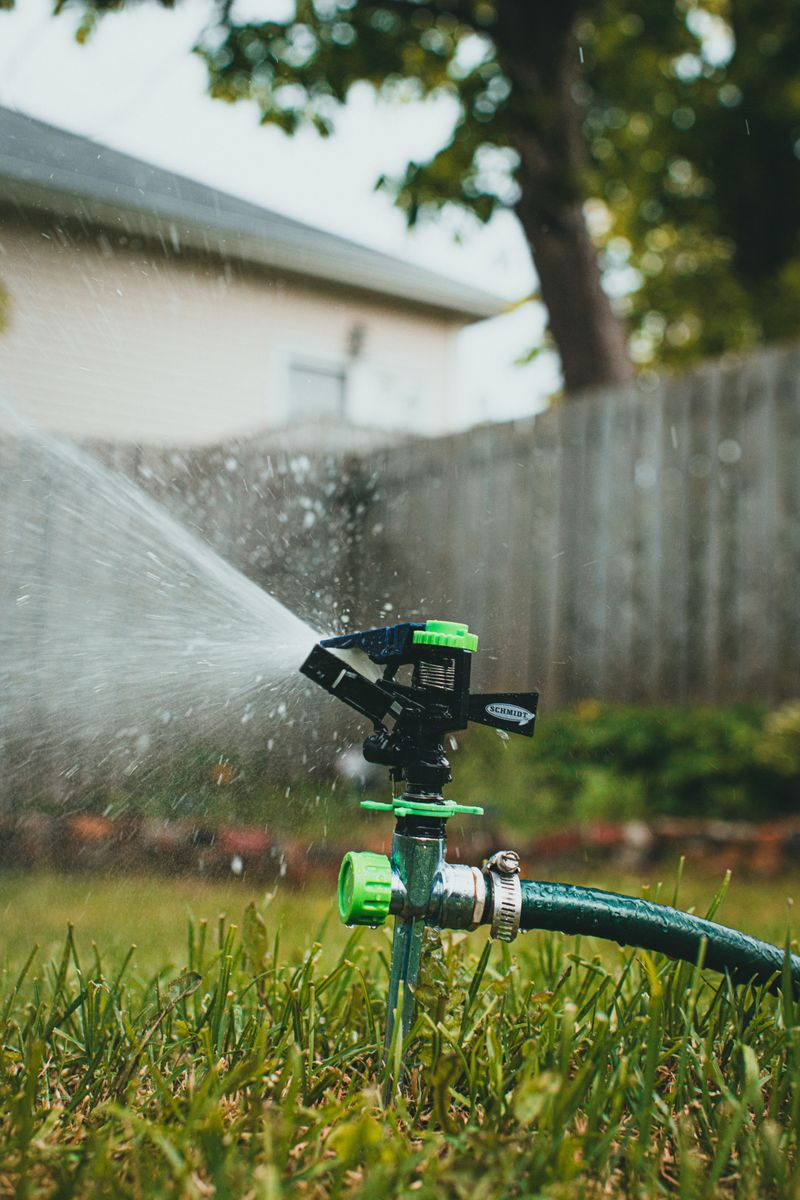
Ever wonder why your neighbor’s sprinklers run on Saturday and yours on Sunday? The state has watering rules, and they change when the clocks fall back.
Many water management districts and counties limit lawn watering year-round. Once Eastern Standard Time begins in November, many areas drop to just one day per week.
Orange County and areas under the St. Johns River Water Management District follow this kind of schedule. Your assigned day often depends on whether your address ends in an odd or even number.
Timing matters too. Watering is generally not allowed between 10 a.m. and 4 p.m., when the sun steals water through evaporation.
Early morning is usually the sweet spot. Grass dries off during the day, which helps keep fungus away.
Rules differ from town to town, so check with your local water utility. Their website usually lists your day in a simple chart.
Breaking the rules can lead to fines, which nobody wants. Updating your controller once in early November saves plenty of headaches.
Here is a helpful tip for busy households. Set a phone reminder for the time change so you remember to adjust your system.
Following the schedule protects Florida’s aquifers, the underground water supply many families rely on. Your lawn stays healthy, and your community benefits too.
5. Skip The Fertilizer In North And Central Florida
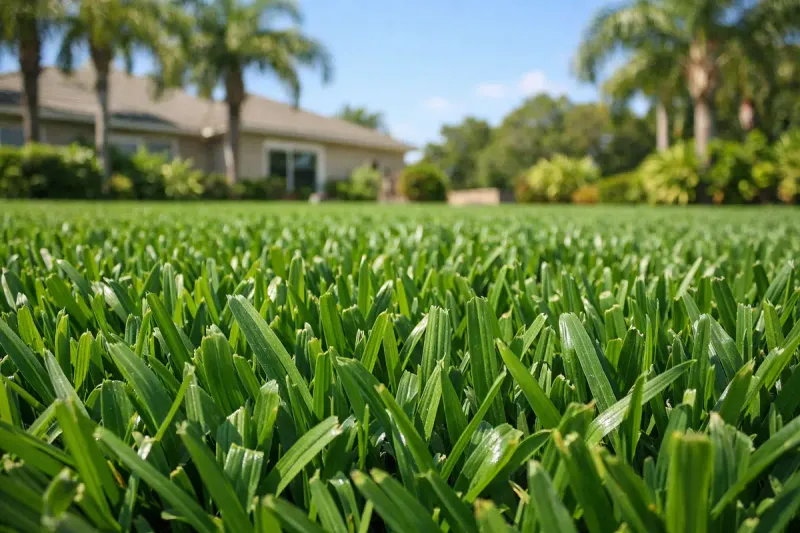
Good news for your wallet this month. If you live in North or Central Florida, that bag of fertilizer can stay on the garage shelf.
Experts generally advise against feeding St. Augustine grass from November through February in these regions. A sleepy lawn cannot use nutrients well, so much of it simply goes to waste.
Extra fertilizer can wash into storm drains, lakes, and springs. That runoff feeds algae blooms that cloud waterways.
So when was the last good time to feed? In North Florida, the final application should happen by September.
Central Florida lawns get a little more wiggle room. October is the usual cutoff, ideally with a product high in potassium.
South Florida is a different story because it stays warmer. Lawns there may keep growing, so local guidance can vary.
If you missed the fall window, do not panic. Your lawn will be fine waiting until spring green-up for its next meal.
Use this break to test your soil instead. A simple soil test from your county extension office shows exactly what your yard lacks.
Then you can plan a smarter feeding schedule for next year. Less guessing means healthier grass and less money spent on products you do not need.
6. Excess Nitrogen Now Can Mean Cold Damage Later
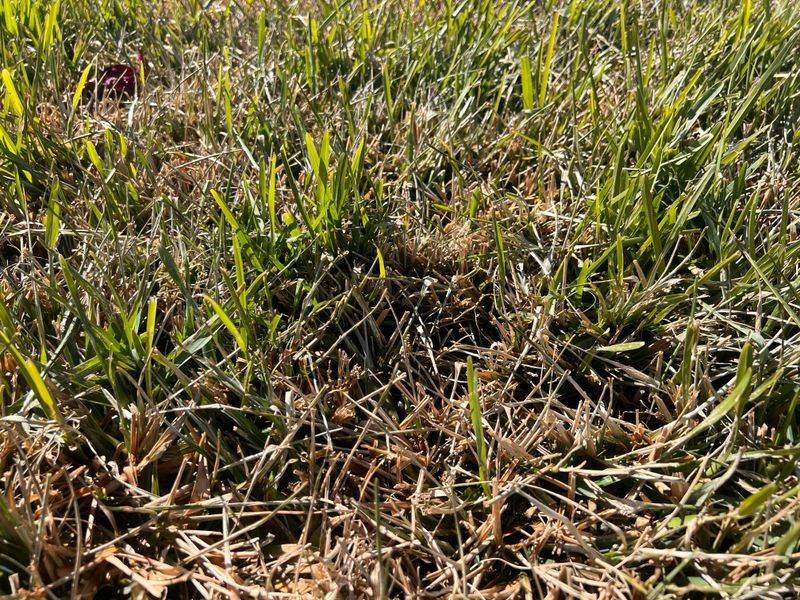
Think of nitrogen as an energy drink for grass. A jolt in summer helps, but a jolt right before bedtime causes trouble.
When you feed a lawn too late with high-nitrogen fertilizer, it pushes out soft new growth. Those tender blades are thin-walled and easily hurt by cold air.
One chilly night can then leave patches brown and damaged. The lawn spent its energy on fresh leaves instead of storing strength.
There is another hidden downside. Too much nitrogen in cool weather can encourage fungal diseases like Large Patch.
Potassium works differently, and that is why it shines in fall. It helps strengthen cell walls, which makes grass tougher against stress.
Potassium also supports better disease resistance. Many fall fertilizers list it as the third number on the bag, like 0-0-16.
Here is an easy way to remember it. Nitrogen grows leaves, while potassium builds toughness for the season ahead.
Read fertilizer labels carefully before any late-season purchase. Many products marketed as winterizers are designed for northern grasses, not Florida turf.
When in doubt, ask your local extension office for advice. A little caution now keeps your lawn ready to handle whatever chilly surprises winter brings.
7. Watch Cool, Damp Spells For Large Patch
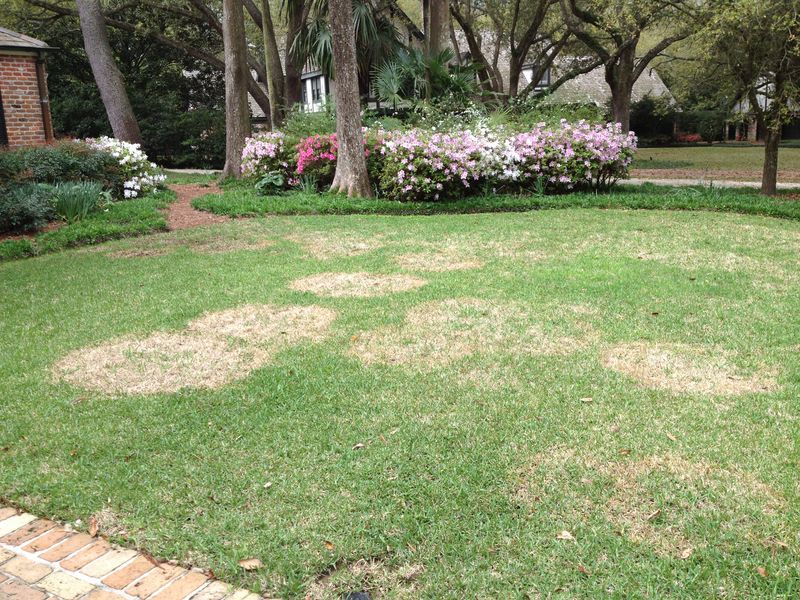
Some lawn troubles sneak in like an uninvited houseguest. Large Patch is one of them, and it loves the cool, damp days of fall.
This fungal disease, caused by Rhizoctonia solani, often appears between November and May. It becomes active when temperatures dip below about 80 degrees Fahrenheit and moisture hangs around.
Look for round, discolored patches that slowly grow outward. The edges may look darker or orange-tinged, which shows where the fungus is working.
Patches can stretch several feet across if ignored. The center might start filling back in while the border keeps spreading.
Several habits make Large Patch worse. Overwatering, poor drainage, heavy rain, high humidity, and too much nitrogen all give it a boost.
You can fight back with simple changes. Water early in the morning so blades dry quickly during the day.
Cut back on watering when rain is frequent. Fix low spots where water tends to puddle after storms.
Avoid mowing wet grass in affected areas, since clippings can carry the fungus. Rinse your mower deck afterward for extra care.
If patches keep growing, a labeled fungicide may help. Your county extension office can confirm the problem and suggest the right product for your lawn.
8. Keep Mowing At The Recommended Height
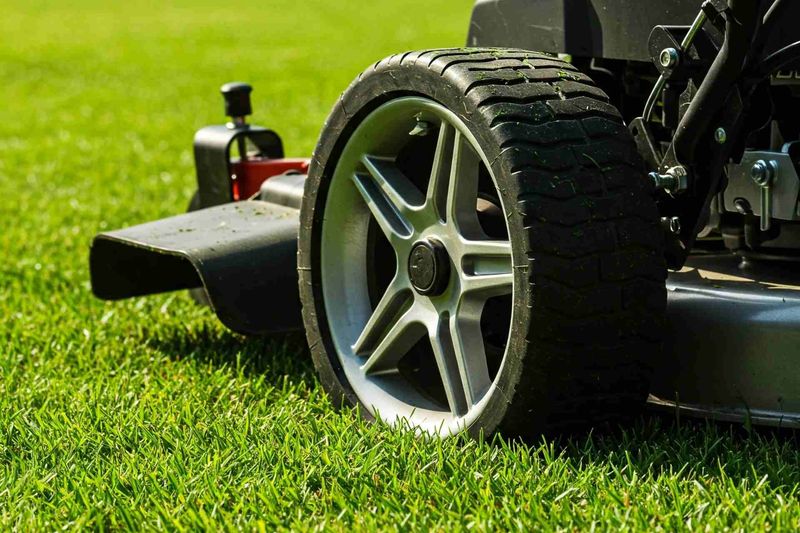
It might be tempting to scalp the lawn short and skip mowing for weeks. Your grass would much rather you leave it standing tall.
For standard St. Augustine varieties, aim for a cutting height of 3.5 to 4 inches. As cooler weather arrives, leaning toward 4 inches gives extra protection.
Taller blades shield the crown, the growing center near the soil. That cover helps the grass handle sudden cold snaps.
Height also shades the ground, making life harder for weeds. Many winter weeds need sunlight on bare soil to sprout.
Longer leaves support deeper roots and better moisture holding too. That means a sturdier lawn that needs less water.
How often should you mow now? In Central Florida, every 10 to 14 days works well from November through February.
North region lawns usually do fine with a mow about every two weeks. You might even stretch it longer during very chilly stretches.
Follow the one-third rule each time you cut. Remove no more than one-third of the blade height in a single pass.
Keep mower blades sharp, too. Clean cuts heal faster, while dull blades tear grass and leave ragged tips that invite disease.
9. Don’t Worry If It Browns After A Frost
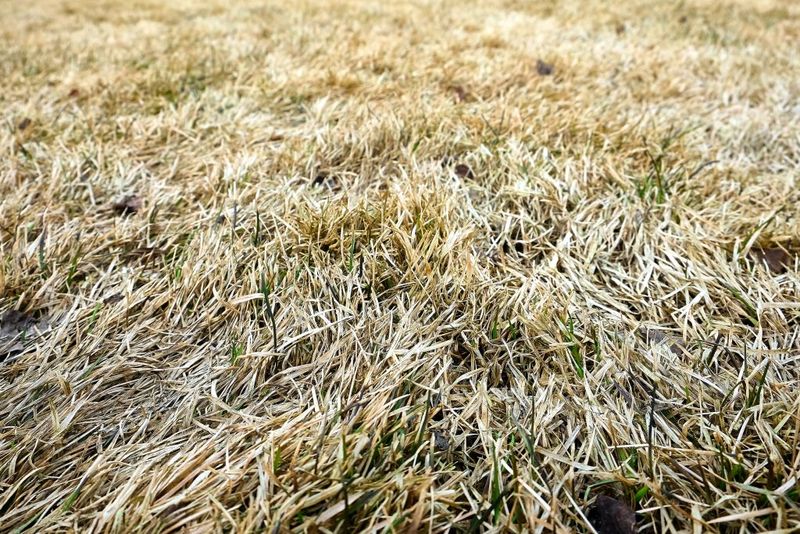
You wake up, sip your coffee, and glance outside. Overnight, your green lawn turned tan and crunchy after a frost.
Take a deep breath, because this is usually normal. Browning after cold weather often means the grass has slipped into temporary dormancy to save energy.
The key parts to check are the crown and the stolons. The crown is where leaves sprout, and stolons are the runners crawling across the soil.
If those stay firm and healthy, your lawn has a strong chance to bounce back. Warmer soil in spring will wake it up again.
Try a quick tug test. Gently pull a few blades, and if they hold tight, the grass is likely just resting.
Soil acts like a cozy blanket during most Central Florida freezes. It keeps warmth longer than the air, which helps protect deeper roots.
Avoid walking heavily on frosty grass, since frozen blades can break. Wait until the sun melts the frost before stepping out.
Keep up sensible watering through winter, following the thirst signs. Dry roots struggle more than moist ones during cold spells.
Patience is your best tool here. By spring, many frost-browned lawns green up nicely, ready for another busy growing season.