Pennsylvania Native Grasses That Replace Lawn Without Triggering Weed Ordinance Complaints
A lot of Pennsylvania homeowners are tired of the traditional lawn. The constant mowing, the watering, the fertilizing, the ongoing expense of keeping a perfectly manicured patch of grass that doesn’t really do much for anyone.
Going natural sounds appealing, until you start worrying about neighbor complaints or running into local weed ordinance issues. Here’s the good news.
You don’t have to choose between a beautiful natural yard and staying on the right side of your municipality. Pennsylvania native grasses offer a smart middle ground.
They look intentional and well kept, they support local wildlife and pollinators, and they require a fraction of the maintenance that traditional lawns demand.
Most importantly, when planted thoughtfully, they sidestep the concerns that typically trigger ordinance complaints.
These grasses are tough, beautiful, and perfectly suited to Pennsylvania’s climate. If you’ve been wanting to ditch the traditional lawn without creating any drama in the neighborhood, here’s exactly where to start.
1. Little Bluestem
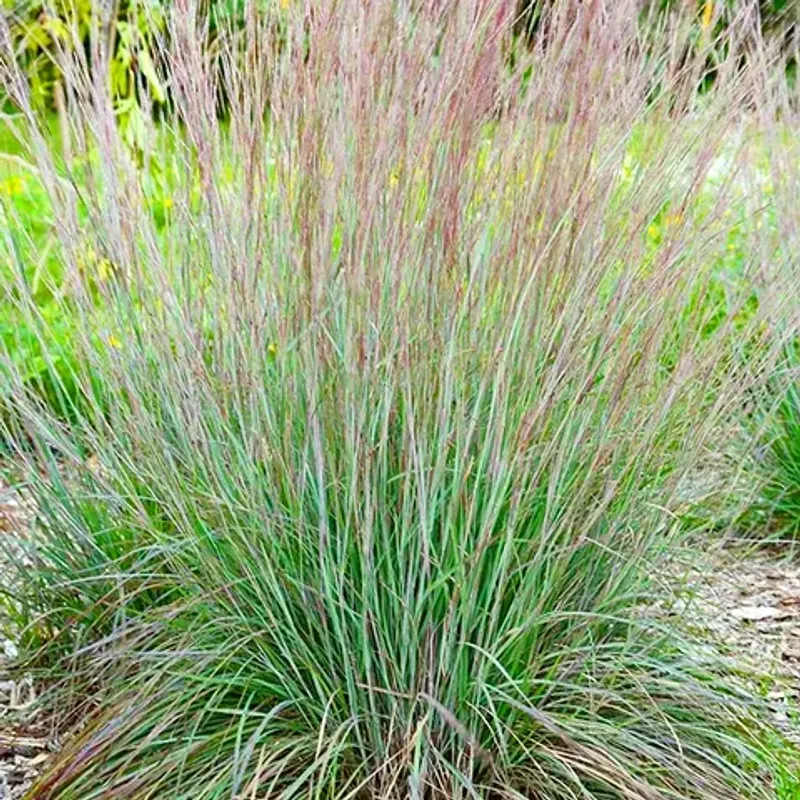
Walk through any Pennsylvania meadow in October and you will likely spot a flash of copper-red catching the sunlight. That is Little Bluestem doing what it does best.
This native clumping grass is one of the most beloved choices for homeowners who want a lawn replacement that looks stunning through all four seasons without requiring constant attention.
During summer, Little Bluestem shows off blue-green foliage that looks fresh and full. As fall arrives, the blades shift to warm shades of red, orange, and bronze.
Even in winter, the dried stems and fluffy white seed heads add texture and visual interest to your yard. Birds love pecking at those seed heads all season long.
Little Bluestem grows about two to four feet tall and spreads in tight clumps rather than running aggressively across your yard. That clumping habit is exactly what makes it friendly under most municipal weed ordinances.
It looks intentional and managed, not wild or overgrown. Planting it is straightforward. Choose a spot with full sun and well-drained soil.
Once established, this grass is incredibly drought-tolerant and rarely needs watering. It does not need fertilizer either, which actually helps it thrive since rich soil can make it flop over.
Mowing is only needed once a year in late winter or early spring before new growth begins. Cut it back to about four to six inches and let it do its thing.
For homeowners wanting a low-effort, high-impact lawn swap, Little Bluestem is a hard option to beat.
2. Pennsylvania Sedge
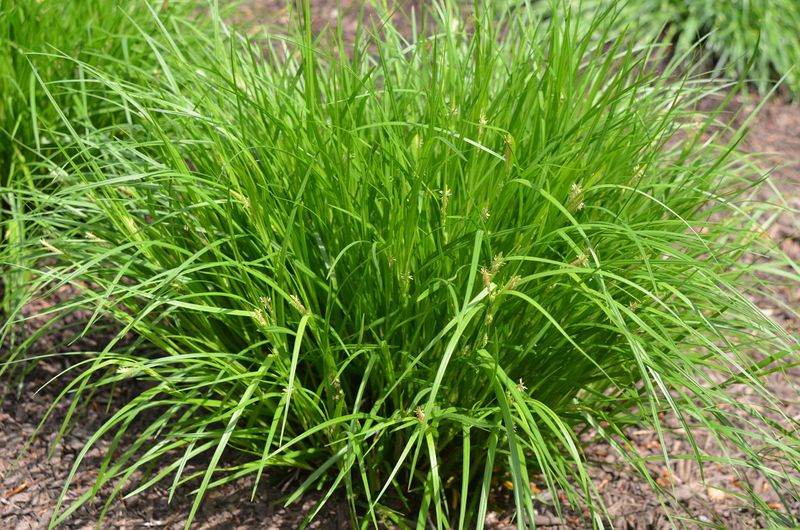
Not every yard gets full sun, and that is where Pennsylvania Sedge becomes a real hero. Named right after the state, this low-growing native plant forms a soft, dense mat that looks surprisingly similar to a traditional lawn.
It stays green, stays low, and stays out of trouble with local ordinances because it genuinely resembles a maintained turf area.
Pennsylvania Sedge thrives in shady to partially sunny spots where regular grass often struggles and turns patchy. Under trees, along north-facing slopes, or beside shaded walkways, this sedge fills in beautifully.
Your Pennsylvania Garden Changes Every Week. Your Plan Should Too.
Gardening in Pennsylvania changes quickly throughout the season. Every Friday you’ll receive a simple weekly plan showing exactly what to plant, prune, fertilize, harvest, and protect so you never miss the right timing.
It grows only about six to twelve inches tall and tends to arch gently, giving it a lush, carpet-like appearance that homeowners and neighbors tend to appreciate.
Foot traffic tolerance is moderate, so it works well in areas that do not get heavy use. For high-traffic paths, consider mixing it with stepping stones to protect the plants while keeping the aesthetic clean and natural-looking.
Maintenance is genuinely minimal. You can mow it once in early spring to keep it tidy, or simply leave it alone and let it develop its natural arching form.
It spreads slowly by underground rhizomes, filling gaps over time without becoming invasive or aggressive.
Watering needs are low once established, though it appreciates a little extra moisture during dry summer stretches. No fertilizer is needed, and it rarely attracts pest problems.
If you have a shady yard that feels impossible to manage, Pennsylvania Sedge might be exactly the solution you have been searching for all along.
3. Switchgrass
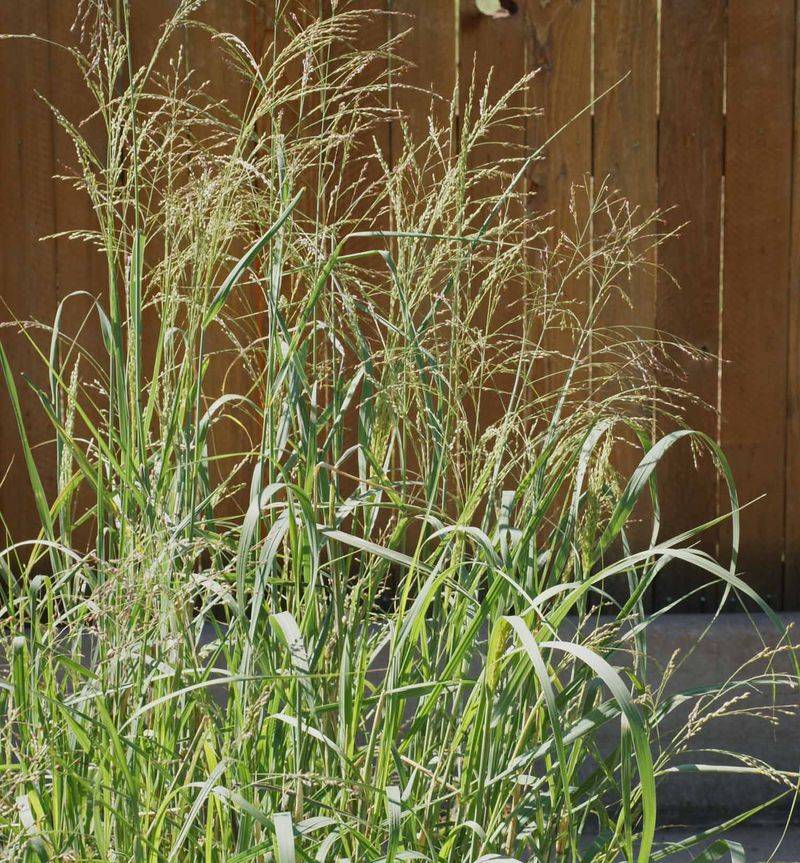
Few native grasses make a bolder statement than Switchgrass. Standing anywhere from three to six feet tall depending on the variety, it brings height, movement, and a sense of drama to any landscape.
The airy seed heads that emerge in late summer dance in the breeze and catch the light in a way that makes your yard look like something out of a design magazine.
Switchgrass is a warm-season native that grows in upright clumps, which keeps it looking tidy and structured. That clumping habit matters a lot when it comes to avoiding weed ordinance issues.
It does not creep into neighboring yards or spread wildly, making it a responsible and neighbor-friendly choice.
Pollinators absolutely love Switchgrass. Bees, butterflies, and songbirds all benefit from the seeds and shelter it provides.
If you are trying to support local wildlife while reducing lawn maintenance, few plants offer that combination as effectively.
Popular cultivars like Shenandoah and Heavy Metal are widely available at Pennsylvania nurseries. Shenandoah turns a brilliant red in fall, while Heavy Metal stays stiffly upright all season. Both are excellent choices depending on your space and style preference.
Full sun and average to moist soil conditions suit Switchgrass best, though it tolerates a wide range of conditions including clay and wet spots. Once established, it needs almost no supplemental watering.
Cut it back to about six inches in late winter before new growth emerges. For a lawn replacement that doubles as a pollinator garden, Switchgrass delivers on every level without demanding much in return.
4. Prairie Dropseed
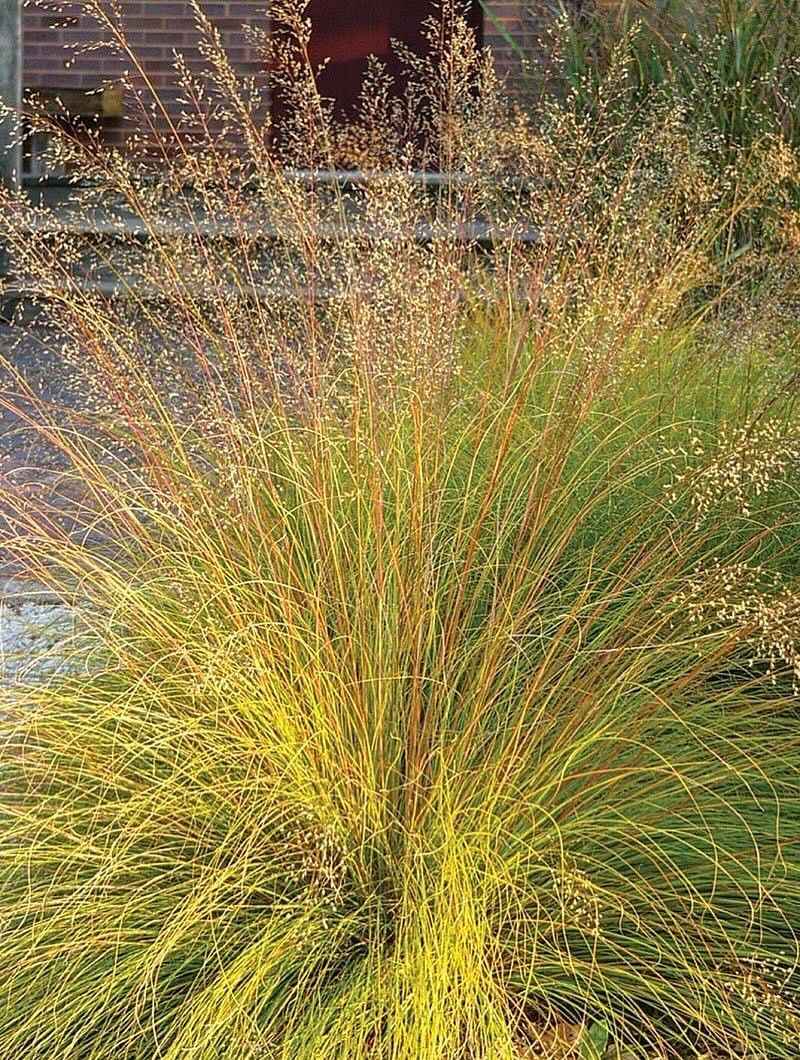
Prairie Dropseed has a secret that most people do not find out until late summer. When its seed heads bloom, they release a faint, sweet fragrance that some people compare to buttered popcorn or coriander.
It is one of those unexpected details that makes gardeners fall in love with this fine-textured native grass all over again every year.
Beyond its pleasant scent, Prairie Dropseed is a standout performer in dry, sunny spots where other plants struggle. The fine, arching blades form a graceful mound that stays tidy and attractive throughout the growing season.
It tops out at about two feet tall, making it ideal for borders, edging along pathways, or filling in areas between taller plants.
Full sun and well-drained to dry soils are where this grass truly shines. It is exceptionally drought-tolerant once established and handles Pennsylvania’s summer heat without complaint.
Rocky or sandy soils are no problem at all for Prairie Dropseed, which makes it useful in spots where other lawn options simply give up.
Maintenance is refreshingly simple. A single cut back in late winter keeps things looking fresh as new growth emerges in spring.
No fertilizer, no extra watering, and no special soil amendments are needed. It grows slowly, so it may take a couple of seasons to fully fill in, but the patience pays off with a long-lived, reliable planting.
Municipal inspectors typically view Prairie Dropseed favorably because its neat mounding form looks clearly intentional. For homeowners who want a polished, low-maintenance border grass that also smells amazing, this one deserves a spot in every Pennsylvania yard.
5. Indian Grass
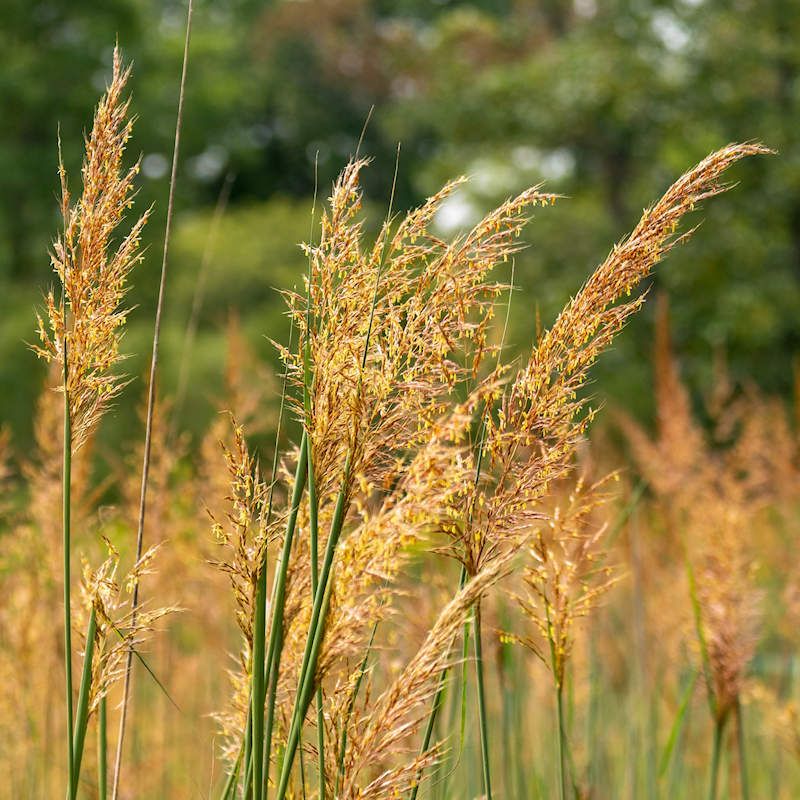
There is something almost cinematic about Indian Grass in autumn. The tall golden-brown plumes catch the late afternoon sun and glow like torches across the landscape.
This stately native grass has been growing across North American prairies for thousands of years, and it brings that same wild, timeless beauty to modern Pennsylvania yards.
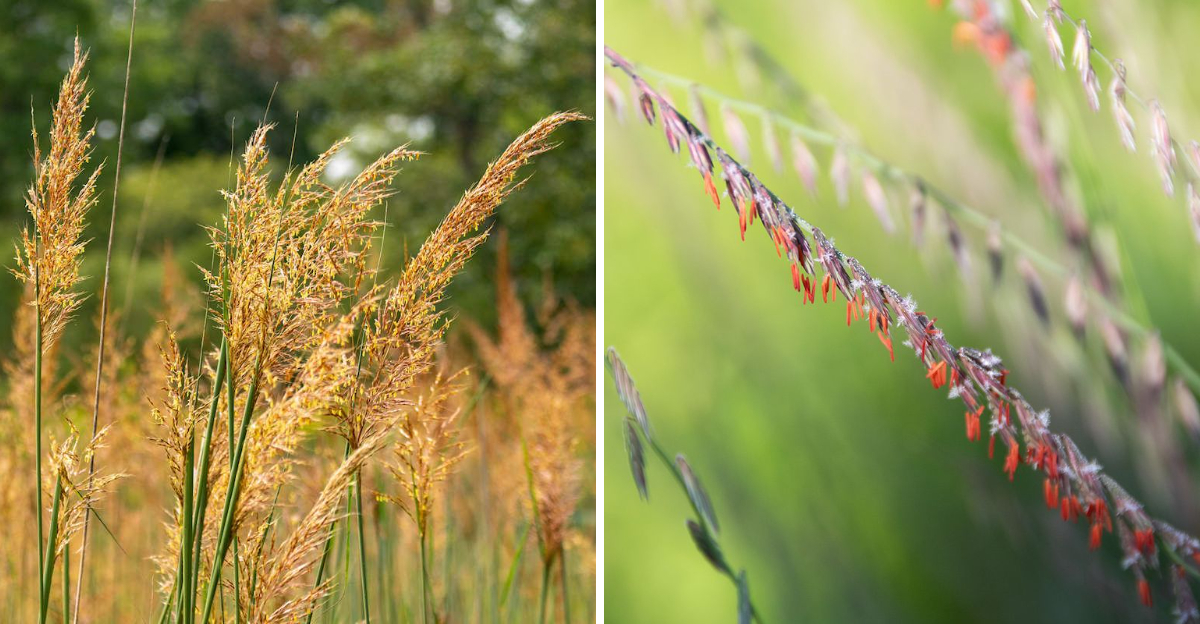
Indian Grass grows three to five feet tall in upright clumps that sway gracefully in the wind. The seed heads are particularly striking, featuring golden tassels with a slight blue-green sheen on the stems during summer before transitioning to rich amber tones in fall.
Few native grasses offer this kind of seasonal color show with so little effort required. Wildlife benefits are significant. Songbirds rely on the seeds as a food source during fall and winter migration.
Skipper butterflies use Indian Grass as a host plant for their larvae, making it a genuine contribution to the local ecosystem rather than just a pretty yard feature.
It grows best in full sun with average to dry soils. Indian Grass handles clay soils reasonably well, which is great news for many Pennsylvania homeowners dealing with heavy soil conditions. Once established, it rarely needs watering and thrives without any fertilizer input.
Cut it back to about six inches in late winter to encourage fresh, vigorous growth each spring. Because it grows in contained clumps rather than spreading runners, it stays where you plant it and keeps a tidy, managed appearance.
Local code enforcement agencies tend to respond well to clumping grasses like this one, especially when planted with clear intention and spacing.
6. Sideoats Grama
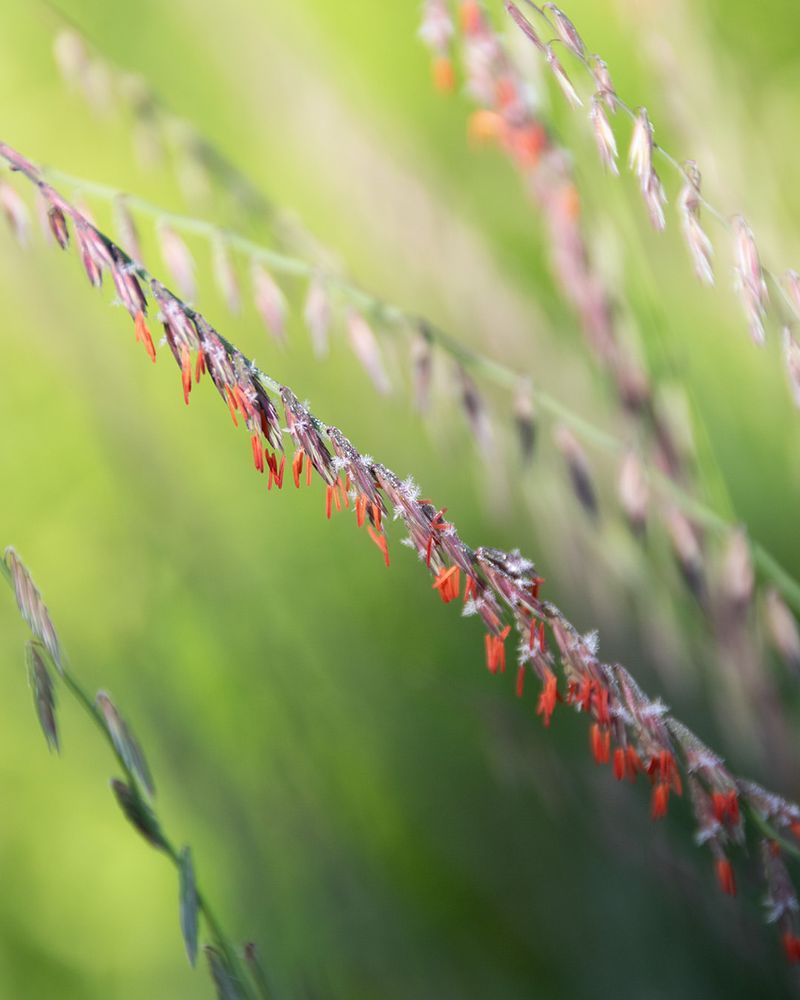
Sideoats Grama gets its name from the most charming detail: tiny oat-like seed heads that dangle in a single row along one side of each stem, like little flags waving in the wind. Up close, it is one of the most visually interesting native grasses you can grow.
From a distance, it forms a moderate, turf-like cover that looks every bit as intentional as a traditional lawn.
This grass is a warm-season native that thrives in full sun and dry to average soils. It is highly drought-tolerant, making it a smart pick for Pennsylvania homeowners who want to reduce irrigation costs without sacrificing curb appeal.
Rocky slopes, sandy patches, and south-facing hillsides are all spots where Sideoats Grama performs exceptionally well.
One of its biggest advantages is that it does not spread aggressively. It grows in a moderate, manageable way that fills space without taking over neighboring garden beds or creeping into areas where it is not welcome.
That restrained growth habit makes it a low-conflict choice in neighborhoods with strict landscaping standards.
Height stays modest at about one to two feet, which keeps it looking neat and proportional in most yard settings. The seed heads emerge in midsummer and persist through fall, adding movement and texture to the landscape for months at a time.
Mowing is optional but can be done once yearly in late winter if a tidier appearance is preferred. Sideoats Grama is also the state grass of Texas, though it grows beautifully across Pennsylvania too.
Planting it is a small nod to native plant history while solving a very modern lawn maintenance challenge.
7. Canada Wild Rye
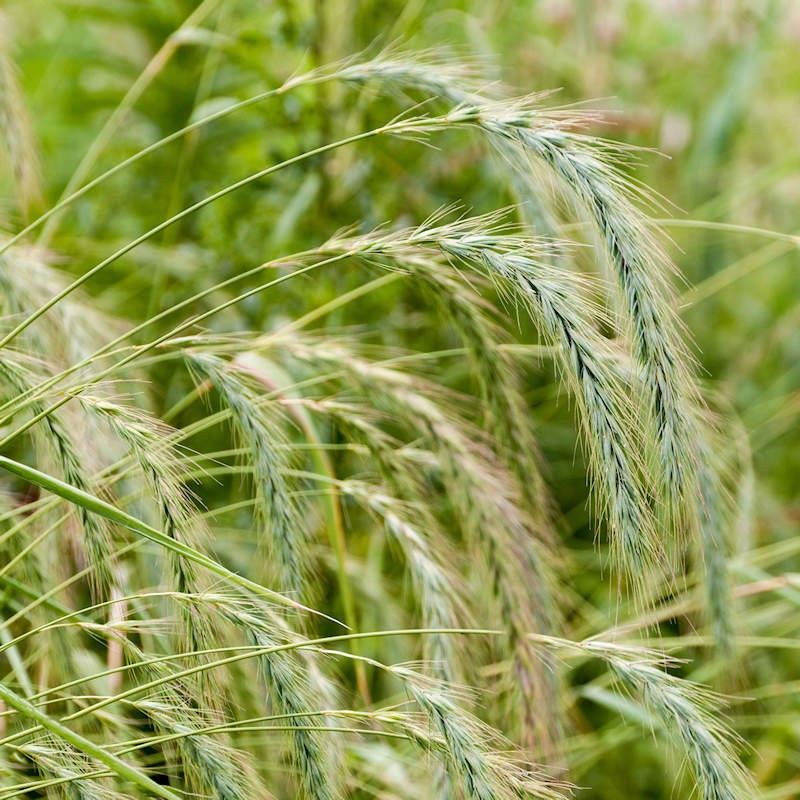
If speed matters to you, Canada Wild Rye is the native grass to know about. While many native plants take two or three years to fully establish, Canada Wild Rye hits the ground running.
It germinates quickly, fills space fast, and starts suppressing weeds almost immediately. For homeowners who want visible results in their first growing season, this grass delivers exactly that kind of early payoff.
The seed heads are genuinely beautiful. They emerge in early to midsummer as long, silvery, nodding spikes that arch gently under their own weight.
The effect is soft and graceful, giving the yard a naturalistic look that feels intentional rather than neglected. Neighbors and code inspectors tend to respond much more positively to this kind of structured natural planting.
Canada Wild Rye grows best in full sun to partial shade, making it one of the more adaptable options on this list.
It handles a range of soil types, from moist lowland areas to average upland soils, and tolerates Pennsylvania’s variable spring and fall weather without missing a beat.
It grows about three to five feet tall and forms upright bunchgrass clumps that stay contained. Because it does not send out aggressive runners, it is easy to manage and keep in bounds.
It also reseeds itself modestly, which means it can gradually fill in bare patches over time without becoming invasive.
Cut it back in late winter to keep growth fresh and vigorous each spring. Pair it with shorter native plants in front to create a layered look that feels both polished and wildlife-friendly.
For fast results with long-term benefits, Canada Wild Rye earns its spot on this list without question.