The Meaning Behind Seeing A Red-Tailed Hawk Over Your Pennsylvania Yard
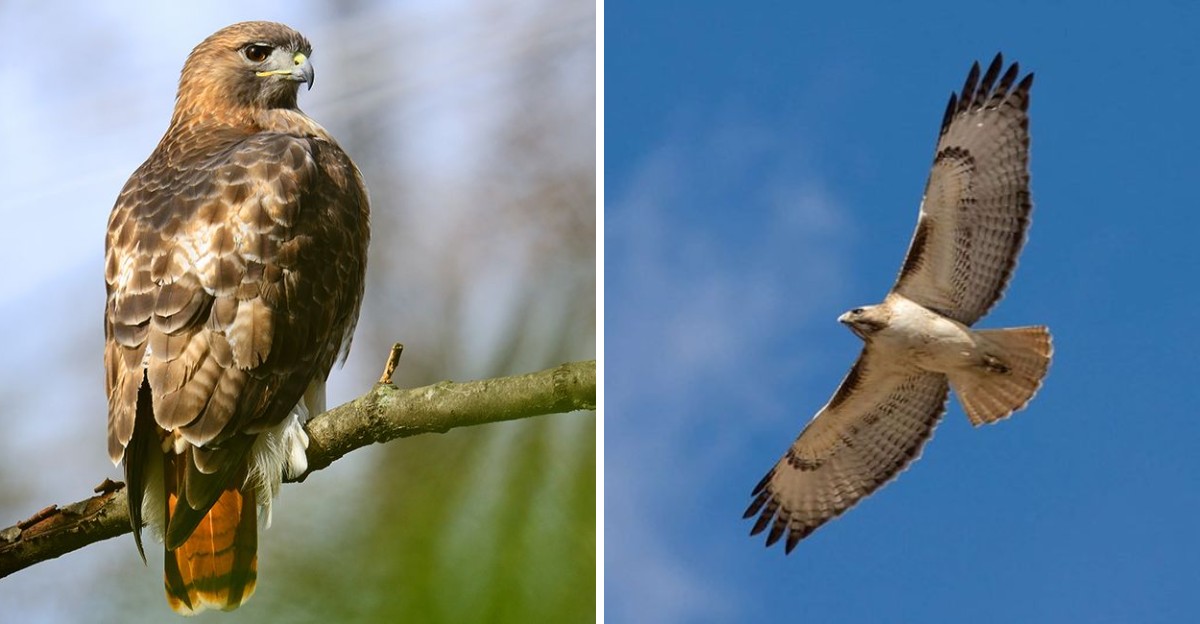
A red-tailed hawk appearing over your Pennsylvania yard is one of those wildlife moments that pulls your attention skyward without asking permission.
That broad wingspan, the slow deliberate circles, and if you’re close enough, the distinctive rusty red tail catching the light.
Most people stop whatever they’re doing and watch until it’s gone. And then they wonder what it means.
Red-tailed hawks don’t circle over yards randomly. They’re purposeful hunters responding to very specific conditions below them.
And when one keeps returning to your yard, it’s telling you something real about the prey activity, the habitat, and the broader ecosystem your property is currently supporting.
Here’s what a red-tailed hawk over your Pennsylvania yard is really telling you.
1. Your Yard Has A Healthy Prey Base
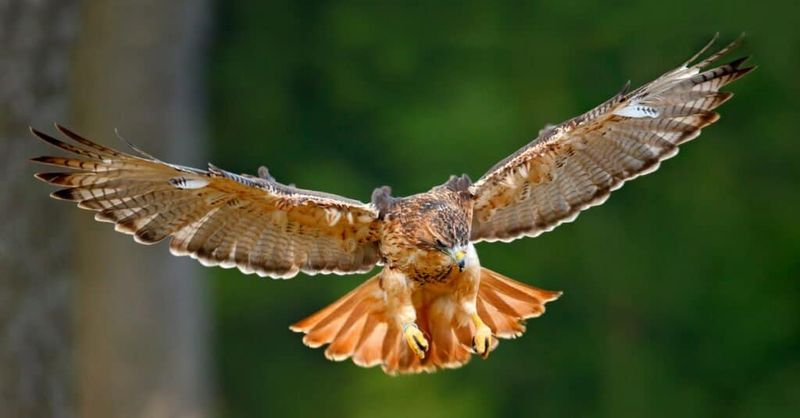
Hawks go where the food is, plain and simple. If a red-tailed hawk keeps circling your yard, chances are it has spotted plenty of small animals to eat down below.
These birds love munching on mice, voles, chipmunks, rabbits, and squirrels. A yard with tall grass, garden beds, bird feeders, or brush piles often attracts these little critters. Where prey gathers, hawks soon follow.
Your bird feeder plays a surprising role here too. While you set it out for songbirds, the seed also draws rodents that nibble fallen bits on the ground. That extra activity creates a buffet the hawk cannot ignore.
Seeing a hawk actually means your yard is full of life. A healthy prey base is a sign of a balanced little ecosystem right outside your window. Nature is doing its job, keeping animal numbers in check naturally.
If you want to support this balance, keep parts of your yard a bit wild. Leave a patch of native plants or a log pile where small creatures can hide. This gives hawks reliable hunting grounds and helps the whole food web thrive.
You can also watch quietly from a window to learn the hawk’s routine. Many folks notice the same bird returning at certain times of day when rodents are most active.
Remember that hawks are protected under federal law, so simply enjoy the show. A hawk hunting in your yard is not a problem to fix but a wonderful sign of a thriving backyard habitat teeming with hidden wildlife.
2. The Hawk Is Hunting Nearby
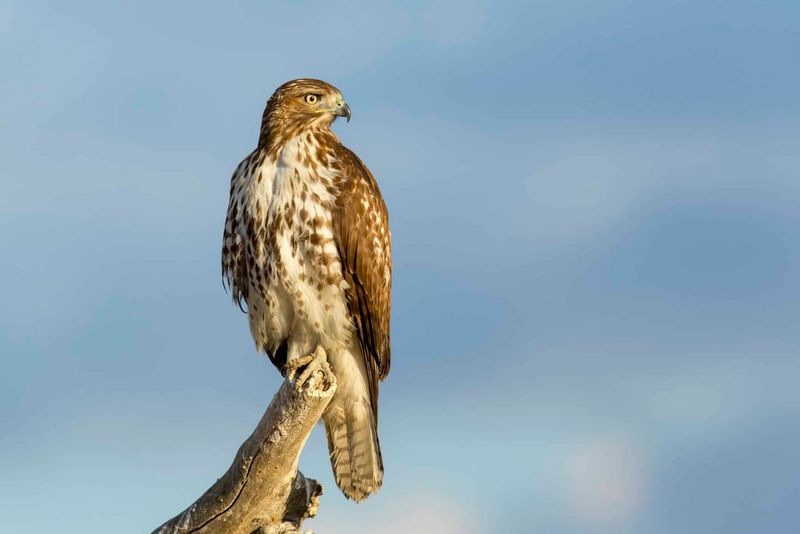
Sometimes a hawk overhead is simply busy at work. Red-tailed hawks spend much of their day searching for their next meal, and your yard may sit right in their hunting zone.
These raptors have incredible eyesight, up to eight times sharper than ours. From high in the sky, they can spot a tiny mouse moving in the grass far below. That is why you often see them soaring in slow, patient circles.
When a hawk hovers or perches while staring intently, it is likely locked onto something tasty. The bird studies the ground carefully before making a swift dive to grab its target.
Your yard might just be a good vantage point along its regular hunting path. Hawks often cover a wide area each day, checking familiar spots where they have found food before.
Your Pennsylvania Garden Changes Every Week. Your Plan Should Too.
Gardening in Pennsylvania changes quickly throughout the season. Every Friday you’ll receive a simple weekly plan showing exactly what to plant, prune, fertilize, harvest, and protect so you never miss the right timing.
If you notice a hawk hunting, try not to disturb it. Give the bird space and watch from a distance so it feels safe enough to stay and hunt naturally.
Keep pets and small animals supervised outdoors, especially tiny cats or small dogs. While attacks on pets are rare, being cautious keeps everyone comfortable and gives the hawk room to do its thing.
Watching a hunt unfold is one of nature’s most thrilling shows. The focus, patience, and speed of a red-tailed hawk are truly amazing to see up close.
Consider yourself lucky if a hawk chooses your yard as part of its hunting route. It means your neighborhood offers the open sightlines and prey these skilled hunters need to survive.
3. Your Property Offers Good Perching Spots
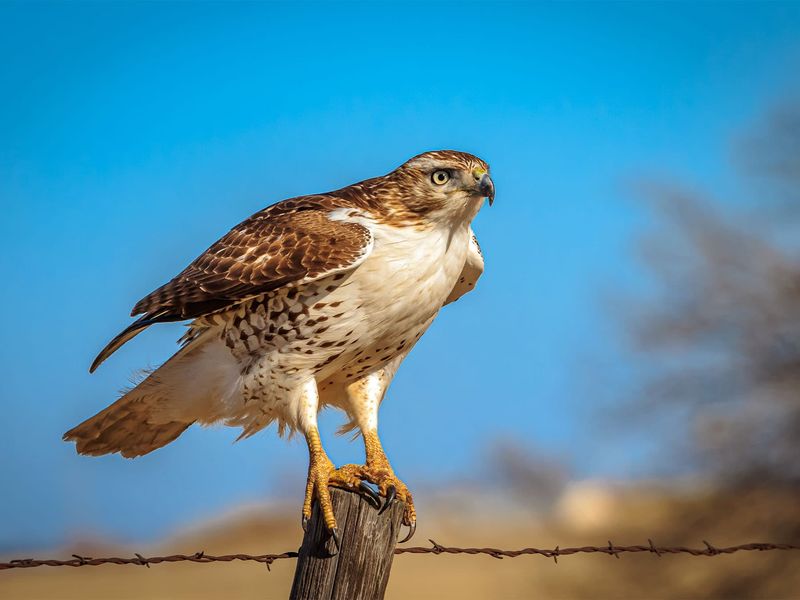
Every hawk needs a good place to rest and watch. If your yard has tall trees, utility poles, or sturdy fence posts, you have basically set out a welcome sign for red-tailed hawks.
These birds are perch hunters at heart. Rather than flying all day, they often sit high up and scan the ground below, waiting for the perfect moment to swoop.
A tall oak, a bare dry branch, or even a rooftop gives the hawk a clear view of the surrounding area. Height means safety and a better look at possible meals.
Your property might have exactly the kind of lookout a hawk loves. Open branches without too many leaves are especially handy because they let the bird see and take off quickly.
If you enjoy hawk watching, consider leaving a tall snag or dry tree standing if it is safe to do so. These natural perches attract raptors and other interesting birds.
Fence lines along open fields also make popular resting spots. Hawks will hop from post to post as they patrol their favorite hunting grounds.
You can even set up a comfortable viewing chair near a window facing these perches. Over time, you may recognize the same hawk returning to its preferred branch again and again.
Providing good perches costs you nothing and rewards you with regular visits from one of Pennsylvania’s most majestic birds.
A simple tall tree turns your yard into a five-star hawk hangout where these graceful hunters feel right at home resting between hunts.
4. Nearby Open Areas Provide Hunting Habitat
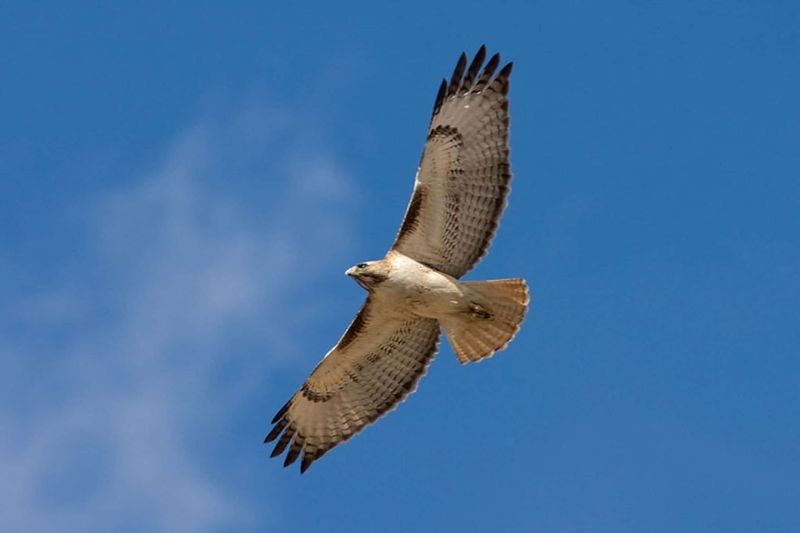
Red-tailed hawks adore wide open spaces. If your yard sits near fields, meadows, parks, or farmland, a hawk overhead makes perfect sense.
Open ground is where these birds hunt best. Without thick forest blocking the view, they can easily spot rabbits, mice, and other small animals scurrying across the grass.
Your home might border a golf course, a school field, or a stretch of farmland. All of these count as prime hunting habitat for a soaring red-tail.
Even a large lawn or an empty lot nearby can draw hawks in. They cruise the edges where open areas meet trees, since prey often gathers along these borders.
Pennsylvania has plenty of mixed landscapes that suit these raptors beautifully. Rolling farm country, roadside meadows, and suburban parks all create the kind of open terrain hawks favor.
If you live near such spaces, expect regular hawk sightings throughout the year. The birds patrol these zones daily, using your yard as part of a wider territory.
You can encourage this by supporting local green spaces and native grasslands in your community. Healthy open habitats mean healthy hawk populations for everyone to enjoy.
Try scanning the sky above nearby fields on sunny afternoons. Rising warm air called thermals helps hawks glide effortlessly while they hunt, so midday is a great time to watch.
A hawk drawn by nearby open land shows how connected your yard is to the greater landscape.
Those wide spaces feed and support the wildlife that eventually drifts over your own backyard, giving you front-row seats to nature’s daily rhythm.
5. Seasonal Movement Has Brought It Closer
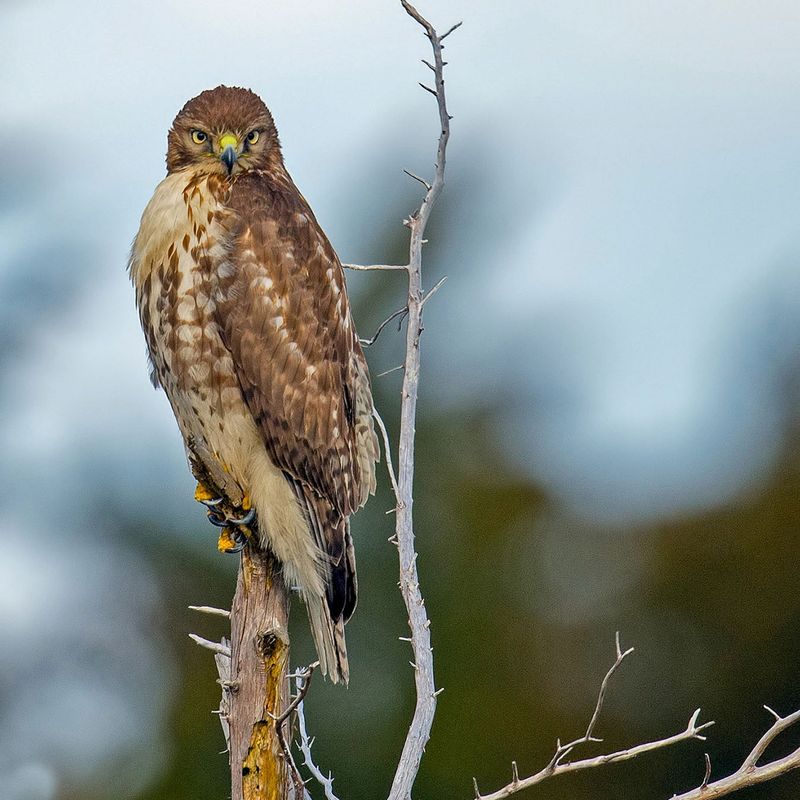
Timing matters when it comes to hawk sightings. Many red-tailed hawks move with the seasons, and this travel can suddenly bring one right over your yard.
During fall, large numbers of hawks migrate south across Pennsylvania. The state sits along major flyways where thousands of raptors pass through each year.
Autumn is prime time to look up. On breezy September and October days, hawks ride the wind currents in impressive numbers heading toward warmer regions.
Your yard might briefly host a traveler taking a rest stop. Migrating hawks pause to hunt and regain energy before continuing their long journey.
Winter brings changes too. Some hawks from colder northern areas move into Pennsylvania to spend the season where food stays easier to find.
That means the hawk over your yard in January might be a visitor from Canada or the northern states. It came south seeking milder conditions and reliable meals.
Spring flips the pattern as birds head back north to nest. You may notice more hawk activity as they pass through returning to breeding grounds.
If you want to catch the spectacle, visit famous spots like Hawk Mountain Sanctuary during fall migration. Thousands of hawks stream past, and it is an unforgettable sight.
Keeping a simple nature journal helps you track when hawks appear each year. Over time, you will spot patterns tied to the changing seasons.
A hawk drawn closer by seasonal movement reminds us how these birds connect distant places. Your backyard becomes one small stop along an incredible journey spanning hundreds of miles.
6. The Hawk May Be Passing Through Its Normal Territory
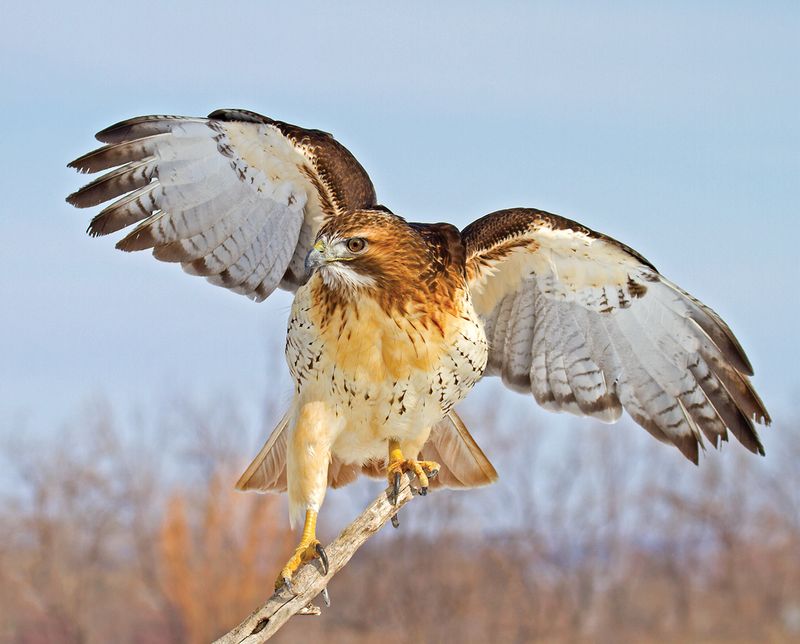
Not every hawk visit is dramatic or unusual. Often the bird over your yard is simply making its normal rounds through a territory it knows well.
Red-tailed hawks claim and defend large home ranges. A single bird or pair may patrol an area covering many acres, including neighborhoods and backyards.
Your yard could sit squarely inside one hawk’s regular patch. To the bird, your trees and lawn are familiar landmarks it checks routinely.
These raptors are creatures of habit. They follow predictable flight paths day after day, visiting the same perches and hunting spots they trust.
Seeing the same hawk repeatedly usually means you live within its established territory. The bird has learned where food and safe resting places can be found nearby.
Hawks also defend their space from rivals. You might spot two hawks calling loudly or chasing each other, especially during nesting season in early spring.
If a pair nests close by, expect frequent flyovers as the adults hunt to feed their growing chicks. That busy activity is a sign of a healthy local population.
You can get to know your neighborhood hawk over time. Look for unique markings or behaviors that help you recognize the same individual.
Respect its space and avoid disturbing any nest you discover. Federal law protects these birds and their nests, so keep your distance and observe quietly.
A hawk cruising its normal territory shows you are sharing your neighborhood with an established wild resident. Rather than a rare event, its visits are a steady, comforting part of your local outdoor world.
7. Your Yard Is Part Of A Larger Wildlife Corridor
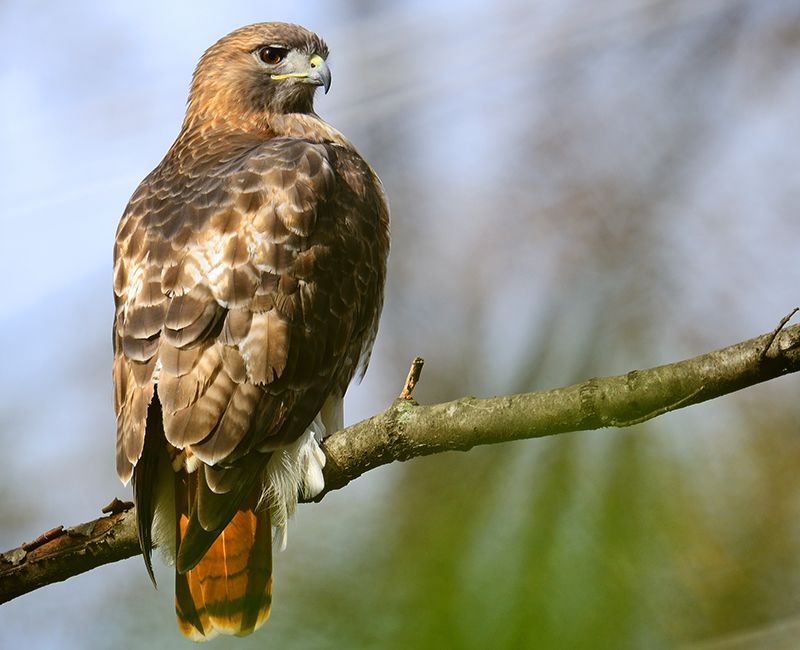
Your backyard is more connected to nature than it looks. A hawk overhead often means your yard forms part of a wildlife corridor, a natural pathway animals use to travel safely.
These corridors link forests, streams, parks, and green spaces across the landscape. They let creatures move around to find food, shelter, and mates.
Hawks use these routes just like other animals. Strips of trees, hedgerows, and connected yards give them safe passage and hunting grounds as they roam.
Your property might be one green stepping stone in a much bigger chain. Even a modest yard with a few trees adds valuable habitat to the network.
When many neighbors keep native plants and trees, the whole community becomes richer for wildlife. Hawks and countless other species benefit from this shared effort.
You can help strengthen the corridor in simple ways. Planting native shrubs, adding a water source, or leaving natural areas gives wildlife more reasons to stay.
Streams and wooded creek banks are especially important links. They guide animals through developed areas and often attract hawks looking for prey along the edges.
Thinking of your yard as part of a bigger picture makes conservation feel personal. Small choices at home add up to real benefits for the animals passing through.
A hawk soaring over your property proves the corridor is working. The bird is moving freely through connected habitats that support Pennsylvania’s incredible variety of wildlife.
By caring for your little patch, you help keep these pathways open. That means more hawks, more songbirds, and a livelier natural world for everyone to share and enjoy for years to come.