Where To Buy Florida Native Plants This Fall, Even Between Big Sales
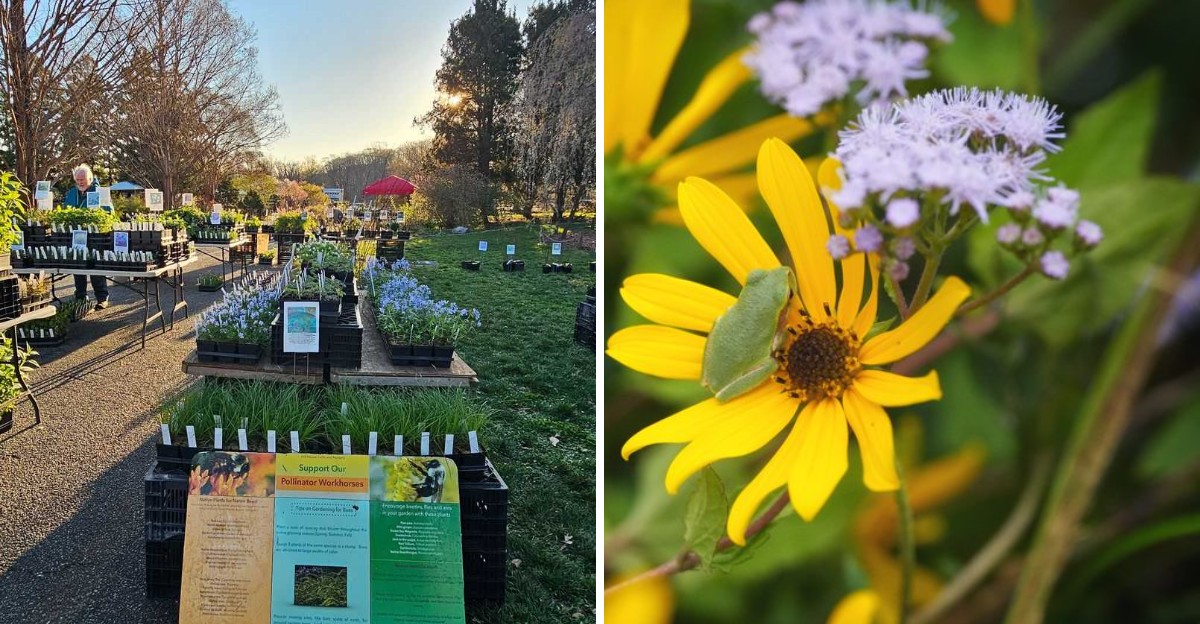
The plant sale ended Sunday, and your cart is still empty. Don’t panic yet.
Florida native plant fans know a secret about the calendar. The big events grab the headlines, but they only cover a sliver of the year.
The rest of the time, quiet sources keep their shelves stocked, and the shoppers who know where to look never seem to run out of options.
Some of those spots sit behind a gate or a hand-painted sign. Others live online, and a few pop up in places you’d never guess.
Prices vary a lot, and so does quality, which is where plenty of buyers trip up.
A little detective work now means you’ll never wait for the next sale again.
Bookmark a few before you buy anything. A good source beats a good deal.
1. Fall Is A Great Time To Plant Natives
Picture a plant stretching its roots like a cat after a long nap. That is what happens when you tuck a native into the ground during the cooler months.
Fall brings lower heat and less muggy air across most of the state. Those milder days let young plants spend energy growing roots instead of fighting the sun.
Deep roots are a big deal for a happy garden. By spring, a fall-planted shrub can handle dry spells much better than one planted in June.
Here is a fun bit of trivia for your next garden chat. October is officially Florida Native Plant Month, so the whole state is cheering you on.
Timing also matters for seeds, not just potted plants. Many wildflower seeds sown in fall sprout when winter rains and spring warmth arrive.
Plan to water new plants often for the first few weeks. After that, you can slowly stretch the time between drinks as roots settle in.
Native plants also feed local butterflies, bees, and birds in ways most imported plants cannot. Your yard becomes a busy little rest stop for wildlife.
So think of fall as the opening bell for your shopping season. The rest of this list shows you exactly where to find the goods, even when the big sales are over.
2. Search Plant Real Florida By Zip Code Or County
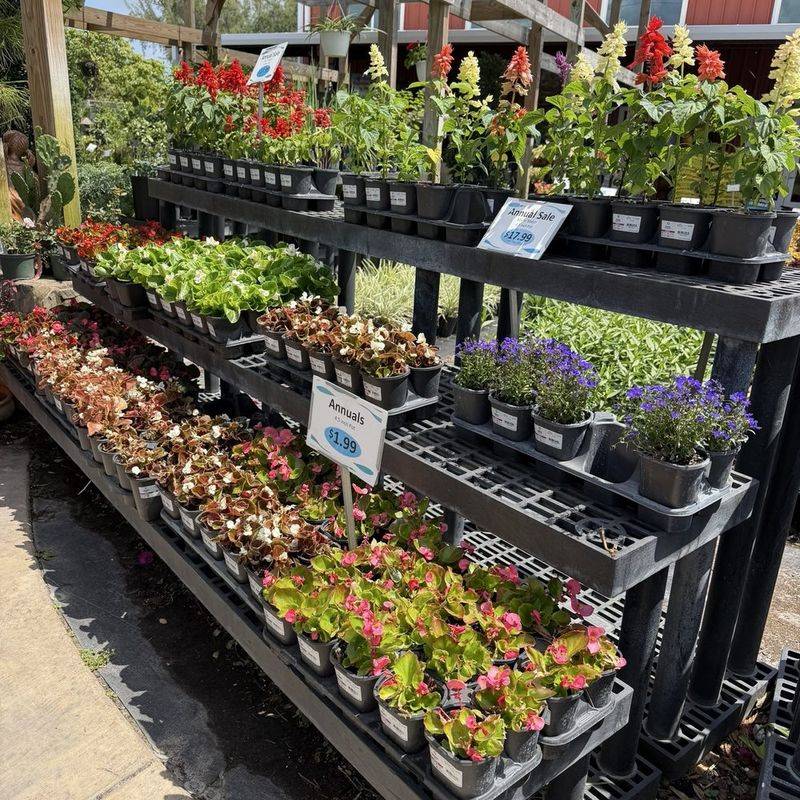
Ever wished for a treasure map that points straight to native plants? One actually exists, and it fits right inside your web browser.
The website is called Plant Real Florida. It is run by the Florida Association of Native Nurseries, a group of growers who focus on plants that belong here.
Using it is about as easy as ordering a pizza. You type in your zip code or pick your county, and a list of nearby nurseries pops up.
Many of these shops are small, family-run places. You might drive past one for years and not notice the sign by the road.
Before you head out, give the nursery a quick call or check its hours online. Some are open only a few days each week, especially during busy fall months.
Your Florida Garden Changes Every Week. Your Plan Should Too.
Gardening in Florida changes quickly throughout the season. Every Friday you’ll receive a simple weekly plan showing exactly what to plant, prune, fertilize, harvest, and protect so you never miss the right timing.
Bring a short wish list, but stay open to surprises. Staff at native nurseries love helping shoppers match plants to sun, shade, and soil type.
Ask questions like how big a plant gets or whether it likes wet feet. Their answers can save you from moving a shrub three times.
Best of all, these nurseries stock plants year-round. That means you can shop on a random Tuesday instead of waiting months for the next giant event.
3. Many Native Nurseries Ship Their Plants
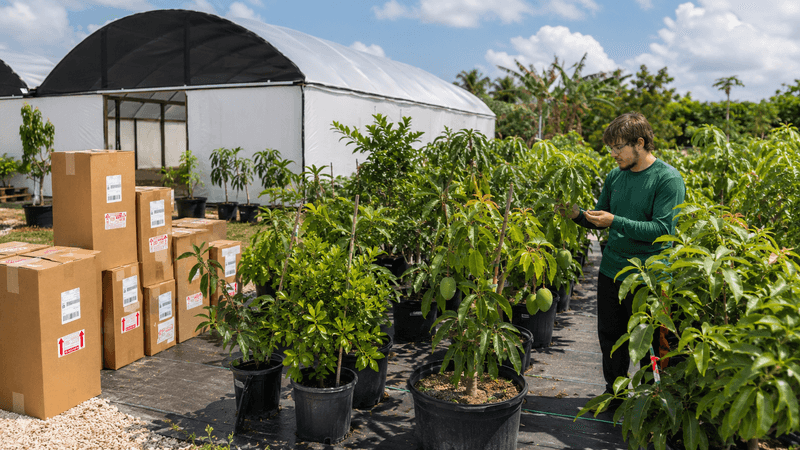
Ding dong, your new garden just arrived. Mail-order shopping is not only for shoes and books anymore.
Several online nurseries grow natives and ship them right to your front porch. That opens up choices you might not find within driving distance.
Living in a rural spot or a busy city can make nursery trips tough. Shipping solves that problem with a few clicks and a little patience.
Most mail-order plants come in smaller pots to keep boxes light. Do not worry about the size, because young plants often settle in faster than big ones.
When the box shows up, open it the same day. Give the plants a gentle drink and let them rest in light shade for a day or two.
Read each shop’s shipping calendar before you order. Many sellers skip the hottest or coldest weeks to protect plants on the road.
Look for nurseries that list where their plants were grown. Plants raised in Florida are better suited to our sandy soil and wild weather.
Check reviews from other gardeners too. A shop with happy customers usually packs carefully and answers questions quickly.
Online shopping is a handy way to fill gaps between local sales. Your porch can become the newest garden center in town.
4. Check Your County’s Master Gardener Plant Nursery
My neighbor swears her best firebush came from a folding table and a retired teacher in a green apron. That teacher was a Master Gardener volunteer, and she knew her stuff.
Master Gardeners are trained by UF/IFAS Extension, the gardening arm of the University of Florida. Many county programs run plant sales or small nurseries, especially in fall.
Counties like Polk and Sarasota are known for these events. Tables often hold native, edible, and Florida-Friendly plants grown or picked by volunteers.
Prices tend to be gentle on your wallet. Money raised usually goes back into community gardening classes and projects.
The real prize, though, might be the advice. Volunteers are happy to talk about pests, soil, and which plants love your corner of the yard.
Bring a photo of your garden spot if you can. Showing them the sun and space helps them suggest the perfect plant.
To find your local sale, visit your county extension office website. You can also follow the office on social media for quick updates.
Arrive early, since popular plants can go fast. Bring a wagon or a sturdy box so your new treasures ride home safely.
5. Follow Your Local FNPS Chapter For Pop-Up Sales
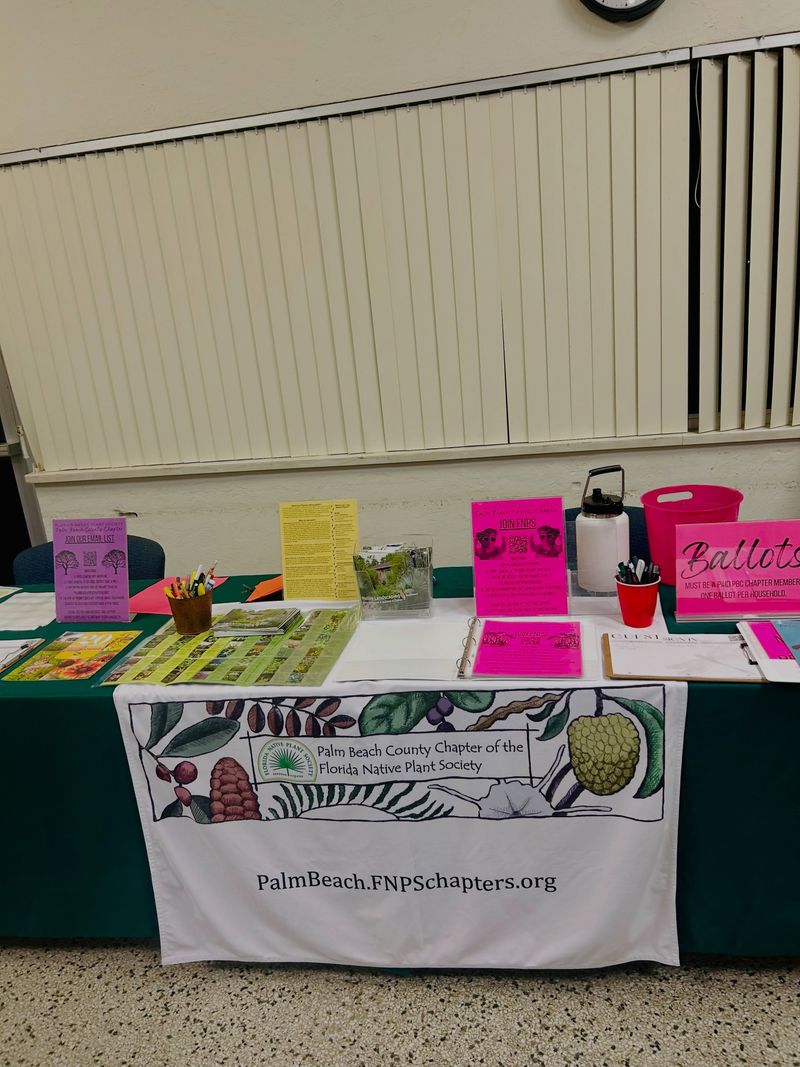
Think of it as a secret club where the password is milkweed. Local chapters of the Florida Native Plant Society are full of folks who eat, sleep, and breathe native gardening.
Chapters across the state host pop-up plant sales throughout the year. Some happen at monthly meetings, while others appear at parks or community events.
Here is the exciting part. Chapter sales often offer plants you rarely spot at big stores or even many nurseries.
Members sometimes grow these plants in their own backyards. That means you might bring home something unusual with a great story behind it.
The FNPS website keeps a calendar of events statewide. Check it often, because pop-up sales can be announced with short notice.
Following your chapter’s social media page or email list is a smart move. You will hear about sales, garden tours, and field trips first.
Do not be shy about asking questions at these events. Members love sharing tips about planting, pruning, and attracting wildlife.
Joining a chapter costs little and brings plenty of perks. You get friends, knowledge, and early access to some pretty special plants.
Who knew shopping could feel like a fun neighborhood party?
6. Watch For Florida Wildflower Foundation Giveaways
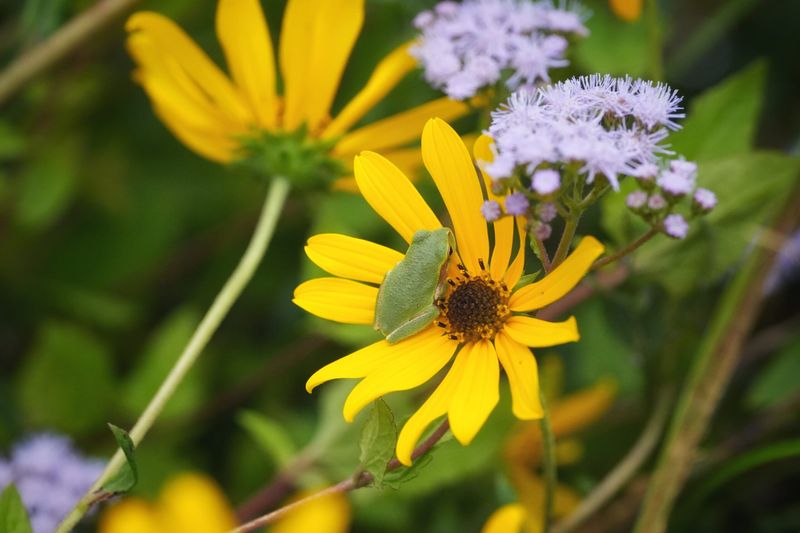
Free plants? Yes, you read that right, and it is not a trick.
The Wildflower Foundation works to fill the state with blooming color. Part of that mission includes plant and seed giveaways for everyday gardeners.
The foundation often teams up with FNPS chapters, parks, and local groups. Together they host events where people can grab native plants or seed packets.
Some giveaways are linked to special campaigns or anniversaries. Others pop up during community festivals or pollinator celebrations.
These events usually include a little learning too. Volunteers might share how wildflowers help bees, butterflies, and other busy pollinators.
Fun fact for curious minds: Florida’s state wildflower is the coreopsis. Its sunny yellow blooms brighten roadsides all over the state.
To catch these deals, sign up for the foundation’s newsletter. Following its social media pages also helps you hear about giveaways quickly.
Free items can disappear in a flash, so plan to show up early. A small tote bag makes carrying seed packets and pots much easier.
Even one packet of seeds can turn a bare patch into a buzzing meadow. That is a lot of beauty for zero dollars.
7. UF/IFAS Extension Fall Festivals Often Bring Plant Vendors
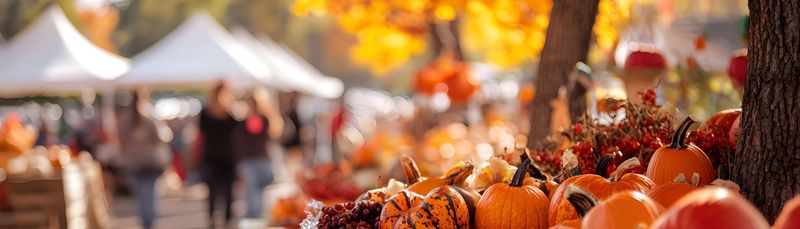
Kettle corn in one hand and a potted beautyberry in the other sounds like a pretty good Saturday. UF/IFAS Extension fall festivals make that combo possible.
Extension offices across the state throw autumn events packed with garden vendors. Many sellers bring native plants alongside herbs, fruit trees, and tools.
The Lake County Discovery Gardens Fall Festival and Plant Sale is a great example. It gathers lots of vendors in one spot, so you can shop around easily.
These festivals feel more like a fair than a store. Families can enjoy kid-friendly activities, garden tours, and fresh snacks.
Short talks are often part of the schedule too. Experts might cover composting, pollinator gardens, or how to plant a tree the right way.
Walk the whole event before buying anything. Comparing vendors helps you find the healthiest plants and the best prices.
Ask each seller if a plant is truly native to Florida. Some booths mix natives with imported plants, so labels are worth a close look.
Check your county extension website in late summer for festival dates. Mark your calendar and bring a friend who loves plants as much as you do.
8. Botanical Garden Plant Sales Pop Up In Fall
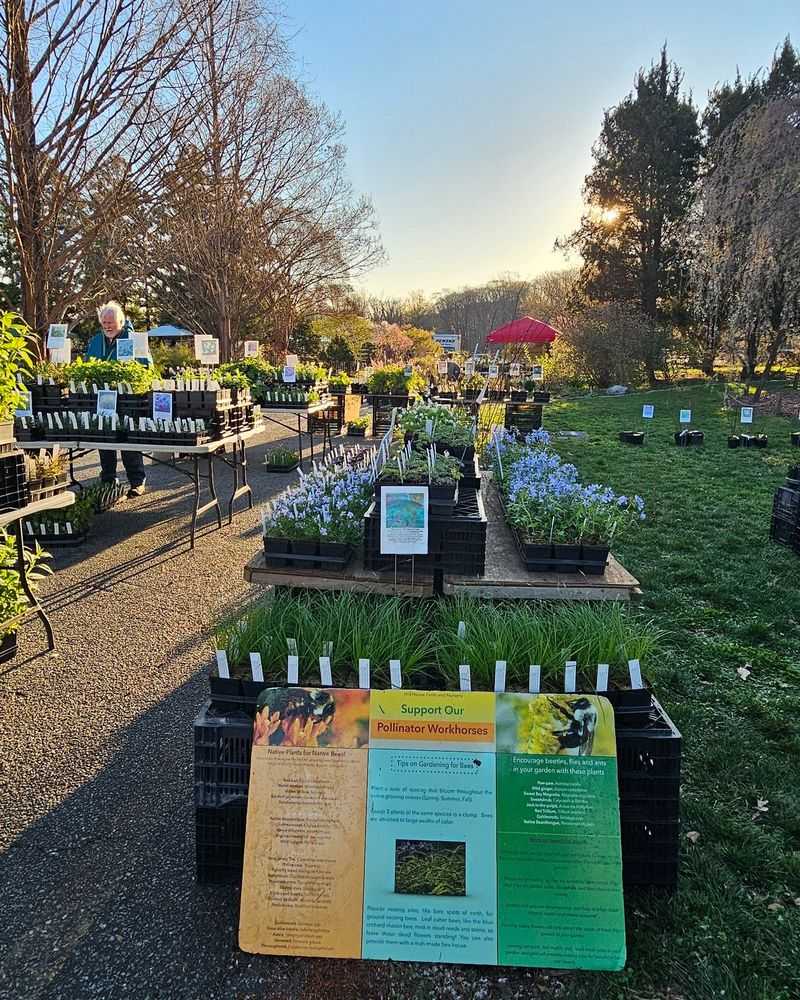
Some people go to museums for art, but plant lovers go to botanical gardens. In fall, many of these gardens open their gates for special plant sales.
Mounts Botanical Garden in Palm Beach County is one popular stop. Mead Botanical Garden in Winter Park also hosts fall events that draw happy crowds.
Up in Gainesville, Wilmot Botanical Gardens at the University of Florida holds a yearly fall sale. Each spot brings its own mix of plants and local flair.
Native plants often share the tables with rare and unusual finds. It is easy to wander off with more plants than you planned.
A smart trick is to stroll the garden before shopping. Seeing grown-up plants in the ground shows you how big that cute little pot might get.
Members sometimes get early entry or discounts. If you visit often, a membership might pay for itself pretty quickly.
Money from sales helps the gardens care for their collections. Your purchase supports education programs and beautiful public spaces.
Check each garden’s website for dates and rules. Some sales ask you to bring your own wagon or boxes for carrying plants home.
9. Order Wildflower Seeds From A Grower Cooperative
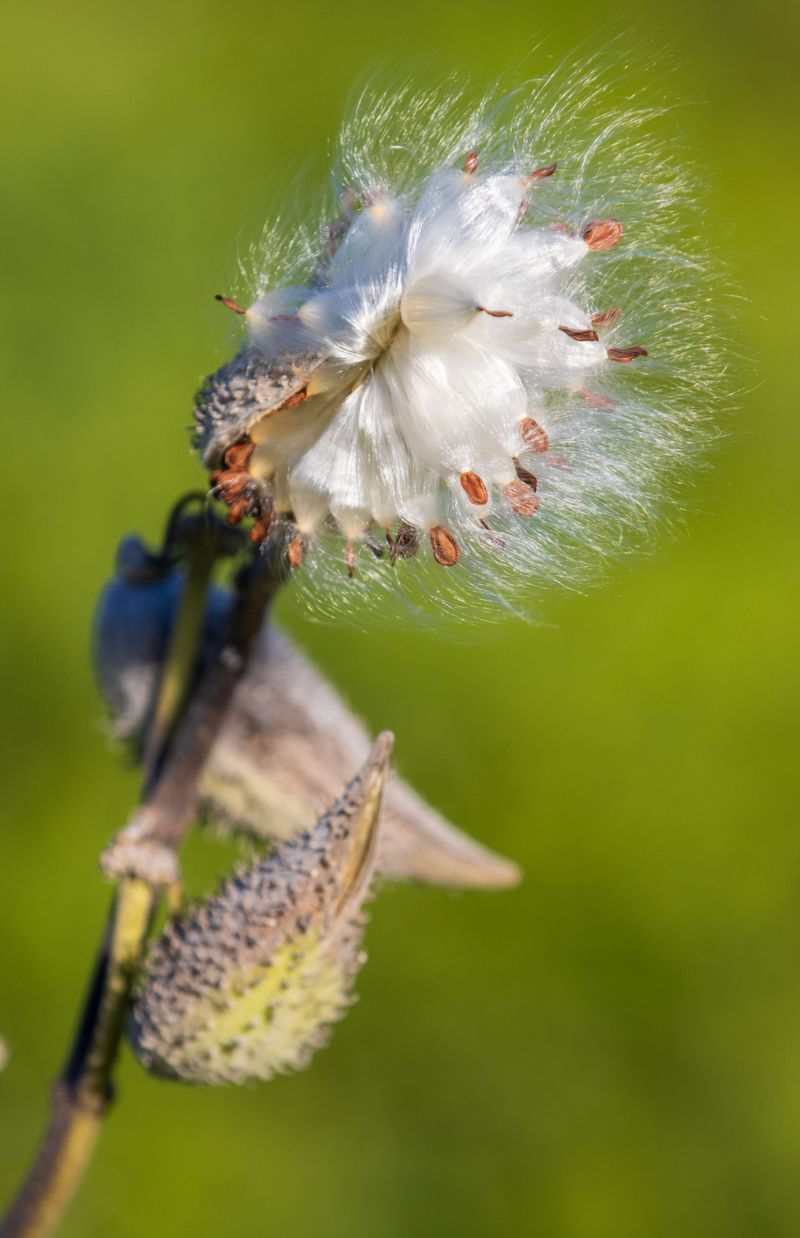
Tiny seeds can hold a whole field of color. If you are patient and a bit adventurous, growing wildflowers from seed is pure magic.
The Florida Wildflower Cooperative sells seeds of native wildflowers. Its members grow and collect seeds that are suited to our soil and weather.
Buying seeds is often cheaper than buying potted plants. One order can cover a large space, which is great for meadows or bare corners.
Fall is a smart time to sow many wildflower seeds. They settle into the soil over winter and sprout as days warm up.
Start by clearing grass and weeds from your planting area. Seeds need good contact with the soil, so press them down gently after scattering.
Mixing seeds with a little sand helps spread them evenly. It also lets you see where you have already sown.
The Florida Wildflower Foundation offers helpful guides for beginners. You can learn about collecting your own seeds or buying from cooperatives.
Keep the area lightly moist until seedlings appear. After that, many wildflowers need surprisingly little care.
Watching the first blooms open is a real thrill. You grew that color from something smaller than a grain of rice.