Fall Leaves Aren’t Garbage! Your Ohio Yard Needs Them More Than You Think
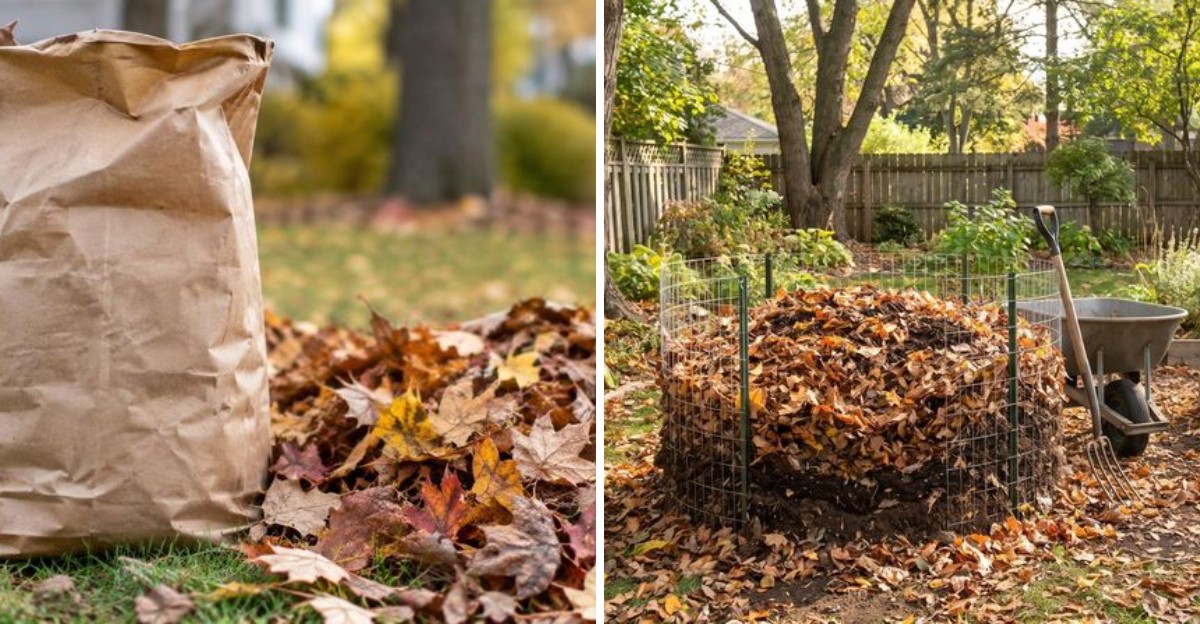
Every autumn, the trees drop a golden blanket right at your feet, and most Ohio homeowners reach for the rake before the coffee has even cooled. Those bagged leaves lined up at the curb look so tidy.
But here is the plot twist: that pile you are hauling away is doing some pretty impressive work. Leaves feed the soil, shelter sleepy butterflies and moths, and give hungry songbirds a buffet of bugs to scratch through all winter.
They also make a handy free mulch for garden beds. Not bad for something most of us treat like trash, and raking is basically a workout you have to pay extra for.
So before you fill another bag, hang on a minute. Your back, your wallet, and your garden might all thank you.
1. Fallen Leaves Give Your Soil A Slow, Steady Boost
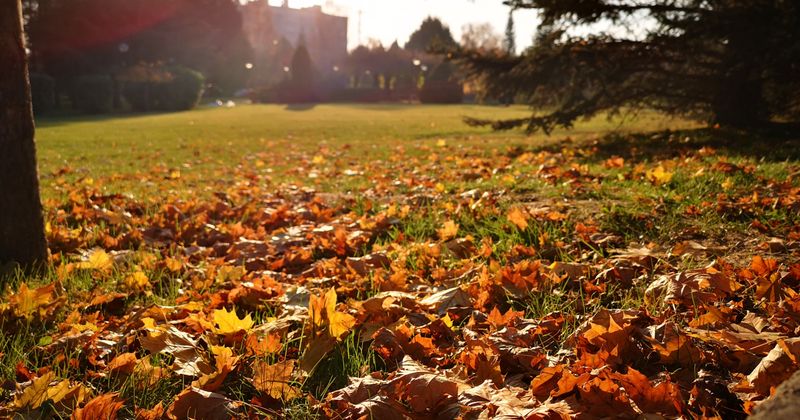
Trees spend all summer pulling water and minerals from deep in the ground. When autumn arrives, they drop their leaves, and those leaves carry some of that material back to your yard.
Before leaves fall, trees pull back a good share of their nitrogen and phosphorus to store for next year, so fallen leaves are fairly low in those two nutrients. What they do hold are calcium, magnesium, potassium, trace minerals, and plenty of carbon.
As they slowly break down, they return some of those nutrients to the soil and feed the tiny organisms that keep it healthy.
In Ohio, maples, oaks, and sycamores shed a lot of this material each season. Think of it as a free soil conditioner and mulch rather than a replacement for fertilizer.
If a soil test shows your plants need extra nutrients, you may still need to add them.
Store-bought fertilizer costs money and can wash into streams after heavy rain. Leaf matter breaks down slowly, so it releases what it has gradually instead of in one big sugar rush.
Getting started is easy. Rake leaves from the lawn into garden beds and around the base of shrubs.
Keep the layer about two to three inches deep so air can still reach the soil, and use it as a surface mulch rather than digging it in. Mixing large amounts of fresh leaves into the soil can temporarily tie up nitrogen while microbes break them down.
Shredding helps a lot. Run the mower over a pile a few times, and the smaller pieces will break down much faster.
Whole leaves can mat together like wet paper, which blocks water.
By spring, much of that layer will have softened into dark, crumbly material. Pull back any thick spots when new shoots appear.
Over time, you may notice healthier soil and a smaller mulch bill. Many gardeners say it feels like getting paid to skip a chore.
2. Mow, Don’t Rake, For An Easier Lawn Routine
Good news for anyone who hates raking. Research suggests that mulching leaves into your grass is a reasonable alternative to bagging them.
Michigan State University studied the idea for several years. Their trials found that shredded leaves mowed into turf did not harm turf quality and were linked to fewer dandelions.
Your Ohio Garden Changes Every Week. Your Plan Should Too.
Gardening in Ohio changes quickly throughout the season. Every Friday you’ll receive a simple weekly plan showing exactly what to plant, prune, fertilize, harvest, and protect so you never miss the right timing.
Ohio lawns share a broadly similar climate, so it is reasonable to expect similar results here, though conditions vary from yard to yard.
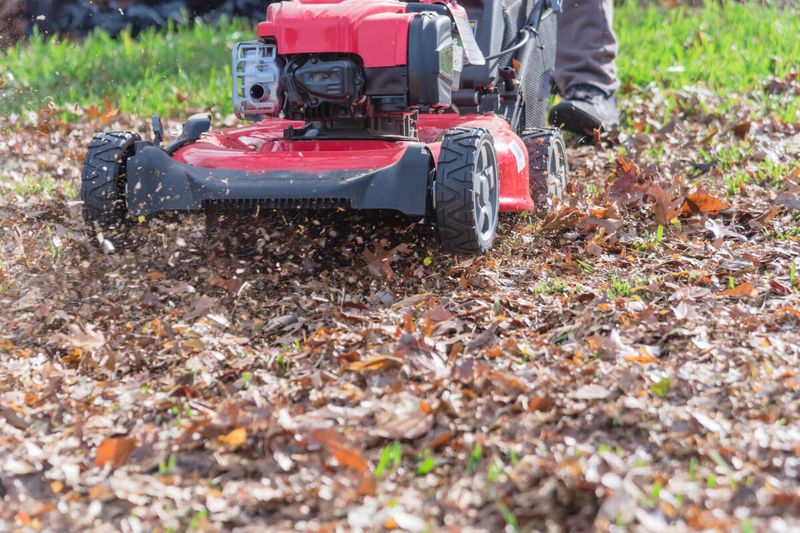
The process is simple. Set your mower to about three inches and run it over dry leaves.
You want the pieces to be about the size of a dime.
After mowing, you should still see blades of grass poking through. If the leaves are so thick that they hide the lawn, make a second pass.
You can also move a little of the shredded material to your garden beds.
Tiny leaf bits fall between grass blades and reach the soil. Worms and microbes get to work right away, and over the winter they break that material down into organic matter your lawn can use.
A mulching blade helps, but most regular mowers do fine. Try to mow once a week while leaves are falling, so piles do not get too deep.
Your Saturday afternoons get shorter, and your soil gets a little extra organic matter in return. It is a rare deal where the lazy option is also a smart one.
3. Many Butterflies And Moths Sleep Under Leaf Piles
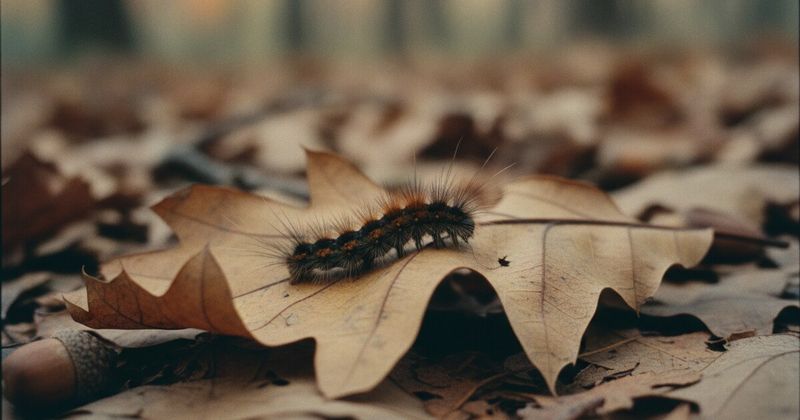
Ever spotted a fuzzy woolly bear caterpillar crossing the sidewalk in October? That little striped traveler is hunting for a cozy spot to spend the winter, often under leaves or other debris.
Many butterflies and moths in Ohio pass the cold months in fallen leaves. Some rest as eggs, some as caterpillars, and others wrap up in a cocoon or chrysalis.
Luna moths and polyphemus moths spin cocoons that rest in the leaf litter. Many fritillary caterpillars also tuck themselves into fallen leaves until spring.
Swallowtails take a slightly different route. Most spend winter as chrysalises attached to twigs and stems, so leaving a few stems standing in your garden helps them too.
When leaves get bagged and hauled off, many of those future fliers go with them. That can mean fewer colorful wings fluttering around your flowers next summer.
Here is the fun part. The woolly bear can survive being frozen in winter and thaw out in spring.
It then spins a cocoon and becomes the Isabella tiger moth.
You can help these tiny sleepers without letting your whole yard go wild. Pick a corner, a fence line, or the space under a tree and leave the leaves there.
Garden beds are another good spot.
Skip leaf blowers in these areas, since they can scatter or harm the critters. Wait until late spring, when daytime temperatures stay consistently above about 50 degrees, before cleaning up.
By then, most insects will have woken up and moved on. Come July, you may notice more butterflies drifting by, and you will know you gave them a safe bed.
4. Hungry Songbirds Love A Leafy Buffet
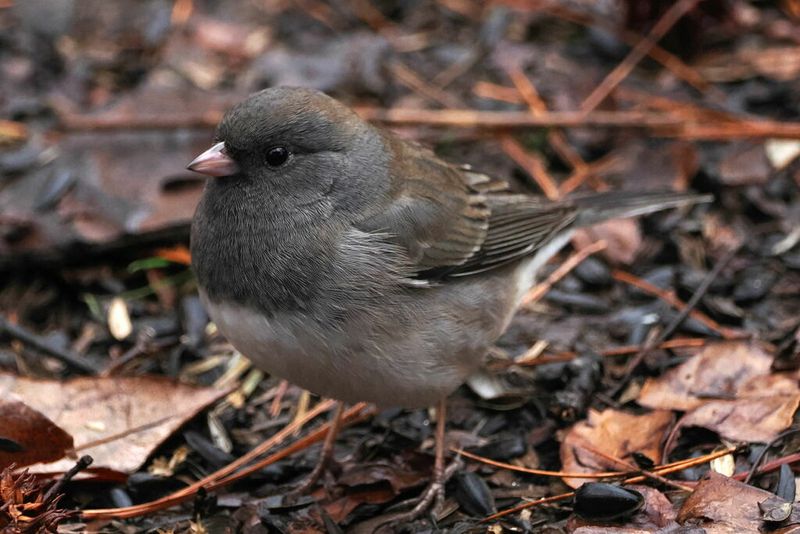
Watch a towhee for a minute, and you will see a bird doing a funny little hop-and-kick dance. It is scratching through leaves to find breakfast.
Fallen leaves hide beetles, spiders, worms, and larvae. Birds like robins, wrens, juncos, and thrushes depend on that hidden food, especially during chilly Ohio winters.
A bare lawn offers them very little to eat.
Bird feeders are great, but they mostly offer seeds. Baby birds need soft insects to grow, and parents find many of those bugs in leaf litter come spring.
Keeping leaves around helps fill tiny bellies.
Try setting aside a leafy patch near shrubs or trees. Birds feel safer eating close to cover where hawks cannot easily spot them.
A brush pile nearby gives them even more shelter.
Fun fact: scientists say insect numbers have dropped in many places. Leaving leaves is one of the simplest ways homeowners can help turn that around.
Grab a cup of coffee and look out the window on a frosty morning. You might spot a cardinal flipping leaves or a wren poking into a pile.
Your yard becomes a nature show, and you did not have to buy a single ticket. Kids especially love keeping a list of who visits.
5. Leaf Mulch Protects Plants From Freezing Winters
Winter weather can be a real roller coaster. One week brings snow, the next feels almost warm, then the cold slams back in.
Those swings cause something called frost heave. Soil freezes and thaws over and over, pushing plant roots up out of the ground.
Ohio gardeners see it often with perennials like mums, coral bells, and strawberries.
A layer of leaves acts like a warm coat. It keeps soil temperatures steadier, so roots stay snug and in place.
Snow on top of leaves adds even more insulation.
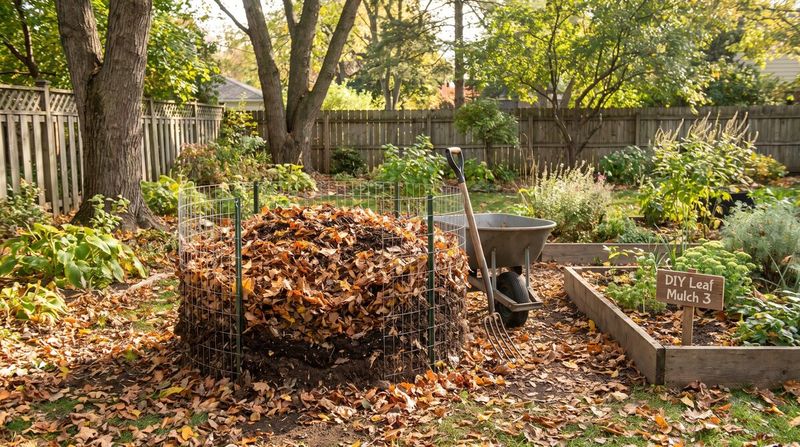
To mulch your beds, wait until the ground gets cold, usually in late November. Spread shredded leaves about three inches thick around plants.
Keep them a couple of inches away from stems and tree trunks to prevent rot.
Oak leaves are a favorite choice. They break down slowly and do not pack down as tightly as some others.
Maple leaves work well too, as long as you shred them first.
Leaves also hold moisture in the soil. That helps evergreens like rhododendrons and boxwoods, which can dry out on windy winter days.
In spring, simply pull the mulch back a little as new shoots appear. Your plants will wake up healthy and ready to grow without that winter damage.
6. Turn Leaves Into Black Gold With Leaf Mold
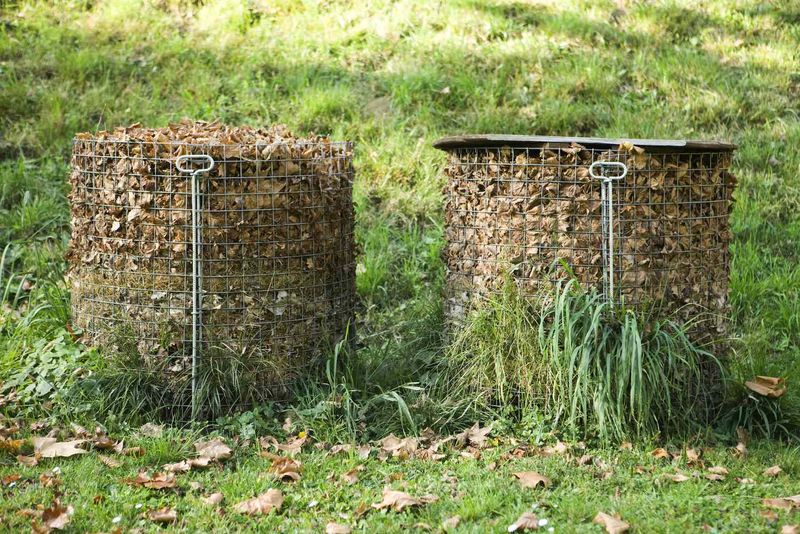
Gardeners have a secret nickname for rotted leaves. They call it black gold, and it is one of the easiest things you can make at home.
Leaf mold is simply leaves that have broken down over time. Unlike regular compost, fungi do most of the work instead of bacteria.
The result is a soft, dark material that smells like a forest floor after rain.
Why bother? Leaf mold can hold up to five times its weight in water.
Mixed into soil, it helps sandy ground stay moist and heavy clay drain better. Lots of Ohio yards have thick clay, so this is a big win.
Making it takes almost no effort. Build a simple bin from chicken wire or snow fencing, about three feet wide.
Fill it with leaves, soak them with a hose, and walk away.
Shredded leaves finish faster, often in six months to a year. Whole leaves may need two years.
Turning the pile now and then speeds things up, but it is optional.
Another trick is stuffing leaves into black trash bags. Poke a few holes, add water, and tuck them behind the garage.
Next fall, open them up and use the treasure in vegetable beds, flower pots, or around new trees.
7. Fewer Bags Mean Less Hauling And Hassle
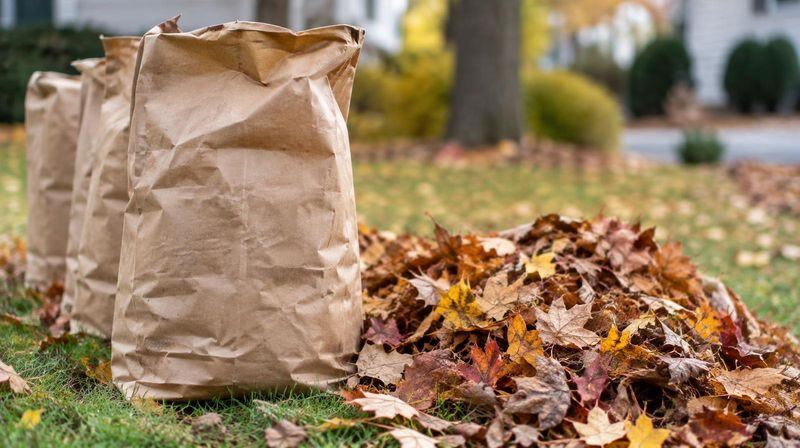
Numbers tell a surprising tale here. According to the EPA, yard trimmings make up millions of tons of waste across the United States each year.
Where leaves end up buried in landfills without air, they release methane, a gas that traps heat far more strongly than carbon dioxide.
Ohio handles this a little differently. State rules generally keep yard waste out of landfills, so collected leaves are typically composted instead of buried.
That is good news, but it does not make the work free.
Many Ohio towns offer curbside leaf pickup or vacuum trucks. Those programs help, but trucks burn fuel and cities spend money running them.
Keeping leaves at home cuts down on all of that hauling.
You also save cash on your end. Paper yard bags cost a few dollars per pack, and some communities charge pickup fees.
Over a season, that adds up quickly for a yard with big trees.
Try a simple rule this fall. Use what you can in your own yard first, then share the extra.
Neighbors with gardens often love free leaves, and some community gardens accept them too.
If you still need to set leaves out, check your local rules, since collection programs and bag requirements vary by community. Some cities ban plastic bags or leaves in the street because they clog storm drains.
Your city or county can also confirm how yard waste is handled where you live.
A little research keeps your neighborhood cleaner. Every bag you skip is one small step toward a lighter trash day and a lower cost for your community.
8. Earthworms Soil Feast On Fallen Leaves
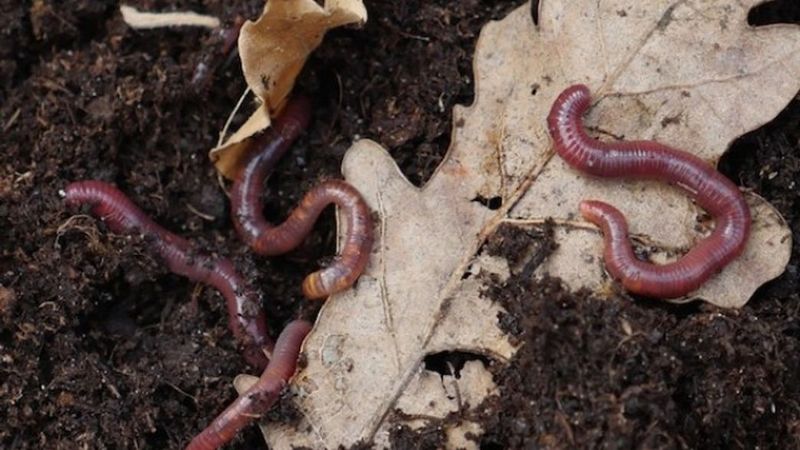
Darwin was so fascinated by earthworms that he wrote a whole book about them. He spent years studying how they pull leaves into the ground.
Worms do much of the heavy lifting in a healthy yard. At night, they drag leaf bits into their tunnels and munch on them.
What comes out the other end is called castings, a super rich plant food.
Their tunnels also help your soil breathe. Rain soaks in more easily, and roots can push deeper.
That matters a lot in compacted Ohio clay, which can feel hard as a brick in August.
Without leaves, worms have less to eat. Bare soil also gets too hot in summer and too cold in winter for them.
A leafy layer keeps them comfortable and well fed.
Want to check your worm crew? Dig up a shovelful of soil in spring and count.
Ten or more worms is a sign of great soil health.
Along with worms, leaves feed tiny helpers you cannot see. Fungi, bacteria, millipedes, and springtails all join the party.
Together they build a living soil that grows stronger plants with fewer problems. It is like hiring a free underground crew that works every single night, rain or shine.
9. Smart Ways To Keep Leaves Neat And Tidy
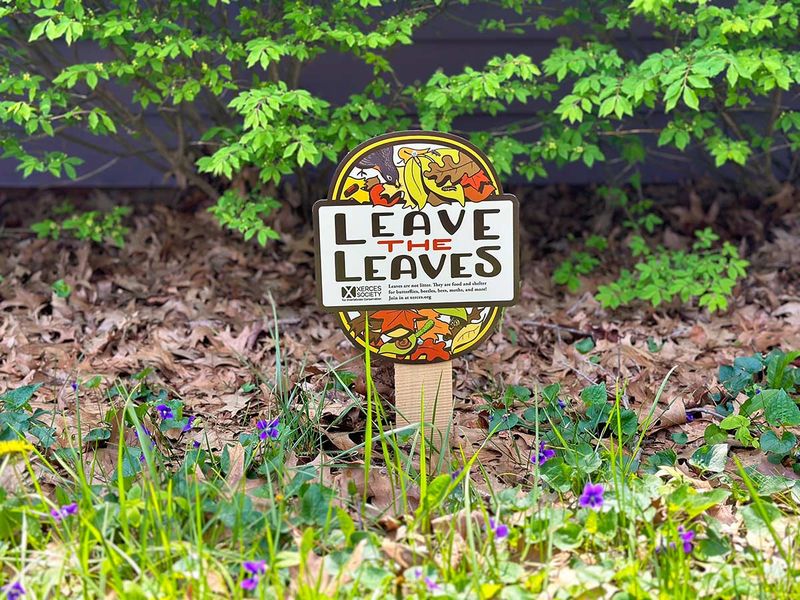
Worried the neighbors will think you gave up on yard work? You can keep leaves and still have a yard that looks cared for.
Start by deciding where leaves belong. Lawns, sidewalks, driveways, and patios should stay mostly clear for safety and good looks.
Wet leaves on steps can get slippery fast.
Garden beds, tree rings, and the edges of the yard are perfect leaf zones. Neat edges around those areas make them look planned on purpose.
A simple stone border or a small sign saying wildlife habitat can help too.
Shredded leaves look much tidier than big crunchy piles. They also stay put better when November winds roll through Ohio.
A quick pass with the mower handles most of the job.
Watch out for storm drains near the street. Leaves washing into drains can cause flooding and add extra nutrients to local creeks.
Keep the curb clear, especially before heavy rain.
If you belong to a homeowners association, read the rules first. Many groups now welcome leaf-friendly yards, especially when they look neat.
Sharing what you know can even inspire neighbors to try it. Before long, your street might become a cozy spot for birds, bugs, and healthy soil, all while still looking sharp.