What To Do With Your Florida Hibiscus In November Before The First Cold Night
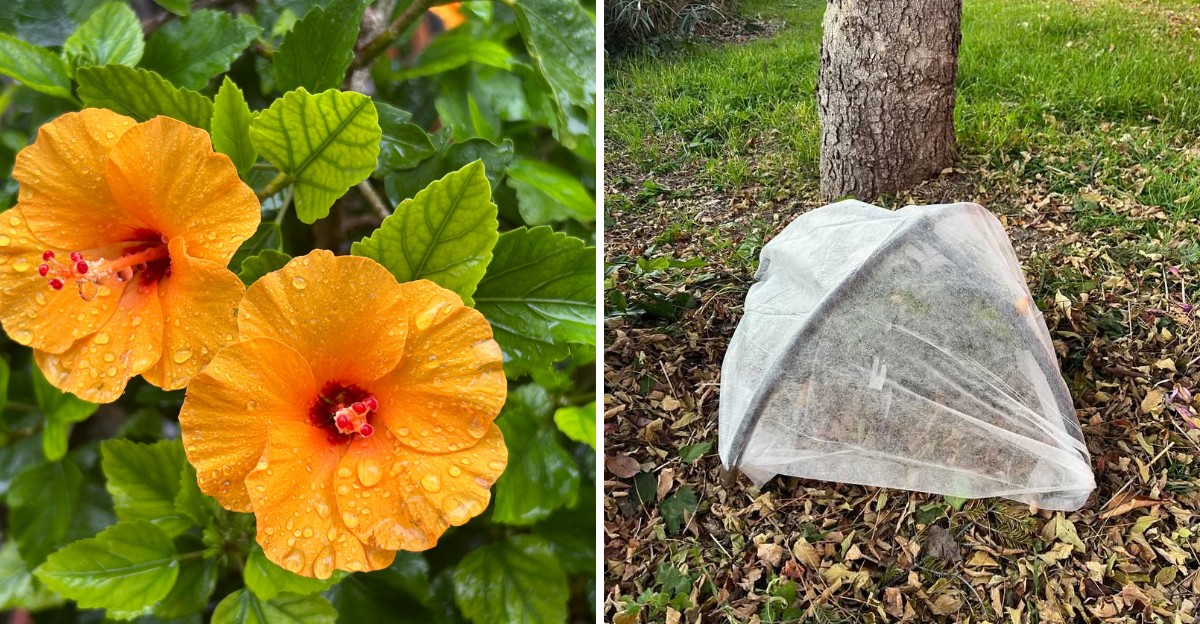
Cold fronts don’t RSVP, and your hibiscus doesn’t own a sweater. That leaves the prep work to you.
Florida’s first chilly night can arrive on an otherwise warm week, and a tropical hibiscus feels it fast. Blooms drop, leaves yellow, and branches sulk for weeks.
Some gardeners lose their favorite plant to a single bad night they didn’t see coming.
A few smart moves in November turn that scenario around. Some take five minutes.
A couple need a bit of gear. All of them help, and the combination matters more than any single step.
The trick is knowing which chores belong this month and which ones will do more harm than good.
Keep one eye on the forecast and the other on your plant. Early prep beats a frantic rescue every time.
1. Tropical Hibiscus Is Sensitive To The Slightest Cold Snap
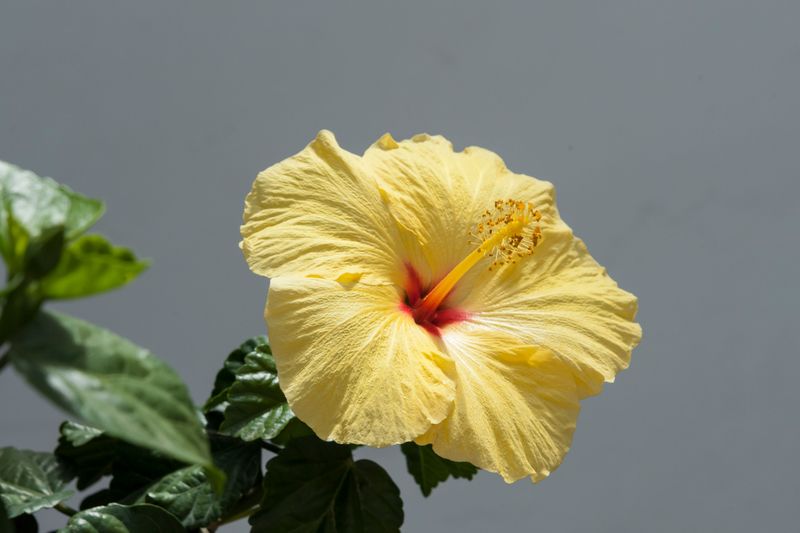
Picture a plant that grew up on a sunny beach and has no idea what a sweater is. That is basically your tropical hibiscus, also known as Hibiscus rosa-sinensis.
It loves warm, humid air and starts to struggle once temperatures slip below about 55 degrees.
Most growers in zones 10 through 12, like southern Florida and Hawaii, can keep these plants outside all year. Farther north, things get trickier.
Many tropical plants show stress around 40 degrees, and visible harm can show up below freezing.
Brief dips are usually survivable, but damage can begin when it drops below about 35 degrees. The length of the cold matters a lot too.
A few chilly hours are much easier on the plant than a long night or several frosty days in a row.
Here is a fun fact for your next garden chat. The hibiscus is the state flower of Hawaii, which tells you a lot about the weather it prefers.
So what does this mean for you in November? Start watching the forecast like a hawk.
Note when lows are expected to reach the 40s, and plan ahead before they fall further.
In North Florida, hibiscus often drops back to the ground during a freeze. The happy part is that it usually regrows from the roots, so a little planning goes a long way.
2. Yellowing Lower Leaves Are An Early Cold Warning
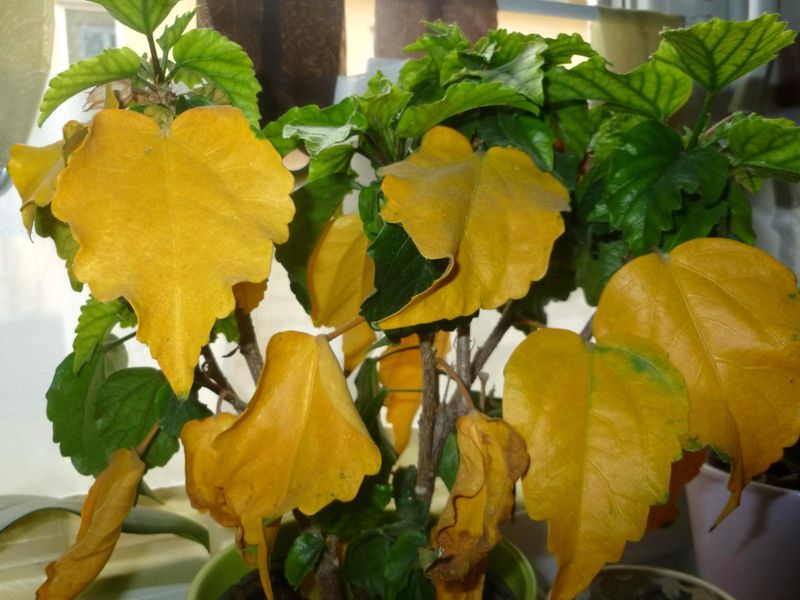
Your hibiscus cannot send you a text, but it does leave clues. One of the first messages is a few yellow leaves near the bottom of the plant.
Think of it as a polite tap on the shoulder.
Even a mild cold wave can make those lower leaves turn yellow and drop. Hibiscus feels happiest between 65 and 85 degrees.
Cool drafts or nights under 50 degrees can quickly bring on that faded, buttery color.
Not every yellow leaf is a reason to panic, though. When only the bottom leaves change in fall, the plant may simply be slowing down for its rest period.
That is a natural shift, a bit like you trading shorts for jeans.
Watch the pattern closely. If yellowing spreads fast after a chilly night, cold stress is the likely cause.
A surprise early freeze can make the plant shed leaves in a hurry.
A quick weekly walk around the yard helps you catch these signs early. Look at the lower branches, check under the leaves, and notice how the soil feels.
Treat those first golden leaves as your reminder to act. It is the perfect moment to check your frost cloth, clear a spot in the garage, and get your cold weather plan ready to roll.
3. Hold Off On Pruning Until Spring
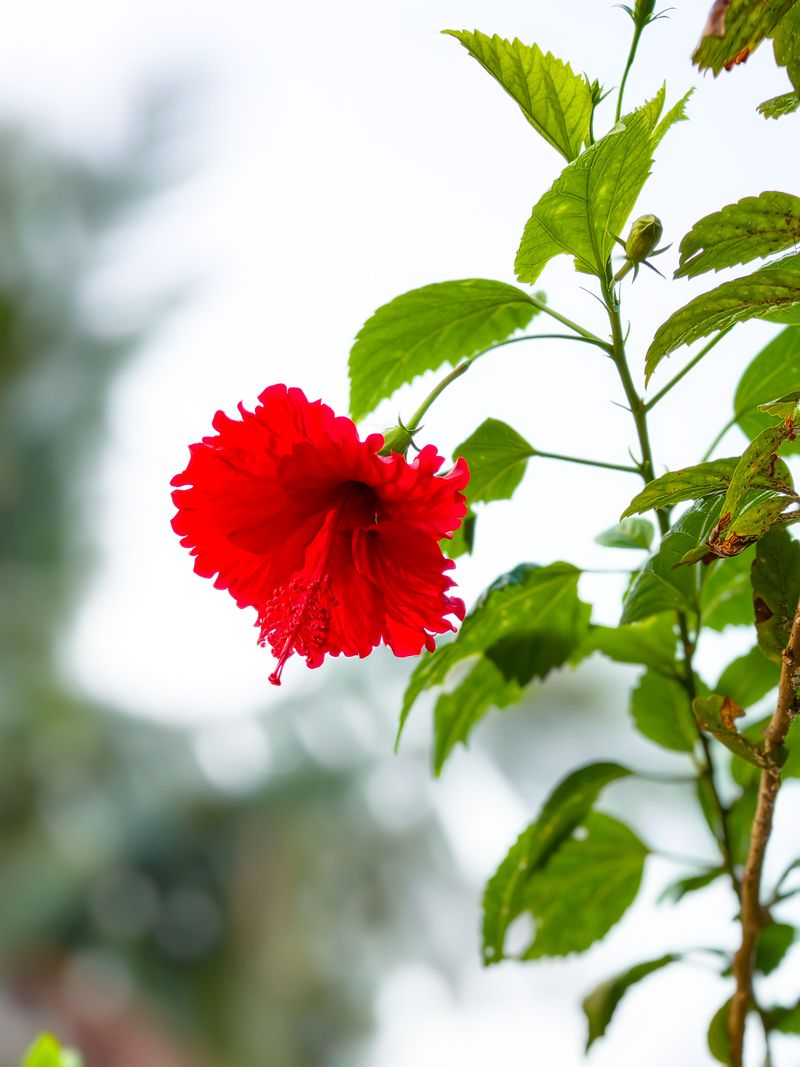
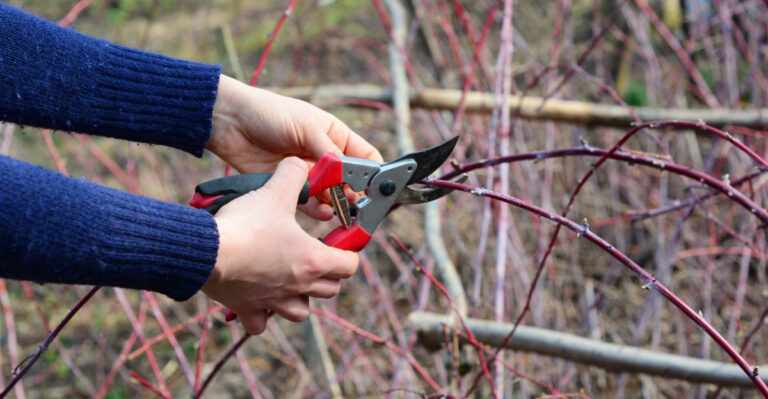
Put down the clippers and back away slowly. I know that leggy branch is bugging you, but November is a risky time for big cuts.
Your hibiscus will thank you for waiting.
Heavy pruning in late fall can leave the plant open to frost damage. Fresh cuts push the plant to grow tender new shoots.
Those soft little shoots are the first thing a cold night will harm.
That does not mean you cannot tidy up at all. Light shaping is fine, and so is snipping off weak, broken, or damaged stems.
Just keep it gentle and save the dramatic makeover for early spring.
There is a second reason to wait. If a freeze does hit, the affected stems on top act like a blanket.
They help shield the lower parts of the plant from more cold.
So even if your hibiscus looks rough after a frosty night, leave it alone for a while. Wait until the weather stays warm and you spot new buds forming along the stems.
Then grab your shears and cut back to living green wood. A quick scratch test with your thumbnail shows green tissue underneath.
Patience now means a fuller, healthier plant when the warm days come back.
4. Skip The Fertilizer Until Warmer Weather Returns
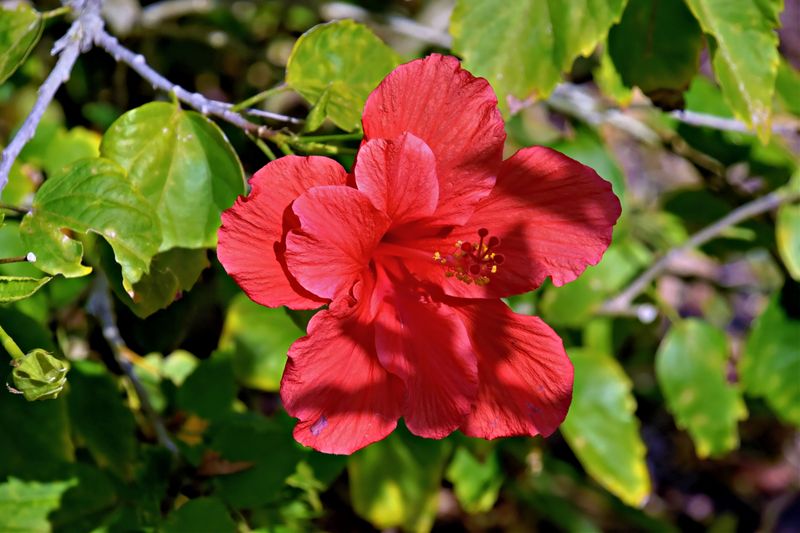
Feeding your hibiscus in November is a bit like giving a kid candy right before bedtime. It sounds sweet, but the results are not great.
That burst of energy comes at the worst possible time.
Nitrogen fertilizer pushes a plant to grow fresh leaves and stems. That new growth is soft and easily hurt by cold air.
One chilly night can undo all that eager effort.
Florida experts suggest the last feeding for hibiscus should happen by October 1. After that, let your plant slow down on its own as the days cool off.
A slower plant is a tougher plant heading into winter.
Early November is also a good time to ease up on watering a bit. Your focus shifts from helping the plant grow to helping it stay protected.
Think defense instead of offense.
You may hear that mild South Florida winters allow a light feeding. For North Florida and other cooler areas, most advice says skip it until spring.
If your plant does get hit by a freeze, fertilizer will not speed recovery. It can add extra stress instead.
Wait until the soil warms and new growth appears, then start feeding again with a balanced hibiscus food.
5. Move Potted Hibiscus Somewhere Sheltered Before Freezes
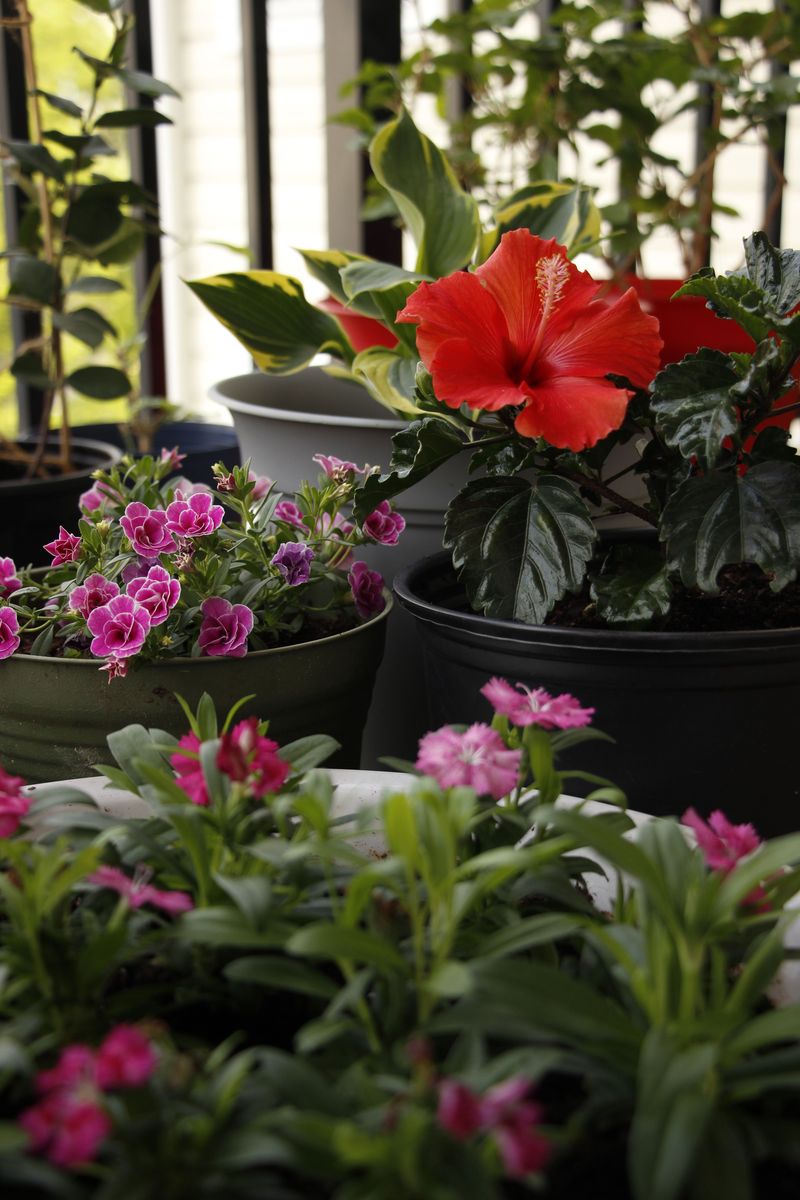
One of the best perks of growing hibiscus in a pot is that you can simply pick it up and move it. Your in-ground neighbors are stuck, but your container plant gets a ticket to safety.
A screened porch, covered patio, or garage makes a great hideout before the first cold front. Many growers bring pots inside once nights dip into the 50s.
That gives you a head start before frost arrives.
Before moving anything indoors, give the plant a good bath. Spray it several times with a strong stream of water to wash off pests, especially spider mites.
Adding horticultural oil to the last rinse gives extra help.
Hibiscus can sulk when its light changes suddenly. Try easing it into dimmer spots over two to three weeks so the move feels less shocking.
Indoors, choose a bright south or west window. Keep the room above 55 degrees, with 65 to 75 being ideal for happy leaves.
No sunny window? An unheated garage, basement, shed, or cold frame can work for a resting plant.
It keeps out harsh wind and the worst cold. Just make sure every pot drains well, since soggy roots cause their own problems in winter.
6. Group Outdoor Pots Against A Warm Wall
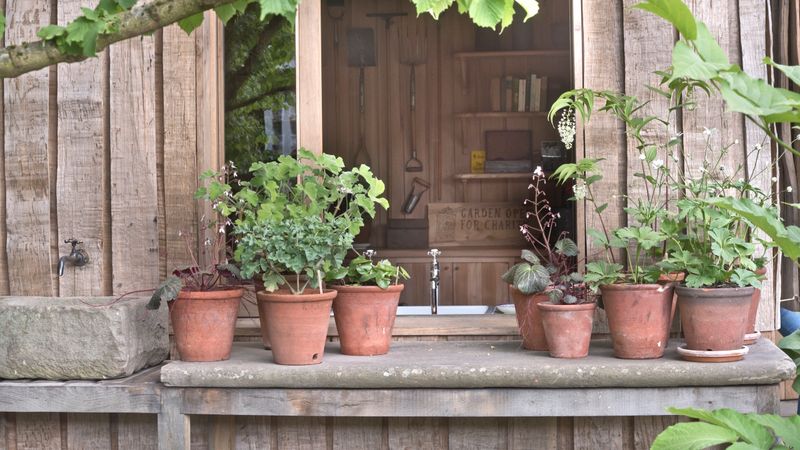
Plants, like people, stay warmer when they huddle together. If your pots are too big or too many to drag inside, try a little group hug instead.
It is a simple trick that really helps.
Find a spot next to a south-facing wall of your house. That wall soaks up sunshine all day and gives off gentle warmth at night.
Reflected heat collects there, creating a cozier pocket of air.
Gardeners call this kind of spot a microclimate. It is a small area that can be a few degrees warmer than the open yard.
On a borderline night, those few degrees matter a lot.
Cluster the pots close together so they shelter each other from wind. Put the most tender plants in the middle and the sturdier ones around the edges.
Lifting pots off the cold ground also helps. Bricks, pot feet, or a wooden pallet keep chilly soil from pulling warmth out of the roots.
If you have a roof overhang or covered entryway, tuck the group underneath it. The overhead cover blocks frost from settling on leaves.
Add a frost cloth on the coldest nights, and your patio crew will be ready for whatever the forecast brings.
7. Drape Frost Cloth All The Way To The Ground
Here is a gardening secret that surprises many people. The warmth that protects your plant on a frosty night comes from the ground, not the sky.
Your job is to trap it.
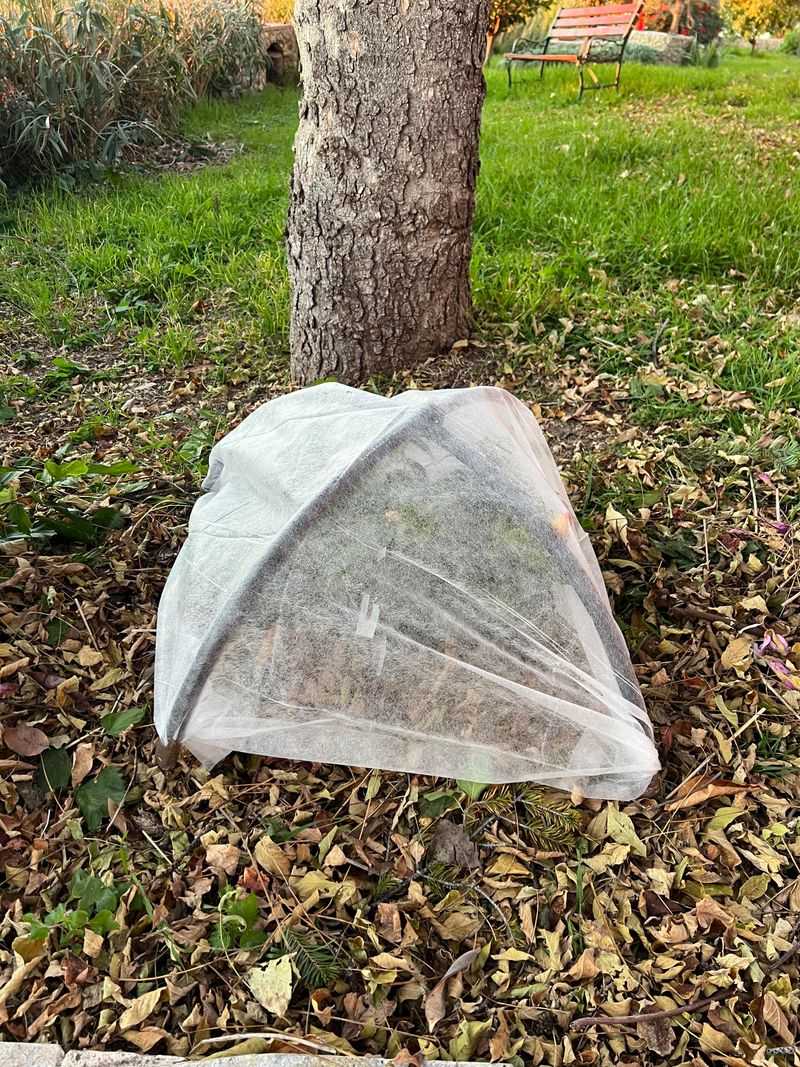
When lows are expected below 32 degrees, cover your hibiscus with heavy frost cloth. Drape it right over the plant and let it fall all the way to the soil on every side.
A cover that stops halfway lets warm air drift away.
Hold the edges down with bricks, rocks, or sandbags. That keeps the heat inside and the cold air out.
Good frost cloth can add about 4 to 8 degrees of warmth.
Skip plain plastic if you can. Plastic touching leaves can pass the cold right through and trap damp air.
If plastic is all you have, lay a sheet or old quilt underneath first.
Take plastic covers off during the day so the plant does not overheat. Frost cloth is easier to manage and breathes better.
Want a bonus trick? String old-style incandescent Christmas lights around the branches under the cloth.
Those bulbs give off a little heat, unlike LED lights. Your hibiscus gets a warm glow, and your yard looks festive too.
8. Water Dry Soil Before A Cold Night
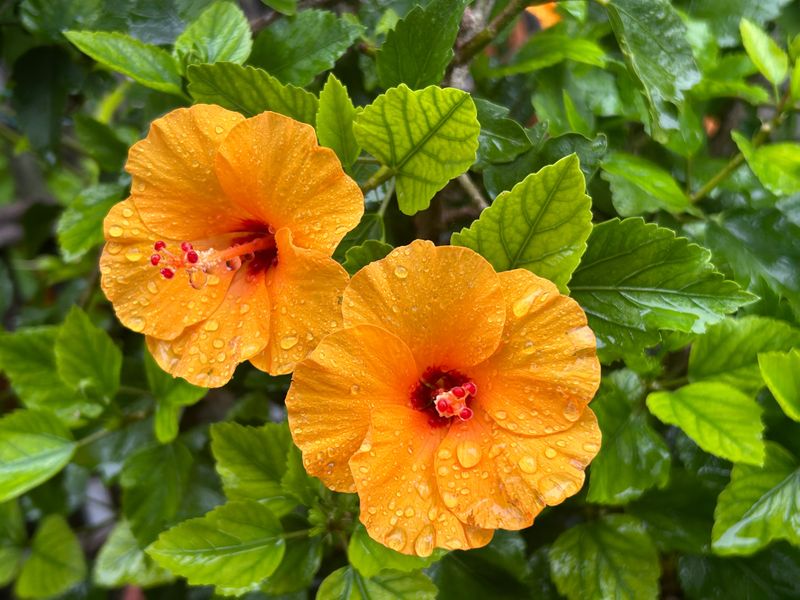
It sounds backward, but a good drink of water can help keep your hibiscus warm. Wet soil holds heat much better than dry soil.
That stored warmth slowly rises during the night.
Plan to water deeply about 24 to 36 hours before a freeze is expected. This gives the moisture time to soak in.
As moist soil cools, it releases heat that can add roughly 2 to 4 degrees of protection.
Healthy, well-watered plants also handle cold, drying winds better. Thirsty leaves lose moisture fast on a breezy night.
A deep soak before the first long freeze lets the plant store water in its roots.
Potted plants need extra attention here. Water inside a small container can freeze, and frozen soil stops roots from taking up moisture.
Check pots with your finger before each cold night. If the top inch feels dry, give them a slow, thorough watering.
Do not stop caring once the cold passes. After a hard freeze, watering helps thaw the soil and refresh stressed plants.
Just avoid drowning them, since soggy roots in chilly weather cause trouble. Aim for moist, not muddy, and your hibiscus will bounce back more easily.
9. Frozen Plants Often Regrow From The Roots
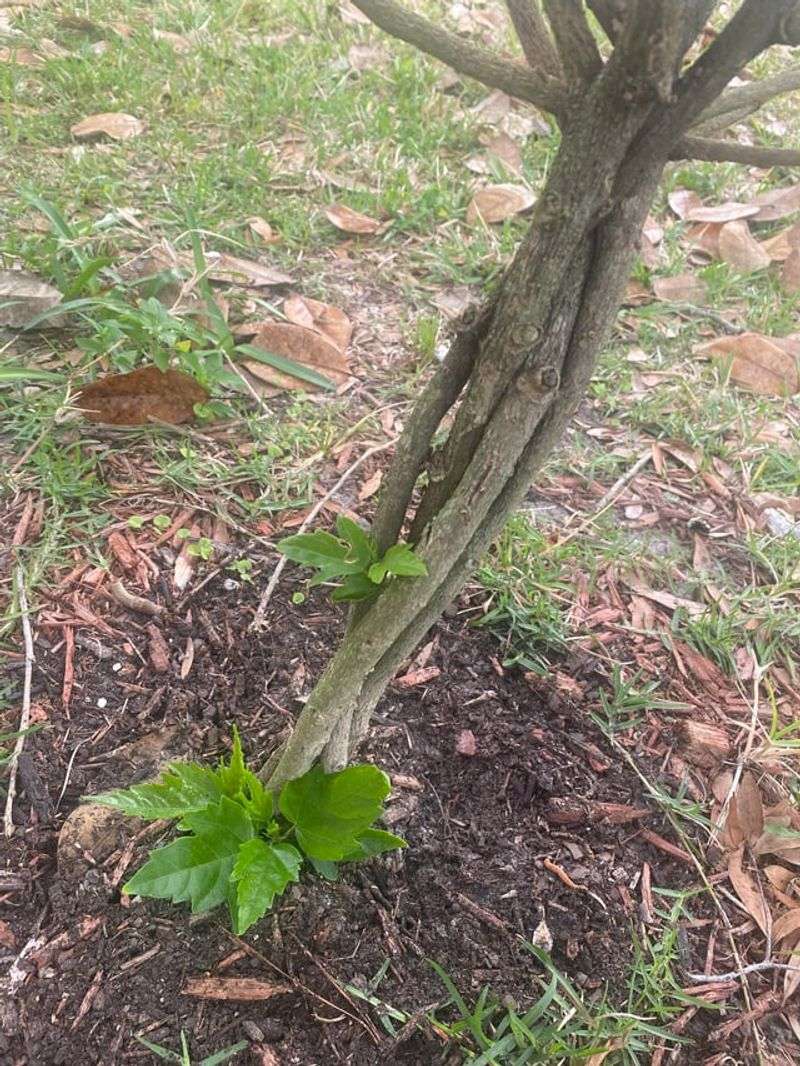
My neighbor once gave up on her hibiscus in January. By May, it was covered in shiny green leaves and she was blushing about almost pulling it out.
Hibiscus loves a comeback story.
The roots are much tougher than the stems and leaves above them. Even when the top looks rough, roots can handle temperatures down into the mid-20s.
Many plants regrow after nights between 23 and 27 degrees.
A hibiscus that looks hopeless in winter often sends up new shoots from its crown or roots in April or May. Spring warmth wakes everything up again.
So resist the urge to yank it out too soon. Give the plant until late spring to show you what it can do.
Also hold off on cutting away the brown stems right after a freeze. Those damaged parts act as insulation for the living tissue below.
They are rough looking, but they are doing an important job.
Once temperatures stay mild and fresh growth appears, trim back to healthy green wood. A light mulch around the base can also help protect the crown in the meantime.
With a little patience, your hibiscus may reward you with bigger, bolder blooms than ever before.