10 Cold-Hardy Alternatives to Bougainvillea for North Florida Yards
The hot pink color on that famous tropical climber comes from papery leaves called bracts, not real petals. The true flowers are tiny white tubes tucked inside, and most people walk right past them every day.
Sadly, that showy vine often sulks or freezes back hard when winter frost settles over North Florida. Temperatures here can dip into the twenties, and tender tropical roots rarely enjoy that kind of chill.
I have to admit, I lost two potted climbers before I finally started hunting for tougher choices. You’re in for a big surprise, because plenty of Florida bloomers handle cold nights with real grit.
Some of my favorite picks bloom right through fall, while others bounce back quickly after a frosty January. Which of these tough beauties will earn the sunny spot beside your porch or garden fence this year?
1. Firebush
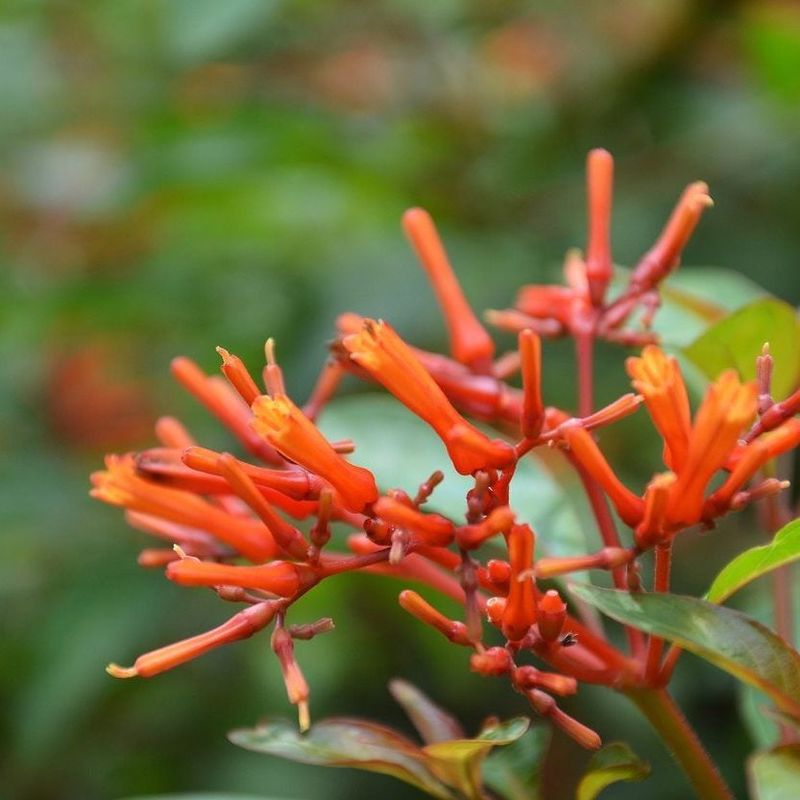
Hummingbirds treat a blooming firebush like their favorite diner, zipping back to the same red-orange tubes all afternoon. I love how the flower clusters glow against the leaves, almost like little embers scattered through the shrub.
Firebush, or Hamelia patens, is a Florida native that grows naturally in the warmer southern half of the state. Around Jacksonville and Tallahassee, a hard freeze usually knocks it to the ground, yet the roots stay alive.
Come spring, fresh stems shoot up fast and usually reach four to six feet by midsummer. That yearly reset keeps the plant tidy, so you rarely need to fight it with pruning shears.
Blooms keep coming from late spring until the first frost, which means October is still showtime. Zebra longwings and gulf fritillaries visit often, and songbirds later snack on the small, glossy dark berries.
Full sun gives you the most flowers, although a spot with light afternoon shade works fine too. Sandy soil, clay, or something in between rarely bothers it, as long as water drains away.
Once established, firebush shrugs off dry spells, but a deep drink during long droughts keeps blooms coming. Skip heavy pruning, since cutting too much tends to reduce the number of flowers you get.
Personally, I leave the frosted stems standing over winter to help shelter the crown from cold. Trim them back in late winter, then watch the hummingbirds return to their favorite diner next season.
2. Crossvine
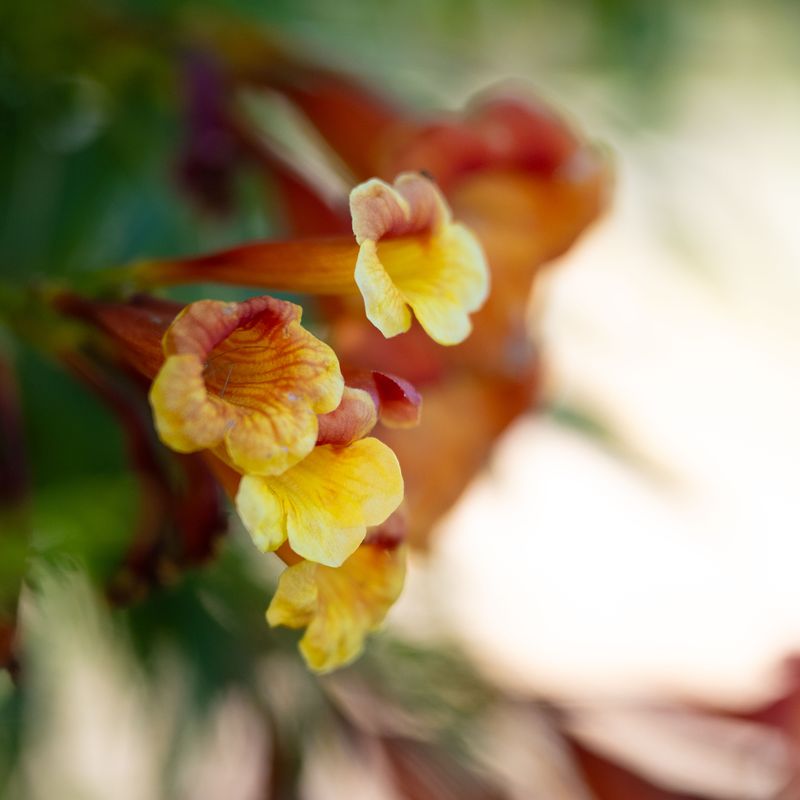
Slice a crossvine stem in half and you will find a tiny cross shape hidden inside the woody center. That quirky pattern gave Bignonia capreolata its name, and I still check it whenever I prune.
Spring brings a flood of trumpet-shaped blooms in warm orange and brick red along every stretch of vine. Hummingbirds arrive right on schedule, and bees crowd the open flowers on those mild, sunny mornings.
Our native climber shrugs off cold well, with hardiness reaching all the way north to USDA Zone 5. In the Deep South, it often keeps much of its foliage, which turns reddish purple in cool weather.
Tendrils tipped with sticky disks let crossvine scramble up brick walls and tall trees without much help. Mature vines can reach thirty to fifty feet, so give yours a sturdy support with room to roam.
Your Florida Garden Changes Every Week. Your Plan Should Too.
Gardening in Florida changes quickly throughout the season. Every Friday you’ll receive a simple weekly plan showing exactly what to plant, prune, fertilize, harvest, and protect so you never miss the right timing.
Full sun produces the heaviest flowering, though the vine tolerates shade and a wide range of soils. Once established, it handles dry spells moderately well and can even tolerate brief periods of standing water.
Prune right after spring flowering, because next year’s blooms form on old wood from this season. October cutting would remove those future flowers, so keep shears mostly limited to wayward stems for now.
Root suckers can pop up nearby, so I pull them early before they wander into flower beds. ‘Tangerine Beauty’ is a popular cultivar with glowing orange blooms that look wonderful on a mailbox post.
3. Sasanqua Camellia
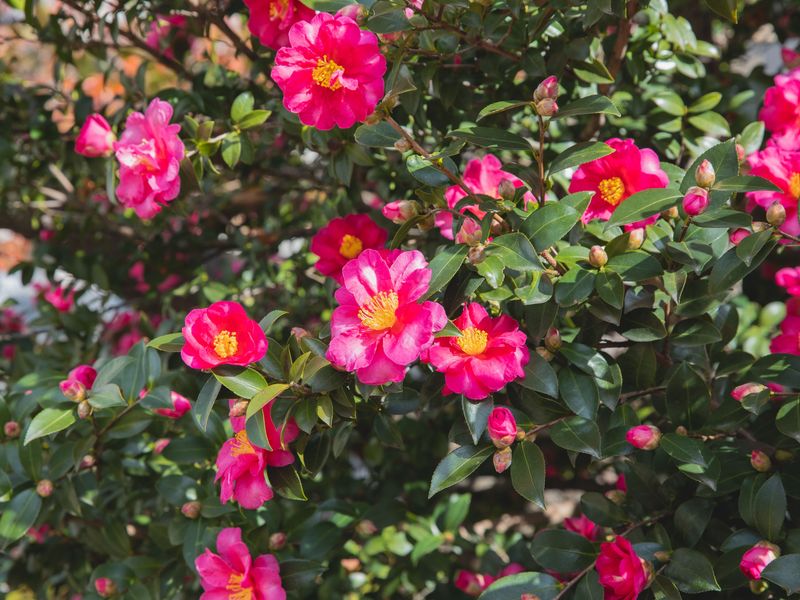
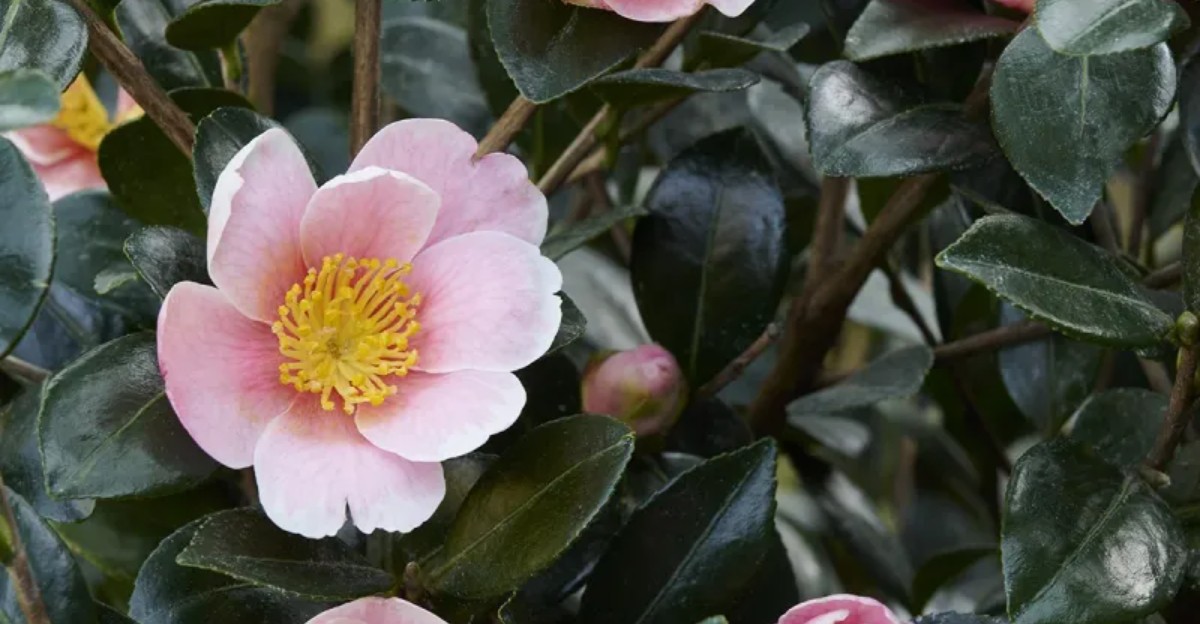
October is when sasanqua camellias steal the spotlight, opening fresh blooms just as summer flowers start fading. I can’t imagine a fall garden without those silky pink petals scattered across the lawn like confetti.
Camellia sasanqua is hardy to about USDA Zone 7, so cold snaps around here rarely cause much trouble. Blooming usually runs from October into December, giving you color when most shrubs are taking a break.
Flowers range from snowy white to deep rose, and some varieties carry a light, sweet fragrance on cool evenings. The glossy dark leaves stay green all year, so the shrub works nicely as a hedge or screen.
Compared with Camellia japonica, sasanquas have smaller leaves and handle more direct sun without much fuss. Morning light with some afternoon shade or dappled light beneath tall pines suits them especially well.
Slightly acidic soil, around pH 5.5 to 6.5, rich in organic matter keeps the roots happy. Good drainage matters a lot, since soggy ground can lead to root rot and a sad-looking plant.
Water regularly during the first year, then the shrub becomes noticeably more forgiving about dry weather. Feed with an acid-loving plant fertilizer in late winter or early spring, after the flowers finish.
Fall is also a fine planting season, since cooler weather helps new roots settle in before summer. Visit a local nursery now and you can pick a sasanqua while it is actually in bloom.
4. Coral Honeysuckle
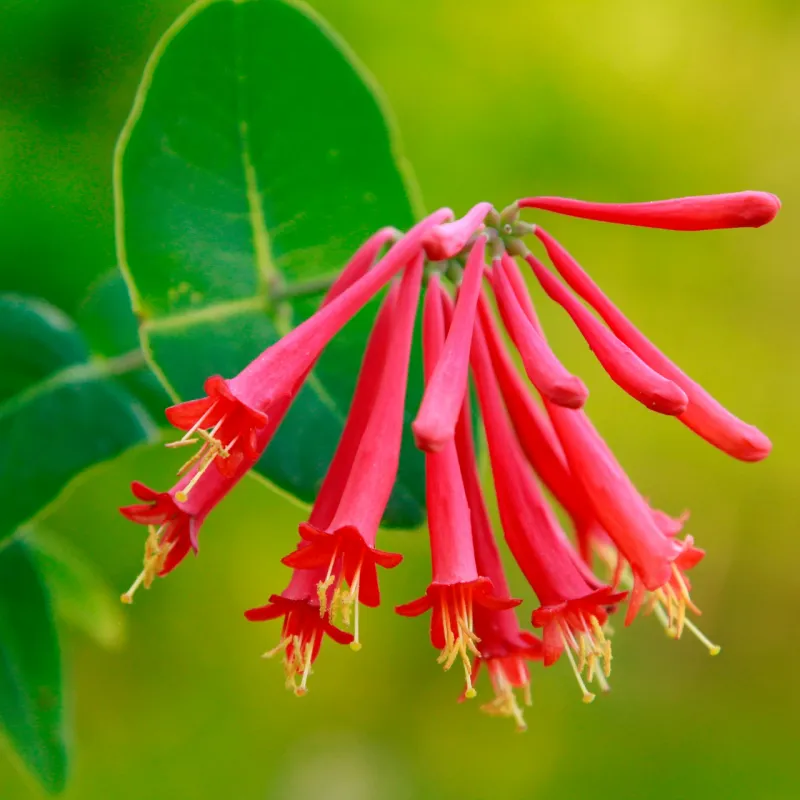
Ruby-throated hummingbirds seem to know exactly where every coral honeysuckle grows, and they rarely miss a visit. The slender red tubes are shaped perfectly for their beaks, which makes this vine a true hummingbird magnet.
Lonicera sempervirens is native to Florida and much of the eastern United States, with hardiness down to Zone 4. Unlike its aggressive Japanese cousin, our native honeysuckle behaves politely and mostly stays where you plant it.
Spring brings the biggest flush of blooms, though scattered flowers often appear through summer and into fall. Small red berries follow the flowers, and birds like quail and finches happily snack on them later.
The vine twines up trellises and fences, usually reaching ten to twenty feet with a little guidance. Leaves stay mostly evergreen around here, so you get a green screen even during chilly months.
Full sun produces the most flowers, although partial shade works if you can accept fewer blooms. Well-drained soil is best, and the plant tolerates sandy ground that many other vines dislike.
Water often during the first season, then ease off once roots settle and new growth looks strong. Light pruning after the spring bloom keeps it tidy, and powdery mildew is less likely with airflow.
Personally, I plant mine near a window so I can watch the hummingbird visits from my kitchen table. October is a smart time to plant one, giving roots a head start before those spring blooms arrive.
5. Princess Flower
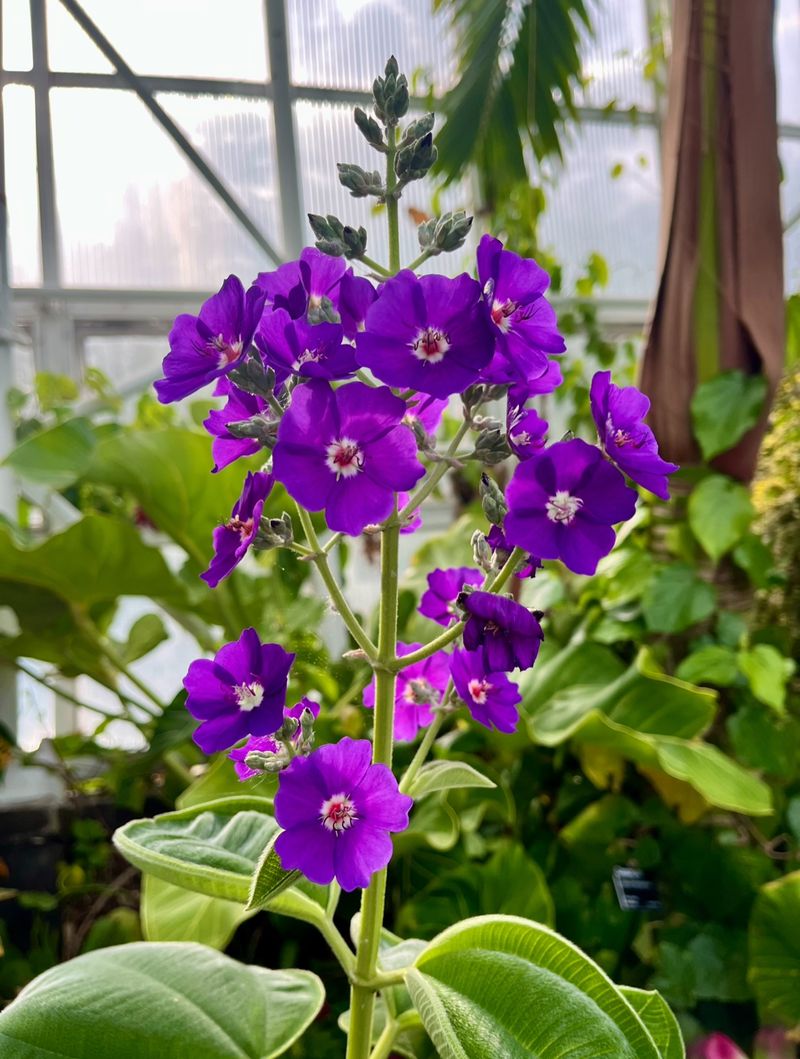
Royal purple is the only way to describe princess flower blooms, and the color almost looks electric at dusk. I love how the velvety leaves feel soft as a puppy’s ear when you brush past them.
Tibouchina urvilleana ranks among the most cold-hardy members of its group, growing in USDA Zones 9 and 10. Winter lows in the mid-twenties usually freeze it to the ground, but healthy roots often resprout in spring.
Each flower stretches about two inches across with five petals, clustered at the tips of the branches. Fall is prime time for blooms in warmer parts of the state, so October can be wonderful.
Full sun brings the most flowers, and acidic, well-drained soil between pH 5.5 and 6.5 works best. Unlike many shrubs on this list, princess flower dislikes drought and prefers steady moisture year round.
A thick layer of mulch helps hold water in the soil and also insulates the roots on cold nights. Cover the plant with frost cloth before a hard freeze, or move potted ones into a garage.
Branches are square and a bit brittle, so place the shrub away from busy walkways and playing kids. Prune in late winter before new growth starts, and trim lightly after blooming to keep it shapely.
Feed it a few times during the growing season to support fresh leaves and steady flowering. Honestly, the comeback after a frosty winter feels like a small miracle to me every single year.
6. Plumbago
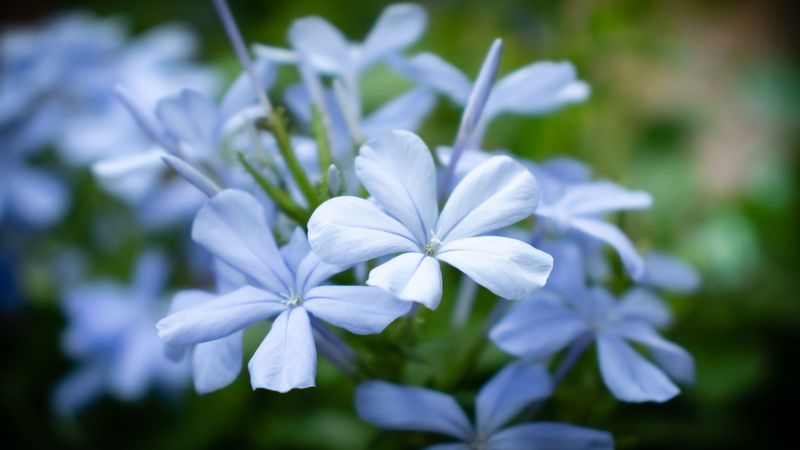
Few flowers match the cool sky blue of plumbago, which looks refreshing even on a sticky September afternoon. Clusters resemble phlox blossoms, and butterflies flutter around them from summer until the first hard freeze.
Plumbago auriculata originally comes from southern Africa and grows best in USDA Zones 9 through 11. Around here, it sits near its northern limit and usually freezes back when lows hit the low twenties.
Roots often recover quickly in spring, even after temperatures dip into the upper teens for a night. UF/IFAS lists it as not a problem species, so you can plant it without worry.
The plant forms a loose, sprawling mound about four to eight feet tall, with some vine-like stems. Give it a fence or trellis, and it will scramble even higher with a bit of tying.
Full sun keeps the blooms thick, while too much shade produces lanky stems and fewer flowers. Once roots settle, plumbago handles drought well, but soggy soil leads to trouble, so drainage matters.
Scatter a controlled-release fertilizer in early spring to fuel months of fresh growth and steady flowering later. Overgrown stems can be trimmed back at any time, which makes this an easygoing shrub for busy gardeners.
Personally, I pair the blue blooms with orange firebush for a combination that turns heads from the street. The white variety called ‘Alba’ also glows beautifully in moonlight gardens near a patio or porch.
7. Thryallis
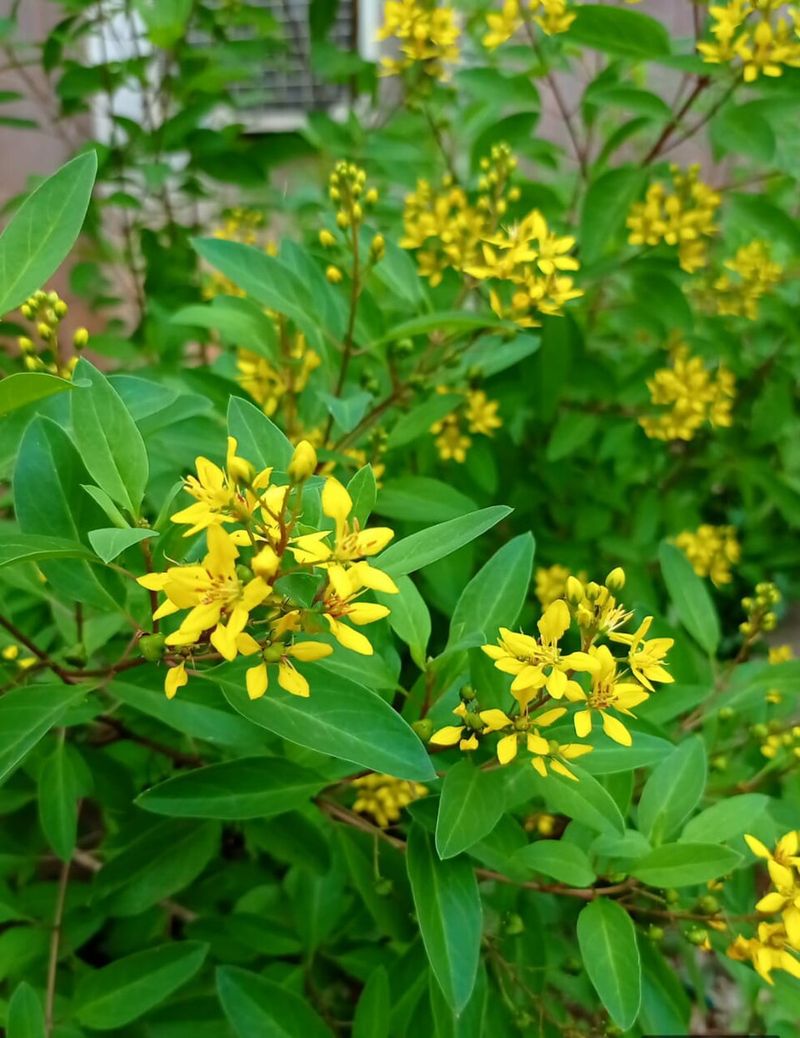
Sunshine seems to drip from thryallis, which earned it the cheerful nickname rain-of-gold from many gardeners. Tiny star-shaped yellow flowers cover the shrub through summer and fall, and they sparkle against reddish stems.
Galphimia gracilis hails from Mexico and Central America, yet it settles into Florida yards without becoming invasive. Hardiness runs from USDA Zone 9 to 11, so freezes can nip it back in cooler neighborhoods.
With a little cold protection, roots usually send up fresh stems year after year once spring returns. Mature shrubs reach about four to nine feet tall, forming a tidy oval or rounded mound.
October usually means plenty of flowers remain, so enjoy the golden display while the weather stays mild. Plan ahead by stashing a frost cloth in the garage before the first cold front sneaks in.
Full sun for at least six hours a day brings the heaviest blooming and the brightest color. The shrub tolerates many well-drained soils, though salt spray bothers it, so skip oceanfront spots.
Established plants handle dry weather moderately well, but steady moisture keeps them looking full and healthy. Pests and diseases rarely cause trouble, which makes this shrub a relaxed choice for beginning gardeners.
Prune lightly in early spring if needed, though cutting may slow flowering for a few weeks afterward. I like using it as a loose hedge, since its soft texture looks friendlier than stiff boxwood.
8. Carolina Jessamine
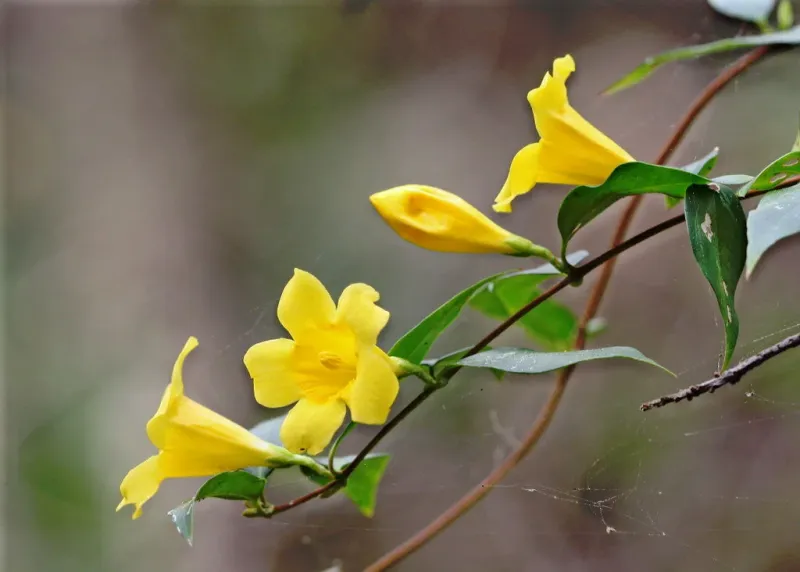
Bright yellow trumpets on Carolina jessamine are often the first flowers to greet a gloomy January morning. Their sweet scent drifts across the yard, and I swear it makes winter feel shorter every year.
Gelsemium sempervirens is native throughout much of the Southeast and hardy in USDA Zones 7 through 9. Cold snaps rarely bother it, which makes it one of the most dependable winter bloomers around.
The twining vine grows ten to twenty feet long, climbing trellises or wrapping around tall pine trunks. Glossy dark leaves stay green year round, sometimes picking up a yellow or purple tint in cold weather.
Hummingbirds and large bees visit early blooms, giving them a welcome snack when little else is flowering. Full sun produces the most flowers, though partial shade still delivers a respectable show each spring.
Sandy or clay soil both work, as long as water drains away and roots avoid sitting soggy. Water regularly during the first season, then the vine becomes fairly drought tolerant on its own.
Prune right after spring flowering to manage its vigorous growth and keep it from smothering nearby shrubs. October trimming is best avoided, since flower buds for next winter are forming on the stems.
All parts of this plant are poisonous if eaten, so keep it away from curious children and pets. Wear gloves when pruning, and choose a trellis spot rather than a play area or vegetable patch.
9. Passionflower
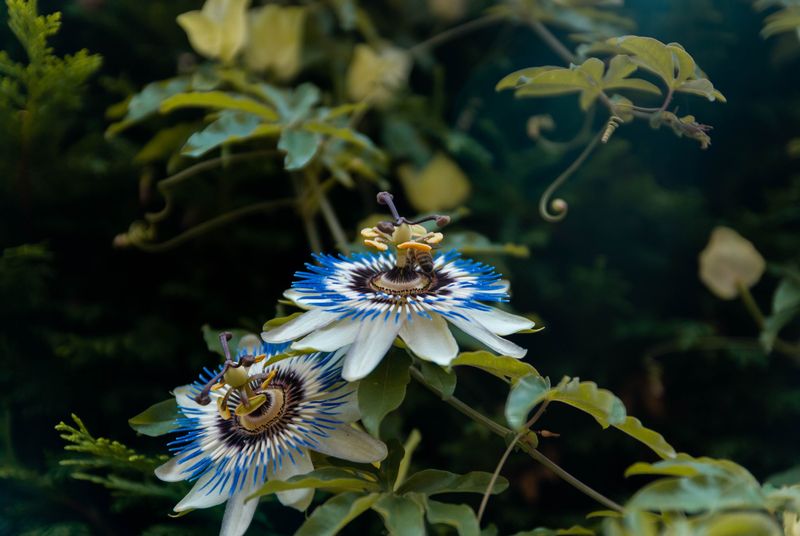
One look at a maypop bloom and you might wonder if someone designed it with a fancy drawing kit. Wavy lavender fringe surrounds the center, creating a striking flower about two to three inches across.
Passiflora incarnata is a Florida native that freezes to the ground in winter but returns strongly each spring. Hardiness reaches north to Zone 5, so our mild winters pose very little risk to the roots.
Gulf fritillary and zebra longwing caterpillars munch the leaves, because this vine serves as their host plant. You might notice ragged foliage by October, but that damage means you are raising beautiful butterflies.
Each flower lasts about a day, yet new blooms keep opening through summer and into the fall months. Green egg-shaped fruits called maypops follow, and the ripe pulp inside is edible and pleasantly tart.
Full sun for six hours a day brings the most flowers, though partial shade still works. Rich, well-drained, slightly acidic soil suits it, and mulch helps hold moisture during hot dry spells.
Provide a sturdy fence or arbor, since tendrils grab anything nearby and the vine grows quickly. Suckers can spread underground, so pull extras in late winter or early spring to keep things manageable.
Leaves and stems are not recommended for people or pets, so stick with the ripe fruit only. I believe every butterfly garden needs at least one maypop, especially for families who love watching caterpillars.
10. Oleander
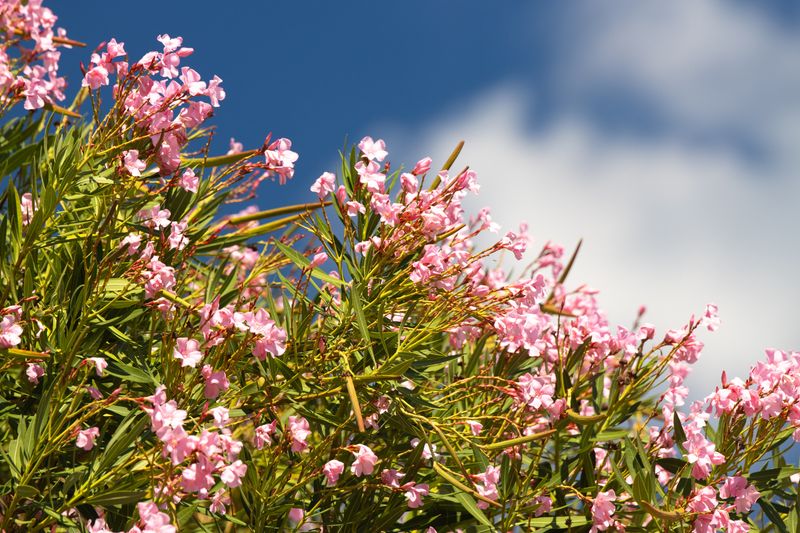
Few shrubs laugh at salt spray and summer drought quite like oleander, which thrives along breezy coastal roads. Blooms range from creamy white to deep rosy red, often carrying a sweet fragrance on warm evenings.
Nerium oleander grows best in USDA Zones 9b through 11, so cooler inland yards here need a bit of caution. Tops may suffer cold injury every few years, though established plants usually regrow from lower stems.
Left alone, the dense evergreen shrub can reach twelve to twenty feet, or you can train it into a tree. Flowering runs from early summer into mid-autumn, so some blooms may linger through October in warm spots.
Full sun and well-drained soil are about all it asks, along with very little water once established. Fertilizer needs are minimal, and hard pruning in spring keeps the size under control for small yards.
Safety matters a lot with oleander, since every part of the plant is highly toxic if swallowed. Keep it away from areas where children play or pets chew, and wear gloves when you prune.
The sticky sap can irritate skin, and burning the clippings releases harmful fumes, so bag them instead. Personally, I only recommend it for gardeners without small kids or curious dogs roaming the yard.
Planted thoughtfully, oleander gives coastal homeowners a tough, colorful screen that handles wind and sandy soil well. Shop local nurseries this fall, and ask about compact varieties that fit tighter spaces near patios.