Can Poinsettias Stay Out On Your North Carolina Porch Through The Holidays?
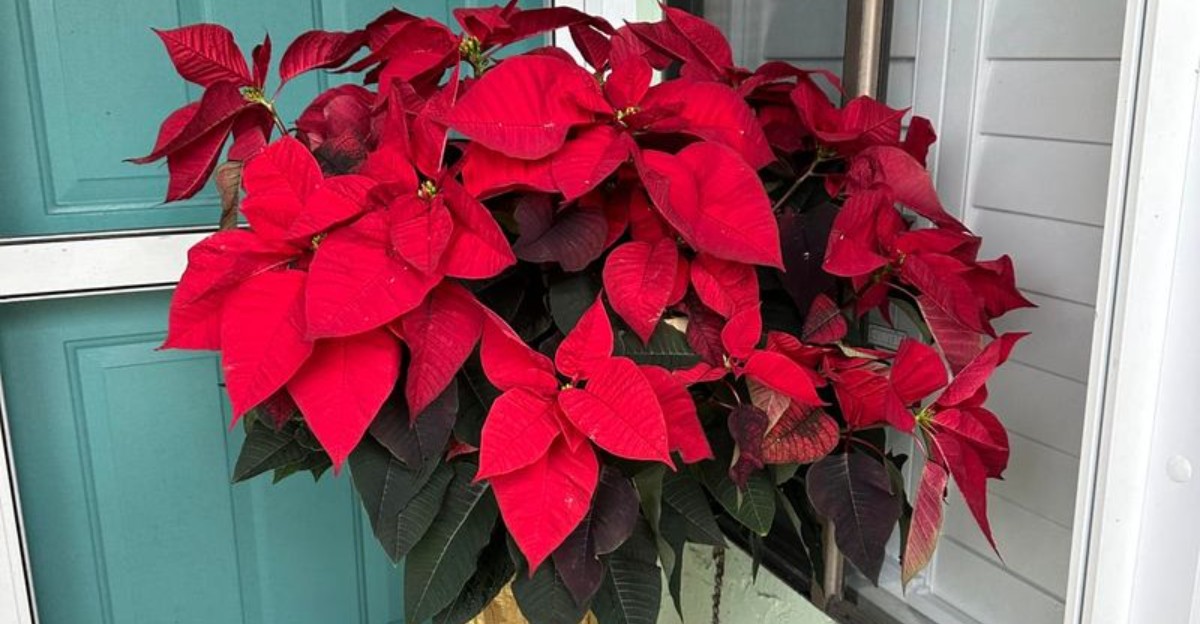
A poinsettia looks great by the front door, red against a green wreath, and the porch seems like the natural place for it.
North Carolina’s winters are mild, so surely it can handle the outdoors. Poinsettias have a secret, though, and it has to do with a number on the thermometer.
Cross that line, even for a few hours, and the plant reacts fast. The change is not always visible right away, which is why many owners blame the wrong thing. Days matter less than nights, and the porch itself can be warmer or colder than the forecast.
Some people carry their plants in and out on a schedule. Others never risk it. Learn where the line sits, and you can decide how to enjoy your holiday plant.
1. Poinsettias Are Tropical Plants That Dislike Cold
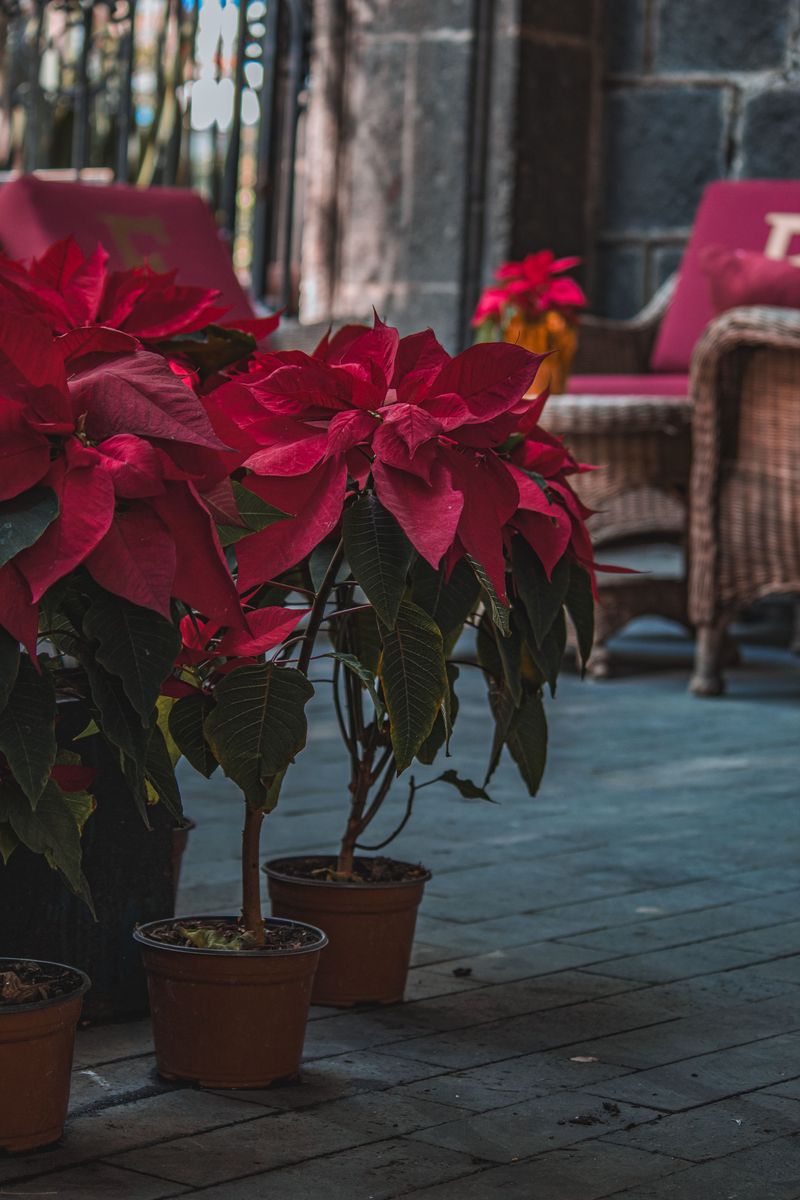
Long before poinsettias showed up in grocery stores every December, they grew wild on warm hillsides in Mexico and Central America. In those places, some plants reach the size of small trees. Winter there feels nothing like winter in Raleigh or Asheville.
That warm-weather background explains a lot. Poinsettias, known to scientists as Euphorbia pulcherrima, start to suffer when temperatures slip below about 50 degrees Fahrenheit.
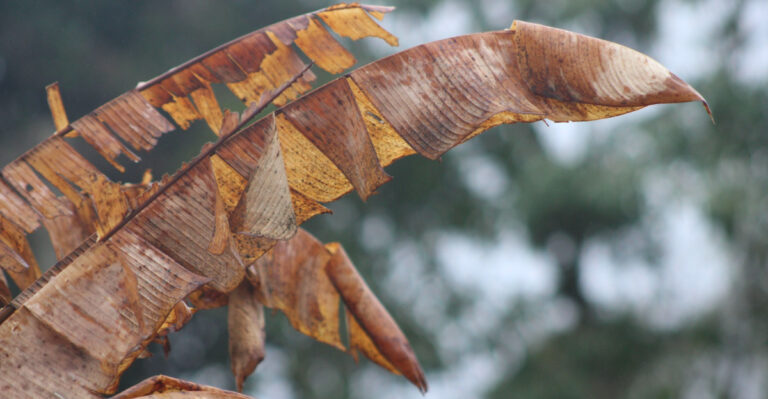
Cold air can make their colorful bracts and green leaves droop, curl, and fall off. The bright red parts most people call flowers are actually special leaves called bracts, while the real flowers are the tiny yellow buds in the center.
Here is the tricky part. A poinsettia might look perfectly fine the morning after a chilly night outside. You check it, smile, and move on with your day.
Then, two or three days later, the leaves begin to wilt and drop, almost like the plant waited to show you the harm.
Delayed damage fools a lot of gardeners. Because nothing seems wrong right away, people often leave the plant out again the next night, and the problem only grows worse. Treat any cold night as a real risk, even if your plant seems happy at breakfast.
North Carolina makes this fact extra important. December nights regularly fall below 50 degrees across the whole state, from the mountains to the Piedmont. Even beach towns like Wilmington and the Outer Banks see plenty of cool evenings in December.
No matter where you live in the Tar Heel State, your poinsettia will feel the chill if it spends the night outdoors, so plan ahead and protect it from the start.
2. Most North Carolina Porches Get Too Cold At Night
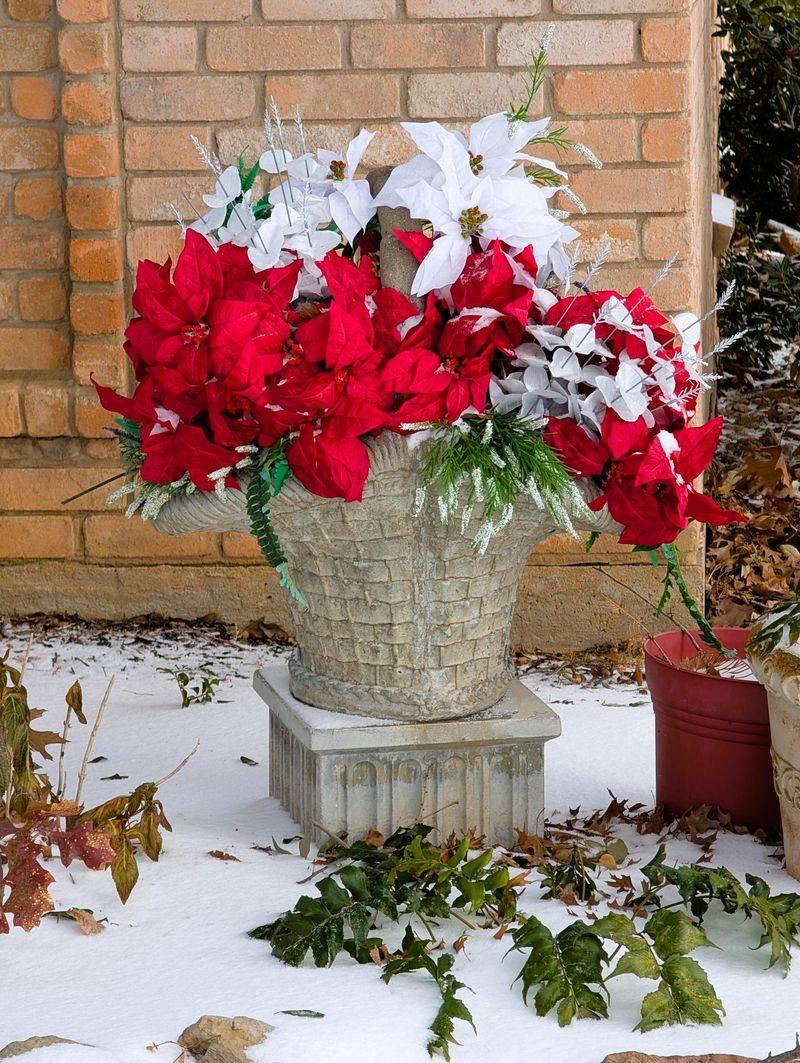
Covered porches feel snug and protected, so it seems natural to think a poinsettia would be safe there overnight. Sadly, a roof overhead does not keep the cold away. Air temperature on a porch usually matches the air in the yard pretty closely.
For most of December, North Carolina nights drop well below the range poinsettias can handle. Charlotte, Greensboro, and Raleigh often see lows in the 30s.
Frost and freezing temperatures can show up too, and a single freezing night can ruin a plant you paid good money for.
Your North Carolina Garden Changes Every Week. Your Plan Should Too.
Gardening in North Carolina changes quickly throughout the season. Every Friday you’ll receive a simple weekly plan showing exactly what to plant, prune, fertilize, harvest, and protect so you never miss the right timing.
So what should you do? Keep your poinsettias indoors overnight from late fall all the way through winter. If you love the look of one by the front door, make it a simple evening habit to carry the pot inside before the sun goes down.
Some families turn it into a small holiday routine. One person brings in the mail while another grabs the poinsettia. Kids can even take turns being the plant helper for the week, which makes the chore feel a little more festive.
Timing matters as well. Temperatures can fall fast once the sun sets, so waiting until bedtime might be too late on a chilly evening. Aim to bring plants in by late afternoon or early evening.
Why all the fuss? North Carolina weather loves surprises during the holidays. A warm, sunny week can flip into a hard cold snap almost overnight when a front rolls through.
Families busy with parties, shopping, and travel can easily forget a plant outside. Bringing your poinsettia in every evening takes the guesswork out and keeps your holiday color safe and strong.
3. Short Daytime Displays Can Work On Mild Days
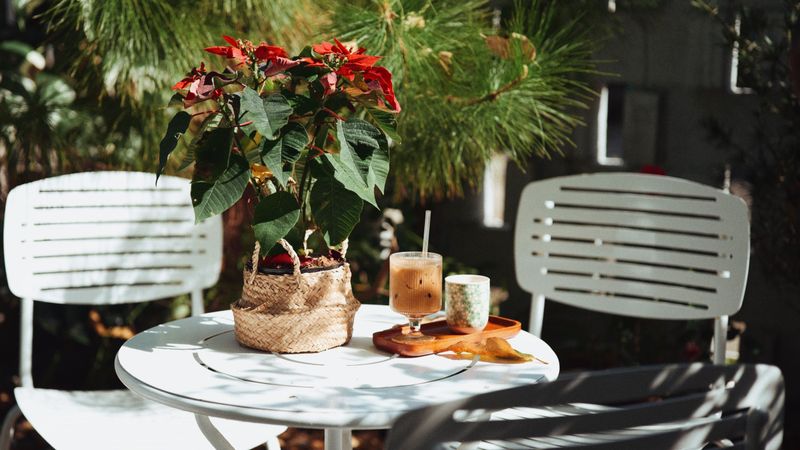
Good news for porch lovers: your poinsettia does not have to stay hidden indoors every single minute. On the right kind of day, it can enjoy a little time outside. You just need to pick your moments wisely.
Mild, sunny days work best. When temperatures stay above about 60 degrees, a poinsettia can sit on a sheltered porch for a few hours without trouble. Think of it as a short visit, not a permanent move.
Before you set the plant out, check the forecast. Look at the high temperature, the evening low, and the wind speed. If the day will barely reach 60 or a front is on the way, keep the plant inside and try another day.
Placement makes a big difference. Choose a spot protected from wind, such as a corner of the porch near the house. Avoid harsh direct afternoon sun, which can dry out the soil and fade those pretty bracts faster than you might expect.
Set a reminder on your phone so you remember to bring the pot back in by late afternoon. Once the sun starts sinking, porch temperatures drop quickly. Getting the plant inside before that dip keeps it from getting chilled.
Many people use these short displays for special moments. A poinsettia on the porch looks lovely when guests arrive for a holiday lunch or when you snap a family photo by the front door.
North Carolina is actually a great place for this trick. Mild winter afternoons are common here, especially in the Coastal Plain and Piedmont. Some December days feel almost like spring, giving you plenty of chances to show off your plant safely.
4. Wind And Drafts Add To The Damage
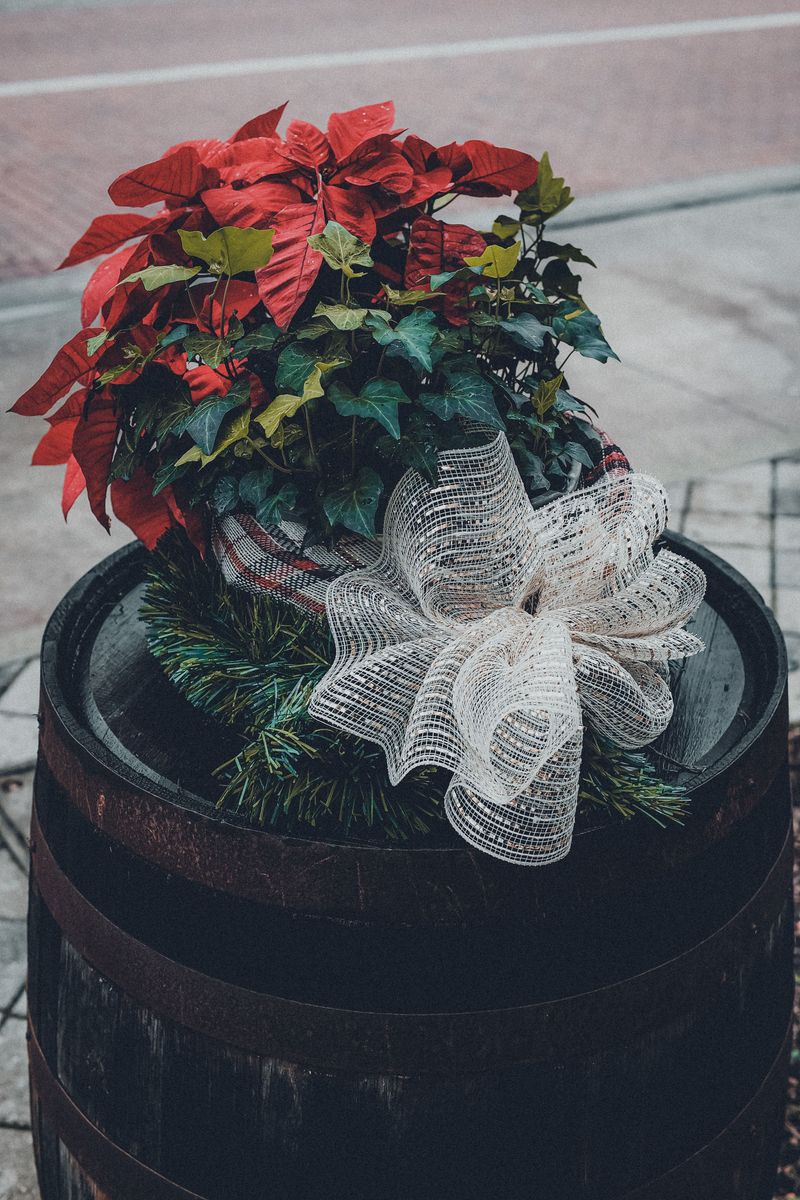
Cold air is bad enough, but cold air that moves is even worse. Wind acts like a hair dryer set on chilly. It pulls moisture out of plants and makes them feel colder than the thermometer says.
Poinsettias have soft leaves and bracts that dry out fast when a breeze hits them. A gusty day can leave edges crispy and curled.
Wind also makes chilling injury worse, so a 50 degree day with strong gusts can hurt more than a calm day at the same temperature.
On top of that, these plants dislike sudden changes. A quick blast of cold air followed by warm air can stress them out. Drafts are basically small, steady winds, and poinsettias notice them.
Outdoors, keep porch displays out of open, windy spots. Corners close to the house or areas blocked by a wall or large planter give better shelter. Steer clear of porch steps that funnel breezes straight up toward the door.
Doorways deserve extra thought. Placing a poinsettia right next to a front door that opens often means the plant gets hit with cold air again and again. During busy holiday weeks with guests coming and going, those blasts add up.
Inside the house, the same rule applies. Keep plants away from drafty windows, back doors, and entryways. A cozy spot in the living room usually works far better than the foyer.
For North Carolina gardeners, this tip really counts. Cold fronts often sweep across the state in December, and they usually bring gusty winds along with falling temperatures.
Watching for windy forecasts helps you decide when your poinsettia should simply stay indoors.
5. Know The Signs Of Cold Damage
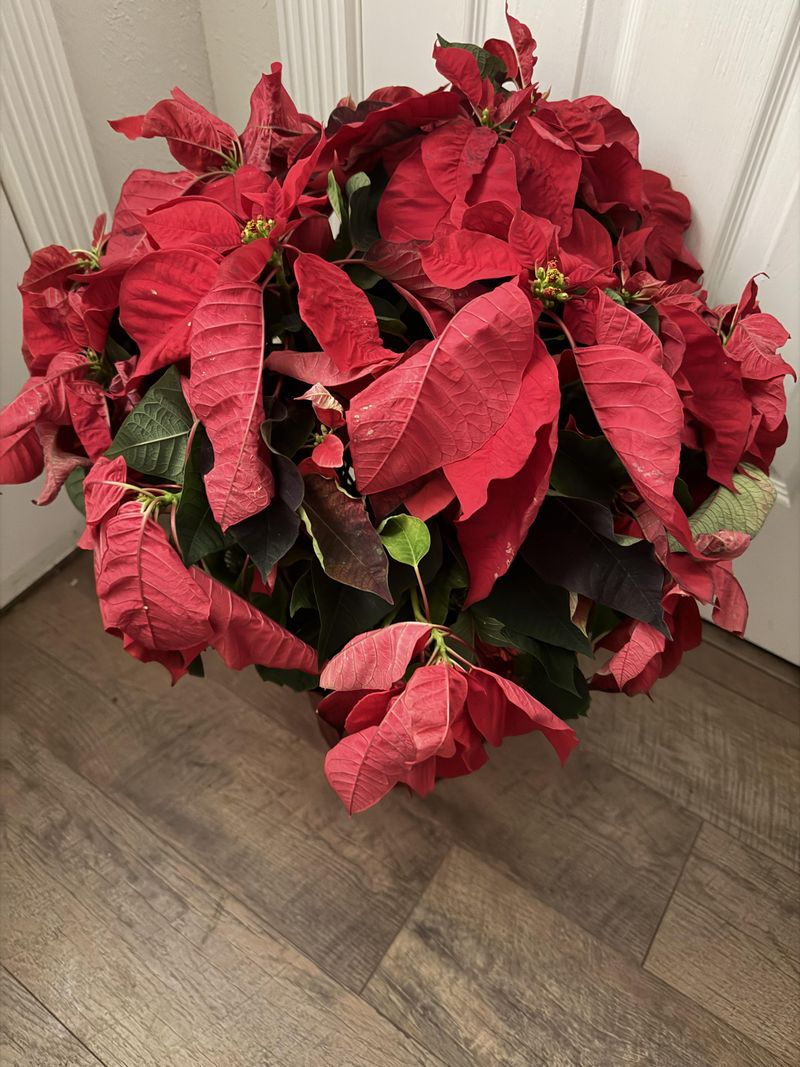
Plants cannot tell us when they feel cold, but they leave clues. Learning to read those clues helps you act fast. Quick action can sometimes save a struggling poinsettia.
Start by looking at the leaves. Cold-hurt plants often have wilted or curled leaves that hang limp. You might also see dark or water-soaked spots on the bracts, which look a bit like bruises.
Sudden leaf drop is another big warning sign, especially if leaves fall when you barely touch the plant.
Not every plant bounces back. Badly damaged poinsettias may not recover, no matter how much care they get. Plants with only mild damage, though, often perk up with some gentle attention.
If your poinsettia gets left out in the cold, bring it inside right away. Set it in a warm, bright spot, but keep it away from heat vents. Blasting it with hot air may feel helpful, yet it only dries the plant out and adds more stress.
Watering needs care too. Check the soil with your finger and water only when the top feels dry. Soggy soil can lead to root rot, which a weak plant cannot handle well.
After a few days, trim off leaves and bracts that are badly damaged. Clean scissors work best. Removing those sad parts helps the plant look nicer and lets you watch for new problems.
North Carolina homeowners should keep these signs in mind. Many poinsettias go downhill after just one cold night outdoors. Spotting trouble early gives your plant its best chance to stay colorful through the holidays.
6. Choose Cold-Hardy Plants For Porch Displays
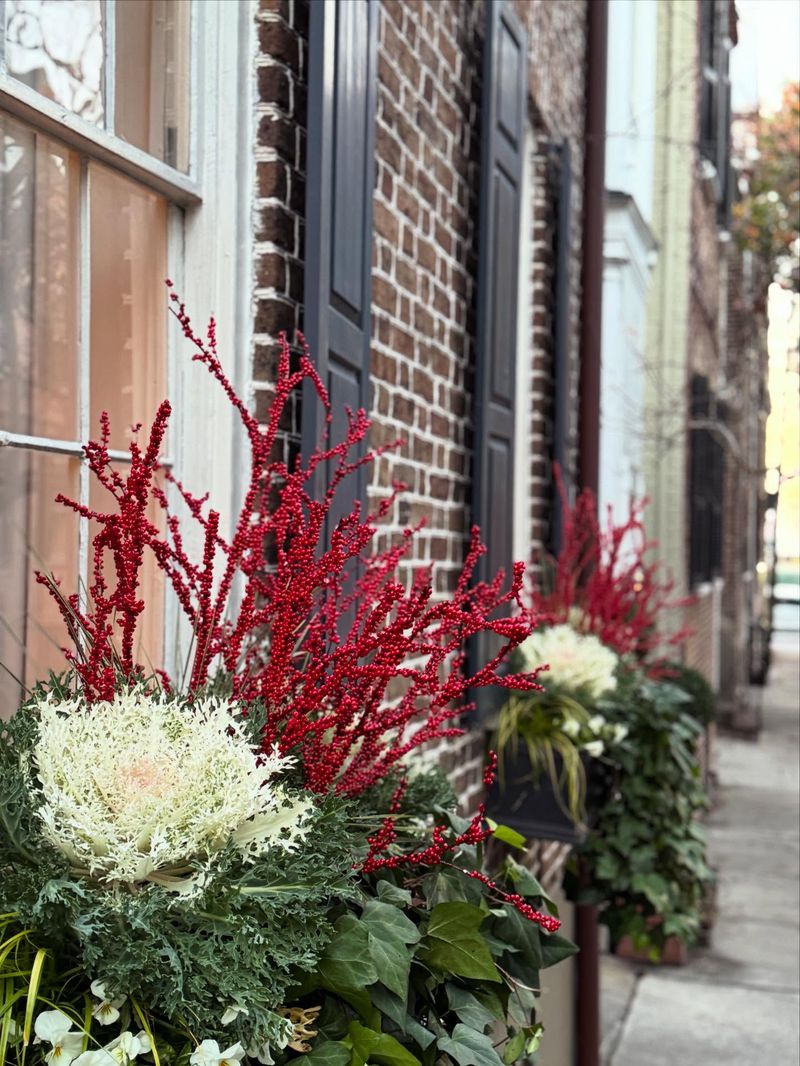
Who says a porch has to look bare in winter? Plenty of tough plants love chilly weather and look amazing all season. Swapping poinsettias for these hardy choices gives you holiday charm without the nightly shuffle.
Ornamental kale and cabbage top the list. Their frilly leaves come in purple, pink, cream, and green, and cool weather actually makes their colors brighter.
Pansies and violas add cheerful faces in almost any color and keep blooming through many cold snaps.
Dwarf evergreens in pots bring height and a classic holiday feel. Dwarf Alberta spruce is a popular pick, and it looks adorable with a few small ornaments or a string of lights. After the holidays, many of these can even be planted in the yard.
Cut materials work wonders too. Evergreen boughs from pine, fir, cedar, or magnolia make great fillers for planters and window boxes.
Tuck in winterberry branches for pops of bright red berries, and add red twig dogwood stems for bold color and interesting lines.
Finishing touches pull the whole look together. Big red bows, glowing lanterns, and pinecones add holiday spirit with almost no effort. You can mix and match to fit your style, whether you like rustic, classic, or modern decor.
Here in North Carolina, these plants and materials hold up nicely on porches through winter. Our cool but usually not brutal weather suits them well.
Many local garden centers stock them every fall, making it easy to create a welcoming entry that stays fresh from Thanksgiving to Valentine’s Day.
7. Keep Poinsettias Indoors For The Longest Show
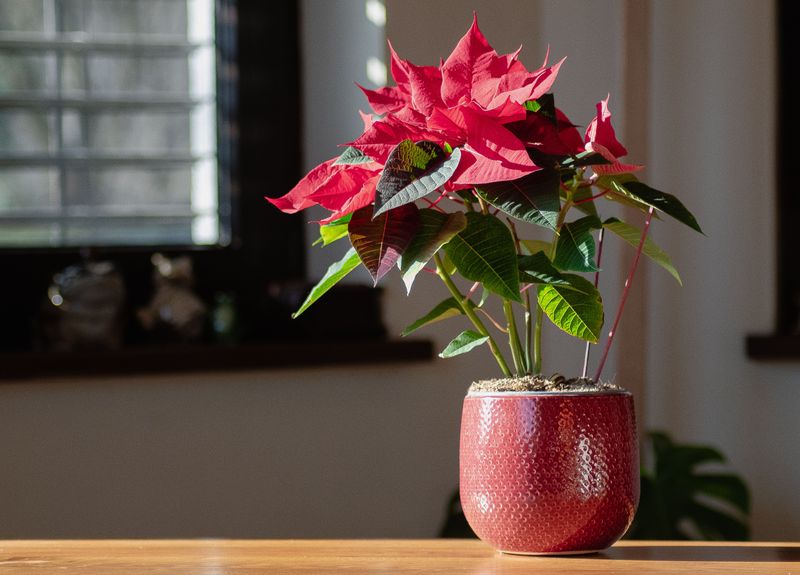
Inside your home, a poinsettia can really shine. With bright light and steady temperatures, a healthy plant can stay colorful for weeks or even months. Some people keep theirs looking good well into February.
Light comes first. Place your poinsettia near a bright window, but keep it out of direct hot sun that can scorch the bracts. An east-facing window or a spot a few feet from a sunny one often works great.
Temperature matters just as much. Poinsettias are happiest in rooms around 60 to 70 degrees. Keep them away from heat vents, fireplaces, and chilly doors, since both hot and cold blasts cause stress.
Watering is simple once you get the hang of it. Touch the soil, and water when the top feels dry. Many plants come wrapped in shiny decorative foil, which looks pretty but can trap water at the bottom.
Poke a few holes in the foil or remove it before watering so extra water can drain away.
Pets need a little thought too. The milky sap inside poinsettias can cause mild mouth and stomach irritation in cats and dogs. The plant is not as dangerous as many people believe, but setting it on a higher shelf keeps curious noses safe.
North Carolina homes have their own quirks during winter. Heat pumps and cozy fireplaces can create hot, dry spots that poinsettias dislike. Notice where warm air blows, and pick a calm, bright corner instead.
That small choice can keep your holiday plant glowing long after the gifts are unwrapped.