Things That Attract Fire Ants To Texas Homes After Heavy Rain
When floodwaters rise, fire ants have a remarkable survival trick. They link their bodies together and form floating rafts, sometimes made of thousands of ants, with the queen tucked safely in the middle.
They can drift for days until they find dry ground. After a heavy Texas rain, that dry ground is often right next to your house.
Soggy soil forces colonies to move fast. Foundations, sidewalks, patios, and raised flower beds become tempting high spots. From there, it’s a short trip through cracks and gaps into walls, kitchens, bathrooms, and even electrical boxes.
Many homeowners notice fresh mounds popping up overnight, along with ants trailing across floors and countertops.
Rain is only part of the story. Food, moisture, warmth, and a few common household habits can make your home even more appealing. Knowing what draws them in can help you keep these painful pests out.
1. Higher, Drier Ground Near The Foundation
Water always wins in a flood, and fire ants know it. When rain fills their underground tunnels, the whole colony packs up and heads for higher ground. The soil right next to your house is often the closest dry spot around.
Most homes sit a little higher than the yard. Builders slope the dirt away from the foundation so water drains off. That small rise is exactly what a soaked colony is hunting for.
The concrete slab also holds heat from the sun. Fire ants love warm soil because it helps their young grow faster. So the edge of your foundation offers two big perks at once, dryness and warmth.
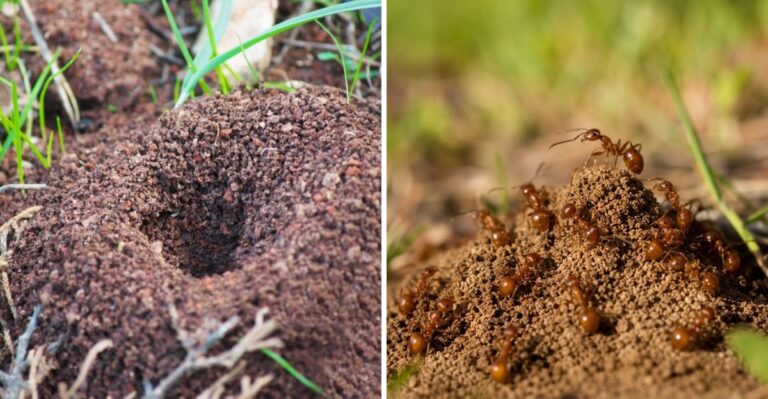
Many Texans notice new mounds along the house within a day or two of a storm. Sometimes the mound is flat and hard to see at first. Look for loose, crumbly dirt that looks like it was stirred with a spoon.
Here is a simple habit worth building. After every heavy rain, take a slow walk around the outside of your home. Check the base of the walls, corners, and spots behind bushes.
If you find a mound, do not kick it or poke it. Fire ants pour out in seconds and climb up your legs before stinging. Instead, treat the mound with a bait or a mound drench labeled for fire ants.
Baits work best when the ground is dry and the ants are out foraging. Spread them around the mound, not right on top. The workers carry the bait inside and share it with the queen.
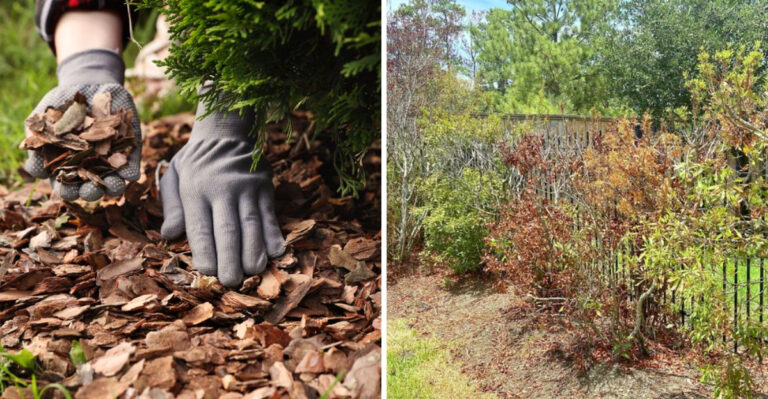
Keeping mulch thin near the foundation can help too. Thick mulch holds moisture and gives ants cover. A narrow strip of gravel makes the area less inviting.
2. Sidewalks, Driveways, And Patios
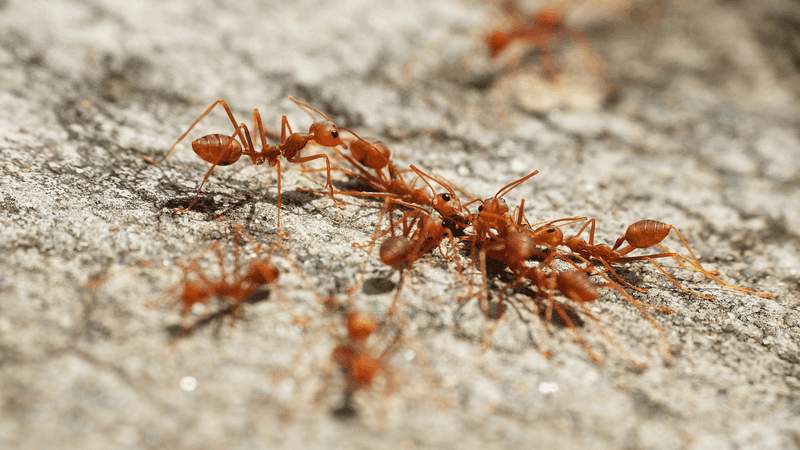
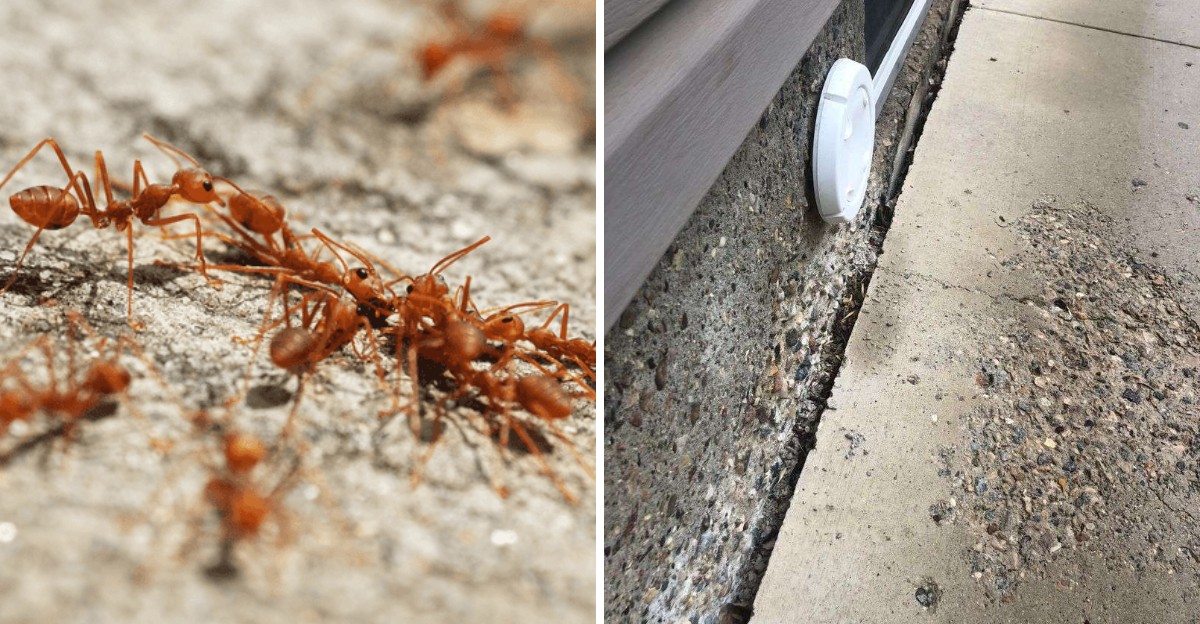
Ever noticed a strip of fluffy dirt hugging the edge of your driveway? That is no accident. Fire ants treat concrete slabs like a cozy roof over their heads.
Soil under a sidewalk or patio stays drier than open lawn. Rain runs off the surface instead of soaking straight down. The concrete also soaks up sunshine and keeps the dirt below nice and warm.
Your Texas Garden Changes Every Week. Your Plan Should Too.
Gardening in Texas changes quickly throughout the season. Every Friday you’ll receive a simple weekly plan showing exactly what to plant, prune, fertilize, harvest, and protect so you never miss the right timing.
For a colony that just lost its home in a storm, that combo is hard to beat. The ants dig tunnels right along the edge and sometimes under the slab itself. Over time, their digging can even wash out soil and leave cracks.
Kids often get stung in these spots. They run barefoot across the patio or sit on the curb, and the ants come pouring out. Pets lying on warm concrete face the same problem.
So what can you do? Start by checking the seams where concrete meets grass. Pay close attention to spots near steps, pool decks, and the end of the driveway.
Fun fact: red imported fire ants arrived in the United States through ships in Alabama in the 1930s. They reached Texas by the 1950s and now cover most of the eastern two-thirds of the state.
A broadcast bait spread across the whole yard twice a year can lower ant numbers a lot. Pair that with spot treatments for any mounds you see along the edges. Many experts call this the Texas Two-Step method.
Also, sweep your patio often. Food crumbs and spills near concrete give the ants even more reason to stay. A clean slab is a less tempting place to settle down.
3. Potted Plants And Raised Beds
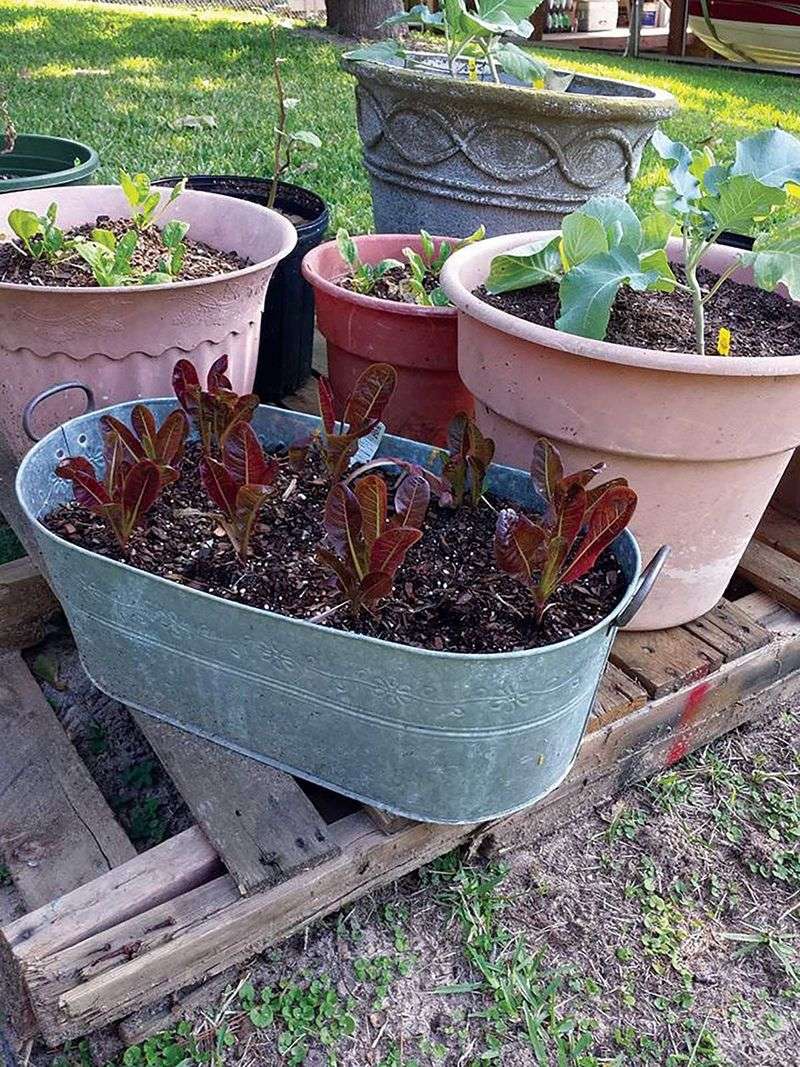
My neighbor once picked up a pot of basil after a big June storm. Within seconds, her arms were covered in angry red ants. She learned the hard way that flower pots make perfect lifeboats.
Containers and raised beds sit above the ground. When the yard floods, their soil stays out of the water. Potting mix also drains quickly, so it dries out faster than heavy clay.
Fire ants pick up on those details fast. A floating ant raft that bumps into a pot will climb right in. A raised bed full of soft compost is even better because digging is easy.
Gardeners in Texas should be extra careful the week after a heavy rain. Before you lift, water, or weed, take a close look. Tap the side of the pot gently and watch for ants rushing out.
Wearing gloves and long sleeves is a smart move. Rubber gardening gloves with long cuffs give you more protection than cloth ones. Tuck your pants into your socks if you plan to work in the beds for a while.
If ants move into a small pot, you can drown them out. Set the pot in a bucket of water mixed with a little dish soap for about 20 minutes. The soap breaks the surface so the ants cannot float.
For raised beds that grow food, choose a product labeled safe for vegetable gardens. Some organic baits use spinosad, which is made from natural soil bacteria.
Always read the label before using anything near plants you plan to eat. Setting pots on stands with legs in dishes of water can also block ants from climbing up.
4. Air Conditioning Units And Electrical Boxes
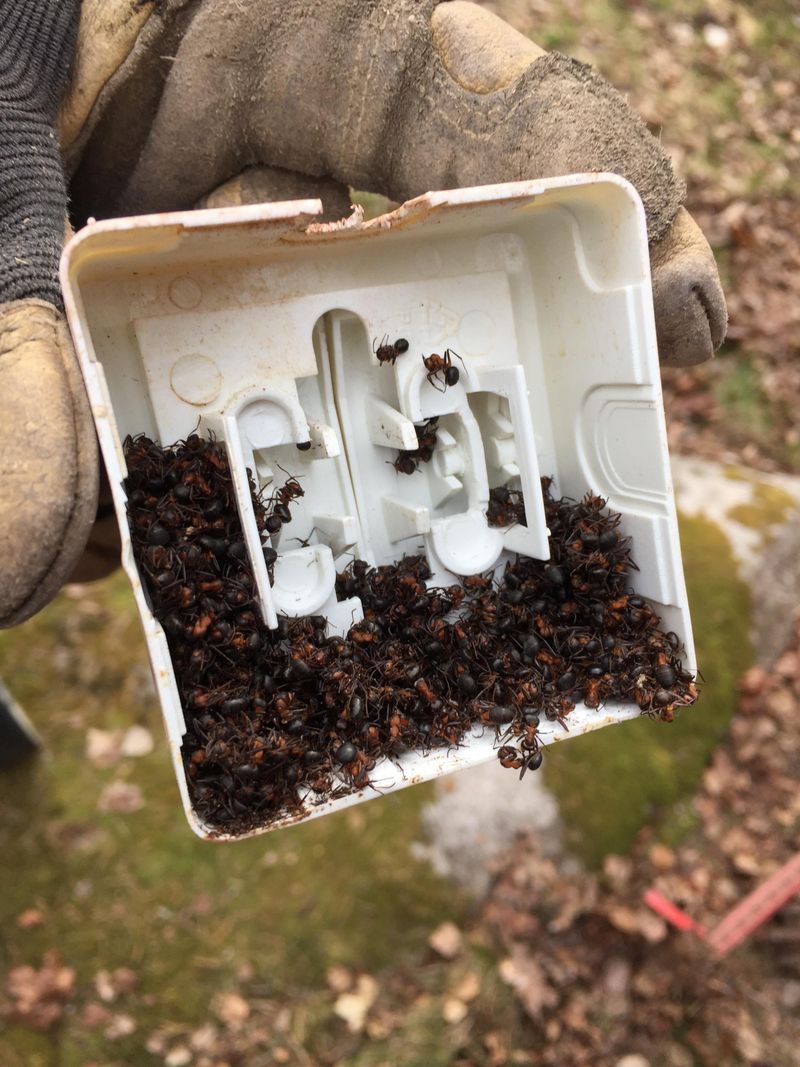
Strange as it sounds, fire ants seem to love electricity. Repair techs across Texas often open an AC unit and find it packed with ants. Some even call them the most expensive bug in the state.
Scientists have studied why this happens. Fire ants are drawn to the electric fields around switches and contacts. When one ant gets shocked, it releases chemical signals that call other ants to the spot.
Soon a whole crowd piles into the same tiny space. Their bodies can bridge the contacts and cause a short. The result might be an AC that will not turn on during a hot Texas afternoon.
Storms make the problem worse. Your outdoor condenser, pool pump box, and utility meter offer dry, shaded shelter. A displaced colony looking for cover may settle right inside.
So keep an eye on these spots after heavy rain. Look for dirt piled around the base of your AC pad. Check for ants marching along wires or crawling out of small gaps.
Never open an electrical box yourself if you are unsure what you are doing. Call a licensed technician for anything with power running through it. Safety always comes first.
You can still take a few easy steps. Keep grass and weeds trimmed around outdoor equipment. Treat the soil around the AC pad with a fire ant bait or granular product.
Some homeowners place ant bait stations near the unit as a guard. Others ask their HVAC company to seal small openings during yearly checkups. A little prevention costs far less than replacing a burned contactor in July.
5. Cracks And Gaps In The House
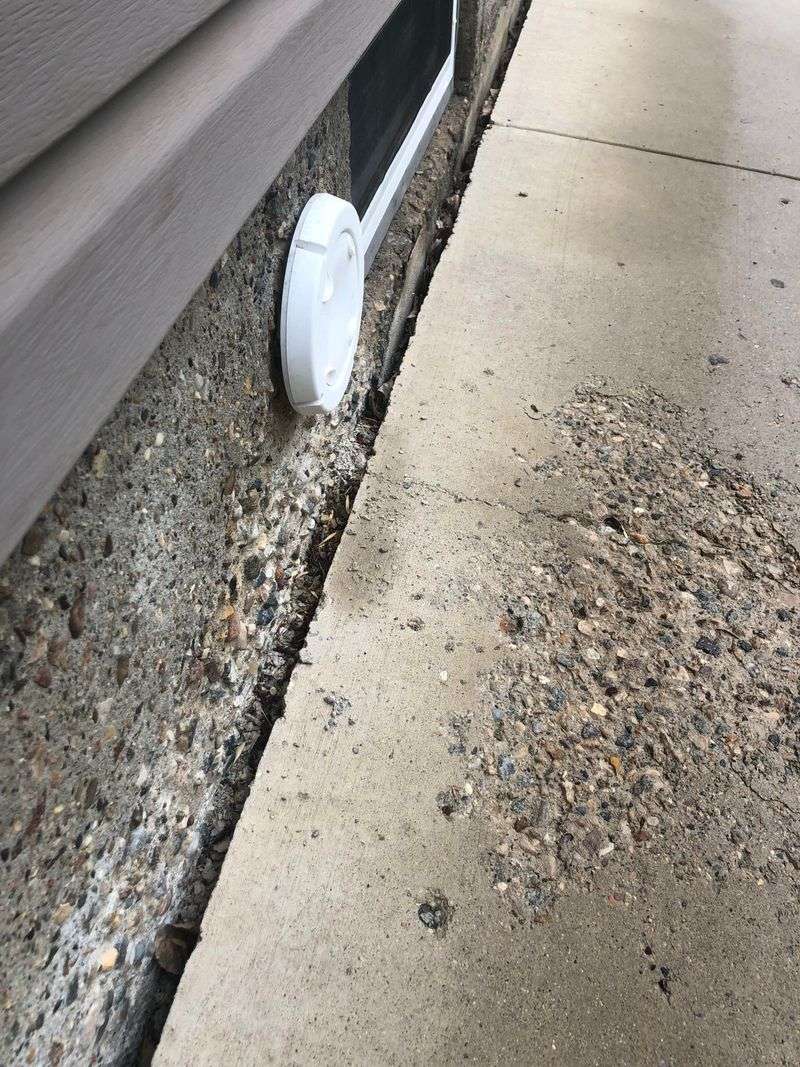
Tiny openings may not look like much to you. To a fire ant, a crack the width of a pencil line is a front door. After a flood, that door leads to the driest place around, your home.
Fire ants usually prefer living outdoors. But when the ground is soaked, they will explore anywhere that seems safe. Gaps near foundations, windows, doors, and pipes give them easy paths inside.
Once indoors, they often show up in kitchens, bathrooms, and laundry rooms. They like spots near water lines and warm appliances. Some may even nest inside wall voids or under flooring.
Finding ants indoors can feel alarming, especially with babies or pets in the house. Stay calm and follow the trail. The line of ants will usually lead you right to the opening they are using.
Sealing gaps is one of the best long-term fixes. Use silicone caulk for small cracks around windows and trim. Expanding foam works well for bigger holes around pipes and cables.
Check the weatherstripping on your doors too. If you can see daylight under a closed door, ants can get through. A new door sweep costs only a few dollars at most hardware stores.
Do not spray indoor ants with harsh sprays right away. Sprays may scatter the colony and create several new groups. Slow-acting baits placed along the trail usually work better.
Walk around the outside of your house a couple of times a year with a tube of caulk. Fixing small cracks early keeps out fire ants, other bugs, and drafts. Your energy bill might even drop a bit.
6. Food Sources Near The Home
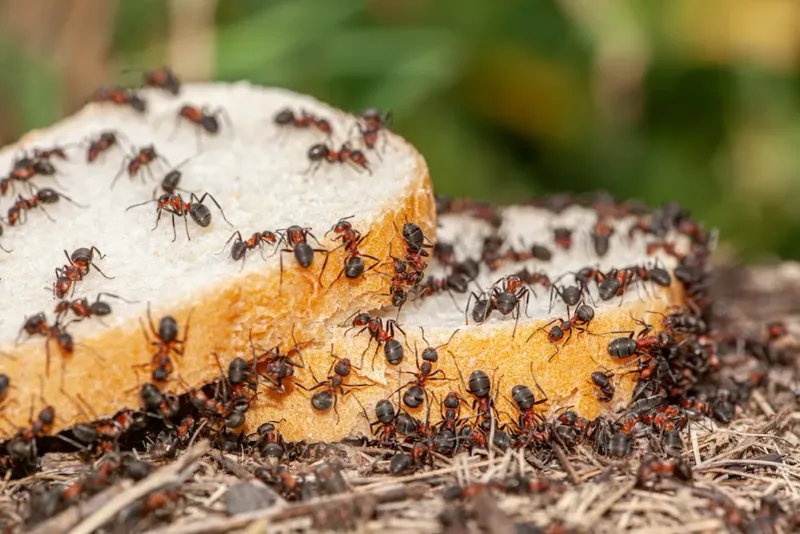
Think of a hungry family that just lost their house in a storm. The first thing they want is a meal. Fire ants feel the same way after a flood wipes out their usual food supply.
Workers spread out quickly, sniffing for anything tasty. They love protein, grease, and sugar. Your porch, patio, and kitchen may offer all three without you even noticing.
Pet food is a big one. A bowl of kibble left outside can be covered in ants within an hour. Bird seed, spilled soda, and fallen fruit from trees also draw them in.
Grills are another hidden magnet. Drippings collect in the grease trap and on the ground below. To a fire ant scout, that smell is like a giant dinner bell.
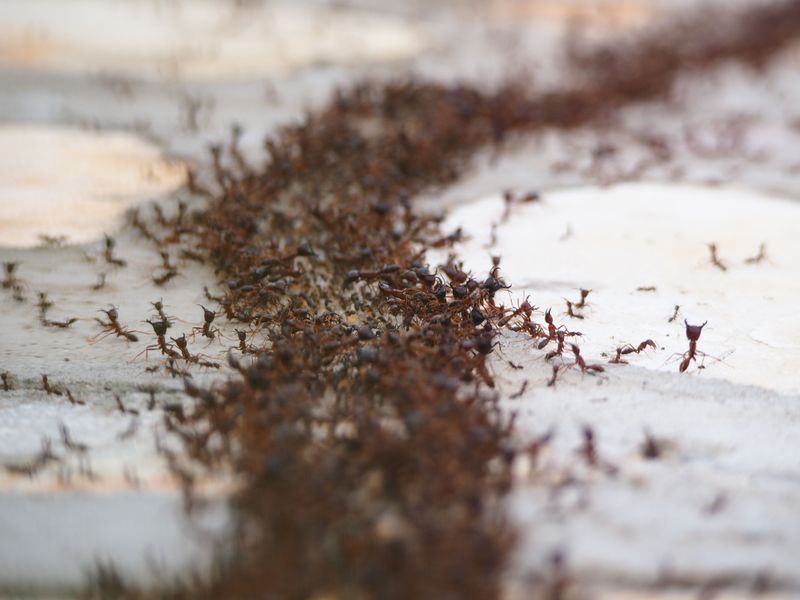
Once one ant finds food, it leaves a scent trail back to the nest. Hundreds of others follow that path. Before long, you have a steady stream marching toward your back door.
Some easy fixes make a big difference. Feed pets indoors or pick up bowls as soon as they finish eating. If you must feed outside, set the bowl in a shallow dish of water to make a little moat.
Clean your grill and empty the grease cup after each cookout. Wipe down outdoor tables and rinse sticky spills off the patio. Keep trash cans closed tight and away from the house.
Indoors, store sugar, cereal, and snacks in sealed containers. Sweep up crumbs, especially after a storm when ants are most active. A tidy space gives hungry scouts nothing to report back home.
7. Mating Flights After The Rain
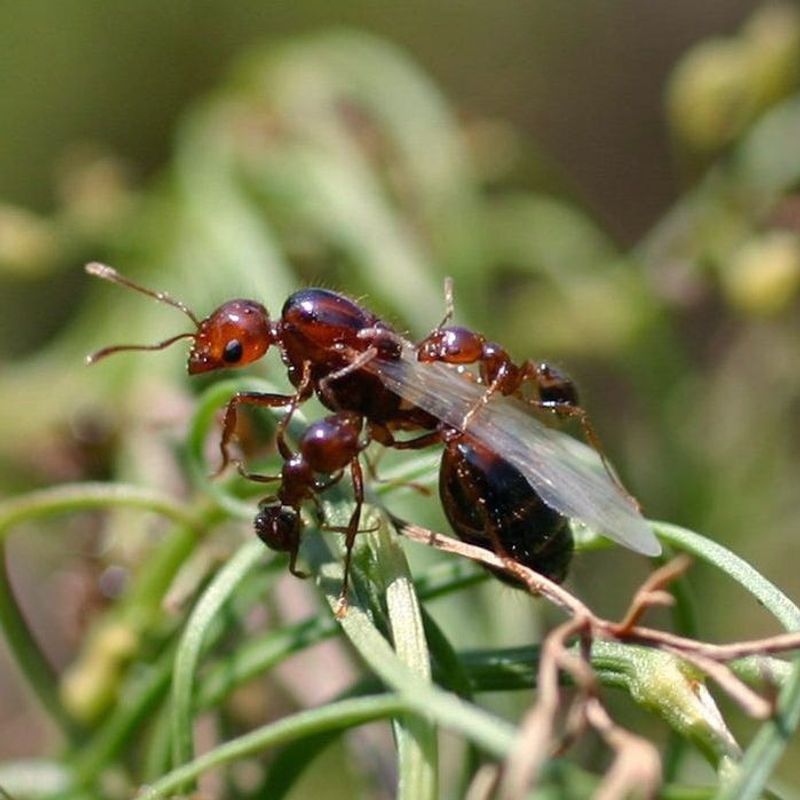
Did you know fire ants can fly? Only certain ones can, and they usually wait for the perfect weather. In Texas, that perfect day often comes right after a heavy rain.
Warm, sunny skies paired with damp soil set the stage. Winged males and young queens pour out of the mounds and take to the air. Scientists call this a mating flight, and one large colony can release thousands of winged ants.
The flights usually happen in late morning or early afternoon. They are most common in spring and early summer, but can happen almost any month in Texas. Moist soil makes it easier for new queens to dig after they land.
After mating in the air, each queen drops to the ground and breaks off her wings. She burrows into the soil and starts laying eggs. Within a few months, a brand new mound may pop up in your lawn.
That is why many homeowners see a burst of small mounds a few weeks after big storms. Even if you treated your yard before, new colonies can fly in from nearby lots, fields, and parks.
You might spot winged ants swarming around porch lights or windows. They do not sting much while flying, but the workers guarding the mound sure will. Keep kids and pets away from active mounds during these events.
The best plan is to spread a broadcast bait across your whole yard a few days after a rainy spell, once the grass is dry.
Baits catch young colonies while they are small and easy to stop. Working with neighbors to treat at the same time helps even more.