Why Tiny Black Droppings On Fall Vegetable Leaves In North Carolina Point To Hidden Caterpillars
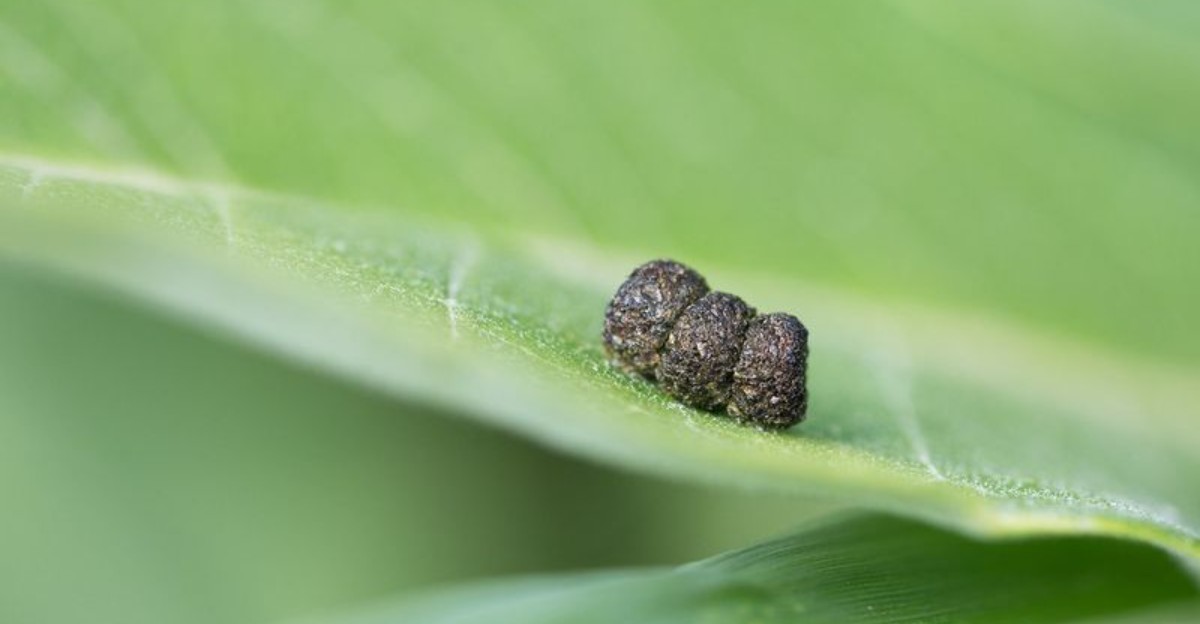
Those tiny black specks on your fall greens may not be dirt, pepper, or soil splashed up by the rain. Gardeners call them frass, and extension experts say frass means a caterpillar is chewing somewhere close.
I trust this small clue far more than ragged holes in the leaves of my North Carolina garden beds. Slugs and beetles leave holes too, but caterpillars leave neat dark pellets sitting on the leaf surface.
Cool October nights slow the insects down, yet cabbage worms keep feeding through the weeks before a hard frost. North Carolina extension guides describe these green larvae as well camouflaged against the leaf, resting along the veins.
A flashlight and a steady hand are often enough to track one down. The pellets usually give away the hiding spot long before the caterpillar does.
Frass Is The Clue Hiding In Plain Sight
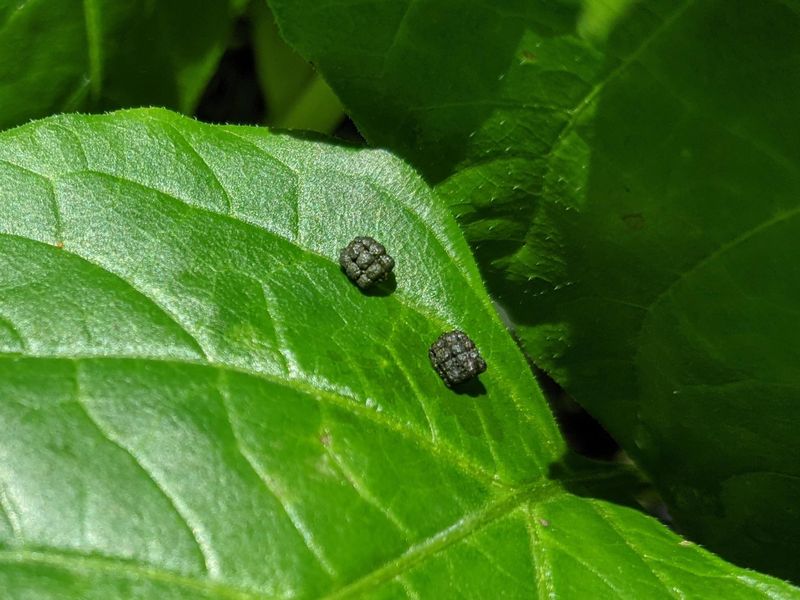
Caterpillar droppings, called frass, look like tiny black or dark green pellets about the size of a grain of pepper. Because they sit on top of leaves, they are easy to spot once you know the look.
Wet dirt crumbles into a brown smear when you press it, while frass tends to keep its small barrel shape. That simple press test takes five seconds and saves you from guessing about the cause of the mess.
Size gives another hint, since a tiny cabbage looper leaves specks while a big tomato hornworm leaves chunky pellets. Fall greens in the cabbage family attract the smaller kinds across North Carolina, so tiny specks are what you will usually see.
Frass also tells you a caterpillar is likely still active on that plant, which helps you choose where to search first. Old droppings wash off in rain, so fresh dark pellets usually mean the feeding is happening now.
University extension services often describe frass as a useful early warning, because caterpillars are green and blend with the leaves. A pest you cannot see is hard to manage, so the pellets give you a place to start looking.
Look closely at the center of cabbage heads and the curly folds of kale, where pellets love to settle. Collards, broccoli, and Brussels sprouts also trap droppings in their ridges and crowded leaf bases this time of year.
Once you spot a single pellet, slow down and check the leaf directly above it with careful eyes. Droppings fall downward, so the hiding caterpillar is usually higher up than the pellets you found.
The Cool Season Window Caterpillars Love
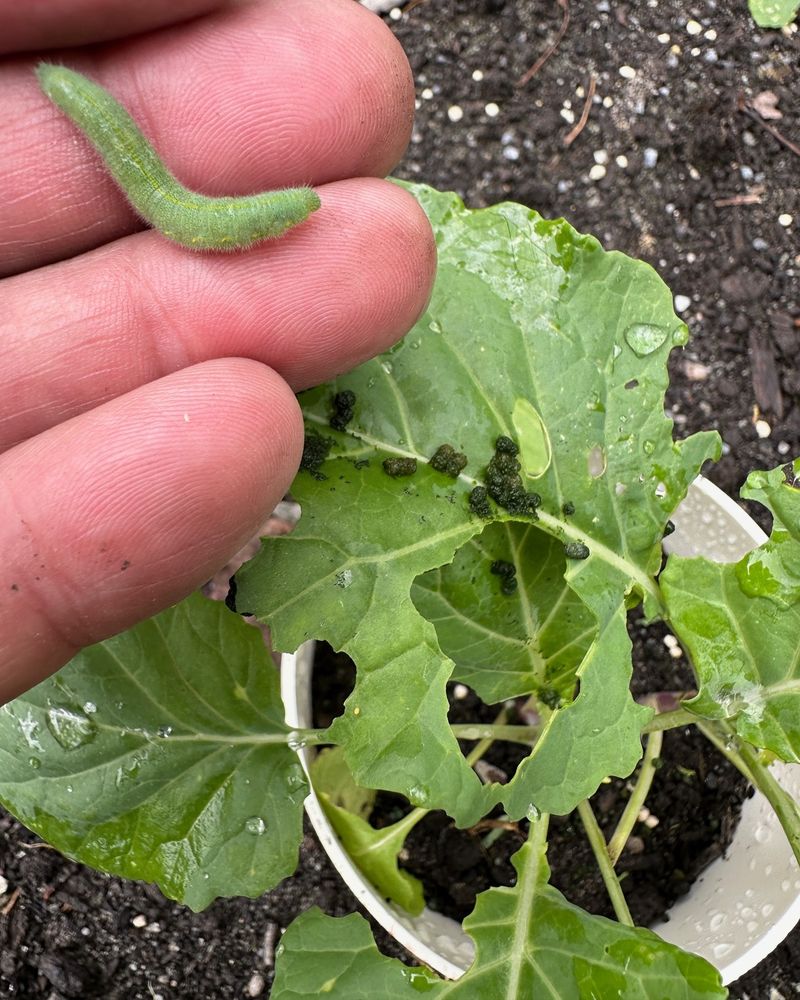
Cabbage worms stay busy in October because fall greens are tender and daytime highs still feel mild in much of North Carolina. Their activity slows as nights turn cold, but extension guides note feeding can continue until a hard freeze.
Adult moths and butterflies lay eggs on the undersides of leaves during warm spells in early fall. Tiny eggs hatch within a few days when temperatures stay mild and the new caterpillars start chewing right away.
The imported cabbageworm is a velvety green caterpillar with a faint yellow stripe down its back. It matches broccoli leaves so well that a quick look from standing height can miss it.
Your North Carolina Garden Changes Every Week. Your Plan Should Too.
Gardening in North Carolina changes quickly throughout the season. Every Friday you’ll receive a simple weekly plan showing exactly what to plant, prune, fertilize, harvest, and protect so you never miss the right timing.
Cabbage loopers move by arching their bodies, and they leave larger ragged holes as they grow. Their droppings grow bigger too, so older caterpillars leave more obvious pellets on the lower leaves of each plant.
Diamondback moth larvae are slender, pale green caterpillars that wiggle backward when you touch them gently. They nibble tiny windows in the leaf surface, and those windows are easy to overlook on a busy day.
Check plants every two or three days while the weather stays mild and the nights remain above freezing. Small caterpillars are far easier to manage than large ones because they have eaten very little so far.
Morning is a good time to look, since cool air keeps caterpillars still and sunlight shows the pellets clearly. A sharp frost eventually ends the feeding season for most of them, though covered beds may stay busy longer.
The Top Of The Leaf Mistake
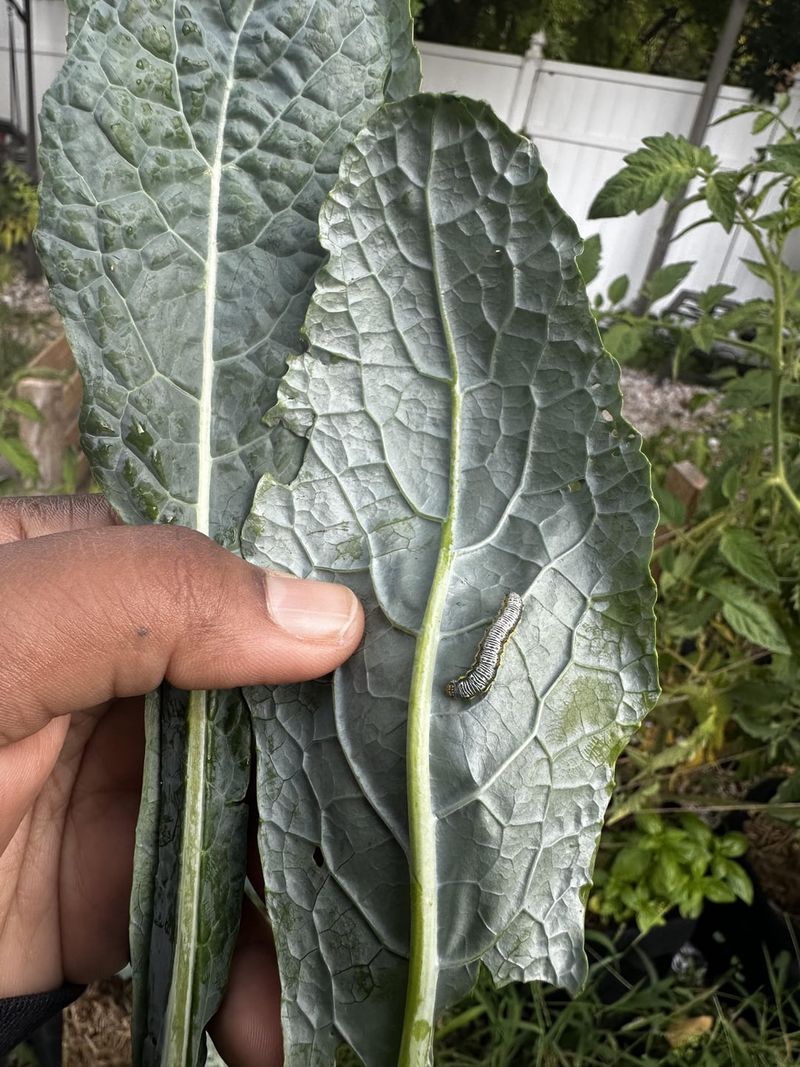
Most of us scan the tops of leaves and move on when we water the fall garden. Caterpillars spend a lot of time hiding on the undersides, where shade keeps them cool and hard to spot.
Fresh droppings give you a good reason to flip leaves over and take a slow, careful look. Turn the leaf gently and check along the midrib, the thick center vein where caterpillars often rest.
Another common slip is spraying only the tops of leaves and leaving the hidden undersides dry. Biological sprays work when caterpillars eat treated leaf tissue, so coverage on every surface matters a great deal.
Mistaking frass for soil splash is also easy, especially when the beds were mulched and watered recently. Wiping specks away feels tidy, but the caterpillar stays put and keeps chewing through the next few nights.
Some gardeners blame birds, wind, or cold snaps for ragged leaves, and then wait for the damage to stop. Those causes rarely leave neat black pellets, so droppings point more clearly toward a chewing insect.
Waiting too long is a common slip, since small caterpillars grow quickly and eat more each day. A weekly glance may be too slow, so a short check every few days works better.
A small hand lens or phone camera zoom can help you notice tiny eggs before they ever hatch. Cabbageworm eggs are pale yellow ovals that stand upright on the leaf surface.
Your Best Fix Starts With Gloves
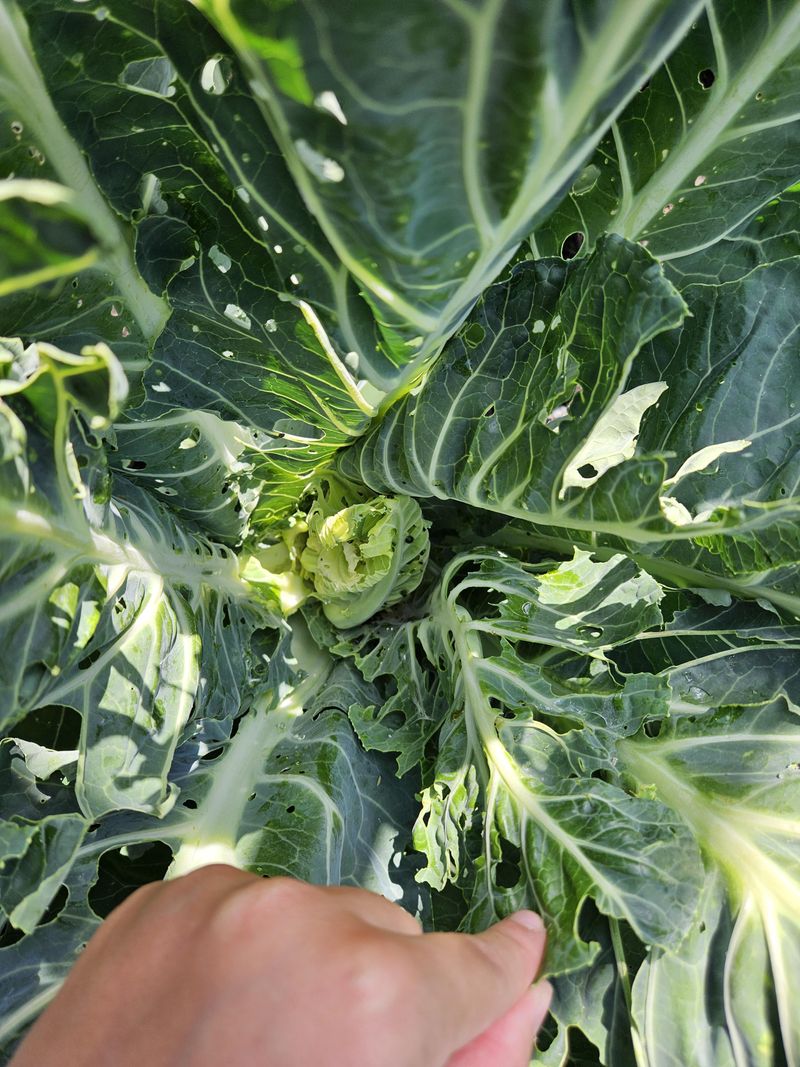
Hand picking is the simplest fix, and it costs nothing for a small backyard patch of greens. Drop each caterpillar into soapy water and carry it away from the garden bed.
Wear thin gloves if you like, since the caterpillars are soft. Work slowly down each row, checking both sides of every leaf and the crowded center of each plant.
Bt, short for Bacillus thuringiensis kurstaki, is a natural soil bacterium sold as a spray or dust. It affects caterpillars after they eat treated leaves, and extension services describe it as low risk to people and pets when used as labeled.
Read the label before you start, and mix only the amount you plan to use that day. Spray in the evening, since sunlight breaks the product down, and cover the undersides of every leaf.
Repeat the spray after rain or every week or so while caterpillars remain active on your greens. Check the label for the waiting time before harvest, which is often short for Bt products.
Spinosad is another option for stubborn cases, but it can affect helpful insects such as bees, so spray late in the evening and keep it off any blooms. Label directions matter more with that product.
Birds, paper wasps, and ground beetles also eat caterpillars, so a calm and varied North Carolina yard helps your cause. Skip broad spectrum sprays, because those products can reduce the helpers that work for free every single day.
The Harvest You Can Expect Afterward
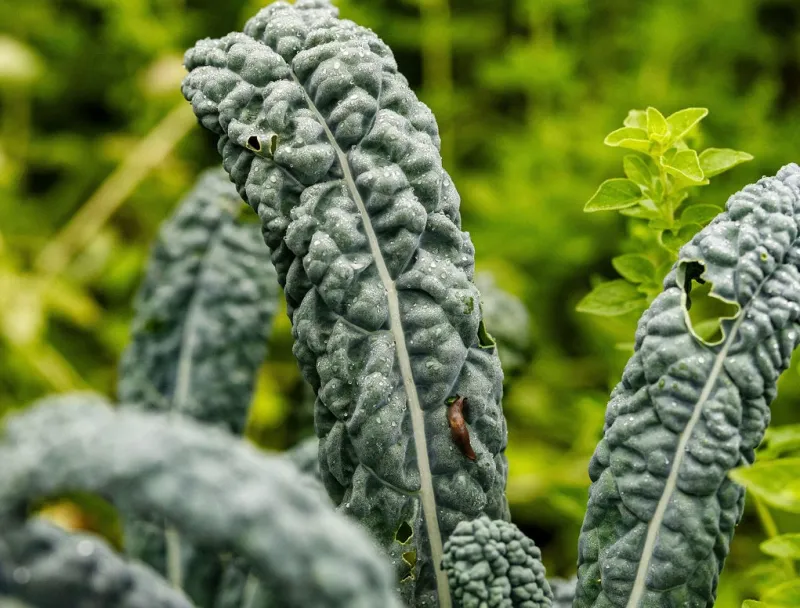
Caterpillar chewing looks dramatic, but healthy fall plants can recover from light damage when the growing point stays safe. Kale and collards often keep producing new leaves from the center while the roots stay healthy.
Loose leaf greens are the easiest to rescue, since you harvest one leaf at a time anyway. Pick the chewed outer leaves and the plant usually sends up fresh growth within a week or two.
Heading crops such as cabbage and broccoli need more care, since caterpillars can tunnel into the center. Early control protects the forming head, so catching pellets in October saves the best part of the crop.
Washing is the final step before the harvest reaches your kitchen, and it removes dirt and leftover pellets. Soak leaves in cool water for a few minutes, then rinse each one under the tap.
In North Carolina, cool weather helps your greens taste better, since light frosts raise the sugar in kale and collards. Protecting the plants until then gives you sweeter leaves and fewer holes in the weeks that follow.
Expect some cosmetic damage even with good care, because a few caterpillars will usually slip past you. A leaf with a few holes still tastes fine and cooks the same way in soup or stir fry.
Keep notes on which plants attracted pests and when you found the first pellets in your own garden. Those notes help you plan next fall with more confidence and better timing for covers and sprays.
A Tidy Bed Plan For Next Season
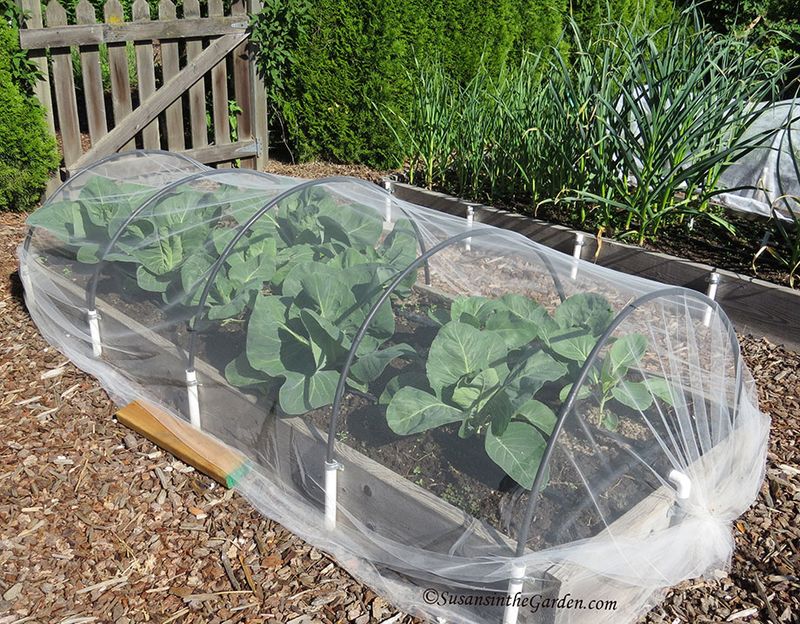
Floating row covers are lightweight fabric sheets that keep egg laying moths away from the leaves. Cover the bed right after planting and seal the edges with soil or boards, so no gaps remain.
Fall garden cleanup also matters, since leftover stalks and leaves can shelter pupae through the cold months. Pull spent plants after the final harvest and add them to a hot compost pile or bag them.
Rotate your crops each year so cabbage family plants move to a fresh bed away from last season. A gap of two or three years between related crops helps break the cycle of pests and disease.
Planting flowers near the vegetable bed invites helpful insects such as parasitic wasps and lacewings to visit all season. Alyssum, dill, and cilantro offer nectar that tiny wasps need, and cilantro grows well in cool weather.
Healthy soil supports sturdy plants that tolerate some chewing better than stressed, thirsty plants do during fall. Add compost to empty beds this month and water deeply when the top inch of soil feels dry.
Scout the garden every few days, even when everything looks fine, and look for fresh pellets first. A short walk with a warm drink in hand takes ten minutes and builds a helpful habit.
Next fall, start your row covers early and keep notes handy in a simple garden journal. Pellets on a leaf will remind you that a hidden caterpillar is near, so a close look pays off.