Why Loquat Trees Bloom In Fall In Coastal North Carolina And What It Means For Spring Fruit
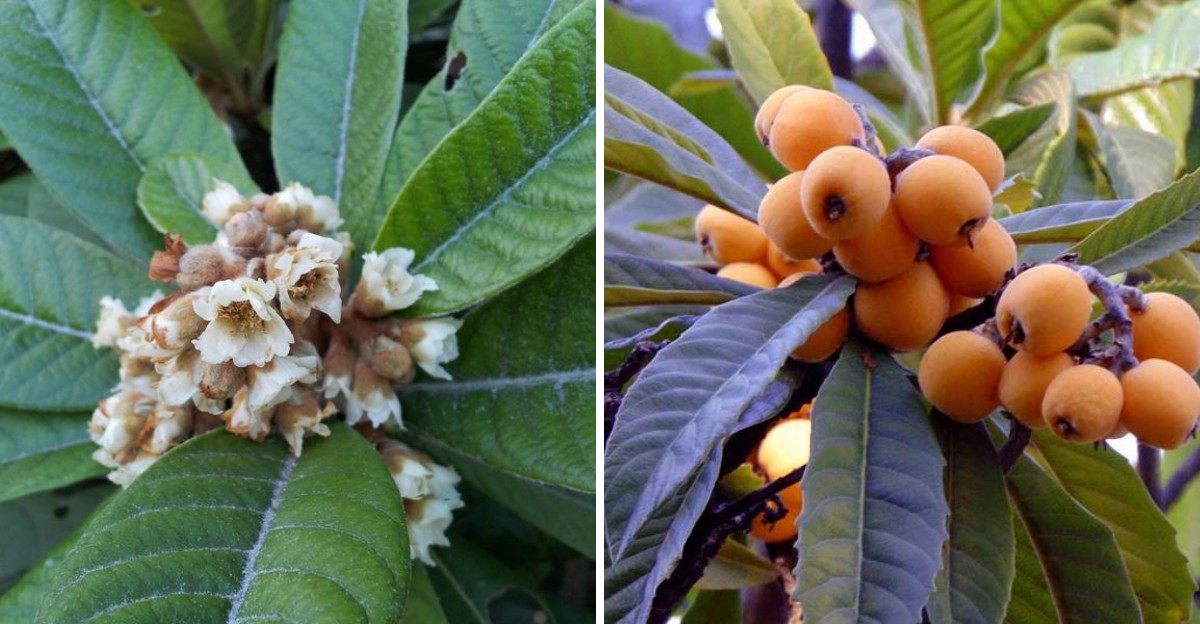
Most fruit trees follow the same plan. They flower in spring and ripen by summer. Loquat ignores the plan. Along the North Carolina coast, clusters of fuzzy, sweet-smelling flowers open in the fall, just as other trees are dropping leaves.
It looks like a mistake, but it is normal. The fruit takes months to develop, and that long wait is exactly what makes loquats risky.
A cold night in winter can harm blossoms or young fruit, and a mild one can mean a heavy crop in spring. Gardeners watch the forecast all season long.
The tree itself is tough, but the fruit is delicate. Knowing what the flowers are telling you helps you guess what spring will bring.
1. Loquats Naturally Flower In Fall And Early Winter
Walk through almost any older neighborhood in Wilmington or Morehead City in November, and you might spot a tree that seems confused about the calendar.
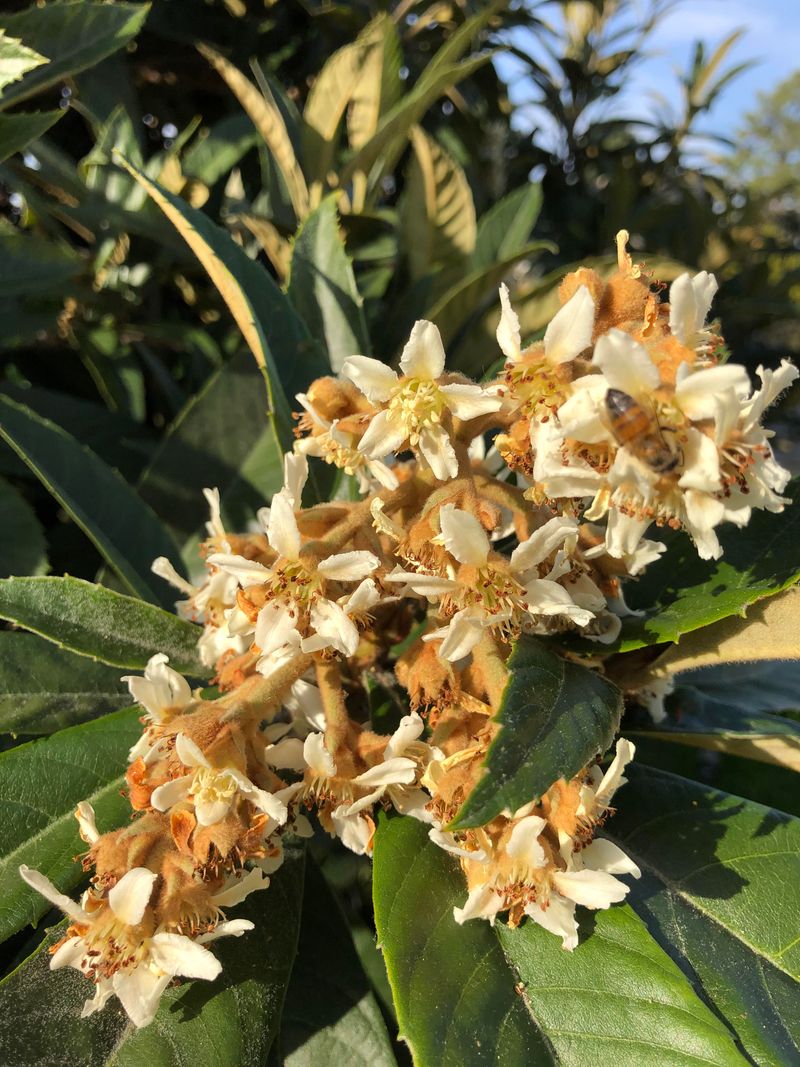
Its big, leathery leaves stay green, and fuzzy clusters of creamy white flowers sit at the tips of the branches. That tree is a loquat, known to scientists as Eriobotrya japonica.
Nothing is wrong with it, though. Loquats come from parts of southeastern China, where they evolved to flower from fall into early winter.
Their internal clock simply runs on a different schedule than apples, peaches, or pears, which wait for spring warmth before opening their buds.
In coastal North Carolina, you can usually expect blooms to show up from about October through December. Some trees keep flowering into January, especially when the weather stays mild.
Each tree has its own rhythm, so two loquats on the same street might bloom a few weeks apart.
Knowing this pattern helps you plan. If you are thinking about adding a loquat to your yard, remember that the flowers and the developing fruit will be on the tree during the coldest part of the year.
That affects where you plant it and how you care for it. Loquats have become popular landscape trees near the coast because they look tidy and green all year.
Many people plant them for their tropical look and only later discover the bonus of fall flowers and spring fruit. Once you know what to watch for, you will start noticing these trees everywhere, quietly blooming while the rest of the garden rests.
2. The Flowers Smell Sweet On Cool Days
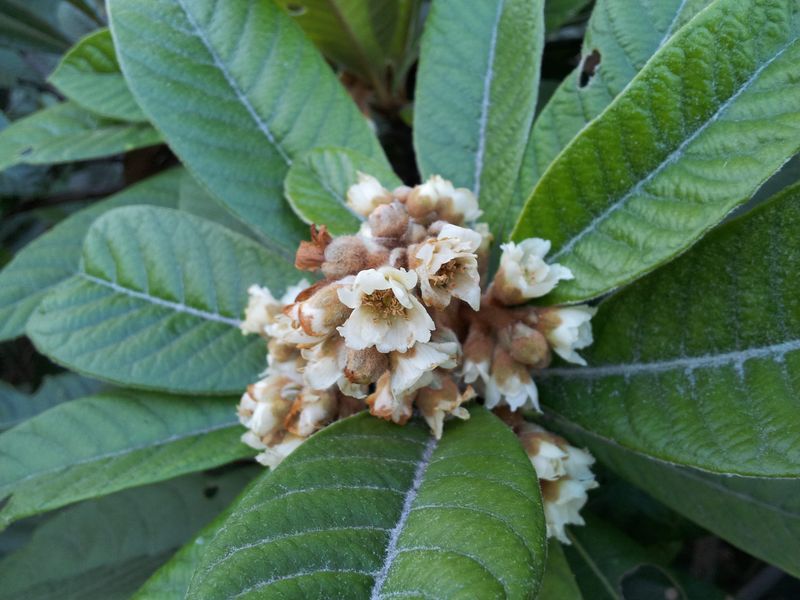
Your nose will probably find a blooming loquat before your eyes do. On a crisp fall afternoon, a sweet and slightly spicy scent drifts across the yard, and you start looking around for the source.
Many people compare it to honey mixed with a hint of almond or clove. The flowers themselves are small and easy to overlook. They hide among fuzzy, rust-colored stems and big leaves, so the fragrance often gets noticed first.
On calm, cool days, the perfume can hang in the air and travel surprisingly far. Smart placement lets you enjoy every bit of it. Try planting a loquat near a patio, a front walkway, or a window you open on mild days.
Your North Carolina Garden Changes Every Week. Your Plan Should Too.
Gardening in North Carolina changes quickly throughout the season. Every Friday you’ll receive a simple weekly plan showing exactly what to plant, prune, fertilize, harvest, and protect so you never miss the right timing.
Just give it room to spread, since many trees grow 15 to 25 feet tall and nearly as wide over time.
Few trees flower in late fall and winter, which makes that scent feel like a gift. Your camellias may be blooming, and maybe a sasanqua or two, but a fragrant fruit tree in December is rare.
It turns a quiet season into something special. For gardeners along the North Carolina coast, loquats pull double duty. Their bold evergreen leaves give your yard shape and color all year, acting like a living screen or a handsome focal point.
Then, when the days get short, the sweet blossoms arrive and make stepping outside a little treat. Grab a warm drink, sit near the tree on a sunny afternoon, and simply breathe it in.
3. Bees Visit On Mild Days
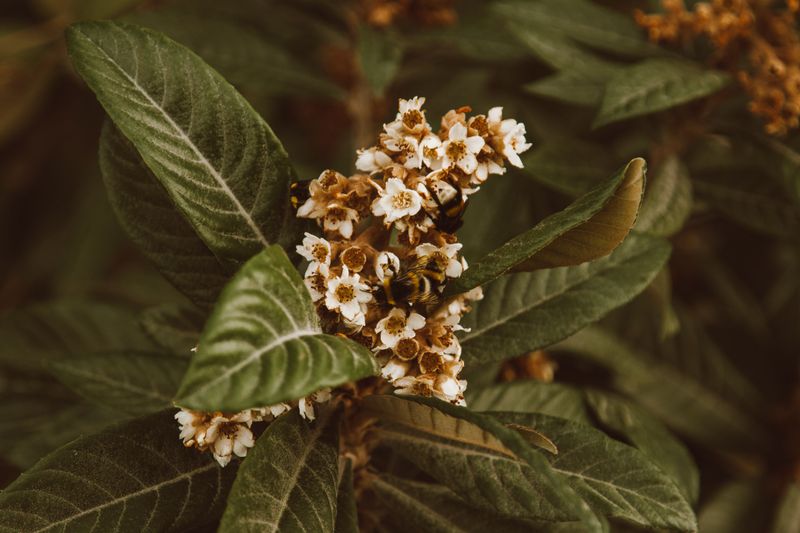
A warm December afternoon near the coast can feel almost like spring, and the bees know it. On days when the temperature climbs into the 50s or 60s, honeybees and other pollinators zip out of their hives looking for food.
A blooming loquat is one of the best buffets in town. Loquat flowers offer both nectar and pollen at a time when most plants have shut down. Bees move from blossom to blossom, carrying pollen as they go.
That movement helps the flowers set fruit, although many loquat varieties can also produce fruit on their own.
Even with self-fruitful trees, extra pollinator visits often lead to a better crop. That means your choices matter.
Avoid spraying insecticides while your tree is in bloom, since those sprays can harm the very helpers you want around.
Want to make your yard even friendlier to winter pollinators? Add other cold-season bloomers nearby, like camellias, mahonia, winter honeysuckle, or rosemary. A mix of flowers keeps bees coming back and gives them steady food during lean months.
Weather plays a big part, too. Years with plenty of mild, sunny days during bloom usually bring better fruit set, because bees have more chances to fly and work. Cold, rainy, or windy stretches keep them tucked inside, and fewer flowers get visited.
Coastal North Carolina has an advantage here. Winter warm spells come often thanks to the nearby ocean, so bees get regular chances to visit. Keep an eye on your tree on those sunny afternoons, and you may hear a happy hum.
4. The Fruit Develops Slowly Through Winter
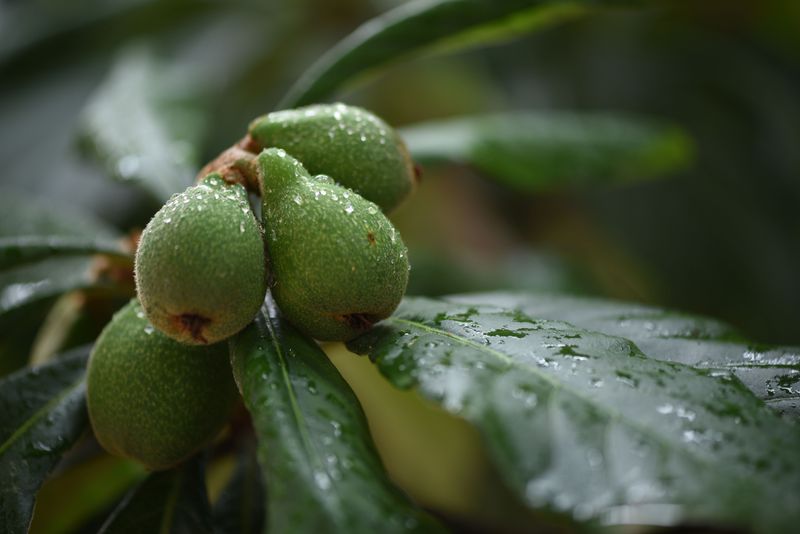
Patience is the secret ingredient with loquats. Once the flowers fade, tiny green fruit begins to form right where the blossoms were.
Then the waiting game starts, because that fruit grows slowly all winter long. Most fruit trees work on a quick schedule. They flower in spring and ripen their crop in summer or fall.
Loquats flip that pattern, carrying their young fruit through the chilly months and finishing the job as spring warms up.
After bloom, check the branch tips for clusters of small, fuzzy, green fruit about the size of a pea. Over the next few months, they will swell gradually.
Some weeks you may barely notice a change, while a sunny stretch can push them along faster.
Ripe fruit usually arrives from about March into May, depending on the weather and your particular tree. A mild winter tends to bring an earlier harvest. A colder one can slow things down by a few weeks.
Keep a simple garden journal to track your tree. Jot down when flowers open, when green fruit appears, and when you pick the first ripe loquat. After a few years, you will know your tree’s habits and can plan ahead.
For gardeners on the North Carolina coast, this timing is a real treat. Loquats are among the very few fruit trees that ripen in early spring.
While strawberries are just getting started and blueberries are still months away, you could be picking golden fruit straight from your own backyard.
5. Hard Freezes Can Wipe Out Flowers And Young Fruit
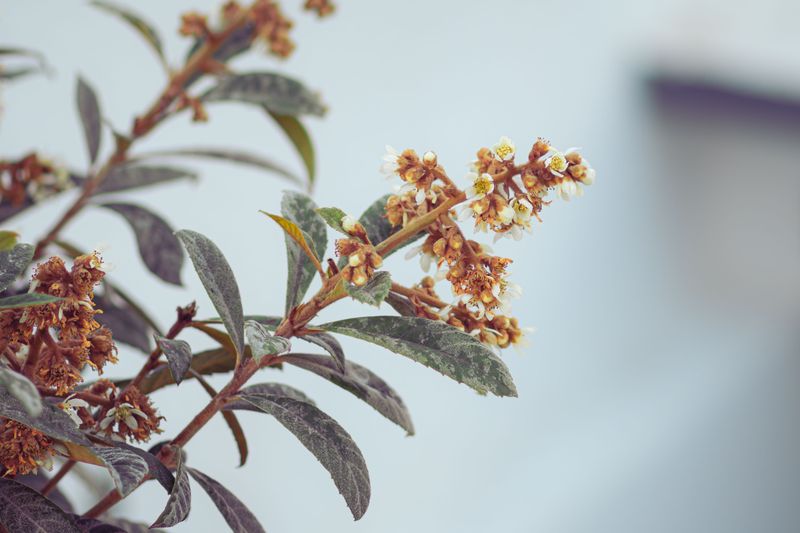
Here is the tricky part about a tree that flowers in fall. The loquat tree itself is pretty tough and can handle temperatures down to around 10 to 15 degrees without much harm. Its flowers and baby fruit, however, are far more delicate.
Open blossoms and young fruit can be damaged by hard freezes, often when temperatures drop into the mid to upper 20s. One cold night can brown the flowers or ruin the tiny fruit inside.
When that happens, you may see little or no harvest the following spring, even though the tree looks perfectly healthy.
Location gives you some control. Plant your loquat in a sunny, sheltered spot, ideally near a south-facing wall.
Brick and stone soak up heat during the day and release it at night, which can keep the air around the tree a few degrees warmer.
Small trees are easy to protect. When a hard freeze is in the forecast, drape frost cloth over the tree, letting it reach the ground to trap warmth from the soil. Remove it once temperatures rise the next day.
Even with good care, expect your crop to change from year to year. Some springs will bring armloads of fruit, while others offer only a handful. That is simply part of growing loquats.
Location within North Carolina matters a lot. Trees near the coast fruit most reliably because the ocean softens winter cold.
Farther inland, loquats often grow into lovely trees but rarely produce a crop, since freezes hit their flowers too often.
6. Thinning Helps Produce Bigger Fruit
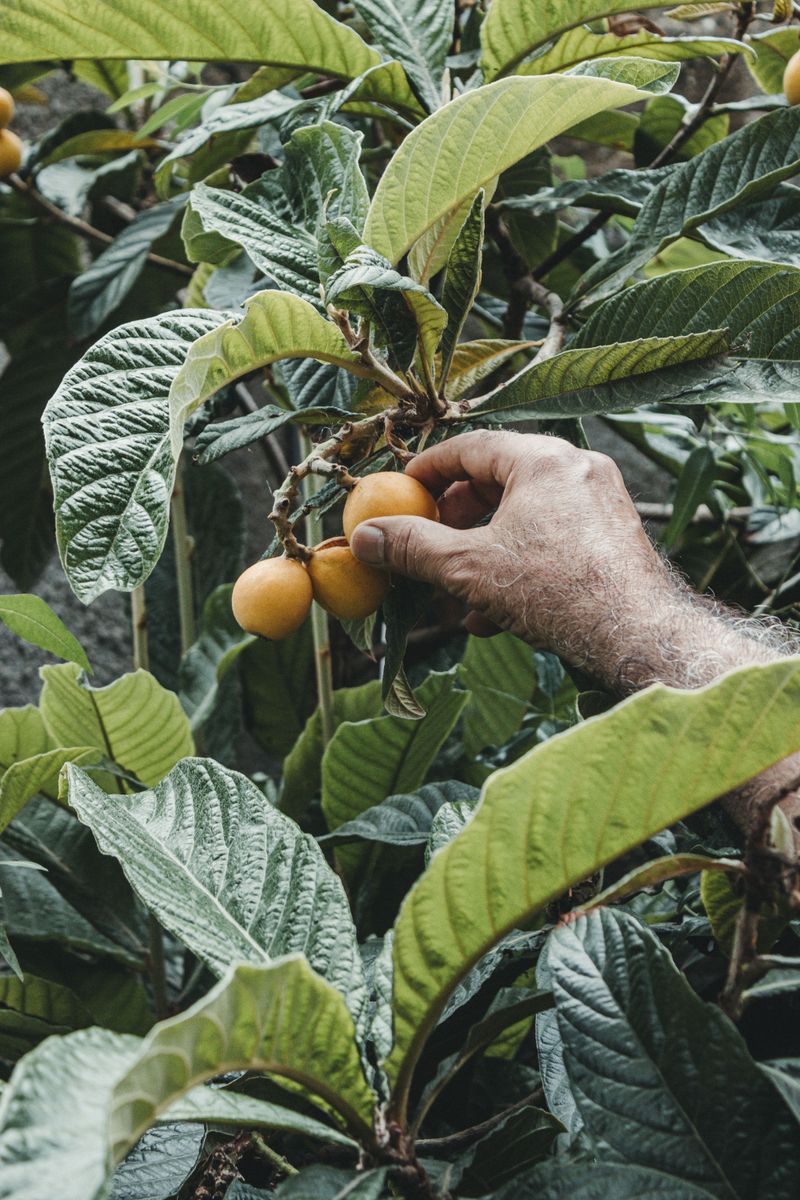
More is not always better, at least when it comes to loquats. A healthy tree often sets far more fruit than it can feed well.
The result can be crowded clusters packed with small, seedy fruit that never reaches its full sweetness.
Thinning fixes that problem. When you remove some fruit early, the tree sends more energy and sugar into the ones that stay.
Growers have used this trick for generations, and in places like Japan, careful thinning helps produce loquats as big as small eggs.
The best time to thin is after fruit sets in winter, once the little green fruits are easy to see. Look at each cluster and pick off the smallest, weakest, or damaged ones.
Keep the healthiest fruit, spaced out along the cluster so they are not pressing against each other.
How many should stay? A good starting point is around four to six fruits per cluster, though you can adjust based on your tree’s size and vigor.
Some gardeners also remove entire clusters on heavily loaded branches to keep the tree balanced.
Water matters, too. Loquats handle drought fairly well, but developing fruit needs steady moisture to swell. During dry spells in late winter and spring, give your tree a deep soaking every week or so.
Coastal gardeners have a lot to gain here. Thinning can make a big difference in both the size and the flavor of your spring harvest. It takes a little time, but the reward is plump, juicy fruit worth bragging about.
7. Harvest When The Fruit Turns Golden
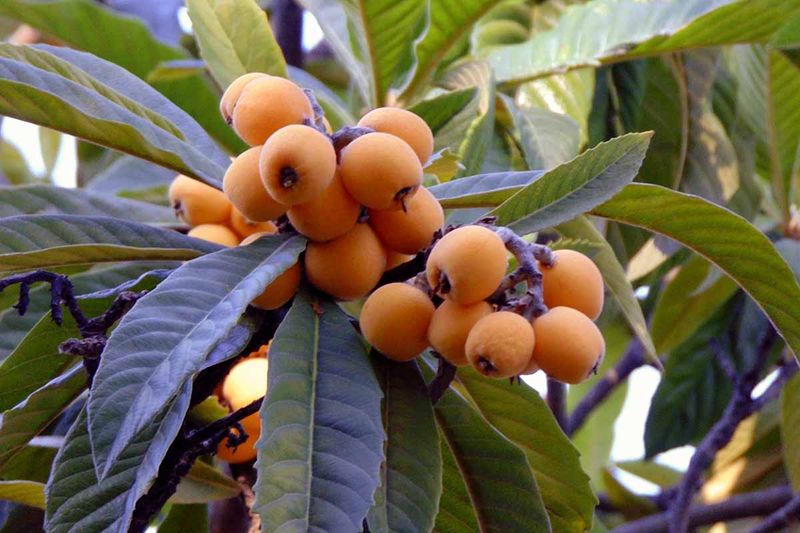
Bite into an unripe loquat once, and you will never rush the harvest again. Early fruit tastes sour and feels hard, almost like a green apple that forgot to sweeten.
A fully ripe loquat, on the other hand, is juicy, tender, and full of flavor that hints at apricot, peach, and citrus.
Color is your best guide. Wait until the fruit turns fully yellow to orange, with no green left near the stem. Give it a gentle squeeze, and ripe loquats will give slightly, much like a ripe peach.
Picking is simple. Clip whole clusters with pruners or snap them off by hand, since individual fruits bruise easily when pulled.
Handle them gently and enjoy them soon, because loquats only keep for a few days at room temperature or about a week in the fridge.
Fresh eating is hard to beat, but you have options. Loquats make wonderful jam, jelly, and pie filling, and they taste great in cobblers or chopped over yogurt. Just remove the large brown seeds before eating or cooking.
While you harvest, look over the tree for fire blight. This bacterial disease turns branch tips black and scorched, almost as if they were burned.
Prune out infected branches at least 8 to 12 inches below the damage, and wipe your pruners with rubbing alcohol between cuts.
Along the North Carolina coast, ripe loquats feel like a small celebration. They arrive just as spring wakes up, offering a sweet reward for all your winter patience.