What To Do With Leftover Halloween Pumpkins In A Georgia Garden
Your Halloween pumpkins have done their job on the porch, but throwing them away isn’t the only option once the decorations come down. Those leftover pumpkins may still have something useful to offer your garden.
The important part is knowing what condition they’re in before deciding where they belong.
In Georgia, November’s cooler weather can make garden cleanup more manageable, and pumpkins can become part of that seasonal routine. However, not every decorated pumpkin is suitable for composting or leaving outdoors.
Paint, candle wax, and signs of decay can all affect what you should do next.
You also need to think about wildlife, especially if your yard regularly attracts animals searching for food.
With a little planning, you can put suitable pumpkin leftovers to good use without creating extra mess or attracting unwanted visitors.
1. Check Your Pumpkins Before Giving Them A Second Life
Not every jack-o’-lantern deserves a spot in your garden. A quick look before you haul anything to the backyard can save you from spreading mold or chemicals around your beds.
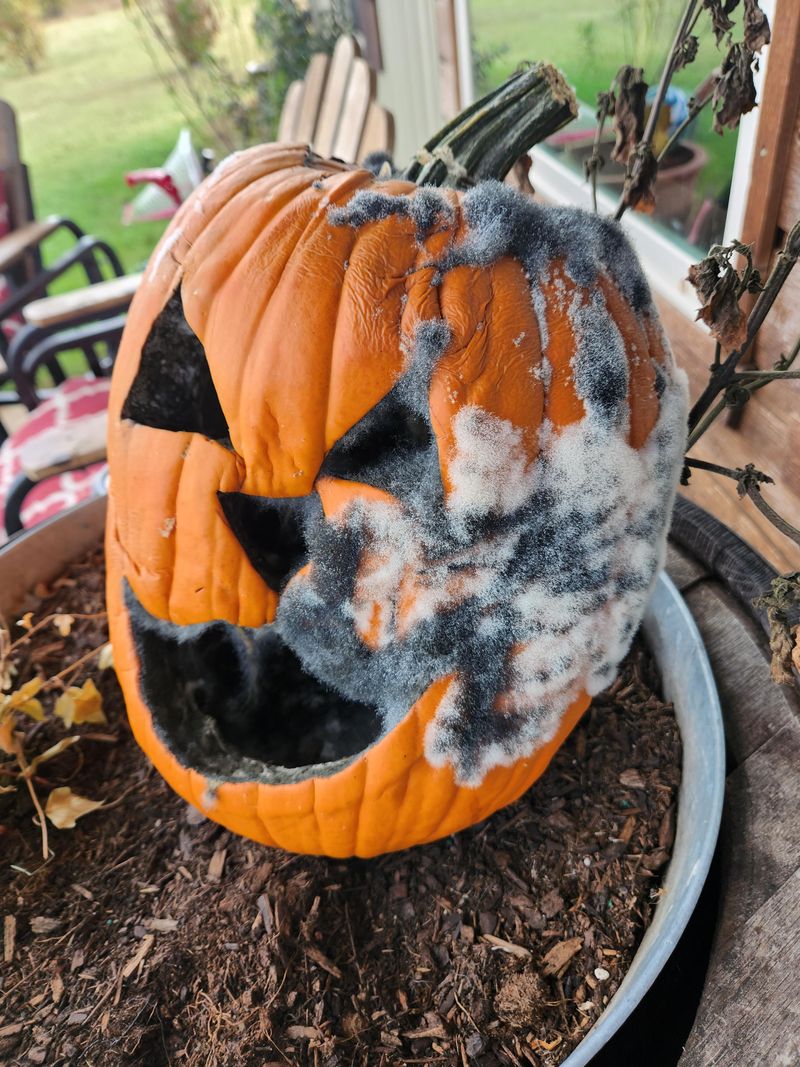
Start by pressing gently on the shell and checking the cut edges for fuzzy growth.
Light soft spots are normal on an older pumpkin, and they usually compost without trouble. Heavy black or slimy mold is a different story, especially if the pumpkin has collapsed.
Paint, glitter, and spray sealants should send that pumpkin straight to the trash.
Coated pumpkins can leave synthetic material behind in your soil, and those coatings do not break down like plant matter. Bleach sprays some people use to slow rotting are another reason to skip a pumpkin.
Warm, humid fall weather in Georgia can make carved pumpkins soften within days, so timing matters. Uncarved pumpkins often last much longer and tend to be the cleanest candidates for reuse.
Sort your pile into three groups before doing anything else.
Clean, sound pumpkins can go toward compost, burying, or seed saving. Lightly softened ones still work fine for compost, while treated or badly decayed ones belong in your regular trash.
Taking five minutes to sort keeps your garden plans simple and safe.
2. Remove Candles And Decorations Before Using Them In The Garden
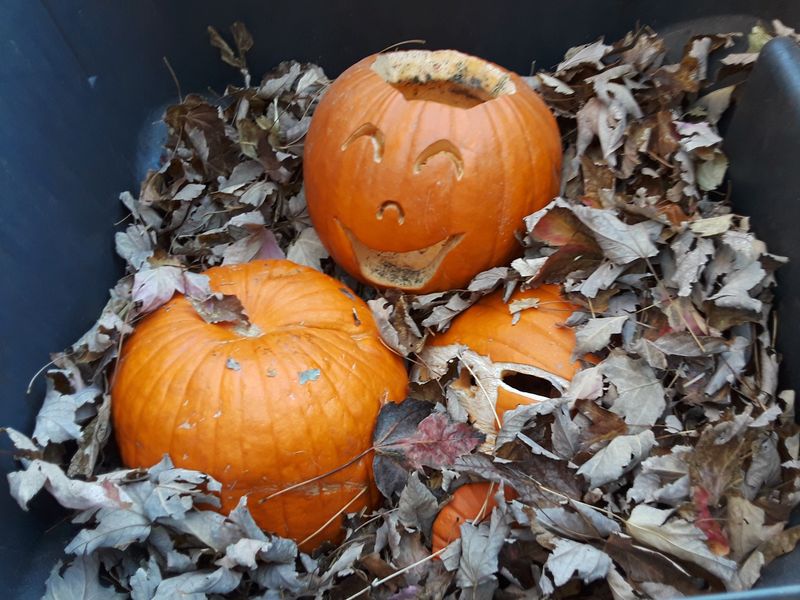
Leftover wax has no business in a compost bin. Carved pumpkins often hide tea lights, wax drips, wire, plastic stems, or battery lights inside, and those pieces are easy to miss.
Tip each pumpkin over and look inside with good light before you start.
Pull out any candles, then scrape away dried wax with a spoon or butter knife. Paraffin wax is made from petroleum, so it is not something you want mixed into garden soil.
Battery-powered lights deserve extra care.
Small batteries can leak or get lost in a compost pile, so check for them twice. Recycle them through a local drop-off program if your Georgia county offers one.
Stickers, googly eyes, pins, and craft foam are easy to overlook on the outside of the shell.
Run your hand over the whole surface and peel off anything that is not pumpkin. Toothpicks used to hold carved pieces together are usually plain wood, but plastic picks should come out.
Got a pumpkin with marker drawings on it?
Most washable markers wipe off with a damp rag, though permanent ink may be harder to remove. If you are unsure what was used, it may be simpler to set that pumpkin aside.
Once everything is stripped away, you are left with plain plant material that is ready for the next step.
3. Chop Clean Pumpkins Into Smaller Pieces For Faster Composting
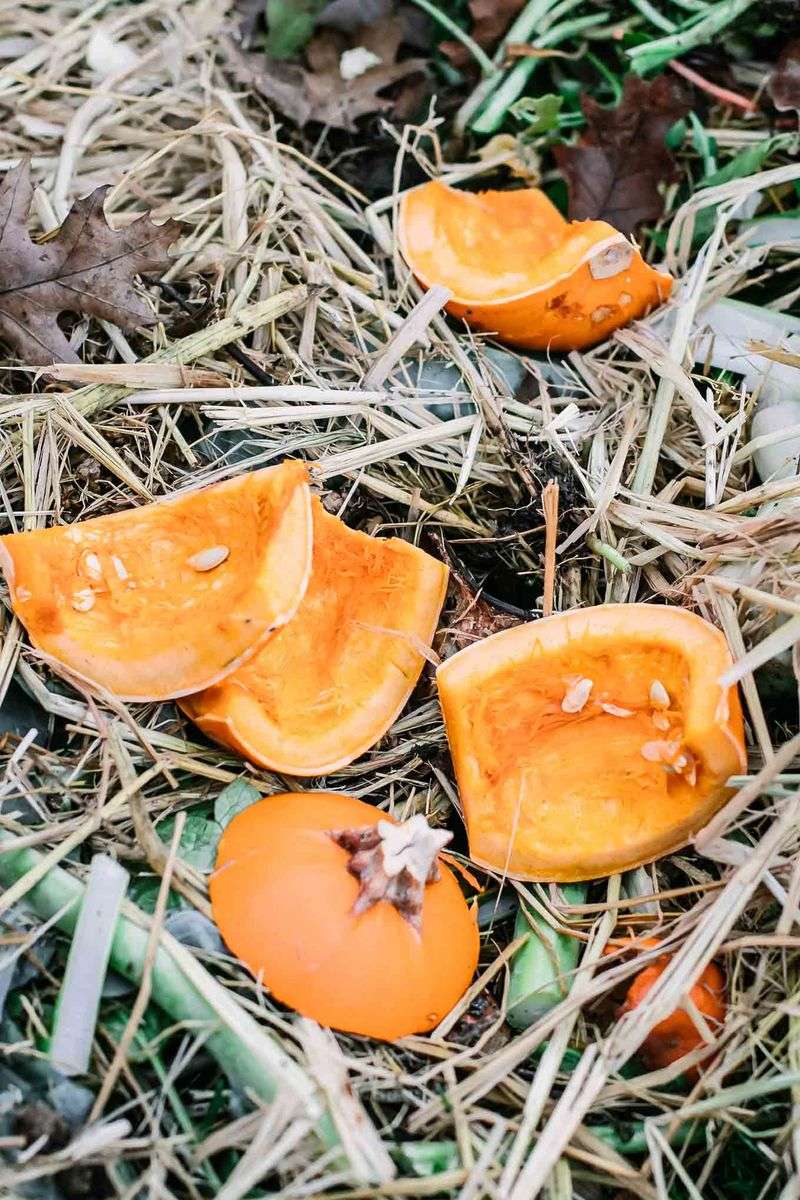
Whole pumpkins break down slowly. A thick rind keeps moisture and microbes out, so a pumpkin tossed in one piece can sit around much longer than you might expect.
Smaller chunks give soil organisms more surface area to work on.
A sharp spade, machete, or sturdy kitchen knife all work, depending on how big your pumpkins are. Lay them on a tarp or flat ground so they do not roll while you cut.
Some folks simply drop a pumpkin on a hard surface and let it crack open.
That trick is fun for kids, but stand back and wear closed shoes in case pieces scatter. Afterward, go back with a tool and cut the large slabs into fist-sized chunks.
Aim for pieces a few inches across rather than perfect cubes.
Remove the seeds first if you plan to save any, or if you want to avoid surprise pumpkin vines popping up next spring. Seeds can survive cool compost piles that never heat up much.
Gloves are a smart idea since older pumpkin flesh gets slippery.
In much of Georgia, fall temperatures stay mild enough for compost microbes to keep working, though activity slows during colder snaps in the northern mountains. Chopping helps make the most of that warm window.
4. Mix Pumpkin Scraps With Dry Leaves To Balance The Compost Pile
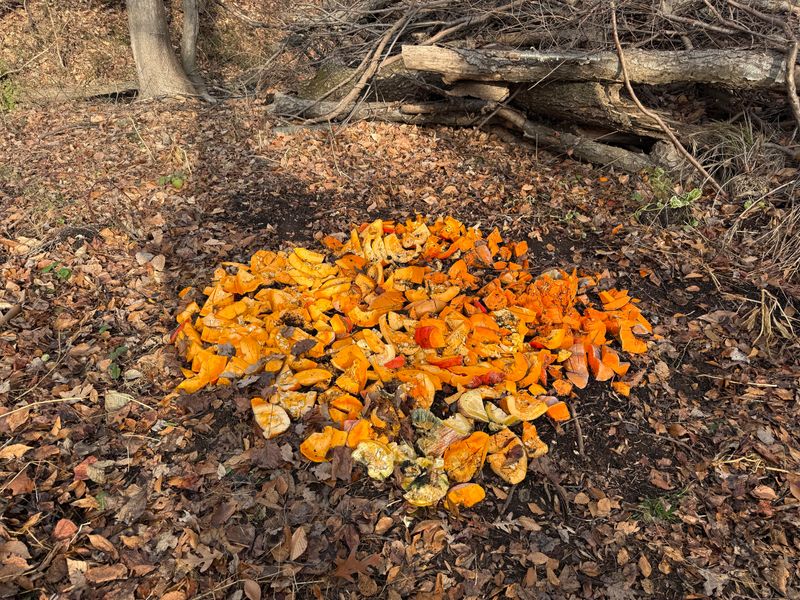
Pumpkin by itself turns into mush. Its flesh is mostly water, so a pile full of nothing but pumpkin can get soggy, smelly, and slow.
Dry leaves fix that problem nicely.
Compost works best with a mix of moist green material and dry brown material. Pumpkin counts as green, while fallen leaves, shredded paper, and straw count as brown.
Late fall is handy timing, since oaks, maples, and sweetgums drop plenty of leaves across Georgia around the same time pumpkins pile up.
Spread a layer of chopped pumpkin, then cover it with a thicker layer of leaves. Many gardeners use roughly two or three parts brown to one part green, though exact ratios are flexible.
Covering the pumpkin with leaves also helps hide odors that can attract flies, raccoons, or neighborhood dogs.
Turn the pile every week or two with a pitchfork to add air. If it looks wet and smells sour, toss in more leaves, and if it feels dry, sprinkle on a little water.
Shredding leaves with a mower first helps them break down faster.
How long everything takes depends on your pile size, moisture, and weather. Some piles may be ready by spring, while others need more time before the compost looks dark and crumbly.
5. Save Seeds From Healthy Pumpkins For Next Year’s Planting
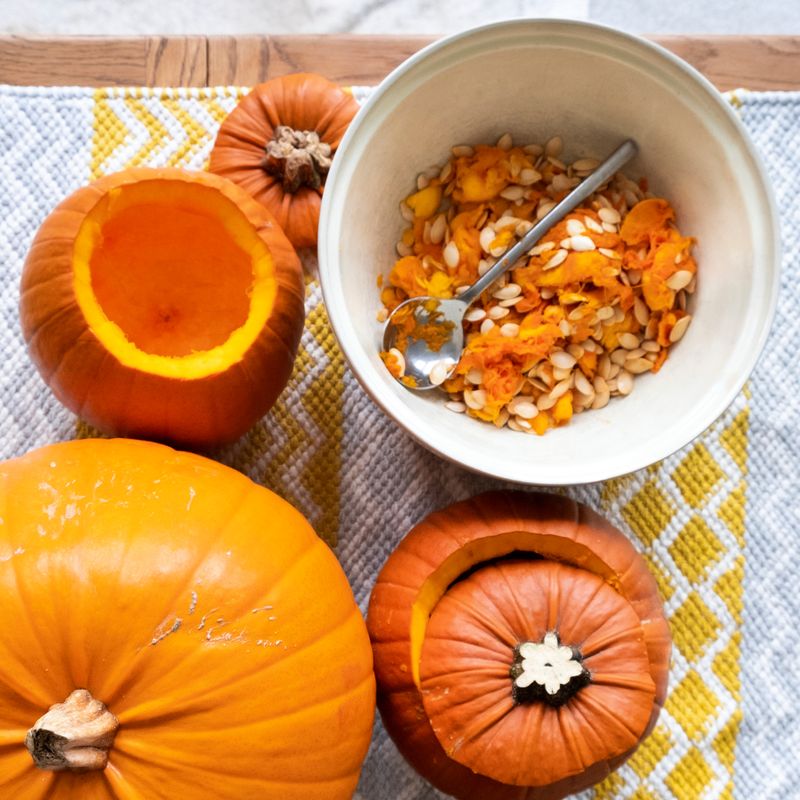
Free seeds are sitting right inside that pumpkin. Still, what grows from them next year may surprise you.
Pumpkins cross-pollinate easily with other squash in the same species, and many store-bought pumpkins are hybrids. Plants grown from saved seed may look different from the parent, with odd shapes, colors, or sizes.
Treat seed saving as an experiment rather than a sure thing.
Pick seeds from a firm, fully ripe pumpkin that was not carved early and left to rot. Scoop them out, rinse off the stringy pulp, and toss any thin or flat seeds.
Spread the good seeds in a single layer on a paper towel or screen.
Let them air dry for about a week or more, turning them now and then. They should feel hard and dry before storage, or they may mold.
Store dried seeds in a paper envelope in a cool, dry place.
Label the envelope with the pumpkin type and the year. Seeds stored well often stay usable for a few years, though germination tends to drop over time.
In Georgia, pumpkins are usually planted in summer so they mature by fall, with timing varying from the mountains to the coastal plain. Check your local UGA Extension office for planting dates that fit your area.
6. Bury Small Pieces In An Empty Bed To Let Them Break Down
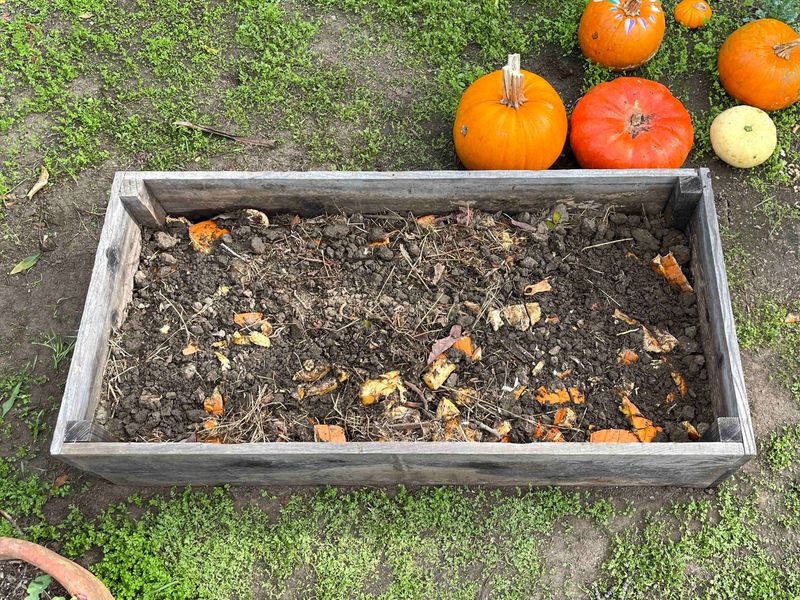
No compost bin? No problem.
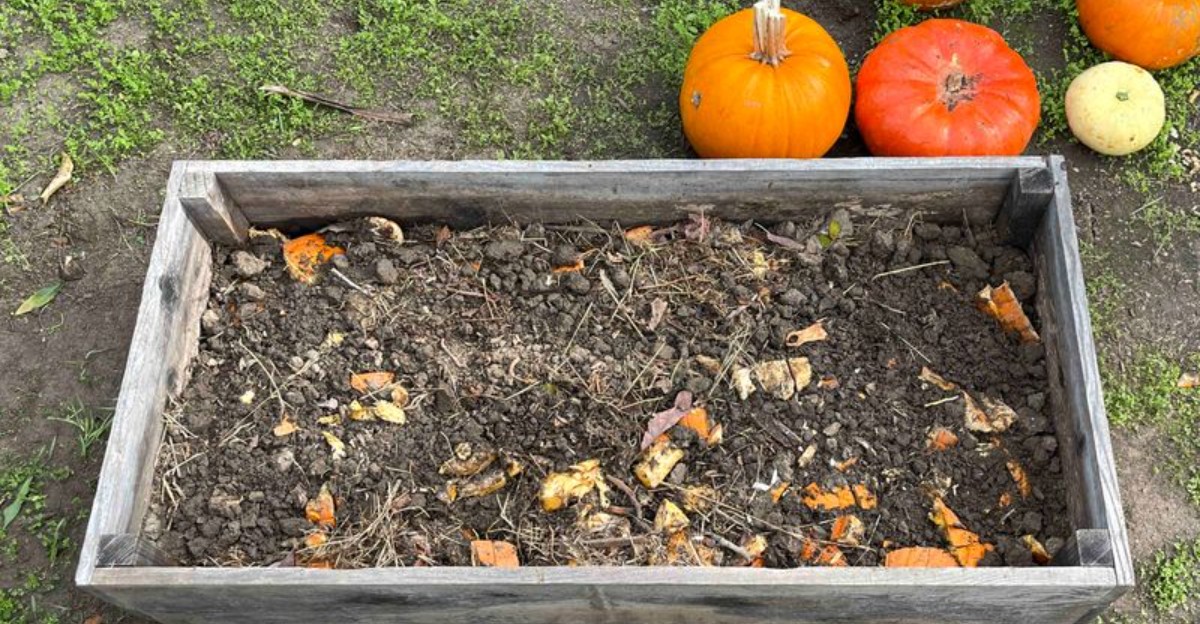
Burying pumpkin pieces directly in an unused garden bed is an old method often called trench composting.
Pick a bed that will sit empty through winter.
Dig a trench or hole roughly a foot deep, drop in chopped pumpkin, and cover it with soil. Burying it that deep helps keep smells down and makes it harder for animals to dig it up.
Skip beds where fall crops like collards, kale, or garlic are already growing.
Fresh, decomposing material can tie up some soil nitrogen for a while, and digging near roots can disturb plants. An empty spot keeps things simple.
Georgia’s red clay soils can benefit from added organic matter over time.
One season of pumpkin will not transform heavy clay, but steady additions year after year can help improve texture. Results vary with soil type, rainfall, and how much material you add.
Leave seeds out of the trench unless you do not mind volunteer vines popping up in spring.
Mark the spot with a stake so you remember where you buried everything. By planting time, much of the pumpkin may have broken down, though bigger chunks can take longer in cooler or drier soil.
7. Keep Rotting Pumpkins Away From Lawns And Garden Plants
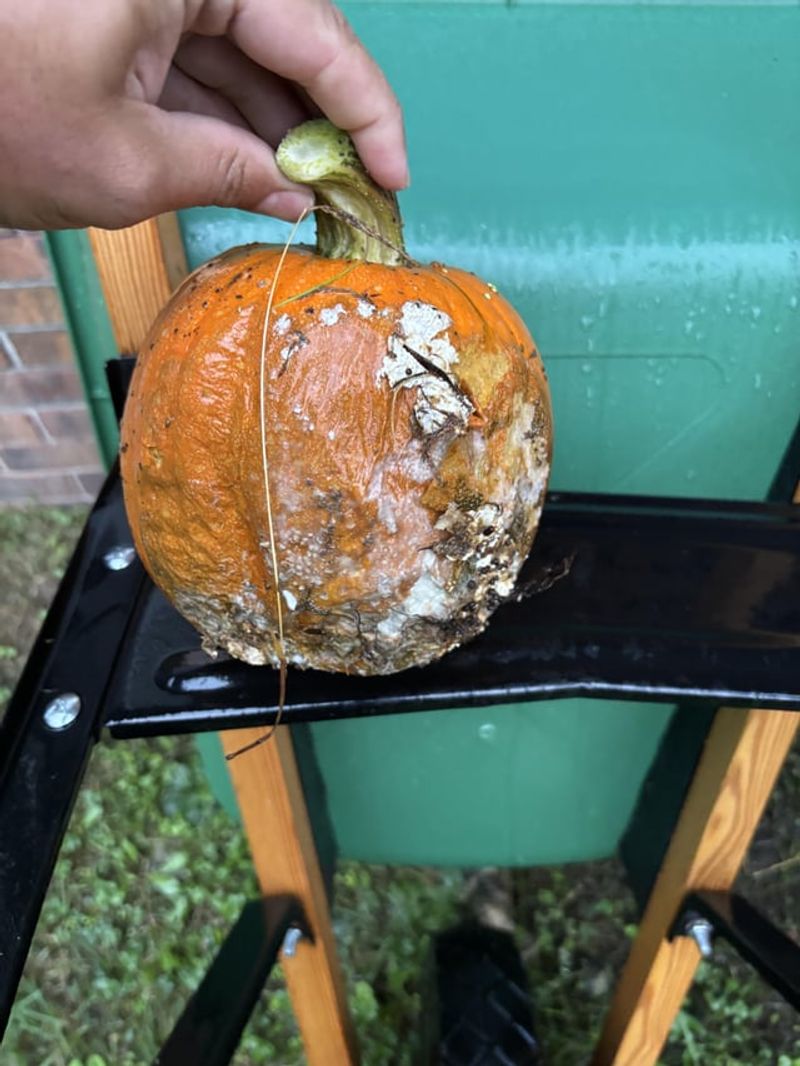
Leave a soft pumpkin on the grass for a few weeks and you may find a sad yellow patch underneath. A heavy, wet mass blocks sunlight and air from the turf below.
Lawns are better off without them.
Collapsed pumpkins also hold moisture against plant stems and roots. That damp, decaying spot can encourage fungi and attract slugs or other pests that may move onto nearby plants.
Wildlife is another reason to be thoughtful about placement.
Squirrels, raccoons, opossums, and deer may nibble on pumpkins left in the open. Some people enjoy that, but it can also draw animals closer to your garden beds and porch.
Instead of setting pumpkins on the lawn, move them to a compost area, bury them, or bag them for pickup.
If you want to leave one for wildlife, place it away from your home, vegetable beds, and ornamental plants. Remove it once it turns to mush so it does not linger.
Fall in Georgia often brings warm afternoons, so pumpkins can break down quickly in sunny spots.
Check your yard weekly after Halloween and pick up anything that is sinking or leaking. A little attention now keeps your grass and plants healthier as the season winds down.