The Fast-Growing Pennsylvania Trees That Turn Into Expensive Problems Within Ten Years
Most homeowners want shade fast. So when a nursery tag promises a tree that can shoot up several feet a year, it’s hard to resist.
Plant it now, and in a few seasons, you’ll have a tall, leafy canopy shading the house. At least, that’s the idea.
The problem is that many of the fastest-growing trees cut corners. Their wood is often weak and brittle, so branches crack during ice storms and heavy winds.
Some have aggressive roots that lift sidewalks, crack driveways, and invade sewer lines. Others spread seeds everywhere, sprout unwanted seedlings across the yard, or fall victim to pests and diseases far sooner than expected.
By year ten, that quick shade can turn into costly tree removal, broken pipes, or storm damage on the roof.
Before you plant, it’s worth knowing which speedy trees are more trouble than they’re worth.
1. Bradford (Callery) Pear
Every April, whole streets in Pennsylvania turn snowy white with Bradford pear blossoms. For a week or two, the show is lovely. Then the trouble starts to creep in.
Back in the 1960s and 1970s, builders planted these trees everywhere. They grew fast, had a neat shape, and seemed tough.
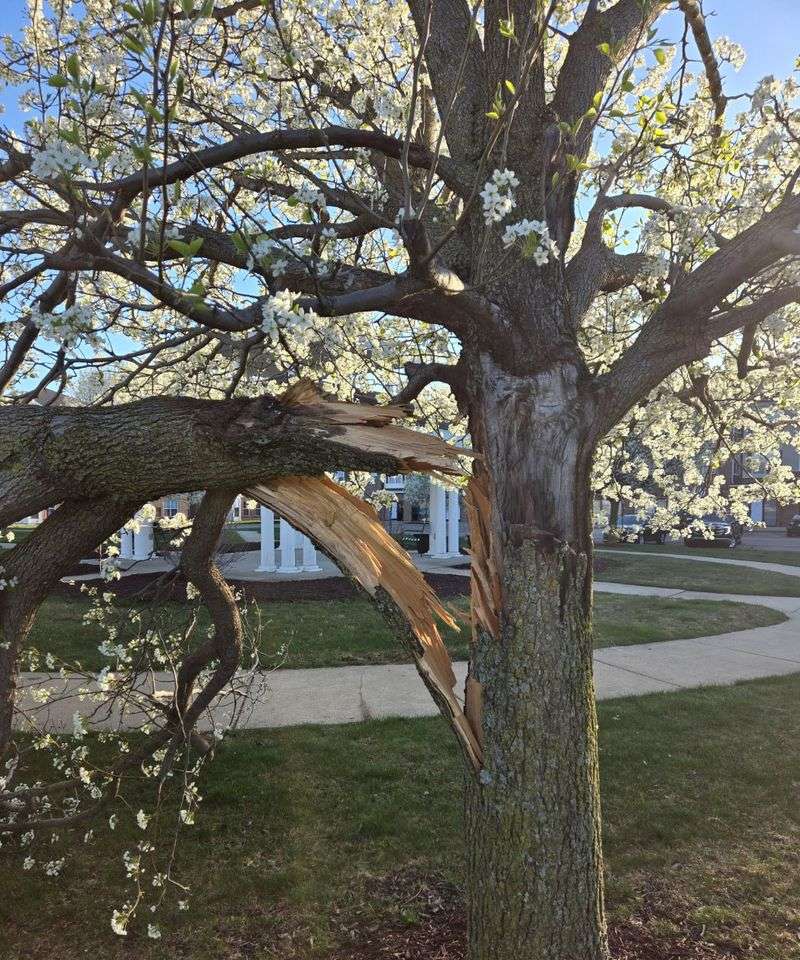
What nobody noticed was the way the branches grow. Many limbs sprout from the trunk at tight, narrow angles. As the tree gets heavier, those weak joints can’t hold on.
Around year ten to fifteen, a strong wind or heavy snow can rip the tree in half. Branches crash onto cars, fences, and roofs. Cleanup and removal often cost $500 to $1,500, and that’s before any repair bills.
There’s another problem, too. Bradford pears cross with other Callery pear types and make fruit that birds love. Birds spread the seeds into fields and woods. The wild trees grow thorny thickets that crowd out native plants.
Pennsylvania took action. The state added Callery pear to its noxious weed list and has been phasing out its sale. Nurseries can no longer offer it as a new landscape tree.
So what should you do if you already have one? Watch for cracks where big limbs meet the trunk. Have an arborist check it if it’s close to your house. Many owners decide to replace it before a storm decides for them.
Looking for spring flowers instead? Try a native serviceberry, eastern redbud, or flowering dogwood. You’ll get pretty blooms, food for birds, and far stronger branches. Your neighbors and your wallet will both thank you.
2. Silver Maple
Silver maples can add two or three feet of height a year. That kind of speed makes them tempting when your yard looks bare. Yet speed has a price, and this tree charges it in full.
The wood is soft and brittle. Ice storms are especially rough on it. Pennsylvania winters often coat branches in a thick glaze, and silver maple limbs snap under the weight.
Summer thunderstorms do the same thing. You may find yourself raking up sticks and branches after almost every windy day.
Below the ground, things get even messier. The roots stay close to the surface and spread wide.
They lift sidewalks, crack driveways, and bump up lawns so mowing becomes a chore. Worst of all, they hunt for water. Old clay sewer pipes with tiny cracks are an easy target.
Once roots get inside a sewer line, you may notice slow drains or backups in the basement. A plumber can clear roots for a few hundred dollars. Replacing a damaged line can cost several thousand.
Already have one? Keep it pruned by a certified arborist every few years. Thinning the crown lets wind pass through and lowers the chance of breakage. Ask a plumber to scope your sewer line if the tree sits within 30 feet of it.
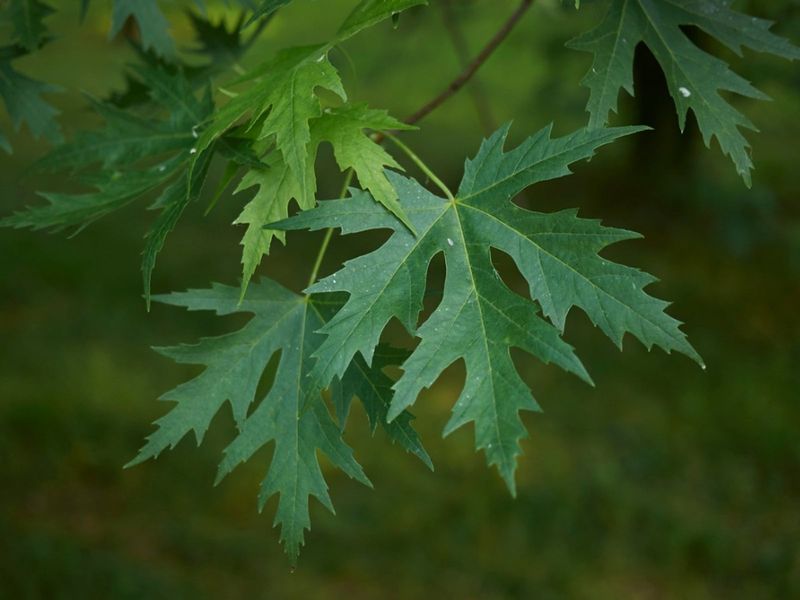
Fun fact: silver maples got their name from the shiny silvery undersides of their leaves. When a breeze flips them, the whole tree seems to shimmer.
If you want a maple, pick red maple, sugar maple, or a strong hybrid. They grow a little slower but stay much sturdier.
3. Tree Of Heaven
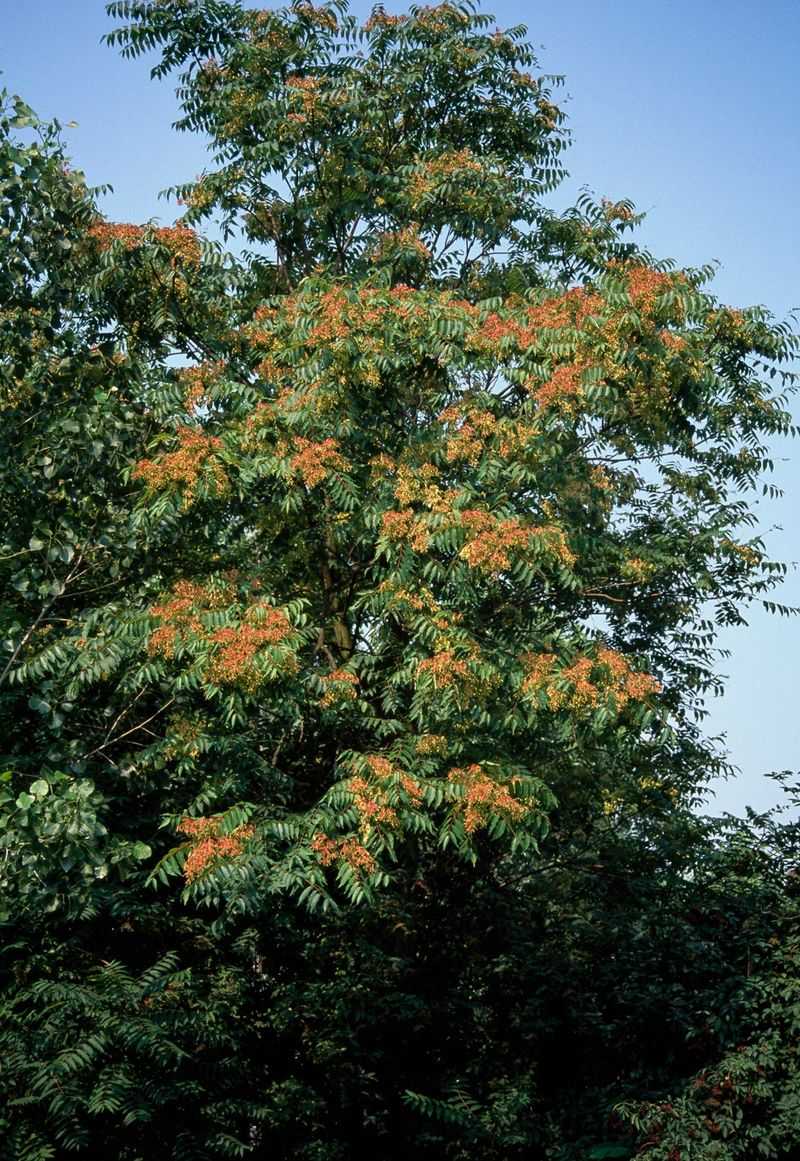
Don’t let the pretty name fool you. Many Pennsylvania gardeners call this tree something far less polite. It’s one of the toughest invaders in the whole state.
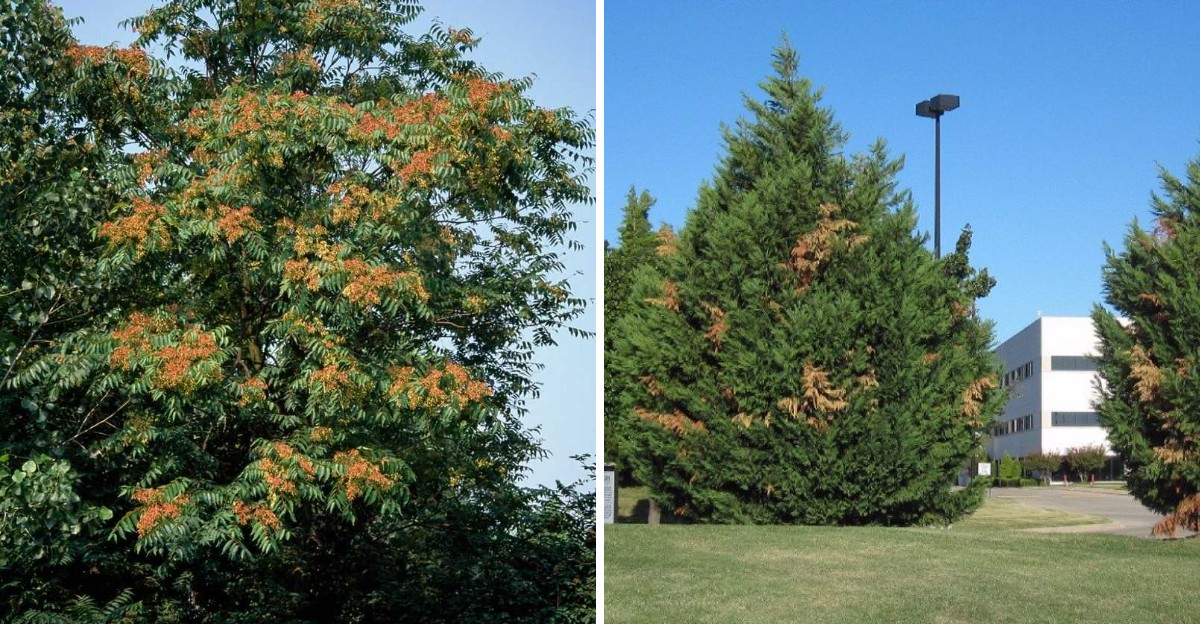
Tree of heaven came from China and arrived in America in the 1700s. It can grow up to six feet in a single season.
It pops up in cracks, along fences, and right next to foundations. One female tree can drop hundreds of thousands of seeds each year.
Its roots are just as busy. They send up new shoots far from the main trunk. Before long, one tree turns into a whole grove. The leaves also have a strong, unpleasant smell when crushed, kind of like burnt peanut butter.
Here’s the bigger worry. Spotted lanternflies love this tree more than almost any other plant.
Pennsylvania was the first state hit by the lanternfly, and tree of heaven helps the pest multiply. Lanternflies then spread to grapevines, maples, and fruit trees.
Getting rid of it is tricky. If you just cut it down, the roots panic and send up dozens of new sprouts. You end up with a bigger mess than before.
The best approach usually involves treating the tree with a targeted herbicide first, often in summer or early fall. Wait for it to weaken, then cut it. Penn State Extension offers free guides that explain the steps clearly. Hiring a pro is smart for big trees near buildings.
Spot a young sapling? Pull it while it’s small and the soil is damp. Getting the whole root out early saves you a lot of work later.
4. Leyland Cypress
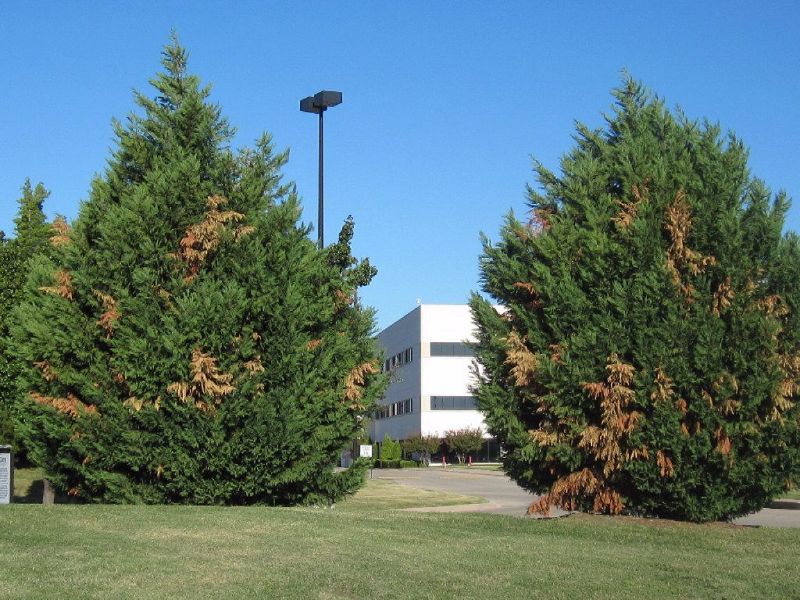
Picture-perfect privacy in three years. That’s the promise many garden centers make about Leyland cypress. For a little while, the promise holds true.
Homeowners often plant a neat row of these evergreens along a property line. They grow three feet or more each year. Soon the neighbors vanish behind a thick green wall. Everyone is happy, at least at first.
The problem is that Leylands don’t know when to stop. Many people expect a 15-foot hedge. In reality, these trees can reach 60 feet tall and 15 feet wide.
They swallow small yards, shade out gardens, and push into power lines. Trimming a giant hedge every year gets expensive fast.
Disease is the next headache. Leylands are prone to canker diseases, especially when planted too close together or stressed by drought.
Cankers cause branches to turn brown and drop needles. One sick tree can leave a big ugly gap in your screen.
Pennsylvania winters add more stress. Heavy wet snow and ice bend and split the soft branches. Trees can lean or even tip over in soggy soil.
Got a row already? Space matters. Remove crowded trees so air can move. Water deeply during dry spells and prune out brown branches with clean tools. Avoid shearing into old bare wood, since it rarely grows back.
Planning a new screen? Mix things up. A blend of American arborvitae, eastern red cedar, and native hollies looks natural and resists disease better. If one plant struggles, the others keep the wall full.
5. Lombardy Poplar
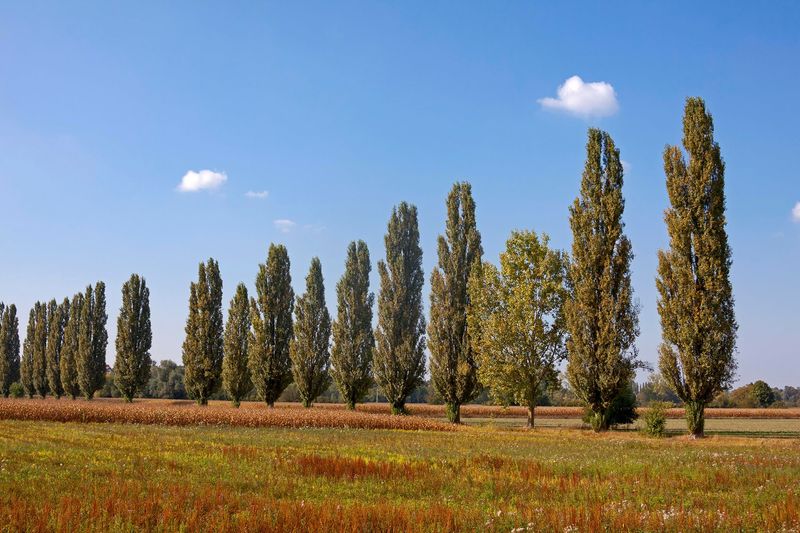
Tall, skinny, and dramatic, Lombardy poplars look like green exclamation points lined up along a driveway. Old farms across Pennsylvania still have rows of them. Their quick climb skyward made them a favorite windbreak.
Honestly, though, these trees are sprinters, not marathon runners. They can grow six feet a year, but they rarely live long. Most start looking rough after 10 to 20 years. Some fail even sooner.
The main reason is a fungal canker disease. It attacks the bark and blocks the flow of water. Branches turn brown from the top down. Soon you have a row of half-bare trees with dry spikes poking into the sky.
Every Lombardy poplar is basically a clone of the same tree. They all share the same weakness, so when one gets sick, the rest usually follow. A whole windbreak can fail in just a few seasons.
Removing a tall dry poplar isn’t cheap. Crews may need a bucket truck, especially near homes or wires. Costs often run $400 to $1,200 per tree. Their roots also send up suckers, so new sprouts may keep popping up in your lawn.
Here’s a quirky history bit. These trees were named after the Lombardy region of Italy, where they became popular centuries ago. Thomas Jefferson even planted them in Washington, D.C.
Want a narrow, columnar look without the drama? Try a fastigiate English oak, a columnar hornbeam, or a slender type of red maple. They grow slower but stand strong for decades, which saves you money in the long run.
6. Weeping Willow
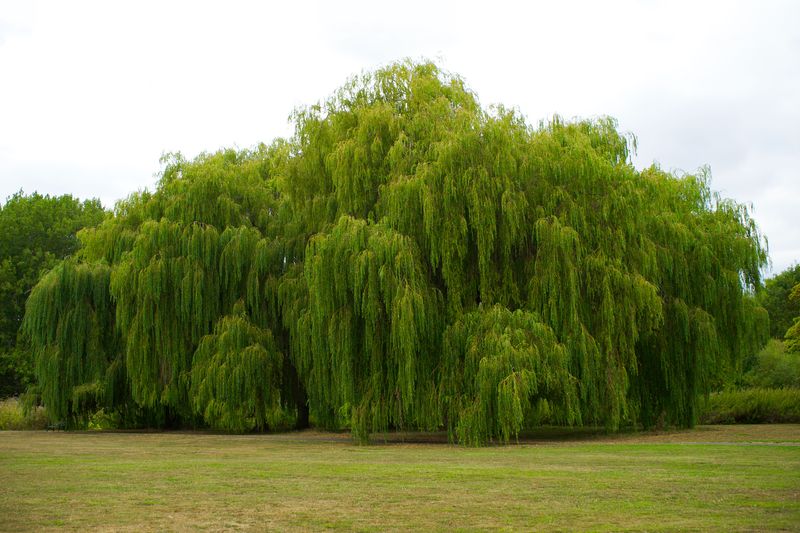
Few trees feel as dreamy as a weeping willow. Long branches sway like curtains over a pond. It’s the kind of tree you see in storybooks and wedding photos.
Still, that beauty comes with a lot of upkeep. Weeping willows grow up to ten feet a year when they have plenty of water. That fast growth leaves the wood soft and weak. Twigs and branches fall constantly, even on calm days.
After a storm, you may spend an afternoon hauling armloads of sticks to the curb. Bigger limbs can damage roofs, gutters, and cars parked underneath. The leaves also drop early and clog gutters and pool filters.
The roots are the real troublemakers. Willows are incredibly thirsty. Their roots travel far, sometimes 50 feet or more, looking for moisture.
Septic systems, water lines, and sewer pipes are perfect targets. Root damage to a septic field can cost thousands to fix.
So where do willows belong? Plant them far from your house, at least 50 feet away from pipes, wells, and septic tanks. A wet corner of a large property or the edge of a pond works best. They actually help soak up soggy ground there.
Already have one near the house? Schedule regular pruning to remove dry and weak branches. Keep an eye on slow drains, and ask a plumber to inspect lines if problems pop up.
Love the graceful look but have a small yard? Consider a weeping cherry or a weeping redbud. Both offer flowing shapes on a much more manageable scale.
7. Green Ash
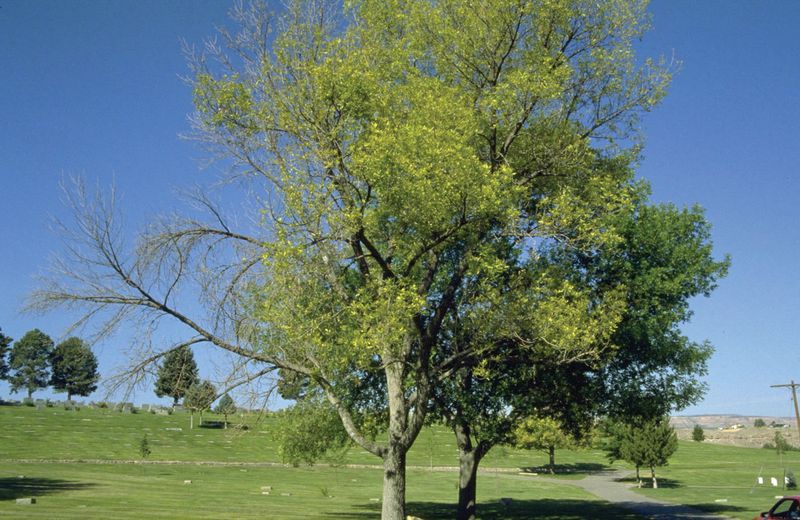
Thirty years ago, green ash seemed like the perfect shade tree. It grew fast, handled tough city soil, and turned a pretty yellow in fall. Towns all over Pennsylvania lined their streets with it.
Then a tiny green beetle changed everything. The emerald ash borer arrived in Pennsylvania around 2007. It’s smaller than a penny, but it has wiped out huge numbers of ash trees across the state.
The larvae tunnel under the bark and cut off the tree’s water and food supply. Signs include a thinning top, small D-shaped holes in the bark, and woodpeckers pecking a lot. Once infested, a tree can decline in just two to four years.
Here’s the scary part. Ash trees that lose their health turn dry and brittle very quickly. Big limbs can snap without warning.
Tree crews often charge more to remove them because climbing a weak ash is risky. Removal of a large tree can easily top $1,500.
Is there any hope? Yes, if you act early. Healthy ash trees can be protected with insecticide treatments, usually given every one to three years by a certified arborist. Treatment often costs less than removal, especially for big, valuable trees.
If your ash already has lost more than half its canopy, removal is usually the safer bet. Don’t wait until a storm brings it down.
When replanting, choose variety. Native options like swamp white oak, Kentucky coffeetree, and black gum stay strong and resist pests. Planting different species protects your yard if another bug comes along someday.