Why Georgia Gardeners May Want Pine Straw Instead Of Wood Mulch Around Shrubs
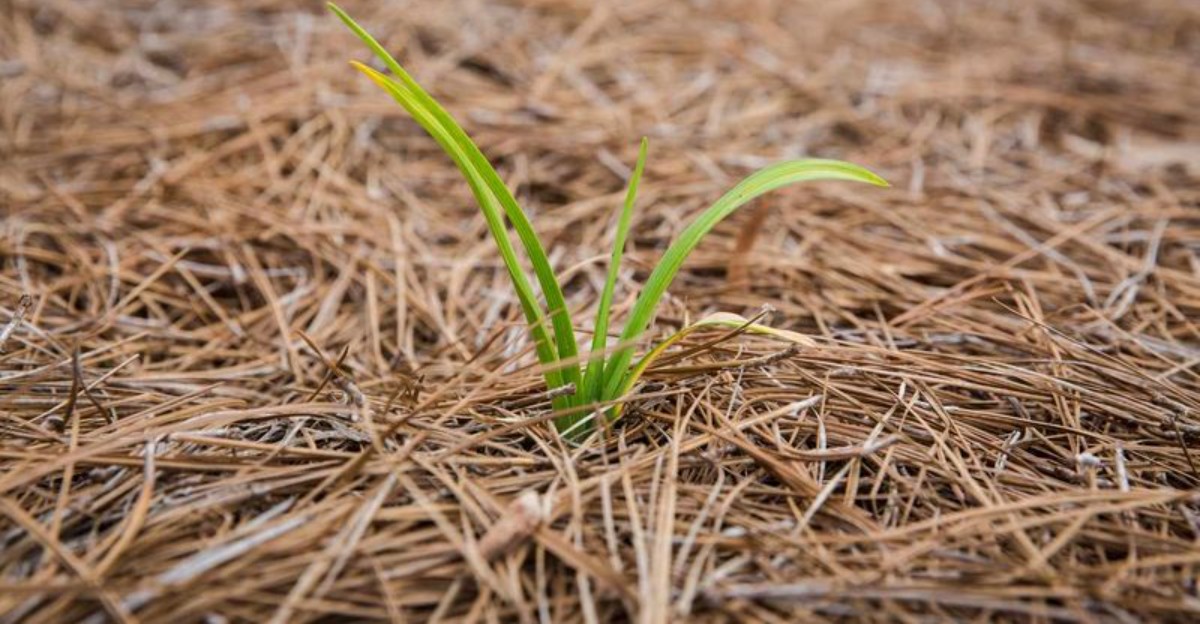
Pine straw has been a familiar sight around Southern shrubs for generations, yet wood mulch often gets chosen without much thought about how the two compare. Both can protect the soil, but they behave differently once spread around established plants.
For Georgia homeowners dealing with sloped beds or heavy clay, those differences can be worth considering.
Pine needles settle into a loose, interlocking layer that tends to stay in place during rainfall. Wood chips offer their own advantages, although their weight, size, and texture can affect how they perform.
Neither material is automatically the better choice for every shrub.
Consider how water moves through your planting beds and how often you want to refresh the mulch. The right choice should suit your soil, landscape, and maintenance routine.
Sometimes a familiar Southern material is exactly what a shrub bed needs.
1. The Right Mulch Can Make A Big Difference Around Shrubs
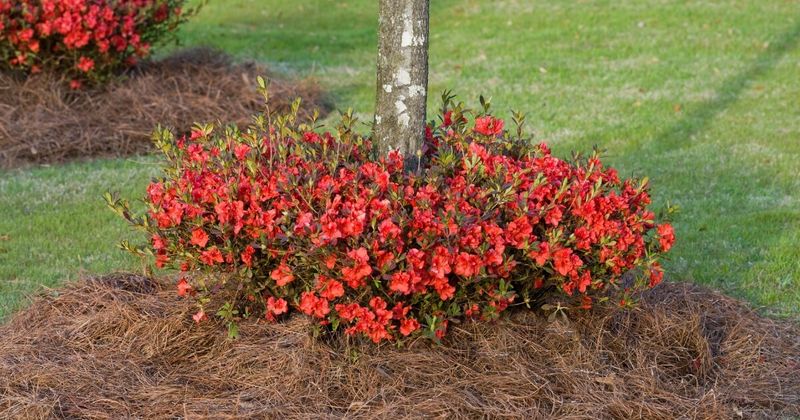
Bare soil under shrubs rarely stays happy for long. Sun bakes it, rain splashes it, and weeds move in faster than most of us would like.
A good layer of mulch helps with all three of those problems at once.
Here in Georgia, summer heat can dry out the top few inches of soil quickly. Mulch acts like a light blanket that slows that moisture loss and keeps roots a bit cooler on hot afternoons.
Weed control is another big reason gardeners reach for mulch. A layer a few inches deep blocks light from many weed seeds, though some stubborn weeds may still push through.
Organic mulches like pine straw and wood chips also slowly break down over time.
As they decay, they add organic matter to the soil surface, which can gradually improve soil structure. Results depend on your soil type, so heavy clay may take longer to show any change.
Choosing between pine straw and wood mulch is less about right and wrong and more about fit.
Think about how your beds slope, how low your shrubs grow, and how often you want to refresh things. Those details matter more than following what the neighbors use.
Each of the next sections looks at one of those practical factors, so you can match the material to your actual yard.
2. Interlocking Needles Help Hold Mulch On Gentle Slopes
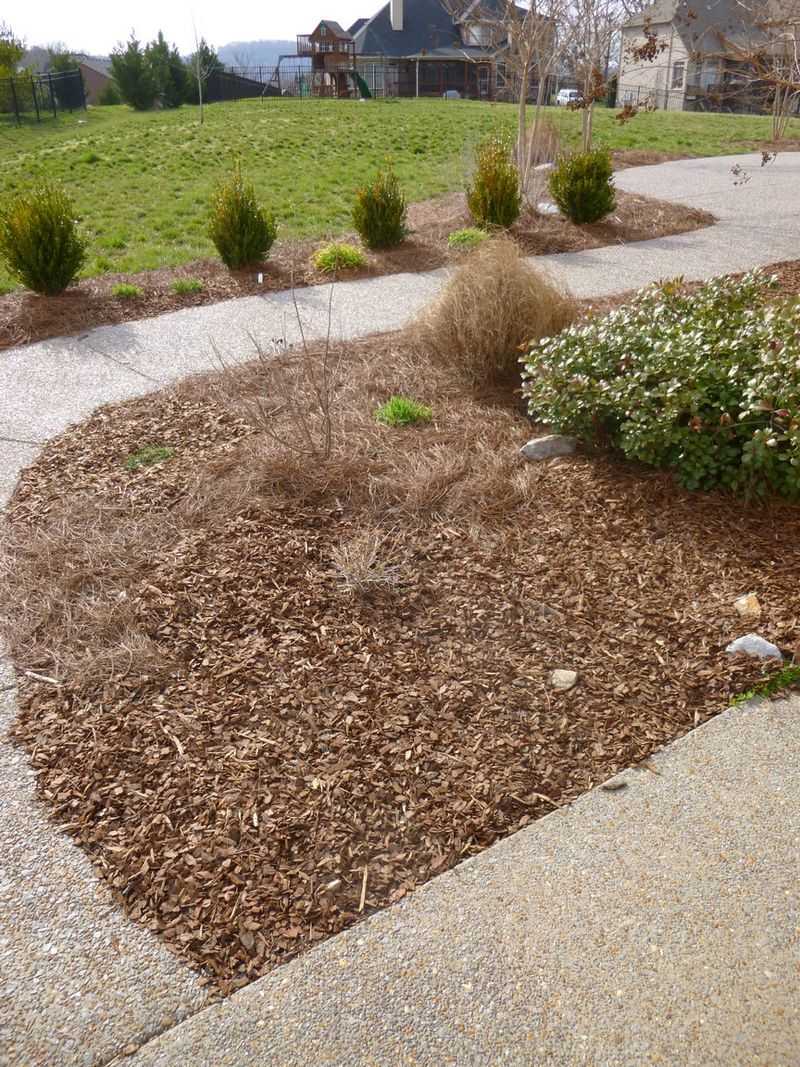
Ever watched a summer downpour carry your mulch down the driveway? Anyone gardening on a slope has probably cleaned up that mess at least once.
Pine straw tends to handle gentle slopes better than many wood mulches.
Long needles overlap and knit together as they settle. That loose mat can resist sliding and washing more than small, rounded bark pieces, which may float and drift in heavy rain.
Hilly yards are common across north Georgia, and red clay soil can shed water fast during storms.
A settled layer of needles helps slow runoff a little and protects bare soil from splashing raindrops. That may reduce some surface erosion, though it will not fix serious drainage problems.
Steep banks are a different story.
Your Georgia Garden Changes Every Week. Your Plan Should Too.
Gardening in Georgia changes quickly throughout the season. Every Friday you’ll receive a simple weekly plan showing exactly what to plant, prune, fertilize, harvest, and protect so you never miss the right timing.
On very steep ground, pine straw can still slip, especially right after it is spread. Ground covers, erosion control matting, or terracing may work better there, and it may help to ask your local Extension office for advice.
Spreading tips can improve your results on mild slopes.
Lay the straw a bit thicker at first, since it settles down over a few weeks. Tucking the edges under along the downhill side can also help keep things in place.
Shredded hardwood mulch is another option worth trying, since its stringy pieces also lock together better than chunky nuggets.
3. Low Branches Make Lightweight Materials Easier To Spread
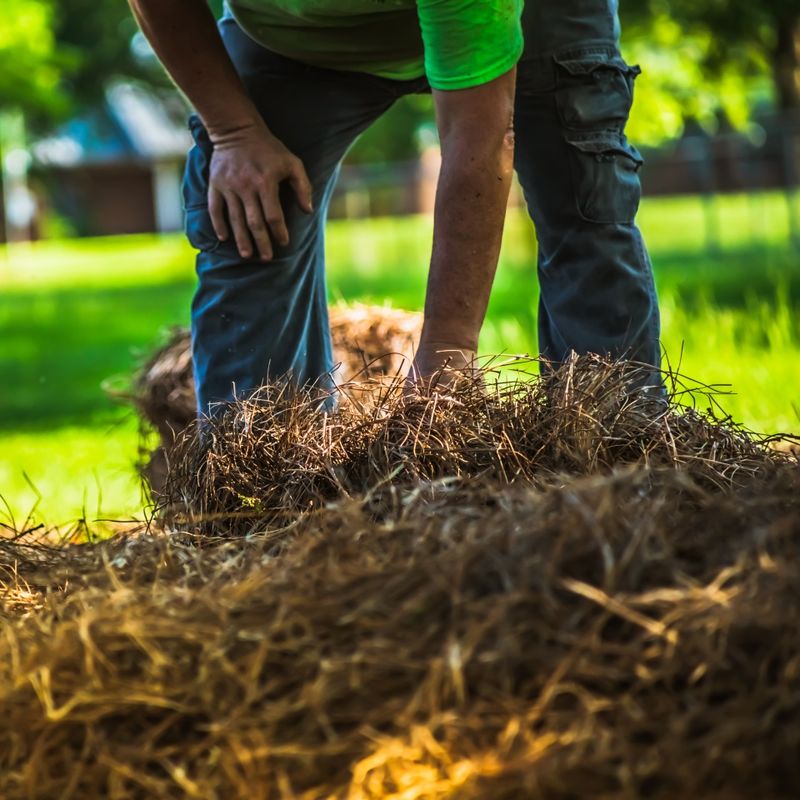
Crawling under a low azalea with a heavy bucket of wood chips is nobody’s idea of a fun Saturday. Dense shrubs with branches near the ground can make mulching awkward.
Pine straw makes that job a lot easier.
A bale is light enough to carry around the yard with one arm. You can pull loose handfuls and slide them under drooping branches without dumping material all over the leaves.
Wood mulch usually comes by the bag or by the truckload, and it gets heavy fast.
Scooping it under tight shrubs often means chips land on foliage and need shaking off. That extra cleanup adds time, especially in a big landscape bed.
Georgia yards are full of low, spreading shrubs like azaleas, dwarf yaupon holly, and gardenias, so this point comes up a lot.
For gardeners with sore backs or knees, a lighter material can make the work more manageable. Bales are also simple to store in a garage or shed until you need them.
One small tip goes a long way. Fluff each handful as you spread it so the needles lie loose rather than in a thick clump.
Wood mulch still has its place in open beds where you can easily reach the soil.
Many gardeners mix approaches, using straw under crowded shrubs and wood mulch in wide, open areas.
4. Rainwater Can Pass Through A Loose Layer Of Needles
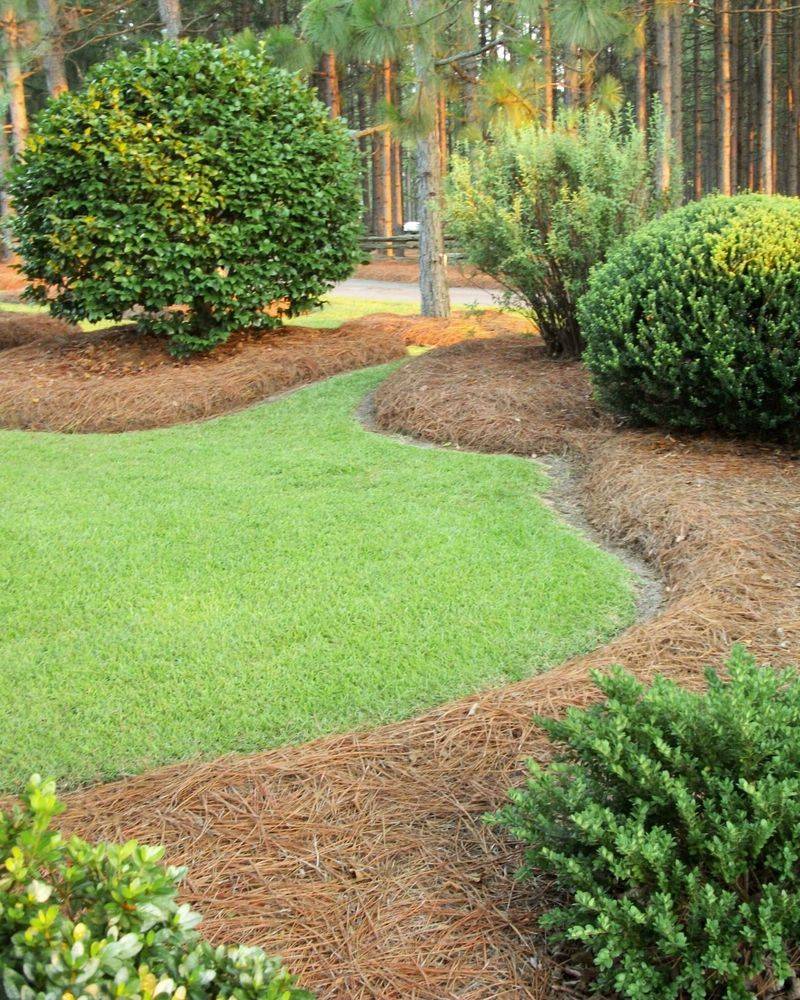
Mulch should help water reach roots, not block it. Some materials do that job better than others.
Loose pine straw generally lets rain and irrigation trickle through with little trouble.
Needles leave plenty of small air gaps between them. Water slips down through those spaces and reaches the soil, while the layer above still shades the ground and slows evaporation.
Fine mulches can behave differently.
Finely ground wood or thick layers of bark fines may pack down over time and form a crusty mat. When that happens, light rain can run off the surface instead of soaking in, so occasional raking may help.
In Georgia, summer storms often drop a lot of rain in a short time, followed by hot, dry stretches.
A layer that lets water in quickly and then holds moisture under the surface can be useful in that kind of pattern. How well it works still depends on your soil, slope, and how deep the mulch is.
Depth matters with any material. Most Extension guidance suggests keeping organic mulch around two to four inches thick after it settles.
Going much deeper can hold too much moisture or keep light rain from reaching the soil.
Check under the layer after a rain now and then. If the soil below still feels dry, your mulch may be too thick or too packed.
5. Acid-Loving Shrubs Do Not Need Pine Straw To Lower Soil pH
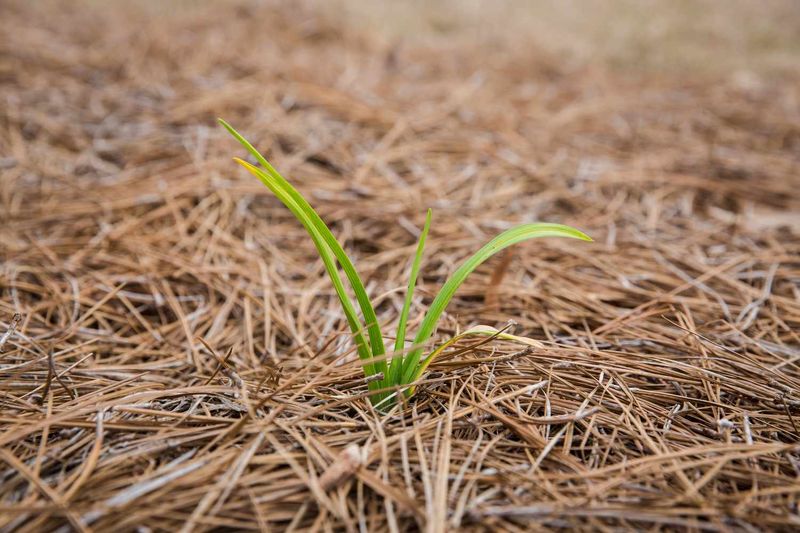
Here is a garden myth that refuses to fade. Lots of people believe pine straw turns soil sour enough to help azaleas and blueberries.
In reality, its effect on soil pH is usually small.
Fresh needles are acidic, but as they break down on the surface, they have little lasting impact on the soil underneath. Mulch sits on top, so it does not change root zone chemistry the way soil amendments do.
Plenty of Georgia soils are already naturally acidic, which is one reason azaleas, camellias, and hollies grow so well across much of the state.
Still, soils vary from yard to yard. Lime added in the past, construction fill, or concrete near foundations can raise pH in certain spots.
So how do you really know your soil pH?
A soil test is the most reliable answer. Your county Extension office can help you send a sample to a lab and explain the results, including whether any adjustment is needed.
If changes are recommended, they usually involve amendments like elemental sulfur, applied at rates matched to your test results.
Pick pine straw for its other benefits, like light weight and good water flow. Just do not count on it to fix soil pH problems for your shrubs.
6. Wood Chips Usually Last Longer Before Needing Replacement
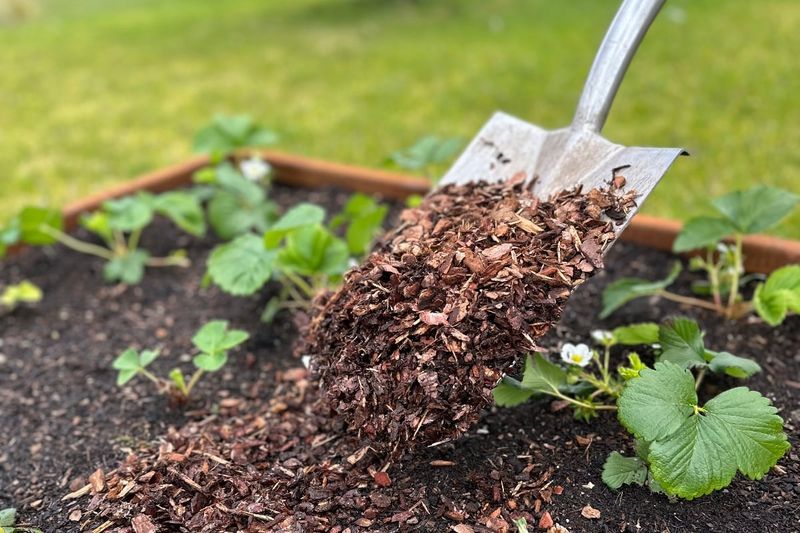
Fair is fair. Pine straw has a clear downside, and it shows up when you count how often you buy more.
Needles break down and fade faster than most chunky wood mulches.
Many gardeners top off pine straw about once or twice a year to keep beds looking fresh. Its bright color tends to fade to gray, and the layer thins as it decays and settles.
Coarse wood chips and larger bark pieces generally hold up longer.
Depending on the type and size, they may only need a light refresh every year or two. Finely shredded wood breaks down quicker, so particle size makes a real difference.
Warm, humid weather speeds decay of any organic mulch, which matters across most of Georgia.
Costs can shift too. Pine straw is widely available here and often sold by the bale, while wood chips may sometimes be free from local tree crews or municipal programs.
So which one saves more money? Honestly, it depends on prices in your area, how big your beds are, and how tidy you want them.
If you prefer low upkeep in large open beds, wood chips might suit you better.
If you like a crisp, fresh look and do not mind refreshing it, pine straw stays a strong choice under shrubs.
7. Leave Some Breathing Room Around The Base Of Each Shrub
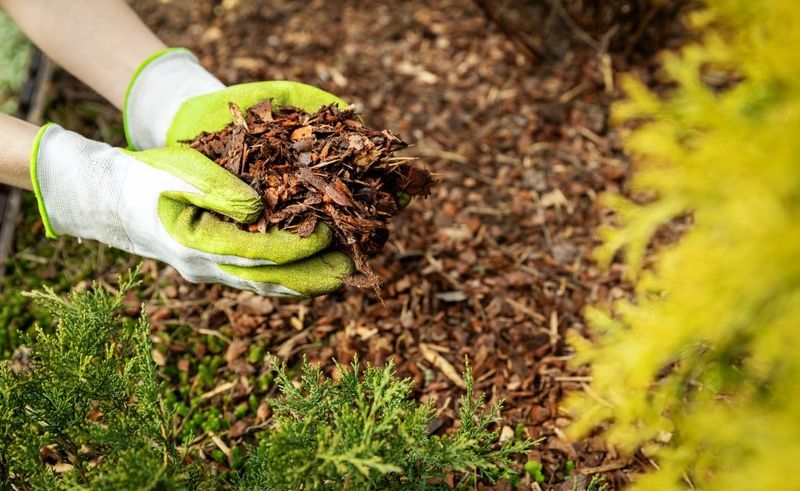
Piling mulch against shrub stems is one of the most common mistakes in home landscapes. It looks neat, yet it can quietly cause trouble.
Mulch packed against bark keeps that area damp for long periods.
Constant moisture can encourage rot and fungal problems on stems and lower trunks. It may also give rodents and insects a sheltered spot to chew or hide, though that does not happen in every garden.
A simple fix works with either pine straw or wood mulch.
Pull the material back a few inches from the main stems so a small ring of soil shows. Then spread your mulch evenly outward, ideally toward the drip line where many feeding roots grow.
Georgia summers are humid, so good airflow at the base of shrubs is worth the small effort.
Check those rings each time you add fresh mulch. New layers tend to creep back toward the stems, especially pine straw, which shifts around as you fluff it.
Avoid building tall cones of mulch, sometimes called mulch volcanoes, around shrubs or trees.
Keeping the layer even, a few inches deep, and slightly away from the stems gives your shrubs the benefits of mulch without the extra risk. Whichever material you choose, that habit matters more than the type of mulch itself.