9 Signs Kudzu Is Spreading Into a North Carolina Yard

I spotted it last fall on my own fence line, and I still get chills thinking about it.
This green visitor can stretch about a foot in one day during the sticky heat of a Southern summer.
It can swallow a parked car along a quiet country road in a single growing season.
Early October gives this plant one last chance to creep forward in many North Carolina yards and gardens.
Personally, a sharp eye beats any spray bottle or heavy shovel for early control in the yard.
The nine clues below helped me catch the trouble early on my own small property last autumn. Your yard might already hold a few of them, quietly waiting under the first fallen leaves.
1. Ground Runners Sneaking Across The Grass
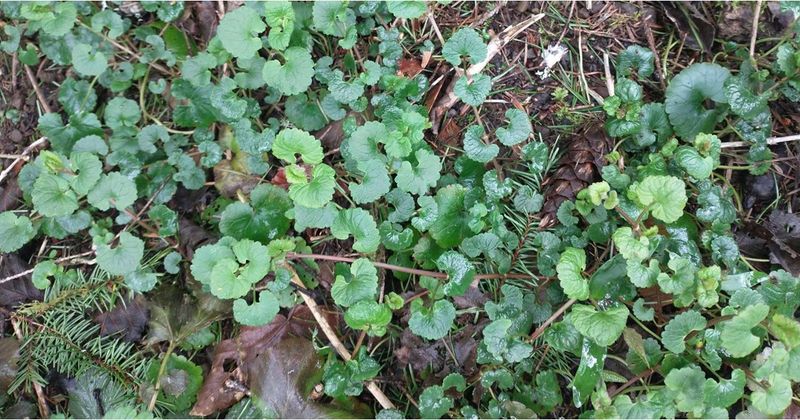
Long green ropes slithering across your lawn are often the very first warning sign you will get. I found mine snaking under a hedge, looking innocent and almost friendly in the soft morning light.
Kudzu vines can grow about a foot per day during peak summer heat, according to university extension experts. Growth slows in early fall, but those runners still push forward slowly until the first hard frost.
Check the edges of your yard where your grass meets thick woods or an overgrown lot. Runners tend to sneak in from these wild borders, crawling low and hiding beneath taller weeds and shrubs.
A single vine can stretch dozens of feet across the ground in just one long growing season. That reach means a patch next door can become your problem much faster than you might expect.
I like to walk my property line once a week during fall with a cup of coffee in hand. Any rope-like stem lying flat on the grass gets a closer look from me right away.
Pull young runners by hand while the ground is soft and damp after a good soaking autumn rain. Follow each vine back toward its source, since the parent plant is usually hiding somewhere nearby.
Catching these ground runners early saves you from much bigger headaches in the garden next spring and summer. A few minutes of walking now beats hours of cutting and digging once the vines take over.
2. Trees Buried Under Leafy Blankets

Have you ever seen a tree that looks like a giant green ghost standing in a field? That spooky shape usually means a vine has climbed up and draped itself over every single branch.
Kudzu climbs by twisting its stems around tree trunks and limbs, pulling itself upward toward the sunshine. Once it reaches the top, the thick leaves form a canopy that blocks light from the tree below.
Trees need sunlight to make food, so a heavy leafy coat can starve them slowly over several seasons. Forestry experts note the heavy weight of these vines can also snap branches and pull down whole trees.
Ice storms make the problem worse, since frozen vines add even more weight to weakened limbs. I can’t imagine losing a favorite oak to a plant once praised as a helpful ground cover.
Your North Carolina Garden Changes Every Week. Your Plan Should Too.
Gardening in North Carolina changes quickly throughout the season. Every Friday you’ll receive a simple weekly plan showing exactly what to plant, prune, fertilize, harvest, and protect so you never miss the right timing.
Look up into your trees this October and scan the outer branches for strange leafy curtains. Vines dangling from limbs like green streamers are a strong hint that trouble has already moved upstairs.
A smart first step is cutting every climbing vine near the base of the trunk with loppers. The upper vines lose their connection to the roots and will brown and wither within a few weeks.
Resist the urge to yank those high vines down, since pulling can tear bark and break small limbs. Let them dry out up there, and they usually become brittle enough to fall away on their own.
3. Big Leaves Growing In Sets Of Three
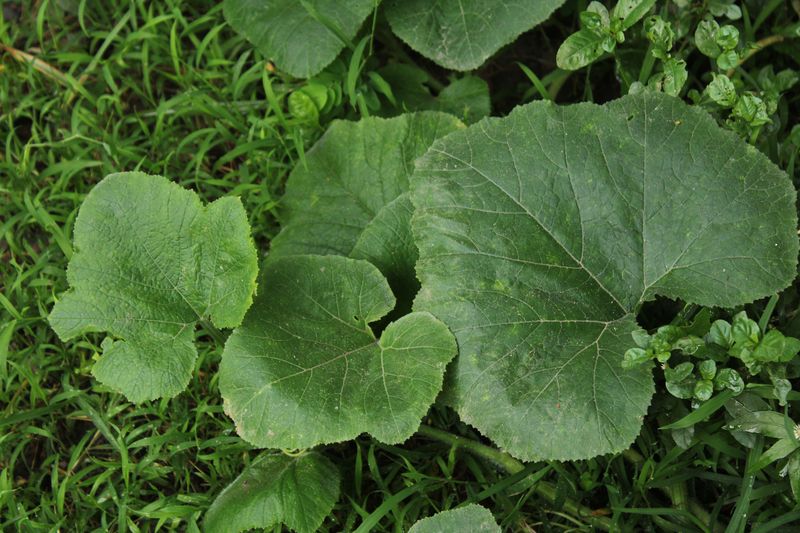
Leaves of three, let it be, works for poison ivy, but this lookalike deserves a much closer stare. Kudzu also carries three leaflets on each leaf, though each one is far bigger than you expect.
Each leaflet can reach about four inches wide, and some grow even longer from tip to stem. Their shape ranges from a simple oval to a mitten with two or three shallow lobes.
Run your fingers across the underside of a leaf and you will often feel tiny soft hairs. Poison ivy tends to have smaller leaves, so please compare by sight before touching any mystery plant.
Another clue is the leaf arrangement, since kudzu leaves grow alternately along the vine rather than in pairs. Each leaf takes its turn on opposite sides, like stair steps climbing up a twisting green ladder.
Early fall is a handy time to spot these leaves, since they stay bright green while many plants fade. That deep color stands out against browning grass and yellowing shrubs along a fence or woodland edge.
Once the first hard frost hits, those big leaves turn brown and drop within a few days. Bare vines are harder to identify, so I suggest snapping photos of suspicious leaves this month for reference.
Your county Cooperative Extension office can confirm an identification from a clear photo or a fresh sample. Bring a whole leaf with all three leaflets attached, since a single piece rarely tells the full story.
4. Fuzzy Stems Hiding In The Tangle
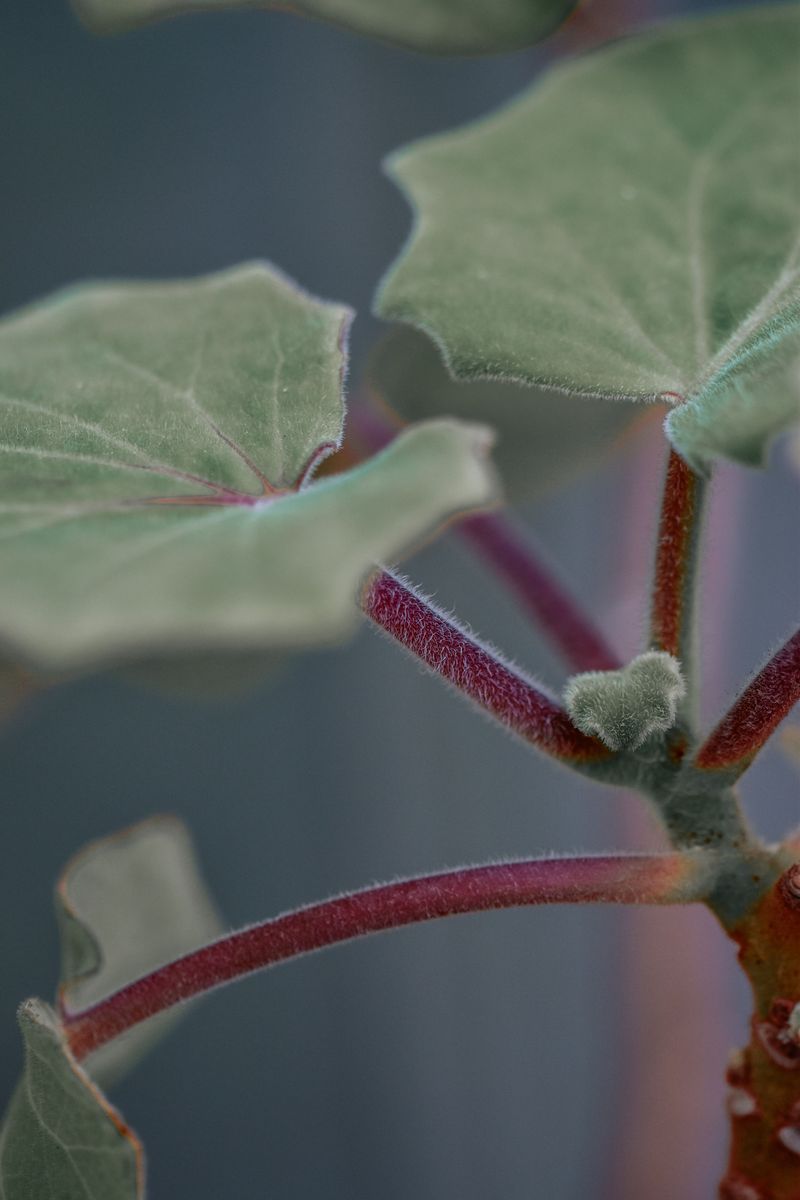
Kudzu has a secret texture that most people miss, and it feels a bit like a fuzzy caterpillar. Young stems are covered in fine golden or brownish hairs that you can see up close.
Grab a pair of gardening gloves and gently run your hand along a new green shoot. Fuzzy, almost velvety stems are one of the most reliable clues listed by university plant experts.
Many native vines in the Southeast have fairly smooth stems, so the hairy feel helps separate kudzu from harmless neighbors. Virginia creeper, a native vine with five leaflets, lacks that thick coat of bristly hairs on its stems.
As the vine ages, those hairs wear away and the stem slowly turns woody and brown. A single tangle might hold fresh fuzzy tips and older smooth sections all twisted together like old yarn.
I like checking the tips of vines first, since they show the most hair and the newest growth. Those tips also point in the direction the plant is trying to travel next across your yard.
Seed pods offer a bonus clue this time of year, and they share the same fuzzy personality. Look for flat, hairy brown pods about two inches long dangling in clusters near old flower stalks.
Wear gloves for this touch test, since a stray poison ivy vine might be hiding in the same tangle. Safety first keeps your hands happy while you play plant detective in the backyard this fall.
5. Purple Blooms Smelling Like Grape Soda

Your nose might catch this sign before your eyes do, and the scent is surprisingly sweet. Many people say kudzu flowers smell like grape soda or grape bubble gum drifting through the warm air.
The blooms are reddish purple and shaped like tiny pea flowers, since kudzu belongs to the bean family. They grow in long clusters that often hide beneath the big leaves like a secret treasure.
Flowering usually happens from midsummer into early fall, so a few late blooms may linger in early October. Those last flowers are fading now, but you might still catch a whiff on a warm afternoon.
Flowers are a surprising clue, since kudzu often grows for about three years before it starts blooming. Seeing those purple clusters suggests a patch that has been settling in for quite a while.
Bees and butterflies visit the flowers, and some folks even make kudzu blossom jelly across the South. I believe that sweet side story is part of why the vine fools so many people into ignoring it.
After the flowers fade, flat hairy seed pods appear, and they are often easy to spot right now. Kudzu in the United States spreads mostly by vines and roots, since many of its seeds fail to sprout.
Snip off flower clusters and pods you can reach, then bag them up instead of tossing them in compost. That small chore takes minutes and keeps any viable seeds from hitching a ride somewhere new.
6. Fences And Sheds Vanishing From View

Kudzu has earned the nickname the vine that ate the South, and your shed might be next on the menu. Old barns and abandoned cars across the region have vanished under its thick leafy blanket for decades.
Fences make perfect ladders, so the vine often climbs them first before moving to bigger targets. Chain-link fences are a favorite, since the stems can weave through each little gap with ease.
Check the back side of your shed, the one you rarely see from the house or the driveway. Hidden corners give the vine time to grow quietly until it suddenly pops over the roofline.
You’re in for a big surprise if you leave a mower or trailer parked near the woods all summer. Vines can wrap around tires and handles, making it a real chore to free your equipment by fall.
Climbing vines can also push into gaps around siding and gutters, where trapped moisture can cause damage. Heavy growth on a roof may hold leaves and water against shingles for long stretches of time.
Cut stems at ground level first, then let the upper growth dry before pulling it off structures. Dry vines come away more easily and are less likely to scrape paint or bend metal fence wire.
Keep a clear strip of mowed grass or mulch along fences and buildings to spot new climbers fast. A three-foot buffer makes it much easier to catch sneaky stems before they start their upward journey.
7. Fresh Roots Sprouting From Vine Joints
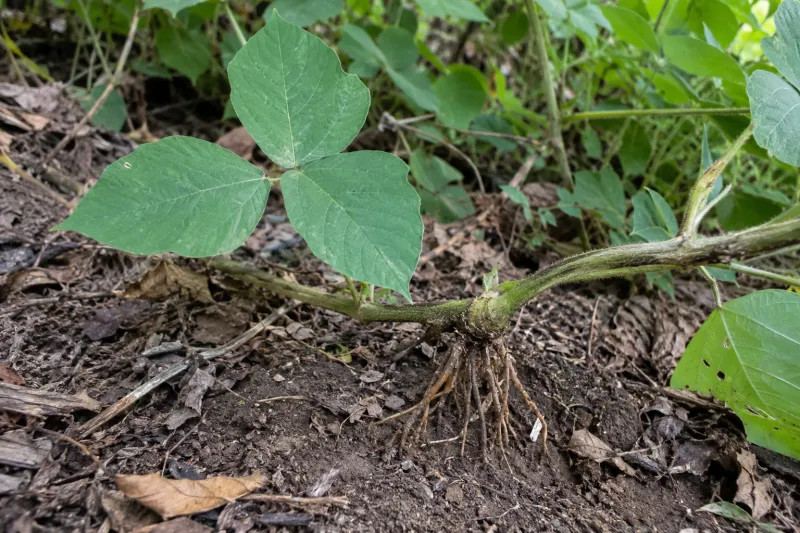
Kudzu has a clever trick that lets one vine turn into a whole crowd of new plants. Wherever a stem touches damp soil, it can push down roots right at the leaf joints, called nodes.
Lift a runner off the ground and you might feel it tug back, anchored by little pale roots. Each rooted node can grow its own crown and become an independent plant over a season or two.
The crown is the knobby spot where the vine meets the root, usually sitting near the soil surface. Extension experts in the Southeast describe removing these crowns as one of the most effective control methods.
Use a shovel or hand trowel to dig out the crown, then let it dry out in the sun. Leaving even a small piece of crown behind can allow the vine to sprout again next spring.
Below the crown, older plants grow massive storage roots that can weigh hundreds of pounds in some cases. Some reports describe roots reaching around seven feet deep, which explains why kudzu bounces back so stubbornly.
Personally, I mark rooted spots with bright garden flags during my fall walks so none get overlooked later. A quick flag makes it easy to return with tools on a cooler day this month.
Moist low spots near downspouts or drainage ditches often hold the most rooted nodes in a yard. Pay extra attention to these soggy corners, since moisture gives the vine its best chance to settle in.
8. Rope Thick Stems Turning Woody
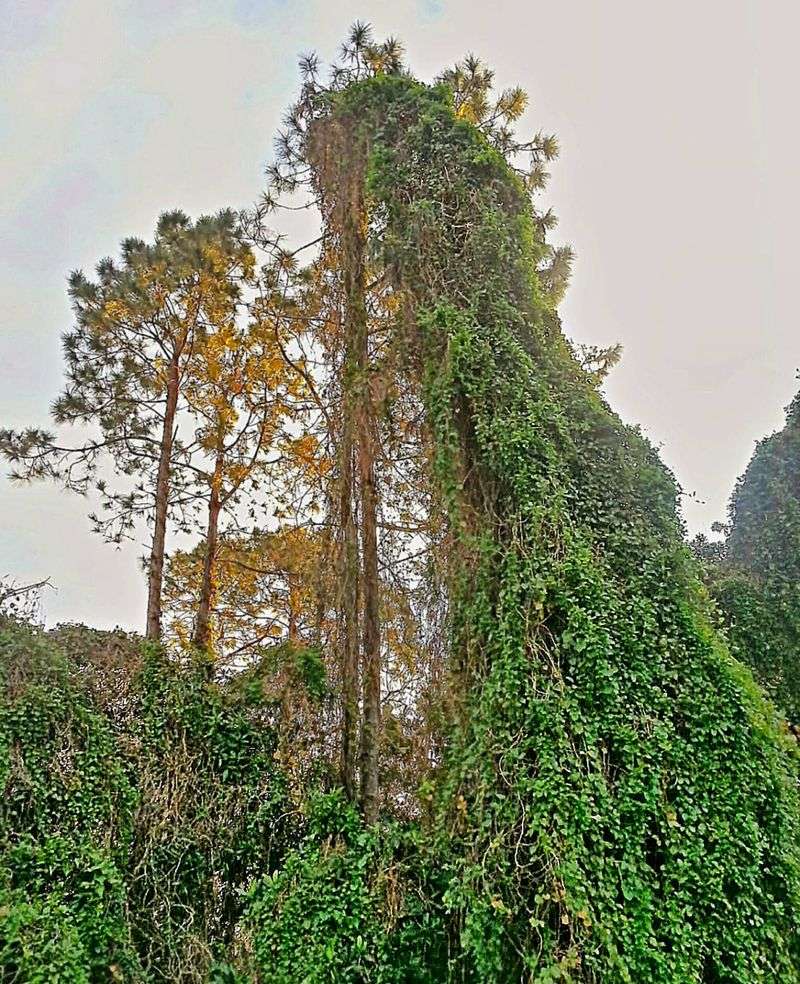
Some kudzu stems grow so thick that they look more like tree trunks than garden vines. Mature stems can reach several inches across, and a few old patches hold stems as wide as your wrist.
Woody growth tells you the patch is not new, and it has probably been feeding its roots for years. Those thick stems help the vine survive winter and then burst back with fresh leaves in the spring.
Brown, shaggy bark on a vine often gets mistaken for a native climber like wild grape. Kudzu stems tend to look rough and ropy, with leftover hairs clinging near the newer, greener sections.
Early fall is one of the best times to treat established patches, according to NC State Extension guidance. Plants are moving sugars down into their roots now, so treatments applied to leaves can travel deeper.
Herbicides labeled for kudzu, such as products containing glyphosate or triclopyr, are common choices for large patches. Read every label carefully, and follow local rules before spraying anything near water or desirable plants.
Cutting woody stems with a pruning saw weakens the plant, but one cut rarely finishes the job. Expect to repeat your efforts for several years, since those deep roots hold a stubborn energy reserve.
I believe patience matters more than muscle with these older vines, and steady effort pays off. A huge patch may need professional help, so calling a licensed local pesticide applicator is worth considering.
9. Sunny Yard Edges Turning Into Jungles
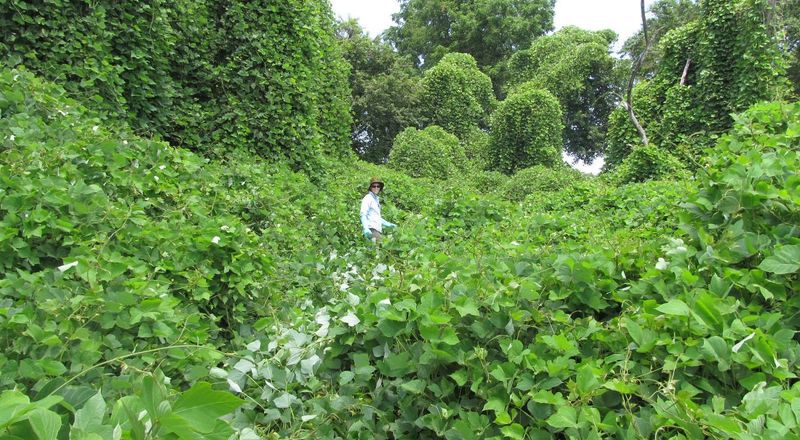
Kudzu loves a sunny spot about as much as a cat loves a warm windowsill on a chilly afternoon. Bright open areas like roadsides and forest edges are where it grows fastest and spreads widest.
Recently disturbed ground is another magnet, especially spots cleared for construction or a new garden bed. Bare soil gives the vine room to stretch out with almost no competition from other grasses or weeds.
Kudzu first arrived in the United States at the 1876 Centennial Exposition in Philadelphia as an ornamental plant. Later, farmers across the South were encouraged to plant it to help control soil erosion on worn-out land.
That helpful plan backfired, and today agencies in North Carolina treat kudzu as a serious invasive plant. Roadsides across the state show the results, with green waves rolling over ditches and utility poles.
Watch any sunny edge of your yard that borders a roadside ditch or a vacant lot full of weeds. Those wild spaces act like launch pads, sending runners straight toward your lawn and flower beds.
Covering bare soil with native plants or thick mulch this fall can make your yard less inviting. Native grasses like switchgrass or little bluestem fill sunny spaces and give pollinators and birds a cozy home.
Mowing regularly along sunny borders keeps young runners from gaining a foothold before winter sets in. I can’t think of an easier habit for protecting your yard from this fast-moving and very hungry green neighbor.