What It Means When You Spot Glass Bottles Hanging From A Tree In North Carolina
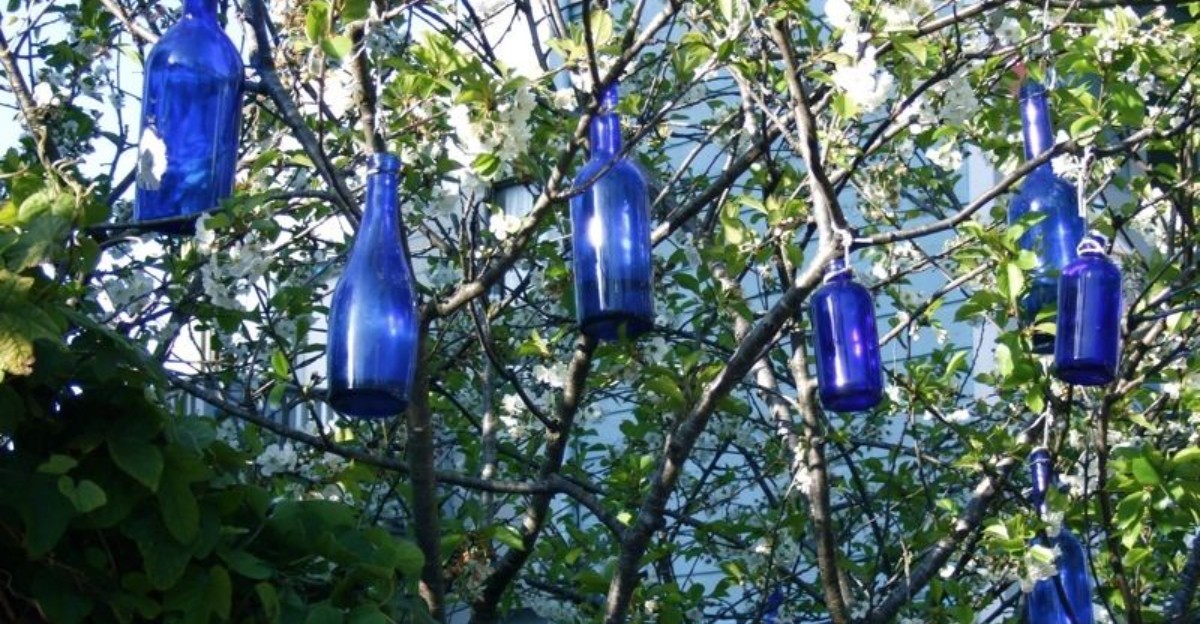
Drive through a Southern neighborhood and you may see a crape myrtle with bright blue bottles on every branch. It is not litter or a random decoration. It is a bottle tree, and the tradition is old.
It traces back to Central Africa, where people believed glass could catch wandering spirits. Enslaved Africans carried the custom to the American South. The idea was simple.
Spirits are drawn to the glow, slip into the bottle at night, and are trapped until sunrise. Cobalt blue became the favorite color, though any shade works today. Many North Carolina gardeners now build bottle trees purely for the look.
The sun makes them glow like stained glass. Whether you believe the legend or not, the story adds depth to a simple garden feature.
1. It’s Likely A Traditional Southern Bottle Tree
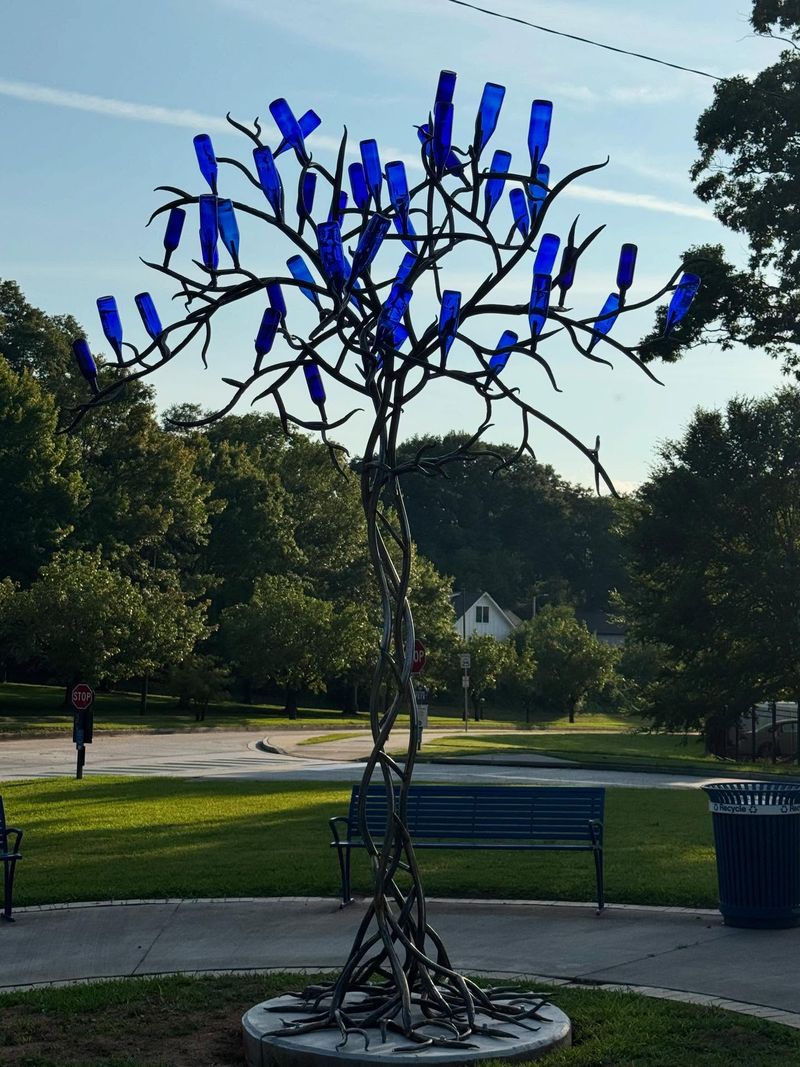
Spot a tree glittering with glass in someone’s yard, and you have found a bottle tree. Folks across the American South have been making them for generations, and North Carolina has plenty of them. They are part folk art, part family tradition, and all charm.
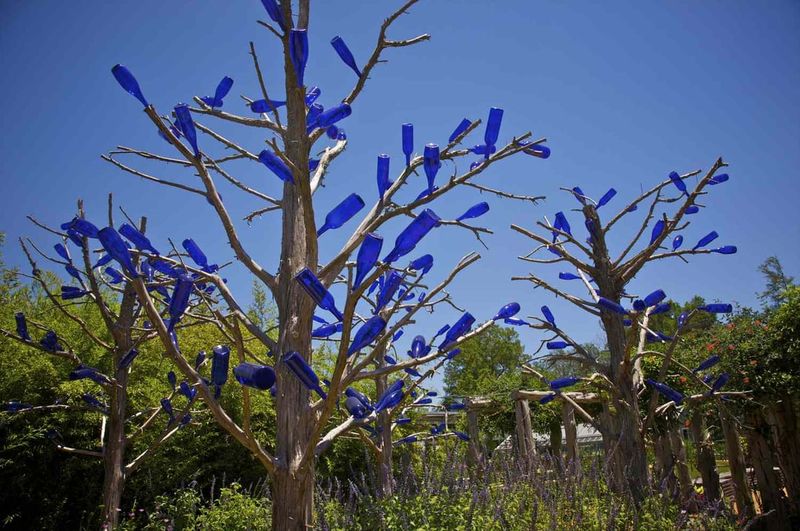
The setup is simple once you know what to look for. Bottles are slipped neck-first over the ends of branches, so the open end points toward the trunk.
Many people use a bare, leafless tree, a trimmed cedar, or a crape myrtle with its smooth, twisting limbs. Others skip the real tree and use a metal frame shaped like one, with arms that hold each bottle in place.
Long ago, bottle trees were mostly found in rural yards, often near the front door or along a path. Today they show up almost anywhere. You might see one beside a mailbox, tucked into a flower bed, or standing proudly in a city backyard.
So why do they still matter? Bottle trees connect people to the past while adding beauty to the present. A grandmother might keep one because her mother did, while a young gardener might build one after seeing photos online.
Both are part of the same living tradition. Here in North Carolina, you will find them in mountain cabins, Piedmont farmhouses, coastal cottages, and even sleek modern landscapes.
Each one looks a little different, depending on the bottles and the person who made it. Next time you pass one, take a closer look.
Notice the shape of the tree, the colors of the glass, and how the light dances through it. Every bottle tree tells a small story about the family who planted it.
2. The Tradition Has African Roots
Long before bottle trees became a Southern yard staple, the idea began across an ocean. Historians generally trace the practice to Central Africa, especially the Kongo region.
There, people had traditions of placing objects like glass and pottery near homes and on trees for spiritual reasons.
Enslaved Africans carried these beliefs with them when they were forced to the American South.
Even under brutal conditions, they held onto pieces of their culture. Bottle trees became one of those treasured customs, and over time they grew into an important part of African American folk culture.
Your North Carolina Garden Changes Every Week. Your Plan Should Too.
Gardening in North Carolina changes quickly throughout the season. Every Friday you’ll receive a simple weekly plan showing exactly what to plant, prune, fertilize, harvest, and protect so you never miss the right timing.
Later, the tradition spread more widely through the South. Neighbors saw the glowing branches and started making their own. Today, people of many backgrounds hang bottles on trees, often without knowing where the custom first came from.
Knowing that history changes how you see one. A bottle tree is more than a cute decoration or a weekend craft project. It is a symbol of strength, memory, and the way culture survives even through the hardest times.
If you decide to build one, consider sharing its story with friends and family. Kids especially love learning that a tree in the yard can connect them to centuries of history. You might even visit a local museum or read about Southern folk art together.
North Carolina has deep African American roots, from coastal communities to Piedmont towns. Traditions like quilting, gospel music, and bottle trees help tell that story. Respecting where these customs began keeps them meaningful.
So when you spot those shining bottles, think of the people who first carried the idea here. Their creativity still sparkles in yards across the state.
3. Folklore Says The Bottles Trap Spirits
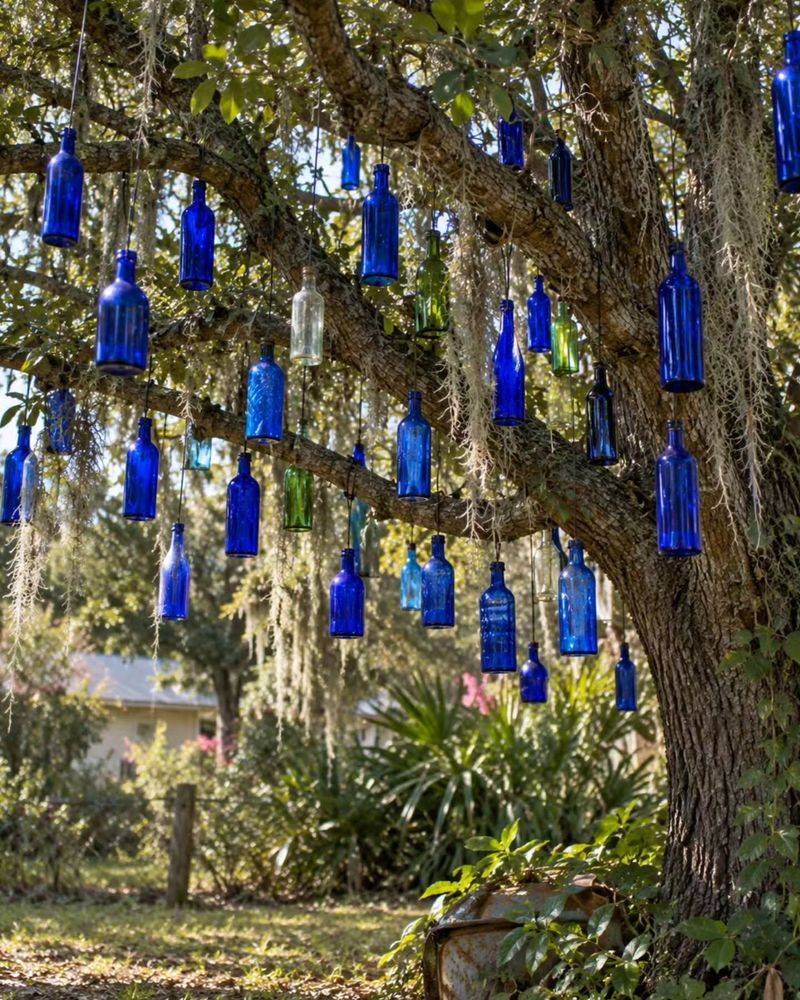
Ask an older relative in rural North Carolina about bottle trees, and you might hear a spooky little tale. According to folklore, the bottles do more than look pretty. They protect the home from unwanted visitors of the spirit kind.
The story goes like this. Wandering or evil spirits roam at night, looking for trouble. They are drawn to the shiny glass, slip inside the bottles, and get stuck.
When the morning sun rises and shines through the glass, the trapped spirits are destroyed, and the household stays safe.
Some people also say you can hear the spirits moaning when wind blows across the bottle openings. That soft, hollow sound on a breezy evening certainly adds to the mood. It is easy to see how the legend took hold.
Many families have passed this belief down for generations. A few still hang bottles for protection, trusting the old ways their grandparents taught them. Others enjoy the story as a fond nod to tradition without taking it literally.
Either way is perfectly fine. Folklore helps keep family memories alive, and sharing it can spark wonderful conversations. Try telling the tale on a porch at dusk and watch the kids lean in close.
For North Carolina readers, this story might sound familiar. It often comes from grandparents, church friends, or neighbors in small country communities. Asking older folks about it can uncover surprising local versions of the legend.
So that bottle tree down the road might be a guardian, a keepsake, or both. Whatever the reason, it carries a story worth hearing and repeating.
4. Cobalt Blue Is The Classic Color
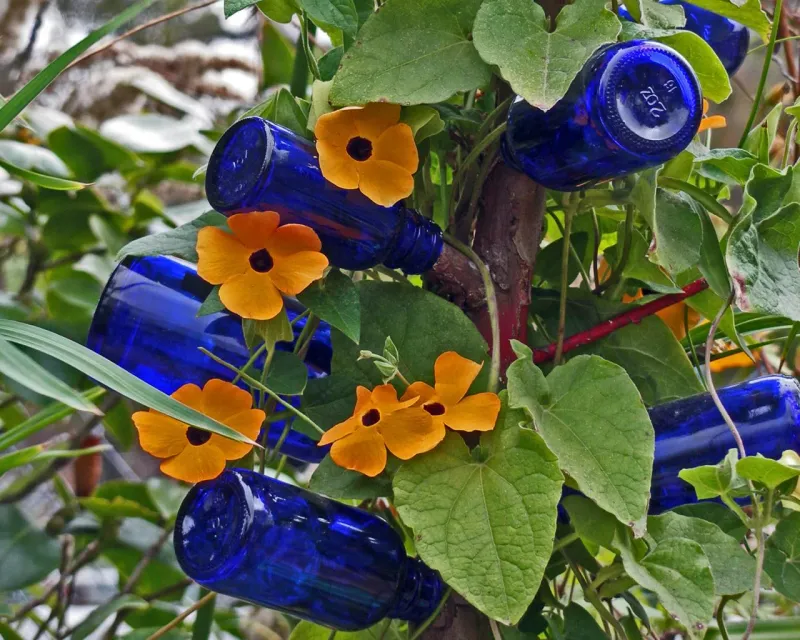
Bright, glowing blue is the color most people picture when they think of bottle trees. Cobalt blue glass is the classic choice, and it has been for a very long time. Once you see sunlight pour through it, you will understand why.
In folklore, blue is often linked with protection. Many Southern traditions connect the color to keeping harm away, which fits perfectly with the spirit-catching legend. You might even notice porch ceilings painted pale blue for a similar reason.
Beauty plays a big role too. Blue glass seems to light up from the inside when the sun hits it. On a clear morning, a cobalt bottle tree can sparkle like a cluster of sapphires.
Older bottle trees often used blue medicine bottles. Years ago, many tonics and remedies came in cobalt glass, so families had plenty on hand. Those small bottles now make prized finds at antique shops and flea markets.
Modern bottle trees are more relaxed about color. Many mix blue with green, clear, amber, and even purple or red glass. A rainbow tree can look playful and cheerful, while an all-blue one feels classic and calm.
Want that traditional look without hunting through antique stores? Some sparkling water and wine brands still sell drinks in deep blue bottles. Save them up, and you will have a collection before you know it.
Across North Carolina, blue bottle trees are some of the most photographed pieces of Southern yard art.
Travelers stop to snap pictures, and locals proudly show them off. Choosing blue keeps you connected to that beloved, eye-catching tradition.
5. Many Today Are Simply Garden Art
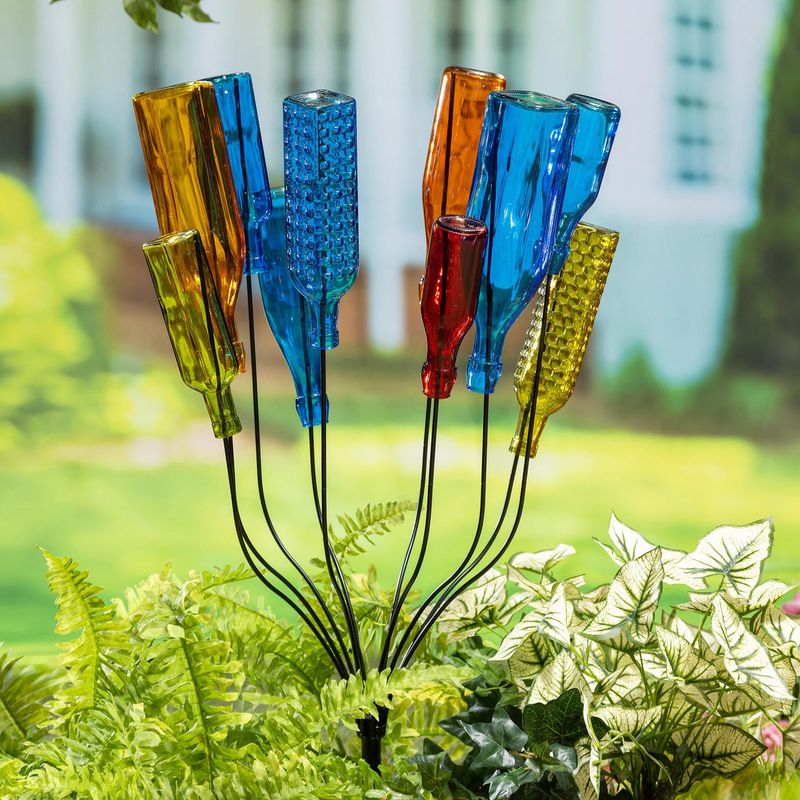
Plenty of folks hang bottles on trees for one simple reason: they look amazing. Bottle trees have become a favorite form of garden decoration all over the South. They are colorful, fun, and full of personality.
The glass catches sunlight from sunrise to sunset, creating shifting sparkles throughout the day. Unlike flowers, bottles never fade or need watering. That means steady color in every season, with almost no upkeep.
Getting started is easier than ever. Many garden centers and online shops sell metal bottle tree frames in different heights and styles. Some have curly arms, some look like real branches, and some are small enough for a patio pot.
For a stained-glass effect, mix your colors on purpose. Try alternating blue, green, and amber, or group shades together in sections. Stepping back often while you work helps you balance the look.
Light makes all the difference. Place your tree where morning or evening sun shines through the glass, since low-angled light creates the richest glow. A spot facing east or west usually works beautifully.
Bottle trees also pair nicely with other plants. Surround the base with ornamental grasses, hostas, or creeping thyme to soften the edges. Some gardeners even plant climbing vines nearby for a wild, storybook feel.
For North Carolina gardeners, the biggest perk shows up in winter. When perennials go quiet and trees lose their leaves, the yard can look pretty bare and brown.
A bottle tree steps in with bold color that brightens even the grayest January afternoon. So go ahead and have fun with it. Your garden deserves a little sparkle all year long.
6. They Celebrate Recycling And Creativity
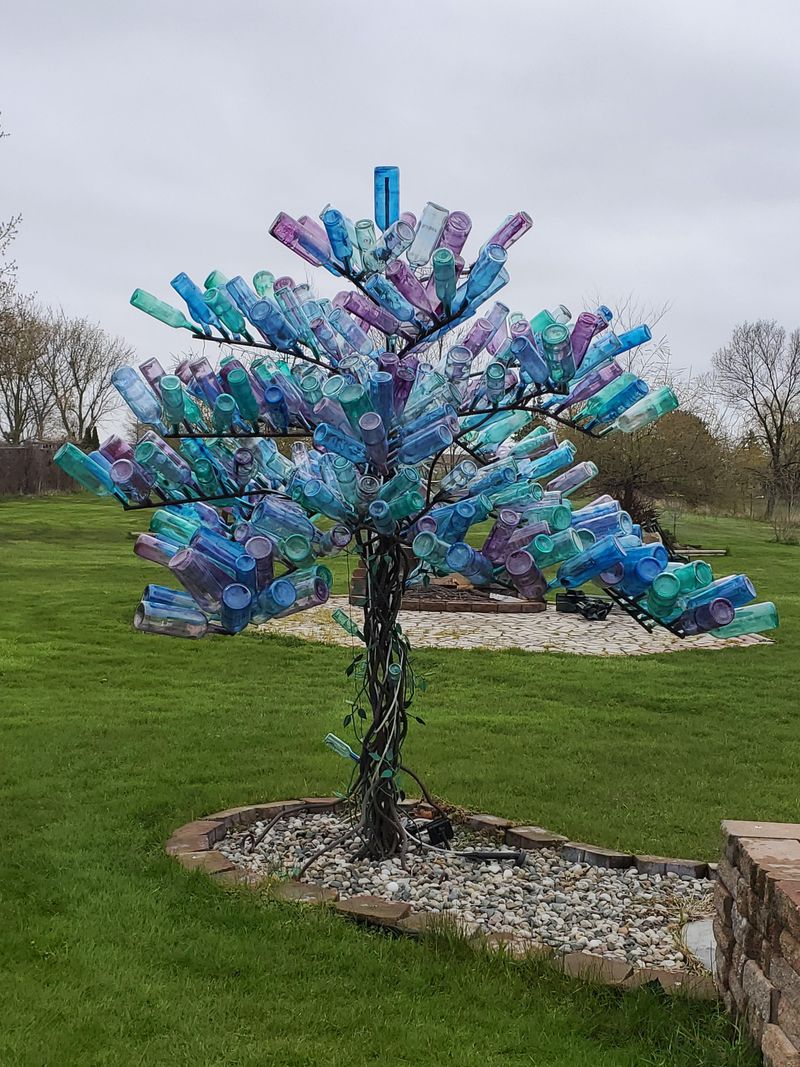
Grandma never threw anything away, and bottle trees prove she had the right idea. Long before recycling bins lined the curb, Southern families saved and reused almost everything. Glass bottles were too useful to toss.
Bottle trees grew out of that thrifty spirit. People took ordinary household items, like old medicine and soda bottles, and turned them into something meaningful and beautiful. It was creativity born from making do.
That same idea fits right into today’s love for upcycling. Instead of sending bottles off to the recycling center, you can give them a second life in your yard. Every piece becomes part of a one-of-a-kind display.
Collecting is half the fun. Watch for colorful wine bottles, sparkling water bottles, specialty sodas, and craft drinks with unusual shapes. Friends and neighbors are often happy to save theirs for you, especially once they hear what you are making.
Clean bottles look best, so rinse each one well and peel off labels. Soaking them in warm, soapy water loosens stubborn glue. A little baking soda paste can help scrub off any sticky leftovers.
Security matters just as much as style. Make sure each bottle fits snugly over its branch or frame arm so it will not slip off in strong wind or storms. If a bottle feels loose, wrap the branch tip with tape or choose a bottle with a narrower neck.
North Carolina gardeners have a strong love for handmade touches, from painted birdhouses to quirky stepping stones.
A homemade bottle tree fits right in. It shows off your personality while honoring a resourceful Southern tradition that still feels fresh today.
7. Placement Matters For Safety And Appearance
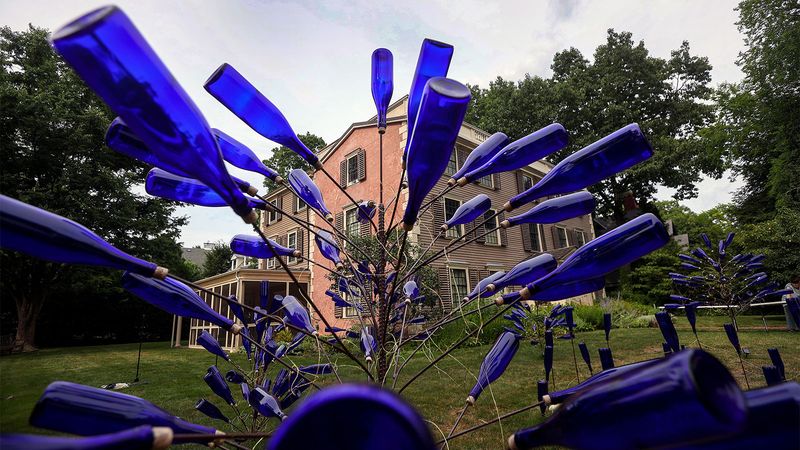
A gorgeous bottle tree can turn into a hazard if it lands in the wrong spot. Glass breaks easily, and a fallen bottle can scatter sharp pieces across your lawn. Smart placement keeps everyone safe while letting your display shine.
Start by choosing a location away from walkways, driveways, and play areas. Kids and pets love to run around, and a bump into the frame could knock bottles loose. Keep it clear of mowing paths too, since flying glass from a mower is no joke.
Overhead branches deserve a quick glance as well. A falling limb can shatter several bottles at once. An open spot without large trees directly above is usually the safest choice.
Sunlight is the next thing to think about. Pick a bright location where light can stream through the glass, ideally with morning or evening sun. A mulched bed around the base adds a tidy look and softens any accidental drops.
Regular checkups help a lot. Walk by every few weeks and wiggle each bottle gently to make sure it sits firmly. If you spot a crack or chip, remove that bottle right away and replace it.
Metal frames should be anchored deep in the ground. Some come with stakes, while others work better set in concrete for extra steadiness.
North Carolina weather makes these steps extra important. Summer thunderstorms roll in fast, hurricanes bring powerful winds near the coast, and ice storms can coat everything in heavy glaze.
After any rough weather, take a quick stroll around your tree. A few minutes of care keeps it sparkling safely for years.