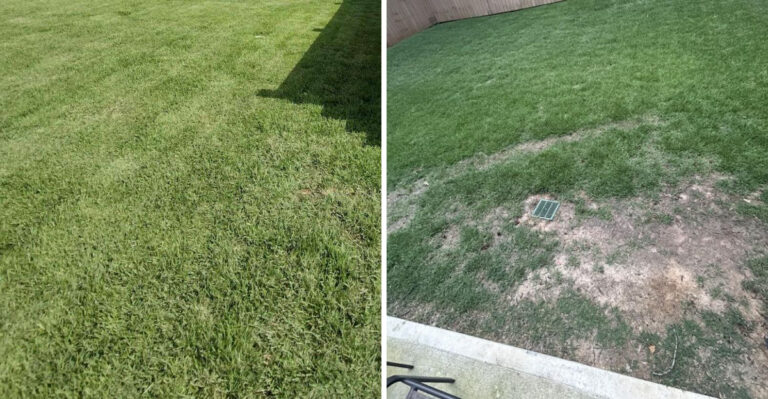
Saltwater From King Tides Reached Your Florida Yard? This First Step Can Save Your Plants
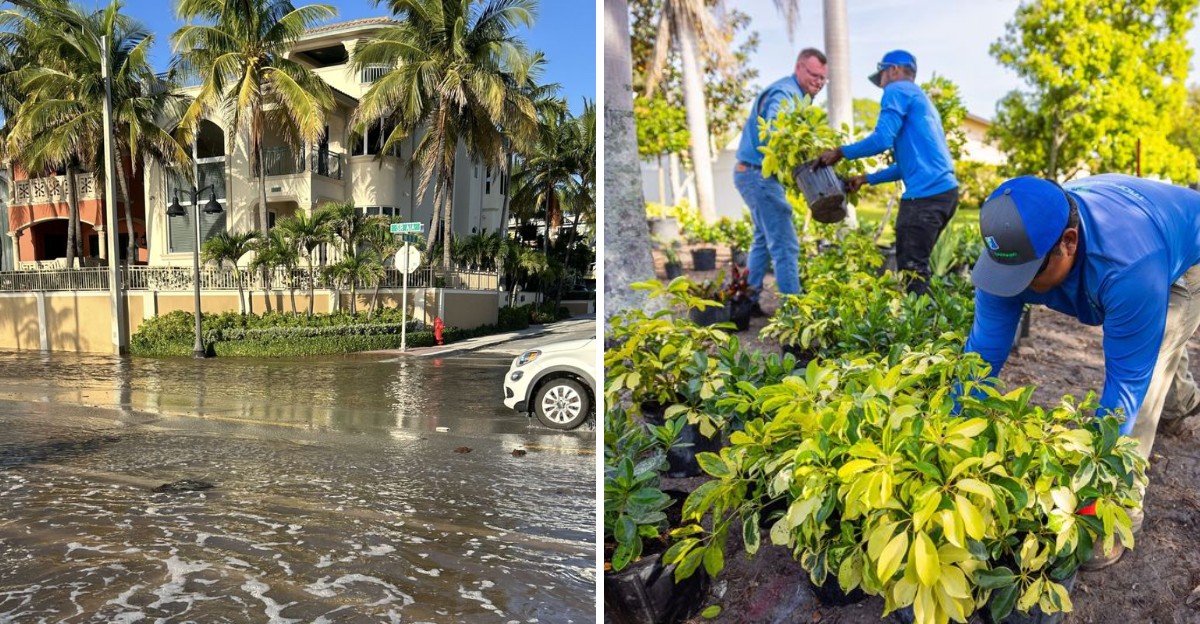
Salt is sitting in your soil right now, and every day it stays there is a day your plants lose.
King tides pushed saltwater across Florida yards, and most of it has already drained away. The damage hasn’t.
Salt clings to the root zone and quietly drags moisture out of every plant it touches, so leaves can brown out a week or two after a flood that looked harmless.
Rain, sprinklers, and the hose all play a role in what happens next, but only one move comes first, and doing the wrong one can drive the salt deeper.
You have a short window to act, and most gardeners spend it waiting to see what happens.
Know the first move before the next high tide arrives. Coastal yards flood again, and the plants will thank you for being ready.
King Tides Peak In Fall, Especially In October
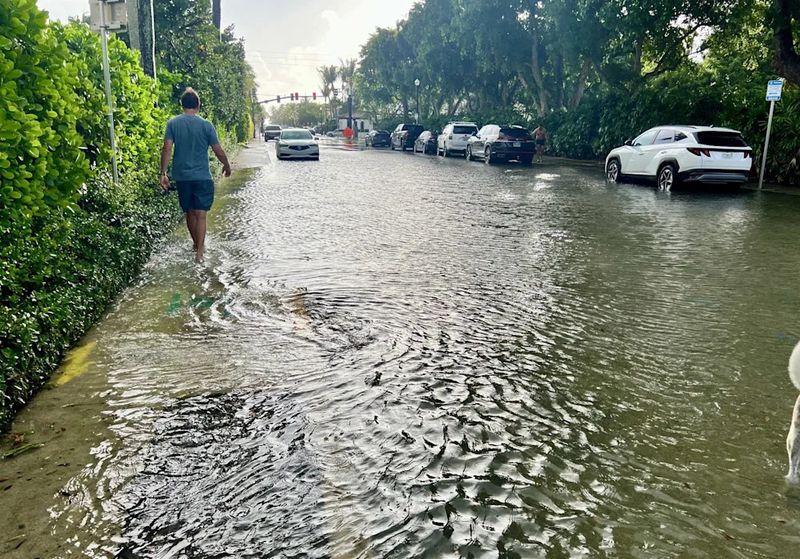
Picture a giant game of tug-of-war in the sky. When the moon, the sun, and the Earth line up just right, their pull on the ocean grows stronger.
The result is the highest natural high tide of the year, called a King Tide.
In Florida, these extra-high tides show up a few times each year. Most of them arrive in the fall, between September and November.
The biggest ones often land in mid-to-late October, right when many people are thinking about pumpkins instead of floods.
Local conditions can push the water even higher. Warm ocean water takes up more space, and seasonal sea levels tend to sit higher in autumn.
Ocean currents along the coast can add a few more inches too.
So why does this matter for your garden? Knowing when King Tides are coming lets you prepare before seawater reaches your plants.
You can check tide charts from local news, NOAA, or your county website to see predicted dates.
Here is a smart habit to build. Mark the expected King Tide days on your calendar each fall.
Keep a hose, a spray nozzle, and a bit of free time ready for those mornings. A little planning turns a stressful surprise into a quick, manageable chore that protects the plants you have worked so hard to grow.
They Can Push Seawater Into Yards On Sunny Days
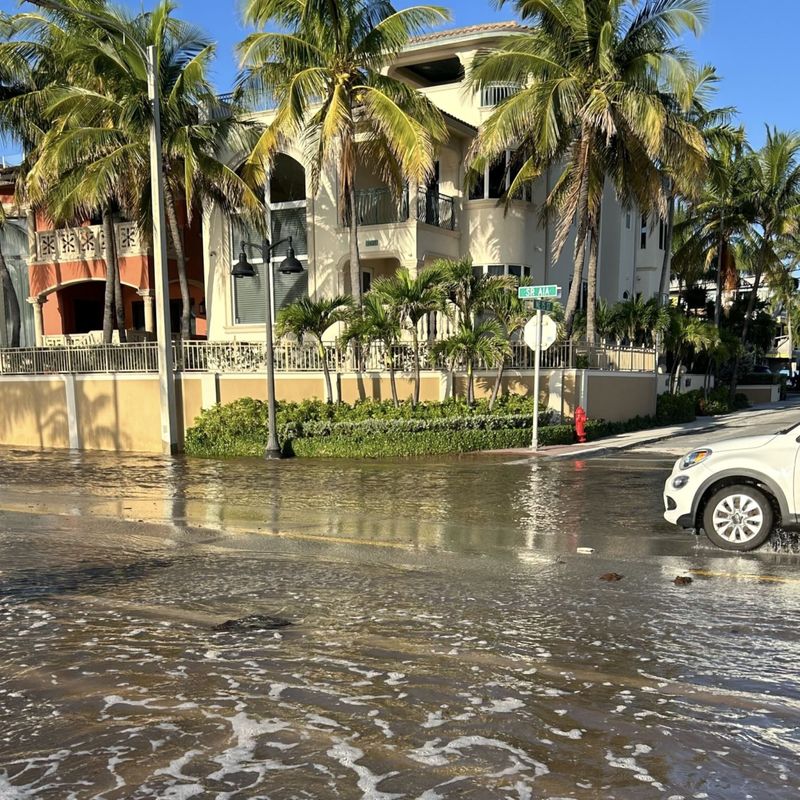
No rain, no storm, no warning. That is what makes sunny-day flooding so strange to see for the first time.
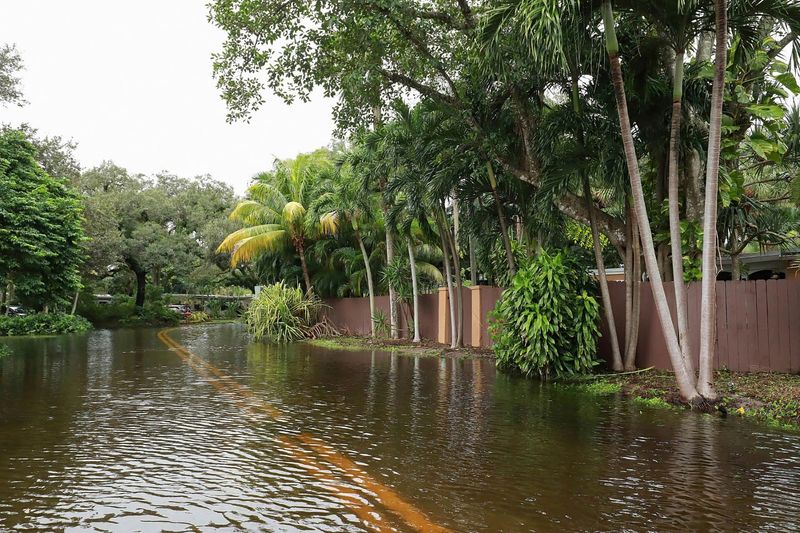
The sky looks perfect, yet salty water slowly spreads across the street and into your yard.
Experts also call this nuisance flooding. During a King Tide, the ocean rises high enough that seawater flows backward through storm drains.
It bubbles up and pools on roads, sidewalks, parking lots, and lawns.
Florida has some special features that make this happen more often. Much of the coast is low and flat, so water does not have far to climb.
The ground also sits on porous limestone, which is full of tiny holes, like a sponge made of rock.
Because of that rock, seawater can even seep up from below the soil. You might not see a big puddle, but the ground under your plants may still be getting salty.
Your Florida Garden Changes Every Week. Your Plan Should Too.
Gardening in Florida changes quickly throughout the season. Every Friday you’ll receive a simple weekly plan showing exactly what to plant, prune, fertilize, harvest, and protect so you never miss the right timing.
That is why low corners of the yard often struggle the most.
Fun fact: some Florida cities have installed special valves in storm drains to stop tidal water from flowing in backward. Ask your city whether your street has them.
If you notice water near your garden beds during a high tide, take photos and note the time. That record helps you spot trouble areas and act faster next season.
The First Step Is Flushing The Root Zone With Fresh Water
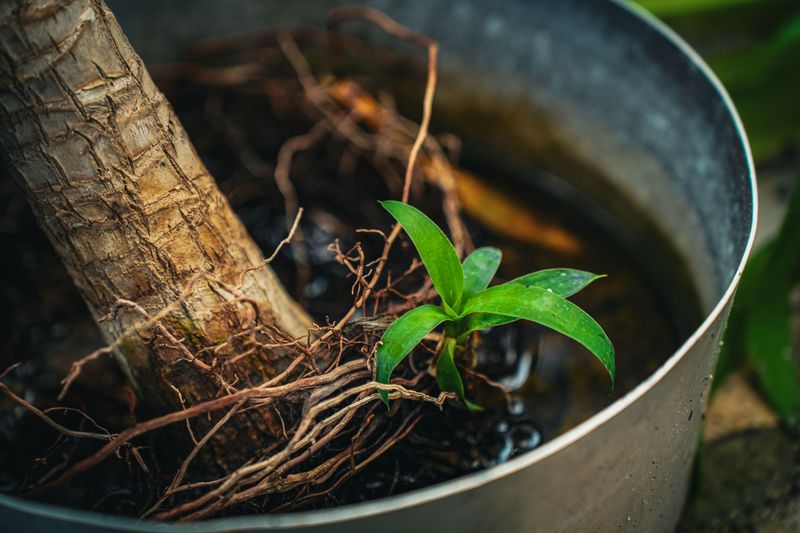
Here is the hero move of this whole article. Once the salty water drains away, soak the affected soil with plenty of fresh water.
Gardeners call this flushing, and it is the first thing to do.
Think of salt in the soil like sugar stuck in the bottom of a cup. If you pour in lots of water, the sugar dissolves and washes out.
Fresh water works the same way, carrying the salt down and away from the roots.
To do it well, water slowly and deeply rather than giving a quick splash. A soaker hose or a gentle sprinkler works great because the water has time to sink in.
Aim to wet the soil several inches down, where most roots live.
Wait until the tide has gone back out before you start. If seawater is still sitting on the ground, you are only mixing more salt into the mess.
Once it drains, get going.
Many gardeners repeat the flushing over a few days, especially if the soil stayed underwater for a while. Sandy Florida soil drains fairly fast, which actually helps here.
Keep an eye on puddles, though, since soggy spots can cause their own root problems. The goal is a good rinse, not a swamp.
Rinse The Salt Off The Leaves Too
Ever come home from the beach with a salty, sticky film on your skin? Your plants feel that way too after salty water or ocean spray touches them.
A quick shower helps both of you.
Salt that sits on leaves can pull moisture out of them. Evergreen leaves can dry out and get stressed, especially when breezes keep blowing salty air across the yard.
Over time, that crusty coating can leave leaves looking tired and scorched.
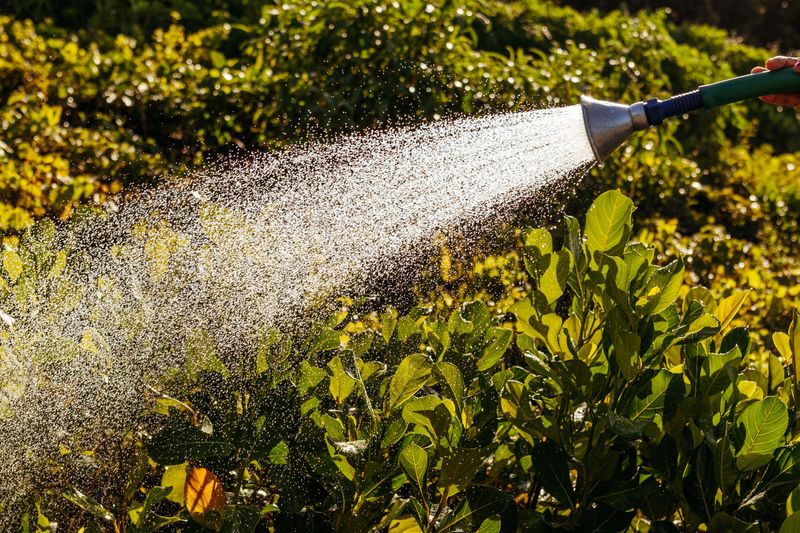
The fix is easy and kind of relaxing. Grab a hose with a gentle spray setting and rinse the leaves from top to bottom.
Spray both the tops and undersides, since salt can hide in sneaky places.
Morning is a great time for this chore. Leaves have the whole day to dry, which lowers the chance of fungus problems.
Try not to blast tender plants with a hard stream, because bruised leaves add extra stress.
Car owners rinse their vehicles after driving through saltwater to stop rust, and the same idea works in the garden. Getting salt off surfaces quickly limits the damage it can do.
Pair this leaf rinse with your soil flushing, and you cover the plant from roots to tips in one tidy session.
Act Fast, Since Salt Does More Harm The Longer It Sits
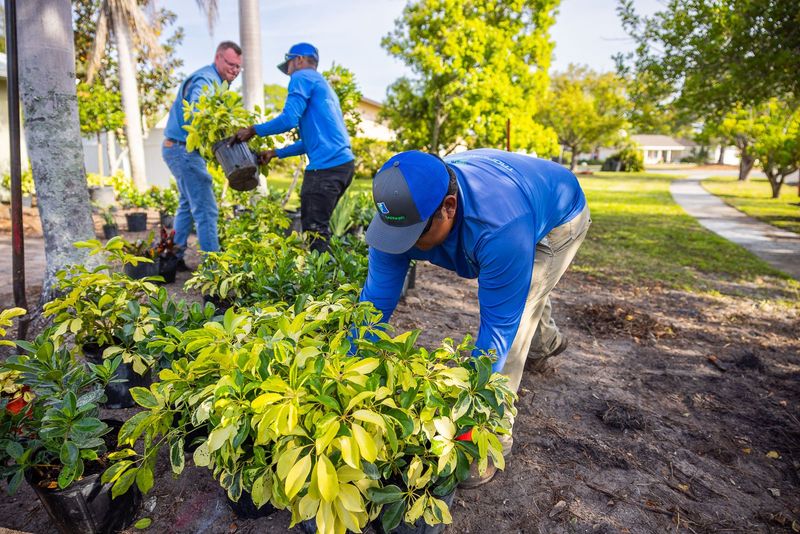
Tick, tock. When saltwater visits your garden, the clock starts running right away.
The sooner you flush, the better your plants’ odds of a strong comeback.
Salt is sneaky because it often works slowly. A plant may look fine for days or even weeks while trouble builds underground.
In some cases, problems can keep showing up for several years.
The longer salt stays in the soil, the more harm it tends to cause. It hits hardest when plants push out new growth or when dry weather arrives.
Young roots and fresh shoots are tender, so they feel the salt more.
Early action has been linked to better recovery for plants. That is why gardening experts suggest treating affected soil as soon as the water drains.
Do not wait to see if leaves turn brown first.
Here is a simple plan to follow. On the day of the flooding, rinse leaves and start flushing the soil.
Over the next few days, water deeply again, especially if the weather is hot and dry.
Think of it like cleaning up a spilled drink. Wiping it up right away is easy, but a sticky stain left overnight takes much more scrubbing.
Your garden works the same way.
Salty Soil Can Make Plants Wilt Even When It’s Wet
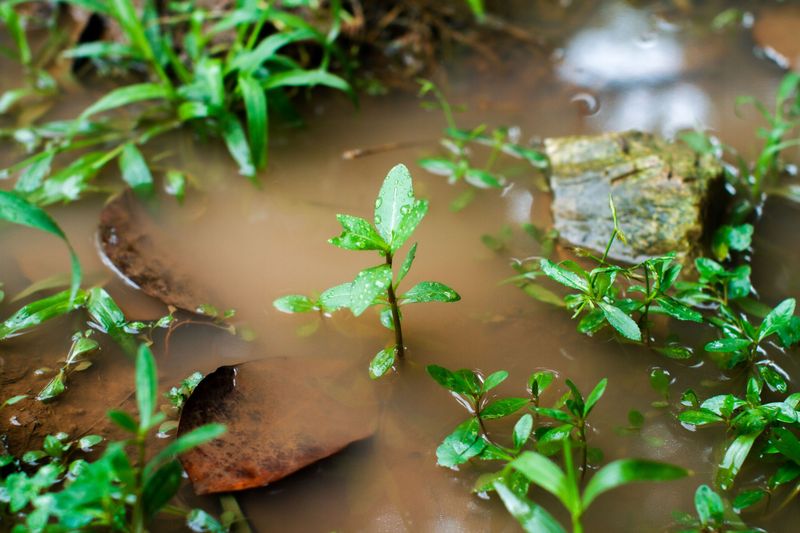
It seems like a riddle. The soil is soggy, yet your plants droop like they have not had a drink in a week.
What is going on?
The answer is salt. Dissolved salt grabs onto water in the soil and holds it tightly.
Roots have a much harder time pulling that moisture in, even though it is right there.
In very salty soil, things can flip around. Instead of roots soaking up water, water can actually get pulled out of the roots.
Scientists call this physiological drought, which means the plant acts thirsty while surrounded by water.
Salt also messes with food for plants. It can upset the balance of nutrients and make the soil worse at soaking up water.
So the plant faces thirst and hunger at the same time.
This is the trap many gardeners fall into. They see wilting, assume the plant is waterlogged, and stop watering.
That move leaves the salt in place, which keeps the problem going.
So if your yard flooded recently and plants still sag on wet soil, think salt first. Keep flushing with fresh water to wash it away.
Watch for droopy leaves to perk up over the following days as the roots finally get a clean drink.
Check Watering Restrictions Before Heavy Flushing
Before you turn your yard into a water park, pause for one quick check. Many Florida communities have rules about when and how much you can water.
Breaking them by accident can lead to warnings or fines.
Flushing salt takes more water than your plants usually need. That is especially true on warm, dry days when the soil drinks fast.
So you may be watering more heavily than normal for a little while.
Watering rules vary by county and city. Some limit lawn watering to certain days of the week or certain hours.
Others change during dry spells or droughts.
Here is where to look. Visit your local water management district website, such as South Florida or Southwest Florida.
You can also call your city or check its social media pages for current rules.
Hand watering with a hose and shutoff nozzle is often treated differently than sprinkler systems. Low-volume tools like soaker hoses may also have more flexible rules.
Ask whether any exceptions apply after tidal flooding.
Once you know the rules, plan your flushing around them. Early morning sessions waste less water to evaporation.
A little homework keeps you in good standing with neighbors and officials while your plants get the rescue soak they need.
Leaf Tips And Edges May Brown In The Weeks Ahead
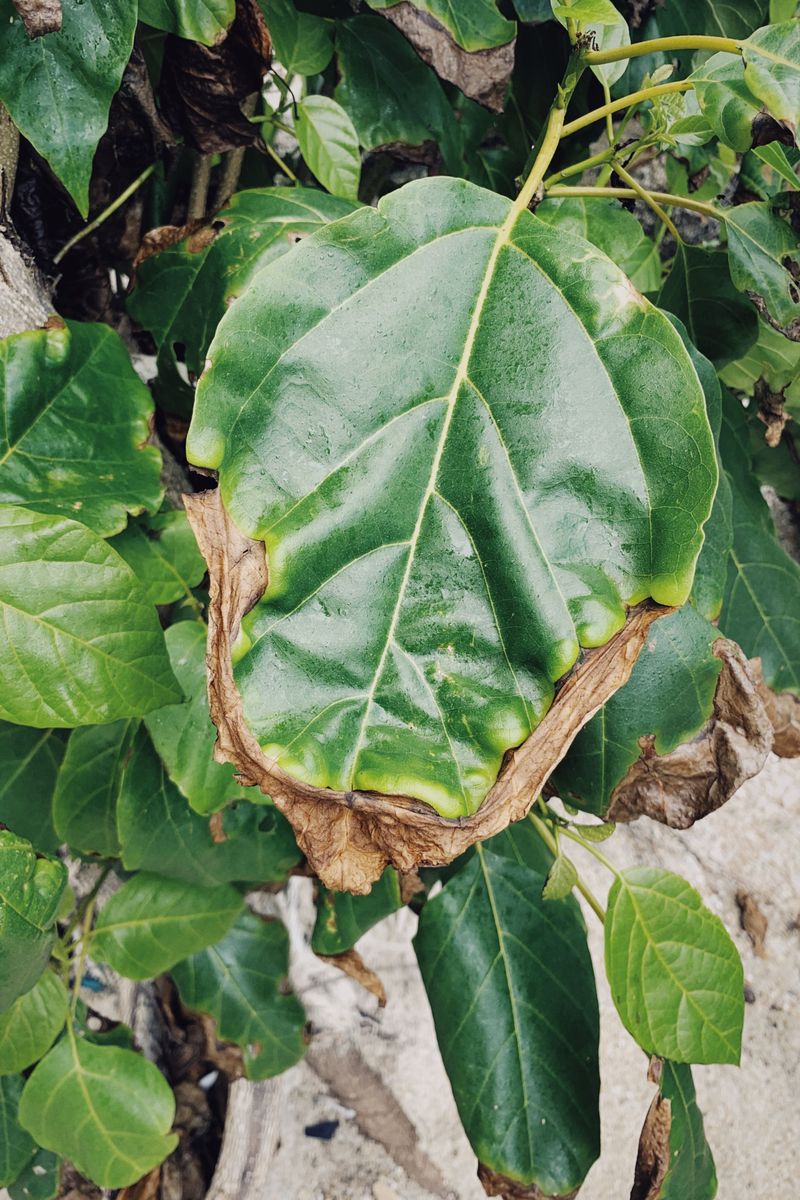
Patience is part of the deal with salt. You did everything right, and a few weeks later some leaves still look crispy around the edges.
Do not panic just yet.
Salt damage often shows up slowly. Brown or scorched tips and edges are some of the most common signs.
Whole leaves may also fade, yellow, or turn brown, and pine needles can do the same.
Timing can surprise you. Damage from salt spray often appears in spring, while salt buildup in soil may unfold over months or years.
Signs frequently pop up when plants wake up in late winter or grow quickly in summer.
So what should you do when brown edges appear? First, keep the plant well watered with fresh water during dry stretches.
Next, hold off on heavy fertilizer, which adds more salts to stressed roots.
You can snip off badly browned leaves to tidy things up. Just leave plenty of healthy green growth so the plant can keep making food.
If new leaves come in clean and green, that is a great sign of recovery.
Keep a simple garden journal with photos each week. Comparing pictures helps you tell whether a plant is slowly improving or needs help from your local extension office.
Salt-Tolerant Plants Make Low Spots More Resilient
Some plants shrug at salt like seasoned beachgoers. Swapping them into the lowest, wettest corners of your yard can save you a lot of worry each fall.
Think of it as hiring a tougher crew for the hardest job.
Florida has plenty of native options that handle salty soil and spray. Cheerful picks include beach sunflower, gaillardia, and seaside goldenrod.
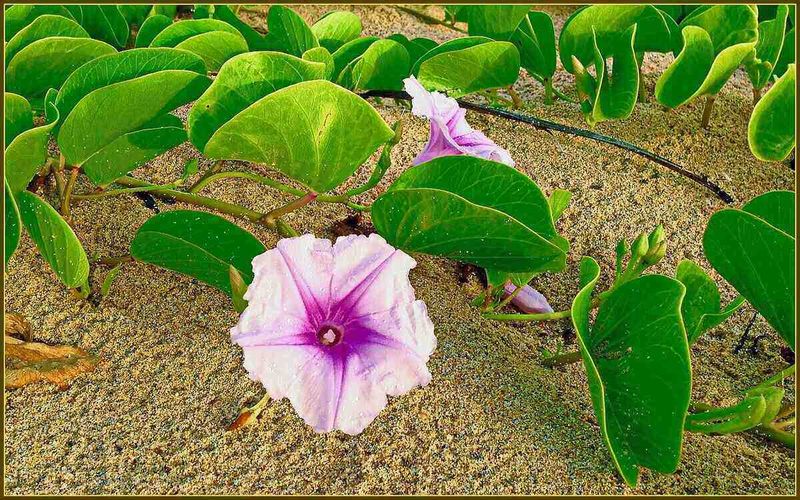
For ground cover, railroad vine spreads fast with pretty purple flowers.
Need something bigger? Sea grape, buttonwood, live oak, and southern red cedar can stand up to coastal conditions.
Along shorelines, mangroves and sea oats are true salt champions.
These plants offer bonus perks too. Their strong roots help hold soil in place and reduce erosion.
Many need less care, and they give birds, butterflies, and bees a place to eat and rest.
Match each plant to its spot. Areas that get direct salt spray need the toughest choices, while partly sheltered spots can hold a wider mix.
Protected areas farther inland can support plants with less salt tolerance.
Fun fact: sea grape leaves can grow nearly as wide as a dinner plate. Your local UF IFAS Extension office can suggest the best salt-tolerant plants for your exact neighborhood, so your garden greets the next King Tide with confidence.