How To Build A Cold Frame Before Michigan’s First Snow Arrives
Snow in Michigan does not ask permission. One day the ground is workable, and the next it is buried for weeks. A cold frame built after that first storm is a miserable project, with frozen soil, stiff hands, and a pile of lumber under a drift.
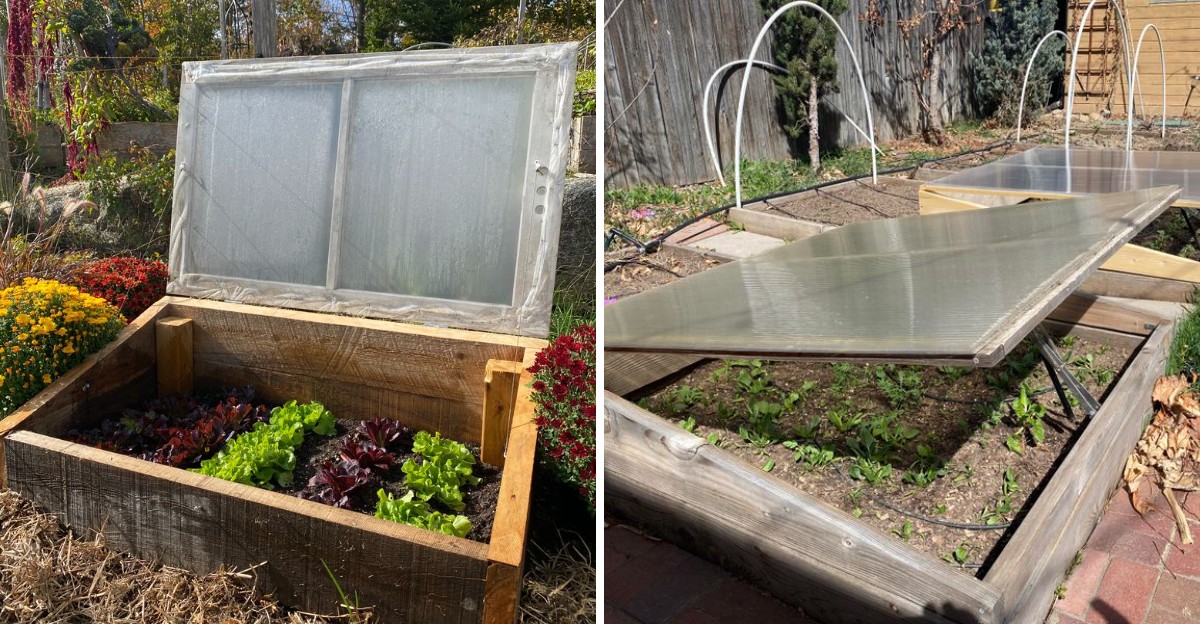
Built a little earlier, the same box can keep spinach, kale, and lettuce growing through weather that ends every other garden.
The design is simple, and most people already own half the materials. Where you put it matters more than how it looks, and so does one daily habit that beginners forget until their seedlings suffer.
Weekends are running out. A few hours this month can give you fresh greens in the heart of winter.
1. Build It While The Ground Is Still Workable
Ask any seasoned Michigan gardener about cold frames, and you will hear the same advice: start sooner than you think. Once the ground turns hard as a brick, even simple jobs become a real struggle.
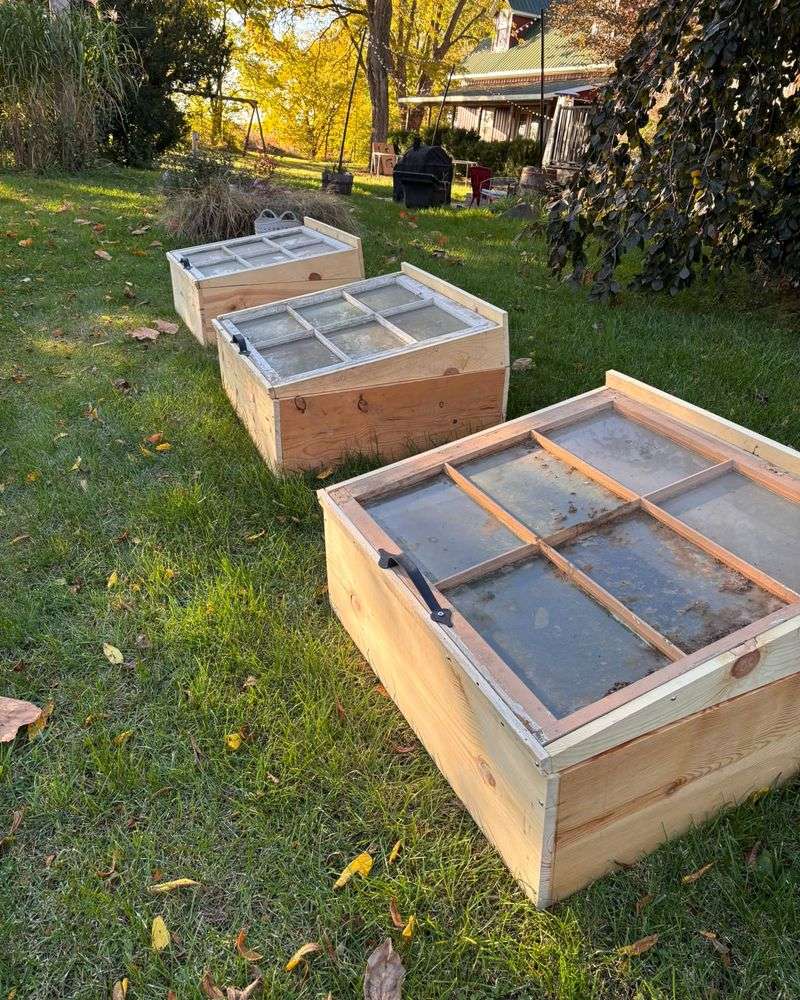
Building in early fall keeps the whole project easy and fun. Soft soil makes everything smoother. You can level the spot, set the frame firmly in place, and loosen the dirt inside with a garden fork.
Mixing in a few inches of compost now gives your winter crops rich, crumbly soil to grow in. Try doing that in December, and you might be chipping at frozen clumps with a shovel.
Daylight matters just as much as soil. Plants need sunshine to grow strong roots and leaves before winter slows them down. An early start lets cold-hardy greens settle in while the days are still fairly long.
Seedlings that get established in September or October handle chilly weather far better than tiny sprouts planted late.
So when should you build? In southern Michigan, aim to finish your frame by late October or early November. Gardeners in the northern Lower Peninsula and the Upper Peninsula should move faster, since cold weather shows up there weeks earlier.
Plant your cool-season greens inside as soon as the frame is ready. Michigan weather loves surprises. The first snow often arrives in November, and the soil can freeze not long after. Some years, a sudden cold snap hits even sooner.
Getting your frame built while the ground is still workable means you will be ready no matter what the sky decides to do, and your plants will thank you with fresh salads all winter long.
2. Make The Lid Strong Enough For Snow
Snow looks soft and fluffy, but it can be surprisingly heavy. A single foot of wet snow can weigh up to about 20 pounds per square foot. Pile that onto a weak lid, and trouble follows fast.
Thin plastic and cheap glass are the usual troublemakers. Heavy snow can crack them, and flimsy frames start to sag under the load. When a lid caves in, it can crush the plants below and let freezing air rush inside.
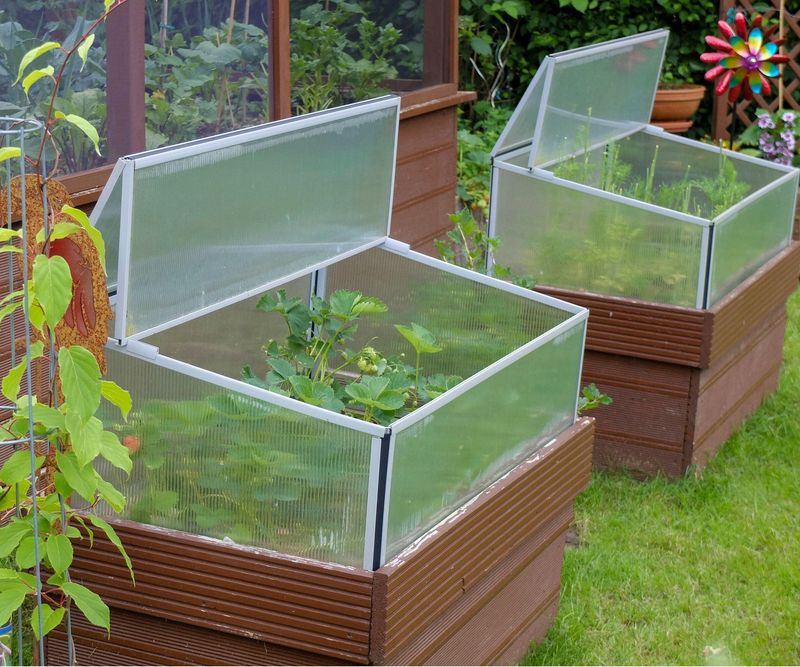
All your hard work could be flattened overnight. Choosing the right material makes a huge difference. Twin-wall polycarbonate panels are a favorite because they are tough, lightweight, and hard to break.
Your Michigan Garden Changes Every Week. Your Plan Should Too.
Gardening in Michigan changes quickly throughout the season. Every Friday you’ll receive a simple weekly plan showing exactly what to plant, prune, fertilize, harvest, and protect so you never miss the right timing.
The air pocket between the two layers also adds a bit of insulation, which helps hold warmth inside. Sturdy glass works well too, especially old windows, as long as they are thick and in good shape.
Next, give that clear panel a solid wooden frame to sit in. Use strong lumber, such as 2×2 or 2×4 boards, and fasten the corners tightly with screws. For larger lids, add a center brace across the middle to stop sagging.
Thin plastic sheeting can work in a pinch, but only if it is stretched tight over well-supported framing. Michigan gardeners have extra reason to build tough.
Lake-effect snow can pile up quickly in west Michigan, the northern Lower Peninsula, and the Upper Peninsula. Towns near Lake Michigan and Lake Superior sometimes get several inches in just a few hours.
A strong lid stands up to those storms, keeping your greens safe, snug, and growing no matter how much white stuff falls.
3. Slope It South To Catch Sun And Shed Snow
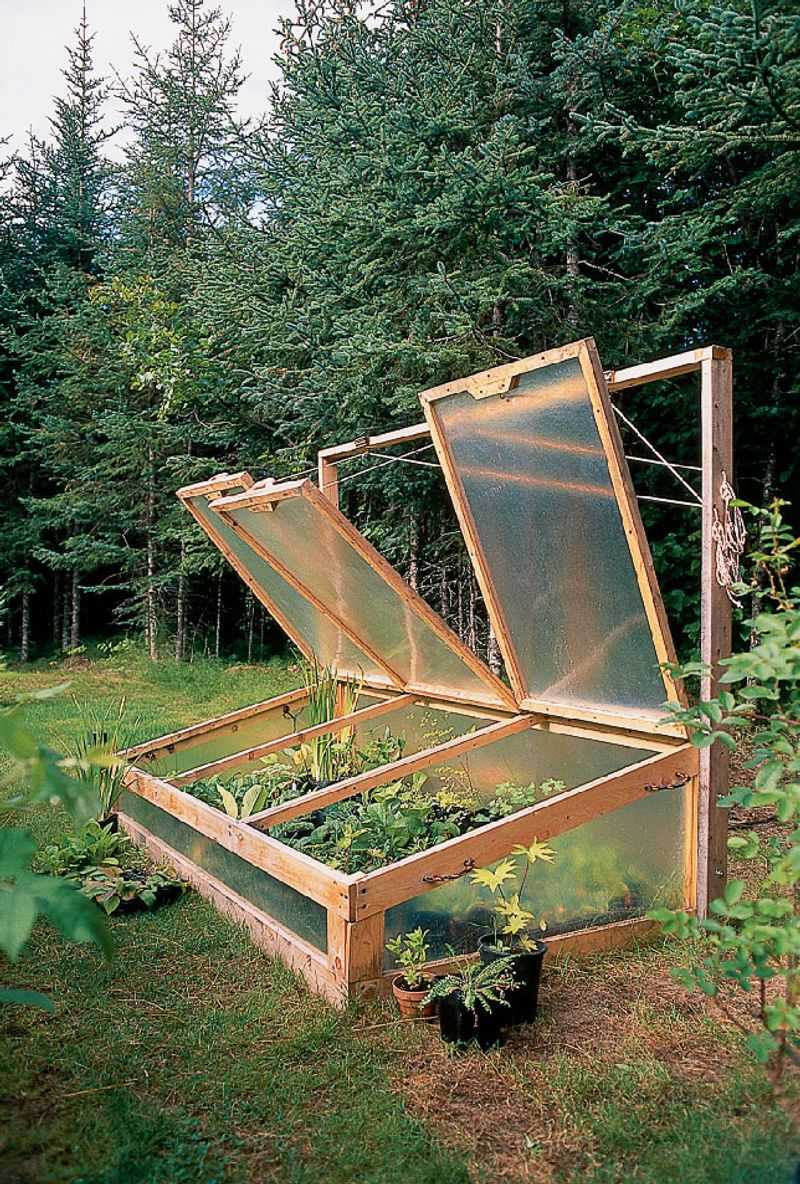
Think of your cold frame as a solar panel for plants. The way it faces and tilts decides how much sunshine it can grab. Get the shape right, and the sun does most of the heating for free.
Winter sun sits low in the southern sky. A lid that slopes toward the south meets those rays more directly, so more light and heat pour inside. That extra warmth soaks into the soil and air, keeping your plants comfortable on chilly days.
As a bonus, the angle helps snow slide off rather than piling up on top.Building the slope is simple. Make the back wall about 18 inches tall and the front wall about 12 inches tall. Cut the side boards at an angle to connect the two.
Then point the low side toward the south so the lid tilts right at the winter sun. Location matters too.
Pick a spot that gets full sun, with no trees or buildings casting shadows during the middle of the day. Even better, tuck the frame against a south-facing wall or fence.
That wall soaks up heat during the day and blocks icy north winds, creating a warm little pocket for your crops.
Sunshine is precious in a Michigan winter. Cloudy skies are common, especially near the Great Lakes, and the days grow very short by December. Every hour of sun counts when your plants are trying to stay healthy.
A south-facing slope helps you squeeze the most out of each bright moment, turning your cold frame into a cozy, glowing garden spot.
4. Insulate The Walls For Deeper Cold
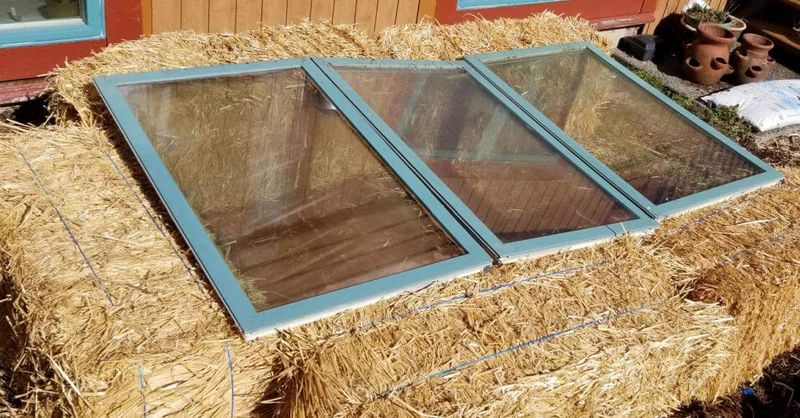
Grandma knew the trick long before anyone sold fancy garden gear: wrap it up warm. A well-insulated cold frame works a lot like a winter coat. It holds in heat that would otherwise slip away into the frosty night.
Heat escapes through every wall and gap. Thin boards let warmth leak out quickly, especially on still, clear nights when temperatures plunge. Thicker walls and extra insulation slow that loss down.
As a result, your crops can make it through temperatures that would badly damage them in an open bed.
You have plenty of options to boost warmth. Build the walls from thick wood, like 2-inch lumber, instead of thin plywood. Stacking straw bales around the outside creates a cozy barrier, and some gardeners even build whole frames out of bales.
Lining the inside walls with rigid foam board adds another solid layer of protection.
Free materials help too. Bank soil or piles of fallen leaves against the outside walls to block wind and hold in heat. On the very coldest nights, toss an old blanket or quilt over the lid.
Just remember to pull it off in the morning so sunlight can reach your plants again.
Michigan winters can get downright bitter. In many areas, nights drop well below zero, and the Upper Peninsula can see even harsher cold. Those deep freezes test any garden setup.
Taking time to insulate your frame gives your greens a fighting chance, and few things feel better than picking crisp leaves while the thermometer outside reads single digits.
5. Plant The Right Crops For Winter Harvests
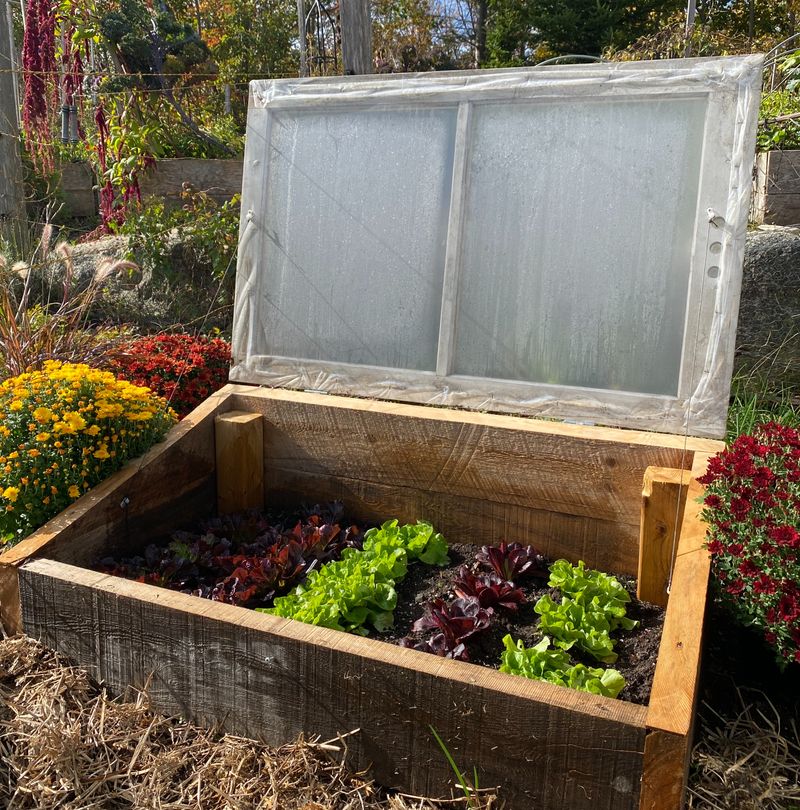
Not every veggie wants to spend winter in a box. Tomatoes and peppers would sulk at the first frost. For a cold frame, you need tough little greens that actually enjoy chilly weather.
Spinach tops the list for good reason. It shrugs off freezing nights and often tastes sweeter after a frost, since cold weather helps plants store more sugar. Mâche, also called corn salad, is another champion with tender, nutty leaves.
Kale, arugula, and claytonia, sometimes called miner’s lettuce, round out a sturdy winter lineup.
Lettuce can join the party too, but choose wisely. Look for winter-hardy varieties like Winter Density, Arctic King, or North Pole. Seed packets often list cold tolerance, so read them carefully before you buy.
Picking the right types makes the difference between steady harvests and frozen, mushy leaves.
Timing your planting is key. Sow seeds early enough that plants reach near-harvest size before the shortest days of the year arrive around late December. After that point, growth slows to a crawl.
Think of your cold frame as a living refrigerator, holding mature greens that you can pick little by little.
Michigan’s daylight explains why. From late fall into early winter, days drop below about 10 hours of light. Below that mark, most plants barely grow at all, no matter how warm the frame stays.
Expect very slow progress from November through midwinter. Then, as days stretch longer in February, your greens will wake up and start growing again, ready for an early spring feast.
6. Vent On Sunny Days And Clear Snow After Storms
Here is a surprise for new cold frame owners: plants can overheat in January. On a bright, clear day, the inside of a closed frame can climb past 80 or even 90 degrees. That is way too toasty for cool-loving greens.
Sun pours through the lid and gets trapped, just like in a parked car. Spinach and lettuce prefer cool temperatures, so too much heat stresses them and can cause wilting. Snow brings the opposite problem.
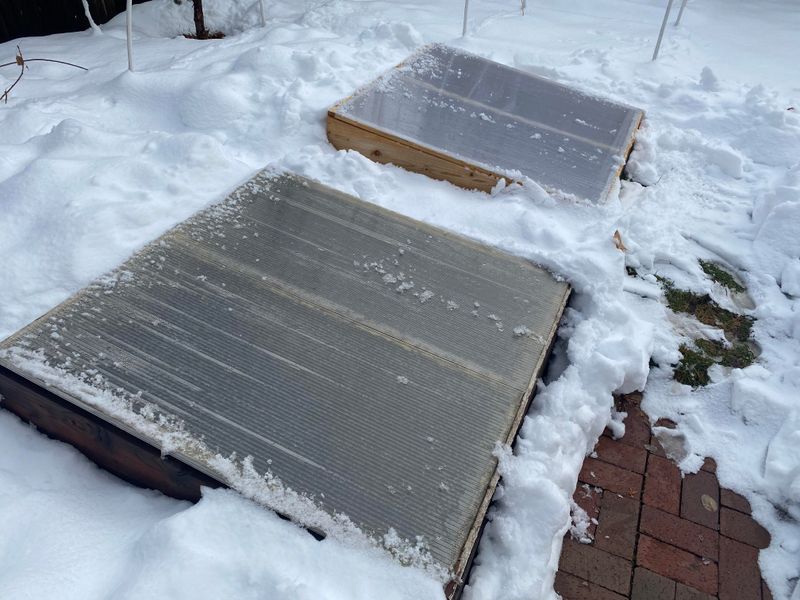
A thick layer sitting on top blocks sunlight and adds heavy weight to the lid. A quick daily check fixes both issues. When the inside temperature rises above about 70°F, prop the lid open a few inches with a stick or block of wood.
A cheap thermometer inside the frame makes this easy to track. Close the lid by late afternoon to trap warmth before the evening chill sets in.
After a storm, grab a soft broom and gently brush the snow away. Avoid shovels or sharp tools, since they can scratch or crack the panels. Busy schedule?
An automatic vent opener can help. These handy gadgets use wax that expands as it warms, lifting the lid on their own without any electricity.
Michigan weather keeps you on your toes. A big snowstorm can be followed by a dazzling bluebird day, and the sun reflecting off fresh snow adds even more light. A closed frame warms up quickly under those conditions.
A few minutes of venting and brushing each day keeps your plants happy, healthy, and right in their comfort zone.
7. Water Sparingly And Watch For Problems
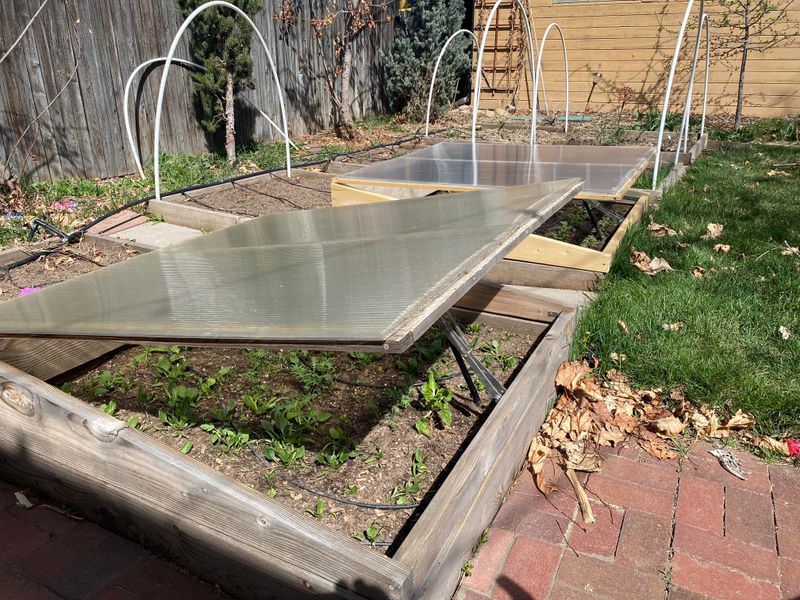
Less is more when it comes to watering a cold frame in winter. Many gardeners are shocked at how rarely their plants need a drink. Too much love from the watering can often causes more trouble than too little.
The lid is the reason. It blocks rain and snow, but it also slows evaporation, so moisture lingers in the soil for a long time. Soggy soil can lead to rot and fuzzy mold on leaves and roots.
Still, the soil does dry out slowly over weeks, so you cannot ignore it completely. Make soil checks part of your routine every week or two.
Push a finger an inch or two into the dirt. If it feels dry and is not frozen, give your plants a light drink on a mild day, ideally in the morning. Watering in the morning lets extra moisture fade before the cold night arrives.
Fresh air keeps mold away too. Venting on sunny days lowers the humidity inside, which helps leaves stay dry and healthy. Meanwhile, keep an eye out for slugs and aphids.
Both pests love the sheltered, cozy space as much as your greens do. Pick off slugs by hand, and blast aphids away with a gentle spray of water or use insecticidal soap.
Michigan winters are long, often stretching from November into March. Careful watering and a watchful eye carry your cold frame crops safely through those months.
With a little attention, you will enjoy fresh, homegrown greens straight through the snowy season, and spring planting will feel like a bonus.