How To Keep Lavender From Getting Woody In Pennsylvania
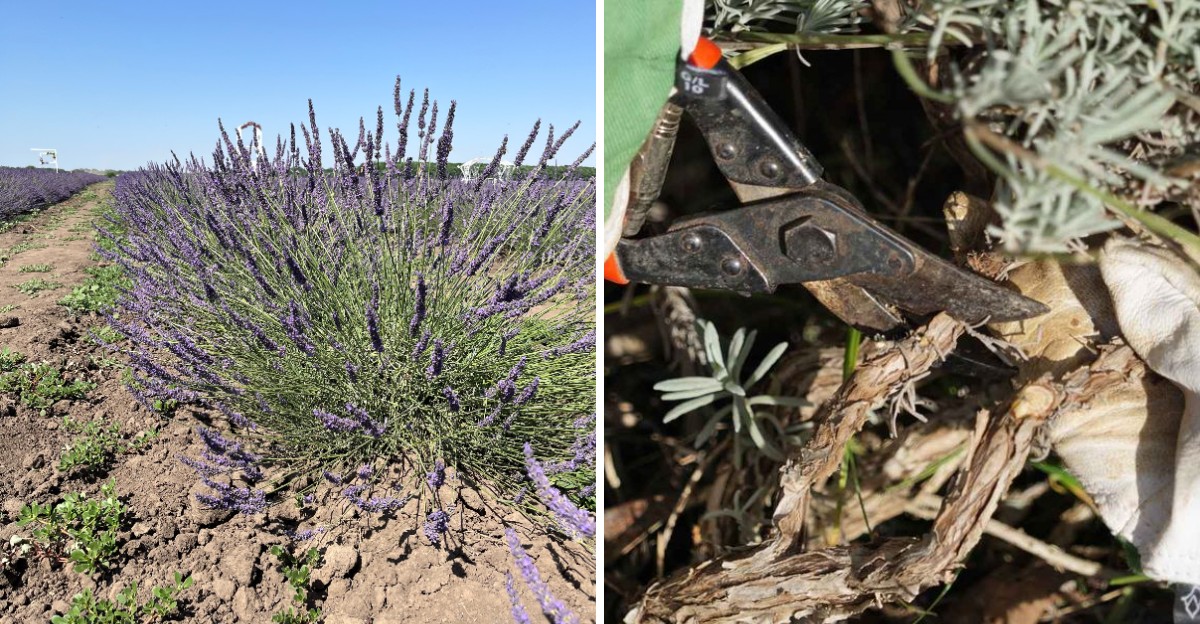
Why does your lavender look thin in the middle? Woody stems push outward while the center sheds its leaves.
You planted a silvery, fragrant shrub, and now it sprawls like a worn doormat. Pennsylvania springs soak your roots, and soggy soil invites trouble.
Winter then chills those wet crowns and thins the green tips. Timing your trim matters more than strength.
Deep cuts into old wood leave you with stems that resist sprouting. Clean shears trim just above the lowest green growth after blooms fade.
Gravel mulch and fast drainage shield your plants from Pennsylvania humidity. Spacing matters too, because airflow dries leaves before moisture settles in.
Healthy stems can fill out within a season. Dense silver mounds can bloom heavily again, and you set the schedule. Discover the careful cut that wakes your dormant buds before next summer returns.
1. Prune Every Year After The First Bloom
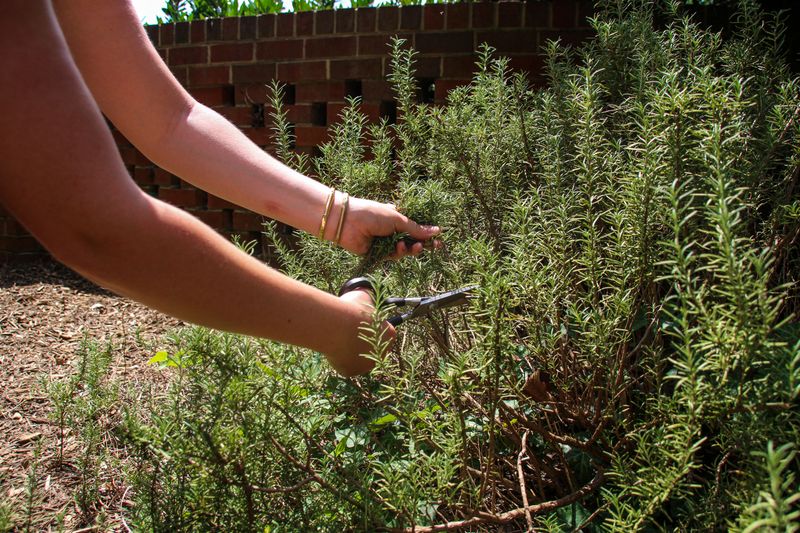
Think of pruning as a haircut that keeps your plant young at heart. Skip it for a couple of summers, and the stems turn hard and gray quickly.
Lavender is a small shrub, so it naturally builds wood over time. Regular trimming pushes it to grow fresh, soft shoots instead of stiff old branches.
In Pennsylvania, the first flush of flowers usually fades by late June or early July. That moment is your cue to grab clean, sharp shears and get to work.
Cut off the spent flower stalks plus an inch or two of leafy growth below them. Aim to remove about one third of the green part of the plant.
Shape the bush into a rounded mound, a bit like a scoop of ice cream. A rounded top sheds rain and snow better than a flat or messy shape.
Many plants reward you with a second, smaller round of blooms by late summer. Even if extra flowers skip a year, the plant stays tighter and bushier.
Avoid big pruning jobs after mid-September in Pennsylvania, because tender new shoots can be damaged by frost. Mark your calendar for next summer and let the plant rest through fall.
Clean your shears with rubbing alcohol before you start each session. Dirty blades can spread fungus from one plant to the next in humid weather.
Keep a small notebook of when you trimmed and how the plant responded. After a couple of years, you will know your garden’s rhythm like a favorite song.
2. Leave Some Green When You Cut Back
A common guideline among growers is simple: do not cut into bare wood. Lavender stems that have lost their leaves may not regrow.
That is very different from shrubs like boxwood or roses, which bounce back from hard cuts. Lavender plays by its own picky rules, so you need a gentler hand.
Before you snip, look closely at each stem from the tip down to the base. You will see soft gray-green leaves, then a point where the stem turns brown and woody.
Make your cut at least two or three sets of leaves above that brown line. Those little leaf buds are where new branches will push out next season.
Your Pennsylvania Garden Changes Every Week. Your Plan Should Too.
Gardening in Pennsylvania changes quickly throughout the season. Every Friday you’ll receive a simple weekly plan showing exactly what to plant, prune, fertilize, harvest, and protect so you never miss the right timing.
In spring, Pennsylvania gardeners often worry when their plants look gray and dormant after winter. Wait until mid to late April, when tiny green buds appear along the stems.
Once you spot that new growth, trim away only the tips that were clearly damaged by the cold. Leave anything showing green, even if it looks a bit uneven.
Working in small steps is smarter than one large cut. You can take a little more off later, but you cannot glue stems back on.
Picture the plant as a cupcake with frosting on top. Your job is to trim the frosting, not to slice into the cake underneath.
If an older plant is already bare in the middle, gentle trimming will not fully fix it. Still, careful cuts can slow the woody creep and buy you extra years.
3. Choose Hardy Varieties Like Munstead And Hidcote
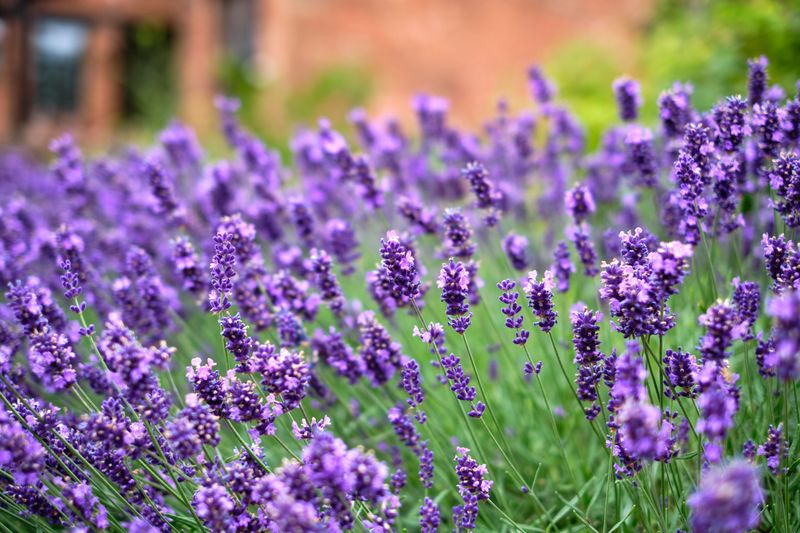
Back in the early 1900s, a famous English garden designer named Gertrude Jekyll helped make Munstead lavender popular. More than a century later, it still thrives in chilly Pennsylvania yards.
Picking the right type is the first step toward a plant that stays full. Some lavenders handle our cold, wet winters far better than others.
English lavender, called Lavandula angustifolia, is the toughest choice for most of the state. Munstead and Hidcote are compact, cold-hardy, and stay neat with yearly trimming.
Hybrids called lavandins, like Grosso and Phenomenal, grow bigger and smell stronger. Phenomenal is often described as handling humid summers and cold winters better than many other hybrids.
Spanish and French lavenders look cute at garden centers, with their bunny-ear petals and frilly leaves. However, they usually are not hardy enough for a Pennsylvania winter outdoors.
Tender types often take winter damage and decline faster in cold climates. A stressed plant puts energy into survival instead of fresh, bushy growth.
Check plant tags for a hardiness zone before you buy. Much of Pennsylvania falls in zones 5 through 7, so check your zip code and look for plants rated for your zone.
Smaller, compact varieties also need less pruning to stay tidy. Less heavy cutting means fewer chances to accidentally slice into old wood.
October is a great time to research and plan your wish list. Many local nurseries restock English lavender in spring, so you will be ready to shop.
Ask staff at a nearby nursery which types survived last winter in their own display beds. Local experience is a useful guide alongside catalog descriptions.
4. Plant In Gritty, Fast-Draining Soil
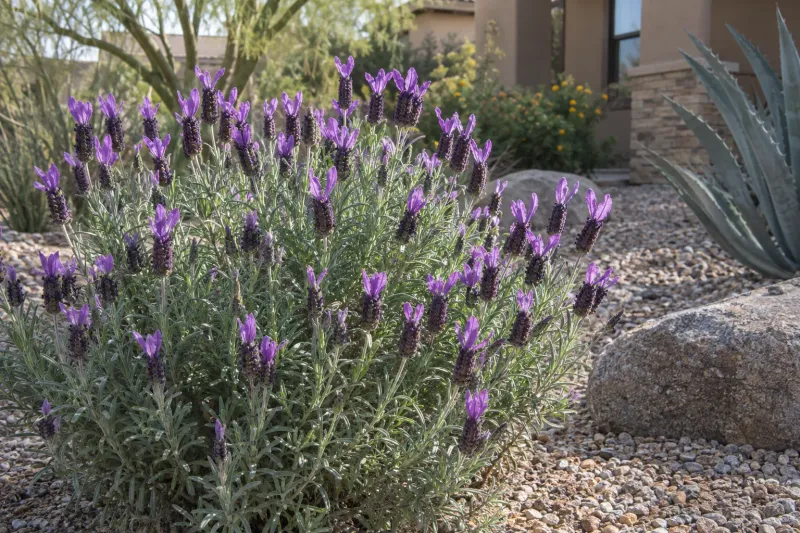
Pennsylvania clay can feel like modeling dough after a rainy week. Lavender roots do not tolerate sitting in soggy soil for long.
Wet roots stress the plant, and stressed plants tend to lose leaves at the base. Before long, you see bare woody stems where soft growth used to be.
This herb comes from dry, rocky hillsides around the Mediterranean Sea. It wants soil that drains fast, almost like a beach after the waves pull back.
Try a simple test before planting by digging a hole about one foot deep. Fill it with water and see if it drains within a few hours.
If water lingers much longer, your soil needs help. Mix in small gravel, pea stone, or coarse grit to open up the dirt, and use sand only in small amounts.
Raised beds and mounds work well across the state, from Pittsburgh to the Poconos. Building a bed six to twelve inches high keeps roots above the wettest soil.
Avoid heavy potting mixes full of peat, which hold water like a sponge. A blend of garden soil and gritty material works much better.
Lavender also likes soil that is slightly sweet, not sour. Many Pennsylvania soils lean acidic, so a little garden lime can help, but test your soil first.
An affordable soil test from Penn State Extension shows your soil’s pH and nutrient levels. That small step saves a lot of guessing later.
Healthy drainage keeps roots strong and leaves full right down to the ground. Fewer bare stems mean a plant that looks young much longer.
5. Skip Heavy Fertilizer And Rich Mulch
Sometimes loving a plant too much is the real problem. Lavender is like a cat that wants to be left alone, and extra fuss backfires.
Rich fertilizer pushes fast, floppy growth that sprawls open in the middle. When stems flop apart, the center gets shady and starts turning woody.
Lean soil keeps the plant compact, tidy, and packed with fragrant oils. Many growers say the scent is stronger when the plant is not overfed.
Skip high-nitrogen lawn food near your herb bed. Fertilizer running off the grass can reach lavender roots without you noticing.
If your plant looks pale in spring, a light sprinkle of compost is plenty. Once a year is enough, and many established plants need nothing at all.
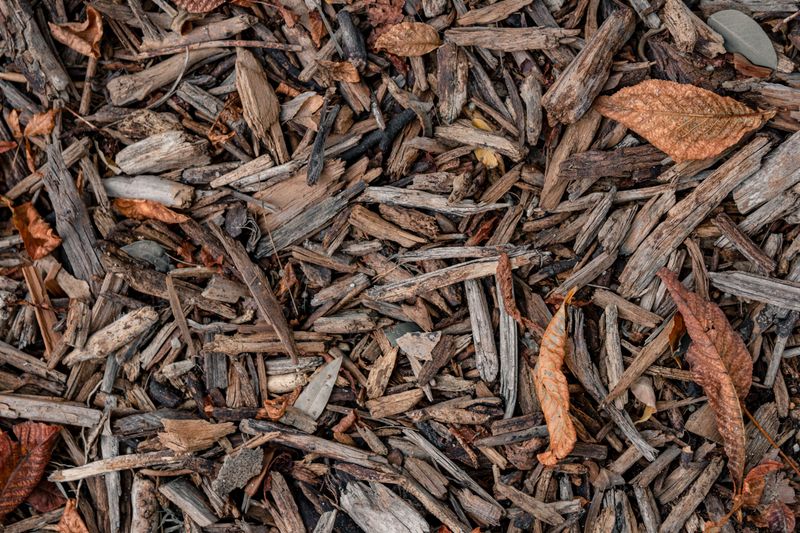
Mulch can cause problems in the garden too. Thick layers of shredded bark or wood chips trap moisture right around the crown of the plant.
That damp ring invites rot, and affected stems often lose their leaves and turn stiff. In humid Pennsylvania summers, the problem can spread quickly.
Instead, try a thin layer of pea gravel, crushed stone, or even light-colored sand. Stone mulch drains fast, keeps weeds down, and reflects warm sunlight up into the leaves.
Keep any mulch pulled back a couple of inches from the base. Let the crown breathe, just like you would leave space around a campfire.
Watering follows the same rule of less is more. Once established, lavender usually needs a drink only during long dry spells in July and August.
6. Give It Full Sun
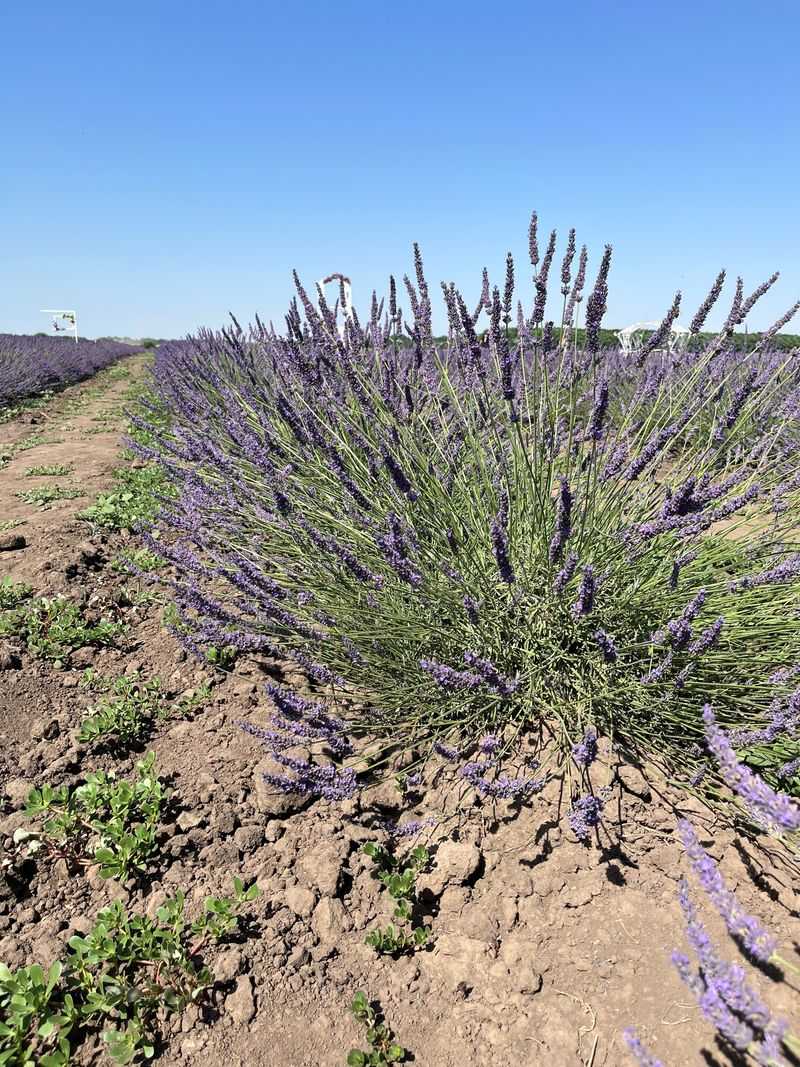
Watch lavender in the shade, and it stretches like a kid reaching for a cookie jar. Those long, leggy stems are an early warning sign.
Plants that reach for light grow thin and open in the center. Over time, the inside loses leaves and turns into a bare, woody frame.
Lavender wants at least six to eight hours of direct sun each day. More is even better, especially in Pennsylvania where cloudy spells are common.
Walk your yard on a sunny day and note where shadows fall in the morning and afternoon. South-facing spots near a wall or driveway are often the warmest choices.
Trees grow taller every year, so a sunny spot can slowly turn shady. Check older plantings and trim nearby branches if light starts fading.
Sun does more than feed the plant. It dries morning dew quickly, which helps prevent fungus during our sticky summer weather.
Good airflow works hand in hand with sunlight. Space English lavender about two to three feet apart, and larger lavandins about three feet or more, so breezes can slip between them.
Crowded plants shade each other and hold moisture, which leads to bare lower stems. Give each one room, even if the bed looks sparse at first.
If your lavender is stuck in a shady corner, October is a fine time to plan a move. Mark a sunnier spot now and transplant early next spring.
Containers on a sunny patio also work well if your yard is shady. Just bring pots to a sheltered spot when deep winter cold arrives.
7. Protect Plants From Wet Pennsylvania Winters
Cold alone is not the biggest winter risk to lavender here. Soggy soil that freezes, thaws, and freezes again does far more harm to the stems.
Pennsylvania winters love to swing from snowstorms to rainy forty-degree days. That roller coaster can crack stems and leave branches brown by spring.
Damaged stems often stay bare, adding to the woody look you are trying to avoid. A little prep in October and November goes a long way.
First, stop pruning and let the plant harden off naturally. Leave the foliage in place, since it shields the crown from icy winds.
Next, clear away fallen leaves that pile up around the base. Wet leaf piles act like a cold, damp blanket that invites rot.
In open, windy yards, evergreen branches laid loosely over plants make a simple shield. Old Christmas tree boughs work great once the holidays are over.
Avoid wrapping plants in plastic, which traps moisture and heat on sunny days. Breathable burlap is a safer choice if you want extra cover.
Heavy snow can split open the center of a bush. Gently brush off heavy, wet snow with a broom after big storms to keep branches from snapping, and leave light snow as insulation.
Potted lavender needs special care because roots in containers freeze faster. Move pots into an unheated garage or against a sheltered wall for winter.
Remove coverings in late March or early April, once hard freezes have passed. Your plant will wake up healthier, greener, and ready to push fresh, soft growth from its stems.
8. Replace Aging Plants Before They Decline
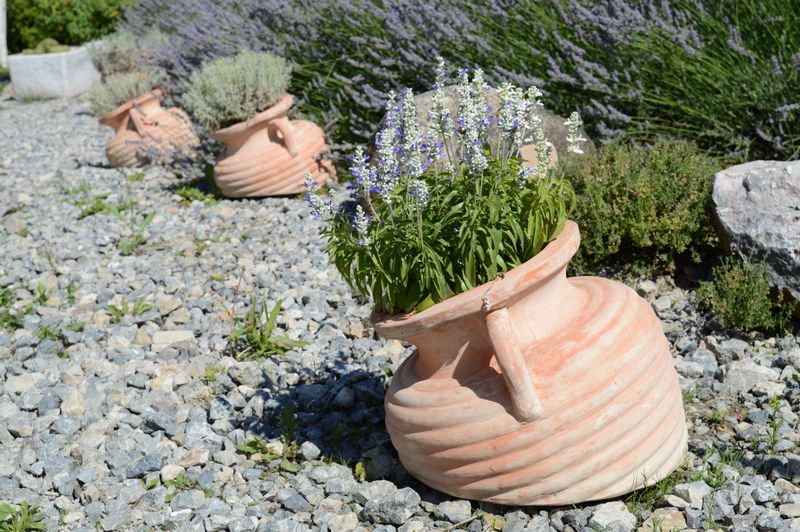
Even well-kept lavender has a natural lifespan, often five to ten years in our climate. Accepting that fact can save you a lot of frustration.
Older plants slowly build more wood no matter how carefully you prune. At some point, a bare, sprawling bush is simply showing its age.
Rather than trying to extend the life of an aging plant, think of renewal as part of the garden’s cycle. Grandparents who grew herbs often kept young plants coming every few years.
Propagating your own is easier than it sounds and costs very little. In late spring or early summer, snip soft, non-flowering shoots about four inches long.
Strip the lower leaves, dip the ends in rooting powder, and tuck them into gritty potting mix. Keep them bright and lightly moist, and roots form in a few weeks.
Layering is another easy trick for busy gardeners. Bend a low stem to the ground, pin it under a little soil, and let it root in place over several months.
Once those young plants are growing well, plant them near the old bush. When they fill in, you can remove the older one without leaving a gap.
October is a smart month to judge which plants are past their prime. Take photos now so you remember which ones looked least healthy by next spring.
Rotating in fresh plants keeps your garden looking full, tidy, and fragrant. Your bees, your nose, and your neighbors will all notice the difference.
Share extra starts with friends who admire your garden. A little pot of lavender makes a lovely, sweet-smelling gift.