This Is The Grass Height Your Virginia Lawn Should Head Into Winter With
Your boots crunch across a silver, frosty lawn that already looks half asleep. Underneath that frozen surface, your grass is quietly deciding whether it will bounce back green in spring.
The height you leave it at before winter matters more than most people realize. Cut it too short, and the plants struggle to hold on through cold snaps.
Leave it too shaggy, and you may end up with soggy, matted patches by March. Somewhere between those two mistakes sits a sweet spot that keeps Virginia lawns tough and healthy.
The right number depends on your grass type and your timing. Tall fescue and warm-season grasses like Bermuda each play by slightly different rules.
A few small choices this fall can pay off in a big way come spring. That final cut of the year deserves a little extra thought.
Fescue Should Stay At Its Normal Height Through Fall
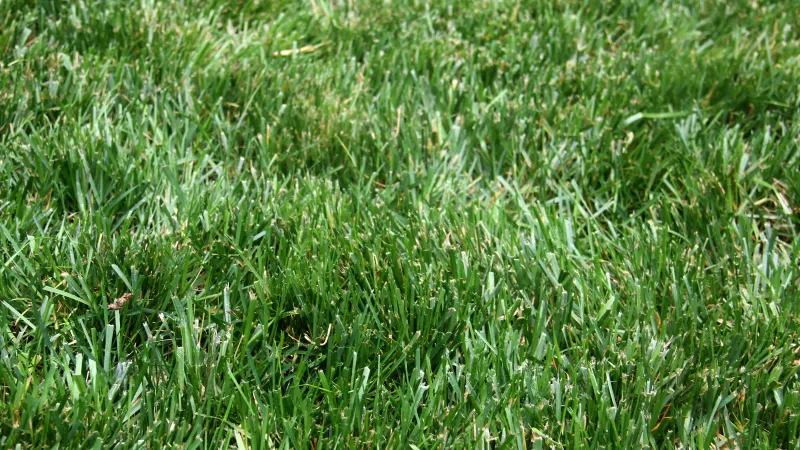
Tall fescue is the backbone of countless Virginia yards, from Richmond to the Shenandoah Valley. It loves cool weather, so fall is its favorite season to grow strong.
Many homeowners think they should chop it short once the leaves start falling. Fescue actually wants to stay near its regular height, which is usually around 3 to 4 inches.
Lawn experts generally suggest mowing tall fescue at about 3 to 4 inches during the growing season. Local lawn pros in central Virginia often aim for 3.5 to 4 inches as a reliable target.
Some experts drop the height slightly in fall, to about 3 or 3.5 inches. That small change helps the lawn handle wet leaves and chilly weather without losing its strength.
Here is the key detail to remember before winter. Try not to cut fescue below 3 inches, even when you adjust the mower for the season.
Fall is when fescue builds roots and stores food for the cold months ahead. Those green blades act like little solar panels, feeding the plant energy it will need later.
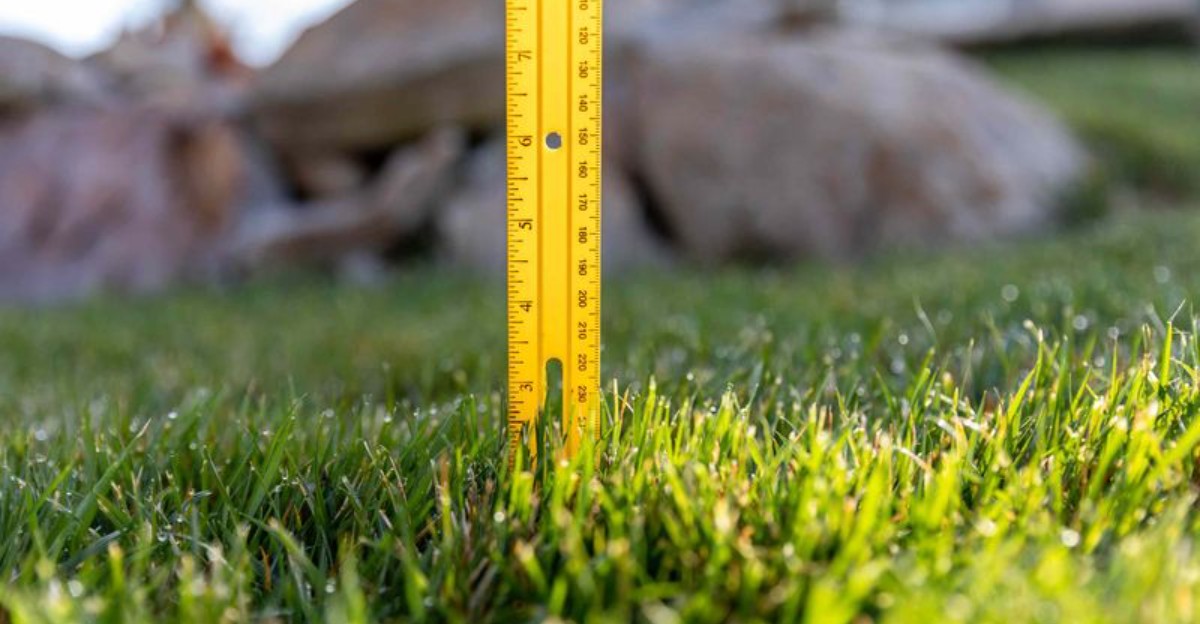
A simple trick is to measure before you mow. Stick a ruler into the grass at a few spots so you know your true height.
Mower settings can be misleading, especially on bumpy ground. Checking with a ruler takes about one minute and saves you from guessing wrong.
Keep the height steady, keep the blades green, and your fescue will thank you. A consistent routine through fall sets the stage for a thick spring lawn.
Scalping Weakens Grass Before Winter
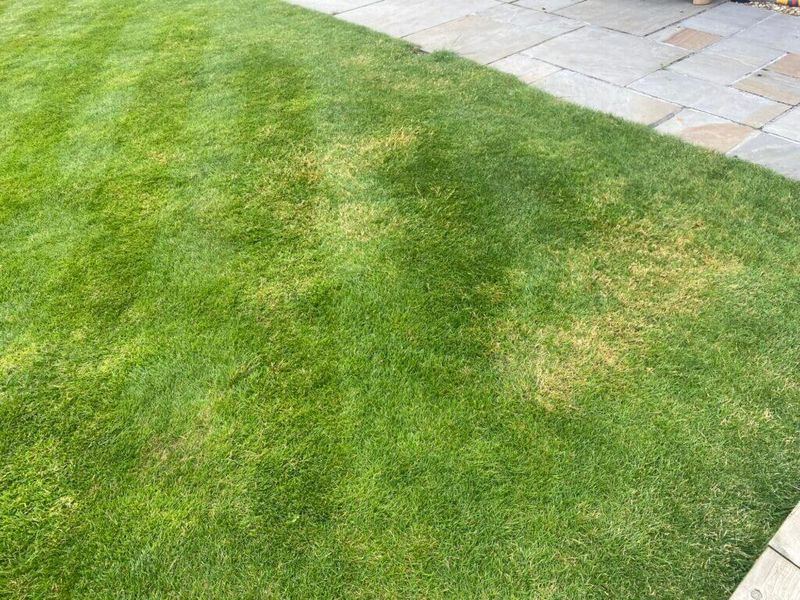
Ever seen a lawn that looks like it got a bad buzz cut? Brown stripes, bare dirt, and a tired look are the classic signs of scalping.
Scalping happens when the mower cuts too low and slices into the grass crown. The crown is the base of the plant, and it really does not like being exposed.
Grass stores food reserves in its lower parts to survive the cold. Cutting too short strips away those reserves right when the plant needs them most.
Picture heading into a long winter with an empty pantry. Your lawn feels the same stress when its stored energy suddenly disappears.
Short grass also leaves soil open to sunlight and air. Weeds like crabgrass love that bare ground and will happily move in once spring warms things up.
Research shows lawns mowed too short face more weed trouble overall. They also struggle more with pests, disease, and dry spells.
Bumpy yards are especially easy to scalp, since the mower dips into low spots. Raising the deck one notch on uneven ground can prevent those ugly bald patches.
Another sneaky cause is mowing on a slope at an angle. Take slopes slowly and keep the deck level so the blade does not dig in.
The goal before winter is a lawn that looks neat but not shaved. Leave enough green behind, and your grass will have the fuel it needs until spring.
Taller Grass Protects The Growing Point
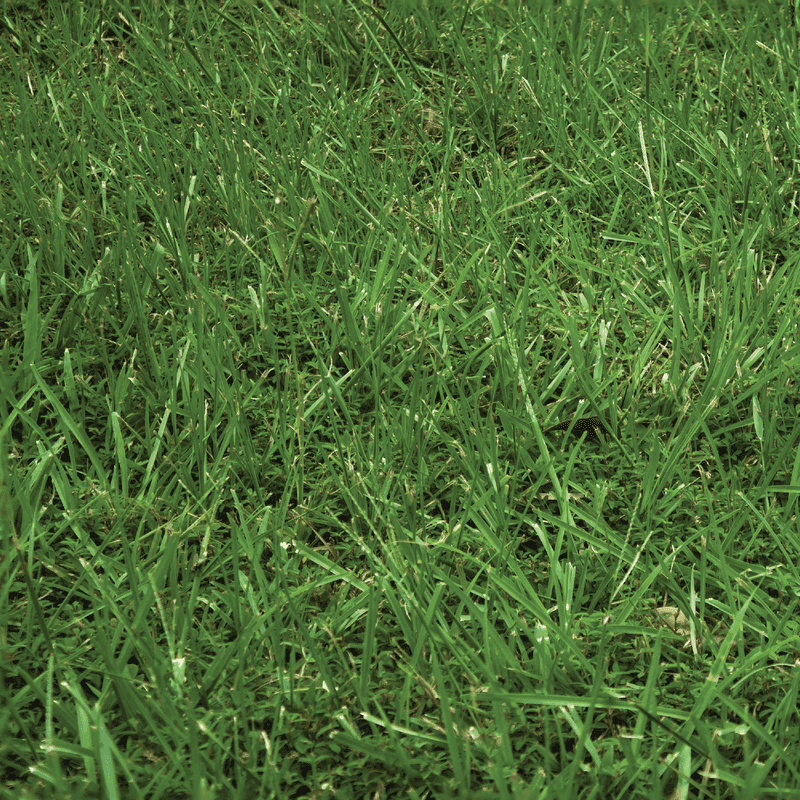
Deep inside every blade of grass sits a tiny command center called the crown. It sends up new leaves and keeps the whole plant going.
Protecting that crown is the real reason height matters so much in winter. Taller blades act like a cozy blanket that shields the crown from harsh weather.
Winters can swing wildly from mild afternoons to icy nights. Longer grass holds warmth and moisture near the ground, softening those sudden temperature changes.
Frost can harm exposed plant tissue quickly. A healthy layer of blades keeps the frosty air from hitting the crown directly.
Height above ground also connects to what happens below the soil. Longer leaves usually support deeper, sturdier root systems.
Deep roots can reach moisture far down in the subsoil. Dry winter winds are less of a problem when the roots can tap that hidden water.
Shade is another bonus that many people overlook. Taller grass covers the soil, which keeps it moist and makes life harder for weed seeds.
Fun fact: grass blades and roots tend to mirror each other. A plant with more leaf area usually builds more roots to match it.
Think of your lawn as a team working above and below ground. Keep the top healthy and tall enough, and the bottom will stay strong through the coldest stretch.
Too Long Can Invite Snow Mold And Disease
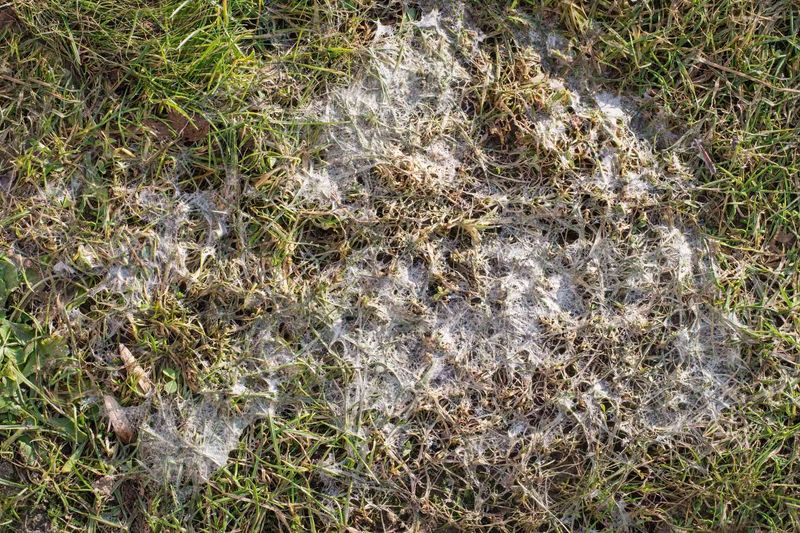
Here is the plot twist in this story. Grass that is too tall can cause just as much trouble as grass that is too short.
Long blades tend to flop over when snow or wet leaves pile on top. That flattened, matted layer traps moisture right against the soil.
Damp, dark conditions are a dream home for fungus. Snow mold often shows up in spring as gray or pink circular patches.
Those patches can leave your lawn looking scruffy and thin. Some areas may need reseeding if the damage spreads too far.
An overgrown lawn can also build up extra thatch over time. Thick thatch holds water and gives pests and disease a comfortable hiding place.
Many lawn experts recommend lowering the final mow slightly in late fall. A height around 3 inches helps limit matting while still protecting the plant.
Some guides suggest going a bit lower for cool-season turf on the final cut. Most fescue owners do well keeping that last mow close to 3 inches.
Leaves are another big piece of the puzzle. Rake or mulch them often so they do not form a soggy blanket across the grass.
Balance is the name of the game here. Aim for grass that stands upright with air moving between the blades, and disease has fewer places to start.
Bermuda And Zoysia Need Different Heights
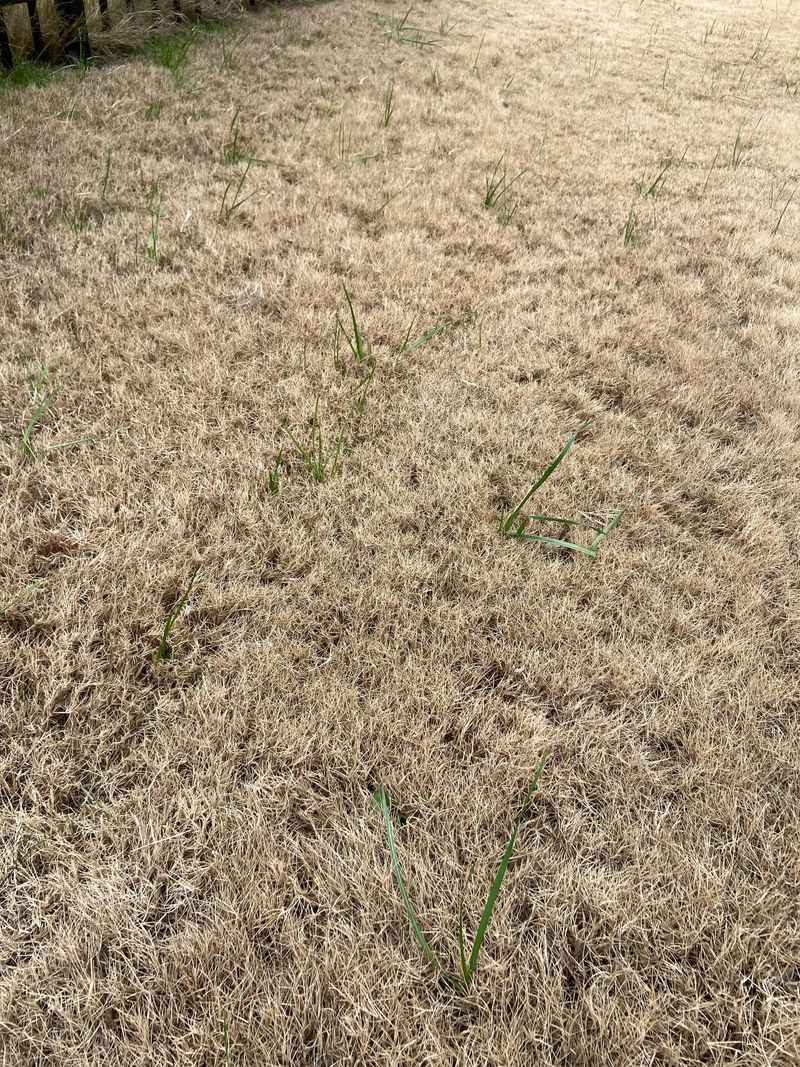
Down in Tidewater and Virginia Beach, many lawns run on warm-season grass. Bermuda and zoysia soak up summer heat and slow down as fall arrives.
These grasses play by different rules than fescue. They usually prefer a shorter cut, so copying your neighbor’s fescue height may not work.
Zoysia tends to look its best at around 1 to 2.5 inches. Bermuda often stays even lower, depending on the variety and your mower.
When soil temperatures fall below about 55 degrees, these grasses go dormant. Your lush green carpet turns a tan or straw color for the winter.
Brown does not mean the grass is gone. It is simply resting, a bit like a bear tucked away until spring.
Mowing slows way down during dormancy. In Virginia Beach, owners of these grasses may only mow about once a month until spring.
Eventually, the plants stop producing new blades to trim at all. At that point, you can park the mower and focus on raking leaves instead.
One helpful tip is to avoid heavy foot traffic on dormant warm-season lawns. Frozen or resting blades can bruise easily and recover slowly.
Know which grass you have before setting your mower height. A quick photo shared with a local garden center can help you identify it fast.
Keep Mowing Until Growth Stops
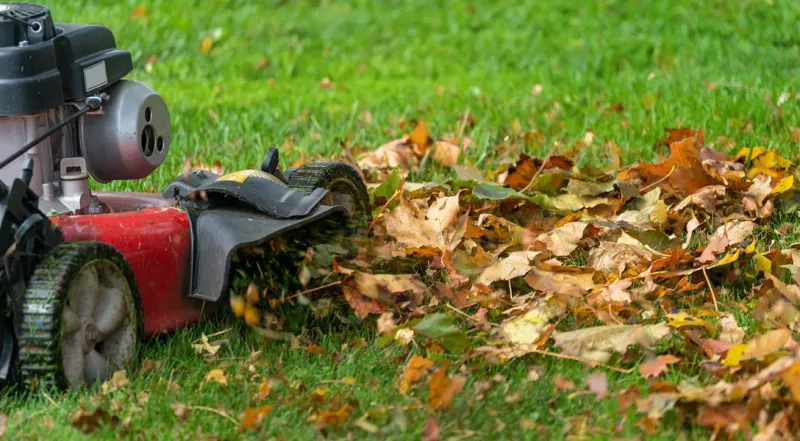
Putting the mower away in October feels tempting after a long summer. Your grass, however, may have other plans for a few more weeks.
Cool-season lawns keep growing well into fall in the state. In Northern Virginia, mowing often stretches into November or even early December.
Weather is the real boss of your schedule. Leaf growth slows a lot once daytime highs stay below about 50 degrees.
Until that point, the grass still needs regular trims. Skipping too many weeks can leave it shaggy and floppy heading into winter.
The pace does relax as the season goes on. Mowing every two weeks is often enough during November and December.
For many fescue lawns, the last cut happens after the first frost. Just wait until the frost melts before you mow, since frozen blades snap and bruise.
Warm-season grasses send a clearer signal. Once Bermuda or zoysia turns brown, growth has paused and the mowing season is basically done.
By January and February, most lawns in the state barely grow at all. That quiet stretch is a great time for mower cleaning and repairs.
Watch your lawn instead of the calendar. If the grass looks taller than last week, give it a trim, and if not, enjoy the break.
Never Remove More Than A Third At Once
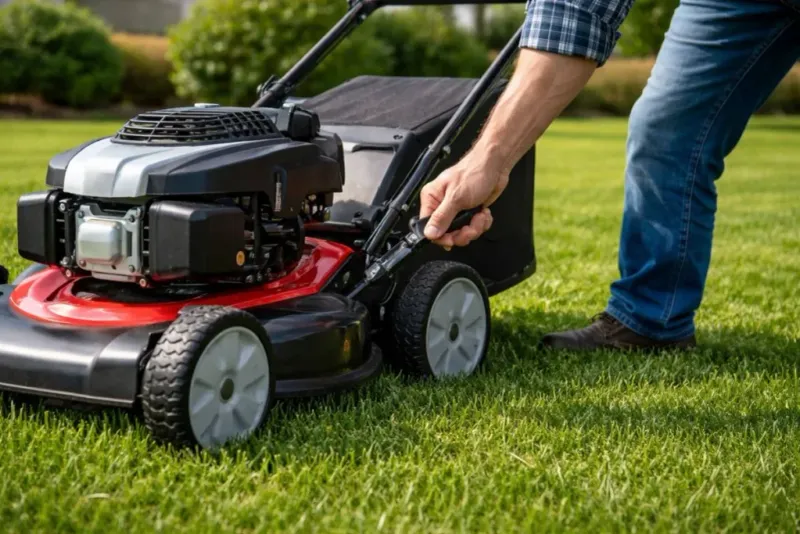
Lawn pros have one golden rule they repeat to almost everyone. Take off no more than one-third of the blade in a single mowing.
Cutting more than that sends the grass into shock. The plant suddenly loses much of its leaf area and cannot make food as well.
Shocked grass often turns yellow or brown within days. That stress is the last thing you want right before winter arrives.
The rule also keeps roots and leaves in balance. A plant missing too many leaves may stop feeding its roots properly.
Doing the math is easier than it sounds. Grass that is 4.5 inches tall should come down to about 3 inches, not 2.
Maybe a rainy stretch or a busy week left your lawn overgrown. Lower the height gradually over two or three mowings instead of one big chop.
Spacing those cuts a few days apart gives the grass time to adjust. Your lawn will look better and recover faster than after one harsh pass.
The one-third rule applies all year for Virginia lawns, not just in fall. It matters most, though, when you are lowering the height for that final cut.
Here is a handy habit to try. Mark your mower deck settings with tape so you can track each step down without guessing.
Sharpen Your Blade For A Clean Final Cut
Take a close look at a grass blade after you mow. Is the tip clean and straight, or ragged like a torn piece of paper?
Dull mower blades rip grass instead of slicing it. Those torn tips turn brown quickly and give the whole lawn a grayish look.
Ragged edges are more than a cosmetic issue. They act like open wounds, letting diseases such as brown patch slip inside.
A sharp blade makes a neat cut that heals fast. Healthy grass can then put its energy into roots instead of repairs.
The final mow of the year deserves extra care. Your lawn will carry that cut through the whole winter, so make it a clean one.
Most experts suggest sharpening at least twice per season. Early spring and midsummer are common times, with a bonus sharpening before late fall mowing.
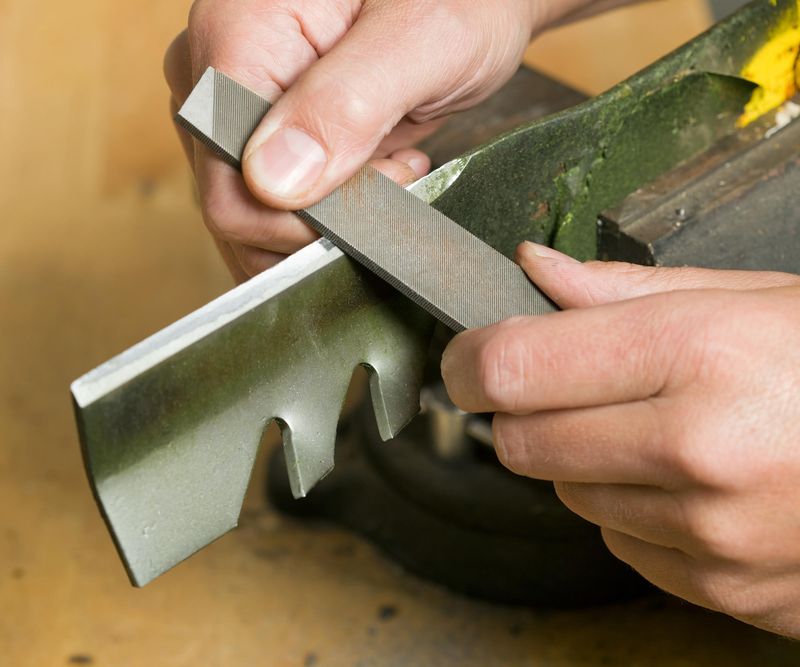
You can sharpen at home with a metal file or bench grinder. Disconnect the spark plug first, and wear sturdy gloves for safety.
Not into tools? Many hardware stores and repair shops sharpen blades for a small fee.
Balance the blade after sharpening so the mower runs smoothly. A wobbly blade shakes the machine and creates an uneven cut across the lawn.