Burning Leaves In Your Virginia Yard Could Land You A Fine This Fall
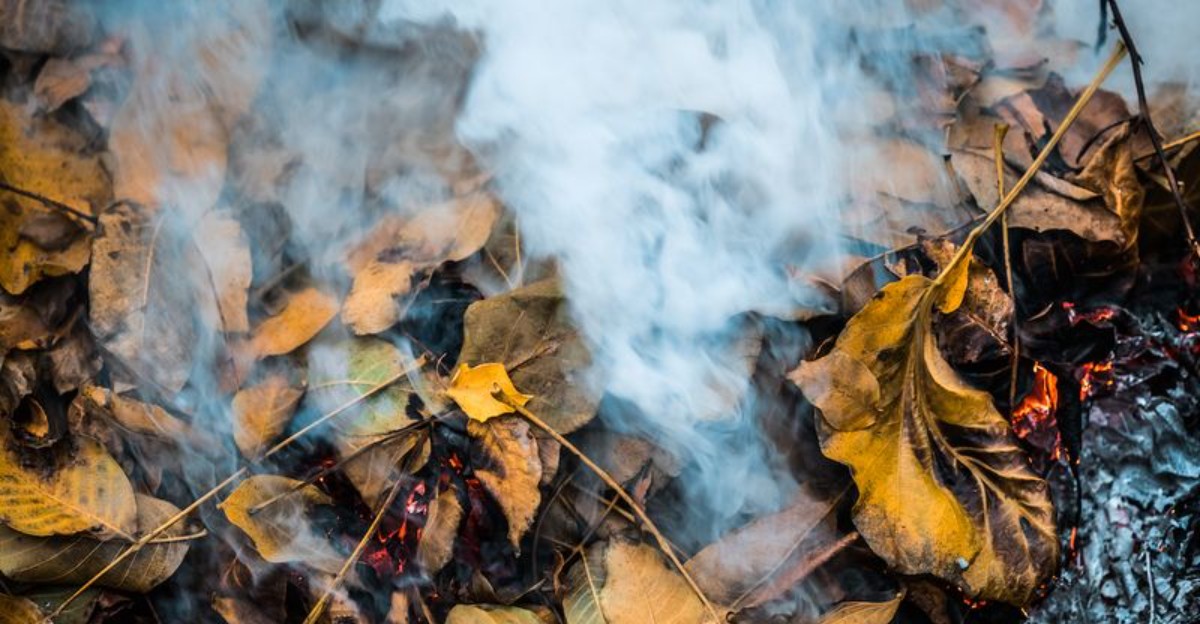
Nothing smells quite like autumn smoke drifting over a pile of crunchy, golden leaves. For many families, a backyard leaf fire feels like a cozy fall tradition.
That harmless-looking blaze, though, could bring a fire marshal to your door or a fine to your mailbox. Burning rules change from one Virginia county to the next, and some catch even longtime homeowners off guard.
A few places ban leaf fires entirely, while others limit the hours or how close the pile can sit to your house. Dry weather can flip the rules overnight with almost no warning.
Before you strike a match this season, it pays to know what your local laws actually say.
Your County’s Rules Matter More Than The State’s Right Now
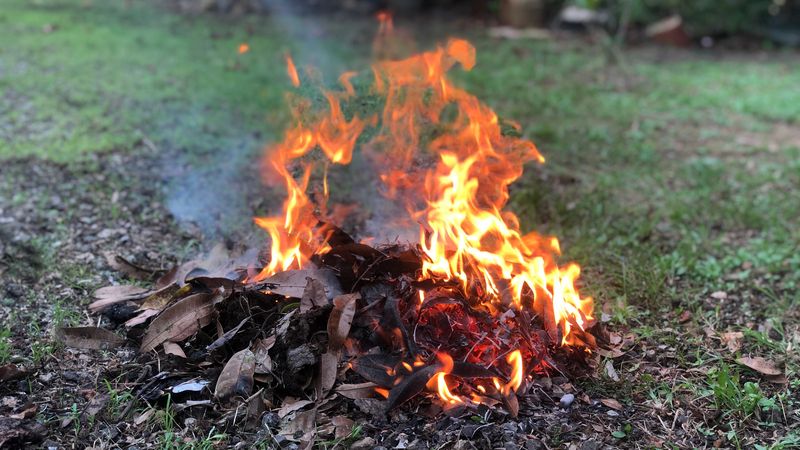
Picture two neighbors living just a mile apart, but in different counties. One can burn leaves legally today, while the other could face a fine for the same fire.
Virginia sets basic statewide burning rules, but local governments are allowed to go further. Many counties and cities pass ordinances that are stricter than anything the state requires.
Fairfax, Loudoun, and many other localities have their own unique burning rules. Your county ordinance is the rulebook that matters most when you stand by your leaf pile.
Checking those rules takes only a few minutes. Most county websites list open burning guidelines under the fire department or emergency management pages.
You can also call the non-emergency number for your local fire department. Staff there can tell you about current restrictions, permits, and any temporary bans in place.
Some localities require a permit before you burn anything at all. Others simply ask that you follow posted hours, distances, and material limits.
Here is a handy tip for busy homeowners. Bookmark your county burning page on your phone so you can check it quickly before each fire.
Rules can change from year to year as towns grow and air quality concerns rise. A rule your grandparents followed decades ago may not apply anymore.
Taking a moment to verify local laws protects your family and your budget. A short phone call costs nothing, but a violation can cost hundreds of dollars.
Some Neighborhoods Don’t Allow Leaf Burning At All
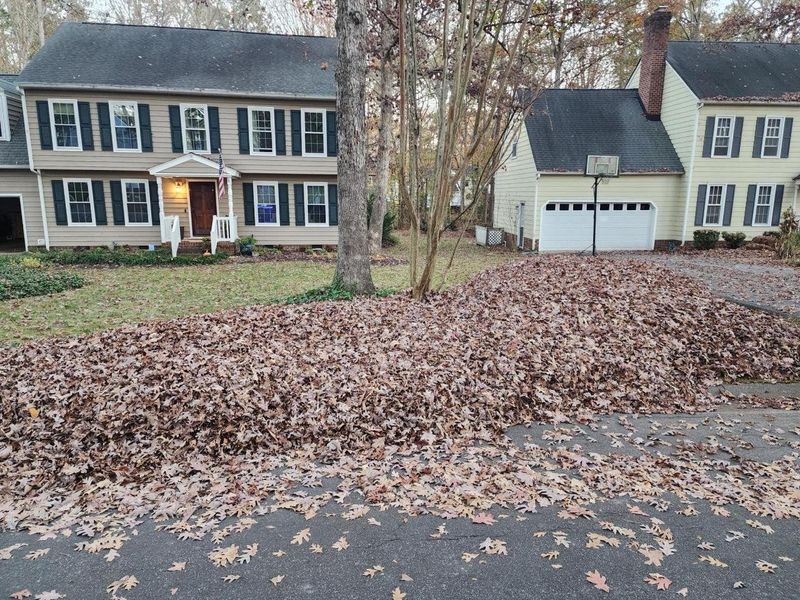
Surprise can hit hard when a fire official shows up at your fence. Plenty of residents learn about burning bans only after lighting their first pile.
Certain localities flatly prohibit open burning during long stretches of the year. Fairfax County generally bans controlled burning from May through September because of air quality rules.
Loudoun County follows a similar pattern, prohibiting open burning between May 1 and September 30. Those months may feel far from fall, but timing matters for early raking.
Some cities take an even firmer stance on yard fires. A few generally prohibit open burning for debris disposal, land clearing, and bonfires.
Other places limit which days or hours you can burn, so check whether Sundays, holidays, or late nights are off limits where you live.
Local officials can also order a fire put out. If smoke becomes a nuisance or hazard, your fire may end early.
Your Virginia Garden Changes Every Week. Your Plan Should Too.
Gardening in Virginia changes quickly throughout the season. Every Friday you’ll receive a simple weekly plan showing exactly what to plant, prune, fertilize, harvest, and protect so you never miss the right timing.
Homeowner associations add another layer of rules. Many HOA agreements forbid burning entirely, even when the county itself allows it.
Reading your HOA documents is a smart move before fall cleanup begins. A quick scan can prevent awkward letters and possible fees from your community board.
Dense neighborhoods often have the tightest limits for good reason. Smoke drifts easily into nearby windows, and homes sit close together.
Knowing where you stand saves stress later. When in doubt, assume burning is restricted until someone official confirms otherwise.
Others Only Allow It In The Evening Hours
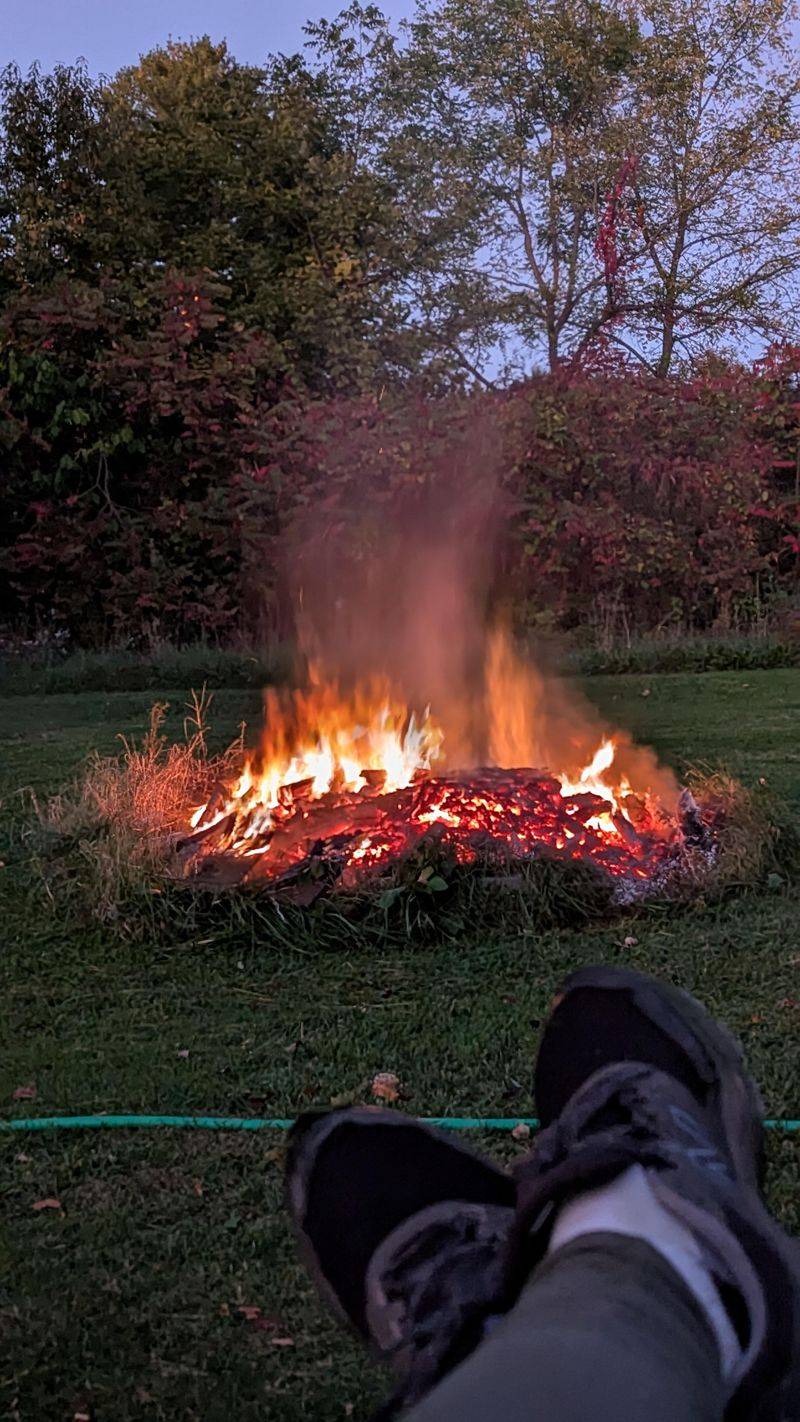
Clock-watching becomes part of yard work in many parts of the state. Time of day can decide whether your fire is legal or not.
Virginia has a well-known 4 p.m. burning law that runs from February 15 through April 30. During that window, burning before 4 p.m. near woods or dry grass is not allowed.
The law applies when fires sit within 300 feet of woodland, brushland, or dry grass. Burning is then permitted only from 4 p.m. until midnight.
Why evening hours? Winds usually calm down later in the day, and humidity tends to rise as the air cools.
Some localities shrink that window even more, ending burning earlier in the evening.
Fall can bring its own local time limits. Some counties set specific daily burning hours outside the spring season, so check yours.
Hours differ widely depending on your address. A friend across the county line may follow a completely different schedule than you do.
Plan ahead to make evening burning easier. Rake your leaves during the day, then pile them in a safe spot for the approved hours.
Set up your hose and tools before dusk arrives. Working in fading light is harder, so preparation keeps you safer.
Writing your local burning hours on a garage calendar helps the whole household. Everyone stays on the same page during busy fall weekends.
Dry Weather Can Trigger A Sudden County Burn Ban
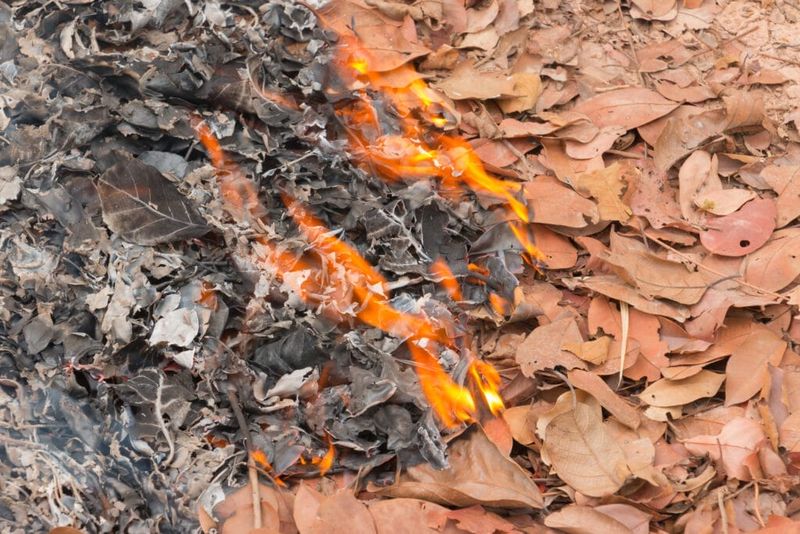
Crisp, sunny fall days feel perfect for yard work. Unfortunately, those same dry conditions can make fire officials very nervous.
Virginia localities can declare temporary burn bans during droughts or stretches of dry, windy weather. These bans can appear quickly, sometimes with only a day of notice.
Temporary bans override the normal yearly rules. Even if burning is usually allowed in your area, a ban means no fires until it lifts.
Dry leaves act like kindling when humidity drops. One stray ember carried by wind can spark a grass fire that spreads fast.
The Virginia Department of Forestry tracks fire danger ratings across the state. Their updates help counties decide when a ban makes sense.
Did you know? Fall droughts have led to wide burn bans across dozens of counties in recent years.
Staying informed is simpler than you might think. Many counties post burn ban alerts on social media, local news sites, and emergency text systems.
Signing up for county alert messages is a smart tip. You will get a notice on your phone when a ban begins or ends.
Watch the weather yourself as well. Gusty winds, low humidity, and weeks without rain are clear signs to hold off.
Patience pays during dry spells. Your leaves will still be there after a good soaking rain, and the risk will be much lower.
Your Fire Has To Sit Well Away From The House
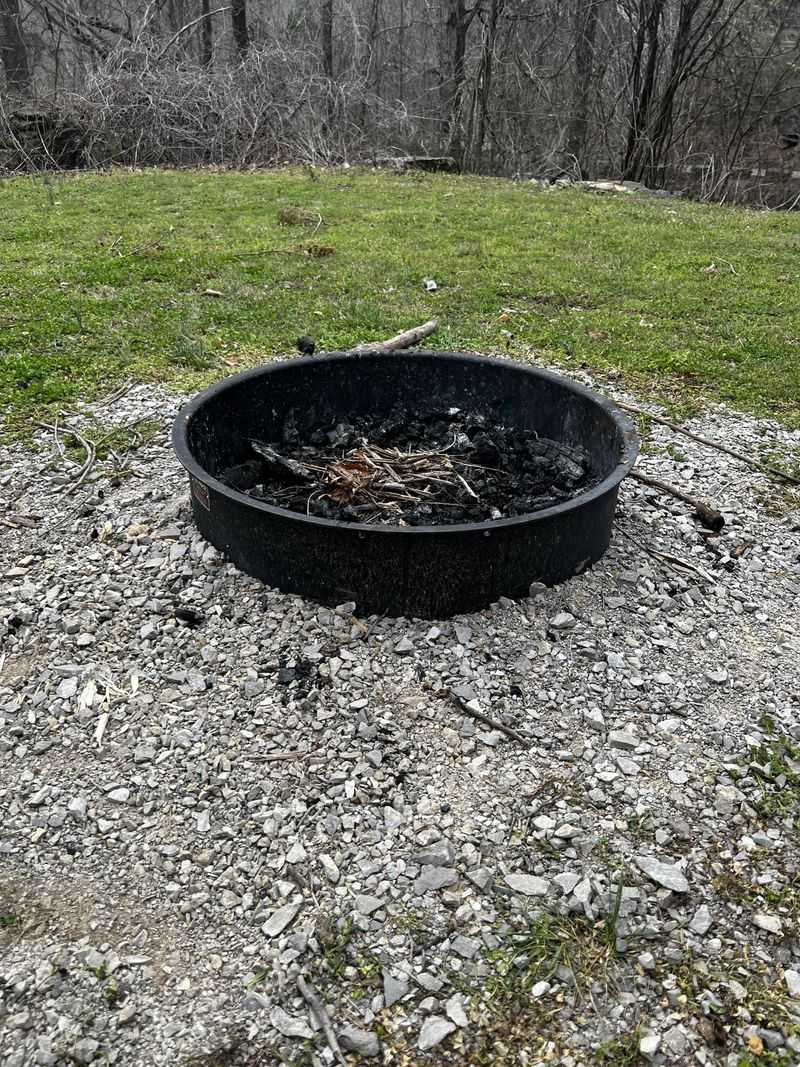
Grab a tape measure before you grab the matches. Distance rules are some of the most common burning laws in Virginia.
State law covers fires built within 150 feet of woodland, brushland, or dry grass. Anyone building those fires must put them out fully before leaving.
Many localities add rules about distance from buildings, often requiring fires to sit around 50 feet from any structure.
Those distance rules usually cover sheds, garages, decks, and fences, not just your home.
Neighbors get extra protection in many places too. Leaf burning often must stay at least 300 feet from occupied buildings off your property, unless you get permission.
Fifty feet is roughly the length of a school bus plus a car. Picturing that helps when you choose a spot.
Look up as well as around. Overhanging tree branches and power lines can catch sparks drifting upward from the flames.
Clear a ring of bare dirt around your pile before lighting. About ten feet of clear ground helps stop flames from creeping across grass.
Small lots create a real challenge here. If you cannot meet the distance rules, burning simply is not an option for your yard.
Measuring once each season is a simple habit. Mark your safe burn spot with a stake so you remember it next time.
Leaves And Yard Debris Only, Never Trash Or Lumber
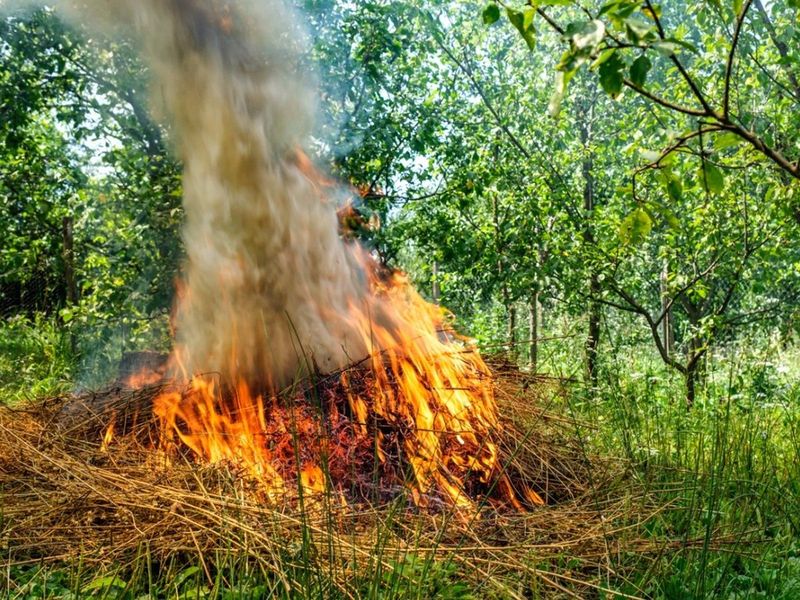
Tossing an old box or broken chair onto the fire might seem handy. That quick shortcut can turn a legal fire into an illegal one.
Virginia generally allows open burning of natural plant materials. Leaves, brush, tree trimmings, and garden clippings usually fall into the approved group.
Many items are strictly off limits. Rubber, tires, asphalt materials, crankcase oil, and treated or painted wood are all prohibited.
Burning those materials releases harmful chemicals into the air. Smoke from treated lumber, for example, can carry toxic substances your family breathes in.
Materials that make dense smoke or strong, nasty odors are also restricted. Wet leaves can sometimes create heavy smoke, so dry piles burn cleaner.
Household trash is another common problem. Burning garbage is typically restricted, especially where regular trash pickup is available.
Some cities have especially tight material rules. In a few places, untreated wood may be the only allowed fuel for recreational fires.
Sorting your debris first makes a big difference. Keep a separate pile for lumber, plastic, and anything that is not plant-based.
Leftover wood scraps can often go to a county convenience center. Many localities accept bulky items and construction waste for free or a small fee.
Keeping your fire simple keeps it legal. Plain leaves and sticks burn more predictably and create fewer complaints from neighbors.
Never Walk Away From A Smoldering Pile
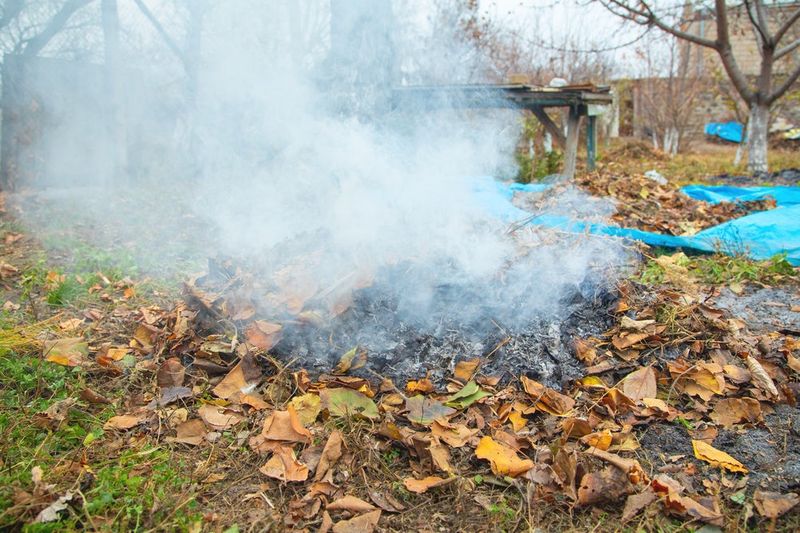
Just five minutes inside for a snack can feel harmless. Yet near woods or dry grass, leaving a fire alone even briefly breaks Virginia law, and many localities require you to stay with every fire.
Wherever those rules apply, you have to stay until the fire is fully out. Smoldering embers still count as an active fire.
Leaving a fire unattended is treated as a serious violation. Fire officials may step in and put it out for you.
Good preparation keeps you from needing to leave. Gather your tools, drinks, and a chair before you ever light the pile.
Water should be ready at the burn site at all times. A charged garden hose, a full bucket, or dirt with a shovel all work well.
Putting out the fire takes more than a quick spray. Drown the pile, stir the coals, then drown it again.
Repeat that process until you feel no heat at all. Hold your hand just above the ashes to check carefully.
Leaf piles are sneaky because they can hold heat deep inside. A pile that looks cool on top may glow underneath for hours.
Recheck the spot later that evening and the next morning. Hidden embers can flare up when the wind picks up.
Bringing a buddy helps too. One person can grab supplies while the other keeps eyes on the flames every minute.
Breaking The Rules Can Mean A Misdemeanor Charge
Most people think of a burning violation as a simple warning. In reality, it can show up as a criminal charge.
Breaking Virginia’s 4 p.m. burning law is a Class 3 misdemeanor. That charge can bring a fine of up to $500.
Costs can climb much higher if your fire escapes. You may have to pay firefighting expenses plus any damage to nearby property.
Imagine a small leaf pile spreading into a neighbor’s woods. Fire crews, equipment, and repairs could add up to thousands of dollars.
Some localities may set even tougher penalties for certain violations, so check your local ordinance. The state’s most serious misdemeanor, Class 1, can carry up to one year in jail, a $2,500 fine, or both.
Homeowners insurance may not cover every cost either. Policies sometimes limit payouts when damage comes from an illegal act.
Here is a practical tip worth remembering. Keep a note of the date you checked local rules and any permit numbers you received.
That record shows you made a good-faith effort to follow the law. It can help if questions come up later.
Following the rules is far cheaper than paying penalties. A little caution today protects your savings and your peace of mind.
Spring Brings Even Tighter Limits Statewide
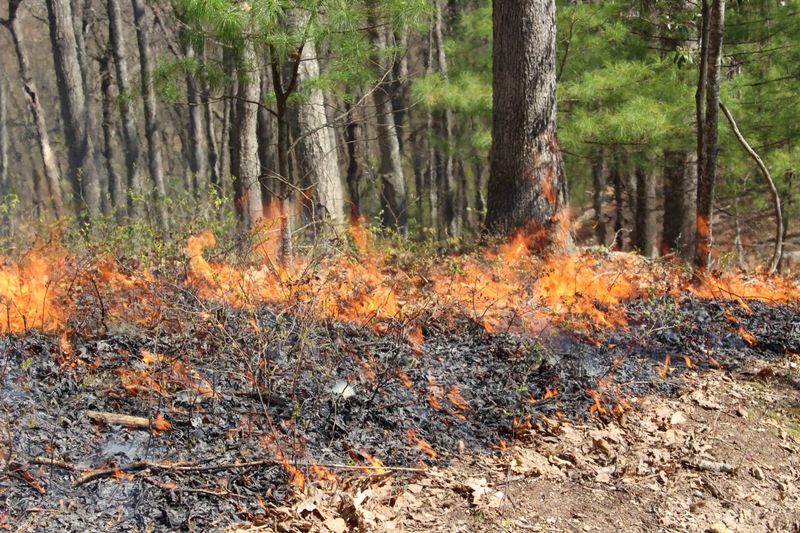
Fall leaves sometimes linger in corners of the yard until winter ends. Burning them in early spring brings a whole new set of limits.
Virginia’s statewide 4 p.m. burning law runs every year from February 15 through April 30. During that time, daytime burning near woods or dry grass is banned.
Lawmakers created the rule to cut down on wildfires. Late winter and early spring often bring strong winds and low humidity.
Forest floors are also very dry then. Last year’s leaves have not yet been shaded by new growth, so they catch fire easily.
Fun fact: spring is often the busiest wildfire season in Virginia, not summer. Many people find that surprising.
Stricter rules follow once spring ends in some areas. Several localities in air quality control zones ban open burning entirely from May through September.
Planning around these dates can save trouble. Try to handle most leaf cleanup in the fall, when local rules may be more flexible.
Write February 15 on your calendar as a reminder. That date signals the start of tighter limits across the state.
Leftover piles can also wait for a mulching session instead. Running them over with a mower works in any season.
Knowing the yearly rhythm of burn rules helps you plan smarter. You will spend less time guessing and more time enjoying your yard.
Mulching Or Composting Skips The Risk Entirely
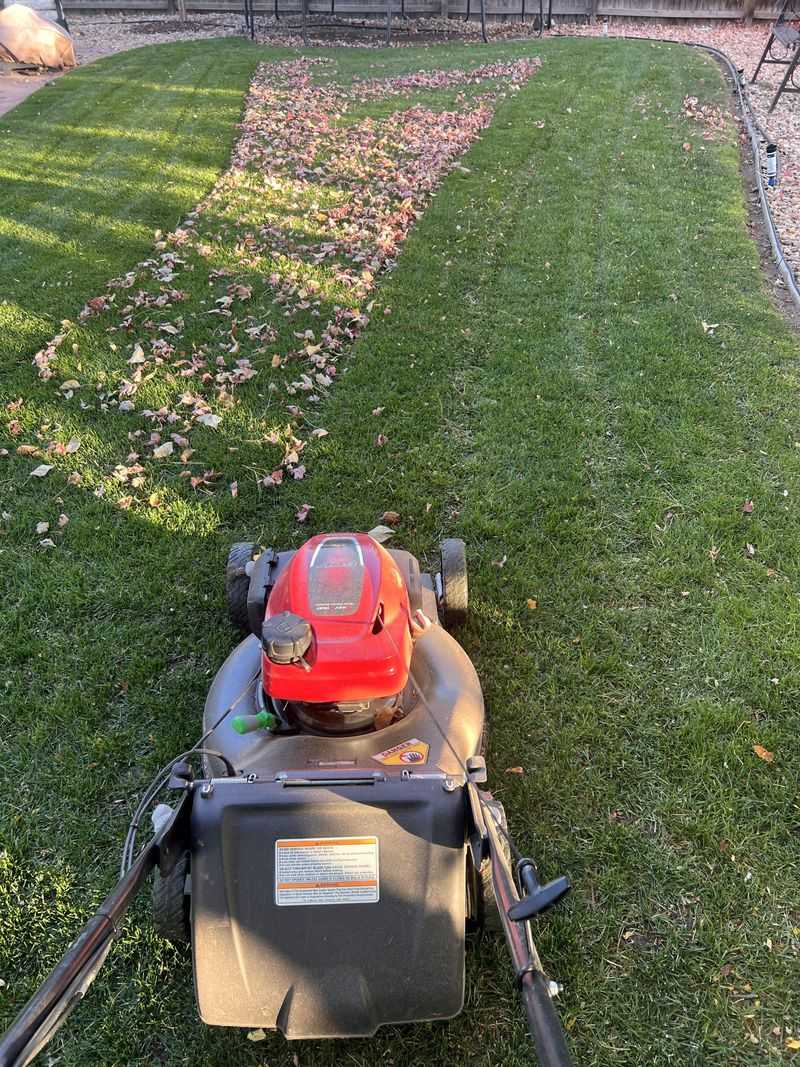
Your lawn might be hungry for those leaves you planned to burn. Turning them into mulch or compost avoids fines and feeds your soil.
Mulching is easier than most people expect. Simply run a mower over dry leaves a few times until they break into small pieces.
Those tiny bits settle down between grass blades. Over time, they return nutrients to the soil and improve its structure.
Mulch helps the ground hold moisture too. You may need to water less, and weeds struggle to grow without sunlight.
Spreading shredded leaves around flower beds works wonders. A layer a few inches thick protects roots through chilly winters.
Composting offers another great option. Mix leaves with green materials like grass clippings or kitchen scraps for the best results.
A simple wire bin or open pile works fine for beginners. Turn the pile every few weeks to keep it breaking down well.
Virginia Tech turf experts recommend composting leaves instead of sending them to landfills. Plastic bags full of leaves can sit there for years.
Many counties also offer curbside leaf pickup or drop-off sites. Some even give away free finished mulch in spring.
Choosing these methods means no smoke, no permits, and no surprise fines. Your garden gets a natural boost, and your neighbors breathe easier.