What’s Screaming In Your Virginia Yard At Night? It’s Probably Not What You Think
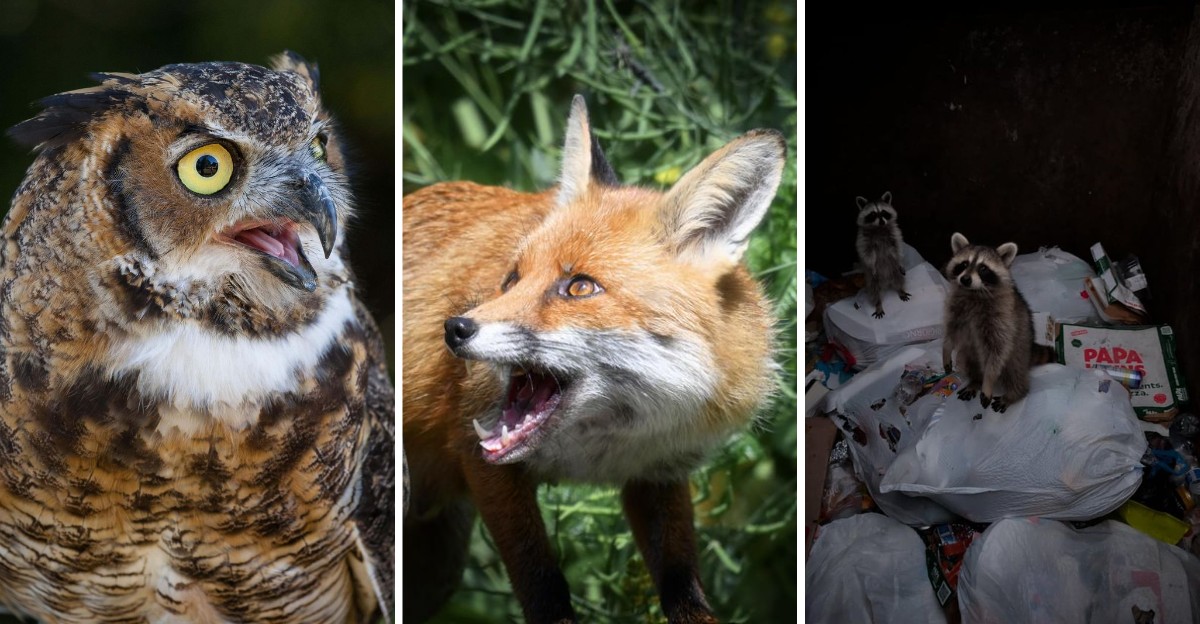
A blood-curdling scream rips through the dark, and suddenly you’re wide awake with your heart pounding. Was that a person, a ghost, or something lurking by the shed?
Families across Virginia hear strange whinnies, hoots, snorts, and shrieks after sundown. Most of these noises come from perfectly ordinary neighbors with fur or feathers.
Owls chat with their mates, foxes call across fields, and raccoons squabble over snacks like rowdy kids at a picnic. Even the cool fall air changes the soundtrack outside your window.
Knowing who makes each sound can turn fear into fascination. It might even help you sleep a little better.
There’s a whole wild world hiding just past your porch light. Some of its loudest residents might surprise you.
Screech Owls Whinny Like Tiny Horses
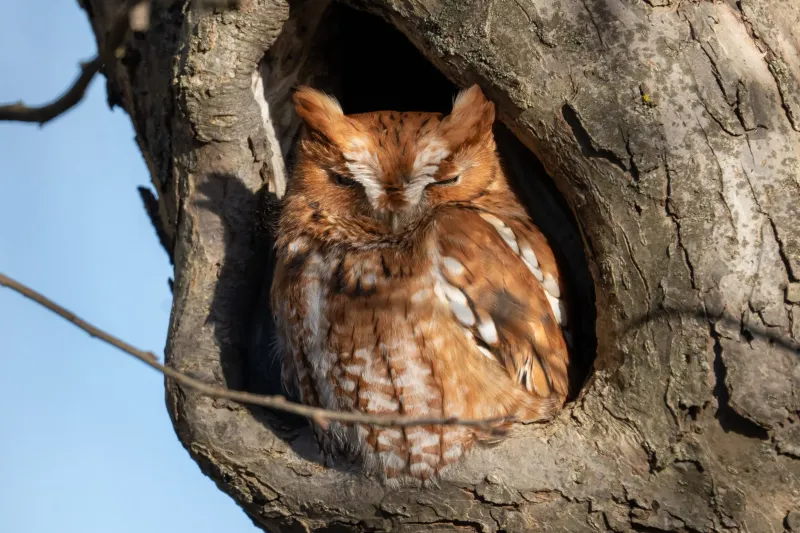
Picture a pony the size of a soda can galloping through your oak tree. Silly as it sounds, that tiny horse whinny is one of the most common night calls in Virginia.
Eastern Screech-Owls make that sound, and they are much smaller than most people expect. An adult stands only about eight or nine inches tall, roughly the height of a robin.
Here is a funny twist about their name. Despite being called screech owls, these birds rarely screech at all.
Instead, they mostly use two main calls. The first is a descending whinny that drops in pitch, much like a little horse neighing.
Owls use that whinny to defend their territory from other screech owls. In other words, it works like a tiny feathered keep out sign.
The second call is a smooth, steady trill that almost sounds like purring. Family members use it to stay in touch, and mated pairs sometimes trill together.
You can find these owls in city parks, wooded neighborhoods, and quiet suburbs. They happily nest in old tree holes and wooden boxes put up by homeowners.
Want to invite one to your yard? Try hanging an owl nest box about ten to thirty feet up a sturdy tree.
Leaving a few dry branches and old trees standing also helps. Those spots give screech owls safe places to hide during the day.
Next time you hear a ghostly neigh after dark, smile and listen closely. A tiny hunter is probably guarding its home nearby.
Barred Owls Call “Who Cooks For You”
Who cooks for you? Who cooks for you all?
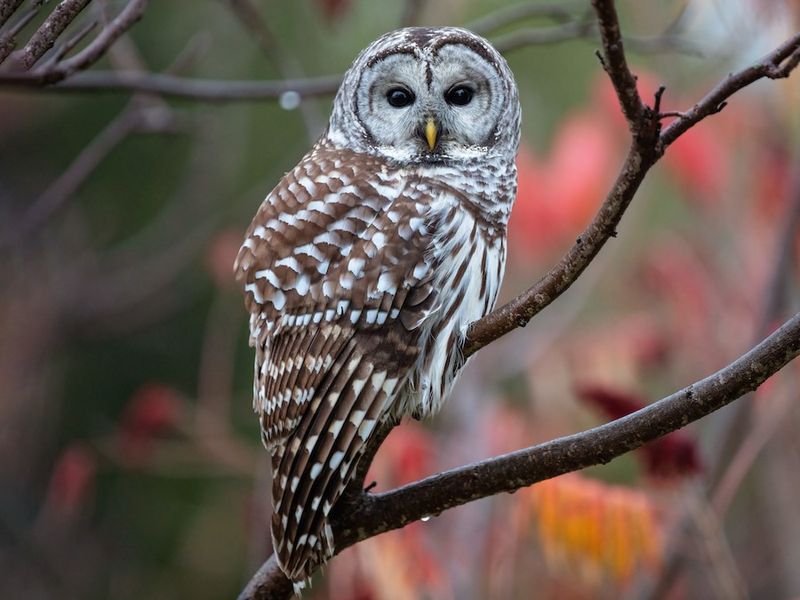
If a voice in the woods seems to ask about dinner, you have met a Barred Owl.
These big brown owls are common across the state, especially near creeks, swamps, and thick woods. Their dark eyes and striped chests give them a calm, thoughtful look.
Their famous call is a series of about eight accented hoots. Bird lovers remember the rhythm with that handy dinner question, which makes it easy to recognize.
Hoots are only the beginning, though. Barred Owls have more than a dozen different calls in their vocal toolbox.
Some of those sounds are pretty wild. You might hear cackles, gurgles, yelps, and even screams that sound like monkeys at a party.
Your Virginia Garden Changes Every Week. Your Plan Should Too.
Gardening in Virginia changes quickly throughout the season. Every Friday you’ll receive a simple weekly plan showing exactly what to plant, prune, fertilize, harvest, and protect so you never miss the right timing.
Pairs often call back and forth, almost like a noisy conversation across the trees. When several owls join in, the woods can sound downright spooky.
Winter is their chattiest season because that is when courtship happens. Late winter nights are a great time to listen from your back porch.
Their voices carry a long way through dense forest. An owl that sounds close may actually be perched far beyond your property line.
Here is a fun trick to try with family. Stand outside on a still evening and copy the who cooks for you rhythm in a deep voice.
Sometimes a curious owl will answer back. Just keep it short so you do not stress the birds during nesting season.
Great Horned Owls Hoot More As Winter Nears
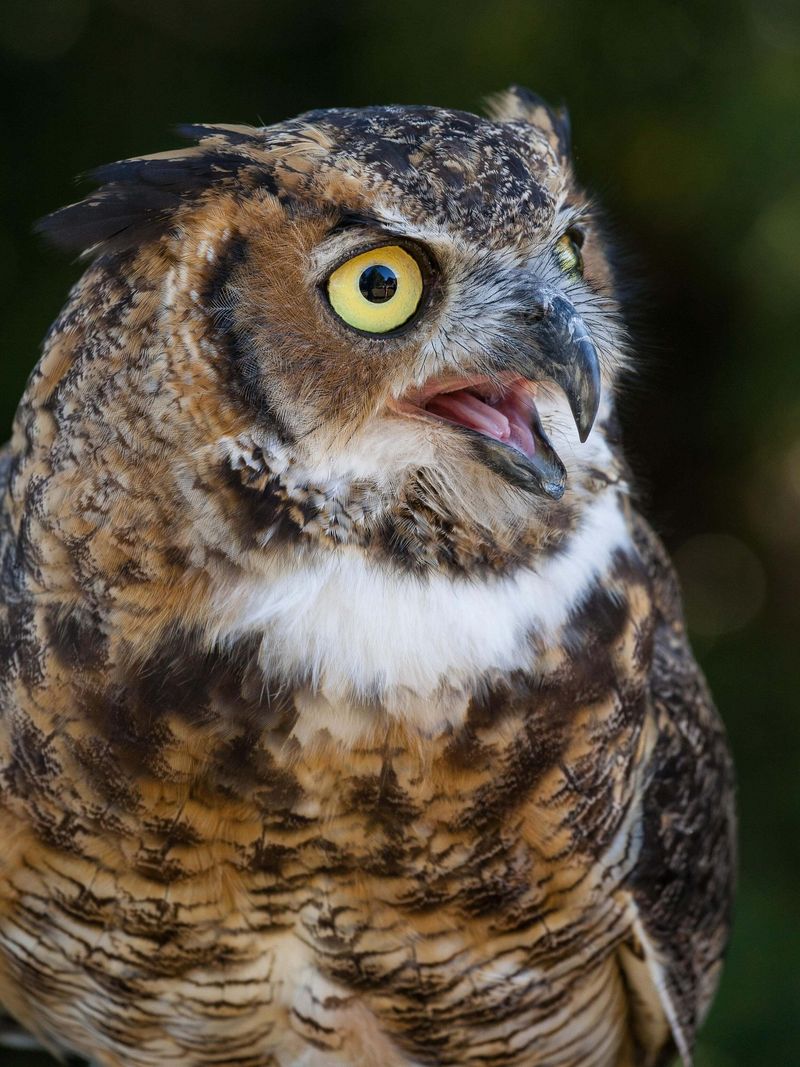
Deep, soft, and steady, the hoot rolls across the frosty field like a distant drum. It belongs to the Great Horned Owl, one of the strongest hunters in North America.
These owls live all over Virginia, from farmland to forests to big suburban lots. You can spot them by their tall ear tufts and fierce yellow eyes.
Their call has a rhythm worth memorizing. It often goes hoo, hoo-hoo, hoo, hoo, low and far-carrying.
Fall and early winter bring more hooting for a good reason. Great Horned Owls start nesting very early, sometimes in the coldest part of the year.
Pairs hoot to claim territory and strengthen their bond. Owlets may hatch while snow still covers the ground.
Listen carefully and you might catch a duet. The female and male trade hoots, and his voice is noticeably lower.
Surprisingly, the larger female has the higher voice. Her mate has a smaller body but a deeper sound.
Not every noise from these owls is a gentle hoot. They also shriek, hiss, and snap their beaks when upset.
A harsh shriek in spring may come from a hungry owlet begging for food. It can also signal a protective mother warning intruders away.
Keep small pets indoors after dark when these owls are nearby. A Great Horned Owl can carry off surprisingly large prey, including cats.
Foxes Can Let Out Startling Screams
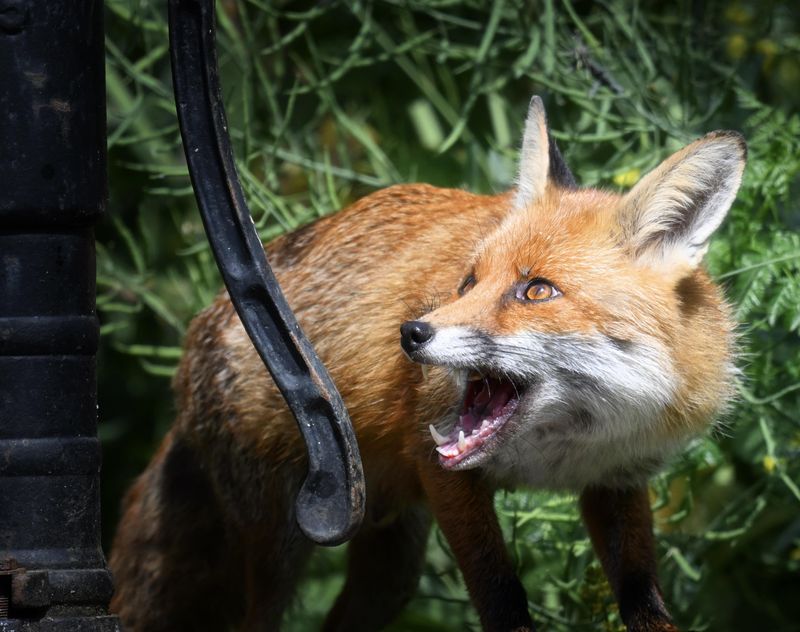
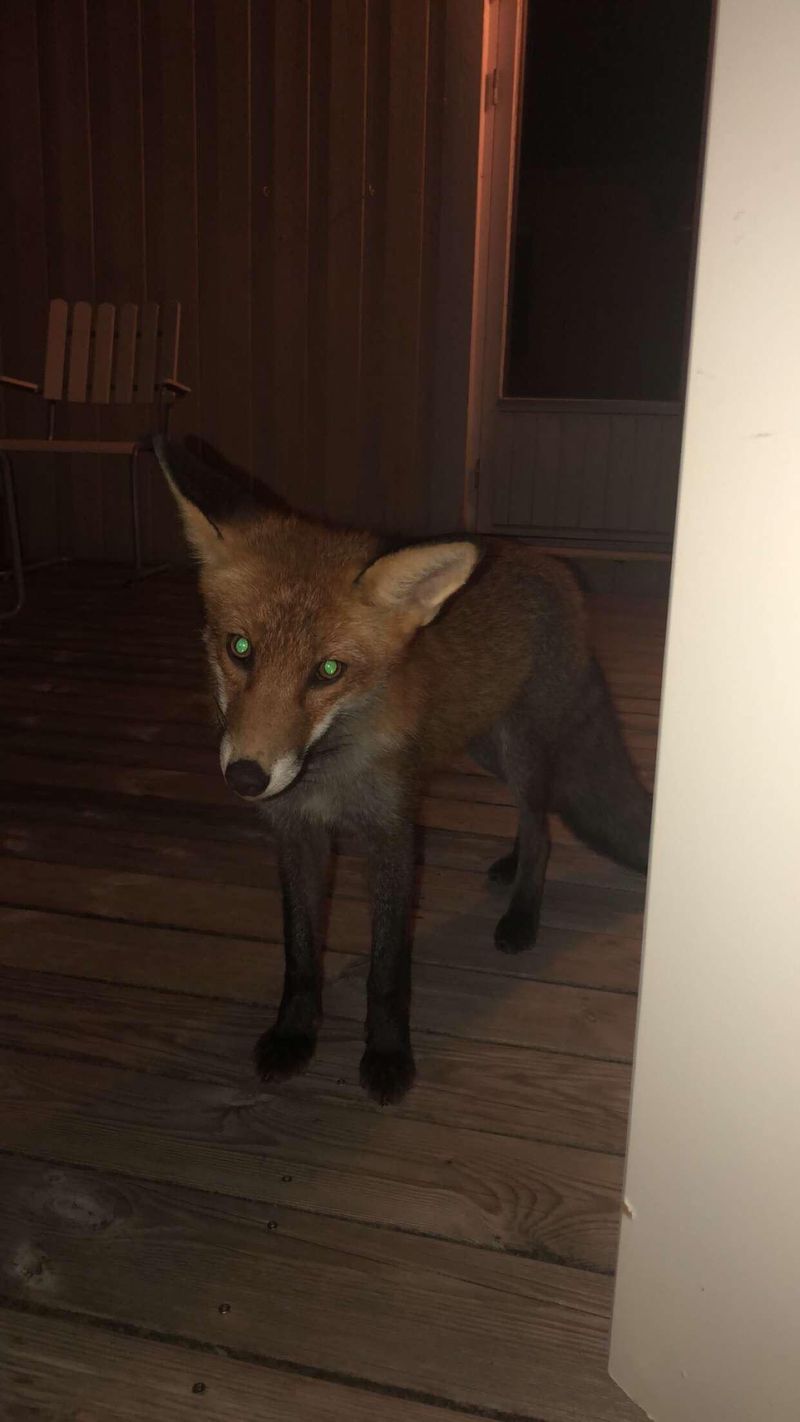
Many Virginia homeowners have called the police over a scream that turned out to be a fox. The sound really can resemble a woman or child in trouble.
Both red foxes and gray foxes live throughout the state. They roam fields, wooded edges, and even quiet city neighborhoods.
Foxes have a whole range of sounds. They bark, yip, whine, and yes, let out screams that can stop you cold.
Those screams are normal fox talk, not cries of pain. Most of the time, the animal is perfectly fine.
Mating season brings the loudest and eeriest calls. In Virginia, that usually runs from about December through February.
Female foxes, called vixens, scream to attract males. Males sometimes scream too, and the noise also warns rivals to stay off their turf.
Because foxes are mostly active at night, the screaming usually happens after dark. A single call may be followed by silence, which makes it even creepier.
Gray foxes add another sound to the mix. They give sharp, dog-like barks when they feel threatened or need to defend themselves.
Want to keep foxes from hanging around? Secure trash cans, pick up fallen fruit, and feed pets indoors.
Chickens need sturdy coops with wire buried a foot underground. Otherwise, enjoy the wild serenade and remember that a scream rarely means danger for you.
Raccoons Chatter And Snarl While Feeding
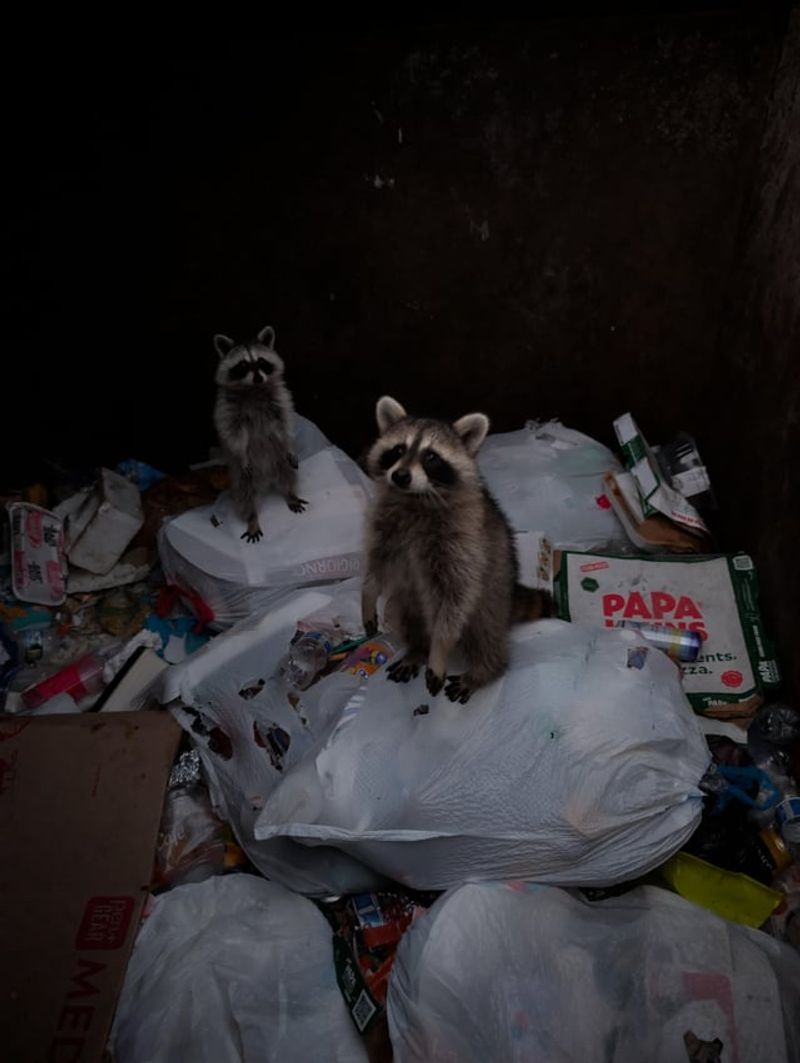
Crash, clatter, then a burst of angry growling from beside the garage. Odds are good a raccoon gang just found your trash can.
Raccoons rank among the noisiest animals in the neighborhood. They have a surprisingly large vocabulary of chitters, purrs, growls, and screeches.
Plenty of those noises are sweet, not scary. Raccoons often purr and chatter happily while they munch on a snack.
Mother raccoons are especially soft-spoken with their babies. They use a gentle churr-churr sound to comfort their little ones.
Young raccoons, called kits, chitter to get Mom’s attention. A spring litter under your deck may sound like a squeaky toy box.
Things change fast when food is on the line. Raccoons growl and hiss as warnings when they feel threatened.
Fights bring out the real drama. Snarling and screeching often break out when two raccoons argue over the same tasty scraps.
Nighttime is prime time for all this racket. Raccoons are most active after dark, especially when hunting for an easy meal.
A few simple steps can quiet your yard. Use trash cans with locking lids, or keep bins inside a garage or shed.
Bring pet food indoors and clean up around grills and bird feeders. Fewer free meals means fewer midnight raccoon brawls outside your bedroom window.
Deer Snort When They Sense Danger
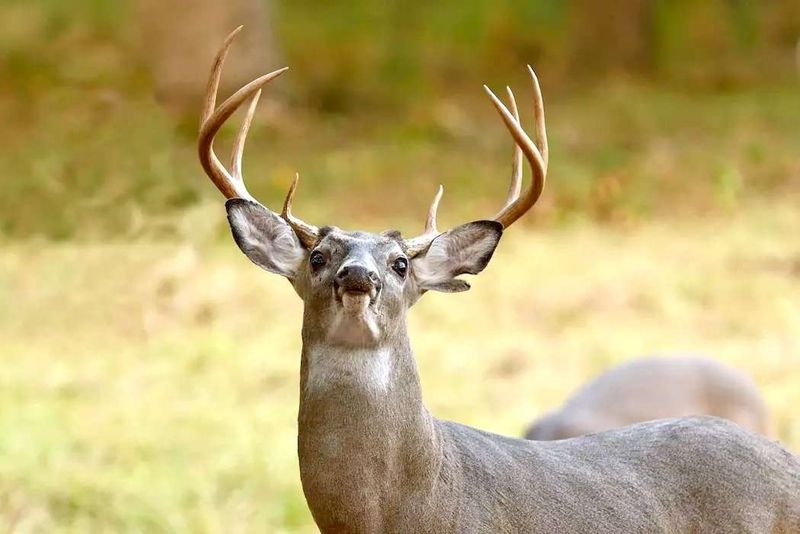
Whoosh! A sudden blast of air from the dark tree line can make anyone jump.
That sound is often a startled white-tailed deer.
Deer are a familiar sight across the state, from mountain towns to coastal suburbs. Many wander into yards at night to nibble gardens and shrubs.
When a deer senses danger, it forcefully pushes air out through its nose. The result is a loud snort that can carry quite far.
That snort works like a fire alarm for the herd. Other deer instantly know something might be wrong.
Body language often goes along with the noise. A nervous deer may stomp a front hoof and flick its tail.
Deer snorts come in different styles. A high, whistling snort signals immediate danger and usually sends the whole group bounding away.
Sometimes a deer snorts just because it is curious. It may be trying to make an unknown shape or smell reveal itself.
During fall breeding season, bucks have an extra sound. They use a snort-wheeze to challenge rival males and show off.
So what should you do if a deer snorts at you? Stay calm, back away slowly, and give it space.
Bucks can act bold in autumn, so keep kids and dogs at a safe distance. Motion lights and fencing can also help protect your garden from hungry visitors.
Insect Choruses Fade As Nights Turn Cold
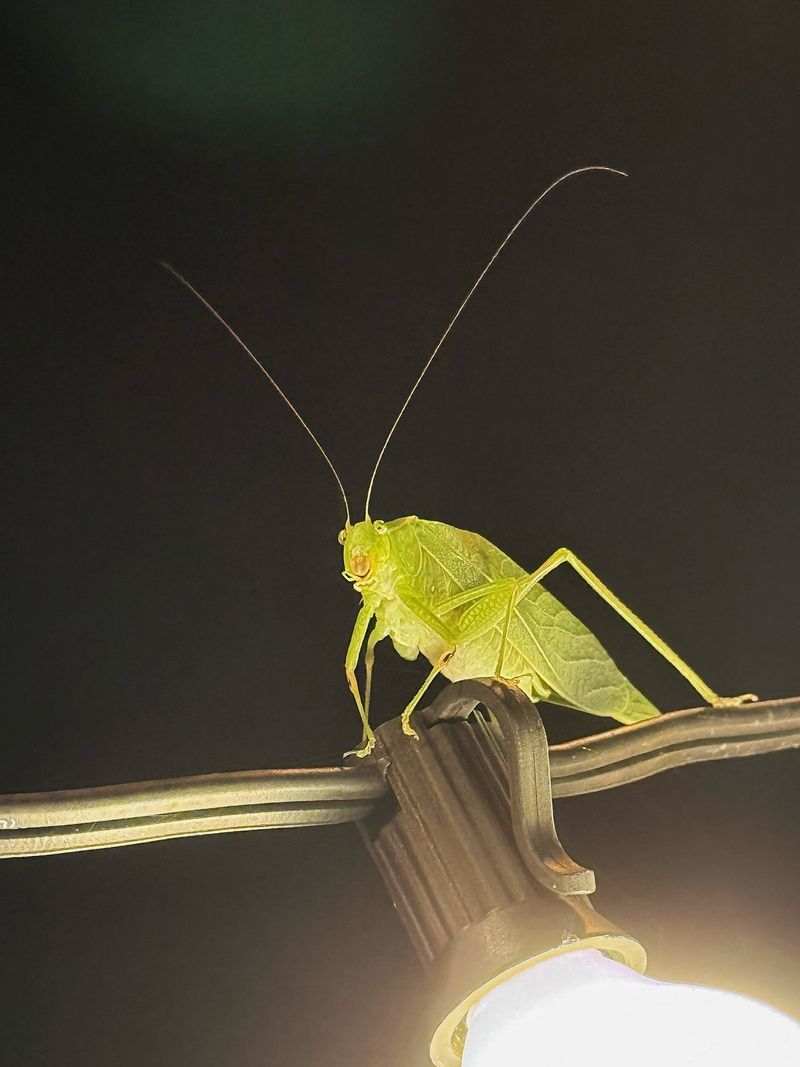
Remember those warm summer nights when the whole yard seemed to buzz? Crickets, katydids, and other insects create a nonstop outdoor concert.
Here in Virginia, katydids rasp out their famous katy-did, katy-didn’t song from the treetops. Crickets add steady chirps from the grass and garden beds.
Most of this music comes from males rubbing their wings together. They play these tunes to attract mates and claim space.
As fall arrives, you might notice the concert getting quieter. Each chilly night brings fewer voices and slower songs.
Temperature controls the show more than you might think. Insects are cold-blooded, so cool air slows their bodies and movement.
Here is a neat trick for a crisp evening. Count a snowy tree cricket’s chirps in fourteen seconds, then add forty.
That number gives you a rough guess of the temperature in Fahrenheit. Kids love testing it against a real thermometer.
Once frost arrives, most of the chorus fades away. Many insects finish their life cycle, leaving eggs to hatch next spring.
That sudden quiet can make other sounds seem louder. Owls, foxes, and deer suddenly stand out in the calm.
So if your yard sounds spookier in late fall, the insects may be the reason. Their missing background hum lets every hoot and scream ring out clearly.
Most Of These Sounds Are Harmless
Take a deep breath, because that midnight shriek is probably just nature talking. Nearly every noise covered here is simply animals communicating.
Foxes scream to find mates and guard territory, not because they are hurt. Raccoon growls are warnings meant for other raccoons or curious pets.
Deer snorts are alarms aimed at the rest of the herd. Owl whinnies, hoots, and cackles mostly mean this spot is taken or hello, sweetheart.
Wild animals generally prefer to avoid people. Most will slip away quietly if they notice you nearby.
Still, smart habits keep everyone safe. Give wildlife plenty of room and avoid trying to touch or feed any animal.
An animal acting strangely calls for extra caution. Stumbling, unusual tameness, or aggression in daylight could signal illness, so contact local animal control.
Turning nighttime noises into a family game can be fun. Free apps like Merlin Bird ID can record and identify many bird calls.
You could even keep a simple sound journal. Write down the date, time, weather, and what you think you heard.
Over time, you will notice patterns through the seasons. Winter owls and fox calls give way to spring babies and summer insects.
Virginia nights are full of life, even when you cannot see a thing. Learn the voices, and the dark becomes a lot less scary.