Deer Hate These Smells But Can’t Resist Others In Virginia Gardens
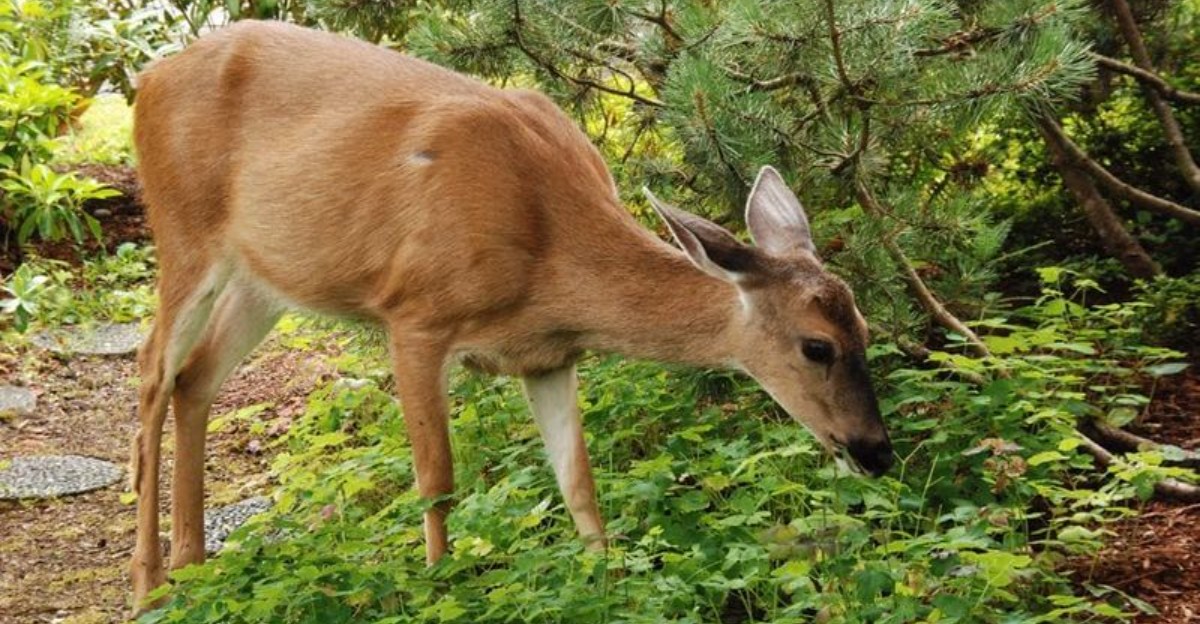
Your shrubs look perfect one morning, then like a salad bar the next. If you garden in Virginia, you’ve probably met the culprit: a hungry, sharp-nosed deer.
Fall is when deer bulk up for winter and move around more than usual. They rely on smell to sniff out food and danger from far away.
That powerful nose can work for you or against you. Some scents send deer bounding back into the woods, while others ring the dinner bell.
Plenty of backyards double as all-you-can-eat buffets this time of year. A little scent savvy can tip the balance in your favor, though no smell is foolproof.
The guide below covers which smells deer avoid, which ones lure them close, and when a sturdy fence is your best friend.
Strongly Scented Herbs Often Turn Deer Away
Picture a deer sniffing the air like a fussy food critic. One whiff of strong mint, and that critic often walks right out of the restaurant.
Deer lean heavily on their noses to judge food and safety. Powerful aromas can mask tasty plants and make deer feel uneasy about lingering.
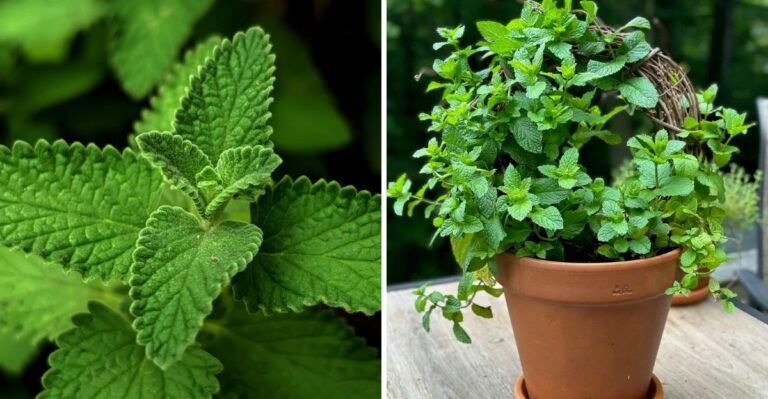
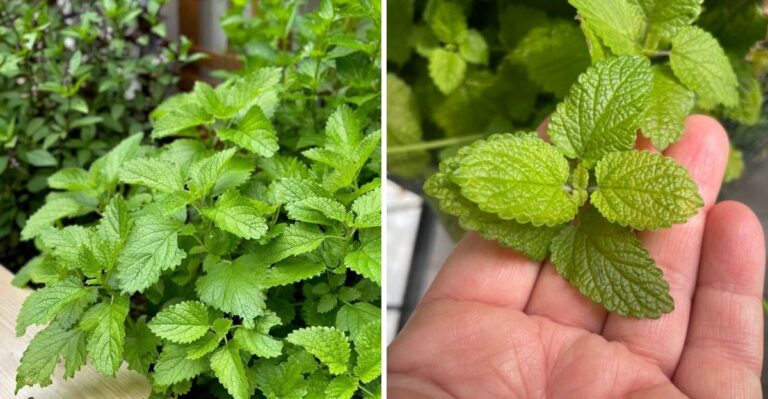
The mint family is a favorite tool for many gardeners. Sage, catmint, and nepeta also tend to keep curious browsers at a distance.
Fuzzy or prickly leaves add another layer of protection. Deer usually find hairy foliage less pleasant to chew than smooth, tender greens.
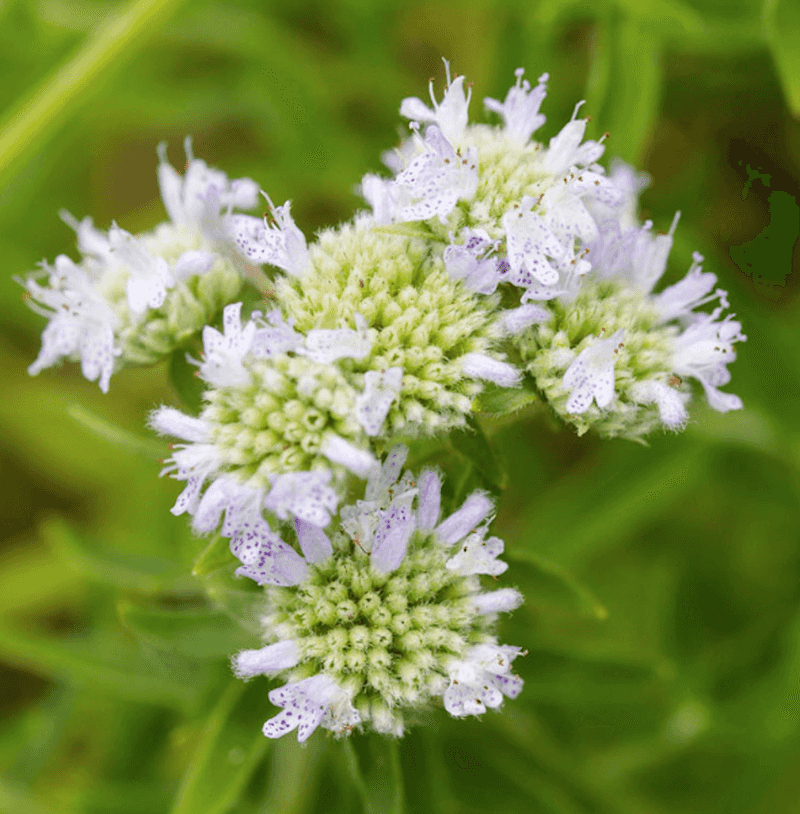
Virginia gardeners have some lovely native choices here. Mountain mint and hoary mountain mint smell strong and draw pollinators like magnets.
Try planting these herbs as a border around your most tempting flowers. A ring of fragrance can confuse a deer trying to find the good stuff.
Lavender, rosemary, and oregano can join the lineup too. Each one brings scent, color, and handy kitchen flavor to your yard.
Keep in mind that herbs reduce damage rather than stop it entirely. A very hungry deer in late winter may nibble almost anything nearby.
Mint spreads quickly, so plant it in pots or contained beds. Otherwise, your fragrant fence might swallow the whole garden by next summer.
Fun fact: hoary mountain mint has silvery leaves that look frosted. Bees and butterflies flock to it, making it a double win for wildlife lovers.
Egg-Based Repellents Are Among The Most Effective
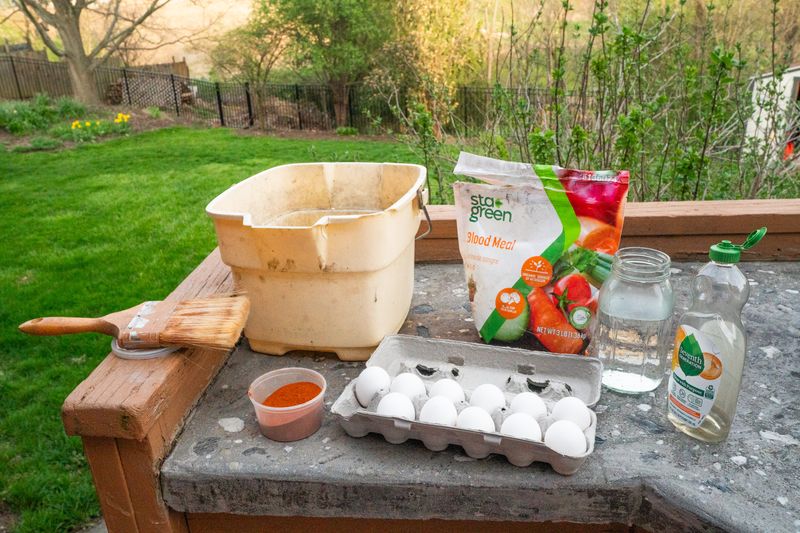
Nobody enjoys the smell of rotten eggs, and deer agree. That sulfur stink is one of the strongest weapons a gardener can use.
Research and garden trials often rank egg-based products near the top. The putrid odor reminds deer of predators or decaying animals nearby.
Such a smell sets off a deer’s flight instinct. Instead of browsing calmly, the animal gets nervous and moves along to safer ground.
You can buy commercial sprays that use putrescent egg solids. Many brands list it right on the label as the main active ingredient.
A homemade version is cheap and simple to mix. Blend a few eggs with water, then let it sit for a day or two.
Some recipes add a squirt of dish soap or a splash of milk. These extras help the mixture cling to leaves instead of sliding off.
Your Virginia Garden Changes Every Week. Your Plan Should Too.
Gardening in Virginia changes quickly throughout the season. Every Friday you’ll receive a simple weekly plan showing exactly what to plant, prune, fertilize, harvest, and protect so you never miss the right timing.
Spray on a dry day so the coating can set. Focus on new growth, buds, and anything deer have sampled before.
Rain washes the protection away fairly fast. Plan to reapply after heavy storms and about every couple of weeks during active growth.
The odor fades for human noses within a few hours. Deer, with far sharper senses, keep detecting it long after you stop noticing.
Wear gloves and avoid spraying herbs or veggies you plan to eat soon. Your salad will thank you for that little bit of caution.
Garlic And Hot Pepper Sprays Can Help Short-Term
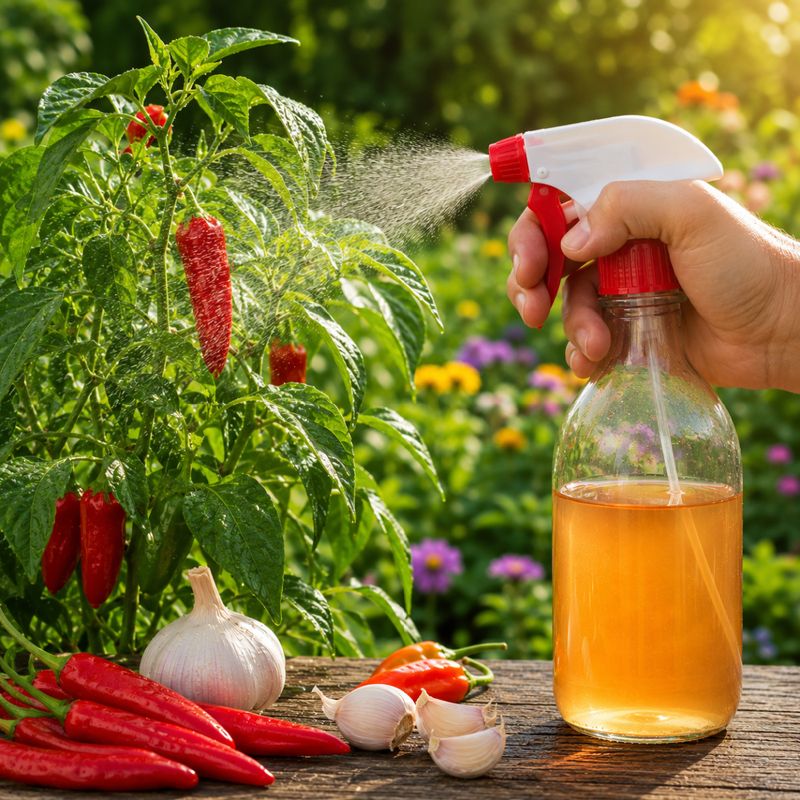
Ever bitten into a pepper that set your mouth on fire? Deer feel a similar shock when they chew leaves coated in spicy spray.
Capsaicin, the fiery compound in hot peppers, irritates a deer’s mouth and nose. Garlic adds a sharp smell that many deer simply dislike.
Together, they make a punchy one-two combo. The scent warns deer away, and the taste punishes any brave first bite.
A basic homemade recipe is easy to whip up. Blend a few garlic cloves and hot peppers with water, then strain out the chunks.
Add a few drops of dish soap to the mix. The soap helps the spray stick to leaves rather than dripping straight off.
These sprays work best as quick, short-term protection. They shine when tender spring shoots or new transplants need a little extra help.
The downside is how fast they fade. Sun, rain, and fresh growth mean you will spray often, sometimes weekly.
Protect yourself while mixing and spraying. Pepper juice stings eyes and skin, so gloves and safety glasses are smart choices.
Test a small patch of leaves first. Some delicate plants may show spotting or burn from strong pepper mixtures on hot days.
Quick tip: spray in the cool evening. Leaves have time to dry, and the coating is fresh when deer roam at dusk and dawn.
Rotating Repellents Keeps Deer Guessing
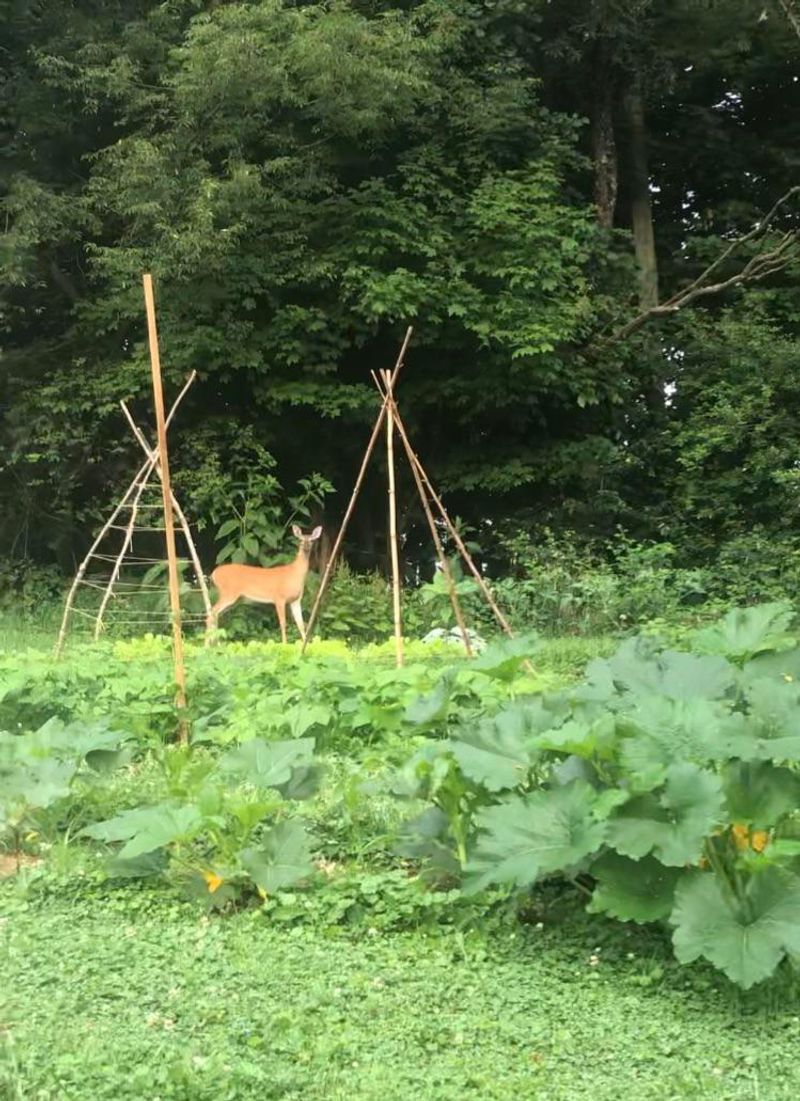
Deer are smarter than many people think. Give them the same smell week after week, and they may decide it is harmless.
Wildlife experts call this getting used to a scent. Once deer stop feeling threatened, your favorite spray loses much of its power.
The fix is surprisingly simple: switch things up. Rotating products keeps deer cautious and less likely to settle into your yard.
Try alternating between odor-based and taste-based repellents. An egg spray one cycle and a hot pepper spray the next works nicely.
Many gardeners swap formulas every few weeks. Others change products each time they reapply after a big rain.
A simple calendar helps you stay on track. Jot down the date, the product used, and where you sprayed it.
Mixing in other surprises adds even more doubt. Motion-activated sprinklers or wind chimes can startle deer between scent changes.
Watch your plants closely for fresh nibbles. New damage often signals that deer have figured out your current routine.
Think of it like a game of chess. Every time deer adjust, you make a new move that throws them off balance.
Unpredictability is your secret ally here. A yard that smells different each visit feels risky, and nervous deer rarely stick around long.
Hostas And Tulips Draw Them In
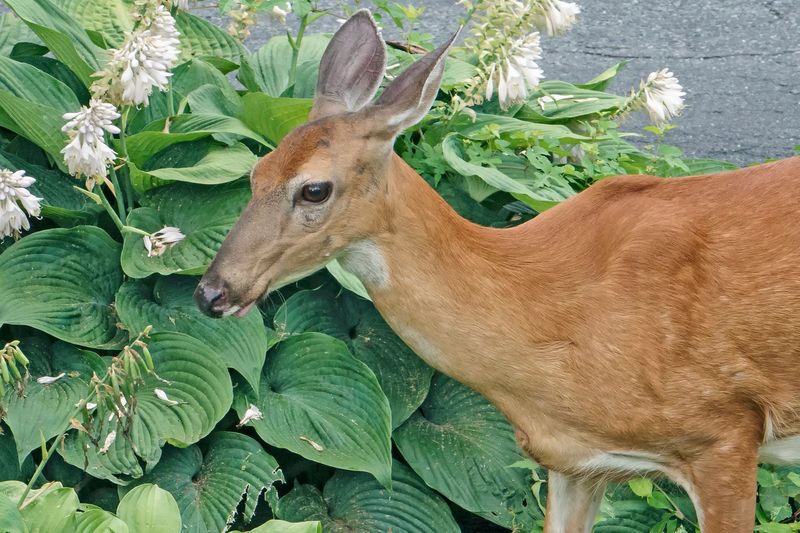
If deer kept a favorite snack list, hostas would sit near the top. Gardeners often call them deer candy, and for good reason.
Tulips earn a similar reputation. Many folks plant dozens of bulbs, only to find neat green stems topped with nothing.
Master Gardeners in Northern Virginia hear these stories every spring. Hostas and tulips are often the first plants to disappear.
Soft, juicy leaves make hostas easy to munch. Tulip buds are tender and packed with moisture, like a crunchy salad bar.
Other popular targets include azaleas, roses, and pansies. Fruit trees also draw plenty of hungry attention throughout the year.
So what can a flower lover do? Place your most tempting plants close to the house, where people and pets move around.
Deer feel safer at the edges of woods and quiet lawns. Busy spaces near doors and patios make them more cautious.
Consider swapping tulips for daffodils in exposed spots. Daffodils contain bitter compounds that deer usually leave alone.
Pots on a deck work well for hostas too. Raising them up and keeping them close puts them out of easy reach.
Fun fact: deer can eat several pounds of plants daily. A single visit can wipe out a hosta bed in one night.
Fresh Fertilizer Can Make Plants More Tempting
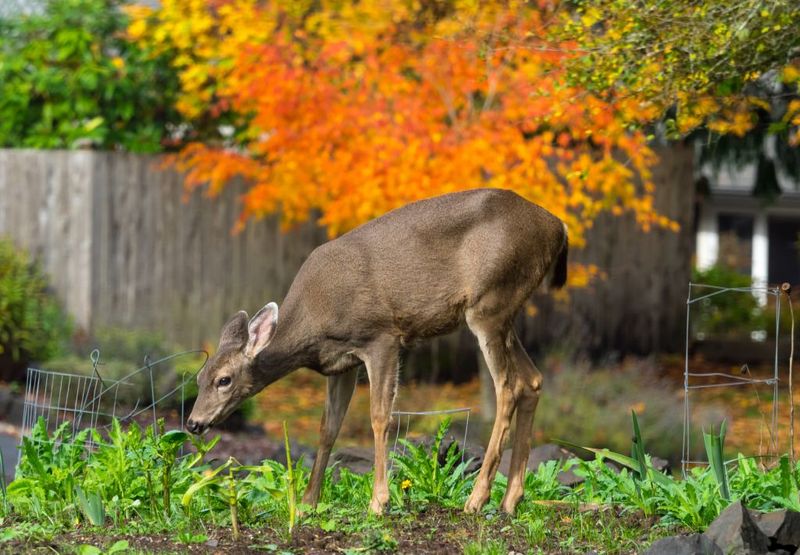
Here is a twist many gardeners miss. The same fertilizer that makes your plants thrive can turn them into a deer magnet.
Fertilized plants push out soft, fresh growth. Deer adore those tender shoots because they are easy to chew and digest.
Feeding plants also boosts their nutrient levels. Leaves become juicier, richer, and much tastier to a browsing animal.
Deer are skilled at finding the most nutritious food around. Their noses and taste buds help them pick the best plants quickly.
In Virginia, a freshly fed garden can stand out like a glowing sign. Nearby wild plants may suddenly seem bland by comparison.
Timing matters a lot here. Avoid heavy feeding right before peak deer seasons, like early spring and late fall.
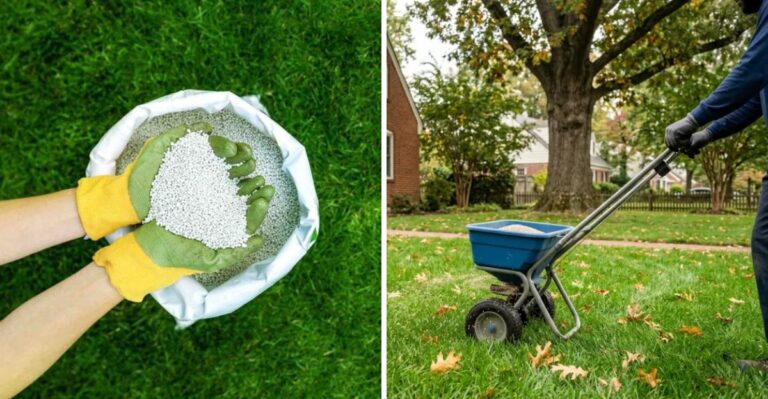
Use slow-release fertilizers instead of quick nitrogen bursts. Steady feeding produces less of that irresistible soft growth all at once.
Some gardeners like Milorganite because of its strong smell. Spread it carefully, since results vary and it fades over time.
After fertilizing, give vulnerable plants extra protection. A fresh round of repellent spray or a temporary net can guard new shoots.
Keep an eye out for nibbled tips in the days that follow. Spotting damage early helps you react before a whole bed is gone.
Fallen Fruit And Acorns Pull Them Close
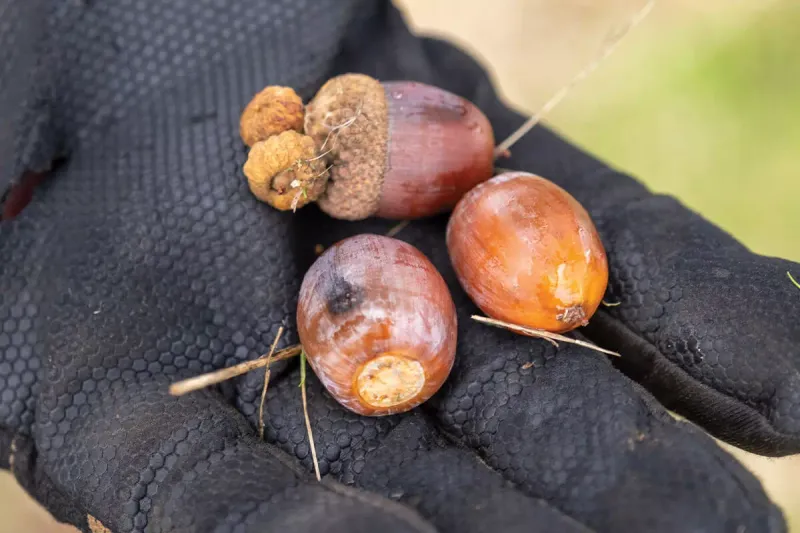
Autumn in the backyard can feel like a harvest festival for deer. Apples drop, acorns rain down, and the feast begins.
Fallen fruit and acorns are packed with energy. Deer need those calories to build fat before cold winter months arrive.
Acorns are a top fall food for white-tailed deer. A big oak can drop thousands of them in a good year.
Deer often wear clear paths to these snack spots. Look for trampled grass or narrow trails leading under fruit trees.
Once they find a steady food source, they keep coming back. Your garden next door may become their dessert stop.
Raking up fallen fruit is one of the easiest fixes. Collect apples, pears, and persimmons every few days during peak season.
Bagging acorns is tougher but still helpful near flower beds. A lawn sweeper can make the job much faster.
Be careful about putting out food on purpose. In Virginia, feeding deer is illegal from September 1 through early January.
Some counties have even stricter rules all year long. Check local regulations before setting out corn, salt, or other treats.
Feeding deer can also crowd them together and spread disease. Keeping food scraps cleaned up protects both your plants and the herd.
Fencing Works When Scents Fail
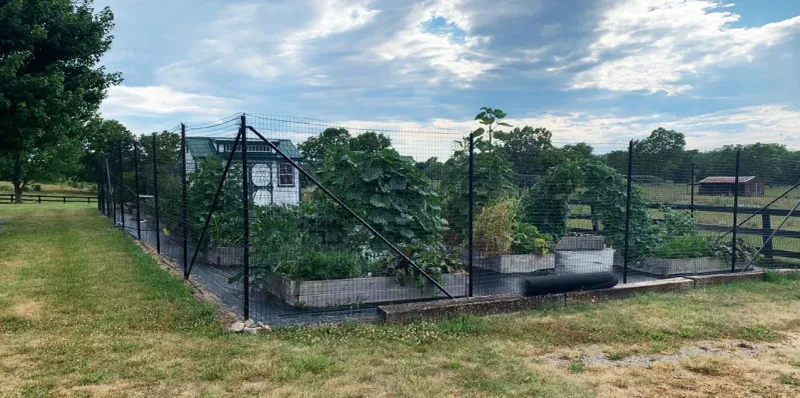
Sprays fade, herbs get nibbled, and deer get bold. When nothing else works, a good fence is the gardener’s best backup plan.
Wildlife experts agree that fencing is the most reliable way to keep deer out. A physical barrier does not wash away in the rain.
Height is the big deal here. Deer can leap over a six-foot fence, so eight feet is the usual recommendation.
Before building, check your local rules. Fairfax County and other areas may limit how tall residential fences can be.
Short on height allowances? Two shorter fences spaced a few feet apart can confuse deer about where to land.
Deer struggle with depth perception when facing double barriers. Most will not risk a jump they cannot judge clearly.
Electric fencing is another option for larger spaces. Some folks bait the wire with peanut butter so deer learn the lesson quickly.
Black polypropylene mesh is a budget-friendly choice. It blends into the scenery and is much cheaper than wood or metal.
Make sure the bottom sits snug to the ground. Deer will crawl under gaps if jumping looks too risky.
Pair your fence with smart planting for the best results. Across Virginia, gardeners who combine barriers and scents often enjoy the fullest blooms.