A River Otter Hasn’t Been Seen In The Bronx For 100 Years. Then A Camera Caught This
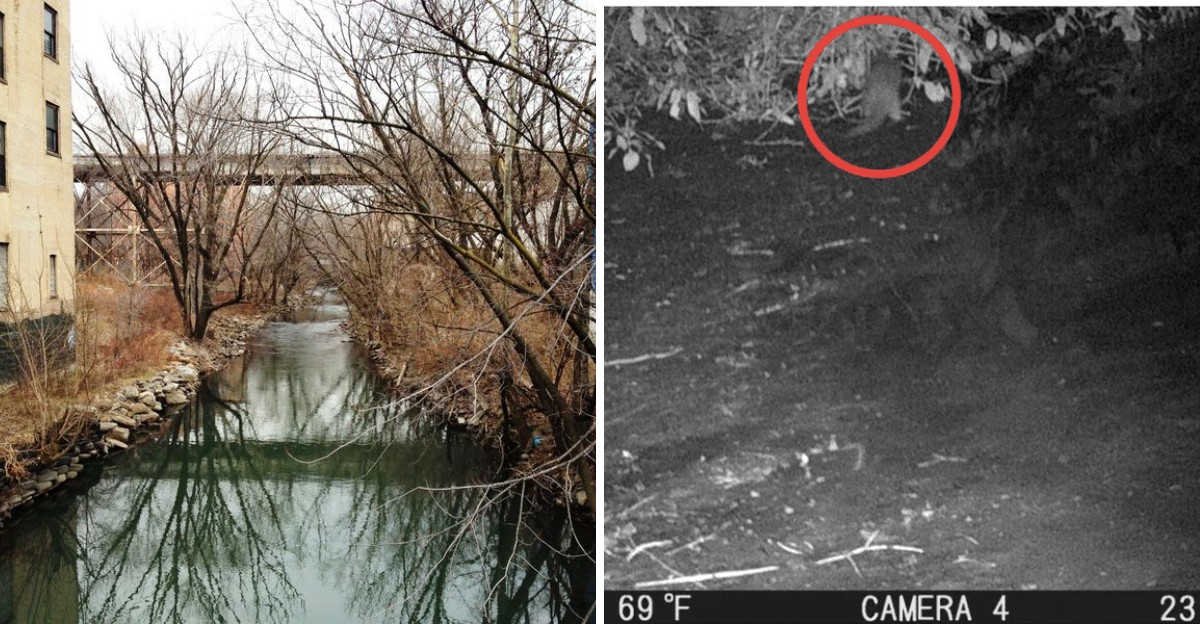
A sleek, whiskered swimmer slips through dark water in the middle of New York City. For about a century, nobody had documented a river otter in the Bronx.
Then, late on a June night, a hidden motion-activated camera clicked and changed the story. The photo surprised scientists, thrilled neighbors, and raised a big question about what else might be coming home.
The Bronx River was once known for trash, sewage, and old tires, not wildlife. Decades of cleanup by public agencies, nonprofits, and volunteers have started to rewrite that reputation.
Beavers returned in 2007, for the first time in more than 200 years. Researchers caution that one otter doesn’t prove a resident population, but they hope it’s the first of many.
The nine pieces below tell the story of this comeback, from the moment the camera caught the otter to what scientists hope happens next, and how your yard can help support the waterways wildlife depends on.
A Hidden Trail Camera Captured It In June
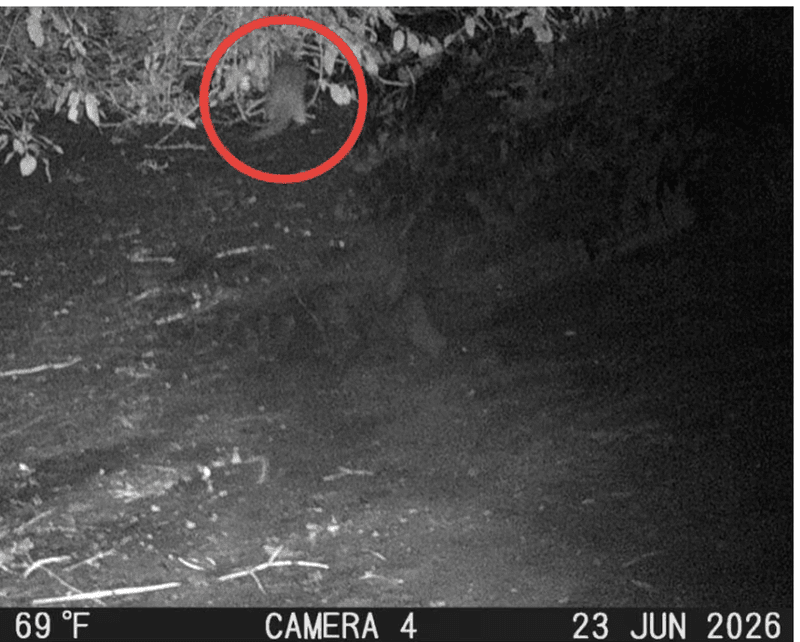
Nobody was standing by the water when history happened. A quiet, motion-activated camera did the work on June 23, 2026.
The device belonged to RJ Hawkins, a local scientist who studies wildlife along the Bronx River. He started his monitoring project there in 2024.
His work is part of a larger effort run by the Wildlife Conservation Society. Specifically, the Education Department at the Bronx Zoo oversees the project.
Trail cameras are simple but clever tools. They snap photos when warm bodies move in front of the sensor.
Scientists love them because animals act naturally when people are not around. Shy creatures, like otters, rarely show themselves to curious hikers.
Cameras can sit outside for weeks, collecting images day and night. Researchers then check the memory cards and sort through hundreds of pictures.
Most photos show raccoons, squirrels, birds, or even blowing leaves. Every so often, though, a surprise shows up that changes everything.
Want to try this yourself? Many families set up budget trail cameras in their backyards to spot local wildlife.
Place the camera about knee high and point it along a path. Animals often use the same routes, so trails near water work well.
Check your camera every week or two and keep notes on what you find. You might be surprised by the visitors that pass through at night.
For RJ Hawkins, patience paid off in a big way. His little camera captured a moment the Bronx had waited a century to see.
It’s The First Bronx River Otter In About A Century
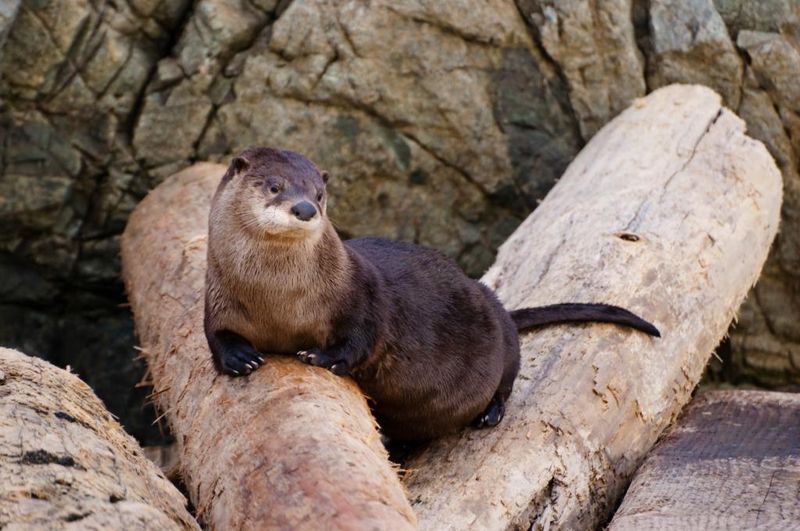
Imagine opening a photo file and seeing something experts thought was gone for good. RJ Hawkins said he could hardly believe his eyes.
The image showed a North American river otter on the Bronx River. It was the first documented otter in the area since the early 1900s.
To put that in perspective, cars were still new back then. Your great-great-grandparents might have been kids the last time one appeared.
The Wildlife Conservation Society and the Bronx Zoo shared the news on August 19, 2026. The announcement quickly spread across local and national news.
Your New York Garden Changes Every Week. Your Plan Should Too.
Gardening in New York changes quickly throughout the season. Every Friday you’ll receive a simple weekly plan showing exactly what to plant, prune, fertilize, harvest, and protect so you never miss the right timing.
Why wait nearly two months to announce it? The photo showed only the otter’s backside, so Hawkins had experts at the New York State DEC and WCS confirm it first.
They need to rule out lookalikes such as minks or muskrats. Otters are bigger, with long, thick tails and broad, flat heads.
Here is a quick way to tell them apart. Muskrats have skinny, rat-like tails, while otters have tapered tails that are thick at the base.
Minks are much smaller, usually under two feet long. An adult river otter can stretch over three feet from nose to tail.
Fun fact: a group of otters on land is sometimes called a romp. In the water, a group may be called a raft.
For now, the Bronx has just one confirmed visitor, not a whole romp. Still, one otter after a hundred years feels like a giant headline.
Pollution And Trapping Once Drove Otters Out
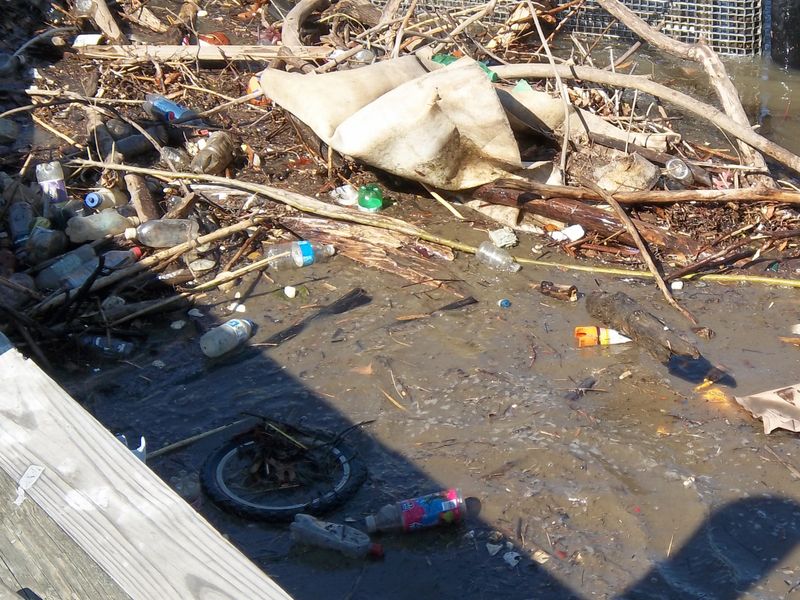
Long ago, otters splashed through rivers and streams all over New York. Their thick, waterproof fur, sadly, made them a target.
Fur was big business in early America. Trappers caught otters with almost no rules until the mid-1800s.
Otter pelts sold for high prices because they stayed warm and dry. Hats, coats, and trim made from them were popular with wealthy buyers.
Trapping alone was hard on the otter population. Then factories and growing cities added a second big problem.
Waste poured into rivers from mills, tanneries, and homes. The water became dirty, and the fish otters ate began disappearing.
Riverbanks were cleared for roads, buildings, and farms. Otters lost the quiet, brushy spots where they rested and raised young.
By the early 1900s, river otters had vanished from parts of New York. Some regions had none left at all.
Here is the hopeful part of history, though. Trapping laws grew stricter over time, and many states began protecting wildlife.
New York even helped bring otters back to western parts of the state. Between 1995 and 2000, a project released otters into rivers there.
History teaches a useful lesson for all of us. When people take too much from nature, animals can slip away fast.
When people protect habitats, though, wildlife often finds its way back. The Bronx otter is living proof of that slow, steady turnaround.
Otters Only Thrive Where Water Is Clean
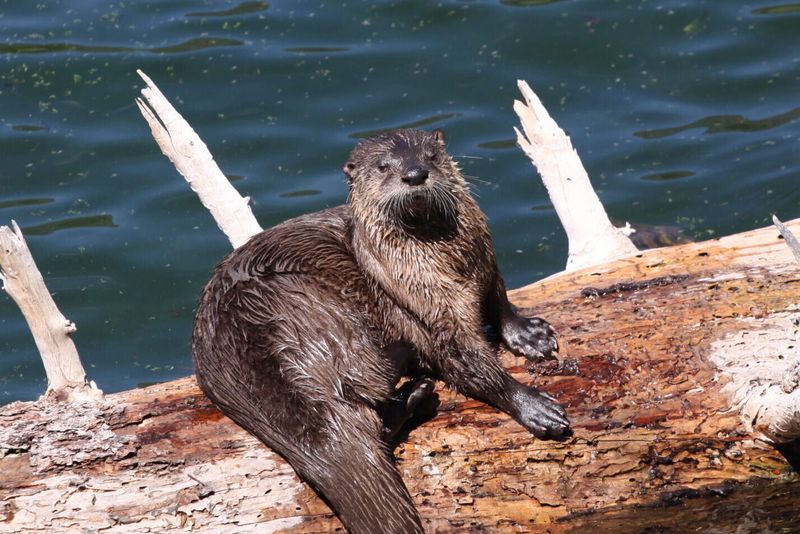
Think of an otter as a furry water tester with a big appetite. If it stays in a river, the water is probably in decent shape.
Scientists call animals like this indicator species. Their health tells us a lot about the health of their home.
River otters need three main things to do well. They need clean water, plenty of fish, and safe riverbanks with cover.
An adult otter can eat around two to three pounds of food daily. That menu includes fish, crayfish, frogs, and sometimes turtles.
Here is where pollution causes trouble. Harmful chemicals build up inside fish, and otters eat lots of fish.
Over time, those toxins can pile up in an otter’s body. That can make otters sick or harm their ability to raise healthy pups.
So when an otter shows up, scientists get excited for good reason. Its arrival hints that the food chain below it is working again.
Small fish need clean water and insects to eat. Insects need healthy plants and a muddy, natural river bottom.
Every layer must work for an otter to find enough dinner. One sleek swimmer can represent a whole hidden world underwater.
You can help keep local water clean too. Pick up litter, skip pouring chemicals down storm drains, and use less fertilizer on lawns.
Those small habits add up downstream. Someday, they might help an otter find your neighborhood creek.
The Bronx River Was Once One Of The Nation’s Most Neglected
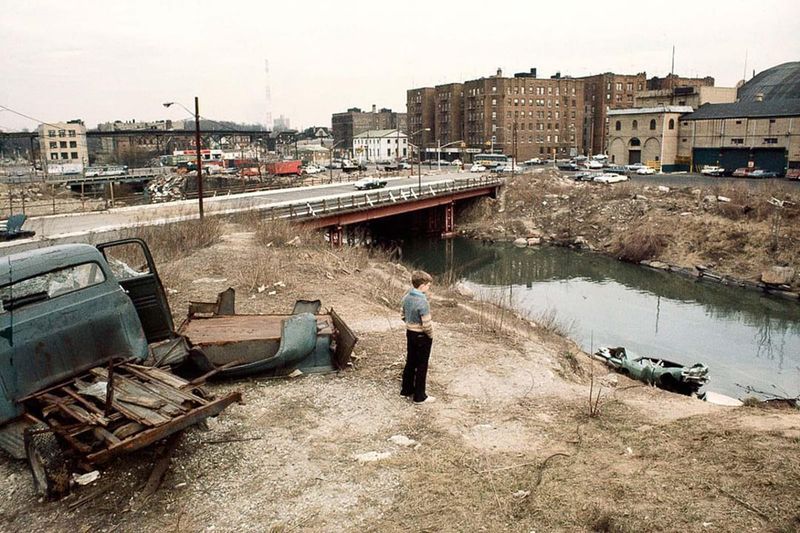
Old tires, rusty cars, and floating garbage once filled this waterway. Few people back then pictured otters swimming here.
The Bronx River was considered one of the most neglected urban rivers in the country. For years, it acted like an open sewer.
Factories dumped chemicals and industrial waste straight into the water. Raw sewage also flowed in during storms and from old pipes.
Many residents simply avoided the river. Some did not even know a river ran through their neighborhood.
Its bad reputation stuck around through the 1970s and 1980s. Volunteers later pulled out dozens of cars and thousands of tires.
Picture trying to fish or paddle a canoe in that mess. It was smelly, unsafe, and hard to reach because of fences and junk.
Fun history bit: the river once powered mills in the 1700s and 1800s. One old snuff mill still stands in the New York Botanical Garden.
That industrial past helped shape the city, but it hurt the water. Over time, the river lost much of its natural life.
Looking back helps us appreciate how far things have come. A river many people gave up on now hosts beavers, herons, and an otter.
If you visit today, try walking the Bronx River Greenway. Comparing old photos with what you see makes the change feel very real.
Beavers Came Back First, In 2007
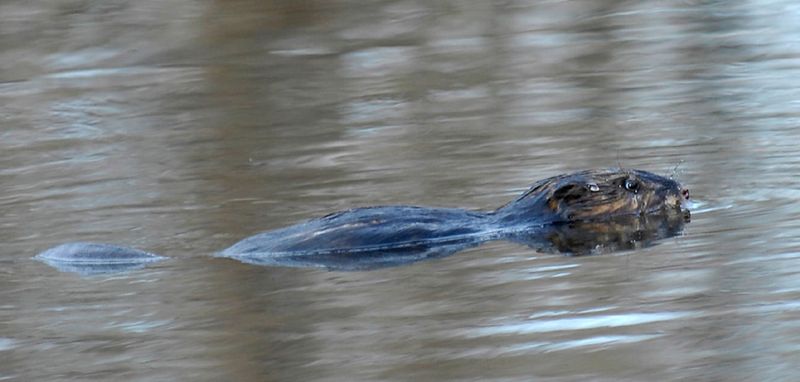
Long before the otter, a busy little builder grabbed headlines. In 2007, a beaver showed up in the Bronx River.
It was the first beaver in New York City in over 200 years. That is pretty amazing, since the beaver is the official state animal.
People named the beaver José, after Congressman José E. Serrano.
He had pushed hard for funding to clean up the river.
Around 2010, a second beaver appeared alongside José. Fans quickly nicknamed it Justin Beaver, a playful nod to the pop star.
Beavers are nature’s engineers. They chew down small trees and build dams and lodges from sticks and mud.
Their work creates ponds and wetlands that help many other creatures. Fish, frogs, birds, and insects all benefit from beaver activity.
Those richer habitats can also help otters find food. In some places, otters even rest inside empty beaver lodges.
The beaver story did not end with José. Camera traps recorded new beaver sightings along the river in May 2025.
Want to spot beaver signs on a walk? Look for tree stumps chewed into pencil-like points near the water.
You might also notice muddy slides on the riverbank or piles of sticks. Early morning and evening are the best times to watch quietly.
Beavers proved the river could support wildlife again. The otter is simply the next chapter in that comeback story.
Decades Of Volunteer Work Made This Possible
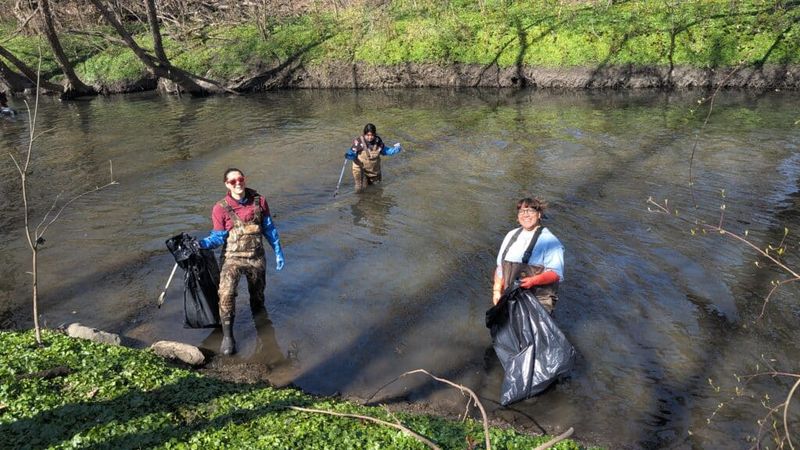
Behind every otter photo stands an army of people with muddy boots. Their work started long before anyone dreamed of otters returning.
Back in 1974, concerned residents launched the Bronx River Restoration Project. They began pulling trash out by hand.
A big law helped too. The Clean Water Act of 1972 set national rules to cut pollution in rivers and lakes.
In 2001, the Bronx River Alliance formed to lead cleanup and protection efforts. It brought together agencies, nonprofits, and local volunteers.
Together, these groups removed cars, tires, and tons of garbage. They also planted native trees and restored wetlands along the banks.
Students tested the water and recorded what they found. Families joined weekend cleanups and canoe trips to learn about the river.
Little by little, the river began to heal. Fish returned, birds nested, and people started enjoying the water again.
What makes this story special is how ordinary people led the way. Many volunteers were neighbors who simply wanted a better place to live.
You can follow their example close to home. Look for river or park cleanup events through local groups or city websites.
Bring gloves, wear sturdy shoes, and invite a friend. Even one afternoon of picking up litter makes a real difference.
Every bag of trash removed helped make room for wildlife. The otter is a thank-you note written in fur and whiskers.
How Your Yard Helps Rivers Like The Bronx
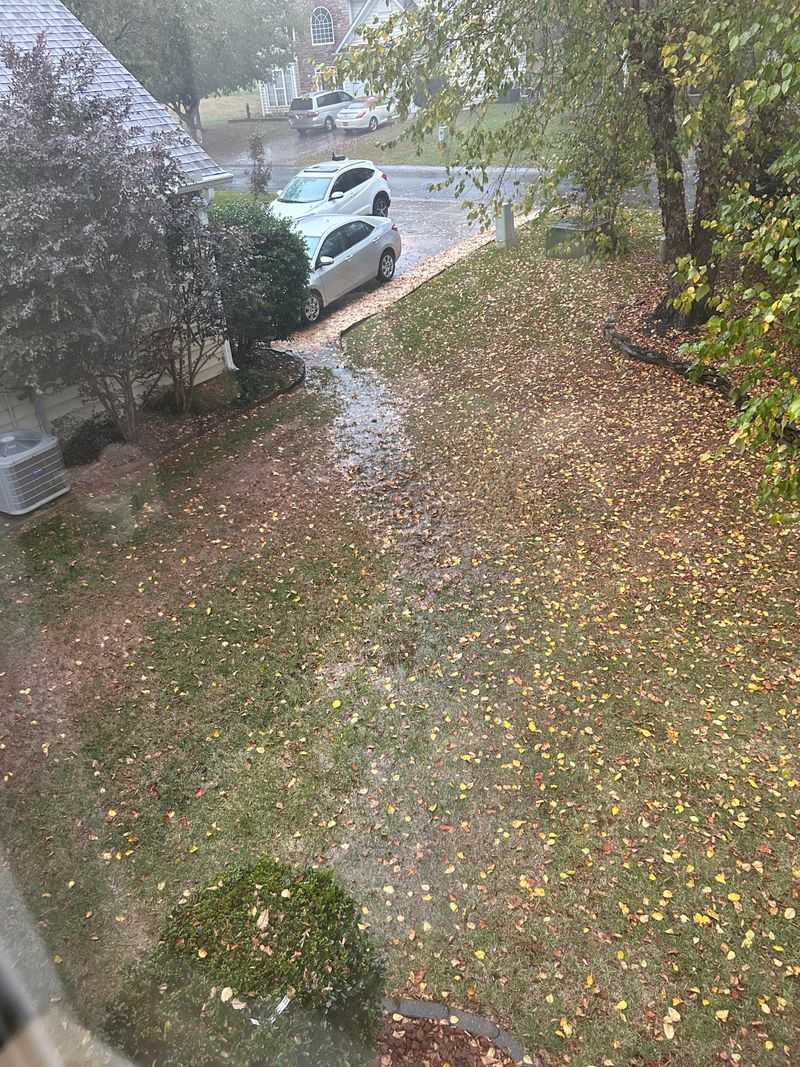
Here is something many gardeners never think about. Rain that runs off your yard often ends up in a nearby river.
In much of New York City, storm drains connect to a combined sewer system that can overflow into rivers during heavy rain.
That makes every yard part of the cleanup crew. Small choices at home can mean cleaner water for fish, frogs, and maybe even otters.
Start with fertilizer, since extra nutrients wash off lawns easily. New York bans lawn fertilizer from December 1 to April 1, when frozen ground can’t absorb it.
The state also limits phosphorus for most lawns unless a soil test shows a need. Phosphorus runoff can feed algae blooms that crowd out life in streams and ponds.
Spill some granules on the driveway? Sweep them back onto the grass instead of hosing them toward the street.
Rake fallen leaves into garden beds rather than blowing them into the gutter. Leaves in the street can clog storm drains and wash extra nutrients downstream.
Native plants help too, since deep roots soak up rain and slow it down. A rain barrel catches roof water for your garden, while a rain garden lets stormwater sink slowly into the soil.
Bag pet waste and toss it in the trash, since bacteria can wash into waterways after storms. Never pour paint, oil, or cleaners into a storm drain, which leads straight to the water.
One Otter Doesn’t Mean A Family Lives There Yet
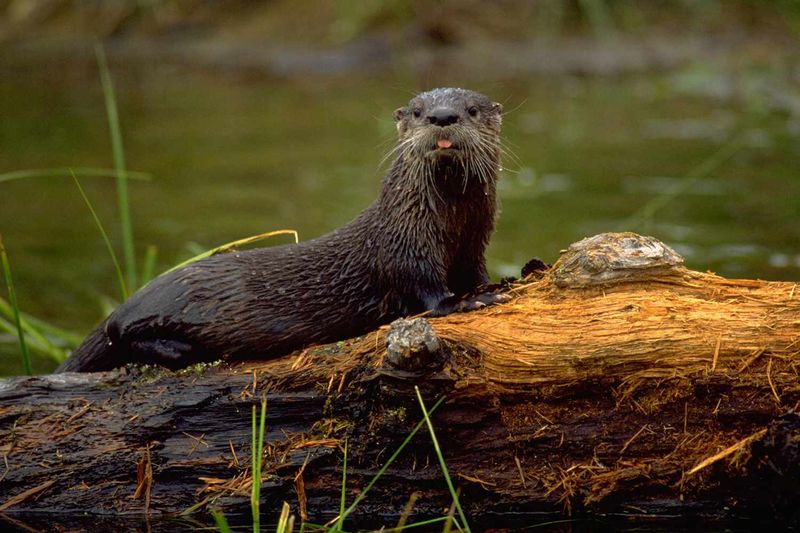
Let’s be honest, one photo is exciting but not the whole story. Scientists are careful not to jump to big conclusions.
A single otter does not prove a breeding group lives in the Bronx. It could be a young otter exploring new territory.
River otters travel surprising distances. Some roam many miles along rivers and shorelines looking for food or a home.
For a family to settle, otters need several key things. Clean water, steady food, and safe dens for pups are all on the list.
Otter mothers usually raise pups in burrows near water. Those spots must be quiet and protected from people and dogs.
Still, researchers see this visitor as a very good sign. Its presence suggests the habitat is becoming suitable again.
That is why ongoing monitoring matters so much. More cameras and more checks will show whether otters stay or keep moving.
Scientists will watch for repeat sightings, tracks, and droppings called spraints. Spraints often contain fish scales and small bones.
Here is a helpful tip if you visit the river. Keep dogs leashed and stay on trails to avoid disturbing wildlife.
If you think you saw an otter, snap a photo from a distance. Share it with local wildlife groups, since public reports can help researchers.
Patience is part of science. For now, the Bronx has a lone explorer and a lot of hope.
Scientists Hope It’s The First Of Many
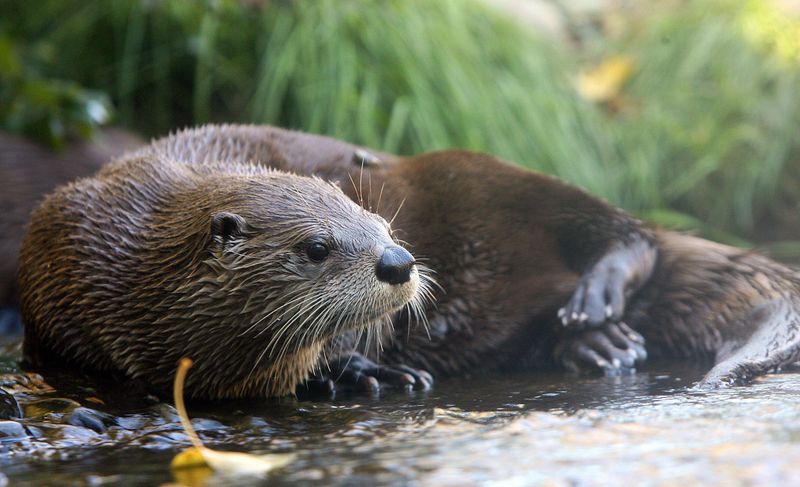
Here is a dream worth chasing: a whole raft of otters playing in a city river. Scientists say it might not be so far-fetched.
Conservation groups called the sighting a win for both wildlife and people. It shows nature can recover, even in a busy city.
Many experts hope the otter is just the beginning. They believe more native species may return as the river keeps improving.
Animals already making a comeback include herons, egrets, and alewife fish. Each new arrival adds another thread to the river’s web of life.
The Bronx River keeps growing friendlier for wildlife each year. Cleaner water and restored banks give animals more reasons to stay.
People benefit too, in some surprising ways. Healthy rivers offer cooler air, calmer spaces, and fun places to explore.
Kids in the area can now canoe, birdwatch, and fish where trash once piled up. That kind of change can spark lifelong interest in nature.
So what can you do to help more otters arrive? Support local parks, reduce plastic use, and learn about rivers near you.
You could also visit the Bronx Zoo to see otters up close. Watching them swim helps you understand why their return matters.
The Bronx River Alliance and Bronx Zoo invited the public to help name the otter, choosing among Nessie, Ruthie, and Morgan. Each name honors a local leader who helped bring the river back to life.
One camera, one night, and one otter sparked a wave of hope. With continued care, the next photo might show a whole family.