What Clocks Falling Back Means For Your Pennsylvania Garden Routine
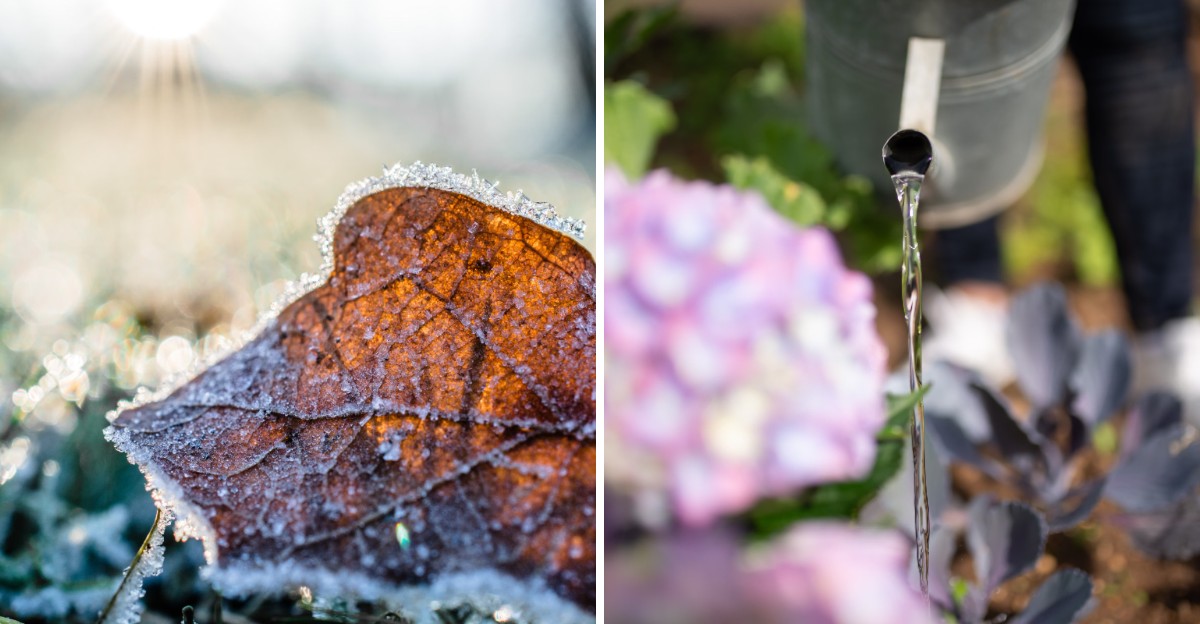
Your plants won’t notice when the clocks fall back. You definitely will. Suddenly, the sun starts setting around 5 p.m.
That after-work hour you spent watering, raking, or checking on the garden disappears into darkness. Mornings brighten a bit earlier for a while, but they’re often colder, frostier, and less inviting.
That shift can throw off even the most organized gardening routine. Chores that fit easily into a weekday evening now need to move to weekends or mornings. Timers on outdoor lights and indoor grow lights may need adjusting.
Even houseplants can feel the change, especially ones like Christmas cactus that rely on long nights to set their blooms. The end of daylight saving time also makes a handy reminder.
It’s the perfect moment to tackle a few seasonal tasks before winter settles in. A few adjustments now can keep your garden on track as the days grow shorter.
1. Less Daylight After Work
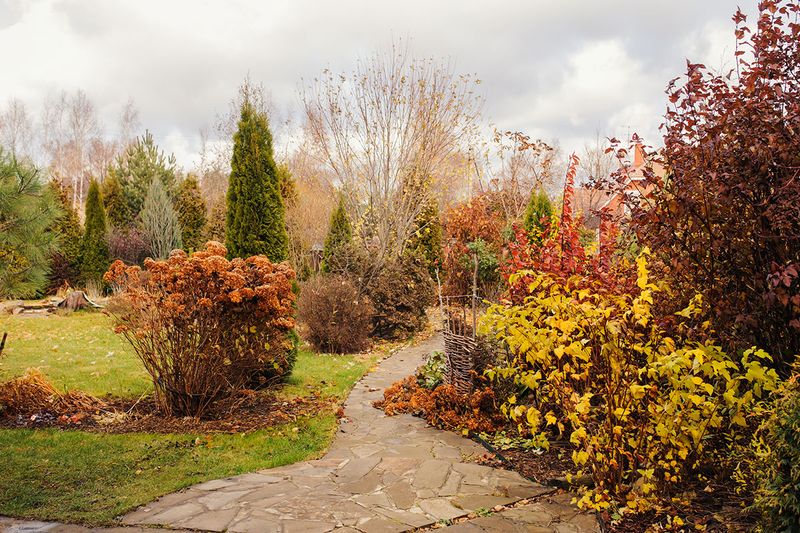
Last week you had time to pull weeds after dinner. Now the sky goes dark around 5 p.m., and your rake sits lonely by the shed. Welcome to the first week after the clocks fall back.
Across Pennsylvania, sunset jumps about an hour earlier overnight. By late November, many towns lose light before 4:45 in the evening. If you work a regular day job, weekday gardening pretty much disappears.
Don’t panic, though. The trick is to move your fall chores to weekend mornings. Saturday and Sunday give you bright, usable hours, and the air often warms up nicely by 10 a.m.
Start by making a short list of what still needs doing. Most Pennsylvania gardens need a few key jobs before the ground freezes. Raking leaves, planting garlic, and cleaning out spent vegetable beds top the list for most people.
Garlic is a big one. Cloves planted in late October or early November grow strong roots before winter. Then they reward you with plump bulbs next July. Waiting too long can mean planting in frozen, muddy soil.
Leaves matter too. A thick, wet layer can smother your lawn over the winter. Shred them with a mower and use them as mulch, or add them to your compost pile for rich soil next spring.
Bed cleanup is the last big job. Pull out diseased tomato and squash plants so problems don’t hang around until next year. Leave some healthy perennial stems standing, since they give shelter to helpful insects and birds.
Split the work into small chunks. One weekend for garlic, another for leaves, and another for beds feels much easier than one giant marathon day.
2. Frosty Mornings Arrive Sooner
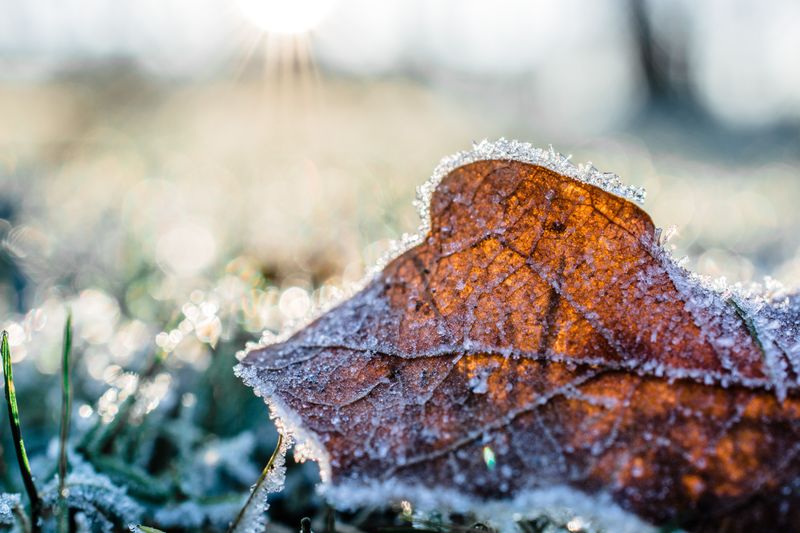
Sunrise feels cheerful again after the time change. You might step outside with your coffee and see sparkles on every blade of grass. Pretty, yes, but that sparkle is frost, and it can hurt your tender plants.
Early November is prime frost season in most of Pennsylvania. Higher spots like the Poconos and the northern tier often see hard freezes even earlier. Southern counties near Philadelphia may stay milder, but surprise cold snaps still happen.
Your Pennsylvania Garden Changes Every Week. Your Plan Should Too.
Gardening in Pennsylvania changes quickly throughout the season. Every Friday you’ll receive a simple weekly plan showing exactly what to plant, prune, fertilize, harvest, and protect so you never miss the right timing.
The best habit you can build is a quick evening weather check. Look at the forecast low before you head to bed. If it says 32 degrees or lower, your tender plants need help.
Here’s the catch. With darker evenings, you need to cover plants before the sun sets, not after. Fumbling with sheets in the pitch black is no fun at all.
So keep your supplies ready by the back door. Old bedsheets, light blankets, and frost cloth all work well. Buckets and plastic pots are handy for small plants like late lettuce.
Drape the covers all the way to the ground. Warmth rises from the soil at night, and a cover traps it like a tent. Use rocks or bricks to hold the edges down when it’s windy.
Skip thin plastic sheeting if it touches the leaves. Plastic can actually let cold pass through and harm foliage. Fabric does a much better job.
In the morning, pull the covers off once the frost melts. Plants need that sunlight and fresh air during the day.
Fun fact: hardy crops like kale and Brussels sprouts often taste sweeter after a light frost. Cold weather turns some of their starches into sugar.
3. Houseplants Get Less Light
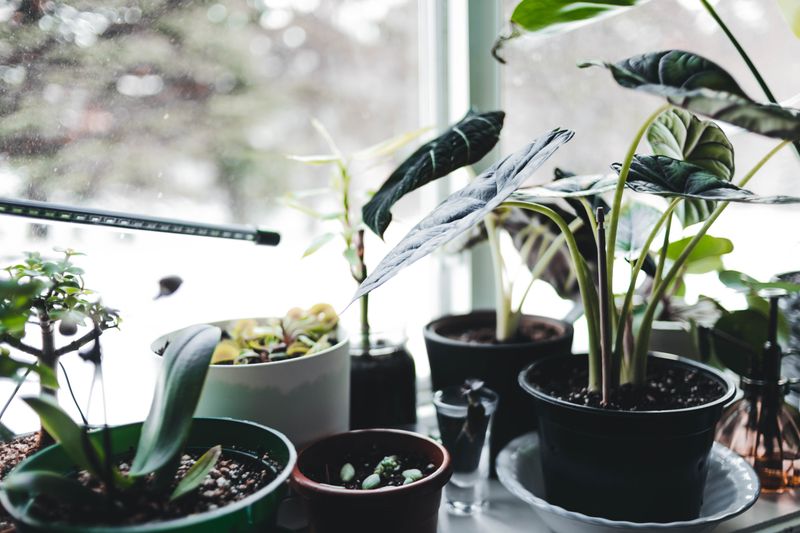
Your pothos might be the first to complain. Maybe it starts reaching toward the window with long, skinny stems. Perhaps a few yellow leaves drop onto the floor for no clear reason.
Shorter days are the culprit. After the clocks change, Pennsylvania homes get much less natural light, and winter skies here are often gray. Some cities, like Pittsburgh and Erie, are known for long stretches of cloudy weather.
Houseplants respond in a few common ways. They may stretch out and look leggy. They might drop leaves or simply stop growing for a while.
The easiest fix costs nothing. Move your plants closer to your brightest windows. South-facing windows give the most light in winter, while west and east windows come next.
Keep plants a few inches away from the cold glass, though. Leaves that touch a frosty window can get damaged. Also keep them away from heating vents that blast dry, hot air.
Next, grab a damp cloth and wipe the leaves. Dust builds up quickly, especially once the furnace kicks on. A dusty leaf can’t soak up light very well, so a quick cleaning really helps.
Turn your pots a quarter turn every week or so. That keeps growth even instead of lopsided.
For plants that still struggle, try a grow light. Modern LED grow lights are cheap, cool to the touch, and use little power. Aim for about 12 to 14 hours of light a day for most common houseplants.
Finally, cut back on watering and skip fertilizer for now. Plants grow slowly in winter, so they need less of both.
4. Reset Timers On Grow Lights And Outdoor Lights
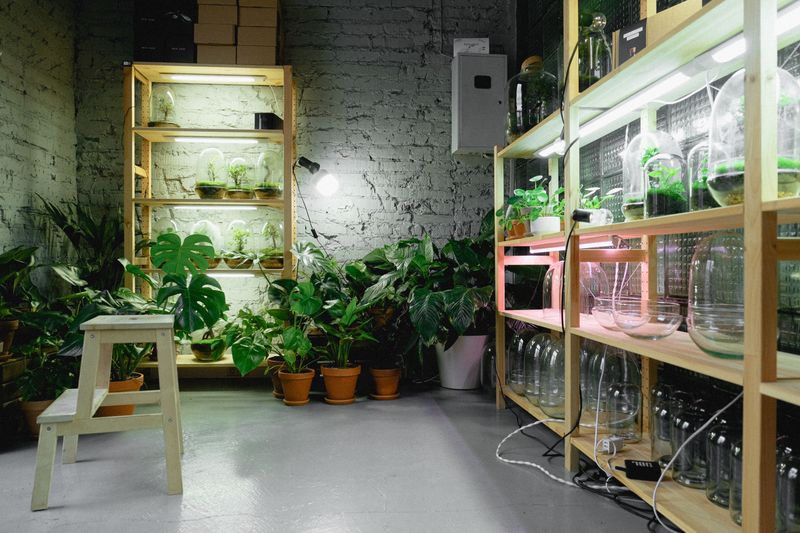
Ever walked into your basement and found your grow lights blazing at midnight? That’s what happens when the clocks change but your timers don’t. A five-minute reset can save you a week of confusion.
Plenty of gardening gear runs on timers. Grow lights for seedlings and herbs are the big ones. Outdoor path lights, holiday displays, and leftover irrigation systems may also need attention.
Many smart plugs and phone-connected timers update by themselves. Older plug-in timers with dials or buttons usually don’t. Check every single one, because a forgotten timer can throw off your plants for weeks.
Start with your grow lights. Plants like a steady daily rhythm of light and dark. If the lights shift by an hour, your schedule gets messy, especially if you were timing them around family life.
Outdoor lights come next. With sunset arriving earlier, you may want path or porch lights turning on sooner. Good lighting helps you see when you head out to cover plants or check the garden at night.
Don’t forget irrigation timers. Most Pennsylvania gardeners should already have outdoor watering systems turned off. Pipes and hoses can crack when water freezes inside them.
If yours is still running, now is the perfect time to shut it down. Drain the lines, disconnect hoses, and store them in a garage or shed.
Here’s a handy tip. Keep a small list taped inside a cabinet with every timer in your home. Check it twice a year, once in March and once in November, and you’ll never miss one again.
5. Protect Your Christmas Cactus’s Dark Nights
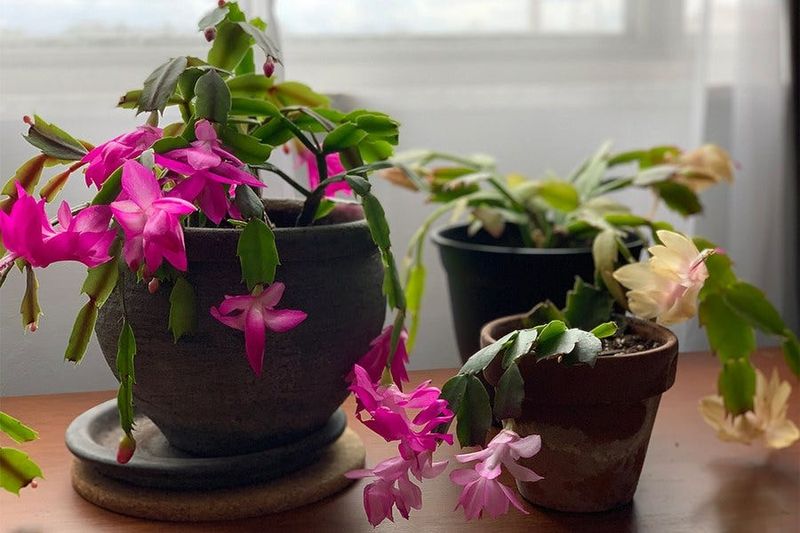
Grandma’s Christmas cactus bloomed like clockwork every December. There was a secret behind it, and it had a lot to do with darkness. These plants set their flower buds when nights grow long.
A Christmas cactus needs about 12 to 14 hours of steady darkness each night to form buds. Cool temperatures between 55 and 65 degrees help too. Many gardeners start giving their plants long nights in October or early November.
Now comes the tricky part. After the clocks fall back, it gets dark outside earlier. That means people flip on lamps and ceiling lights sooner in the evening.
If your cactus lives in the living room or kitchen, those lights break up its night. Even a short burst of lamplight can confuse the plant. The result might be fewer buds, or no blooms at all.
The solution is simple. Move your cactus to a room that stays dark in the evening. A spare bedroom, guest room, or quiet corner that nobody uses after sunset works great.
Make sure the spot still gets bright, indirect light during the day. A window with sheer curtains is ideal. Plants need daytime light to stay healthy and fuel those flowers.
Water lightly, only when the top inch of soil feels dry. Too much water can cause buds to drop off.
Once you see buds forming, you can bring the plant back to a more visible spot. Try not to move it around too much after that. Sudden changes can make it shed its buds.
With a little patience, you’ll have bright pink or red blooms just in time for the holidays.
6. Water At Midday
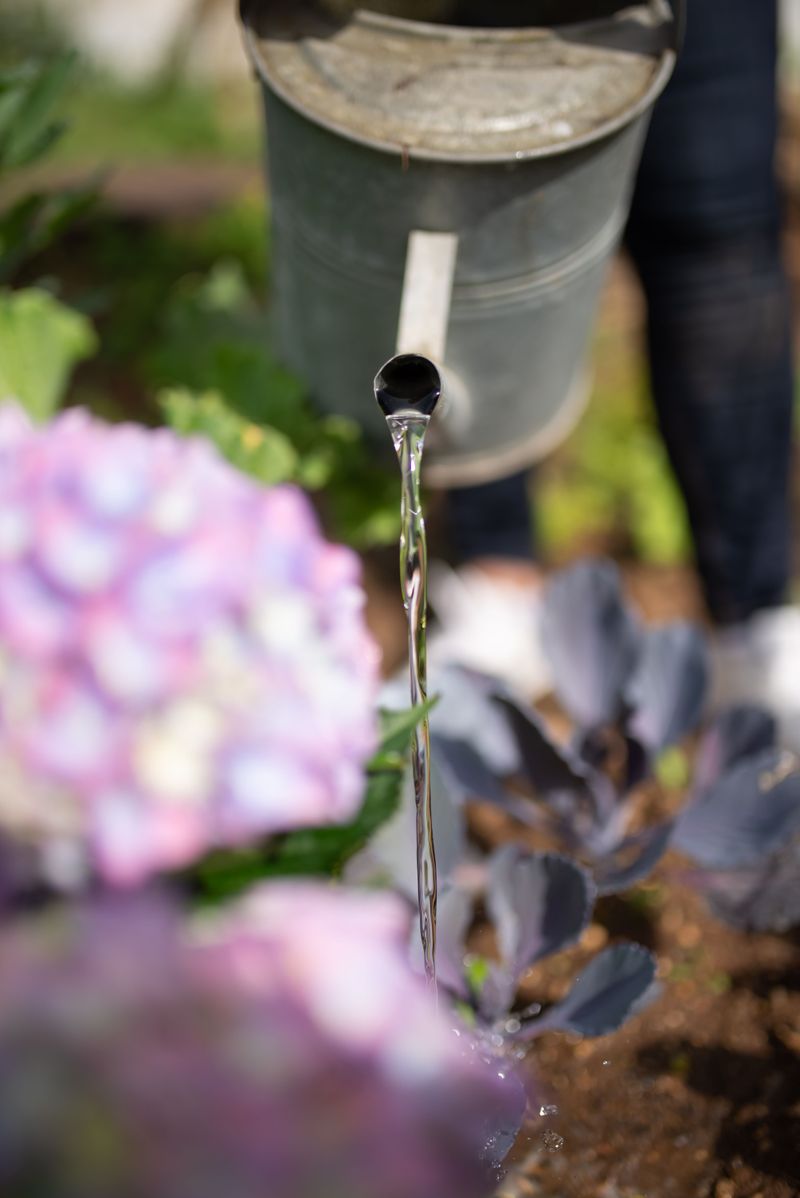
Timing really is everything with fall watering. Back in July, evening watering felt refreshing for both you and your plants. In November, that same habit can cause trouble.
Cold nights are the reason. When you water late in the day, the soil and leaves stay wet as temperatures drop. Damp foliage overnight invites mold and fungus. In a hard freeze, wet soil near the surface can even ice up around roots.
Midday is your new sweet spot. Watering between about 11 a.m. and 2 p.m. gives plants hours to soak up moisture. Any extra water on the leaves has time to dry before the evening chill.
You might wonder if plants even need water this late in the year. Many do, especially evergreens. Rhododendrons, hollies, boxwoods, and arborvitae keep losing moisture through their leaves all winter.
A dry fall can leave them thirsty heading into the cold months. Then winter winds dry them out even more, leading to brown, crispy needles and leaves by spring. Newly planted trees and shrubs are especially at risk.
Give them a deep drink every week or two if rain is scarce. Keep going until the ground freezes solid, which in much of Pennsylvania happens in December.
Use a watering can or hose rather than sprinklers. Aim at the base of each plant, not the leaves.
On weekdays, this can be tricky if you work away from home. Try watering on weekends, or ask a family member who is home at lunch to help out. A thick layer of mulch around roots holds in that moisture nicely.
7. Watch For Deer At Dusk

Pennsylvania has roughly 1.5 million white-tailed deer, one of the largest herds in the country. In November, many of them are on the move. Your garden, and your drive home, may be right in their path.
Deer are most active around dawn and dusk. Once the clocks fall back, evening commutes land right in that dim window. On top of that, November is the height of the fall rut, when bucks chase does and wander far from their usual spots.
Behind the wheel, stay alert. Slow down on rural roads and near wooded areas, especially between 5 and 7 p.m. If you see one deer, expect more to follow close behind.
Pennsylvania regularly ranks near the top of the nation for deer-vehicle collisions. Use your high beams when the road is clear, and never swerve wildly to dodge an animal.
Now back to the yard. Hungry deer love to snack on shrubs once their summer food fades. Arborvitae, yews, and hostas are some of their favorites.
Bucks also rub their antlers on young tree trunks. They do it to mark territory and signal dominance to other bucks. Those rubs can strip away bark and seriously harm a small tree.
Protect young trees with tree guards or wire cages around the trunk. Wrap prized shrubs in burlap or deer netting for the winter.
Deer repellent sprays can help too. Switch brands every few weeks so the deer don’t get used to one smell.
A tall fence is the strongest option. For most yards, though, a mix of barriers and sprays keeps damage low.