Save Your New Jersey Jack-O’-Lantern Because It Can Become Free Compost For Next Year’s Garden
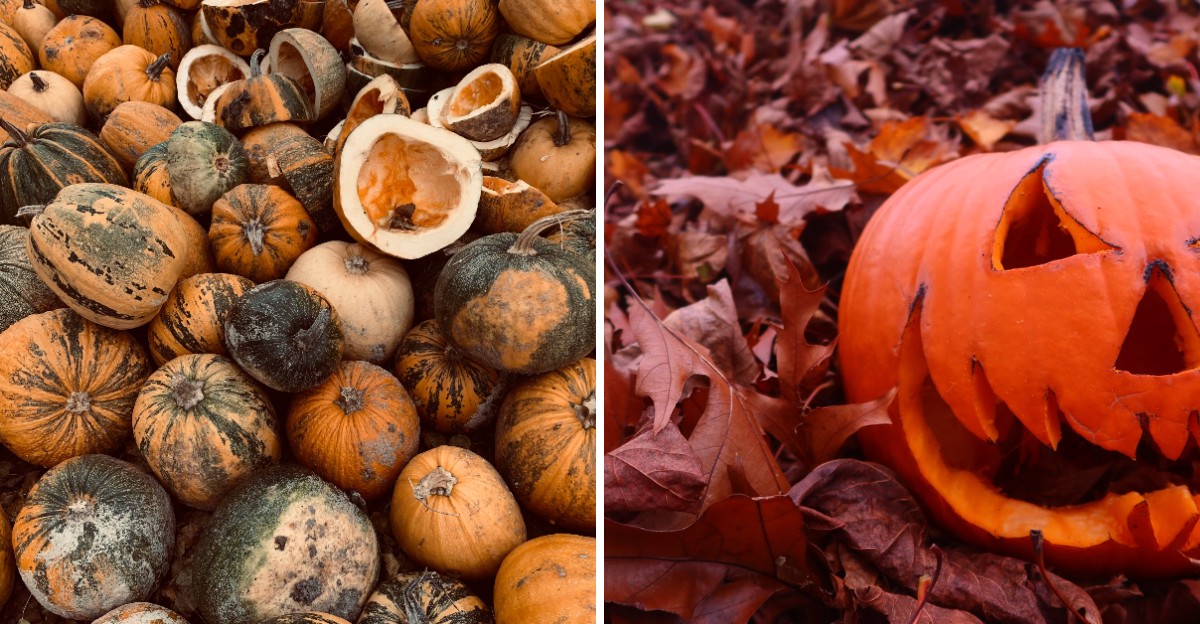
Your grinning porch pumpkin is roughly ninety percent water, which explains that saggy, wrinkled face by mid-November.
Once that smile collapses, most people toss the whole soggy thing straight into the kitchen trash can without a thought.
Nationwide, pumpkins add up to over a billion pounds of landfill waste after every single Halloween season ends. Trapped under garbage without air, they release methane, a greenhouse gas far stronger than carbon dioxide.
I have to admit, I used to haul mine to the curb in New Jersey every year. Then I learned how much our sandy and clay garden soils across New Jersey crave that squishy orange goodness.
And you might notice the same flat, tired beds in your own yard by late summer each year. What if that slumping orange gourd could quietly feed your tomatoes next spring at no cost?
1. Toss Pumpkin Chunks Into Your Backyard Compost Bin
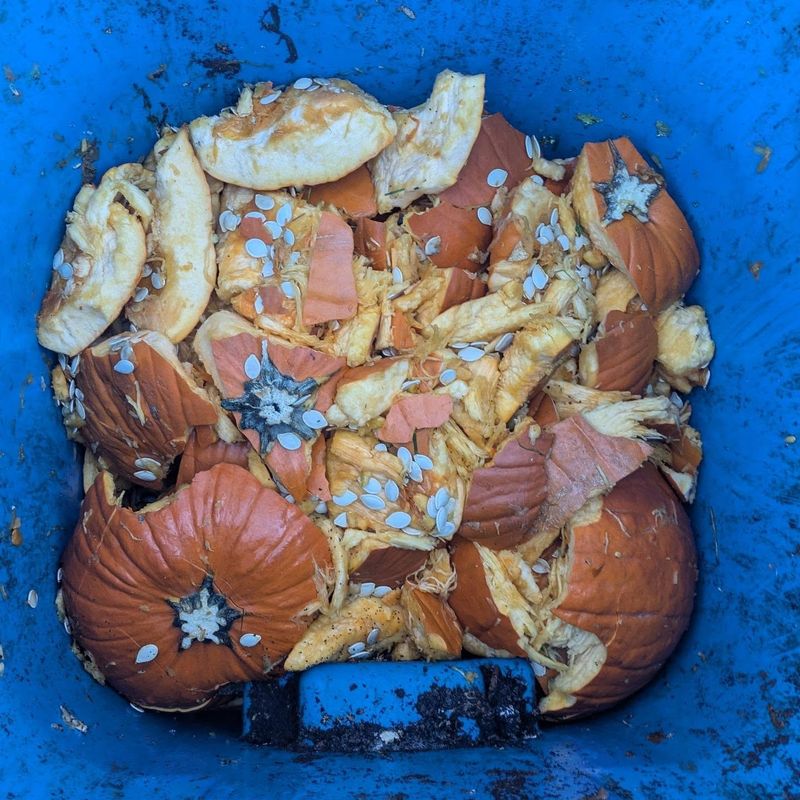
Nothing makes a compost pile happier than a heavy, juicy pumpkin landing right on top of crunchy brown leaves. That moist orange flesh counts as a green material, packed with nitrogen that hungry microbes love to munch.
Before anything goes in, scrape out every bit of candle wax and peel off stickers or plastic bits. Painted or glittered pumpkins belong in the trash, since those coatings will not break down in your bin.
Personally, I like grabbing a sturdy shovel and chopping the shell into chunks about the size of my fist. Smaller pieces give microbes more surface to work on, so your pumpkin breaks down much faster than a whole one.
Aim for roughly two or three scoops of dry leaves for every single scoop of fresh pumpkin you add. Covering the chunks with that brown layer also helps keep curious raccoons at a distance and smells under control.
Moisture matters, and pumpkin brings plenty, so your pile should feel like a sponge that was wrung out well. If things turn slimy or sour, toss in more shredded leaves or a little torn cardboard to soak it up.
Turning the heap every week or two pushes fresh air inside, and that oxygen keeps decomposition moving along nicely. In an active pile, chopped pumpkin can soften and disappear within a few weeks to about two months.
Cold weather in late fall slows everything down, so expect the work to pause until temperatures climb again. By spring planting time, you should have dark, crumbly material ready to spread around your hungry vegetable beds.
2. Compost Jack-O’-Lantern Pieces In A Garden Trench
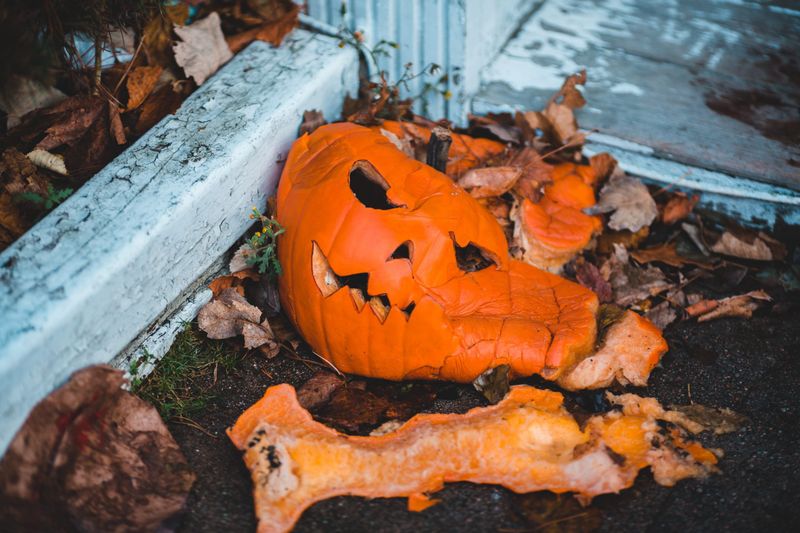
No bin, no problem, because your garden bed can quietly swallow a jack-o’-lantern and turn it into treasure. Gardeners call this trench composting, and I love how it requires little more than a shovel and patience.
Pick an empty corner of a vegetable bed where nothing is growing over the coming winter months. Dig a hole or narrow trench roughly eight to twelve inches deep, which keeps critters from sniffing it out.
Break the pumpkin into rough chunks first, after pulling out any leftover candle wax and plastic decorations. Drop the pieces into the hole, then cover them with the soil you removed and pat it down firmly.
Your New Jersey Garden Changes Every Week. Your Plan Should Too.
Gardening in New Jersey changes quickly throughout the season. Every Friday you’ll receive a simple weekly plan showing exactly what to plant, prune, fertilize, harvest, and protect so you never miss the right timing.
Over winter, earthworms and soil microbes slowly feast on the covered pumpkin while you stay warm inside with cocoa. Cold soil slows them a bit, but the work picks up again as the ground warms next spring.
By planting time, that spot often becomes a rich pocket of dark soil right where roots need it most. I like marking each trench with a stick or garden label so I remember exactly where the goodies are hiding.
Hungry crops like tomatoes or peppers make great choices for those spots once frost danger passes in spring. Just leave a few weeks after spring thaw so any remaining chunks finish softening before you tuck in seedlings.
Seeds tucked inside your pumpkin may sprout as surprise volunteers, which some gardeners enjoy and others simply pull. Scooping out seeds first and roasting them for a crunchy snack solves that issue in the tastiest way possible.
3. Feed Soft Pumpkin Scraps To Your Worm Bin
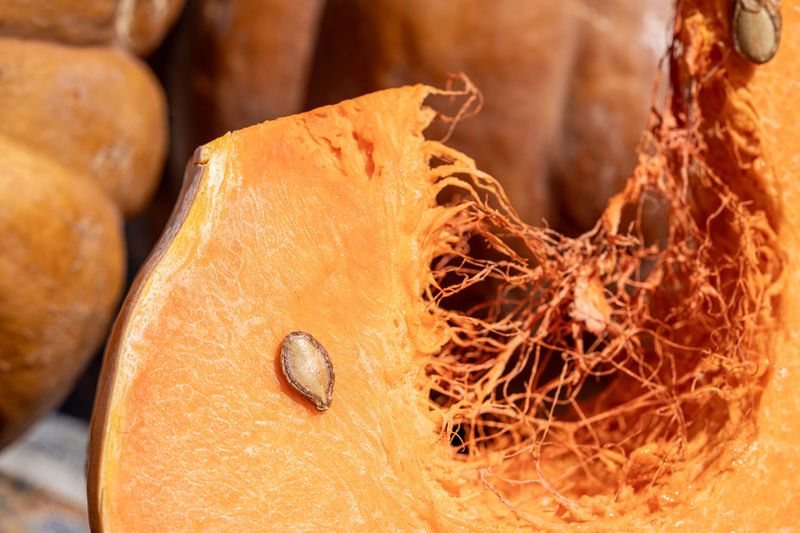
Red wiggler worms go a little wild for soft pumpkin, crowding around a chunk like kids at a candy bowl. If you keep a worm bin, your jack-o’-lantern can become a tasty autumn treat for your tiny underground crew.
Moderation matters here, because a whole pumpkin dumped in at once can overwhelm the worms and sour the bedding. Start with a few small pieces, then add more once the first batch looks mushy and mostly eaten.
Pumpkin carries plenty of water, so balance each feeding with dry bedding like shredded newspaper or crumbled fall leaves. Skipping that step can leave your bin soggy and slimy, which worms and your nose both dislike.
Chopping or even freezing the pieces first helps break down cell walls, making the flesh softer for worms to eat. I have to admit, I keep a container of pumpkin cubes in my freezer just for this purpose.
Red wigglers prefer moderate temperatures, roughly fifty-five to seventy-seven degrees Fahrenheit, for steady eating and breeding. As frosty nights arrive in late fall, many gardeners move outdoor bins into a garage or basement corner.
Strip off any wax or paint before feeding, since worms cannot process those materials and your castings stay cleaner. Moldy spots are usually fine in small amounts, but fuzzy pieces should be tucked deep under bedding.
In a couple of months, that pumpkin becomes worm castings, a dark material gardeners prize for houseplants and beds. You’re in for a big surprise when you see how quickly your worms polish off those orange chunks.
4. Drop Off Pumpkins At A Town Collection Site
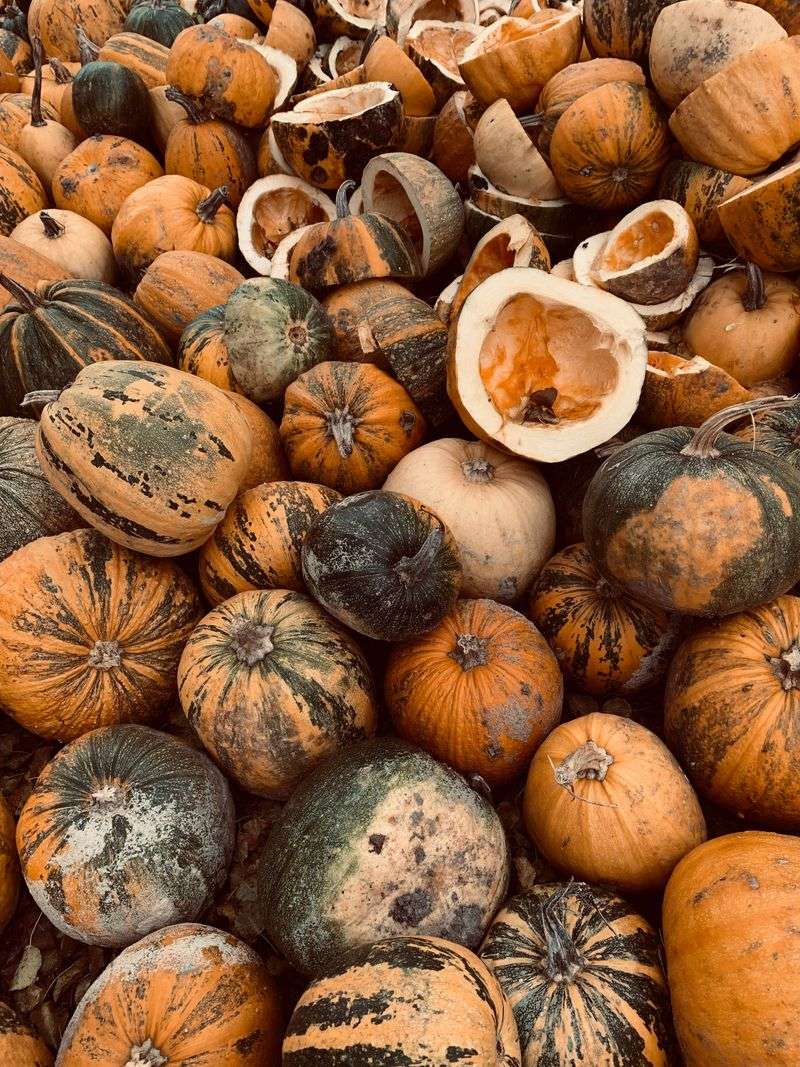
Plenty of towns would happily take that slouching pumpkin off your hands rather than see it hit the landfill. In New Jersey, many municipalities and county programs set up special pumpkin collection after Halloween each fall.
Union County, for example, has run pumpkin recycling that sends collected gourds off to be turned into biogas energy. Some New Jersey towns offer residential compost drop-off spots, and local groups often add seasonal pumpkin pickups too.
Your best move is checking your town website or county recycling page in late October for dates and locations. Programs change from year to year, so a quick phone call to public works can save a wasted trip.
Most collection sites only accept plain pumpkins, so remove candles and wax before you load up the car. Painted or glittered pumpkins usually get turned away, which means decorating with markers might be worth reconsidering.
I love how these programs handle the heavy lifting, especially for huge pumpkins that would swamp a small bin. Apartment dwellers without yards get a simple way to keep their seasonal decorations out of the regular trash.
Some towns with leaf compost facilities offer finished compost or mulch to residents, so ask about spring giveaways. That way, your pumpkin quite literally returns home in a new form to feed your garden beds.
Gourds and squash from your porch display are often welcome too, as long as they skip the decorations. Tossing a few hay bales in the same trip is tempting, but confirm whether your site accepts them first.
5. Smash Your Pumpkin Under A Blanket Of Fall Leaves
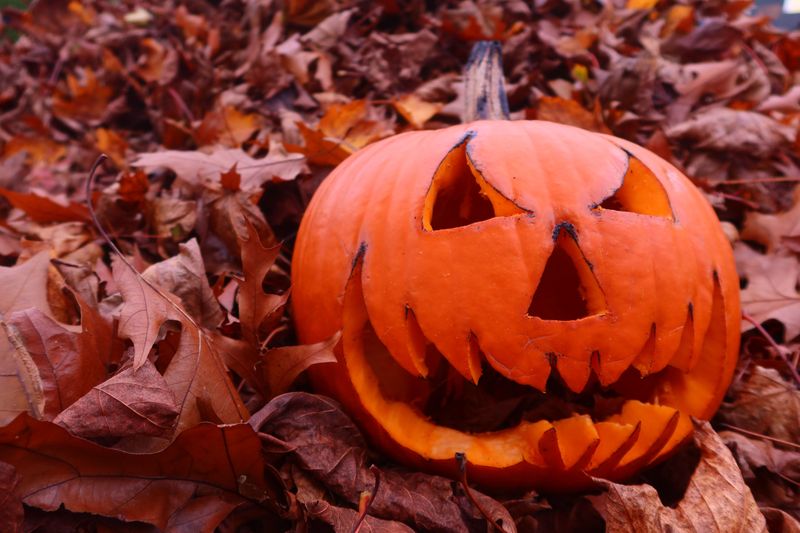
Dropping a soggy pumpkin from waist height produces a splat so satisfying that kids beg to take turns. That smash is more than fun, since broken pieces rot faster than a whole shell sitting in one place.
Pick a quiet, out-of-the-way spot in your yard, like behind a shed or along a back fence line. Keep it away from patios and doorways, since a pile of soft pumpkin can draw curious squirrels and raccoons.
After smashing, pile a thick blanket of fallen leaves right over the orange mess until it disappears from view. Those leaves provide carbon-rich brown material that balances the wet, nitrogen-heavy pumpkin hiding underneath it all.
Leaves happen to be easy to find here, because New Jersey bans them from landfills and encourages recycling instead. That rule means October and November rakings become a free, generous supply for anyone building a lazy pile.
Personally, I add a shovelful of garden soil on top to introduce helpful microbes and hold the leaves down. Gusty fall winds can scatter a loose pile, so a little weight keeps everything snug and in place.
Breakdown happens slowly through winter, but by late spring much of the pumpkin will have softened into dark crumbs. Rake the remains into nearby beds or toss them onto your main compost heap to finish the job.
This approach suits busy gardeners who want results without turning or babysitting a formal compost system all season. It still keeps food waste out of the landfill, where trapped pumpkins would otherwise release planet-warming methane gas.
6. Join A Community Pumpkin Smash Event
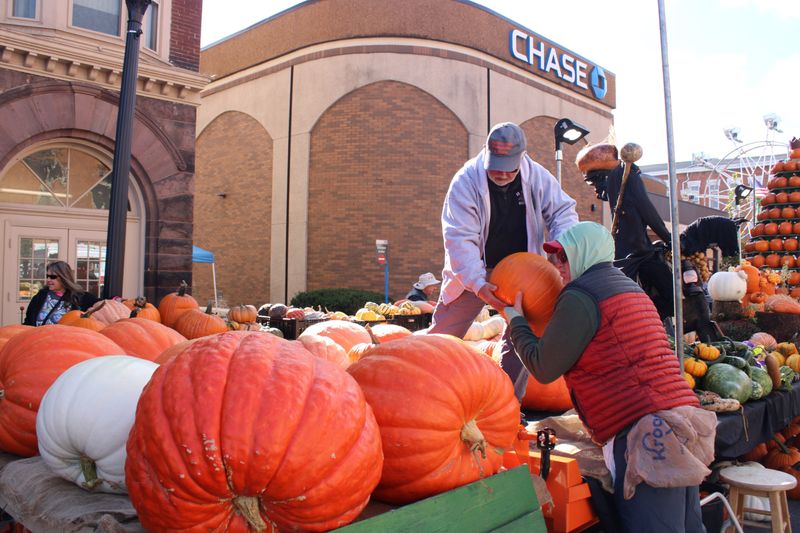
Few events feel more cheerful than a crowd of neighbors hurling pumpkins into a big dumpster on a chilly morning. Pumpkin smash events have popped up in many communities, turning post-Halloween cleanup into a lively family outing.
Organizers usually collect the smashed pumpkins and send them to a commercial composting facility or local farm. Those larger operations heat up much hotter than backyard piles, breaking down big loads faster and more evenly.
Local environmental commissions or nature centers often host these gatherings, so keep an eye on community calendars. Social media pages for your town tend to announce dates in late October, giving you time to plan ahead.
Before heading out, scrape away any wax and peel off stickers, because organizers typically reject decorated pumpkins. Painted pumpkins create trouble for compost facilities, since paint particles can linger in the finished product.
I believe these events win over kids faster than any lecture about landfills or greenhouse gases ever could. Watching a pumpkin burst open teaches them that food scraps can become soil instead of sitting in garbage.
Bring gloves and wear old shoes, because pumpkin guts get slippery and splatter farther than you might expect. Some events even add pumpkin catapults or hammer stations, which make the trip feel like a bonus fall festival.
If no smash exists near you, consider asking your town green team or school garden club to start one. A few tarps and a compost partner can turn an empty parking lot into next year’s favorite neighborhood tradition.
7. Donate Plain Pumpkins To Hungry Farm Pigs And Chickens
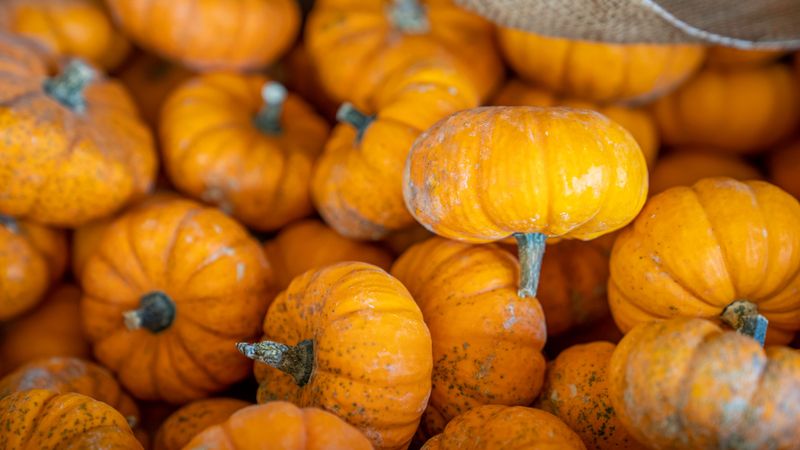
Pigs treat a donated pumpkin like a birthday cake, snuffling and chomping until only orange smears remain on snouts. Chickens get just as excited, pecking at seeds and stringy pulp with impressive enthusiasm and plenty of noisy chatter.
Goats and horses can also enjoy plain pumpkins as an occasional, fiber-rich treat in reasonable amounts. Their manure later heads back to the soil, so your pumpkin still feeds the earth by a scenic route.
In New Jersey, the Rutgers farm in New Brunswick has accepted unpainted pumpkins for its pigs and chickens. Policies can shift each season, so contact any farm or sanctuary first before showing up with a full trunk.
Only donate plain pumpkins free of paint and glitter, plus any preservative sprays like hairspray or petroleum jelly. Those coatings can harm animals, so decorated pumpkins belong in the trash instead of a feeding trough.
Remove candle wax with care, scraping the inside where drips usually collect around the bottom of the shell. Some farms accept slightly soft pumpkins, while others prefer fresh ones, so follow their specific guidelines.
I love how this option connects city and suburban families with working farms that need affordable treats. Kids often get a peek at the animals, which turns a cleanup chore into a memorable weekend field trip.
Small backyard flocks count too, so ask neighbors who keep chickens whether they would welcome your extra pumpkins. Break the pumpkin open before sharing, since hens struggle to peck through a thick, tough outer rind.
8. Mix Small Pumpkin Chunks Straight Into Garden Soil
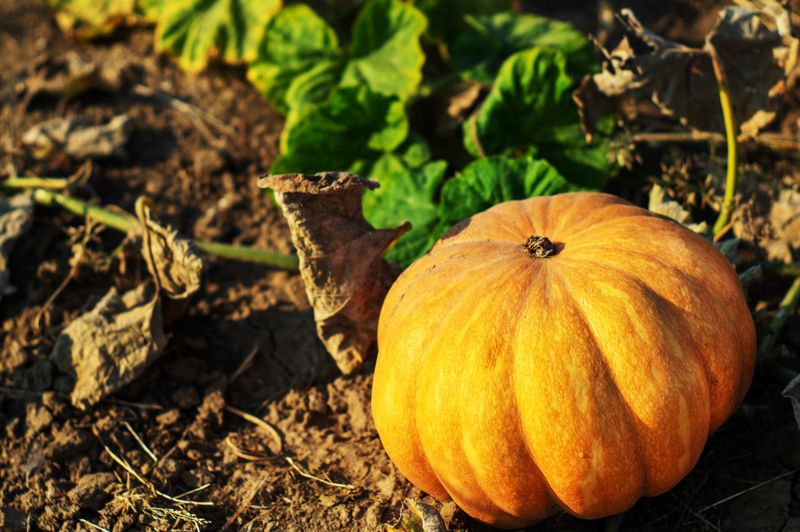
Pumpkin flesh carries potassium and other nutrients that plants crave, along with fiber that feeds soil life. Rather than tucking a whole shell into the ground, you can chop it small and stir the pieces straight into tired beds.
Grab a sharp spade and slice the pumpkin into pieces about an inch or two across for faster breakdown. Smaller bits blend into soil easily and give worms and microbes plenty of edges to start nibbling right away.
Work the chunks into the top six inches of an empty bed, then cover them with a layer of soil. Leaving pumpkin exposed on the surface invites squirrels and fruit flies, so tuck everything under for best results.
October timing works beautifully, because cooling soil still has enough activity for microbes to begin the job before frost. Over the winter, freezing and thawing cycles help soften the pieces further, so spring soil feels noticeably richer.
Organic matter like this improves structure, helping heavy clay drain better while helping sandy soil hold more moisture. In New Jersey, where gardens range from coastal sand to dense Piedmont clay, that boost helps almost everywhere.
Top the bed with shredded leaves as mulch, which adds carbon and protects the soil from heavy winter rains. What surprises me most is how many earthworms show up in those spots by the time spring arrives.
Avoid mixing pumpkin into beds where you plan to sow tiny seeds very early, like carrots or lettuce. Give those spots a few extra weeks so any lingering chunks finish softening before delicate seedlings go in.