The One Fall Garden Job Ohio Homeowners Do Too Early Every Year
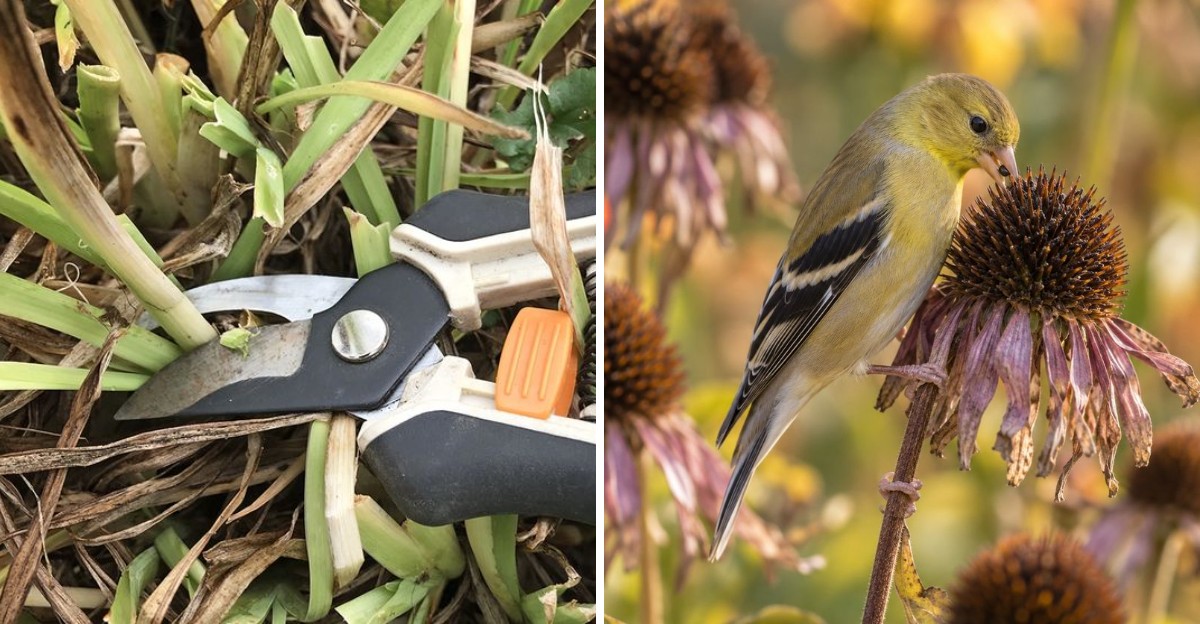
I’ll admit it: the first crisp weekend of fall has me out the door with pruners in hand before my coffee cools. The maples are turning red, every Ohio yard on the street is humming with rakes, and tidying up feels as satisfying as folding laundry fresh from the dryer.
For years, I cut back my garden the minute the weather cooled, and I felt pretty proud of myself. Then I learned that this one popular chore can do more harm than good.
Those brown, crunchy bits I was bagging up had a job to do. Turns out, I was tossing out winter housing for tiny neighbors, and my garden was paying the price.
Rude of me, honestly. Let me save you from my mistake. Put the pruners down for a minute.
1. Early Cleanup Costs Your Garden More Than It Saves
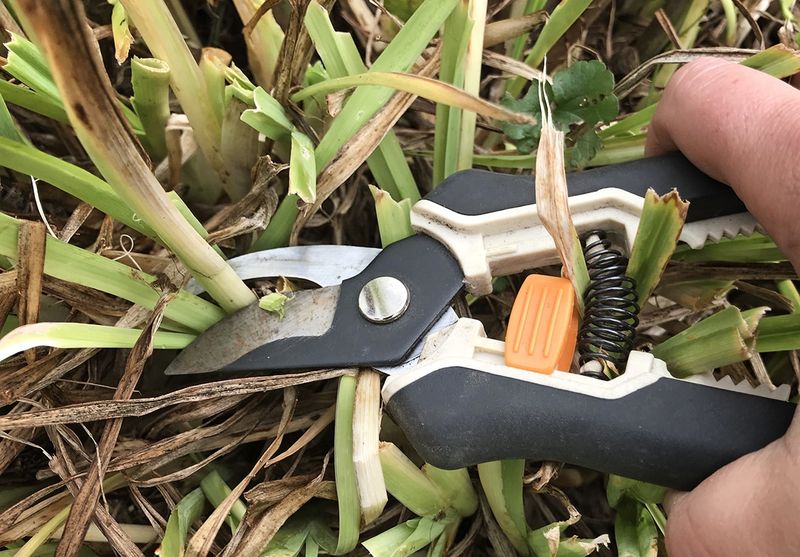
Here is a twist many gardeners miss. Cutting back perennials and stripping beds bare in early fall can leave your plants more exposed heading into winter.
Bare soil loses moisture fast and takes the full brunt of freezing and thawing. In Ohio, winter temperatures swing up and down often, and that heaving motion can push shallow roots right out of the ground.
A layer of leaf litter and mulch softens those swings, and standing stems help hold that layer in place.
Fresh cuts can also stir things up. With some plants, especially woody ones, pruning in September may prompt tender new growth.
That soft growth has little time to harden before frost, so it can get damaged and drain stored energy.
Then there is the work itself. You spend hours bagging material, buying bags, and hauling everything to the curb.
Many towns charge for yard waste pickup, so you may be paying to remove free mulch and insect habitat.
Waiting is the easier path. Let most of your beds stand through the cold months, and plan the main cleanup for spring.
You will save time, protect roots, and support wildlife without lifting a finger.
Think of it as a lazy gardener’s win that actually helps. Sometimes the smartest move is simply putting the pruners back in the shed for a few more months.
2. Hollow Stems Shelter Ohio’s Native Bees
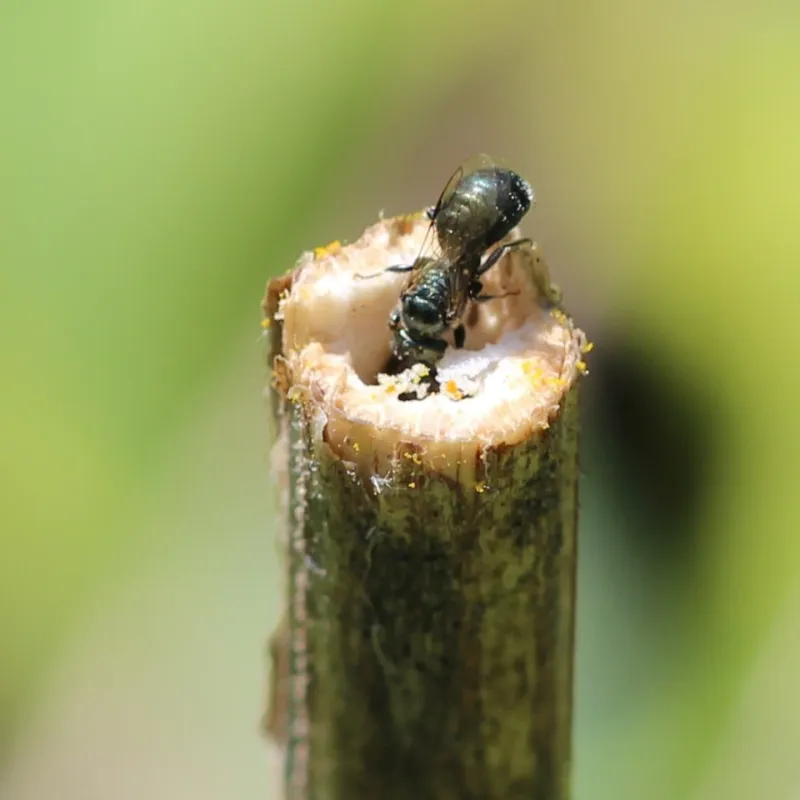
Tiny architects may be hiding in your flower beds. Some native bees spend the winter tucked inside the hollow or pithy stems of old plants.
Ohio is home to hundreds of native bee species, and most of them do not live in hives. Many nest in the ground, but others use plant stems.
Small carpenter bees, for example, often nest in pithy stems like raspberry, elderberry, and sumac. Some mason bees and other small bees will move into hollow stems and similar cavities too.
The baby bees rest there through winter and come out when things warm up.
When you chop and bag those stems in October, you remove those nesting spots from your garden, and any bees inside go with them. That can mean fewer pollinators visiting your garden next summer.
Your Ohio Garden Changes Every Week. Your Plan Should Too.
Gardening in Ohio changes quickly throughout the season. Every Friday you’ll receive a simple weekly plan showing exactly what to plant, prune, fertilize, harvest, and protect so you never miss the right timing.
Leaving stems standing is the simplest fix. If tall stalks bother you, try cutting them to about 12 to 18 inches high in spring instead of fall.
Bees may use the cut tops for nesting the following season, too.
Here is a neat bonus tip. Some gardeners bundle a few extra cut stems and tie them to a fence post in a sunny spot.
It becomes a homemade bee hotel that costs almost nothing.
Your garden may look a little shaggy for a while. Still, giving bees a winter home can pay off with a busier, buzzing yard when summer rolls around again.
3. Seed Heads Feed Birds Into Winter Across Ohio
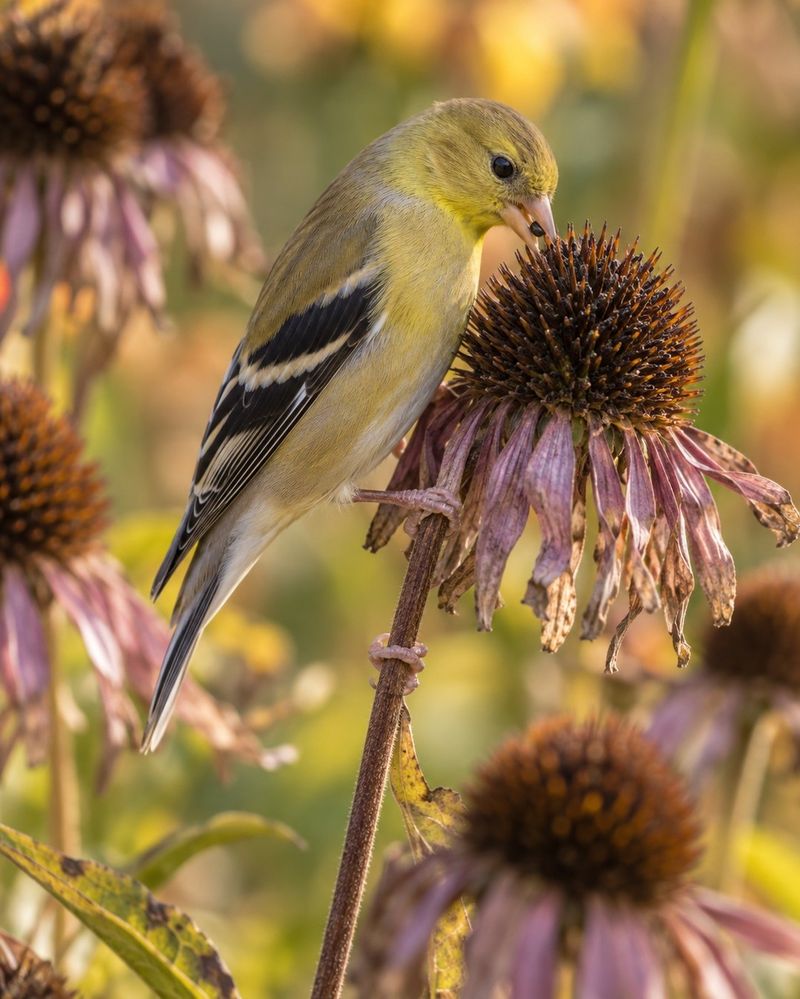
Ever watched a goldfinch hang upside down on a coneflower? That little acrobat is grabbing a snack you almost threw away.
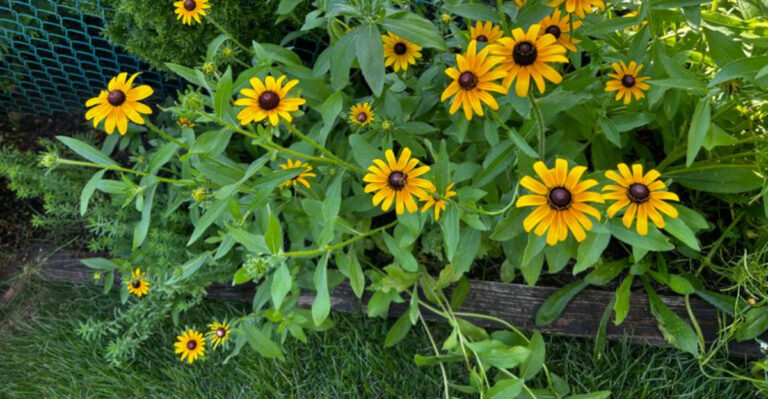
Seed heads from coneflowers, black-eyed Susans, asters, and native grasses are a natural bird feeder. In Ohio, winter food gets scarce once snow covers the ground.
Birds like juncos, chickadees, cardinals, and goldfinches rely on these seeds to stay warm and active.
Cutting flowers back early removes that food supply before the hungriest months arrive. Your store-bought feeder helps, but wild seeds offer variety and keep birds spread out, which can reduce disease at crowded feeders.
Watching birds is part of the fun, too. A snowy garden dotted with dark seed heads and bright red cardinals makes a great view from the kitchen window.
Kids especially love spotting different visitors and keeping a simple bird list.
To make the most of it, leave plants with sturdy seed heads standing. Sunflowers, coneflowers, and switchgrass hold up well under snow.
Softer plants like hostas can be tidied if they turn mushy and messy.
Many people find that leaving these plants brings more feathered friends than ever before. It turns your yard into a lively winter hangout with almost no extra effort or cost on your part.
4. Plants Keep Feeding Their Roots As Foliage Fades
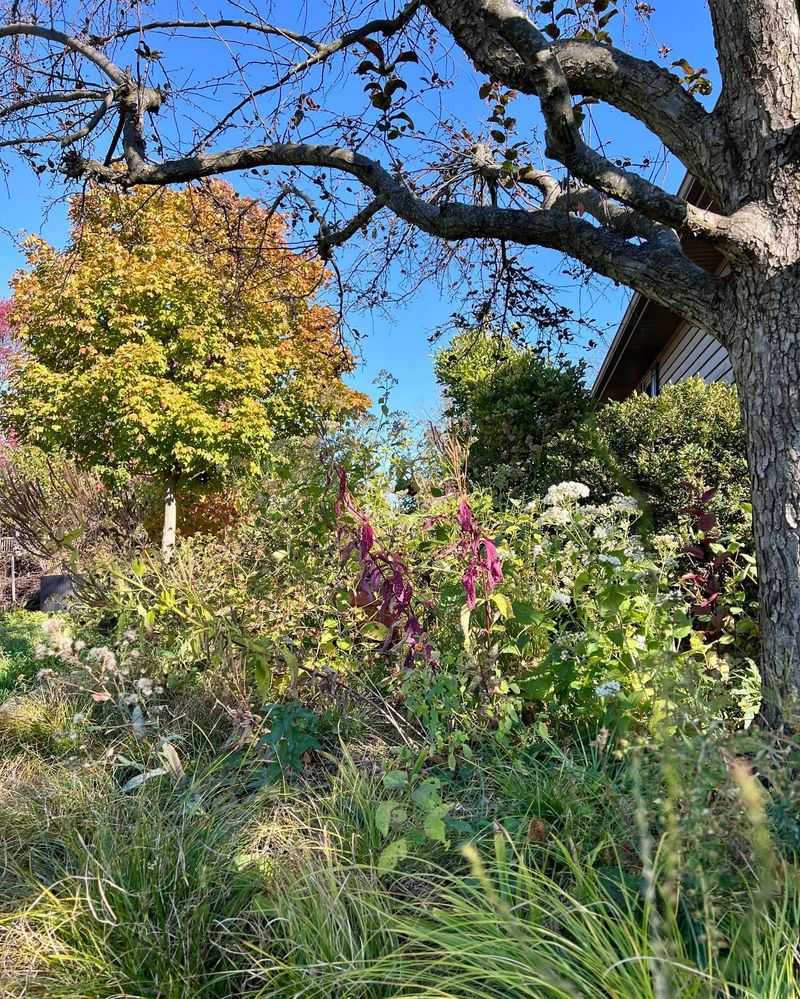
Brown and droopy can still mean a plant is hard at work. Even when leaves start to fade, plants are not finished for the season.
As fall moves along, perennials pull sugars and nutrients from their leaves down into their roots. That stored energy helps fuel strong growth next spring.
If you cut foliage while it is still partly green, you interrupt that process and leave the roots with less fuel.
Think of it like charging a phone overnight. Unplugging it halfway leaves you with a low battery the next day.
In Ohio, where the growing season can end with a sudden chill, plants need every last day to recharge.
A good rule is to wait until foliage turns fully brown or collapses after a hard frost. Even then, many plants benefit from staying put until spring.
Peonies are one exception, since their leaves can carry fungal spots, so trimming them after they yellow is fine.
Watch your plants for clues. Leaves that are still firm or partly green are still working.
Leaves that are crisp and limp are finished, though they still offer cover for roots.
Patience here can lead to bigger blooms and healthier clumps. Giving your perennials time to finish their fall routine is one of the easiest ways to set up a beautiful spring garden.
5. Leaf Litter Is Winter Housing For Beneficial Insects
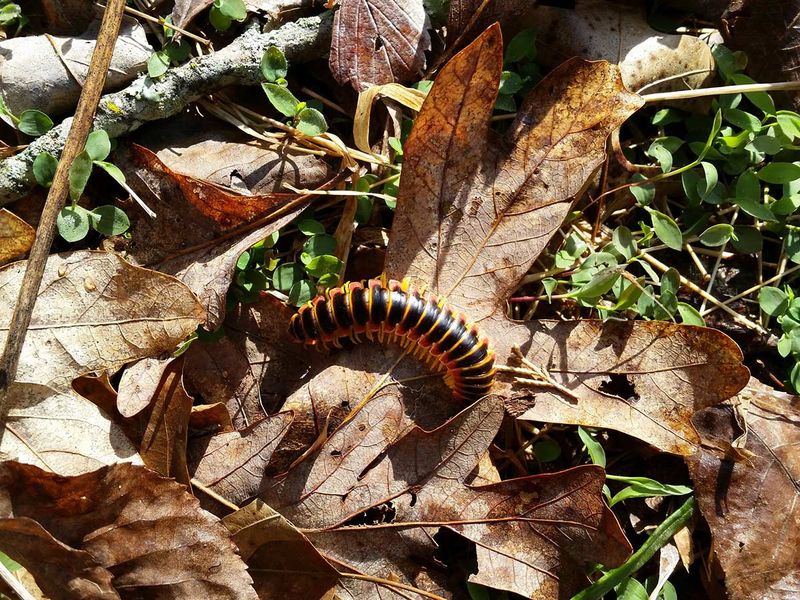
Under that crunchy pile of leaves, a whole neighborhood is settling in. Fallen leaves give shelter to many helpful insects during the cold months.
Ladybugs, ground beetles, lacewings, and fireflies often spend winter tucked in leaf litter. Many butterflies and moths do too.
The woolly bear caterpillar, famous for its fuzzy brown and black bands, curls up under Ohio leaves and waits for spring. Swallowtails take a slightly different route.
Most spend winter as chrysalises attached to twigs and stems, so leaving a few stems standing helps them too.
Those insects are your free pest control crew. Ladybugs and lacewings munch aphids.
Ground beetles eat slugs and cutworms. Firefly larvae feed on slugs and snails, and the adults light up summer nights.
Raking every leaf into bags sends many of those helpers away. A better plan is to rake leaves off the lawn and spread them into flower beds, under shrubs, or around trees.
Leaves break down slowly and add organic matter to your soil.
If you have a thick pile, shredding it with a mower helps it break down faster. That makes a light mulch that will not smother smaller plants.
Leaving leaves can save money, too. You may need fewer bags and less store-bought mulch.
Fallen leaves are fairly low in nitrogen and phosphorus, though, so think of them as mulch and a soil conditioner rather than a replacement for fertilizer.
Nature recycles its own goods while sheltering the insects that help keep your garden balanced.
6. Standing Stems Add Winter Interest To Ohio Gardens
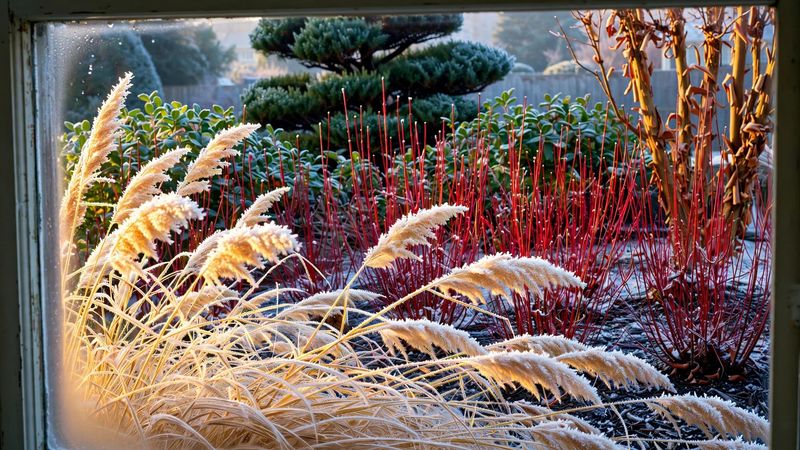
Frost turns plain stalks into sparkling art. A garden left standing can look stunning on a cold January morning.
Ornamental grasses sway and rustle in the wind. Sedum heads hold little caps of snow.
Coneflower stems poke up like dark candles against a white backdrop. Ohio winters can feel long and gray, so any bit of texture and shape outside the window brings a welcome lift.
Garden designers often call this the fourth season of interest. Instead of staring at bare dirt from November to April, you get height, movement, and soft colors like tan, bronze, and rust.
Some plants shine more than others in winter. Try little bluestem, switchgrass, Joe Pye weed, Russian sage, and astilbe.
Their stems stay upright and catch snow nicely. Plants that flop or turn slimy can be trimmed for a neater look.
Want a tidy appearance without a full cleanup? Edge your beds cleanly and keep paths clear.
A crisp border makes standing plants look planned and intentional instead of messy. Neighbors will see a thoughtful garden rather than a forgotten one.
Grab a camera on the next snowy morning. Many gardeners are surprised by how pretty their beds look, and those photos often become favorite shots of the whole year.
7. Fall Cleanup Jobs That Are Worth Doing Now
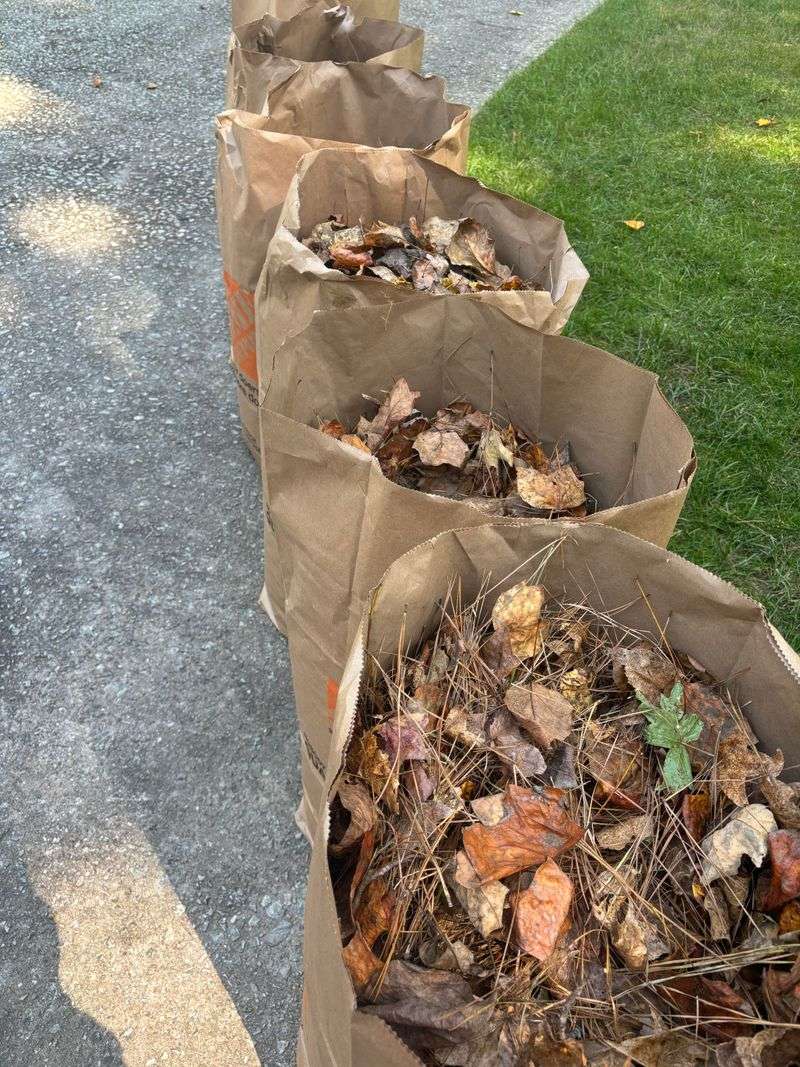
Good news for Ohio folks with itchy hands. Leaving most plants standing does not mean you have nothing to do this fall.
Start with diseased plants. Remove foliage with black spot or leaf blight, especially from roses and peonies, and bag it rather than composting it so spores are less likely to spread next year.
Pull out vegetable plants with blight, too. Powdery mildew is less dependent on fallen debris, so cleanup helps less for that one.
Weeds are another target, though timing matters. By the first frost, many weeds have already dropped their seed, so pulling them earlier in the season saves the most work.
Crabgrass is an annual that frost will end on its own. For perennial weeds like creeping Charlie and bindweed, pulling is easier while the soil is still soft.
Fall is also a good planting time. Tuck in spring bulbs like tulips, daffodils, and crocus.
Divide crowded perennials such as daylilies and hostas in early fall while the ground is warm, since late October is getting a bit late. Plant new trees and shrubs early enough that roots can settle before the ground freezes.
Here are a few more handy tasks:
- Water evergreens deeply before the ground freezes
- Clean and sharpen your tools
- Drain garden hoses and store them indoors
- Add compost to empty vegetable beds
By focusing on these useful jobs, you stay active outside and help your garden. You get that satisfying sense of progress without stripping away habitat that birds and insects need through the cold months ahead.
8. Spring Cleanup Works Best After The Warm-Up
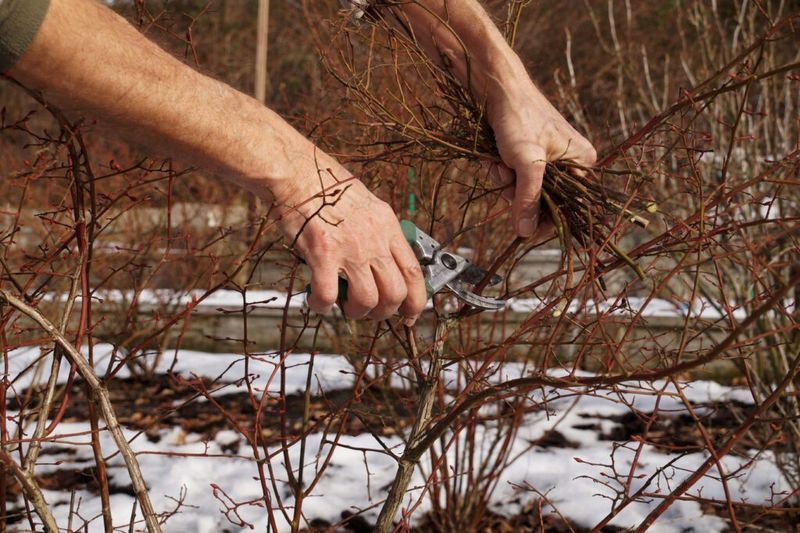
Patience pays off once again in spring. Rushing outside on the first warm day can undo some of the good work your garden did over winter.
Many insects stay tucked away until temperatures hold steady. A common guideline is to wait until daytime highs stay near 50 degrees for about a week or two.
In much of Ohio, that usually lands somewhere in April, though it can shift from north to south.
Watch for natural signals, too. When bees start buzzing around and you see other insects moving, the sleepers in your garden are waking up.
That is a good sign to begin trimming and tidying.
Work in stages instead of all at once. Cut old stems down to 12 to 18 inches, leaving room for bees to nest.
Gently move leaf litter off crowns of plants that need sunlight. Toss cut stems into a loose pile at the back of the yard so any late sleepers can still crawl out.
New green shoots will quickly hide the stubble. Within a few weeks, fresh growth fills in and few people will notice those short stalks.
Spring cleanup also feels easier. Old stems snap off cleanly after a winter outdoors, and leaves have softened into great mulch.
You end up with healthier beds, happier wildlife, and less sweat on your brow.