Stop Trimming These Ohio Perennials If You Want Winter Birds
October cleanup can make an Ohio garden look neat in an afternoon.
It can also erase winter activity most gardeners never notice.
Those dry stalks, dark seedheads, and faded flower stems may look finished, but birds often see a different scene.
A goldfinch finds seeds. A sparrow works the ground below. A chickadee investigates a stem that looked ready for the compost pile five minutes ago.
So which plants deserve a pass from the pruners?
The answer is less about a messy yard and more about the perennials that still have work to do after frost. Some hold seed well into winter. Others offer shelter, structure, or insect meals when snow covers easier food.
That makes a little fall restraint surprisingly useful.
You can still tidy paths, remove diseased growth, and clean up anything that has fallen apart. Just do not assume brown means useless.
A few upright stems can turn a quiet Ohio winter garden into a busier place, and the birds may notice long before spring arrives again.
1. Leave Coneflower Seedheads Standing
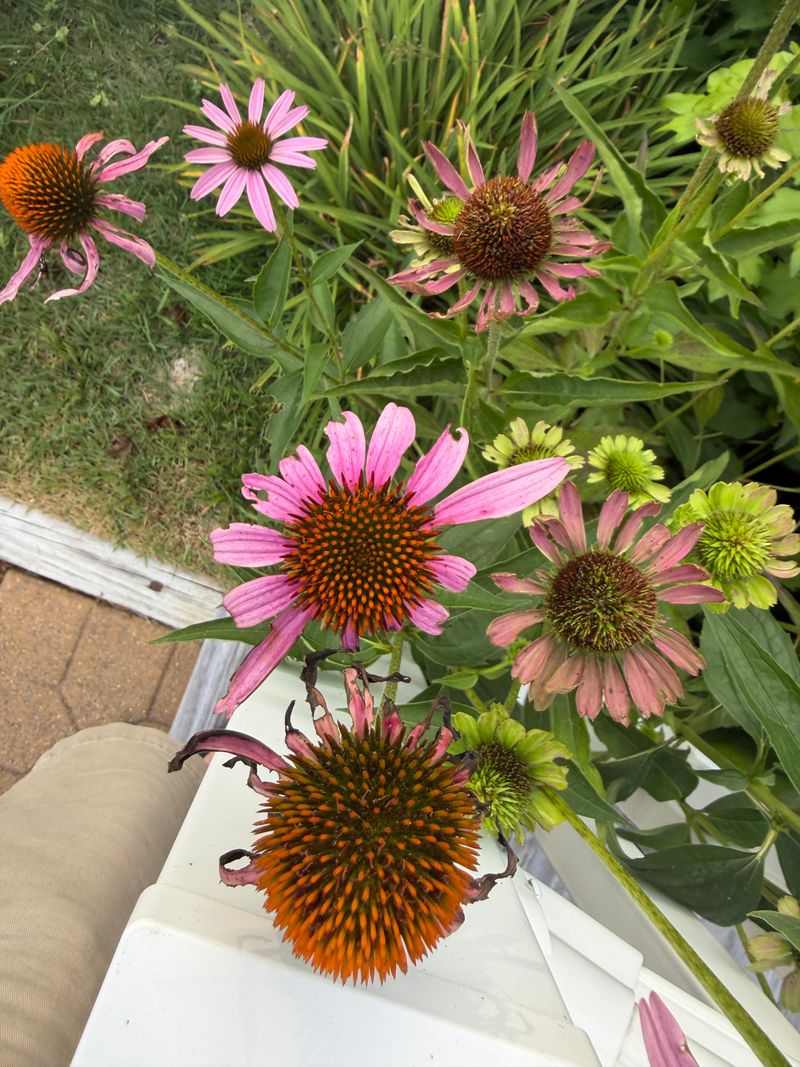
A goldfinch hanging sideways from a dried flower head is a pretty good reason to delay cleanup.
Purple coneflower leaves behind spiky, seed-packed centers after its summer petals fade. Those cones can remain standing into winter, giving American goldfinches a place to forage when the garden has very little fresh growth left.
House finches may investigate too, while dark-eyed juncos can pick through seeds that drop to the ground below.
That makes the old flower heads useful long after their purple color disappears.
Leave the stems upright through the coldest months when they remain sturdy and healthy. Frost and snow can make the dark cones look surprisingly dramatic, especially when the rest of the border has flattened or faded.
You do not need to protect every single stem. Remove anything diseased, broken, or collapsed across a path. The point is to save enough mature seedheads to keep some winter food available.
Then let cleanup wait.
Late winter or early spring is a better time to cut the old growth back before fresh shoots begin pushing from the base. That delay also gives beneficial insects using standing plant material more time to complete their winter cycle.
Your fall garden may look a little less polished.
The goldfinch working through breakfast will probably consider that an excellent design decision.
2. Keep Black-Eyed Susan Stems Upright
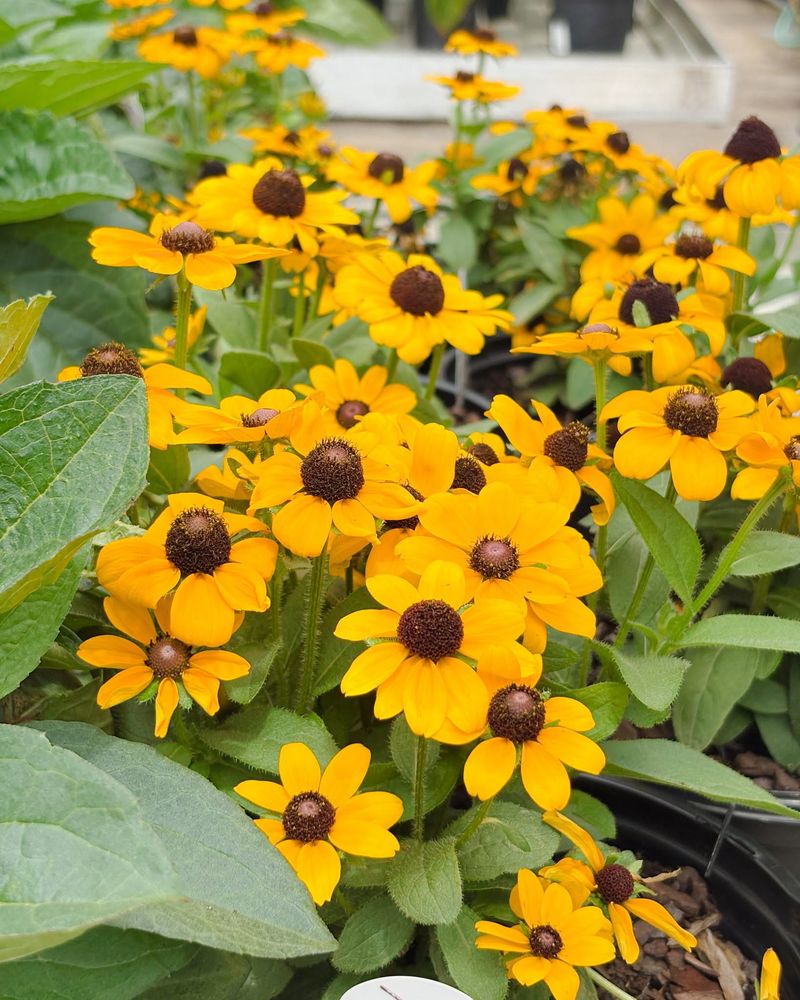
Frost can turn a cheerful summer border brown without making it useless.
Black-eyed Susan stems often stay upright after the yellow petals disappear, and those dark centers can continue holding seed into winter.
Song sparrows, field sparrows, and American goldfinches may forage directly on the heads or search the soil underneath for anything that has dropped.
Snow makes that height especially useful.
Seeds held above the ground can remain easier for birds to reach during icy stretches when smaller food sources disappear under a white layer. Even the stems themselves add movement and structure when winter wind passes through the bed.
There is one little complication. Rudbeckia can self-seed enthusiastically, and not every gardener wants a bigger patch next year.
Your Ohio Garden Changes Every Week. Your Plan Should Too.
Gardening in Ohio changes quickly throughout the season. Every Friday you’ll receive a simple weekly plan showing exactly what to plant, prune, fertilize, harvest, and protect so you never miss the right timing.
You can split the difference.
Remove some seedheads in early fall from areas where spreading would be annoying, then leave the rest standing for wildlife. That keeps the bed from becoming a total free-for-all while still leaving plenty for birds.
Avoid chopping the entire clump to the ground just because the foliage browned.
A tidy border is nice, but winter birds are working with a much smaller menu than they had in August.
Leaving a few dark seedheads above the snow gives them one more place to check.
Your garden still gets cleaned up.
It simply waits until the lunch crowd has finished.
3. Save Native Sunflower Seedheads
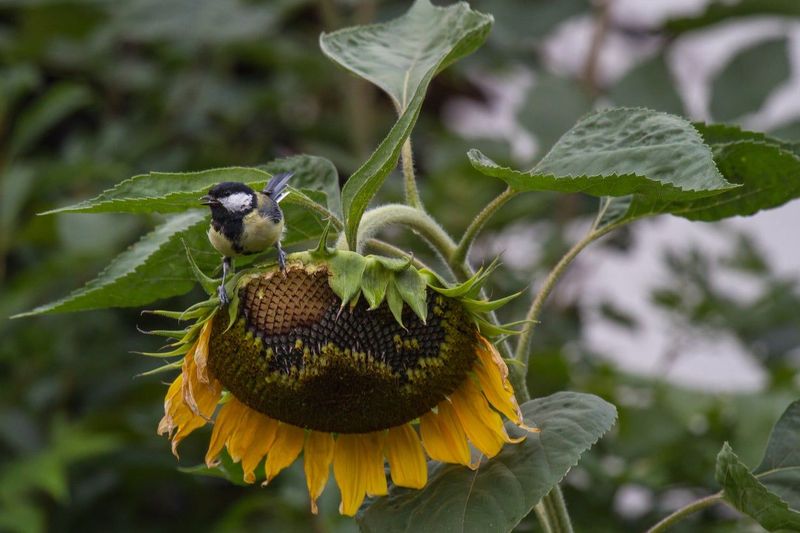
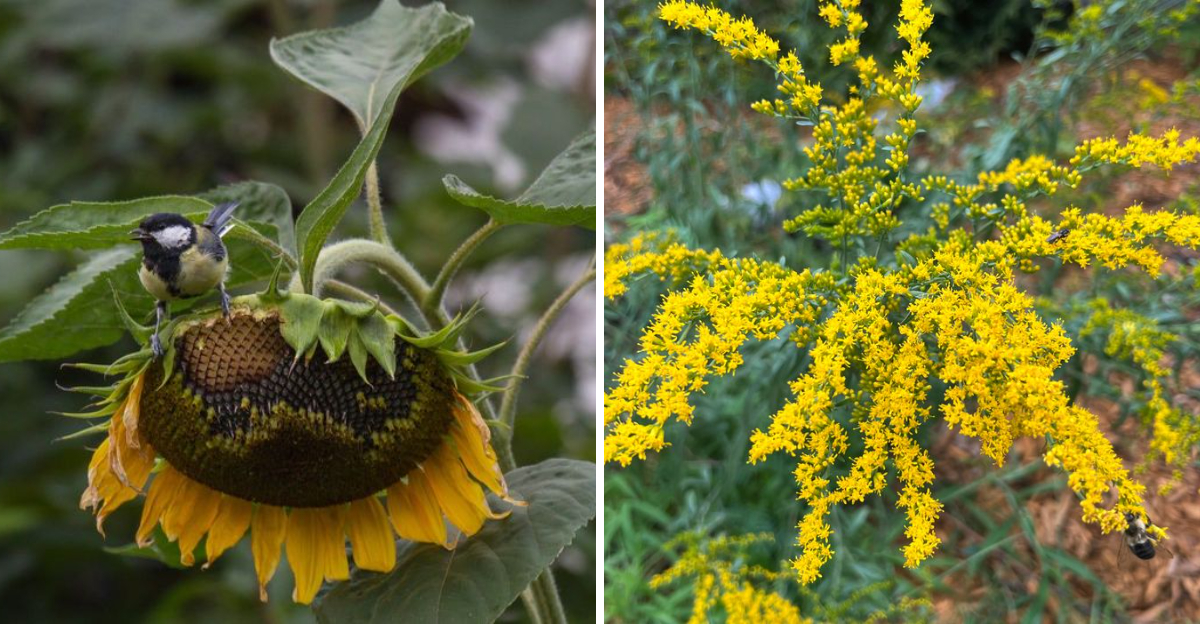
A chickadee clinging upside down to a dry seedhead can make an otherwise quiet winter border feel busy again.
Ohio gardeners have several sunflower species that can help create that scene.
Native perennial types such as woodland sunflower and ashy sunflower can grow from roughly three feet to well over six feet, depending on species and growing conditions.
That size deserves planning before planting.
Put taller selections toward the back of a border where dry stems will not block paths or overwhelm smaller plants once winter arrives.
Then resist cutting the seedheads down after flowering.
Sunflower seeds provide a rich food source, and birds including black-capped chickadees, white-breasted nuthatches, downy woodpeckers, and American goldfinches may visit the standing heads.
The stems can offer another benefit too.
Hollow or pithy sections may shelter small beneficial insects through winter, which means the plant still contributes even after most of the seed disappears.
Some dried sunflowers can look unruly by January. Grouping them in a deliberate patch helps the winter structure feel intentional rather than forgotten.
Leave useful seedheads standing through much of winter, then tackle cleanup near the end of the season before new growth begins.
That tiny delay can turn tall brown stalks into feeding stations.
Suddenly the plant that looked “finished” in October has a whole second job description.
4. Let Asters Finish And Hold Seed
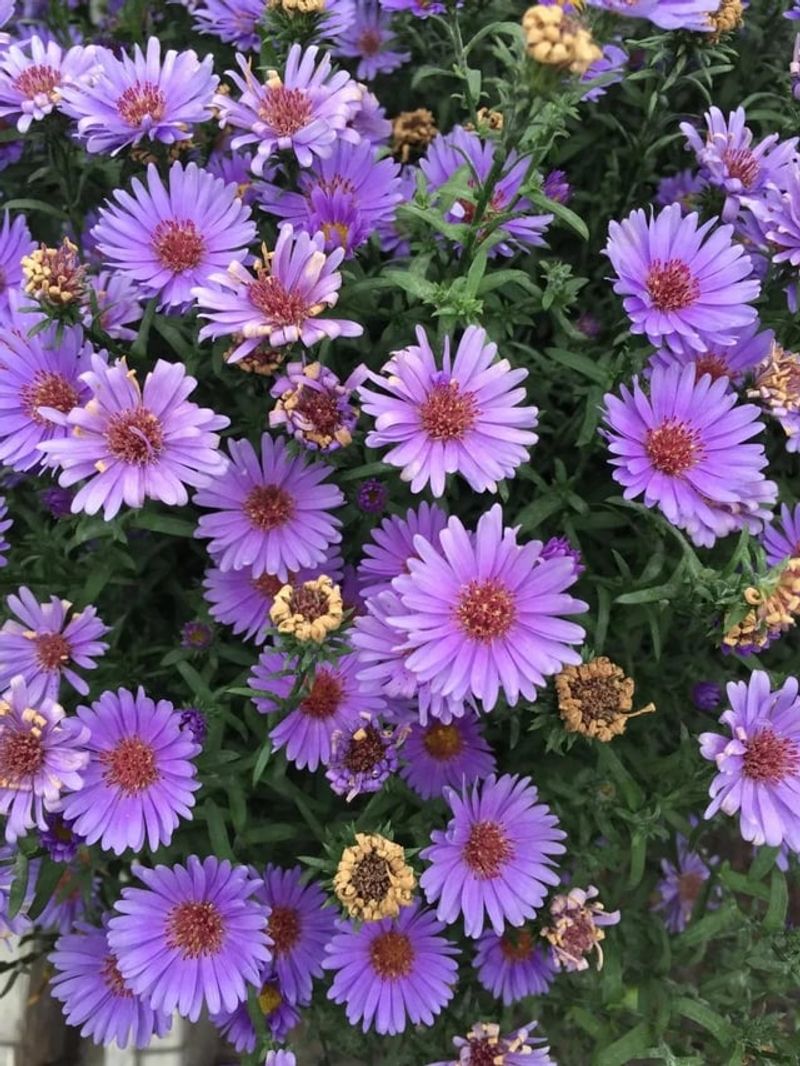
Those fluffy little clouds appearing where purple flowers used to be are not a sign that the garden missed its cleanup deadline.
Native asters are moving into their second act.
After flowering, species such as New England aster and aromatic aster form numerous small seedheads. Dark-eyed juncos and white-throated sparrows may forage around the dried stems, using the tiny seeds as part of a broader winter diet.
The payoff is not limited to birds.
Some hollow or pithy stems can also provide winter shelter for beneficial insects. Cutting everything to ground level in fall removes that standing habitat before spring arrives.
That gives you a very good excuse to ignore the pruners for a while.
Leave healthy stems standing through the coldest part of winter. You can still remove anything diseased or sprawled across a walkway, so the garden does not need to become completely untamed.
By late February or early March, many seeds will have dropped or been eaten, and fresh growth will not be far behind. That is a much better time for the main cleanup.
Cut old growth back carefully and leave the garden ready for another season.
Asters do not provide a giant winter feast by themselves. Their value comes from being one piece of a more diverse planting.
Small seeds, shelter, and structure all count.
Sometimes the quietest winter plant is doing more than the showiest summer flower ever lets on.
5. Leave Goldenrod Through Winter
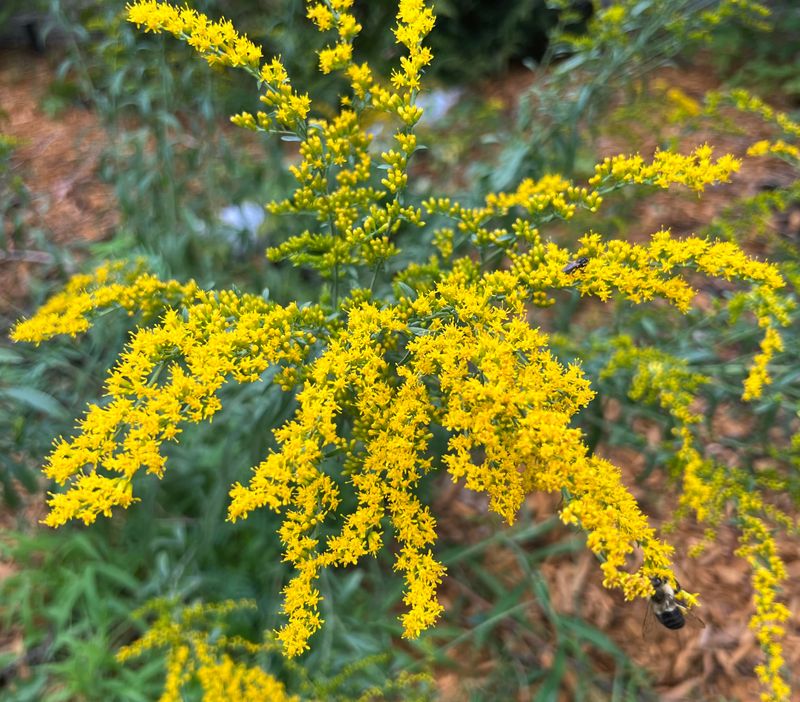
A patch of faded goldenrod can look surprisingly lively once birds start inspecting it.
After the bright yellow flowers finish, native Solidago species produce masses of small, fluffy seeds that can linger on upright stems.
American goldfinches and field sparrows may pick through those seed clusters as winter food becomes harder to find.
Then there are the strange little bumps.
Round galls on goldenrod stems can contain larvae of the goldenrod gall fly.
Downy woodpeckers and black-capped chickadees sometimes peck into those swellings to reach the insect inside, which adds a protein-rich snack to the plant’s winter usefulness.
That is a lot of activity from something many gardeners nearly cut down in October.
Species choice still matters in a managed bed. Some goldenrods, including Canada goldenrod, can spread more aggressively than others.
Showy goldenrod is generally easier to fit into a smaller garden where you want the wildlife value without surrendering the entire border.
Manage spread during the growing season instead of automatically removing every winter stem.
Divide expanding clumps in spring when needed. Leave a useful portion standing through winter, especially stems with seedheads or galls.
Then cut the old growth back before fresh spring growth gets underway.
Goldenrod already spends autumn feeding pollinators.
Letting it stand a little longer gives winter birds a chance to collect their share too.
That seems like a fair extension on the lease.
6. Keep Joe Pye Weed Stems Standing
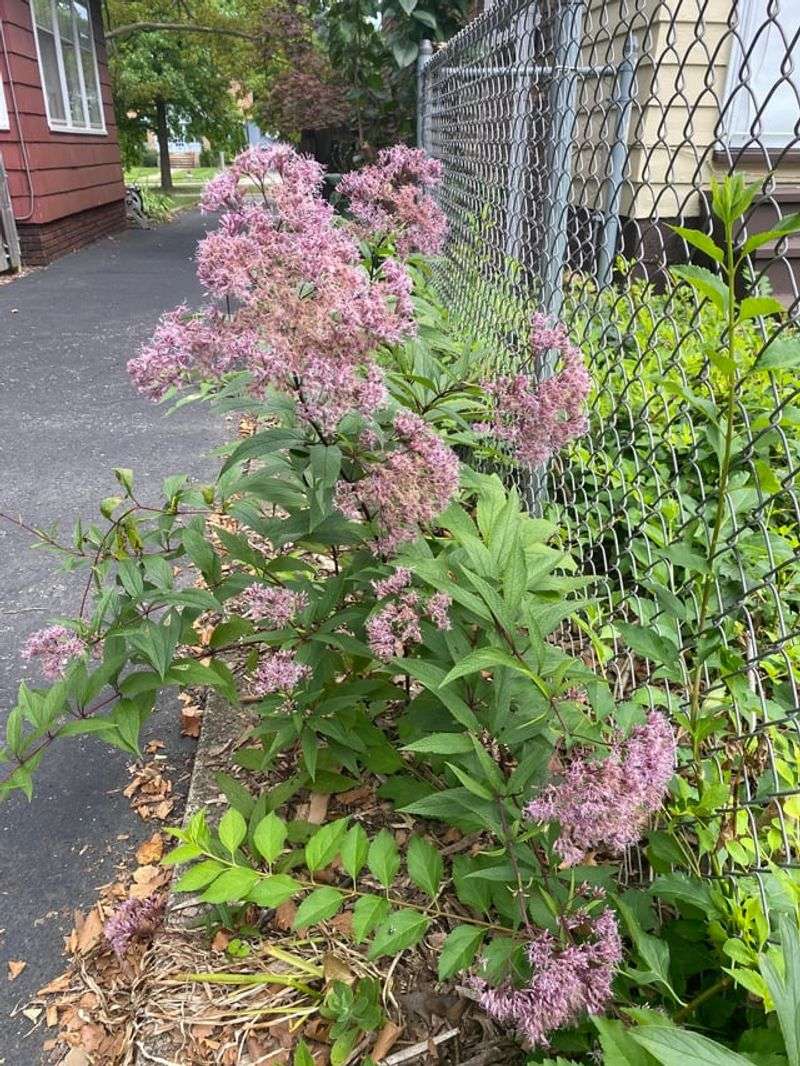
Six-foot tan stalks can look dramatic in December, especially when everything around them has dropped closer to the ground.
That height is part of what makes Joe Pye weed useful after flowering.
Native Eutrochium species develop large, airy seedheads that dry from pinkish tones toward cream. Small songbirds, including American goldfinches, may pick at the lightweight seeds before wind carries them away.
The stems can matter just as much.
Hollow sections may provide overwintering space for beneficial insects, including some native bees. Cutting the whole plant flush with the soil in fall can remove those cavities before their occupants are ready to emerge.
You can still keep the border from looking chaotic.
Joe Pye weed works especially well toward the back of a planting, where its winter height feels more like structure than clutter. Leave sturdy stems standing through February.
When spring cleanup arrives, cut them back to around twelve inches rather than shaving everything to the ground immediately. That leaves some stem habitat in place while new shoots begin rising from below.
Moist, richer soil suits Joe Pye weed best, so it naturally fits rain gardens and other damp parts of an Ohio landscape.
By winter, those towering flower stalks have changed jobs.
They are no longer the summer showpiece.
They have become seed stands, insect shelter, and very tall proof that “finished blooming” does not mean “finished being useful.”
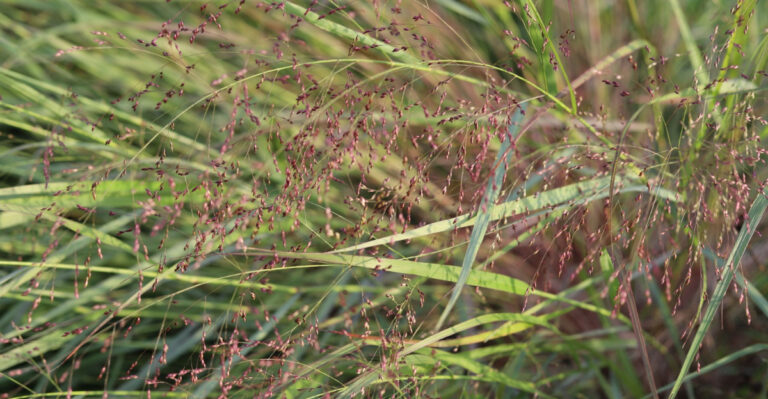
7. Save Switchgrass Seedheads For Cover
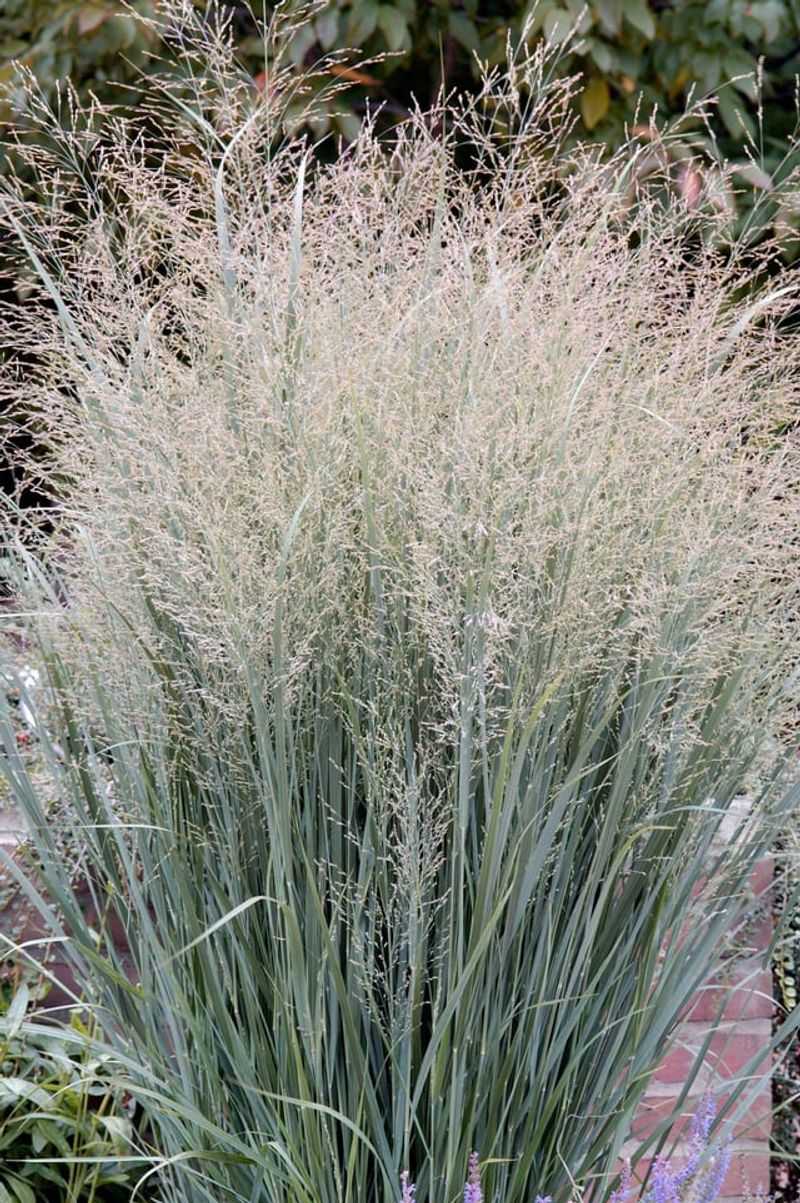
Winter wind gives switchgrass a job most flower beds cannot do.
The upright stems sway, the airy seedheads move above the snow, and small birds can slip into the dense base for cover when the yard feels exposed.
That shelter can matter as much as food during a cold Ohio stretch.
Dark-eyed juncos, song sparrows, and field sparrows may forage in and around standing clumps, searching for seeds while using the foliage as a quick place to duck out of wind or away from predators.
Placement can make that habitat even better.
A clump near shrubs or a brush pile gives birds another escape option close by. One standing alone in the middle of a wide lawn may feel far less secure.
Switchgrass also handles winter structure remarkably well. Many clumps remain upright through snow and moderate ice, which keeps seedheads accessible and gives the border height long after summer perennials flatten.
Cultivars differ, though. Some ornamental selections produce less viable seed than species-type plants, so wildlife value can vary.
There is still no need to cut everything in October.
Leave the clump standing through winter, then trim it to roughly four to six inches in late February or early March before fresh growth begins.
The new blades will return quickly.
Until then, the old ones can keep doing what winter birds need most.
Sometimes the best garden architecture comes with sparrows already included.
8. Blazing Star Seedheads Deserve To Stay Until Spring
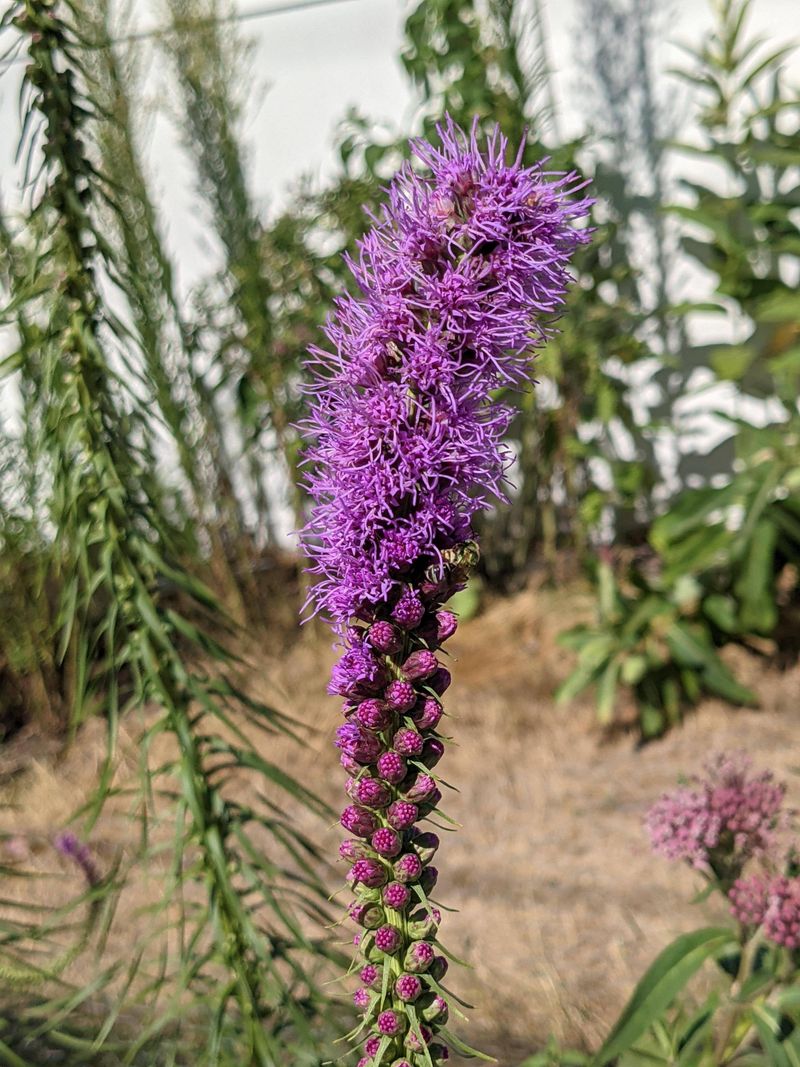
By late fall, those tall purple flower spikes have traded their color for something quieter.
Blazing star leaves behind upright stems packed with dry seedheads, and that structure can remain useful long after the summer pollinators have moved on.
Native Liatris species fit naturally into Ohio prairie-style gardens, sunny borders, and wildlife plantings.
Small seed-eating birds, including American goldfinches, may work through the dried heads as seeds mature and loosen. Some will fall to the soil below, giving ground-feeding birds another place to forage during winter.
That makes an autumn haircut unnecessary.
Leave healthy stalks standing as long as they remain upright. Their narrow shape adds vertical texture without taking over the border, especially beside grasses, coneflowers, and black-eyed Susans.
Winter weather will gradually strip away much of the seed. By then, the stems have already earned their place through several months of extra habitat value.
Spring is the better cleanup moment.
Cut the old growth back once fresh shoots begin appearing near the base. Diseased or collapsed stems can come out earlier, but sturdy ones can stay through the colder months.
Blazing star already does plenty of work during summer when butterflies and bees crowd the flowers.
Leaving the faded spikes alone simply extends the shift.
The purple fireworks may be finished, but the bird buffet has not closed yet.