Where Ticks Are Still Hiding During Warm North Carolina Novembers
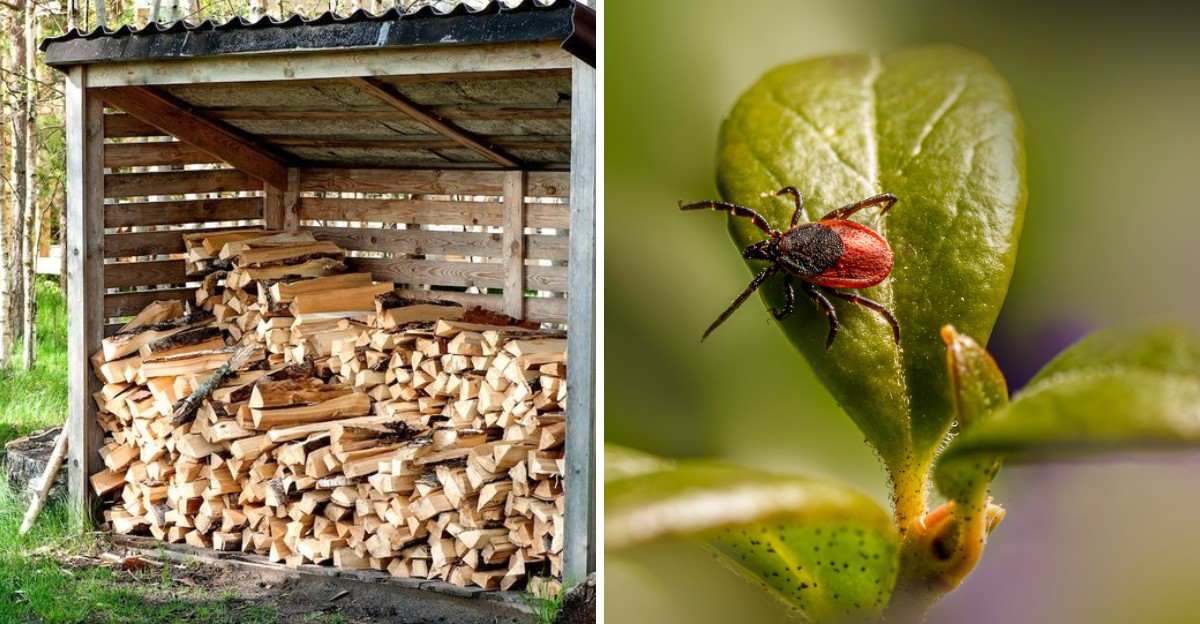
A mild week in November feels like a bonus. The leaves are down, the weather is pleasant, and it seems like tick season is finally over. It is not.
Some ticks stay active as long as temperatures stay above a certain point, and a warm spell can bring them back out.
Cleaning up the yard, raking leaves, and hauling brush are exactly the jobs that put people in their path. They do not wait on tall grass anymore. In fall, they favor different places, and many gardeners check the wrong spots.
A quick look at where they gather, and how to protect yourself, makes yard work safer. Once you know where they hide, a pleasant November afternoon does not have to end with a tick check.
1. Blacklegged Ticks Are Most Active In Cool Months

Sweater weather feels like a break from bugs, yet one tick is just getting started. Adult blacklegged ticks, known by scientists as Ixodes scapularis, do their busiest work from fall through early spring. You may also hear them called deer ticks.
Here is the surprising part. While many insects slow down when the air turns chilly, these adults stay ready to move whenever the temperature climbs above freezing. On a mild afternoon, they crawl up from the ground and start hunting for a host to feed on.
Why should you care? Blacklegged ticks can carry the bacteria that cause Lyme disease. A bite from an infected tick can lead to fever, tiredness, joint pain, and sometimes a rash that looks like a bull’s-eye.
Catching and removing ticks early helps a lot, but the best plan is to avoid bites in the first place.
Many folks let their guard down once Halloween passes. They stop wearing repellent and skip tick checks, thinking the danger left with the summer heat. That small slip is exactly what gives these ticks their chance.
North Carolina makes the problem a little trickier. Our late fall weather often swings from frosty mornings to sunny afternoons in the 60s or even 70s.
Blacklegged ticks live across the state, from the mountains to the coast, so those warm spells can wake them up almost anywhere.
A simple rule works well here. If it feels nice enough for you to head outside in a light jacket, it probably feels nice enough for ticks too. Keep your tick habits going all season long, and you will stay one step ahead of these cool-weather hunters.
2. Leaf Litter Gives Them A Perfect Hiding Spot

Crunchy leaves underfoot are one of the best parts of fall. To a tick, though, that colorful blanket is more like a cozy hotel. It offers shelter, moisture, and a safe place to wait.
Ticks have a big weakness. They dry out easily, so they need humid spots to stay healthy. A thick layer of fallen leaves holds in moisture and keeps the ground below a little warmer, which protects ticks from both dry air and cold snaps.
Your North Carolina Garden Changes Every Week. Your Plan Should Too.
Gardening in North Carolina changes quickly throughout the season. Every Friday you’ll receive a simple weekly plan showing exactly what to plant, prune, fertilize, harvest, and protect so you never miss the right timing.
That means your leaf piles and leaf-covered garden corners can hold more ticks than you might guess. Raking, bagging, or jumping into piles puts you right in their neighborhood.
Dress for the job before you grab the rake. Wear gloves, long sleeves, and long pants, then tuck your pant legs into your socks. It may not win a fashion award, but it keeps ticks on the outside of your clothes where you can spot them.
Placement matters too. Move leaf piles away from patios, play areas, and walking paths so kids and pets are not rolling around in tick territory.
If you love using leaves as free mulch, shred them first and spread them in flower beds that sit away from busy spots in the yard.
November is prime time for this tip in North Carolina. Oaks, maples, hickories, and many other trees drop most of their leaves this month, so yards fill up fast.
A little planning while you clean up can turn a tick hideout into a much safer space, and your garden still gets all the goodness those leaves have to offer.
3. Woodland Edges Are Tick Hot Spots

Imagine standing where your lawn meets the trees. On one side, sunny grass. On the other, shady brush and tangled plants. That narrow strip in between is one of the busiest tick zones in any yard.
Wildlife loves edges. Deer step out of the woods to nibble, mice scurry along the border, and birds hop through the low shrubs. Ticks know this, so they wait on low plants right where those animals pass by.
The shade and humidity also help them stay moist and comfortable. Research backs this up. Studies of residential yards often find many more ticks along wooded borders than out in the middle of open, sunny lawns.
Good news, you can push ticks back with a few easy changes. Keep the grass mowed short near the woods, since tall grass gives ticks a ladder to climb. Next, create a barrier about 3 feet wide made of wood chips or gravel between your lawn and the trees.
Ticks do not like crossing those dry, open strips, and the barrier reminds everyone where the risky zone begins.
Think about where your family spends time, too. Place vegetable gardens, swing sets, picnic tables, and lawn chairs well away from the tree line. Even moving a sandbox 20 feet into the sun can make a real difference.
Many North Carolina homes sit right next to woods, greenways, creeks, or natural areas. That beauty is a big reason people love living here. With a smart border plan, you can enjoy the view of the forest without inviting its smallest residents onto your patio.
4. Tall Grass And Brush Along Paths Hold Waiting Ticks
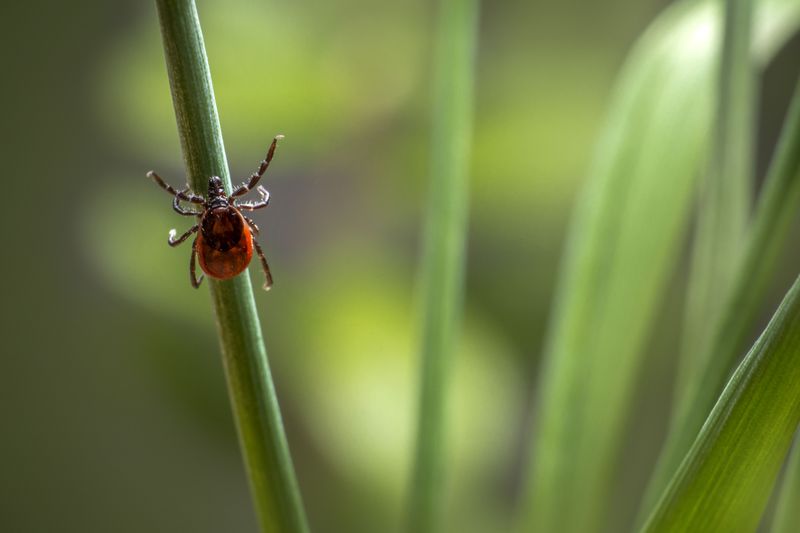
Ticks cannot jump, and they cannot fly. So how do they end up on your leg after a walk? They use a sneaky trick that works surprisingly well.
Scientists call it questing. A tick climbs to the tip of a grass blade or low shrub, holds on with its back legs, and stretches its front legs out wide. When you brush past, it grabs your sock, shoe, or pant leg and starts crawling up to find a good spot to bite.
Since ticks wait at the edges of trails, your path choice really counts. Walk in the center of hiking trails and mowed paths whenever you can. Try not to wander through tall grass or squeeze past overgrown bushes, even if that shortcut looks tempting.
At home, give your walkways the same treatment. Trim tall grass and brush along garden paths, driveways, and fence lines. A tidy edge leaves fewer places for questing ticks to hang out.
Repellent adds another layer of protection. Choose an EPA-registered insect repellent, such as one with DEET, picaridin, or oil of lemon eucalyptus, and follow the label directions carefully.
Clothing and gear treated with permethrin can also help, but it goes on fabric only, never directly on skin. Fall is a favorite outdoor season in North Carolina.
People hit the trails in the mountains, head to the woods for deer season, and work on farms and in yards before winter. All that activity puts plenty of legs near plenty of grass blades, so a few smart habits can keep your adventures fun and bite free.
5. Woodpiles And Stone Walls Shelter Tick Hosts
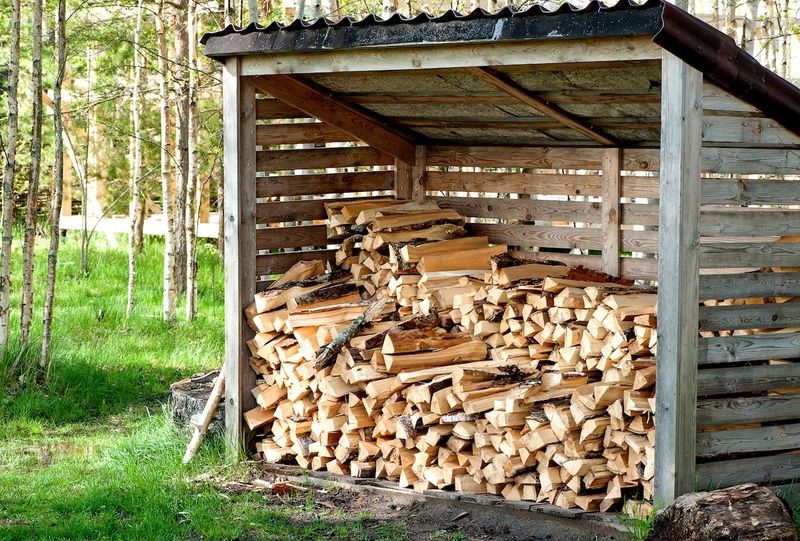
That charming stone wall and the stack of firewood by the porch look harmless enough. To a mouse or chipmunk, though, they are prime real estate. And wherever small critters move in, ticks usually tag along.
Young ticks, called larvae and nymphs, often feed on small animals like white-footed mice and chipmunks.
Mice are especially important because they can pass Lyme bacteria to the ticks that feed on them. When these animals scurry around your yard, they drop ticks along the way.
Woodpiles, stone walls, and brush piles give these animals shelter from weather and predators. More hiding spots mean more furry tenants, and more tenants mean more ticks near your home. Fortunately, a little tidying goes a long way.
Stack firewood neatly on a rack, ideally in a dry, sunny spot away from your house and garden beds. Sunlight and airflow make the area less inviting to rodents, and your wood dries better too, which helps it burn cleaner.
Brush piles deserve attention as well. Clear them away from patios, play areas, and doorways, or move them to a far corner of the property if you want to keep some habitat for wildlife. Stone walls can stay, but keep plants trimmed back around them.
Always slip on gloves before carrying firewood, and check your arms and clothes afterward.
Many North Carolina families start hauling wood inside in November as nights turn chilly. Grabbing logs straight from a rodent hangout is an easy way to carry a hitchhiker into the living room, so a quick look before you head indoors is well worth it.
6. Pets Can Carry Ticks Indoors
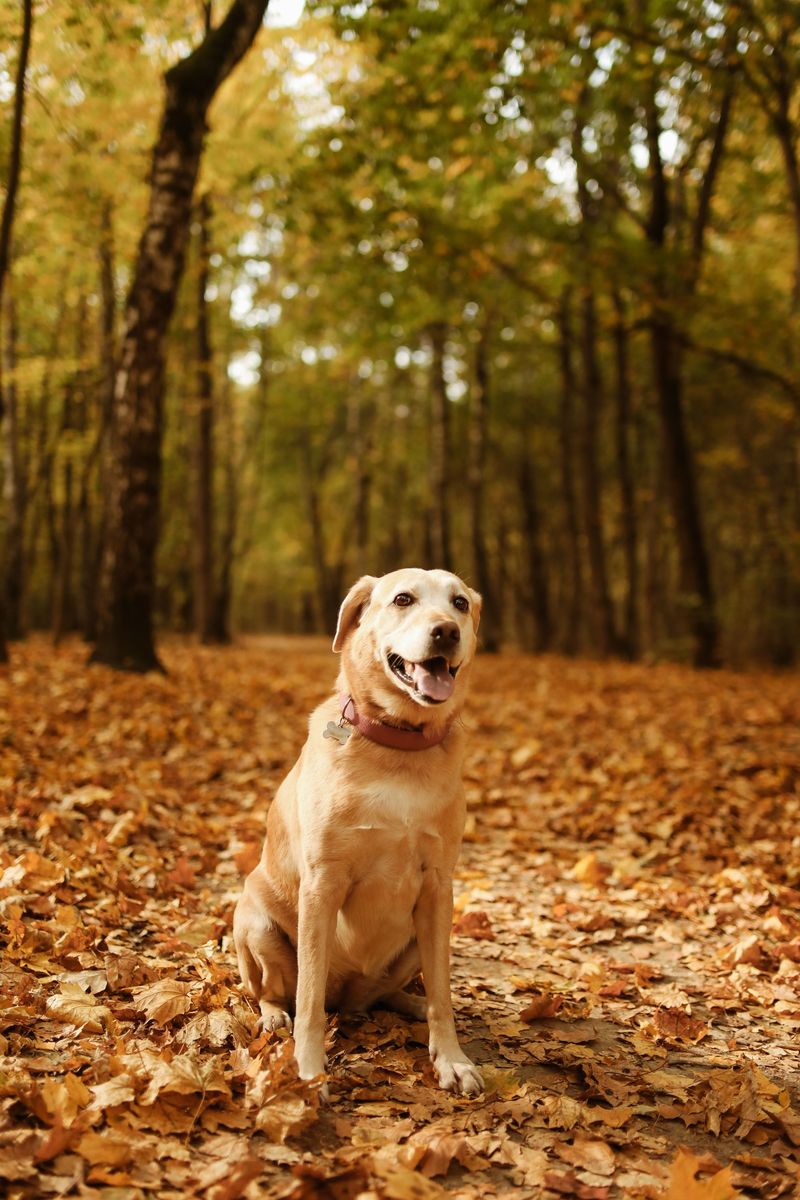
Your dog comes bounding in from a romp through the leaves, tail wagging and full of joy. Along for the ride, there might be a tiny passenger or two. Pets are one of the most common ways ticks sneak into homes.
Dogs and outdoor cats love sniffing through leaf piles, tall grass, and wooded corners. Those are the same spots ticks wait. Once inside, a tick can crawl off your pet onto the couch, the rug, or the bed, then find its way to a person.
Protection starts with your vet. Keep pets on a veterinarian-recommended tick preventive all year long, not just in summer. Options include chewable tablets, topical treatments, and collars, and your vet can help pick the safest one for your animal.
Never use dog products on cats, since some can make cats very sick. Daily checks help catch what slips through. After walks or yard time, run your fingers slowly through your pet’s fur, feeling for small bumps.
Pay extra attention to the ears, neck, armpits, around the tail, and between the toes. Those warm, hidden places are tick favorites.
Dogs can get tick-borne illnesses too, including Lyme disease, ehrlichiosis, and Rocky Mountain spotted fever. Ask your vet about signs to watch for, such as limping, low energy, or loss of appetite, and whether a yearly screening makes sense.
Here in North Carolina, ticks can stay active on mild days all through the cooler months. Keeping your furry friend protected also protects everyone who shares the house, which makes those happy cuddles on the couch even better.
7. Check Yourself After Every Outdoor Task
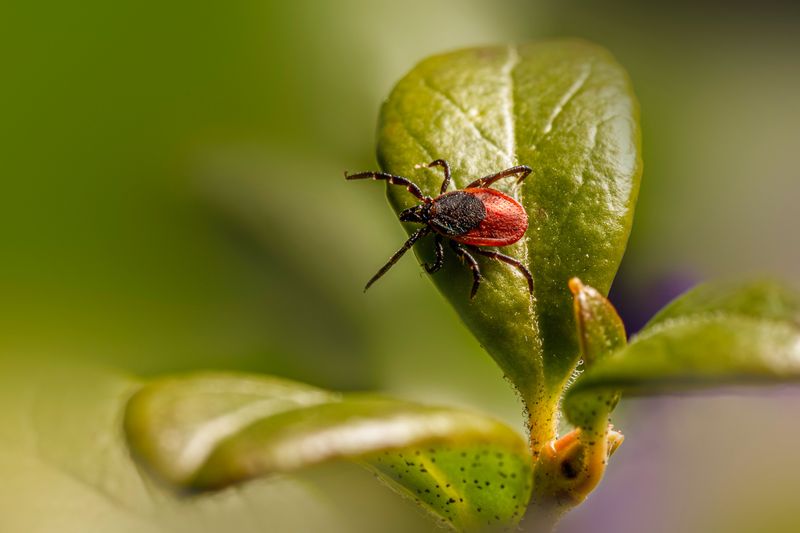
If you remember just one tip, make it this one. A quick tick check after time outside is the single best habit for staying healthy. It takes only a few minutes and pays off in a big way.
Speed matters because most tick-borne germs do not spread right away. Ticks often need to stay attached for many hours before passing on disease, so finding them fast greatly lowers your risk. The tricky part is size.
Young ticks can be as small as a poppy seed, which makes them very easy to miss. After raking, gardening, or hiking, check your whole body.
Look closely at your hairline, behind your ears, under your arms, around your waistband, behind your knees, and inside your belly button. A hand mirror or a family member can help with hard-to-see spots.
Hop in the shower soon after coming inside. It can wash off ticks that have not attached yet and gives you a great chance to spot any that have. Toss your outdoor clothes in the dryer on high heat for at least 10 minutes to wipe out any ticks hiding in the fabric.
Found one? Grab fine-tipped tweezers, hold the tick close to your skin, and pull straight up with steady pressure. Clean the area with soap and water or rubbing alcohol.
Then watch for fever, rash, aches, or tiredness over the next few weeks, and call your doctor if anything shows up.
North Carolina reports cases of Lyme disease and spotted fever rickettsiosis every year. A simple check turns a scary possibility into a small, easy chore.