How to Manage Winter Rain and Yard Water in Arizona’s Low Desert
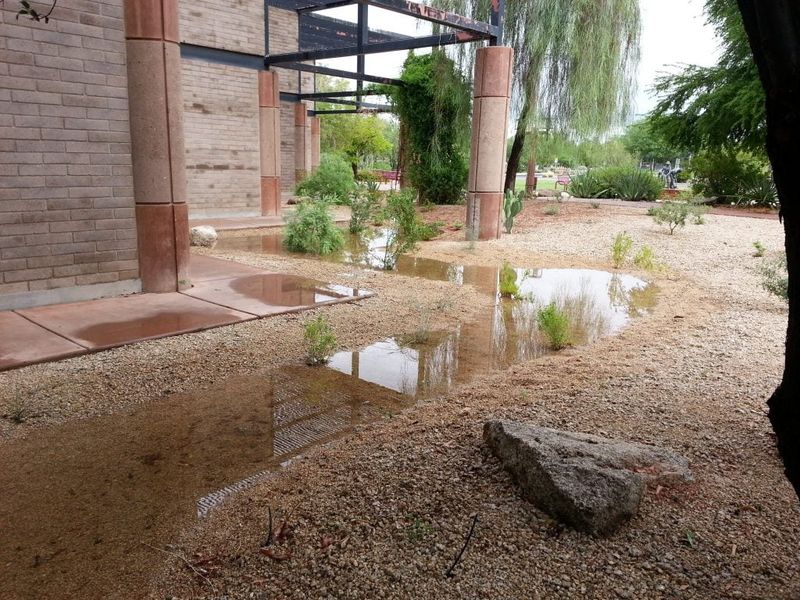
Winter rain in the Phoenix and Tucson areas can feel like a gift, but it does not always soak in the way we expect. Seasonal climate patterns like El Niño can tilt the odds, yet they cannot tell you what will fall on your own yard.
What matters most is how you handle the water you actually get. Here is how to read your soil, water the right plants, guide runoff, and still guard against frost.
Treat El Niño as context, not a yard forecast

El Niño is a pattern of warmer-than-average water in the tropical Pacific Ocean. Its effects on weather elsewhere come as shifted odds, not promises, and NOAA Climate.gov explains that no two events play out exactly alike.
That means the label alone says very little about your street in Mesa or your patio in Tucson. A seasonal outlook covers a broad region and a stretch of about three months.
It does not name individual storms, rainfall totals, or which neighborhoods get soaked.
If you want to know what forecasters currently expect for this winter, check the latest published outlook from the Climate Prediction Center before repeating any claim about the season. Treat whatever you find as odds for a large area, not a schedule for your sprinklers.
Your best guide is the yard itself. Soggy soil, dry root zones, puddles that linger, and plants that look stressed tell you far more than any seasonal label.
The rest of this article focuses on those clues and what to do about them.
Check root-zone moisture before changing irrigation
A rain gauge tells you how much water landed, not how much reached the roots. Hard, compacted soil can shed a quick downpour, while sandy ground may drain it past the roots in a hurry.
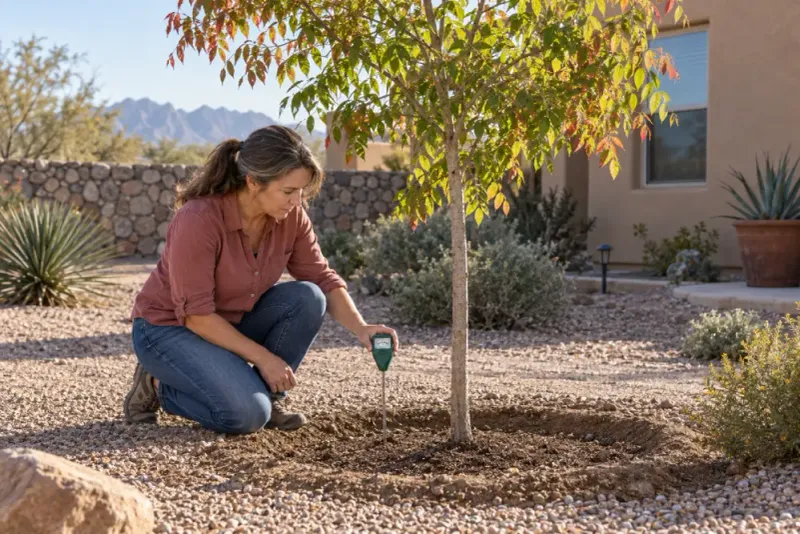
The better test is to look below the surface. University of Arizona Extension guidance suggests a probe or rod can help you check moisture in the root zone, and that slow, deep watering suits established trees and shrubs.
Push a long screwdriver or metal rod into the soil a day after a storm. If it slides in easily and comes out damp or cool, moisture has probably reached down.
If it stops short or comes out dry, the rain may have only wet the top layer.
Rain above roughly half an inch may replenish upper soil moisture, but that is only a rough marker. Rainfall intensity, soil type, and how dry the ground was beforehand all decide whether irrigation can wait.
Check several spots, since the soil under a roof edge or a wall may stay dry while open areas get soaked.
Match winter watering to plant type and establishment
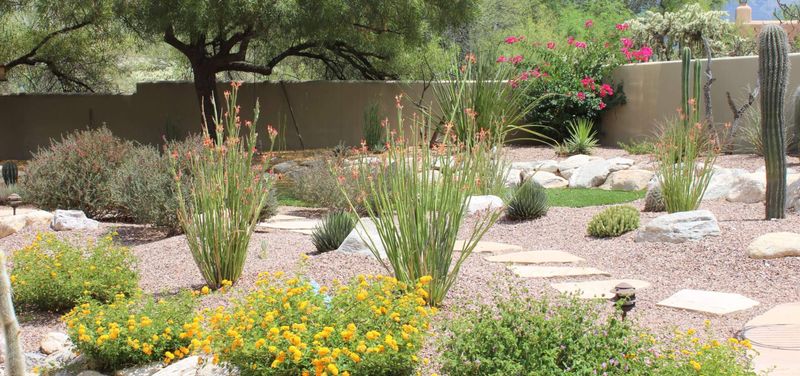
Not every plant in your yard wants the same winter schedule. A University of Arizona watering guide for southern Arizona lists no routine winter irrigation for some established desert trees, shrubs, agave, and yucca.
The same guide recommends winter water for some desert perennials and for many non-desert plants, such as lawns and citrus. Those plants may keep needing help even in cool months.
Your Arizona Garden Changes Every Week. Your Plan Should Too.
Gardening in Arizona changes quickly throughout the season. Every Friday you’ll receive a simple weekly plan showing exactly what to plant, prune, fertilize, harvest, and protect so you never miss the right timing.
Newly planted additions are the biggest exception. Their roots have not spread into surrounding soil yet, so they typically need more frequent watering while they establish, even if the older plants nearby are fine.
Treat any schedule as a starting point. Sort your yard into groups: established desert plants, thirstier non-desert plants, and anything planted within the past year or two.
Then use your soil check to adjust each group, and watch the plants for wilting, yellowing, or soggy ground that suggests too much water.
Give runoff a safe place to soak in
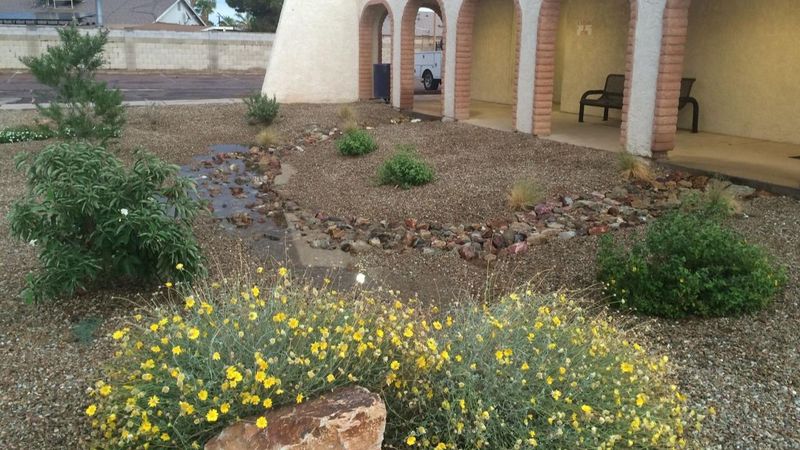
When a storm hits, water running off a roof or patio can carry soil along with it. A shallow basin or gentle swale can guide that flow toward a tree or shrub instead of down the driveway.
UA Extension notes that well-designed passive harvesting features can slow runoff, reduce erosion, and let water soak in on site.
Every feature needs an exit. Picture the heaviest downpour you can imagine and ask where the extra water goes once the basin fills.
Build a low, armored spillway of rock that sends overflow away from your house, your neighbor’s wall, and the foundation.
Keep expectations modest. A basin does not guarantee a set amount of benefit for your plants, and it cannot promise protection from flooding.
Check basins after storms, clear out debris, and rework any spot where water pools for days or cuts a channel through the soil.
Keep frost protection in the winter plan
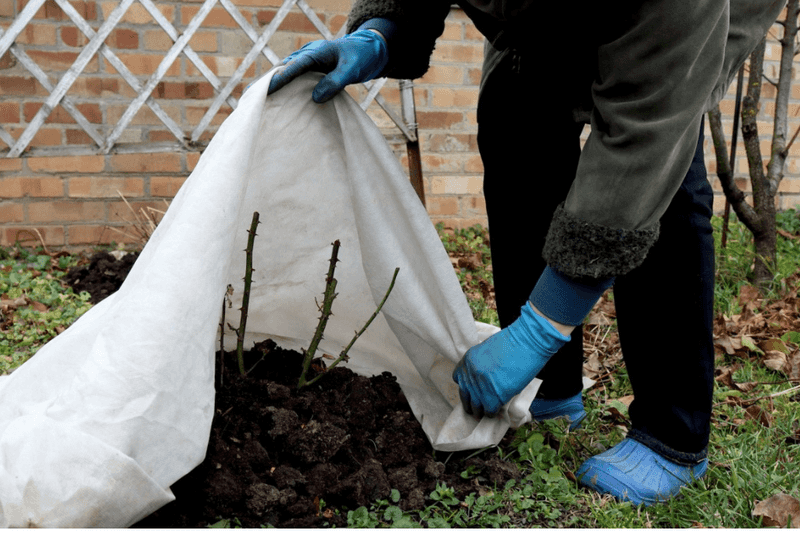
A wet winter can still bring a hard freeze. Clouds and rain do not cancel clear, cold nights, and temperature outcomes remain uncertain, so mild weather is never a sure thing.
Actively growing foliage tends to be more susceptible to damage, according to UA Extension frost protection advice, which also recommends protecting sensitive plants when freezes are forecast.
Walk your yard and list the plants most likely to suffer: bougainvillea, citrus, and other frost-tender plants, along with potted specimens. Keep frost cloth or old bedsheets where you can grab them quickly.
On a night with a freeze in the forecast, cover plants late in the day so the fabric traps heat from the ground, and extend it all the way down. Remove the covers the next morning once temperatures climb.
Rain-soaked fabric gets heavy, so use stakes to keep it off tender growth.
Separate yard rain from drought recovery
A soaking storm can make your yard look refreshed, but it says little about the state’s water supply. The Arizona Department of Water Resources says one wet winter is not enough to end the long-term drought.
Water supplies depend heavily on snowpack and sustained runoff, which build up over many seasons. Rain in Phoenix or Tucson does not guarantee that reservoirs, groundwater, or household supplies recover.
So keep your habits steady. Enjoy the rain, but keep conserving, and remember that conditions differ between low-desert cities and higher-elevation areas like Flagstaff.
Manage what actually falls on your property. Check the soil before you touch the irrigation controller, water each plant group by its needs, guide runoff safely, and keep frost covers handy.
The desert rewards gardeners who pay attention more than those who predict.