Woke Up To A Half Eaten Pumpkin And These New Jersey Visitors Are Behind It
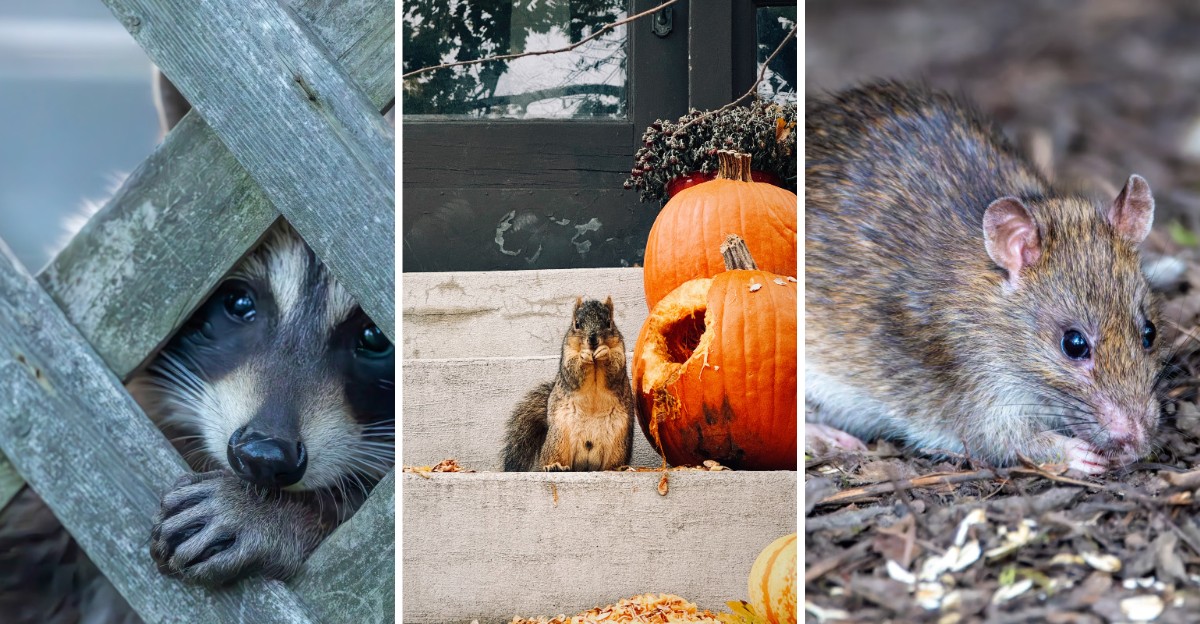
Your jack-o-lantern woke up missing half its face. Orange guts streak the steps, and seeds lie scattered like clues.
Muddy prints lead off the porch toward the dark. Raccoons, squirrels, deer, and opossums all treat your glowing face as a free diner.
In New Jersey, hungry wildlife spots a free meal fast. Cut flesh makes things worse by releasing sweet scent.
Soft flesh invites fast bites within minutes. Few neighbors mention that New Jersey porches double as open-air restaurants.
You can outsmart these midnight raiders with cheap pantry tricks. Smear petroleum jelly on cut edges to discourage nibblers.
Cayenne spray irritates noses and may discourage hungry raiders. A diluted bleach rinse slows mold, so keep pets away.
Location matters, because raiders follow predictable routes and avoid bright, noisy corners. Suspects lurk behind your pumpkin’s disappearance, starting with a bold porch-light diner.
1. Deer Dining Under The Porch Light
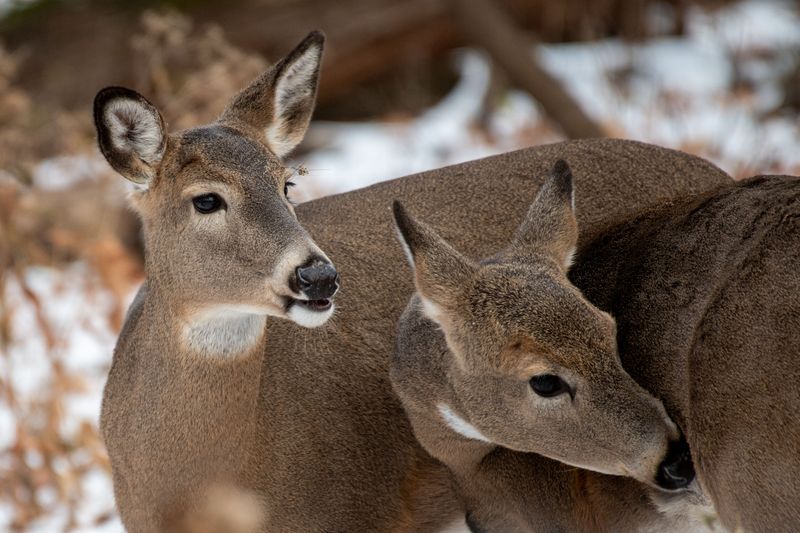
Picture a doe in your yard on a frosty night, munching a pumpkin like watermelon. She takes her time, chewing slowly under the porch light.
New Jersey has a huge population of white-tailed deer, even in crowded towns near highways. They wander through yards after dark, searching for anything easy and tasty to munch.
Pumpkins sitting on lawns or low steps are perfect for a deer’s height. Deer can also crush small pumpkins with their hooves before eating the soft pieces.
Deer leave very different clues than smaller pumpkin thieves do. Look for large, ragged bites, heart-shaped hoofprints in the soil, and small piles of round droppings nearby.
Since deer lack upper front incisors, their bites look torn rather than neatly clipped. That rough, shredded edge is a strong hint that a deer stopped by.
Motion-activated lights or sprinklers can startle deer and send them bounding away. Placing pumpkins close to the house, near busy doors, also makes deer feel less safe.
Fences work well, but deer can jump about eight feet high when motivated. A lower fence may still help if it blocks a tempting shortcut.
Scent sprays made from garlic, rotten eggs, or soap can make pumpkins less appealing. Rotate between different sprays so the deer do not get used to one smell.
Some families compost old pumpkins instead of leaving them at the edge of the woods. Check local rules first, because feeding bears is illegal in New Jersey and many towns ban feeding deer.
2. Why Groundhogs Raid Pumpkins Before Winter
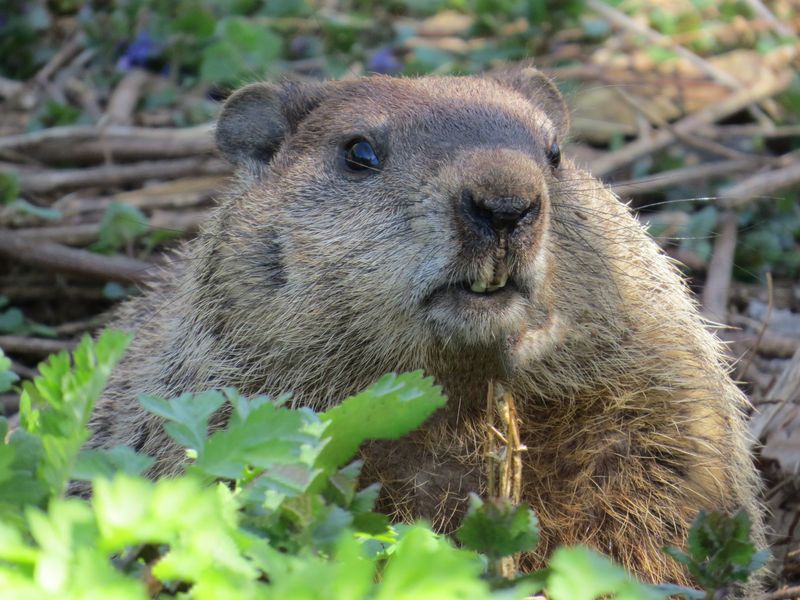
Most people only think about groundhogs on February 2, when one predicts the weather. In October, though, these chunky diggers are thinking about one thing, which is food.
Groundhogs, also called woodchucks, are common across New Jersey, especially near gardens, fields, and sheds. Before winter, they eat as much as possible to build fat for hibernation.
A pumpkin is like a holiday dinner to a hungry groundhog. They chew with strong front incisors, often leaving wide gouges low on the pumpkin.
Unlike many night visitors, groundhogs usually feed during the day, especially in the morning and late afternoon. Still, a dusk visit can look like overnight damage when you check in the morning.
Your New Jersey Garden Changes Every Week. Your Plan Should Too.
Gardening in New Jersey changes quickly throughout the season. Every Friday you’ll receive a simple weekly plan showing exactly what to plant, prune, fertilize, harvest, and protect so you never miss the right timing.
The biggest clue is a burrow with a large dirt mound near its entrance. Look under decks, sheds, porches, and along fence lines for these holes.
If you find one, keep pumpkins away from that area of your yard. Placing them up on a table helps, since groundhogs prefer to feed at ground level.
Groundhogs can climb fences and trees, so height alone offers no real guarantee. A raised display with smooth sides helps, but pair it with other deterrents.
For long-term help, an L-shaped wire fence buried a foot underground can block digging. Gardeners often recommend this method for protecting vegetable beds too.
If a groundhog has moved under your porch, a licensed wildlife removal service can help safely. Most groundhogs will start sleeping soon anyway, so the pumpkin trouble should fade.
3. The Daybreak Squirrel With A Pumpkin Habit
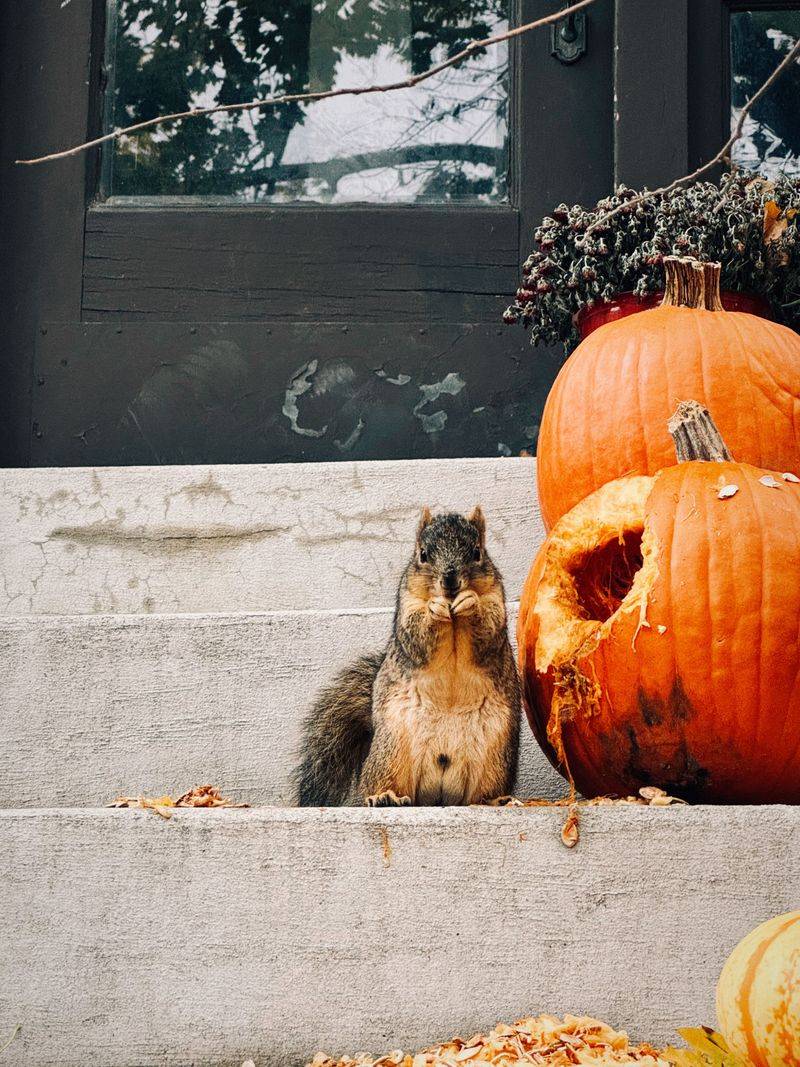
Picture a fluffy tail flicking on your fence at sunrise, with a mouth full of pumpkin. That cute little visitor is one of the most frequent pumpkin snackers in New Jersey.
Gray squirrels are everywhere in the Garden State, from city parks to quiet suburban cul-de-sacs. In October, they are busy fattening up and storing food for the cold months.
Pumpkins give them seeds, soft flesh, and plenty of calories in one easy package. Carved pumpkins are even better, because the openings make the tasty insides simple to reach.
Squirrels also chew to keep their front incisors from growing too long. Your pumpkin is basically a giant orange chew toy in their eyes.
You can spot squirrel damage by looking for small, neat chunks taken from the rim or stem. Tiny gnaw marks and scattered seeds near the pumpkin are classic signs too.
Unlike other suspects, squirrels mostly work during daylight hours, especially early morning. So if the damage seems overnight, a squirrel may have started at dawn before you woke.
To slow them down, try spraying your pumpkin with a mix of water and hot pepper sauce. Squirrels dislike the spicy taste, though you will need to reapply after rain.
Some people also coat carved edges with petroleum jelly to keep them slippery and less appealing. Others simply place pumpkins inside a screened porch where little paws cannot reach.
If you enjoy wildlife, you might set out a decoy pumpkin farther from your door. The squirrels get their snack, and your porch display stays looking sharp for Halloween.
4. Raccoons Put Clever Little Hands To Work
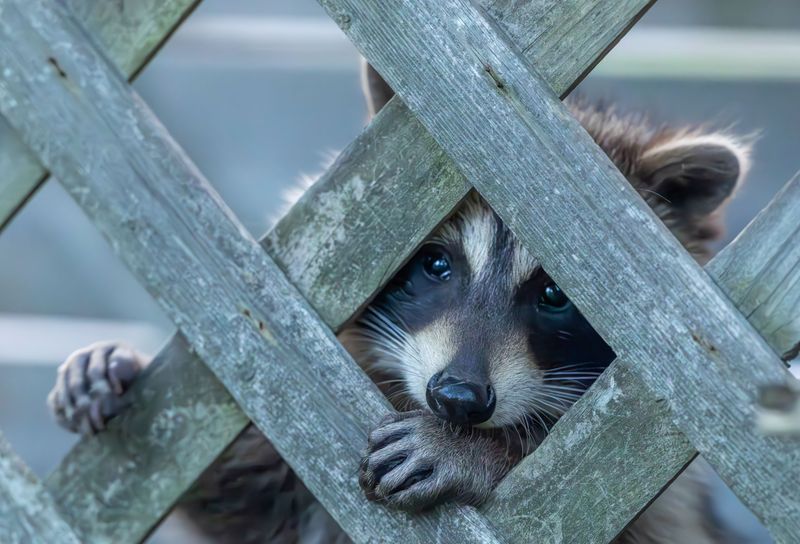
Masks on and tiny paws ready, raccoons are frequent backyard visitors. They are strongly drawn to a late-night pumpkin snack under a quiet October moon.
These clever animals live all over New Jersey, from Pine Barrens forests to busy Newark neighborhoods. They come out mostly at night, which makes them prime suspects for any overnight damage.
Raccoons have nimble front paws that work almost like human hands. They can pull apart carved pumpkins, scoop out seeds, and toss pieces around the yard.
One telltale sign is a big mess, with chunks scattered far from where the pumpkin sat. You may also find small handprint-shaped tracks with five long, skinny fingers.
Raccoons are drawn to smells, so cut pumpkin flesh and leftover food scents can attract them. If your trash cans sit nearby, the pumpkin might just be their appetizer.
Start by locking down garbage lids with bungee cords or heavy bricks. When the easy trash meal is gone, your yard becomes less exciting for them.
Bright motion lights and a radio playing talk shows overnight can make raccoons nervous at first, though they may get used to them. They prefer quiet, dark spaces where nobody seems to be watching.
Keep your distance if you spot one, especially if it acts strange or unafraid during the day. Raccoons can carry rabies, so call animal control instead of chasing it.
Bring carved pumpkins inside at night if raccoons keep coming back. It sounds like a hassle, but it beats sweeping up orange mush every single morning.
5. Small Chipmunks, Big Appetite For Seeds
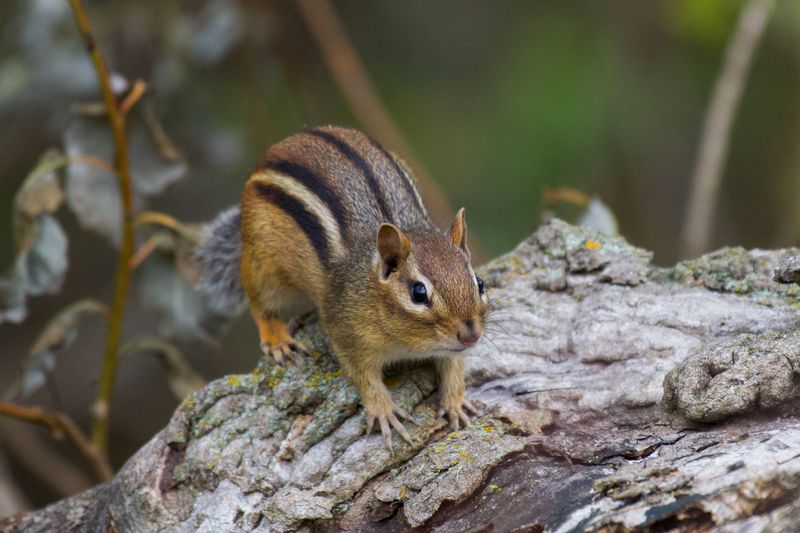
Small enough to fit in your palm, chipmunks can still cause a surprising amount of pumpkin damage. They are like tiny vacuum cleaners with striped backs and stretchy cheeks.
Eastern chipmunks are found all over New Jersey, especially near stone walls, woodpiles, and gardens. In fall, they rush to fill underground pantries with seeds and nuts.
Pumpkin seeds are a top prize for them. A single chipmunk can stuff many into its cheek pouches and carry them back to its burrow.
Chipmunk damage usually starts as small holes chewed near the base or into carved openings. Seeds may disappear while the outer shell stays mostly whole, which can be puzzling.
Watch for tiny holes in the ground about two inches wide, often without dirt piles. Chipmunks hide their burrow entrances well, so you have to look closely.
Like squirrels, chipmunks are active during the day and rest at night. If you sit quietly by a window in the morning, you might catch one in action.
Cleaning up spilled birdseed nearby can make your yard less attractive to them. Feeders are like a giant welcome mat for chipmunks and their hungry relatives.
You can also try sprinkling cayenne pepper around the pumpkin base. Just avoid using it if pets or small kids might touch it and rub their eyes.
Another handy idea is scooping every last seed out before carving. Roast them for yourself with a little salt, and the chipmunks lose their main reason to visit.
Chipmunks may seem harmless, but their burrows can weaken patios and steps over time. Keeping them away from your house is smart.
6. Is The Opossum Really The Bad Guy
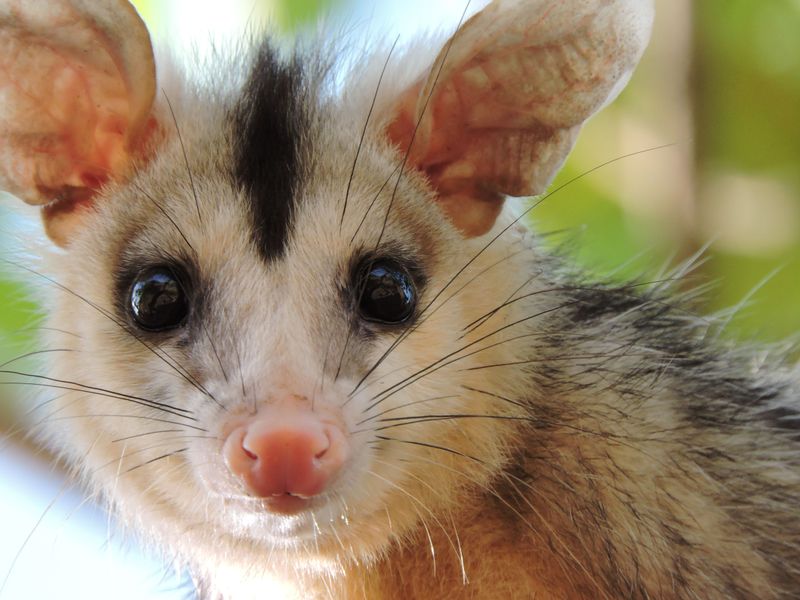
Hiss, drool, and a wide, snarling grin might greet you if you surprise an opossum. Don’t panic, because that intimidating display is mostly a bluff from a shy animal.
Opossums are the only marsupial found north of Mexico, which means mothers carry babies in a pouch like kangaroos. They roam New Jersey yards at night, eating almost anything they find.
A pumpkin that is already soft or starting to rot is especially tempting to them. They tend to nibble on mushy spots rather than chewing through firm, fresh skin.
Their tracks are easy to recognize once you know them. The back feet have a thumb-like toe that points sideways, a bit like a tiny hand.
Opossums are actually helpful neighbors in many ways. They gobble ticks, slugs, beetles, and fallen fruit that might draw other unwanted critters.
Early studies suggested they eat many ticks while grooming, though newer research is mixed. They still help by eating slugs, beetles, and fallen fruit, which matters in tick-prone New Jersey.
To protect your pumpkins, toss them once they start getting soft or moldy. Fresh, firm pumpkins are far less interesting to an opossum’s nose.
Close off spaces under decks and sheds where opossums might sleep during the day. Pet food left outside overnight is another big draw, so bring bowls inside.
If you see one wandering, just give it space and let it move along. Opossums are nomads, so most only stay in one area for a few days.
7. A Hollowed-Out Pumpkin Points To Rats
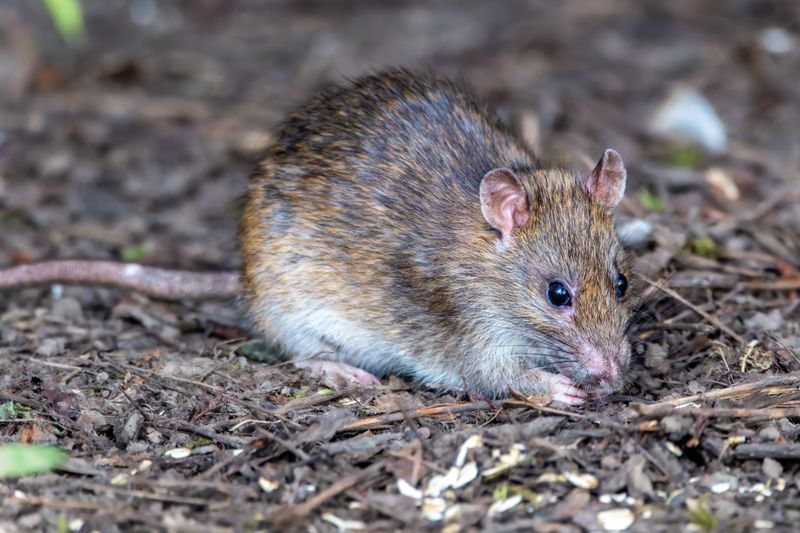
Few people enjoy thinking about rats in the yard, but they deserve a spot on the suspect list. Rats are expert night snackers, and pumpkins are an easy meal.
Norway rats live in many New Jersey towns, especially near restaurants, compost bins, and older buildings. As nights cool down, they search harder for food and warm shelter.
Rats usually gnaw small, rough holes and then tunnel into the soft middle of a pumpkin. Sometimes the outside looks fine, but the inside is hollowed out.
Look for dark, capsule-shaped droppings about half an inch long near the pumpkin or along walls and fences. Greasy rub marks on siding and narrow paths through grass also point toward rats.
Mice can do similar damage, just on a smaller scale. Their droppings are tinier, and their chew marks look like little scratches rather than big gouges.
Rodents carry germs, so wear gloves when cleaning up chewed pumpkins. Wash your hands well afterward, even if you only touched the outside.
Keep compost bins tightly closed and avoid adding pumpkin scraps until the season is over. Clear woodpiles and clutter near the house, since rats love hiding spots.
Snap traps placed inside covered boxes can help, while keeping pets and wildlife safe. For a bigger problem, a licensed pest control company is your best option.
Pumpkins on porches near doors are at higher risk, because rats may also try entering your home. Seal gaps around pipes and vents with metal mesh or caulk before winter arrives.
8. When The Culprit Walks On Two Legs

Sometimes the culprit walks on two legs and wears a hoodie. In New Jersey, October 30 is known as Mischief Night, a long tradition of pranks.
Many longtime residents remember toilet paper in trees and soap on car windows from their own childhoods. Smashing pumpkins became a popular part of the night too.
Human damage looks very different from animal damage. Pumpkins are often smashed into pieces, kicked into the street, or gone with no trace.
You will not see gnaw marks, tracks, or droppings near the mess. Instead, you might find sneaker prints or pieces flung far down the sidewalk.
To protect your display, bring pumpkins inside on the night of October 30. Put them back out the next day, just in time for trick-or-treaters.
A doorbell camera or simple motion light can discourage many sneaky visitors. Pranksters usually choose dark, quiet houses where they think nobody will notice.
Getting to know your neighbors helps too, since people watch out for each other. Some neighborhoods even organize friendly porch-light nights to keep streets bright and busy.
If you have teens at home, talk about how pranks can turn into real trouble. Smashing property can lead to fines, upset neighbors, and some very awkward apologies.
Kids who crave a little spooky mischief can channel it into something creative instead. A backyard pumpkin-smashing party after Halloween is messy and oddly satisfying, as long as it follows local rules.
Many towns now host pumpkin smash events that turn old jack-o-lanterns into compost. It is messy, silly fun for the whole family.