Your Paper Bag Tomatoes Have Black Dots In New Jersey And Here’s What To Do
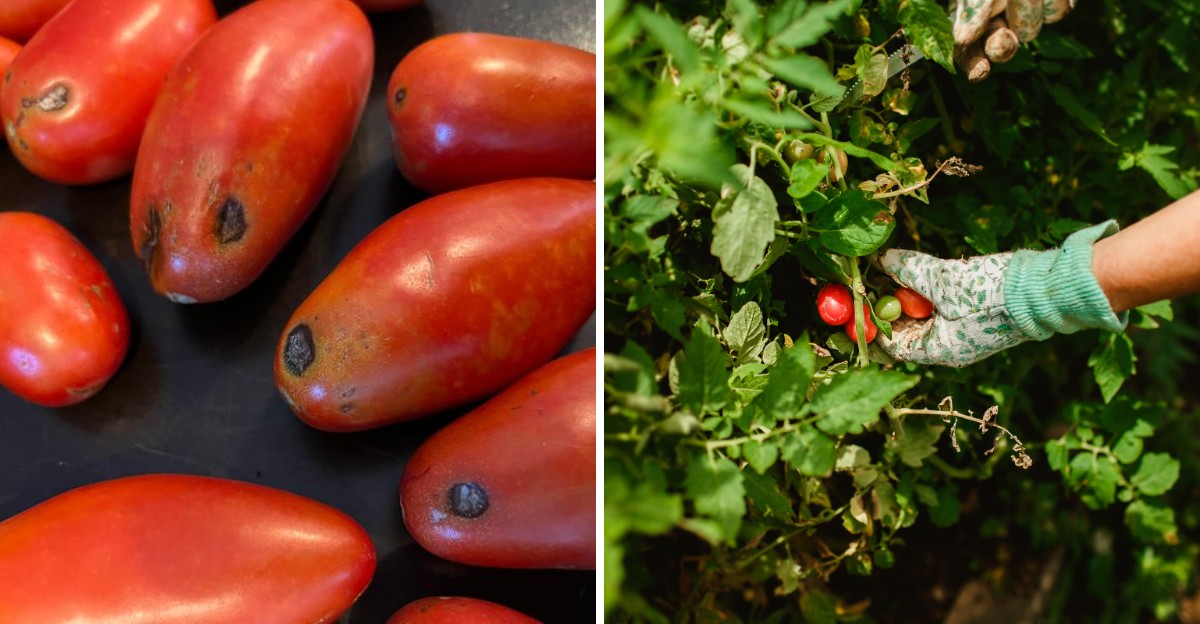
Those black specks on your green tomatoes could be harmless, or a warning. You smelled that faint musty note, and your pulse jumped.
Growers across New Jersey face this puzzle sometimes, and you can solve it. Mold, bacterial speck, and anthracnose each leave distinct fingerprints on the fruit skin.
Pinprick specks with a dry, raised crust point to bacteria. Fuzzy gray patches near the stem signal fungus that has likely moved deeper.
Soft, glossy spots that dip inward deserve an extension office check. Your nose helps too, because sour or fermented odors change the answer.
Slice a tomato open and check the flesh under bright light. Firm, clean interiors often mean you can trim, cook, and save that fruit.
New Jersey’s damp autumns can encourage these spots, so storage matters. Texture and color show which tomatoes deserve your sauce.
1. Look Closely At The Size And Shape Of The Dots
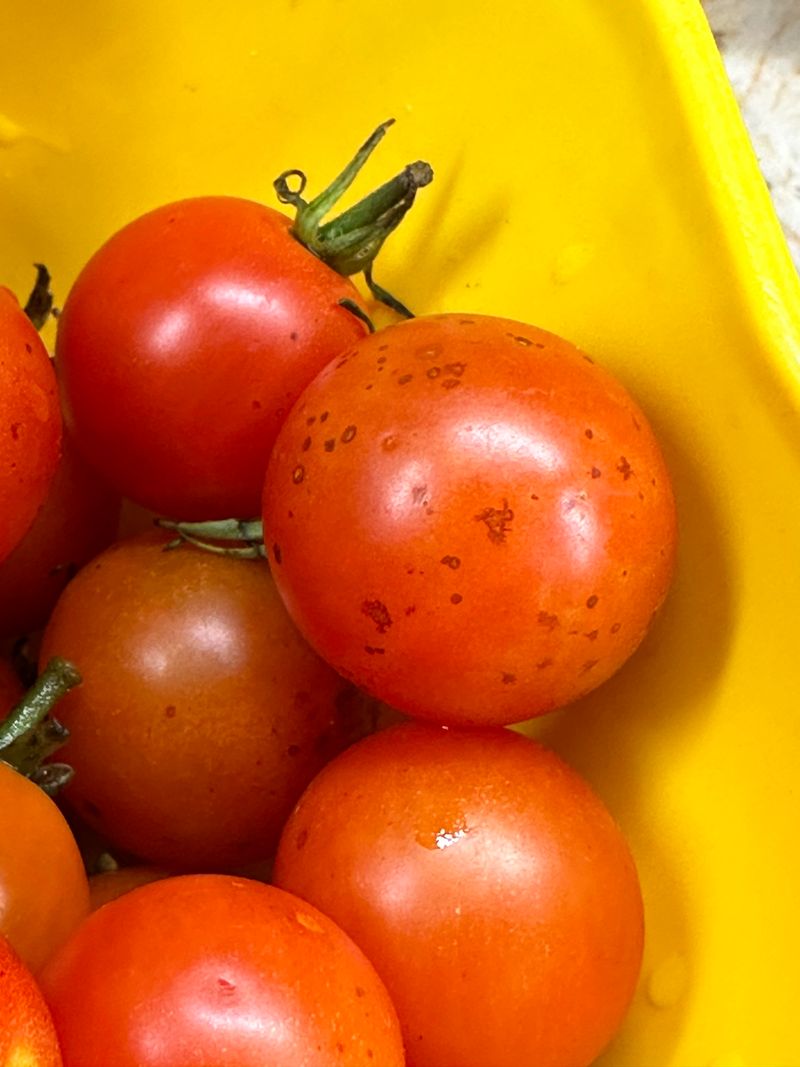
Grab a flashlight and play detective for a minute, because those black dots are leaving clues. Their size, shape, and texture tell you a lot about what caused them.
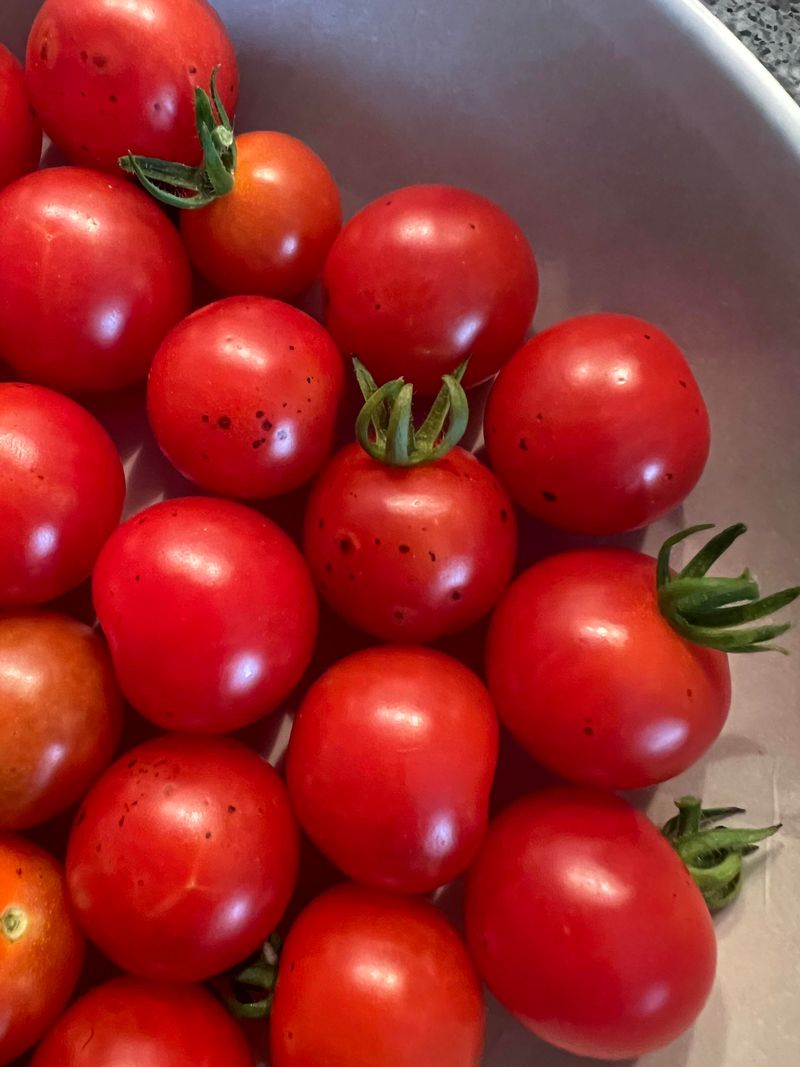
Tiny raised specks, about the size of a pinhead, often point to bacterial speck. That problem starts on the vine during cool, wet weather and mostly stays on the skin.
Larger round spots that look slightly indented, like a little dent, can signal anthracnose. These often grow bigger as the fruit ripens and may form rings like a tiny target.
Fuzzy black or dark green patches are usually mold. You might also notice a soft spot underneath, along with a sour or musty smell.
Dark spots with pale, cloudy areas around them can come from stink bugs feeding earlier in summer. Those marks look worse than they are and usually affect only the area under the skin.
Run a clean fingertip gently over each spot to feel its texture. Raised and dry is one story, while mushy and wet is a very different one.
Take a quick photo with your phone if you feel unsure. Comparing it with pictures from a local garden extension website can help you name the problem fast.
Write down which batch each spotted fruit came from, too. Patterns can show whether one plant or one corner of the garden had trouble.
Knowing what you are facing makes every next step easier. Detectives solve cases with clues, and your fruit just handed you a whole pile of them.
2. Separate The Spotted Fruit From The Rest Right Away
One spoiled fruit can affect its neighbors, and ripening fruit is no exception. Mold can spread from one fruit to the next in a crowded bag, even in a tidy New Jersey kitchen.
As soon as you notice black dots, pull those pieces out and set them aside. A separate plate or shallow tray on the counter works well for this job.
Mold spores travel easily through the air and by touch. Bacteria can also move through moisture that collects where fruit presses together.
Wash your hands after handling spotted fruit, and before you touch the clean ones. It sounds fussy, but it helps limit how far problems travel around your kitchen.
Your New Jersey Garden Changes Every Week. Your Plan Should Too.
Gardening in New Jersey changes quickly throughout the season. Every Friday you’ll receive a simple weekly plan showing exactly what to plant, prune, fertilize, harvest, and protect so you never miss the right timing.
Check the fruit that was sitting right next to the spotted ones. Give each a gentle squeeze and a careful look at the stem end, where trouble often begins.
Keep the healthy group in a fresh spot with plenty of space. Line them up so they do not touch, which matters when New Jersey humidity lingers indoors.
Think of it like keeping a sniffly kid home from school for a day. The rest are more likely to stay healthy, and you get time to sort the spotted fruit.
Label your trays with sticky notes if you have several batches going at once. In busy New Jersey October kitchens, it is easy to mix things up between dinner and homework.
A quick daily check takes less than two minutes. That small habit can save many fruit before the season wraps up.
3. Sort The Safe Surface Specks From Deep Spoilage
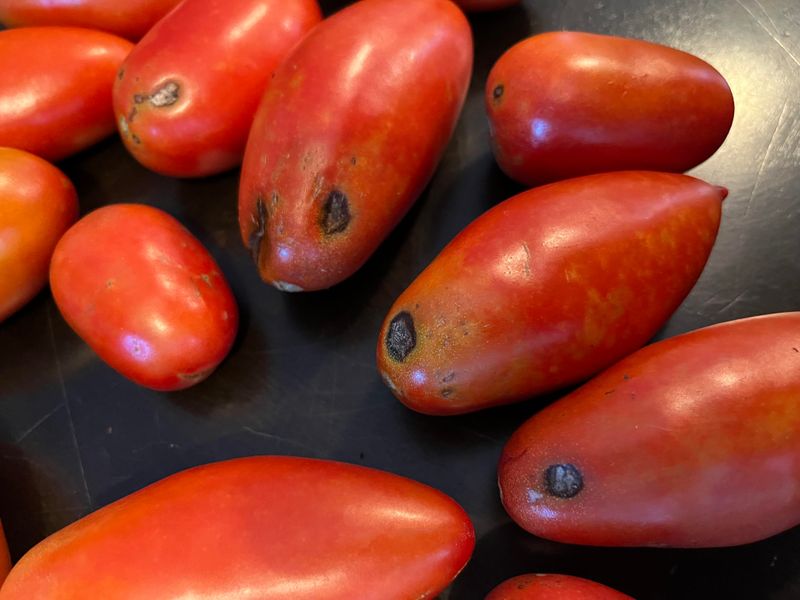
Here is a comforting truth for anyone staring sadly at a spotted harvest. Plenty of black dots stay right on the surface and do not reach the juicy center.
Bacterial speck and stink bug marks usually sit in the skin or just below it. Anthracnose and blight spots can reach deeper, so discard fruit with dented or spreading lesions.
Firm fruit with dry, shallow spots is often fine to eat after trimming. Spoilage that reaches the flesh tells a different story.
Press gently near the spot, and worry if your finger sinks in. Cut one questionable fruit in half to see what is happening inside.
Healthy flesh looks bright and moist, while spoilage shows up as brown, black, or watery streaks.
Mold can send thin threads deep into soft, juicy produce like this. Experts at the USDA suggest tossing soft produce with mold, since you cannot see how far it spreads.
A simple rule helps here: firm with a small dry spot and a clean interior means trim. Soft, fuzzy, leaking, or smelly means it goes straight into the trash.
Smell is a useful clue, as long as you do not sniff moldy fruit closely. Fresh fruit usually smells mild and earthy, while spoiled fruit smells sour, yeasty, or like a damp basement.
Trust your senses, but do not let hope win over common sense. Saving one fruit is not worth the risk of an upset stomach.
Keep a small cutting board and knife just for this sorting session. Wash both well afterward so no spores hitch a ride onto your next salad.
Sorting like this turns an overwhelming pile into two simple groups. Suddenly the job feels manageable instead of unpleasant.
4. Trim And Use The Good Parts Quickly
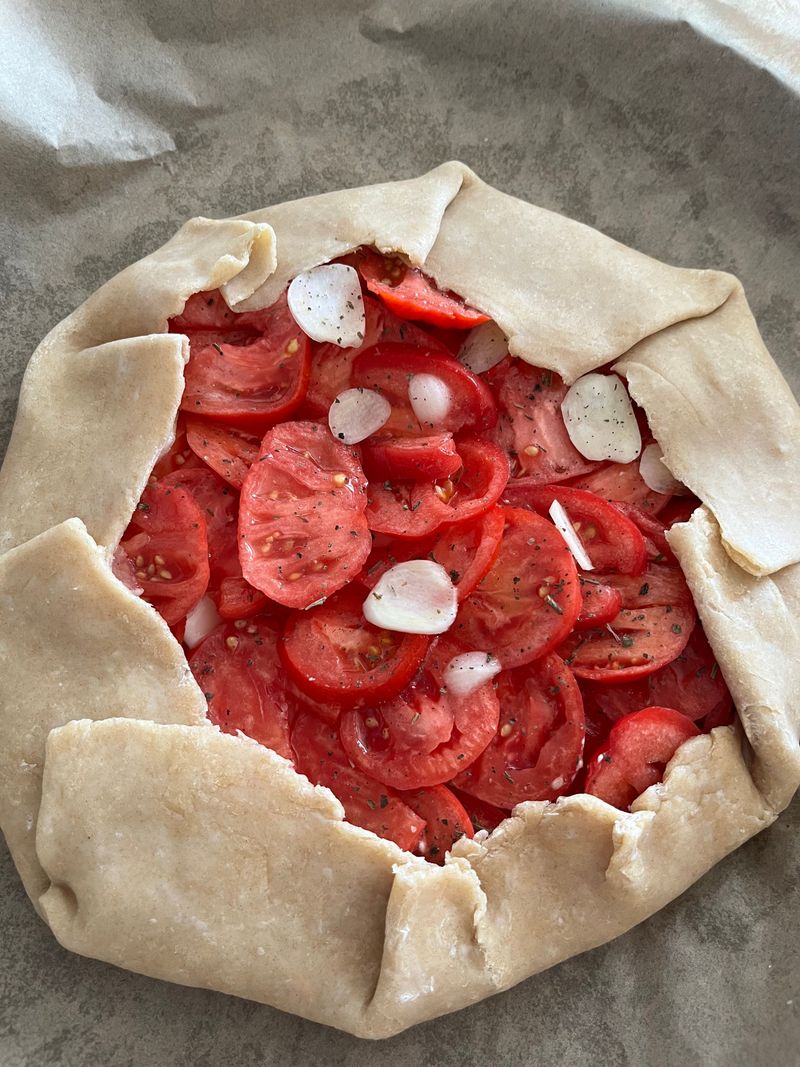
Grandma had a trick for flawed fruit involving a sharp paring knife and a big pot. Little went to waste in her kitchen if it could be saved safely.
For firm fruit with dry surface spots, cut out each dot with a small margin of clean flesh, and discard fruit with mold. That extra margin removes any hidden trouble lurking just beneath the skin.
Rinse the fruit under cool running water before you start cutting. This keeps germs on the outside from riding the knife into the clean flesh.
Once trimmed, refrigerate the fruit and use it within a day or two. Cut pieces spoil faster, so this is not the time to let them sit around.
Cooking is a wonderful way to enjoy trimmed fruit. Simmer a pot of sauce, toss pieces into chili, or roast them with garlic and olive oil.
October is perfect for soups, and a homemade tomato soup tastes amazing on chilly evenings. Pair it with a grilled cheese, and few people will guess the fruit had spots.
Salsa is a smart choice too. Fresh lime, onion, and cilantro brighten up trimmed pieces in minutes.
Freezing works well if you cannot cook right away. Chop the trimmed pieces, pack them into freezer bags, and use them in winter stews.
Fried green slices are another classic option for fruit that has not turned red yet. Dip them in egg and cornmeal, then fry until crispy and golden.
Give the knife and cutting board a good wash afterward. A clean kitchen keeps your fresh batch safe while the rest keeps ripening.
5. Discard Fruit That Is Mushy, Leaky, Or Moldy
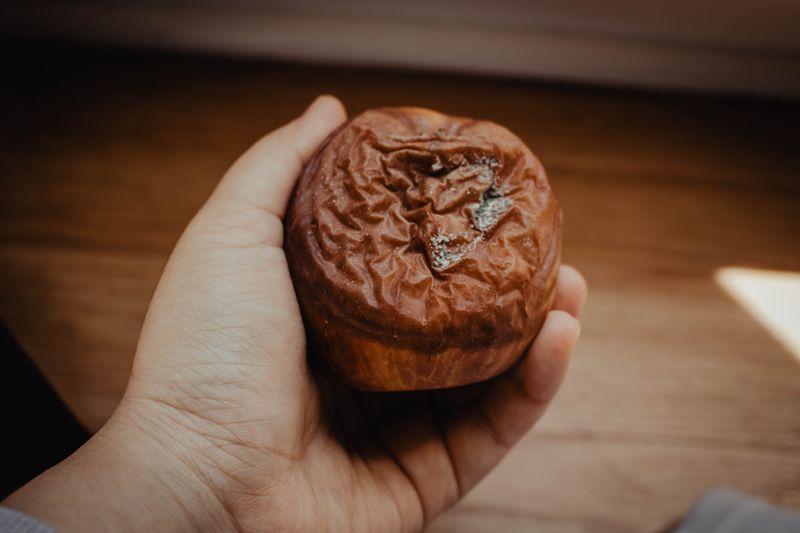
Few people enjoy throwing food away, especially fruit you tended all summer long. Still, some spotted pieces are simply past saving, and that is okay.
Fuzzy growth in white, gray, green, or black means mold has moved in. On soft fruit, those threads can run deep, so trimming will not fix it.
Leaking juice is another big warning sign. When fruit weeps liquid onto the bag or tray, the inside is likely breaking down.
Wrinkled skin that collapses under light pressure also signals trouble. Healthy ripening fruit softens slowly, but rot turns it mushy in patches.
A strong sour or fermented odor should send fruit straight out the door. Your nose is often faster than your eyes at catching spoilage.
Do not sniff moldy fruit at all, though. Breathing in spores can bother people with allergies or asthma, so judge by sight instead.
If your New Jersey garden is healthy, toss the fruit in the compost pile. For diseased fruit, many gardeners prefer the trash, since some home compost does not get hot enough.
Bacterial speck and anthracnose can survive in plant debris over winter. Keeping sick fruit out of the garden lowers the chance of trouble next spring.
Wrap fuzzy pieces in a bag before tossing so spores do not drift. Then wipe down any surface where they sat with warm, soapy water.
Letting go feels hard, but it protects the healthy fruit still ripening. Think of it as clearing the stage so the best performers can shine.
6. Clean Out The Bag Or Swap It For A Fresh One

Paper bags are useful helpers, but they have one drawback, even in a New Jersey kitchen. They soak up moisture, and damp paper gives mold a place to grow.
Peek inside your bag after removing spotted fruit. Dark stains, wet patches, or a musty smell mean that bag has served its time.
Recycle or toss the old bag instead of reusing it. Spores can cling to the paper fibers and greet your next batch with trouble.
Grab a fresh, dry bag from the grocery store stash under your sink. Plain brown paper works well, since waxed or coated bags trap more moisture.
Adding a ripe banana or apple can speed things up nicely. Both give off ethylene gas, a natural plant hormone that helps fruit turn red faster.
Fold the top loosely instead of sealing it tight. A little airflow keeps moisture from building up while still holding in that helpful gas, which helps when New Jersey autumn humidity creeps indoors.
Some folks line the bottom with a paper towel to catch extra dampness. Swap that towel every few days, or sooner if it feels wet.
Clean any shelf or counter where the old bag sat. A quick wipe with warm, soapy water leaves the area clean again.
Check the new bag daily at first. Early warning signs are much easier to handle than widespread mold later on.
Think of a fresh bag like clean sheets after a sick day. Everything simply feels better, and your fruit gets a healthy restart across every New Jersey household.
7. Give Fruit Breathing Room And Steady Air
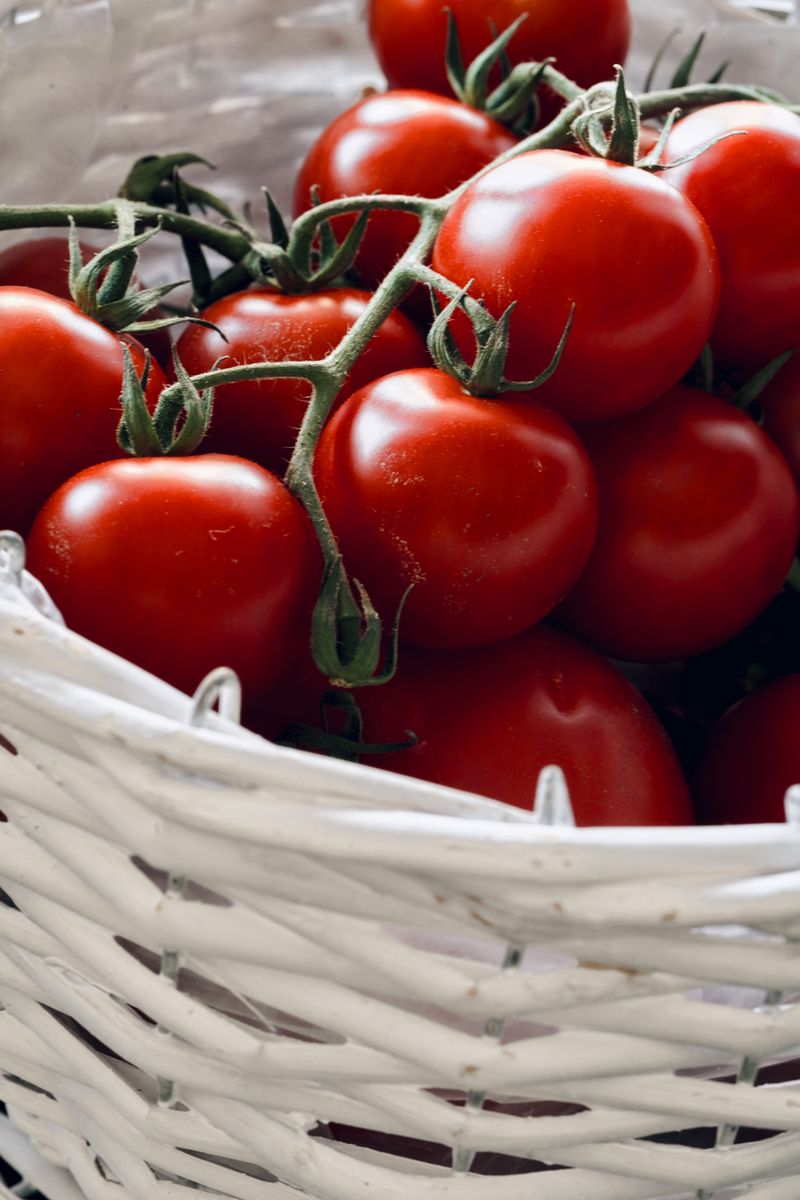
Picture a crowded elevator on a hot day, with everyone squished together. Ripening fruit feels the same way when it is packed too tightly.
Fruit touching fruit creates warm, damp pockets where mold can grow. Leaving a small gap between each piece makes a surprising difference.
Use a single layer instead of stacking fruit in piles. Bottom fruit in a stack gets bruised, and bruises invite spots and rot.
Temperature matters too, so aim for a spot between 65 and 70 degrees. A cool garage might drop too low in October, which slows ripening to a crawl.
Keep the fruit out of direct sunlight on a windowsill. Bright sun can heat one side unevenly while the other stays green and hard.
Avoid the refrigerator until the fruit is fully ripe. Cold air below 50 degrees damages flavor and texture, leaving fruit mealy and bland.
Excess moisture is a common trouble spot in this story. A basement or laundry room may feel cozy but can hold too much moisture or stagnant air.
Shallow cardboard boxes lined with newspaper work well for bigger harvests, with fruit in a single layer. Old-time gardeners used this trick for generations, and it remains practical today.
A small fan on low in the room can keep air moving gently. Point it away from the fruit, since a direct breeze can dry out the skin.
Flip or rotate each fruit every couple of days. That simple move lets air reach every side and helps you catch new dots early.
8. Pick Carefully Before The Next Frost
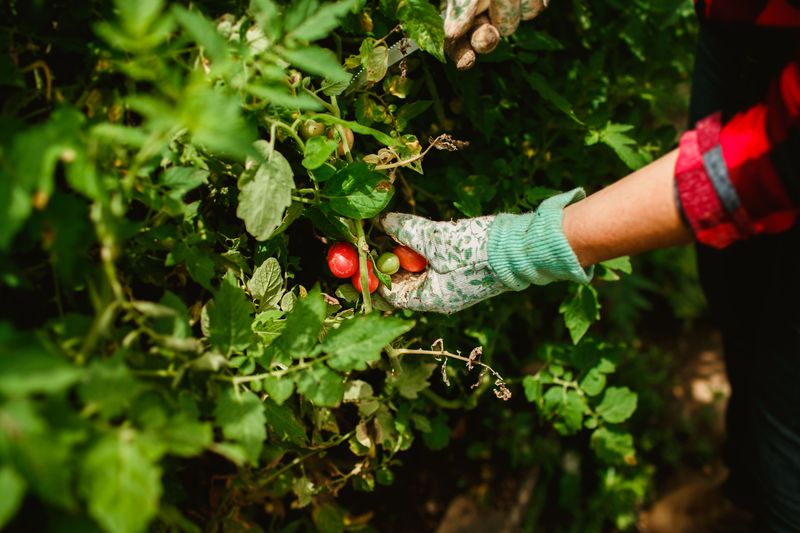
Last-minute harvests are common in October when the weather report mentions frost. A little care during picking can prevent many black dots later on.
Choose fruit that has started to blush with a hint of pink or yellow. These mature greens ripen far better indoors than tiny, rock-hard ones.
Pick on a dry afternoon instead of after rain or heavy dew. Wet skin carries bacteria and spores straight into your ripening bags.
Handle each fruit gently, like you are carrying eggs. Bruises and cracks give germs an easy way inside.
Leave a short piece of stem attached only if it will not poke neighboring fruit. Pulling hard can tear the skin near the top, which invites rot.
Skip any fruit already showing spots, splits, or insect holes. Those troubled pieces are better kept away from your kitchen counter.
Wipe each fruit with a dry cloth before storing it. Removing dirt and leaf bits takes seconds and gives every piece a cleaner start.
Write notes about which plants had spotty fruit this year. Next spring, try disease-resistant varieties, space plants farther apart, and water at the soil instead of the leaves.
Crop rotation helps too, so plant in a new spot each year when possible. Germs hiding in old soil have a harder time finding their favorite host.
Careful picking today means a healthier counter full of red fruit tomorrow. Your future self, holding a perfect slice, will thank you.