The Pennsylvania Native Grasses To Plant This Fall That Can Self-Seed Over Time
I have a soft spot for fall seeding because it feels a little like cheating. You scatter seed on a cool October afternoon, walk away, and let winter do the hard part.
By spring, with luck, something is waking up in the soil. Native grasses are my favorite way to play this game.
Some of them can drop seed on their own and slowly fill in the gaps, which means a small planting can grow into something that sways, rustles, and feeds the birds while you sip cocoa by the window.
It will not happen overnight, and a few are slow starters, but that patience is half the fun.
If you have a bare corner or a lawn you are tired of mowing, these Pennsylvania natives are worth a look.
1. Little Bluestem Brings Copper Color
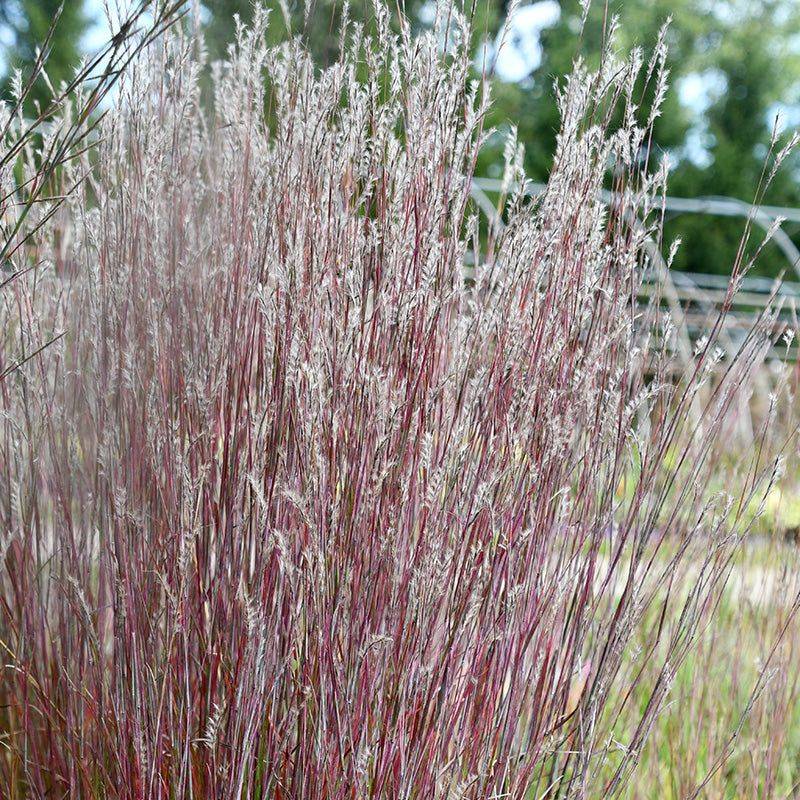
Few grasses put on a fall show quite like little bluestem. Its blue-green summer stems slowly turn a rich copper that glows at sunset.
Gardeners across Pennsylvania love it because it handles poor, rocky soil with ease. It stays about two to three feet tall, so it fits small spaces nicely.
Fluffy silver seed tufts appear in early fall and drift on the breeze. Many land nearby and sprout in spring, filling bare spots without any help from you.
For the best start, scatter seeds in October or November on loose, weed-free soil. Press them down lightly with your feet or a board so they touch the dirt.
Skip the rich compost, since too much food makes the stems flop over. Full sun and good drainage keep plants upright and bright.
Birds such as juncos and sparrows snack on the seeds all winter long. Leaving the stems standing until spring also gives tiny bees a cozy place to rest.
Want a neat look? Cut the clumps down to about four inches in March, just before new green shoots push up.
Plant a few in a sunny corner, and you may find a whole patch there within three years. That is a lot of beauty for one small packet of seeds.
2. Switchgrass Stands Tall Through Winters
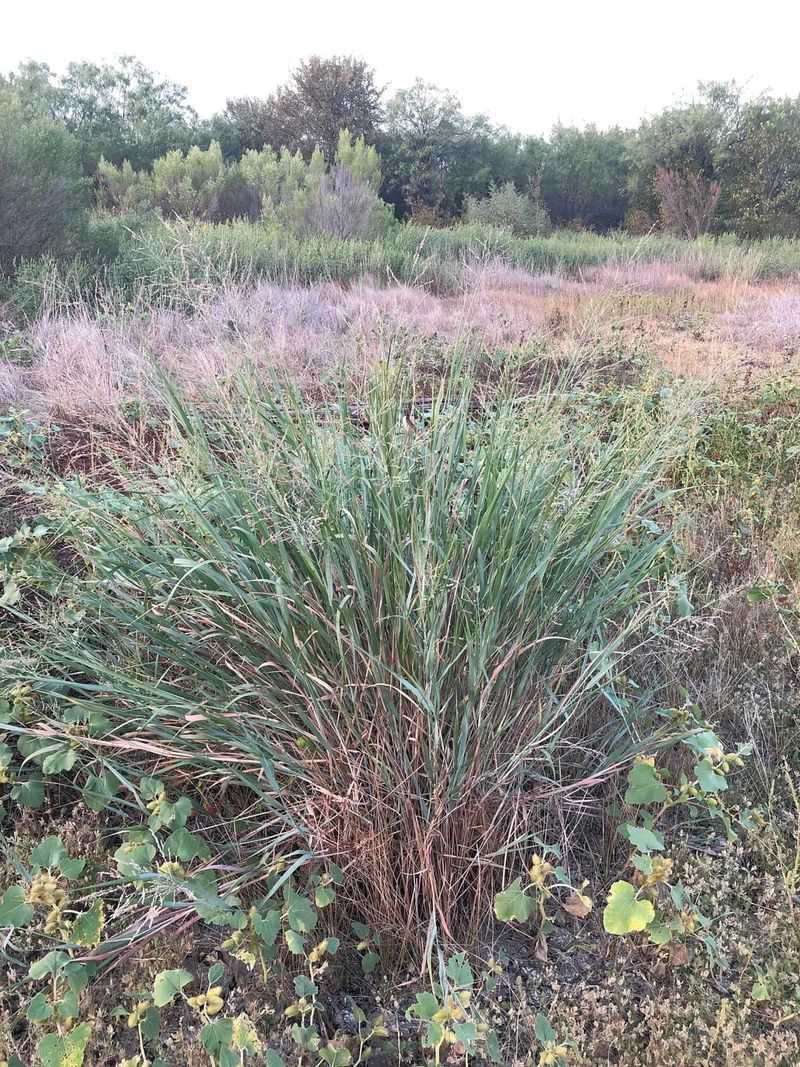
Switchgrass is tough enough to stand upright under snow, and it looks lovely doing it.
Once a big part of the tallgrass prairies, it also grows wild along Pennsylvania roadsides and stream banks. Plants reach three to six feet, with airy seed heads that look like a pink mist in late summer.
Those seeds fall in autumn and often pop up around the parent plant. You can end up with a free supply of new clumps without spending a dime.
Sow seeds in fall so winter cold and moisture can break their natural dormancy. Gardeners call this cold stratification, and nature handles it for free when seeds are scattered on bare soil in late fall.
Switchgrass is not fussy about soil type. It grows in clay, sand, wet spots, or dry hillsides, as long as it gets plenty of sun.
A row of it makes a great living screen along a fence or patio. Kids also enjoy hiding behind the tall stems during backyard games.
Varieties like Shenandoah turn wine red in fall, while Northwind offers cool blue-green foliage. Pick the one that matches your style, and keep in mind that seedlings from named varieties may not look exactly like the parent plant.
If seedlings show up where you do not want them, pull them while they are small. The roots grow deep fast, so early action saves your back.
3. Indiangrass Adds Golden Plumes
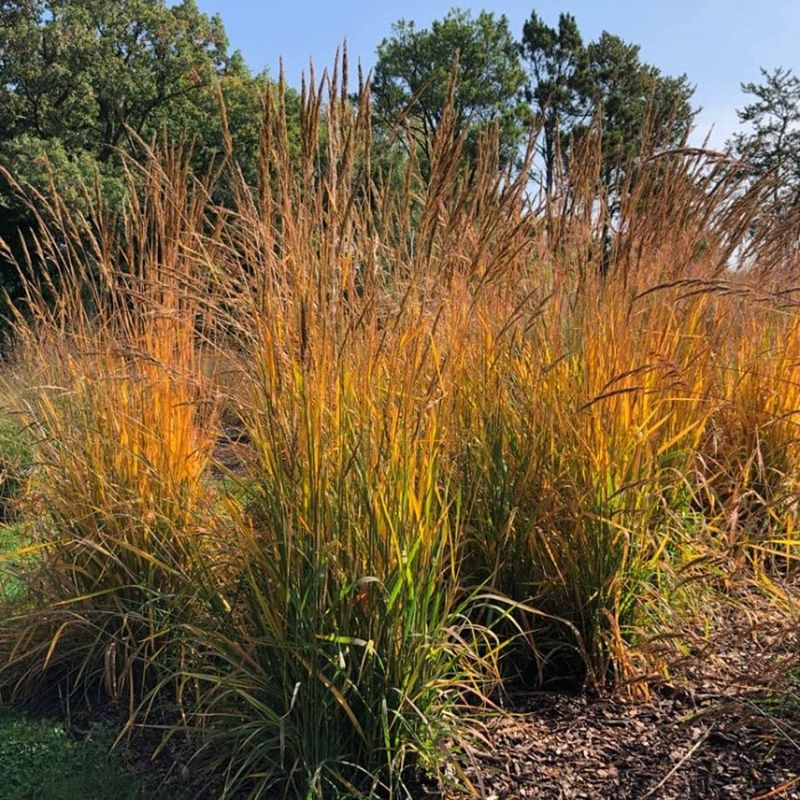
Golden plumes waving in the wind make Indiangrass a showstopper. Many folks call it the most beautiful prairie grass around.
It grows about five to seven feet tall, so give it room near the back of a bed. In Pennsylvania, it fits right in with sunny meadows and old farm fields.
By September, the feathery seed heads shine like bronze in the light. Those seeds scatter in fall and gently fill nearby spaces the next spring.
To get started, mix seeds with a bit of sand so they spread evenly. Toss them over cleared ground after the first light frost.
Deep roots help this grass handle dry summers without much watering. They also hold soil in place, which makes it handy on slopes that wash out.
Wildlife adores it too. Songbirds eat the seeds, and pheasants and rabbits shelter in the thick clumps.
Pair Indiangrass with purple coneflower or goldenrod for a classic meadow mix. The colors look like a sunset painted across your yard.
Patience helps with this one, since first-year plants focus on growing roots. By year two or three, you will see those famous golden plumes stretch toward the sky.
4. Bottlebrush Grass Lights Up Shady Corners
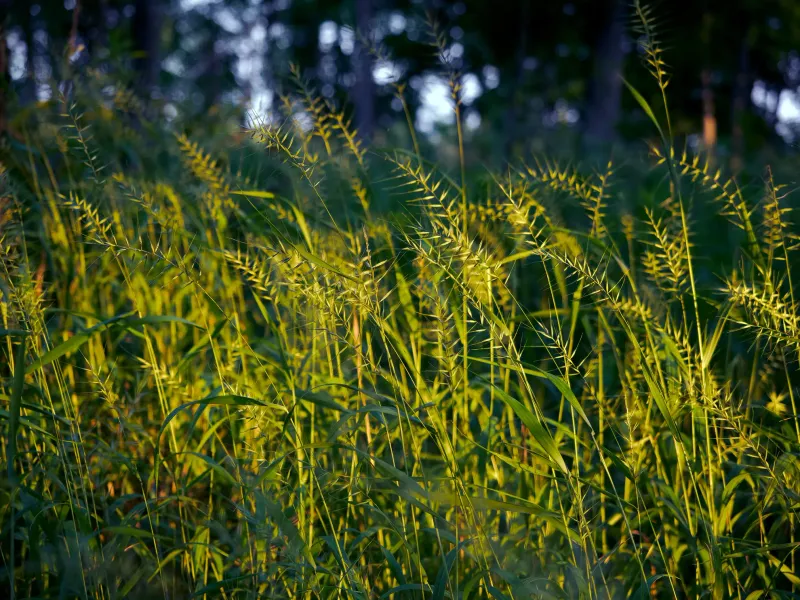
Got a shady spot where nothing seems happy? Bottlebrush grass might be the answer you have been hunting for.
Its seed heads really do look like little brushes for cleaning bottles. Bristles stick out in every direction, catching light under the trees.
Woodland edges across Pennsylvania are its natural home. It grows two to four feet tall and handles part shade better than most native grasses.
Each fall, the bristly heads break apart and drop seeds near the base. New plants pop up in spring, slowly creating a soft woodland carpet.
Plant seeds in fall right on top of the soil, then cover them with a thin layer of leaves. The leaves act like a blanket and keep the seeds moist.
This grass likes average soil that holds a little moisture. It does not need fertilizer or much fuss once settled.
Children often find the seed heads fun to touch, since they feel prickly but harmless. They also make neat additions to dried flower arrangements.
Mix it with ferns, wild ginger, or woodland phlox for a natural forest look. Your once-dull corner will feel lively and full of texture before you know it.
5. Virginia Wild Rye Offers Easy Cover
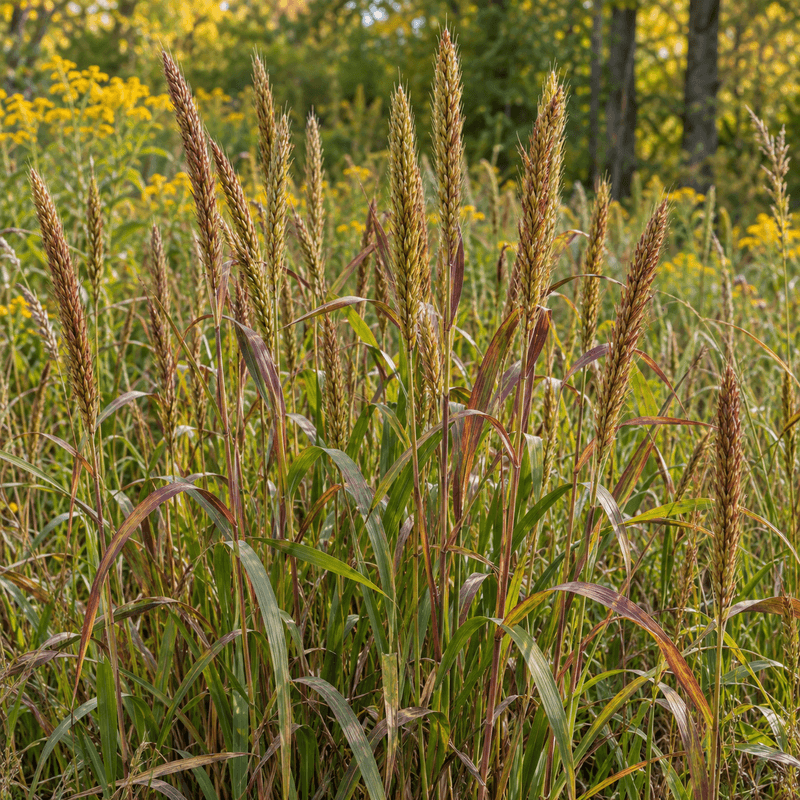
Some plants start slow, but Virginia wild rye gets busy right away. It sprouts quickly and fills space in its very first season.
That speed makes it a favorite for covering bare soil in Pennsylvania gardens. It works well on new beds, stream banks, and spots where weeds keep sneaking in.
Plants grow two to four feet tall with nodding seed spikes that look a bit like wheat. Those spikes ripen in late summer and drop seeds that sprout readily nearby.
Wild rye is a cool-season grass, so it greens up early in spring. That gives your yard color while many other grasses are still asleep.
Fall is a perfect time to sow it. Seeds can even sprout before winter and grow strong roots during cool weather.
It handles sun or part shade and tolerates both moist and average soil. That flexibility makes it great for tricky spots.
Think of it as a helpful nurse plant. It protects slower native plants while they settle in, then steps back as they grow.
A friendly tip: mix it into meadow seed blends for quick results. Neighbors will notice green growth long before the rest of the meadow fills in.
6. Purple Lovegrass Paints Pink Clouds
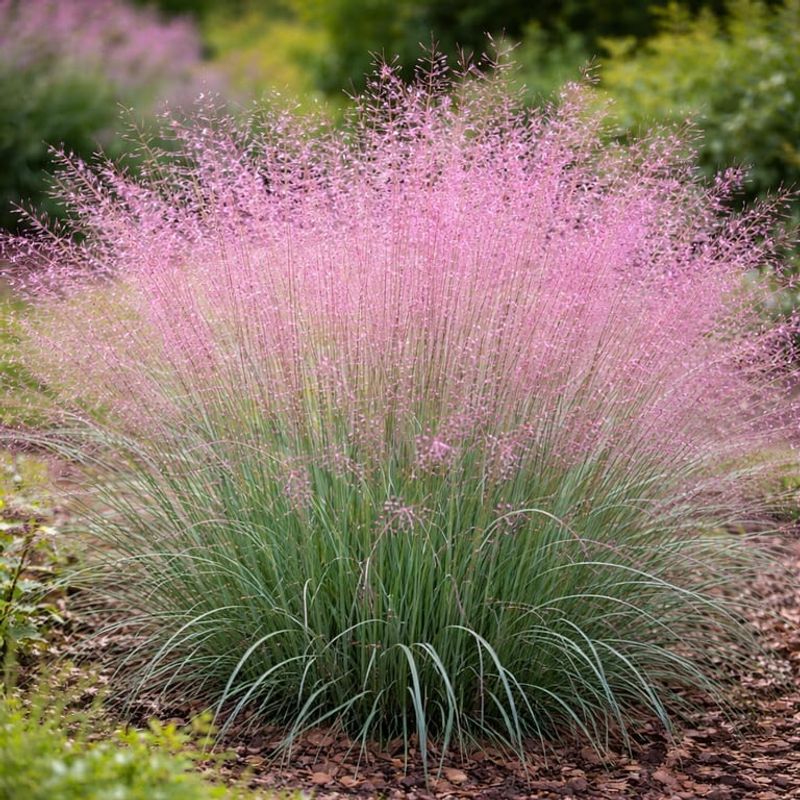
Late summer brings a surprise when purple lovegrass blooms. A pinkish purple haze floats over the plants like cotton candy.
This small grass only reaches about one to two feet tall. It shines along paths, in rock gardens, and near the front of borders in Pennsylvania yards.
Dry, sandy, or rocky soil suits it best. In fact, rich soil can make it lazy and floppy, so skip the fertilizer.
When the seed heads dry out, they often break off and tumble in the wind. Seeds land in nearby gaps and sprout the following year.
Fall sowing works well because seeds need light and cold to wake up. Simply sprinkle them on the surface and press lightly without burying them.
Photographers love the plant on dewy mornings. Tiny water drops sparkle on the airy blooms like glitter.
Because it stays short, it is a smart pick for small spaces or containers. It also handles heat and drought once settled.
Try planting a few clumps along a sunny walkway. By August, guests will stop and ask what that dreamy purple cloud could be.
7. Big Bluestem Gives Prairie Drama
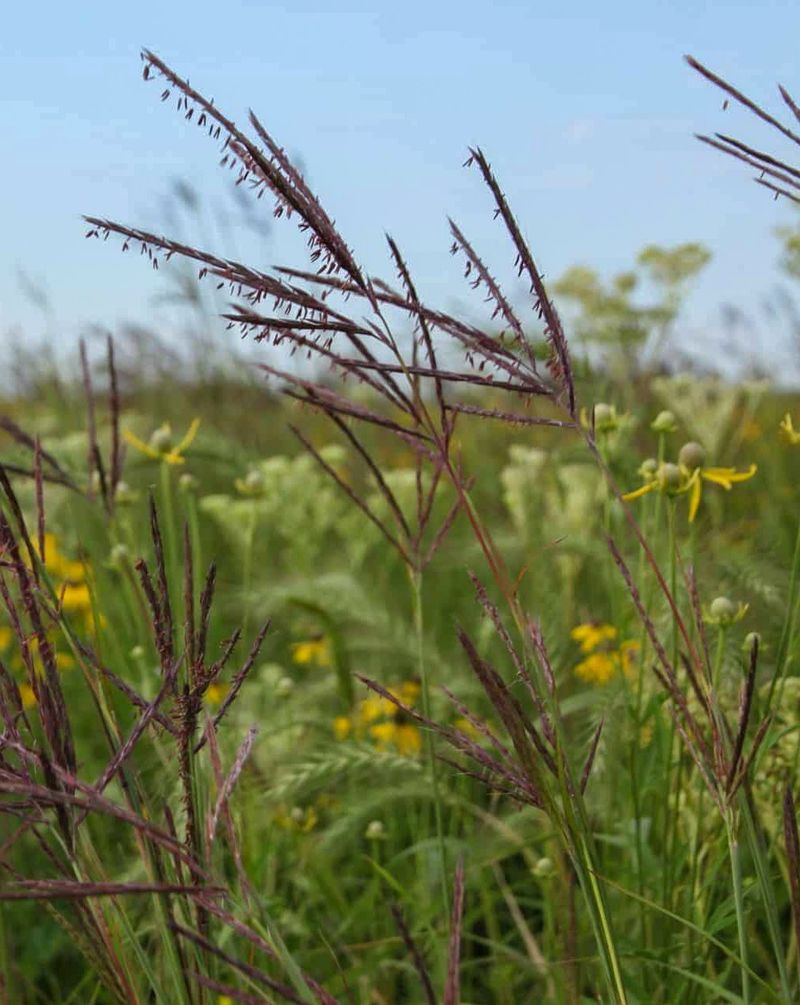
Old-timers called it turkeyfoot grass, and one look explains why. Its seed heads split into three parts that look like a bird’s foot.
Big bluestem is the giant of the bunch, often growing six to eight feet tall. In Pennsylvania, it thrives in sunny fields and large backyard meadows.
Summer stems have a bluish tint, then turn bronze, red, and purple in autumn. The color change rivals the maple trees down the street.
Seeds drop in fall and sprout around existing clumps over time. Slowly, a few plants can grow into an impressive stand.
Roots can reach ten feet deep, which helps the grass survive tough droughts. Those roots also improve soil and soak up rainwater.
Because of its height, plant it where it will not block views or shade smaller plants. Along a back fence or property line works great.
Sow seeds in fall over cleared soil, then let winter do the rest. Light raking afterward helps seeds settle in.
Give it time, since big bluestem may spend a year building roots. Once it takes off, you will have a towering, colorful wall that feels like a slice of prairie at home.
8. Riverbank Wild Oats Dangle Charm In Shade
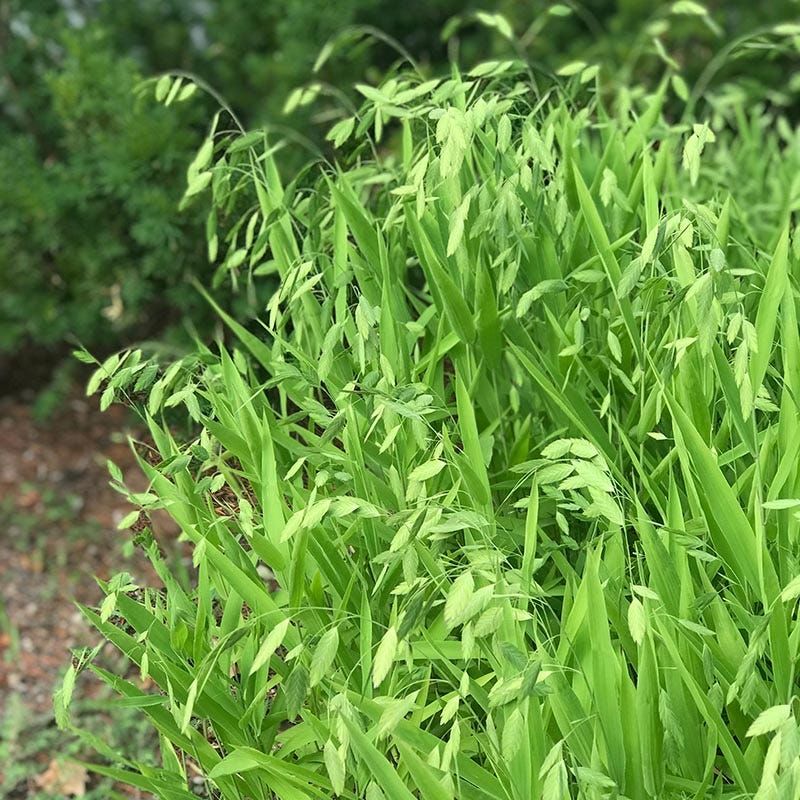
Flat, dangling seed heads that wiggle in the breeze give river oats a playful personality. Many people call it northern sea oats, though it grows far from the ocean.
River oats is native to Pennsylvania, but it is rare in the wild here. In nature, it grows on river and stream banks and in moist woodlands.
The Pennsylvania Natural Heritage Program ranks it as critically imperiled, with only around a dozen known wild populations, found along the Monongahela and Susquehanna rivers and a couple of Susquehanna tributaries.
That does not mean you cannot grow it. Nursery-grown plants and seed are easy to find, so buy from a reputable source and leave wild populations alone.
In a garden, it handles shade and sun and grows about two to four feet tall.
The seed heads start green, turn copper in fall, and fade to tan in winter. They rattle softly in the wind, adding sound to your garden.
River oats spread eagerly by seed, so give them space or be ready to share. Friends often ask for seedlings once they see the plant.
Fall sowing is simple. Scatter seeds in loose soil and cover them with a thin dusting of dirt.
Moist, rich soil helps it look its best, but it handles drier spots too. A bit of afternoon shade keeps the leaves bright green.
Crafters love cutting the stems for wreaths and dried bouquets. The seed heads keep their shape for months indoors.
If you want fewer seedlings, snip some seed heads before they drop. Use them inside for decor, and keep the rest outside for the birds.
9. Prairie Dropseed Brings Sweet Scents
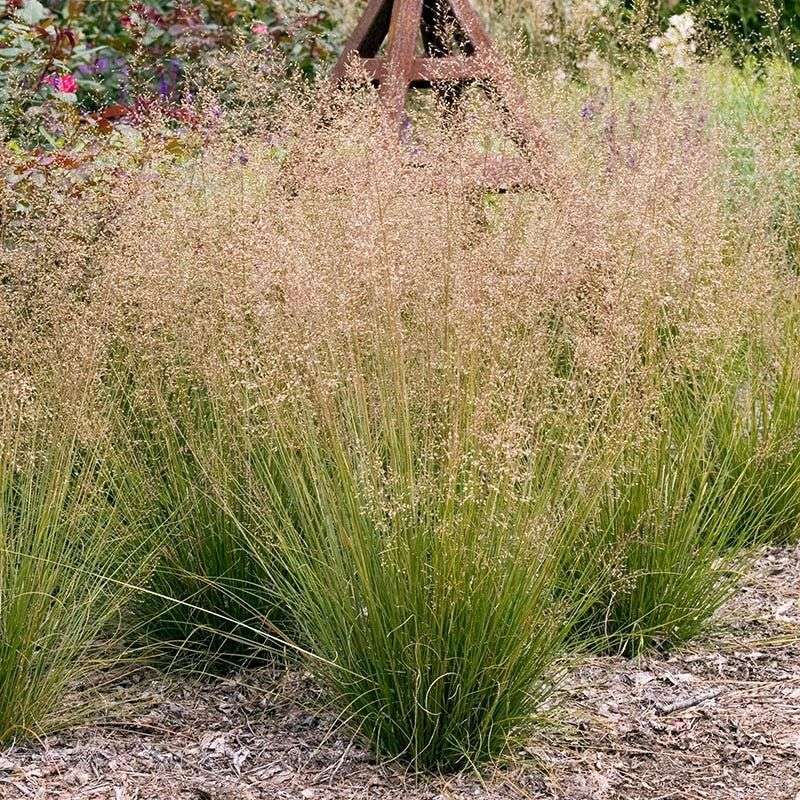
Lean close to prairie dropseed in late summer, and you may notice a scent. Some say it smells like buttered popcorn or fresh cilantro.
Its fine, hair-like leaves form a neat fountain shape about one to two feet tall, with airy flower stalks rising a bit higher. That tidy look makes it a top pick for borders in Pennsylvania gardens.
Here is something worth knowing before you buy. Prairie dropseed is native to Pennsylvania, but it is a Pennsylvania Endangered species in the wild, found only in serpentine barrens in Lancaster and Chester counties.
Choose nursery-grown seed or plugs, and leave wild plants and seed where they are.
Airy blooms rise above the leaves, followed by round seeds that drop near the base. That is where the name comes from, and it helps explain why new plants appear slowly.
Dropseed takes its time growing, so a little patience pays off. Once established, a clump can thrive for decades.
Plant seeds in fall so they experience a long cold rest. Early spring planting of small plugs also works if you missed the fall window.
It loves sun and well-drained soil, and it shrugs off dry spells. Rabbits and deer usually leave it alone too.
In autumn, the leaves turn soft orange and gold. Winter snow sitting on the fine strands looks almost magical.
Line a walkway with several clumps for a calm, flowing edge. Each fall, an occasional seedling may show up, ready to extend your border for free.