Why Georgia Gardeners Should Plant Oakleaf Hydrangeas In Fall For Better Root Growth
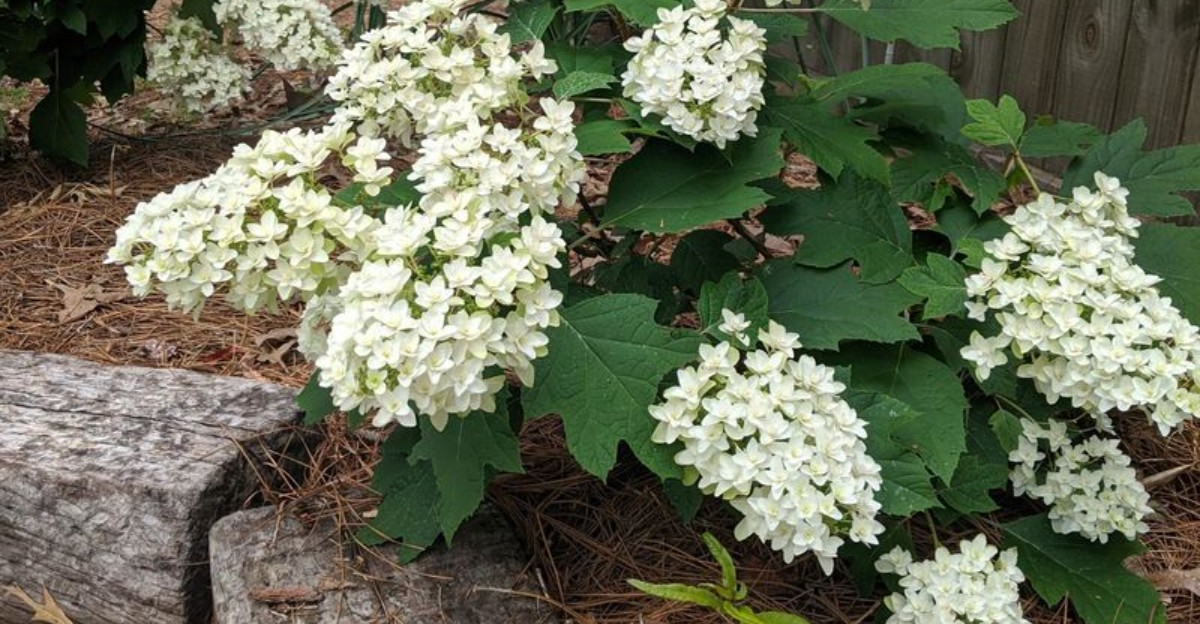
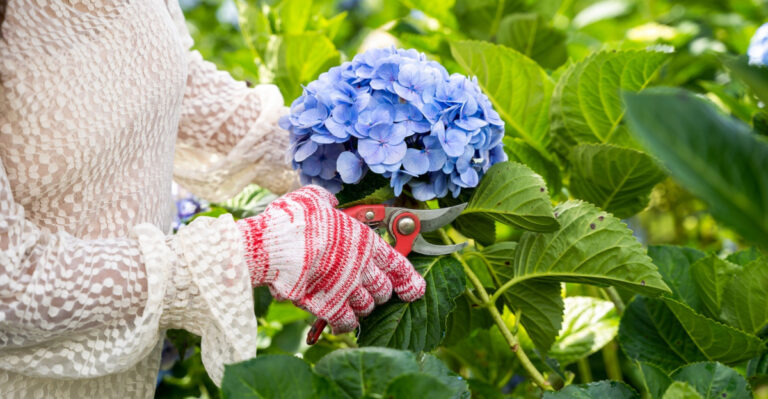
Oakleaf hydrangeas bring something special to a landscape even when their summer flowers have faded. Their large leaves develop rich fall colors, and the peeling bark adds interest long after the growing season slows down.
But their appearance isn’t the only reason to think about planting one now. Fall offers conditions that can help newly planted shrubs establish roots before the demands of another hot summer arrive.
For Georgia gardeners, that timing can be especially valuable when choosing plants that need time to settle into their surroundings.
Oakleaf hydrangeas are native to the southeastern United States, but they still need suitable soil, moisture, and planting conditions to thrive.
A good planting location can make future maintenance easier and support healthier growth.
If you’ve been considering this shrub for your yard, fall may offer an opportunity worth taking before winter arrives.
1. Cooler Fall Weather Gives New Roots A Better Start
Cooler air in fall takes a lot of pressure off a brand new shrub. Leaves lose less water when temperatures drop, so the plant can put more effort into its roots.
Soil usually stays warm well after the air begins to cool, and that warmth helps roots keep growing.
In most of Georgia, soil temperatures in October and November often remain mild enough for steady root activity. Roots can continue to grow slowly through parts of winter, especially in the warmer southern half of the state, though cold snaps can pause that growth.
Spring planting works too, but it comes with a catch.
A shrub planted in April has to grow roots, push out leaves, and handle rising heat at nearly the same time. That is a lot to ask from a plant that has spent its life in a small nursery pot.
Fall planting spreads those demands out over a longer, gentler stretch of time.
Timing still matters, so aim for mid fall rather than waiting until the ground turns cold. Gardeners in the north Georgia mountains may want to plant a few weeks earlier than folks near the coast, since frost arrives sooner at higher elevations.
Keep in mind that fall weather varies from year to year, and an unusually dry or warm autumn can slow things down. Paying attention to your local forecast helps you choose a good planting window.
2. This Native Shrub Thrives In Partial Shade
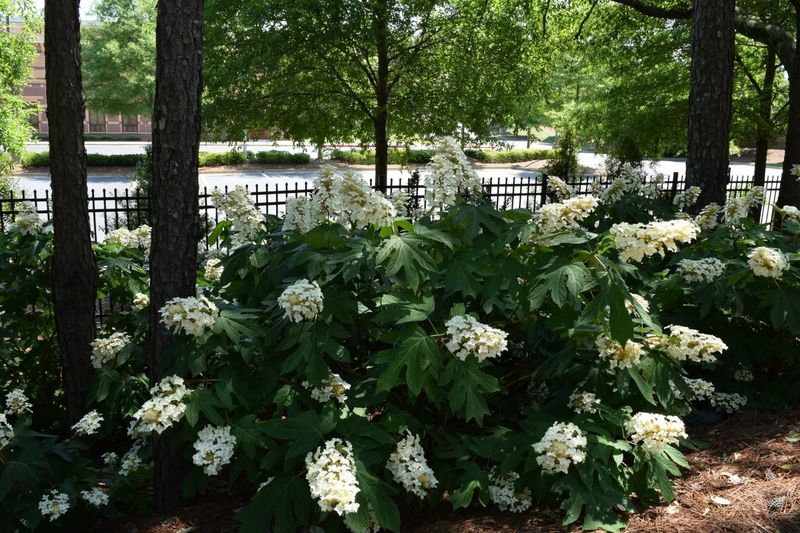
Shady yards are not a problem for this plant. Oakleaf hydrangea grows naturally along woodland edges and stream banks in the Southeast, where tall trees filter the light.
Morning sun with afternoon shade is often the sweet spot in a Georgia garden.
Hot afternoon sun can scorch the leaves, especially during long summer dry spells. On the other hand, deep, dark shade may lead to fewer blooms and a thinner, leggier shape.
Dappled light under high pines or hardwoods tends to work nicely.
Picking the right spot in fall is a smart move for root health. A shrub placed where it feels comfortable spends less energy coping with stress and more energy settling in.
Give it room to spread, too.
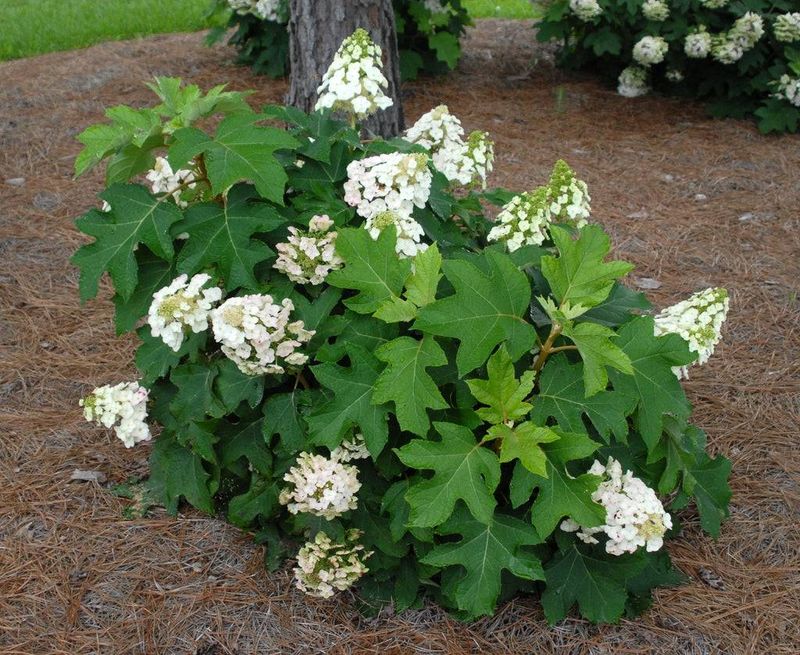
Many standard forms reach around six to eight feet tall and wide over time, though compact cultivars like Ruby Slippers or Sikes Dwarf stay smaller. Check the plant tag before you choose a site so you do not crowd a walkway or window.
Native plants also offer benefits beyond looks. Bees and other insects visit the flowers in late spring and early summer.
Fall color is another reward, with leaves often turning deep red or purple, though the shade of color varies with sun exposure and weather.
3. Moist Soil With Good Drainage Helps Roots Establish
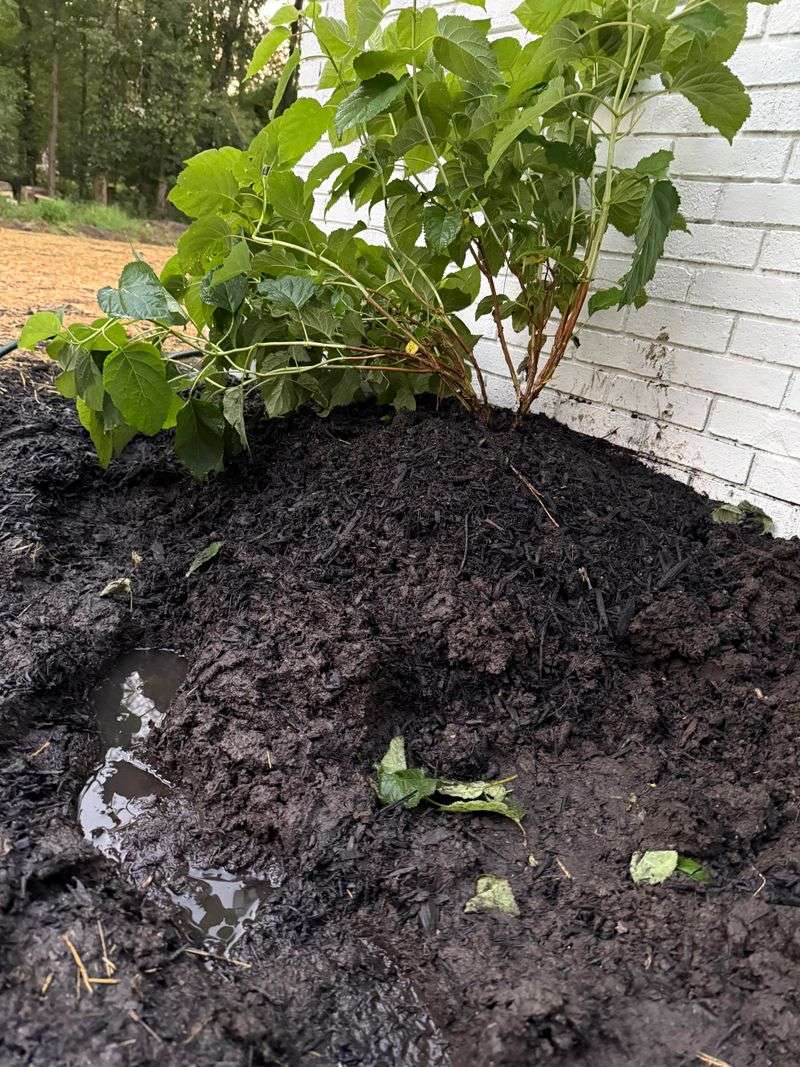
Soggy ground is one of the quickest ways to lose an oakleaf hydrangea. Roots need moisture, but they also need air, and standing water pushes that air out.
Red clay is common across much of Georgia, and it can hold water for a long time after a heavy rain.
Before planting, try a simple drainage test. Dig a hole about a foot deep, fill it with water, and watch how long it takes to drain.
If water still sits there the next day, consider a different spot or a slightly raised bed.
Sandy soil in the coastal plain has the opposite issue, since water can drain away fast. Working in some compost may help sandy soil hold moisture a bit longer.
Here is a helpful tip about amendments.
Many Extension experts suggest using mostly native soil when backfilling a planting hole. Heavy amendments only inside the hole can create a pocket that holds water differently than the surrounding ground, which may keep roots from spreading outward.
Mixing compost into a wider area of the bed tends to work better than filling one small hole with rich mix.
A soil test through your county Extension office can also tell you about pH and nutrients. Results take some guesswork out of planning, and the test is usually affordable.
4. Dig A Wide Hole Without Burying The Root Ball Too Deeply
Wide matters more than deep. Roots tend to spread outward through the top layer of soil, so a broad hole gives them loose ground to explore.
Aim for a hole about two to three times as wide as the root ball, but no deeper than the ball itself.
Setting the plant too low is a common mistake. When soil piles up around the base of the stems, it can hold extra moisture there and invite rot.
Try to keep the top of the root ball level with the surrounding ground, or even slightly above it in heavy clay.
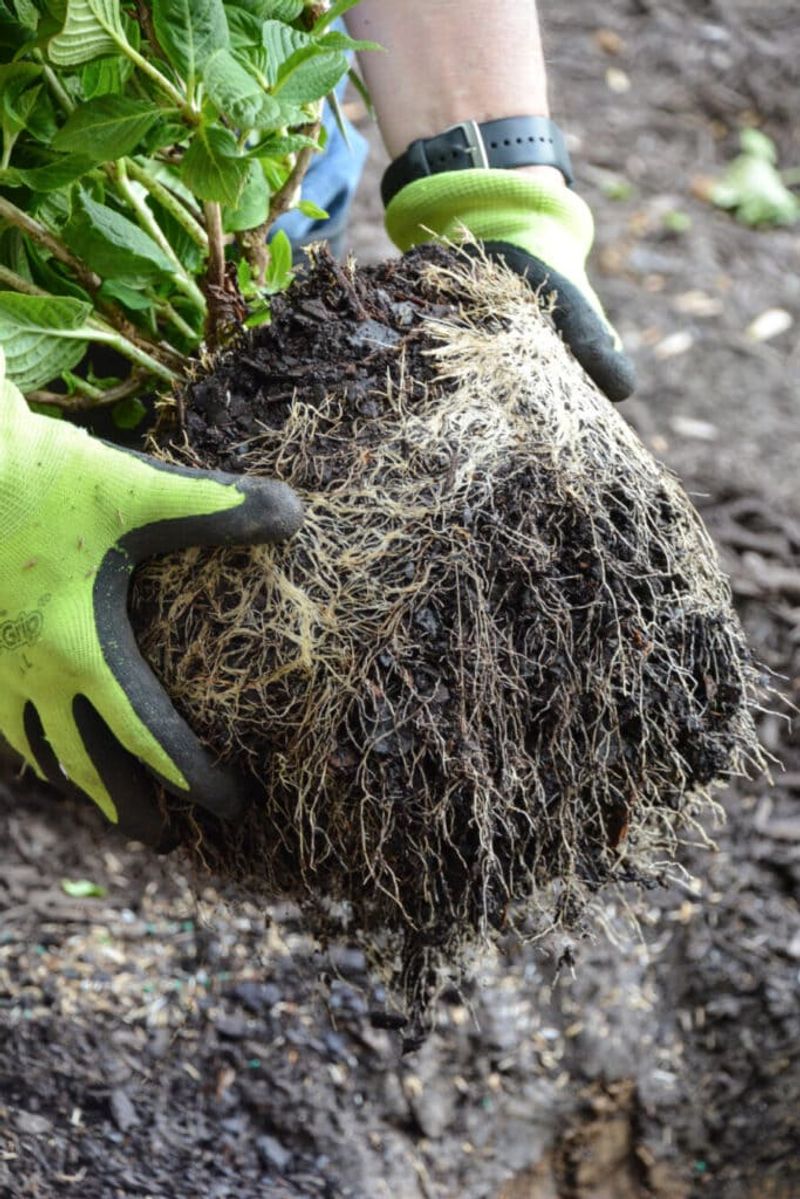
Once the plant is out of its pot, look closely at the roots. If they circle tightly around the outside, gently loosen them with your fingers or make a few shallow cuts.
Loosened roots are more likely to grow out into the new soil instead of continuing to circle.
Backfill with the soil you removed, breaking up large clods as you go. Press it down lightly with your hands to remove big air pockets, but avoid stomping it hard.
A gentle soaking right after planting helps settle the soil around the roots.
Gardeners around Georgia often find fall digging easier on the body, too. Cooler days make yard work far more pleasant than a sweaty July afternoon.
5. Water Regularly While New Plants Settle Into The Soil
Fall rain is never a sure thing. Some autumns in Georgia bring steady showers, while others turn surprisingly dry for weeks at a time.
New shrubs rely on you until their roots reach beyond the original root ball.
Right after planting, check the soil every few days. Push a finger a couple of inches into the ground near the root ball, and water if it feels dry.
Deep, slow watering works better than quick splashes.
A soaker hose or a gently running garden hose lets water sink down to the roots instead of running off. Light sprinkles may only wet the surface and encourage shallow roots.
Overwatering can cause trouble as well, especially in clay. Soil that stays wet all the time may lead to root problems, so let the top layer dry slightly between waterings.
As the weather cools further, you will likely water less often. Plants use less moisture in winter, but dry spells can still happen.
Keep an eye on things through the first spring and summer too.
Most new shrubs need extra water during their first growing season, and sometimes longer, depending on weather and soil. A little attention during that time can help your hydrangea build a stronger root system.
6. Mulch Helps Keep The Root Zone Moist Through Winter
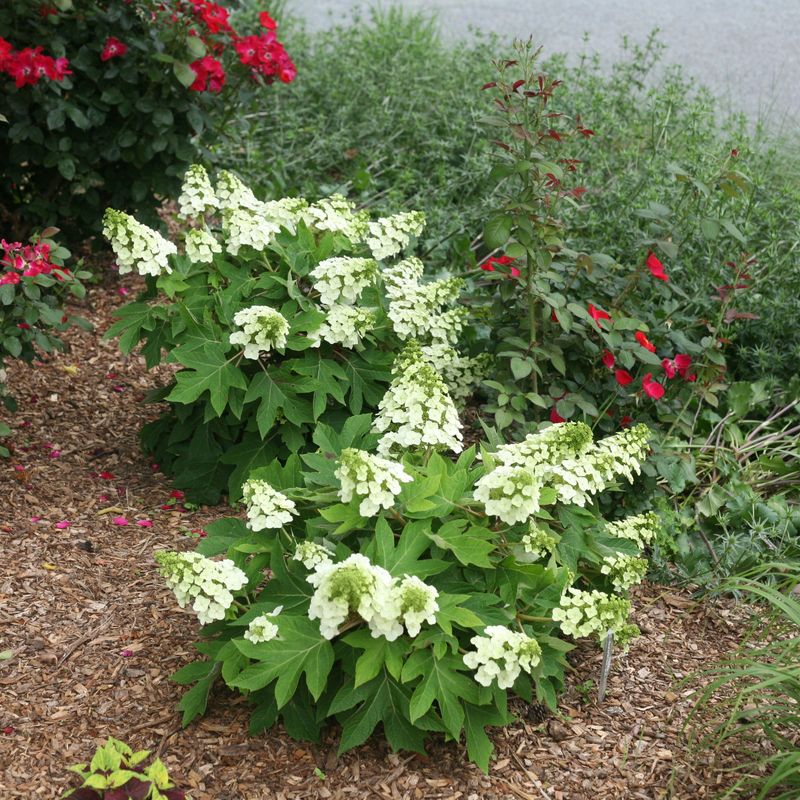
Bare soil dries out fast. A layer of mulch acts like a light blanket, slowing evaporation and helping the ground hold moisture between rains.
Pine straw, shredded bark, and chopped leaves are easy to find in most Georgia neighborhoods.
Spread about two to three inches around the shrub, reaching out at least as wide as the planting hole. Wider coverage protects more of the area where roots will grow.
Keep the mulch a few inches away from the stems, though.
Piling mulch against the base can trap moisture next to the bark and may attract pests. Gardeners sometimes call this a mulch volcano, and it is best avoided.
Winter brings another benefit worth knowing about. Mulch can help moderate soil temperature swings, which may reduce frost heaving in areas that freeze and thaw often.
Weeds also have a harder time breaking through a good mulch layer, so your new shrub faces less competition for water.
Over time, organic mulch breaks down and adds material to the soil. That slow process can gradually improve soil texture, though results depend on what you use and your soil type.
Plan to refresh the layer once a year or so as it thins out.
7. Fall Planting Gives Shrubs Time To Establish Before Summer Heat
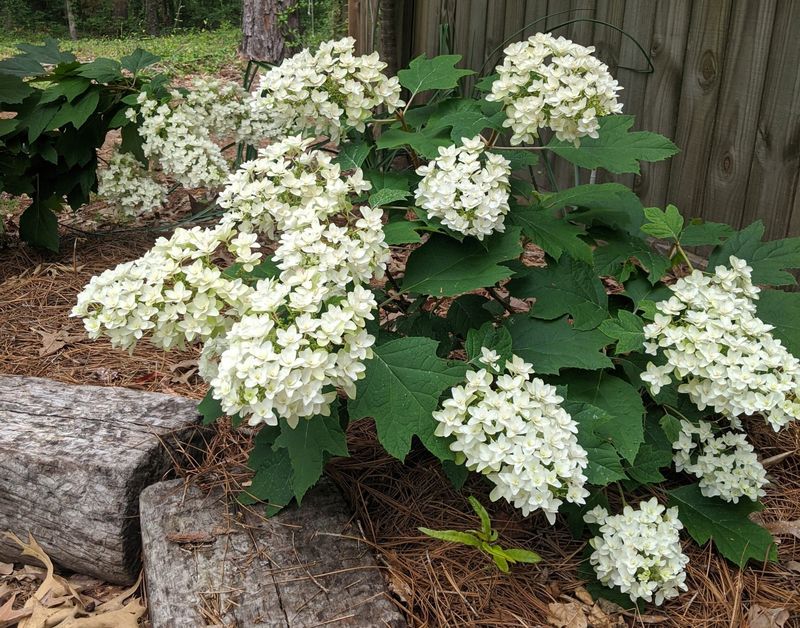
Summer is the real test. Long stretches of heat and humidity can stress almost any young plant, and dry periods can make things harder.
A fall planted shrub has several extra months to grow roots before that test begins.
Compare that with a shrub planted in late spring. It may still be relying on a small root system when the hottest weeks arrive, which often means more watering and more worry.
Roots that spread out over fall, winter, and spring can reach a larger area of soil. A bigger root system may help the plant find water during dry spells, though it will still need help in severe drought.
Patience pays off with this shrub.
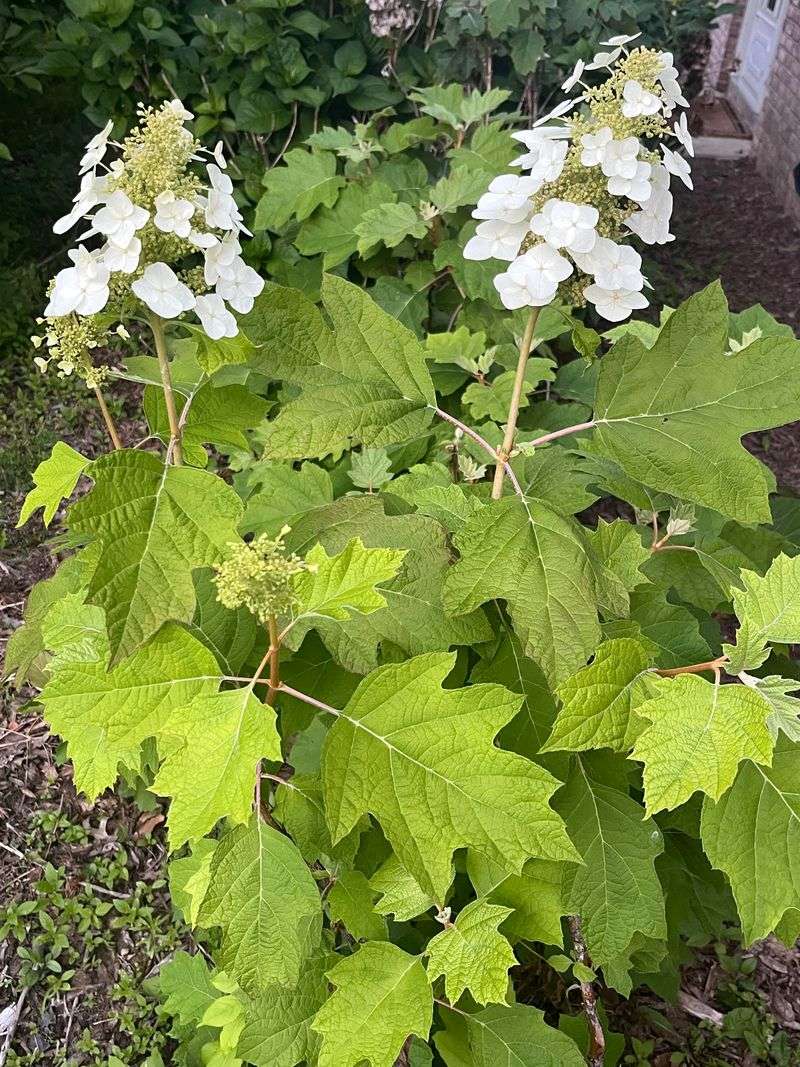
New plants often focus on roots before they put on much top growth. Gardeners sometimes describe the first year as a settling period, with stronger growth and blooming in the years that follow.
Flowering in the first spring may be light, and that is normal.
Across Georgia, from mountain towns to coastal yards, early planning makes summer care easier. A shrub that settles in during cooler months usually handles heat with less trouble than one planted late.
No planting season can promise success, but fall gives your oakleaf hydrangea a strong and practical head start.