9 Ways to Protect Shrubs From Lake-Effect Snow in Michigan
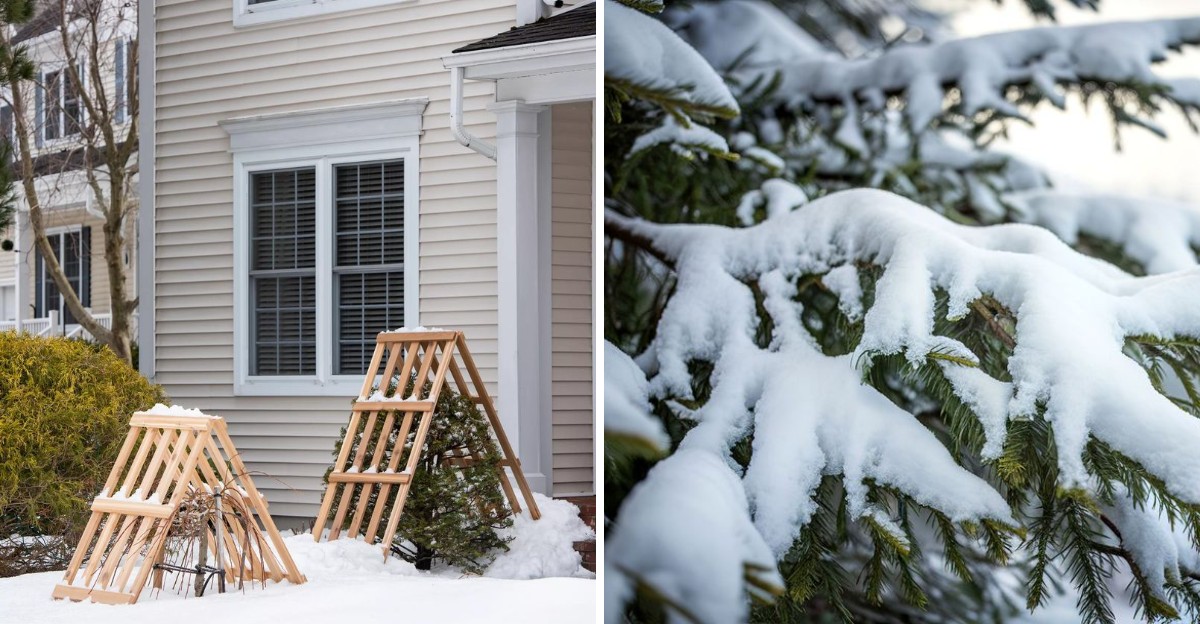
Last winter, one storm off the big lake dropped two feet of snow on my front yard overnight. By breakfast, my favorite evergreen was split down the middle like a cracked open paperback book.
Michigan gardeners know this kind of snow behaves differently from ordinary winter flurries in other states. Cold air grabs moisture from warm lake water and dumps it in heavy, wet bands along the shore.
That heavy blanket bends branches hard, and the bitter wind scorches tender green leaves by early spring. I learned my lesson the hard way, and my yard looks much happier in March now.
October is the sweet spot for getting your shrubs ready in Michigan before the first storm. The nine tricks below cost very little money and can spare your favorite plants a lot of heartache.
1. Wrap Evergreens In A Burlap Jacket

Your evergreens lose water all winter long, even when the ground is frozen solid as a brick. A loose burlap jacket slows that drying wind and keeps needles green instead of crispy brown.
Experts call that brown, toasted look winter burn, and it often shows up on the windy side. Shrubs near roads and driveways also face salt spray, which burlap helps block quite nicely all season.
Wrapping the fabric tight against the branches seems smart, but it can trap moisture and invite mold. Instead, pound three or four wooden stakes into the soil around the shrub before the ground freezes.
Then staple or tie the burlap to those stakes, creating a little fabric fence with open air inside. Leaving the top open lets light and air reach the plant, while the sides take the wind.
Personally, I like a double layer on the west and north sides, where lake winds hit hardest. That extra thickness also helps when wet snow piles up against the fence during a big storm.
Natural untreated burlap breathes well and costs only a few dollars per yard at most garden centers. Early October is a fine time to buy it, though most gardeners wait until late November to install.
Once spring warms up and the threat of hard freezes passes, remove the burlap so new growth breathes. Fold it up and store it dry, and that same fabric can protect your shrubs for several winters.
2. Build A Sturdy A-Frame Shelter
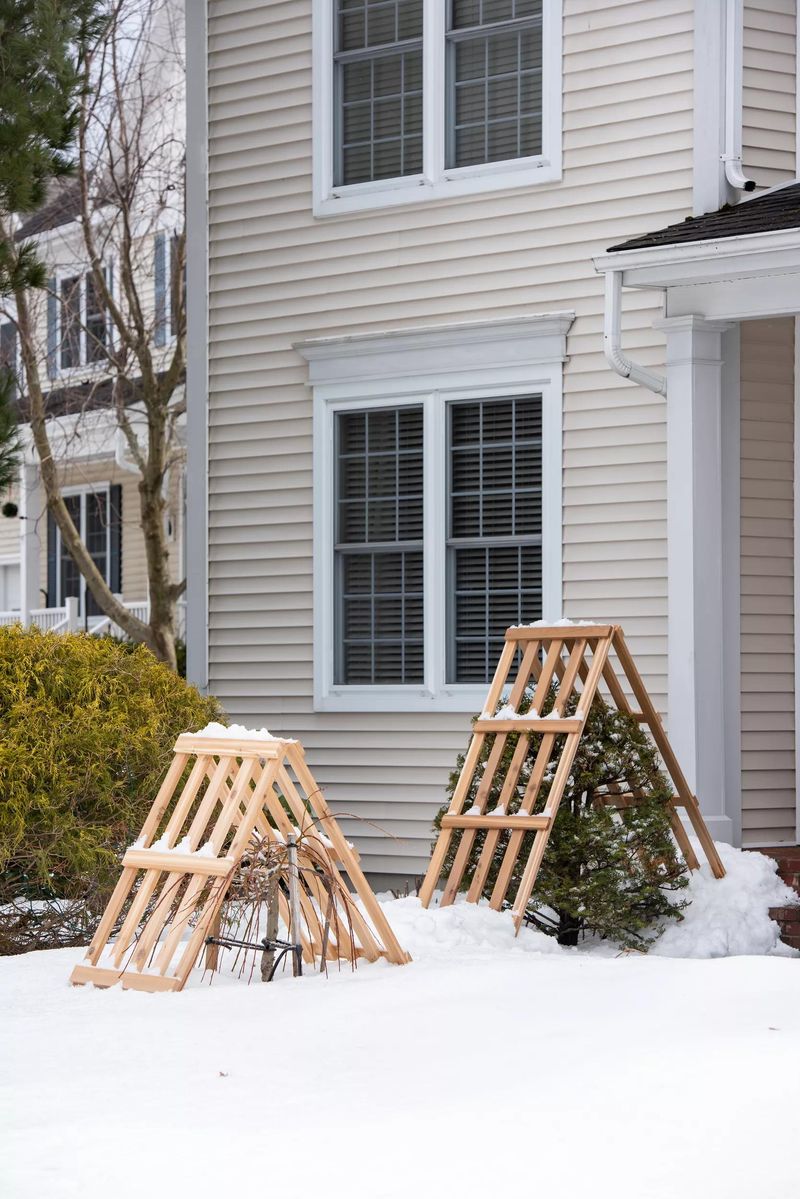
Ever watched a sheet of snow slide off your roof and flatten the shrubs below in one heavy whoosh? A simple wooden A-frame stops that avalanche cold and lets the snow slide harmlessly to the side.
Lake-effect snow is often wet and heavy, so a single foot can weigh far more than fluffy powder. Branches under that load often crack or get pushed out of shape for several seasons afterward.
Building one is easier than it sounds, even for someone who rarely picks up a hammer. Take two pieces of plywood or a few boards, then hinge or screw them together at the top.
Set the frame over your shrub like a tiny tent, leaving a few inches of space all around. Branches should not touch the boards, because snow pressing on the frame could still bend them inside.
Slatted designs with gaps between boards let light and air in while still shedding most falling snow. I believe these work best for foundation plantings tucked right under a steep roof line or eave.
A solid frame does double duty, since it also blocks drying winter winds that pull moisture from leaves. Anchor it with stakes or bricks so a strong gust off the lake does not send it tumbling.
October is the perfect month to build your frames, while the weather is mild and your fingers work. Paint them a soft green or brown, and they blend into the winter yard instead of looking clunky.
3. Bundle Upright Branches With Soft Ties
Tall, skinny evergreens have a sneaky weakness that shows up after the first heavy storm of the season. Their many upright stems catch snow like open arms, then splay outward and sometimes split right down the center.
Arborvitae and upright junipers are the usual victims, especially varieties with several main trunks instead of one. Once those stems bend apart, they rarely spring back to their neat, narrow shape without some help.
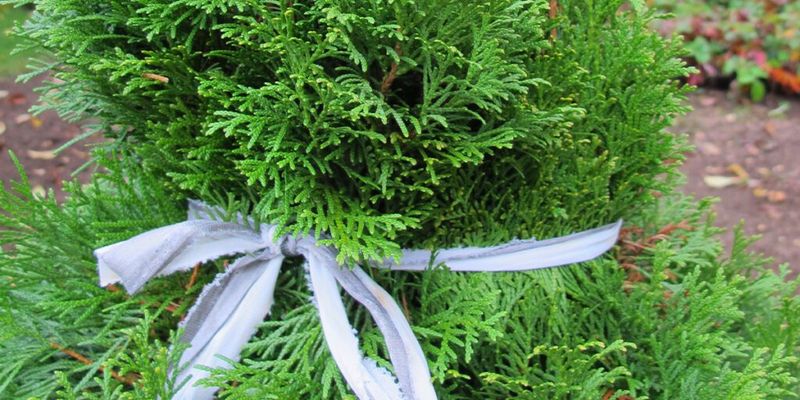
Tying the branches together makes the plant slimmer, so less snow lands on it in the first place. You need soft material for this job, like strips of burlap or wide bands of old cotton cloth.
Start near the bottom, tie the end to a sturdy stem, and spiral your way upward around the shrub. Keep the wraps snug but not tight, about like a comfy scarf on a chilly morning walk.
Skip wire or thin nylon cord, because those can cut into bark when wind rocks the plant back and forth. For very tall shrubs, a wooden stake driven beside the trunk gives extra backbone during gusty storms.
Most gardeners tie up their shrubs in late fall, after leaves drop but before snow starts flying. I like doing mine on a calm November afternoon with a warm mug of cocoa close by.
Come spring, snip those ties off promptly so they do not girdle stems as the plant starts growing. Your shrub will stretch back into shape and look tidy instead of lopsided for the whole season.
4. Seal In Moisture With Anti-Desiccant Spray

Anti-desiccant spray works a lot like lip balm for your shrubs during the harsh, chapping months ahead. It coats leaves with a thin, waxy film that slows the water they lose to wind and sun.
Frozen ground locks water away from roots, yet evergreen leaves keep releasing moisture all winter long. That mismatch leads to winter burn, the crispy brown patches that make spring shrubs look so sad.
Broadleaf evergreens such as boxwood and rhododendron tend to benefit most from a good seasonal coating. Their wide leaves have more surface area, so they lose water faster than narrow needles do.
Timing matters here, so wait until late fall when plants are dormant instead of spraying in early October. Pick a day above 40 degrees Fahrenheit with no rain or frost expected for at least 24 hours.
Spray both the tops and undersides of the leaves, since many of the tiny breathing pores sit underneath. Some products suggest a second coat in midwinter during a warm spell, so read the label carefully.
I can’t imagine relying on spray alone, and research results on these products are honestly mixed. Think of it as a helpful extra layer rather than a magic shield against every winter problem.
Pair it with deep fall watering and a cozy mulch layer, and your shrubs have a much better shot. Avoid spraying blue-needled conifers like blue spruce, because the coating can dull their frosty color.
5. Prune Smart Before The Snow Flies
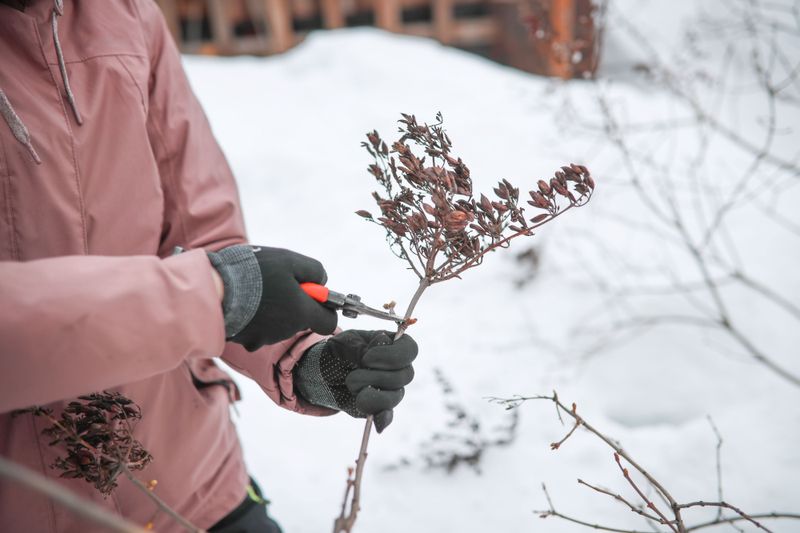
Grabbing the pruners in October feels productive, but heavy cuts now can backfire in a big way. Fresh cuts can wake up buds and push tender new shoots right before the first hard freeze arrives.
That soft growth has no time to toughen up, so cold snaps often leave it brown and brittle. Your shrub then spends energy repairing damage instead of resting quietly through the long winter months.
Light pruning is a different story, and some fall snipping can prevent snow damage later on. Look for broken or diseased branches that might snap under a heavy load of wet lake snow.
Removing them now means fewer jagged tears later, and jagged tears heal far slower than clean cuts. Cut just outside the branch collar, that slightly swollen ring where a branch meets the main limb.
Branches that rub together or form narrow V-shaped crotches also tend to split when snow piles on. Mark them with a bit of bright ribbon now, and plan to handle the bigger cuts in late winter.
Personally, I love dormant pruning because bare branches show the whole skeleton of the shrub so clearly. Late winter or very early spring gives the plant a fresh start just before it pushes new growth.
Spring-blooming shrubs like lilac and forsythia set flower buds in summer, so prune them right after blooming instead. Cutting those in fall means trading next year’s flowers for a tidier shape, which feels like a poor bargain.
6. Tuck Roots Under A Thick Mulch Blanket
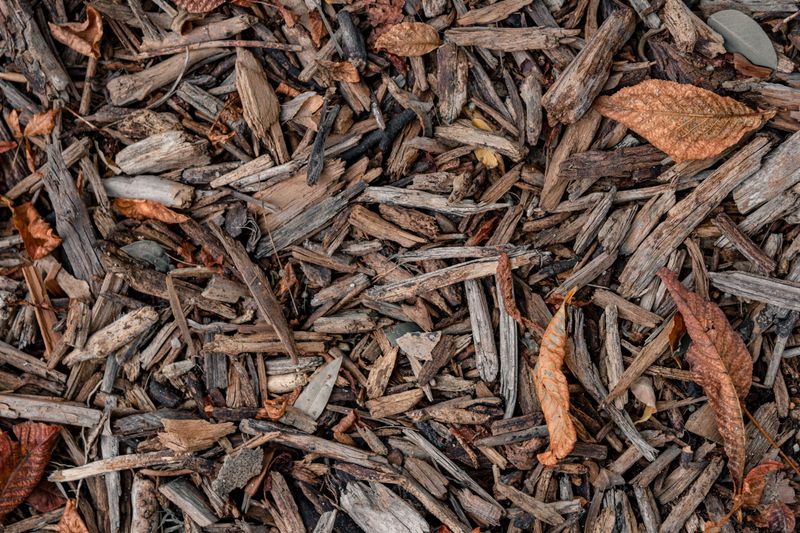
Roots get forgotten in winter planning, yet they quietly do the hardest work keeping your shrubs alive. A fluffy layer of mulch acts like a down comforter, holding steady warmth in the soil below.
Lake-effect regions often see wild temperature swings, with thaws one week and deep freezes the next. Those cycles can heave soil upward and tear tiny roots, especially on young shrubs planted this year.
Spread two to four inches of organic mulch over the root zone, reaching out toward the drip line. Shredded leaves and wood chips both work beautifully, and fallen October leaves are free for the raking.
Keep the mulch pulled back a few inches from the trunk, like a donut instead of a volcano. Mulch piled against bark holds moisture and invites rot, along with mice looking for a cozy winter home.
Before mulching, give each shrub a long, deep drink, because moist soil holds heat better than dry soil. Keep watering weekly through fall whenever rain is scarce, right up until the ground starts to freeze.
I believe this single step does more for winter survival than any fancy product sold at the store. Well-hydrated roots can keep supplying leaves with moisture during mild spells when the soil briefly thaws.
Many gardeners wait until the top inch of soil freezes before adding the final layer of mulch. That trick keeps the ground cold and stable, so roots stay snug and sleepy until spring arrives.
7. Steer Drifts Away With Snow Fences
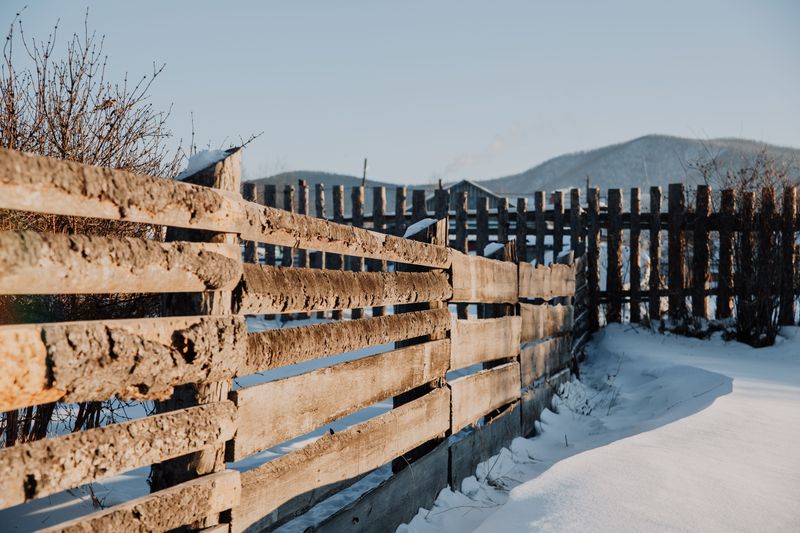
Wind is the sneaky sculptor of winter, carving huge drifts exactly where you least want them. One blustery night can bury a row of shrubs under a frozen dune taller than your mailbox.
Snow fences work by slowing the wind, which makes snow drop out of the air downwind of the fence. Placed correctly, that drift forms in a harmless spot instead of on top of your favorite plantings.
Set your fence at a right angle to the prevailing winter wind, which often blows from the west. Watch where drifts formed last year, because nature already gave you a free map of the trouble spots.
Leave a generous gap between the fence and your shrubs, since the biggest drift forms behind the fence. Many extension guides suggest a distance of several times the fence height to keep plants out of the pile.
Classic orange plastic fencing and old-fashioned wooden slat fencing both do the job in open, windy yards. Burlap stretched between sturdy posts also works for smaller beds, and it looks a bit more natural.
You’re in for a big surprise once you try a living snow fence made from rows of dense shrubs. Native picks like American cranberrybush viburnum or red osier dogwood catch snow and feed birds in winter.
Early October is a smart time to install posts, since the ground is still soft and easy to dig. Wait much longer, and you could be pounding stakes into frozen dirt with numb fingers in a snow squall.
8. Sweep Snow Upward With A Soft Broom
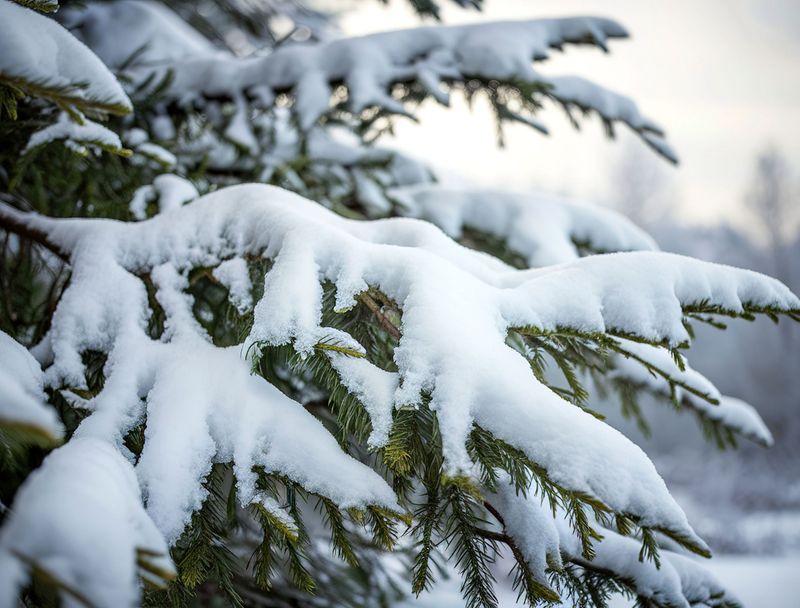
A soft kitchen broom might be the most underrated winter garden tool sitting in your closet right now. After a heavy lake-effect dump, a few gentle sweeps can save branches that are bowing toward the ground.
Speed matters, because fresh snow is light enough to brush away before it settles and freezes into a crust. Wet snow can grow heavier as it sits, especially when temperatures hover right around the freezing mark.
The trick is to sweep upward, lifting each branch softly from underneath instead of whacking down from above. Downward strokes add extra force to limbs already straining under weight, and that is how cracks happen.
For tall shrubs, a long pole with a padded tip helps you reach high branches without climbing anything. Take your time and move slowly, because frozen wood is brittle and snaps far more easily than summer wood.
Ice is a different beast, and this is one moment when doing nothing is the smartest move. Branches glazed in ice can shatter when you shake them, so let the coating melt naturally instead.
Personally, I find it hard to resist knocking that sparkling ice off, but patience pays off in the end. Many branches bend under ice and spring back slowly once the sun warms them a few degrees.
Keep snow from the driveway and roof out of your shrub beds whenever you shovel or run a snowblower. Plowed snow is often packed with salt and gravel, which adds both weight and stress to tender roots.
9. Shield Broadleaf Evergreens From Sun And Wind
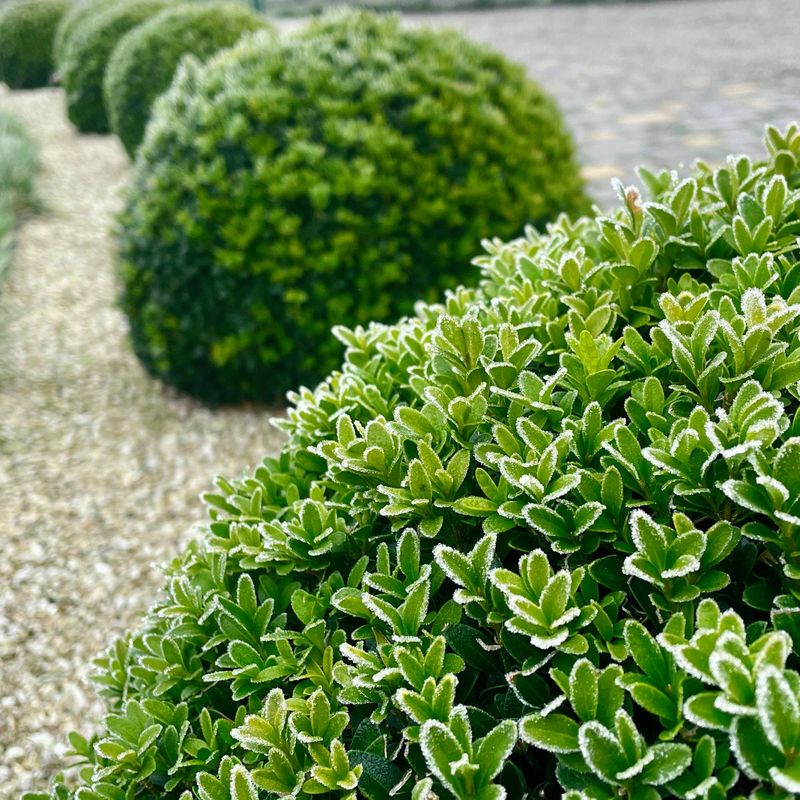
Your rhododendron curling its leaves into tight little tubes on a frigid morning is actually a clever survival move. Curled leaves expose less surface to the cold, drying air, but they still need your help to stay healthy.
Broadleaf evergreens like boxwood and holly keep their leaves all year, and those leaves keep losing water. When the ground freezes, roots cannot replace that moisture, so foliage slowly turns brown and scorched.
Bright winter sun bouncing off snow makes things worse, warming leaves on sunny days and speeding water loss. Damage often shows up first on the south and west sides, where sun and wind hit hardest.
Location helps a lot, so plant future broadleaf shrubs on the north or east side of your house. Existing plants in exposed spots benefit from a burlap screen placed on the windward side before December storms.
Shade cloth or a simple board propped on the sunny side can also cut harsh glare off the snow. Keep any covering a few inches away from the leaves so air can move freely around the plant.
Deep watering this month matters even more for these shrubs, since their leaves draw on moisture all winter. Soak the root zone slowly once a week until the ground freezes, especially after a dry stretch of weather.
I like choosing hardy varieties suited to your zone, because a tough plant needs less fussing each fall. Michigan State University Extension offers helpful plant lists that point you toward shrubs ready for Michigan winters.