Why Georgia Gardeners Should Consider Planting Native Asters This Fall
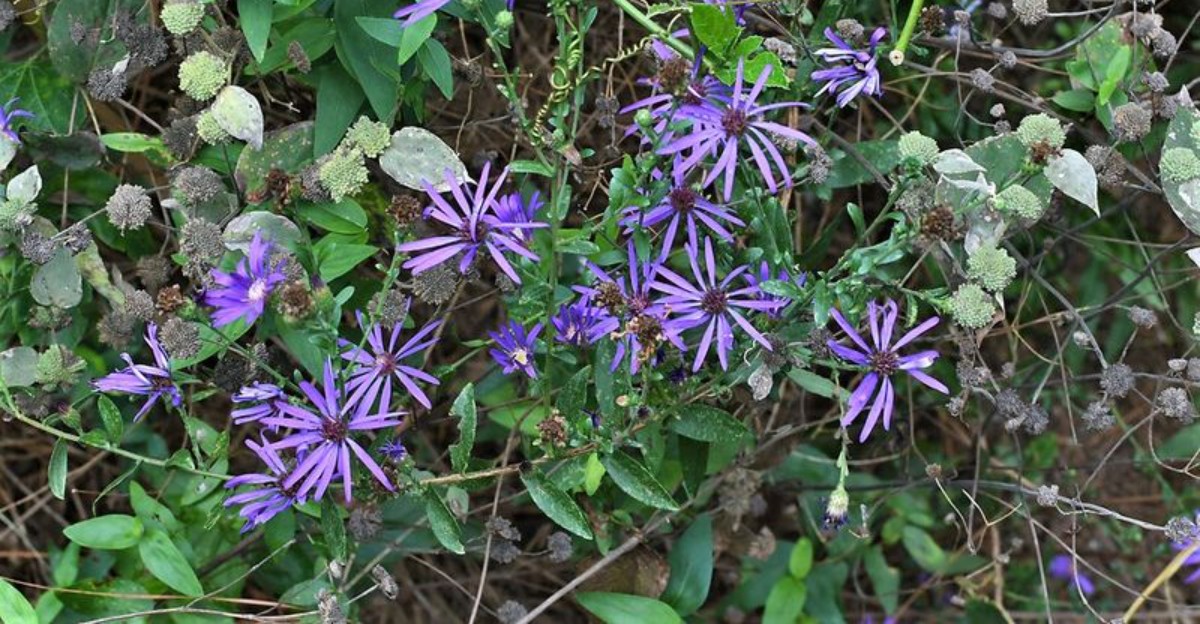
Some garden flowers are already finished for the season when asters begin showing off their colorful blooms. Their purple, blue, pink, or white flowers can bring fresh interest to planting beds that have started looking tired.
And their appeal goes well beyond what you see from the porch.
Native asters provide important late-season nectar for bees, butterflies, and other pollinators when fewer flowers are available.
For Georgia gardeners, fall can also be a useful time to establish suitable perennial plants while temperatures become more comfortable.
But not every aster belongs in the same spot.
Different native species vary in height, moisture preferences, and sunlight requirements, so choosing carefully can save you frustration later.
If you’ve been looking for flowers that contribute more than seasonal color, native asters deserve a closer look before you finish your fall planting plans.
1. Fall-Blooming Asters Bring Color When Many Flowers Are Fading
Late September can make a garden look like it ran out of steam. Zinnias get ragged, coneflowers turn to seed, and the bright summer show starts to slip away.
Asters wait for exactly that moment to shine.
Most native species in Georgia bloom from late summer into fall, though timing shifts with the species and your part of the state. Mountain gardens may see flowers a bit earlier than yards near the coast.
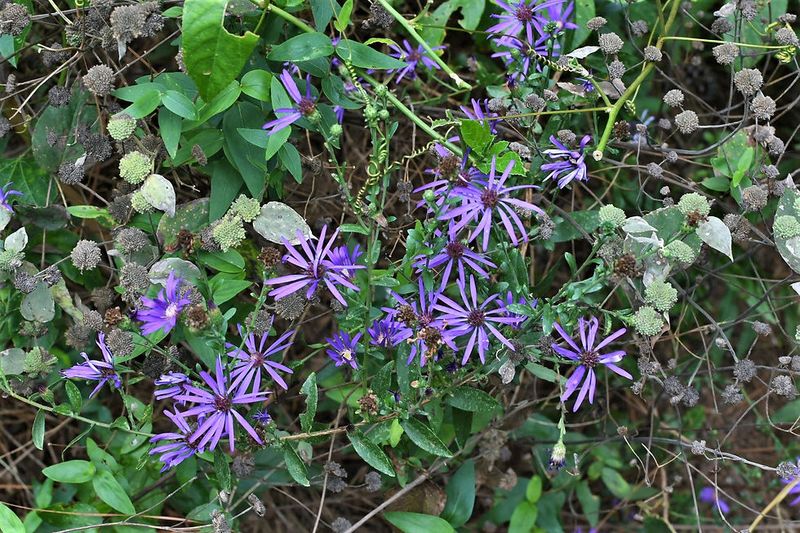
Colors usually run from deep purple and lavender to sky blue and soft white.
Each small flower has a yellow center that often turns reddish as it ages. That mix of colors on one plant gives a lively, speckled look up close.
Pairing asters with goldenrod is a classic fall combination worth copying. Purple and gold sit opposite each other on the color wheel, so they make each other pop.
Ornamental grasses like little bluestem also look good beside them as the grass turns copper.
Expect bloom length to vary by season. Drought, heavy shade, or very rich soil can shorten the show or make plants floppy.
Trimming some taller kinds back by about a third in early summer can help keep them bushier, though it may push flowering a little later. Skip that step on compact types that already stay tidy.
2. Late-Season Blooms Provide Nectar For Bees And Butterflies
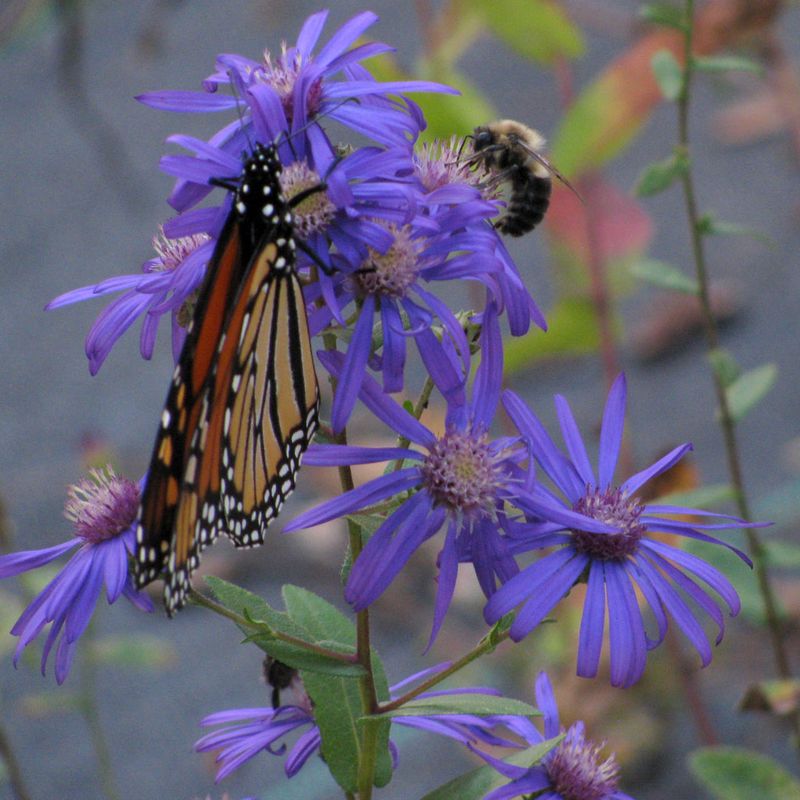
Spend ten quiet minutes beside a blooming aster on a warm fall afternoon. You will probably see bumblebees, small native bees, flies, and butterflies taking turns on the flowers.
Late-season nectar matters because fewer plants are flowering then.
Bumblebee queens feed heavily in fall before settling in for winter. Asters, along with goldenrod, are among the more dependable food sources for them during that stretch.
Monarchs pass through Georgia on their fall migration toward Mexico, and they often stop at blooming asters to refuel.
Skippers, sulphurs, and buckeyes are other visitors you might notice. What shows up depends on your area, nearby habitat, and the weather that week.
Asters also serve as host plants for the pearl crescent butterfly, whose caterpillars feed on the leaves.
Your Georgia Garden Changes Every Week. Your Plan Should Too.
Gardening in Georgia changes quickly throughout the season. Every Friday you’ll receive a simple weekly plan showing exactly what to plant, prune, fertilize, harvest, and protect so you never miss the right timing.
A few chewed leaves are part of that deal and rarely harm a healthy plant. Try to hold off on insecticides, since sprays can harm the same pollinators you hope to attract.
Planting in groups rather than single plants tends to make flowers easier for insects to find.
Sunny, sheltered spots usually draw the most activity on cool days. Pollinators warm up faster there, so mid-morning through afternoon is often the busiest time to watch.
3. Georgia Asters And Calico Asters Offer Different Growing Options
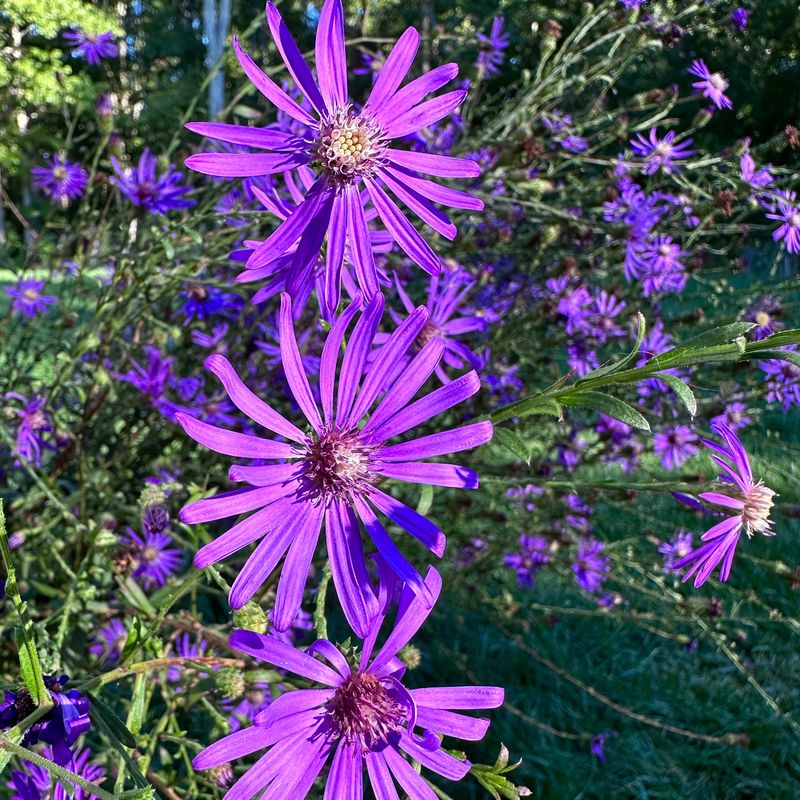
Two native asters could hardly look more different. One has big, bold purple flowers, while the other is covered in tiny white blooms.
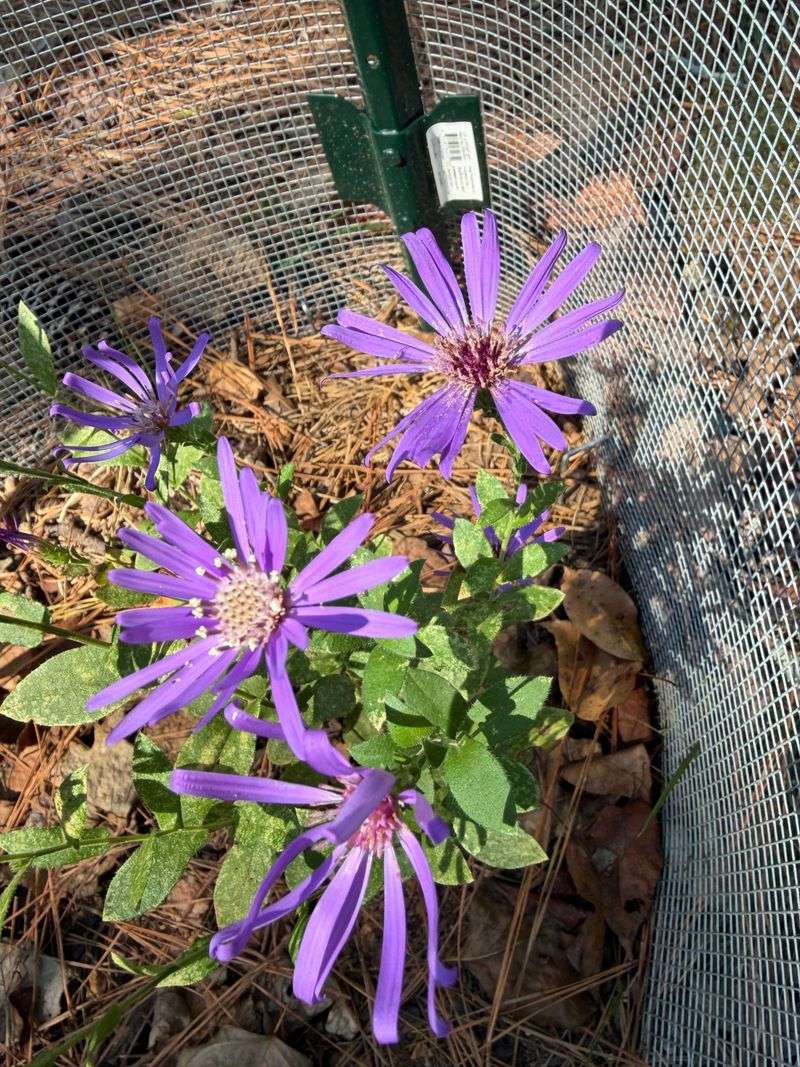
Georgia aster, Symphyotrichum georgianum, carries some of the largest flowers among native asters, with rich violet petals.
Gardeners in Georgia often like it for sunny, fairly dry spots with well-drained soil. It is uncommon in the wild, so buy nursery-grown plants from reputable native plant sellers and never dig from wild populations.
Calico aster, Symphyotrichum lateriflorum, takes a different approach.
Its flowers are small and white, with centers that shift from yellow to purplish red. Plants tend to handle partial shade and moister soil better than many sun-loving asters.
Size is another difference to plan around. Georgia aster can sprawl and lean, while calico aster often forms a bushy, airy mound.
Neither one is right or wrong, since each fits a different kind of garden spot.
Other natives worth a look include aromatic aster for dry, sunny ground and New England aster for moist, sunny beds. Local native plant societies and Extension offices can help you match choices to your region.
Plant labels sometimes use old scientific names like Aster, so checking both names avoids confusion.
4. Cooler Fall Weather Helps New Perennials Establish Roots
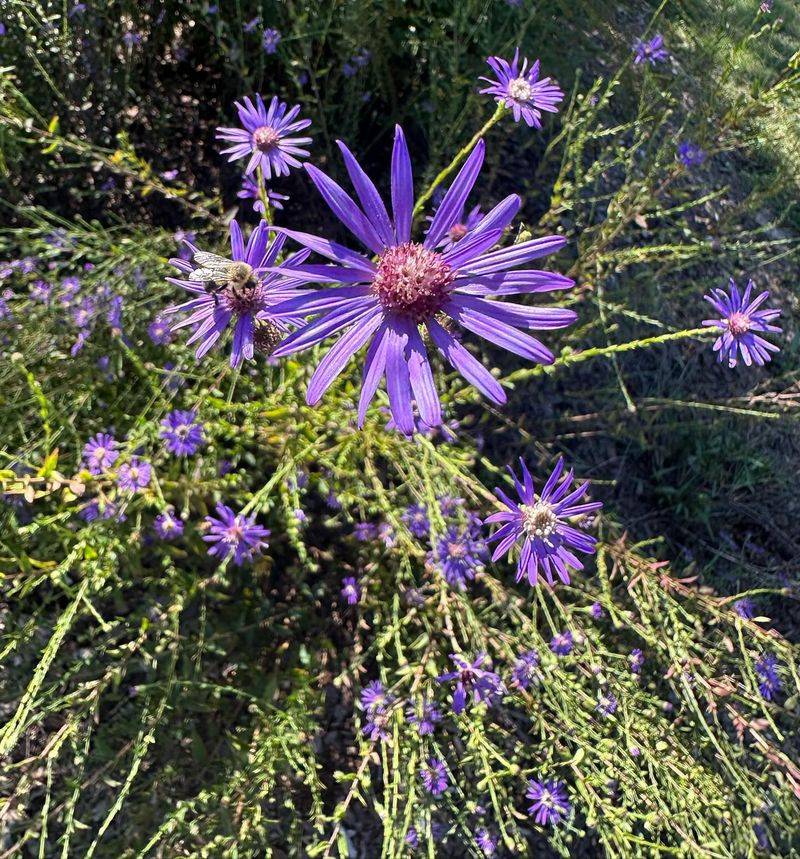
Summer planting in the South can feel like a fight against the sun. Fall changes that, and roots tend to benefit the most.
Cooler air means less stress on leaves, so plants lose less water each day.
Soil often stays warm for a while after air temperatures drop. That warmth lets roots keep growing even as top growth slows down.
Across Georgia, fall planting gives perennials months to settle before the next summer heat arrives.
Winters here are mild in much of the state, especially in the Piedmont and coastal plain. Mountain areas get colder sooner, so planting earlier in fall gives roots more time there.
Results still depend on weather. A dry autumn or an early hard freeze can slow progress, so keep an eye on conditions.
Small potted plants usually adjust well. Gently loosen circling roots before setting them in the hole at the same depth they grew in the pot.
Skip heavy fertilizer at planting time, since most native asters do fine in average soil.
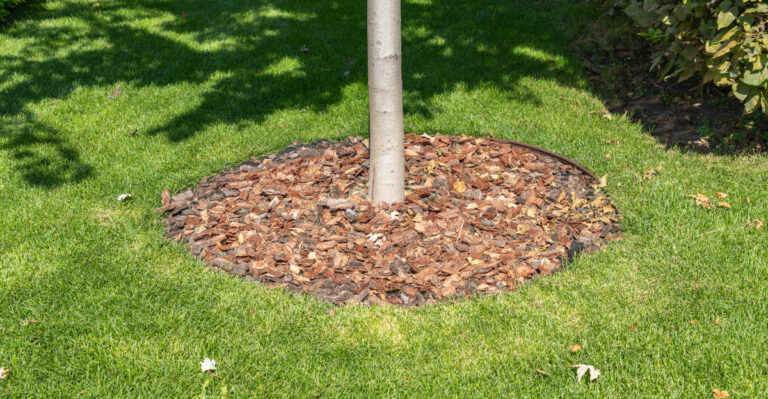
A light layer of mulch helps hold moisture and evens out soil temperature. Keep it pulled back a little from the stems to reduce the chance of rot.
5. Match Sunlight And Soil Moisture To The Variety You Choose
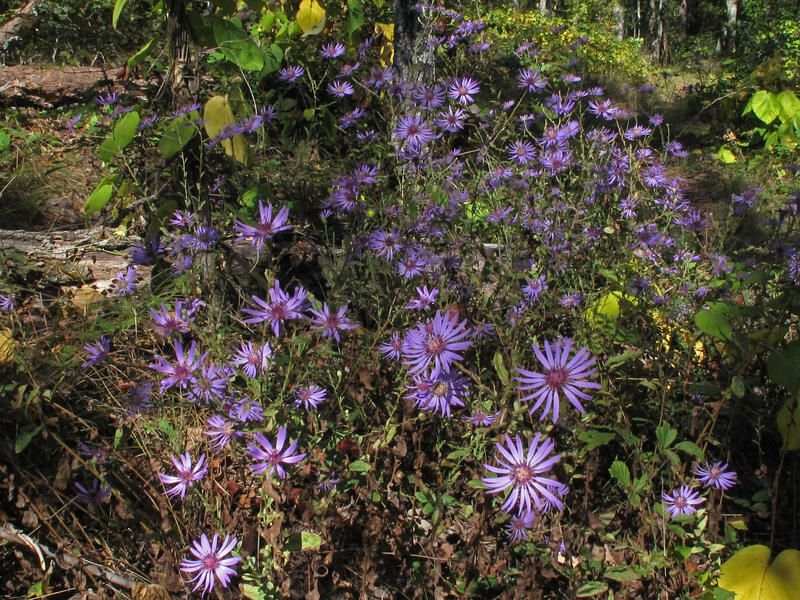
Right plant, right place sounds simple until you watch an aster flop in the wrong spot. Light and moisture shape how well each type performs.
Start by watching your yard for a full day.
Note which areas get six or more hours of direct sun and which stay shaded by trees or buildings. Most showy asters prefer full sun, while a few, like calico aster, accept partial shade.
Soil moisture matters just as much.
Aromatic aster and Georgia aster generally like well-drained ground and handle dry spells once settled. New England aster usually does better where soil stays evenly moist.
Red clay is common in Georgia and can hold water after heavy rain.
Working in some compost can improve drainage over time, though it will not change clay overnight. Raised beds or gentle mounds help in spots where water tends to sit.
Too much shade often leads to leggy stems and fewer flowers.
Overly rich, wet soil can also cause tall plants to lean. Powdery mildew may show up on some asters, especially with poor air flow, so give plants room to breathe.
A soil test through your county Extension office can tell you pH and nutrient levels. It takes guesswork out of the process.
6. Water New Plantings Until Their Roots Become Established
Native does not mean no care on day one. Young asters still need help while their roots spread into new soil.
Right after planting, give each plant a deep, slow soak.
After that, check soil moisture a couple of times a week by pushing a finger about an inch or two into the ground. Water when it feels dry, and skip it when the soil is still damp.
Rain changes everything, so let the weather guide you rather than a strict calendar.
Fall in Georgia can bring long dry stretches, and those are the times new plants need you most. A soaker hose or watering can at the base keeps leaves drier than overhead spraying.
Overwatering causes trouble too. Soggy soil, especially in heavy clay, can lead to root rot.
Expect to keep checking through the first growing season, including next spring and summer.
How long establishment takes varies with plant size, soil, and weather. Once plants put on steady new growth and handle short dry spells without wilting, you can usually water less.
Even established asters may appreciate a drink during a long summer drought. Watch for drooping leaves in the morning as a clue.
7. Leave Some Stems And Seedheads Standing Through Winter
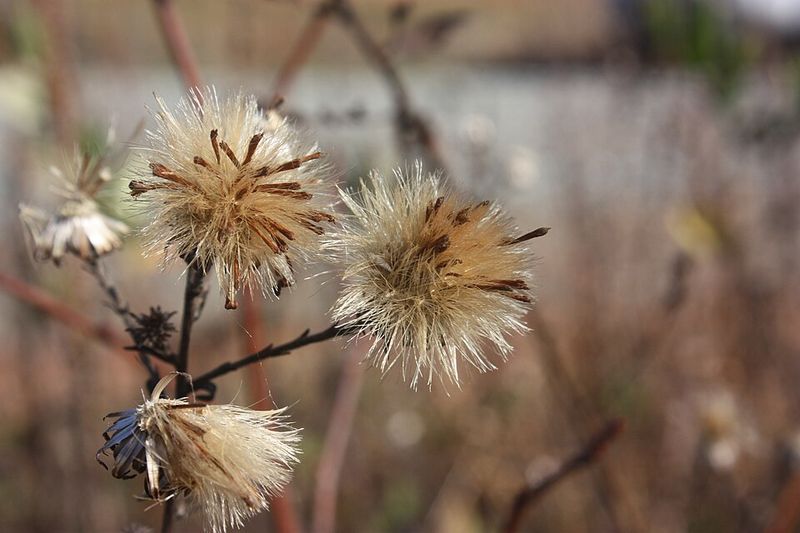
Cutting everything to the ground in November might look neat, but it removes a lot of value. Fluffy aster seedheads have their own quiet charm.
Birds such as finches and sparrows may pick at the seeds through late fall and winter.
Hollow and standing stems can also offer shelter for some insects. Certain native bees nest in old plant stems, though which species use them varies.
Leaving stems also helps you remember where perennials are planted, so you do not dig into them by accident.
Tidy gardeners can find a middle ground. Leave some plants standing and trim the ones near paths or front walkways.
Seedheads do have a downside to consider.
Some asters reseed freely, and you may find extra seedlings next spring. Pull or share them, or cut a few seedheads if spreading becomes a problem.
Late winter to early spring is a common time to cut old stems back in Georgia, before new growth gets tall.
Cutting stems into shorter pieces and leaving them in the bed can keep some habitat in place. If disease showed up on leaves, removing that debris may be the better choice.