Why Georgia Gardeners Should Test Their Soil Before Adding Lime This Fall
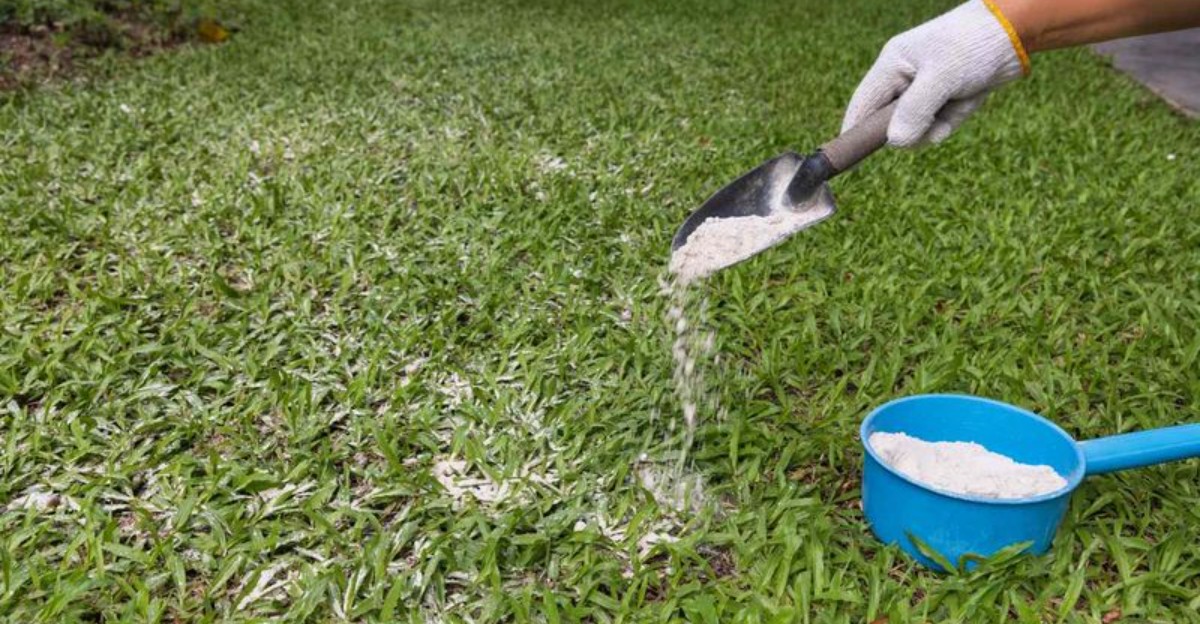
Lime has a reputation for improving garden soil, so it’s tempting to spread some whenever plants seem to be struggling. But adding it without knowing what your soil needs can create problems instead of solving them.
Not every garden benefits from a higher soil pH.
Georgia soils vary considerably, and even neighboring yards can have different conditions. Some plants prefer acidic soil, while others grow better when the pH is closer to neutral.
That means a treatment that helps one planting bed could make nutrients harder for plants to access in another.
Fall gives you an opportunity to evaluate your soil before the next growing season begins.
Rather than guessing based on yellow leaves or disappointing growth, a soil test can help you understand what’s happening underground. Knowing the results makes it easier to decide whether lime belongs in your garden at all.
1. Acidic Soil Does Not Always Need Lime
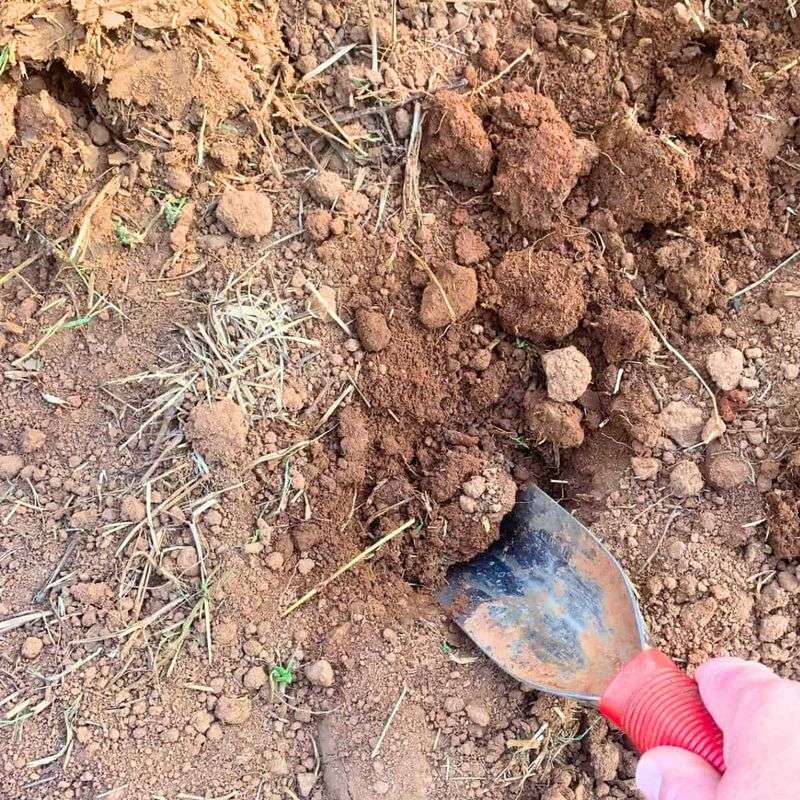
Low pH alone is not a reason to lime. Plants vary a lot in what they like, and some grow happily in soil that a pH chart might label as acidic.
Plenty of vegetables and lawn grasses do well in slightly acidic ground, often somewhere in the low to mid 6 range.
Centipedegrass is a good example in Georgia, since it tends to prefer more acidic soil than other common turf types. Liming a centipede lawn to suit a different grass can actually work against it.
Your soil test result usually includes a recommendation based on what you plan to grow. That matters more than the pH number by itself.
Some yards also hold acidity in a way that resists change, while others shift easily. A lab looks at buffering capacity, which a simple pH strip cannot measure.
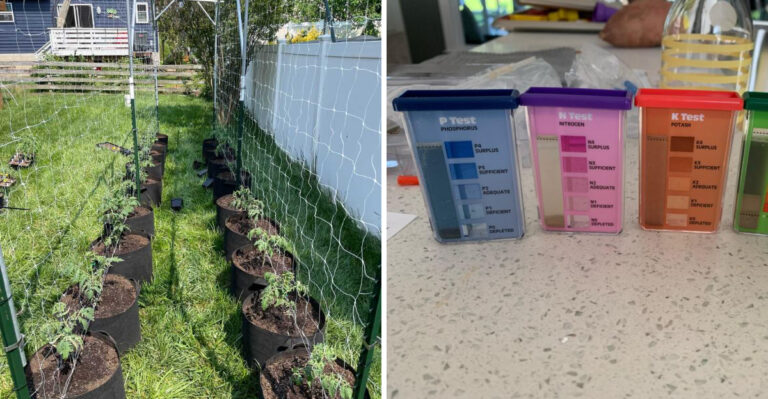
Home test kits can give a rough idea, but they often miss the details needed to decide on lime.
Picture two neighbors with the same pH reading. One might need a modest amount of lime, and the other might need very little or none, depending on soil type and plant choice.
Skipping lime when it is not needed saves you money and labor. It also keeps your soil chemistry steady for the plants that already thrive there.
2. Adding Too Much Lime Can Make Nutrients Harder To Absorb
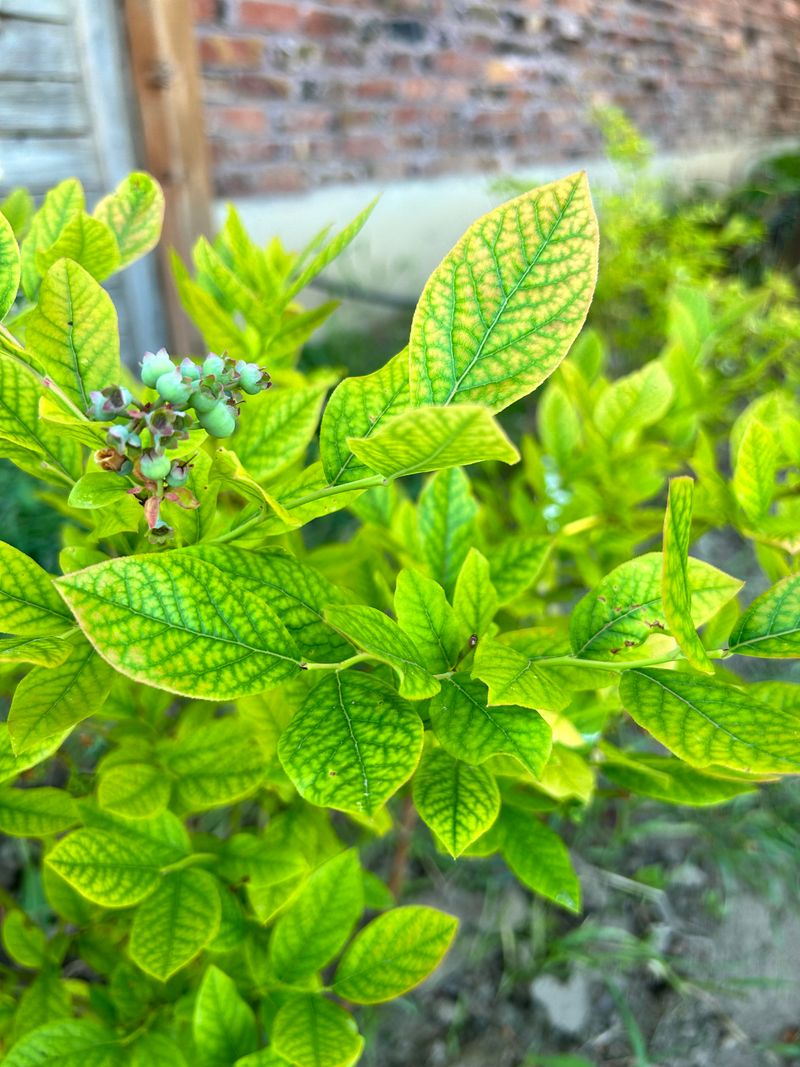
More lime is not better lime. Once soil pH climbs too high, certain nutrients become less available to roots, even when they are still present in the ground.
Iron, manganese, and zinc are common examples that can become harder for plants to take up in alkaline soil.
You might notice yellowing leaves with green veins, which can point to an iron shortage. Still, yellow leaves have several possible causes, including poor drainage or low nitrogen, so a test helps narrow things down.
Phosphorus can also behave differently as pH shifts. It tends to be most available in a moderate range rather than at either extreme.
Fixing over-limed soil is slow and often frustrating.
Lowering pH usually involves adding elemental sulfur, and results can take months. Rates depend on soil type, so guessing is risky here too.
Your Georgia Garden Changes Every Week. Your Plan Should Too.
Gardening in Georgia changes quickly throughout the season. Every Friday you’ll receive a simple weekly plan showing exactly what to plant, prune, fertilize, harvest, and protect so you never miss the right timing.
Gardeners in Georgia sometimes add lime every fall out of routine. Over several years, that can quietly push pH higher than plants prefer, especially in small beds that get repeated treatments.
A soil test every couple of years gives you a clear picture before problems build up.
Think of lime as a tool for a specific job. When the report says your soil needs it, use the recommended amount, and when it says otherwise, leave the bag closed.
3. Azaleas And Blueberries Prefer More Acidic Growing Conditions
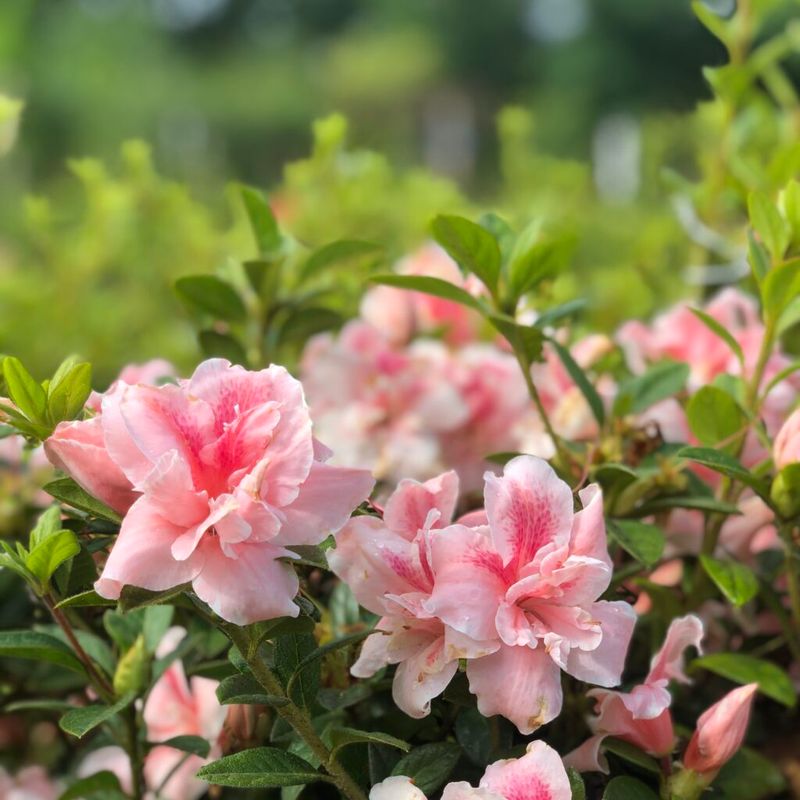
Spread lime near your azaleas, and you may regret it next spring. These shrubs are known for liking acidic soil, and raising the pH around them can cause problems.
Blueberries share that preference, and they are a favorite backyard fruit in Georgia.
Rabbiteye and southern highbush types generally do best in soil that is clearly acidic, often lower than what vegetables want. When pH drifts upward, they may show yellow leaves and weaker growth.
Camellias and rhododendrons also tend to favor acidic ground. Gardeners often plant these shrubs near lawns or vegetable beds, which creates a tricky situation.
Lime can travel a bit when spread with a broadcast spreader, so careful placement matters.
Testing separate areas of your yard helps here. Label one sample for the shrub border and another for the lawn or garden so each gets its own recommendation.
Results may show your blueberry patch needs no lime at all. In some cases, the report may even suggest lowering pH slightly before planting new bushes.
Pine straw is a popular mulch around these plants in the Southeast, and it looks tidy. Even so, mulch alone is not a reliable way to adjust soil pH.
Matching soil to each plant group keeps your landscape healthier and saves you from treating the whole yard the same way.
4. Fall Is A Good Time To Check Soil Before Spring Planting
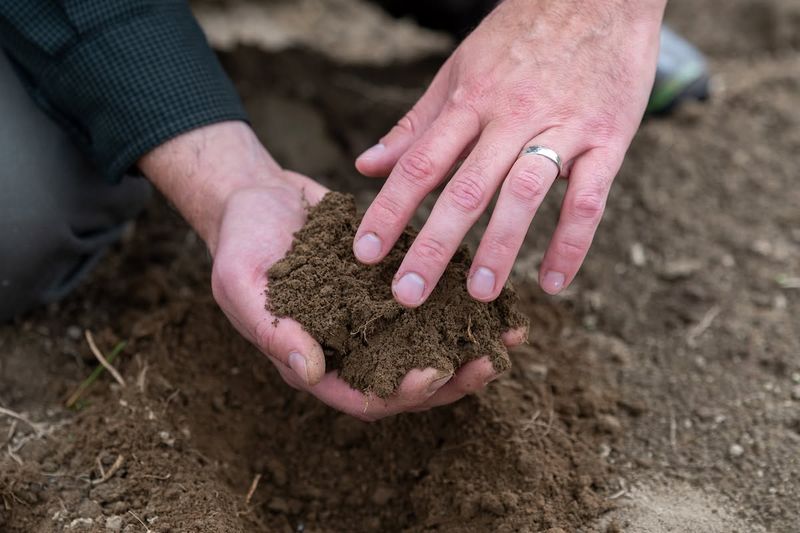
Timing can make or break a lime plan. Fall offers a calm window when summer crops are finished and spring planting is still months away.
Soil labs are often less busy in fall than in early spring, so results may come back faster.
That gap gives you time to read the report, buy the right products, and apply lime well ahead of planting. Since lime works slowly, earlier is usually better.
Weather in fall is often pleasant for yard work across Georgia. Soil is easier to sample when it is moist but not soggy, so pick a day a few days after rain if possible.
Avoid sampling right after fertilizing or spreading lime.
Fresh applications can skew results and give a misleading picture. Waiting a while after any recent treatment makes the numbers more useful.
Fall is also when you can clean up beds, pull spent plants, and see bare soil clearly. Sampling fits naturally into that cleanup routine.
Lawn owners benefit too. Warm-season grasses are slowing down in fall, and test results can guide fertilizer and lime decisions before green-up the following spring.
Keep a simple notebook with test dates and results. Over a few seasons, you will see how your soil changes and whether past treatments helped.
5. Collect Several Soil Samples For More Reliable Results
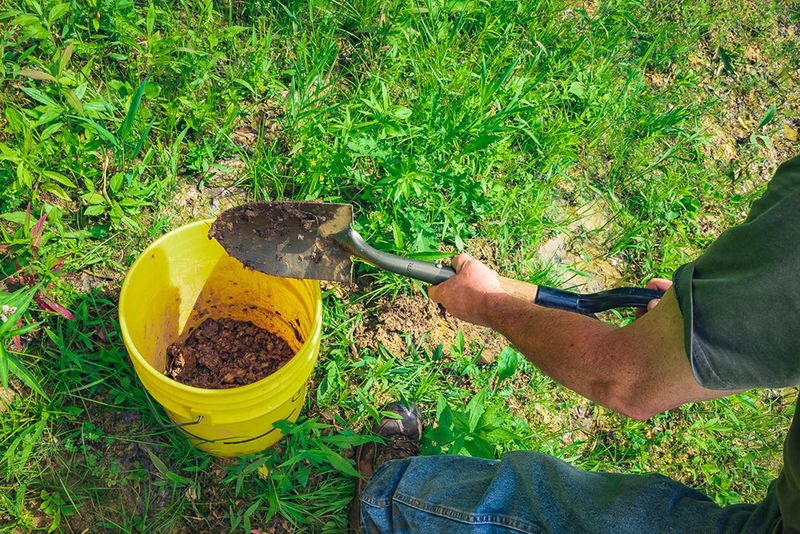
One scoop rarely tells the whole story. Soil can vary from one corner of a yard to another, even across a small space.
A good sample combines many small cores taken across one area, then mixed together.
Extension guides commonly suggest gathering around 10 to 15 spots for each area you test. Use a clean trowel or soil probe, and dig to the depth recommended for that use.
Lawns are usually sampled shallower than vegetable gardens. Your local Extension office can tell you the right depth for each situation.
Use a clean plastic bucket, since metal containers may affect some nutrient readings.
Skip unusual spots like old burn piles, compost heaps, or areas near driveways. Those places can give odd readings that do not match the rest of the bed.
Here in Georgia, county Extension offices often provide sample bags and instructions. Many also send samples to the University of Georgia lab for analysis.
Keep separate areas separate. Your lawn, vegetable garden, and shrub beds each deserve their own bag and label.
Let the mixed soil air dry if it is very wet, and remove roots, rocks, and debris. A careful sample takes a little extra effort, but it gives you results you can actually trust.
6. Soil Test Reports Show How Much Lime Is Actually Needed
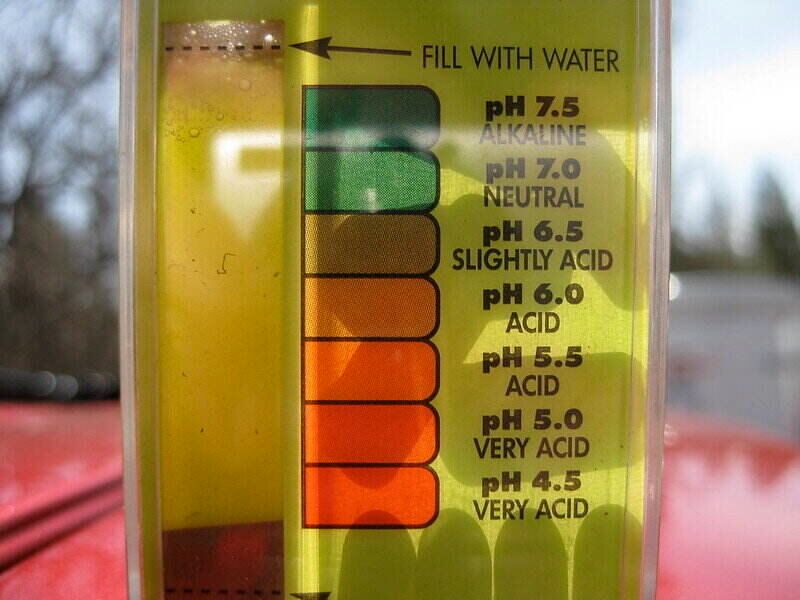
Guesswork disappears once the report arrives. Instead of a vague idea, you get specific numbers tied to your soil and your plants.
Most reports list pH, key nutrients, and a lime recommendation, often in pounds per 1,000 square feet.
That rate reflects more than pH alone. Labs also consider how strongly your soil resists change, which differs between sandy coastal soils and heavier clay found in parts of Georgia.
Some reports also mention calcitic or dolomitic lime. Dolomitic lime contains magnesium, which may help if your test shows low magnesium.
Read the recommendations slowly and look for terms you do not understand.
Extension staff can explain confusing parts of the report. A quick phone call or email often clears up questions about rates or product choice.
Measure your planting area before buying lime. Knowing the square footage helps you buy the right amount and avoid leftover bags sitting in the garage.
Large rates may need to be split into more than one application. Your report or local agent can tell you whether that applies.
Spread lime evenly using a spreader when possible, and work it into garden soil if you are preparing new beds. Following the report closely gives your plants the best chance at steady growth next season.
7. Lime Takes Months To Adjust Soil pH After Application
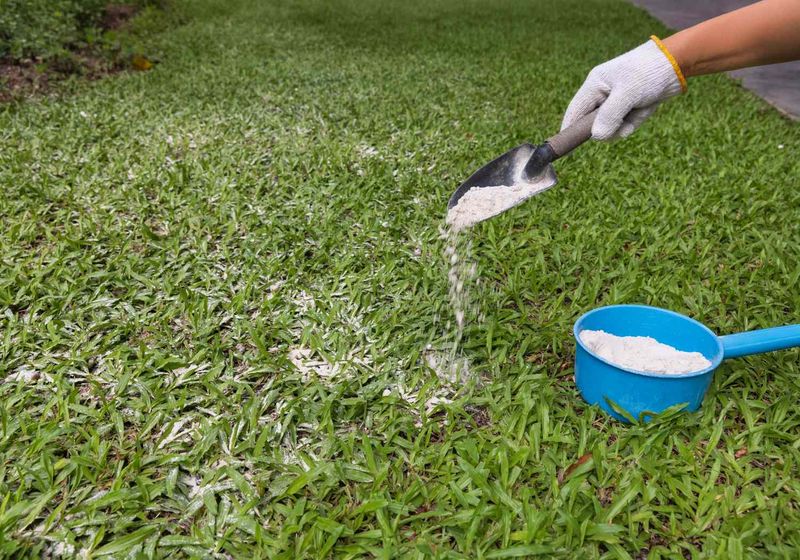
Patience is part of the process. Lime does not change soil pH overnight, and that slow pace surprises plenty of gardeners.
It needs moisture and time to react with the soil, often taking several months to show a clear effect.
Particle size plays a role. Finely ground lime tends to react faster than coarse material, while pelletized lime is easier to spread and breaks down once it gets wet.
Working lime into the soil can help it act more quickly in garden beds. On established lawns, it stays near the surface, so changes may take longer to move deeper.
Applying lime in fall gives it time to work before spring planting.
Winter rains common across Georgia help move it into the soil. Still, results vary with soil type, rainfall, and how much lime you used.
Retesting after a year or two shows whether the pH moved as planned. Small shifts are normal, so do not expect dramatic jumps.
Avoid adding more lime just because plants look unhappy a few weeks later. Many other issues, such as drainage or weather stress, could be behind the problem.
Give your soil time, track your results, and adjust slowly. Steady changes are usually kinder to plants than quick fixes.