Those Shriveled “Mummies” On Your New York Fruit Trees Could Ruin Next Year’s Harvest
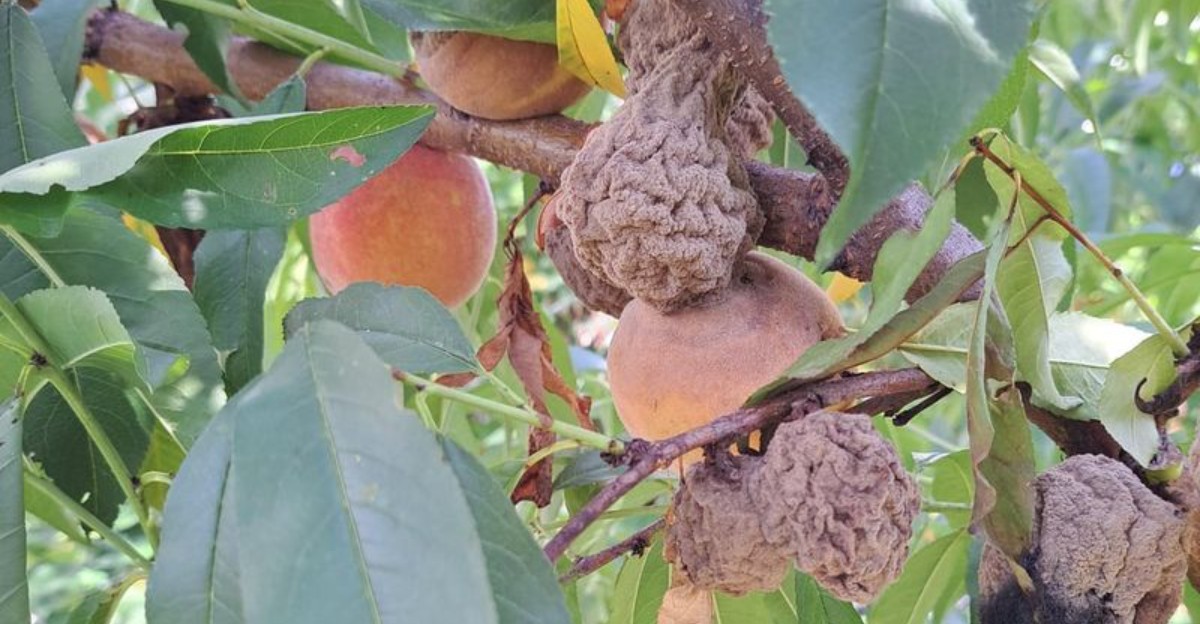
Wrinkled, dark little lumps are clinging to the twigs of your fruit trees, and they’re not just leftovers. As the leaves drop, they become easy to spot.
Gardeners call them mummies, and the name fits better than you’d think. Across New York, these dried-up fruits sit quietly through snow and sleet, looking harmless and a little sad.
Each one can act like a tiny storage locker for brown rot fungus, waiting for a warm, wet spring. It’s the kind of spooky that has nothing to do with Halloween.
If you grow peaches, plums, cherries, or even apples, ignoring them can cost you a chunk of next year’s crop. The fix is simple, cheap, and a little satisfying.
The guide below explains what those mummies are, why they matter, and how to send them packing.
Mummies Are Dried, Diseased Fruit Left Hanging
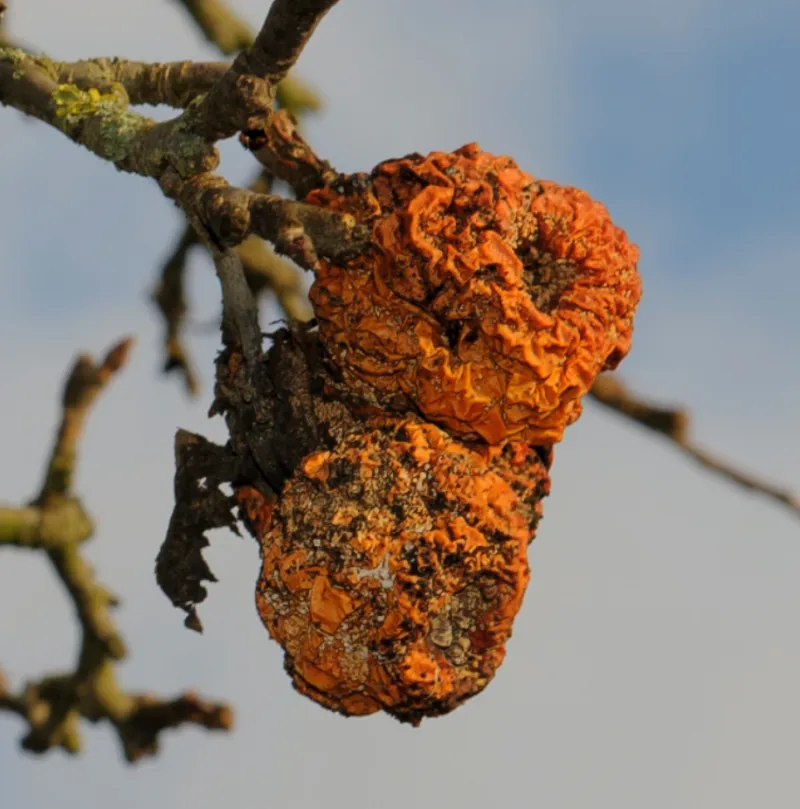
Picture a peach that rotted on the branch, then slowly dried out like a raisin. Instead of dropping, it stayed put, wrinkled and stubborn, all winter long.
Gardeners use the word mummy for any fruit that shriveled up from disease and stuck around. You will find them dangling from twigs or tucked into branch forks.
They look shrunken, hard, and dark brown or black. Some feel almost like leather, while others crumble a bit when squeezed.
What makes them a problem is what hides inside. A mummy is really a blend of old fruit tissue and fungus packed tightly together.
Think of it as a tiny fortress for germs. The tough outer shell shields fungal spores from cold, snow, and wind until conditions turn friendly again.
Many people assume bad fruit simply falls off and rots away. In reality, lots of diseased fruit clings to the tree for months, even through harsh winters.
Mummies can also shelter certain insect pests. So one ugly lump might carry more than one kind of trouble into spring.
Here is a quick tip for spotting them easily. Walk around your trees after the leaves drop, when bare branches make the dark shapes stand out clearly.
A sunny afternoon works best for this check. Low winter light makes those lumpy silhouettes pop against the sky.
Once you know what to look for, you will start seeing mummies everywhere. That awareness is the first big step toward a cleaner, healthier orchard next year.
Brown Rot Creates Mummies On Peaches And Plums
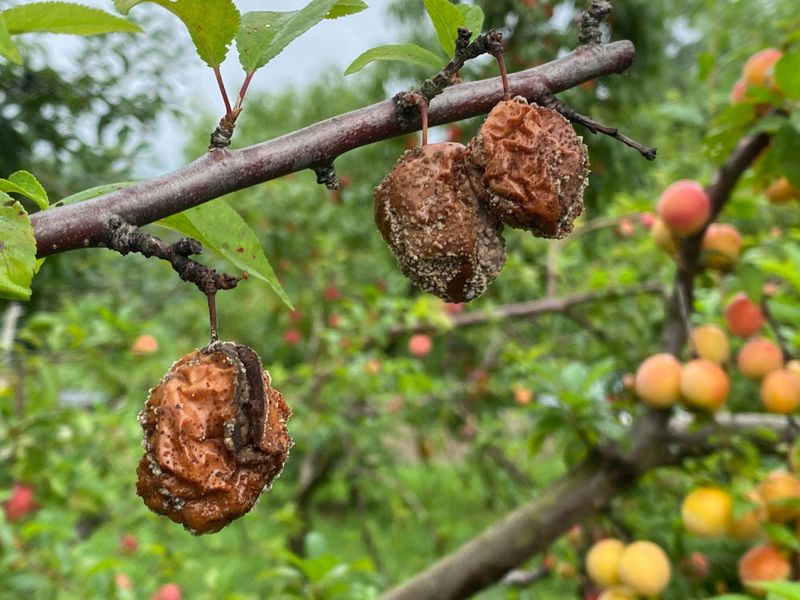
Ever bitten into a perfect-looking peach, only to find a soft brown patch the next day? Meet brown rot, the main villain behind most stone fruit mummies.
Brown rot is a fungal disease that loves peaches, plums, cherries, apricots, and nectarines. It moves fast, especially when summer weather turns warm and humid.
The trouble often starts at bloom time. Infected blossoms get brown spots, then wilt and collapse on the twig.
Later, the fungus attacks ripening fruit. A small brown spot can spread across a whole peach in just a couple of days.
Soon, fuzzy tufts of gray or tan powder pop up on the surface. Those dusty clumps are spore masses, ready to drift onto neighboring fruit.
Your New York Garden Changes Every Week. Your Plan Should Too.
Gardening in New York changes quickly throughout the season. Every Friday you’ll receive a simple weekly plan showing exactly what to plant, prune, fertilize, harvest, and protect so you never miss the right timing.
As the fruit loses moisture, it shrinks into a hard, dark mummy. The main fungi responsible are named Monilinia fructicola and Monilinia laxa.
Here is a fun fact for your next garden chat. Plant scientists have studied brown rot for well over a century, and it remains a top stone fruit headache.
New York gardeners see it often because our summers bring plenty of rain and muggy days. Both conditions help the fungus spread quickly.
One practical trick helps a lot. Thin crowded fruit in early summer so peaches and plums do not touch each other.
Fruit pressed together traps moisture and passes rot from one to the next. Giving each piece some breathing room slows the spread and leaves fewer mummies behind.
Apple Diseases Leave Mummies Behind Too
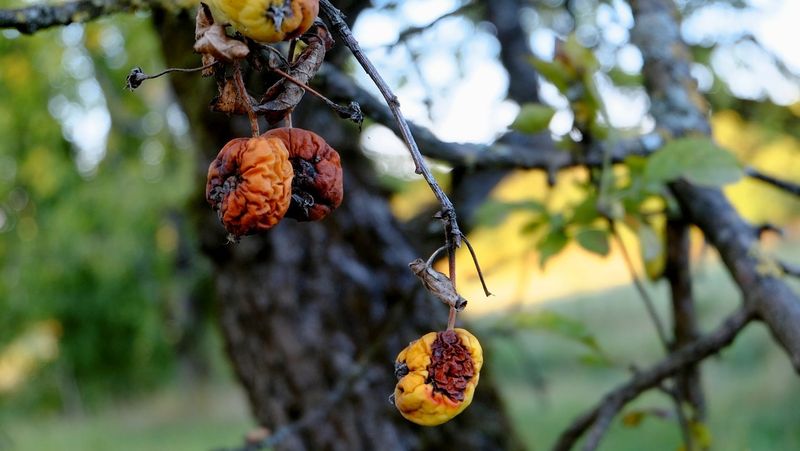
Apple growers, do not get too comfortable. Peaches and plums are not the only trees that collect these wrinkly souvenirs.
New York grows a huge number of apples, both in big orchards and backyard gardens. Unfortunately, several apple diseases can turn fruit into mummies too.
Black rot is one of the main culprits. It often starts as a brown spot near the blossom end, then spreads until the apple turns black and shriveled.
Those blackened apples can hang on for a surprisingly long time. They also carry the fungus right into the next growing season.
Apple scab is another common problem in our damp climate. It leaves rough, olive-brown or corky patches on leaves and fruit.
Badly scabbed fruit may crack, shrink, or drop early. Infected leaves on the ground also help the disease return each spring.
Fire blight works differently because it comes from bacteria, not fungus. It can make young fruitlets blacken and shrivel, while twigs bend into a shepherd’s crook shape.
Did you know New York ranks second in the nation for apple production? With so many trees around, diseases have plenty of chances to travel.
A smart move is to choose scab-resistant varieties when planting new trees. Liberty, Enterprise, and Freedom are popular options that handle scab well.
Resistant trees still need cleanup, though. Checking for black mummies each winter keeps your apple harvest looking crisp and clean.
Fungal Spores Overwinter Inside Them
While you sip cocoa by the window, something sneaky is waiting out the cold. Fungal spores are snuggled inside those mummies, riding out winter like bears in a cave.
Scientists call this overwintering. It simply means a pest or disease survives the cold months, ready to restart in spring.
Mummies make perfect winter homes for fungi. The dried shell keeps spores protected from freezing temperatures and harsh wind.
Brown rot fungi rely heavily on this trick. They stay alive inside mummies whether the fruit hangs on branches or rests on the ground.
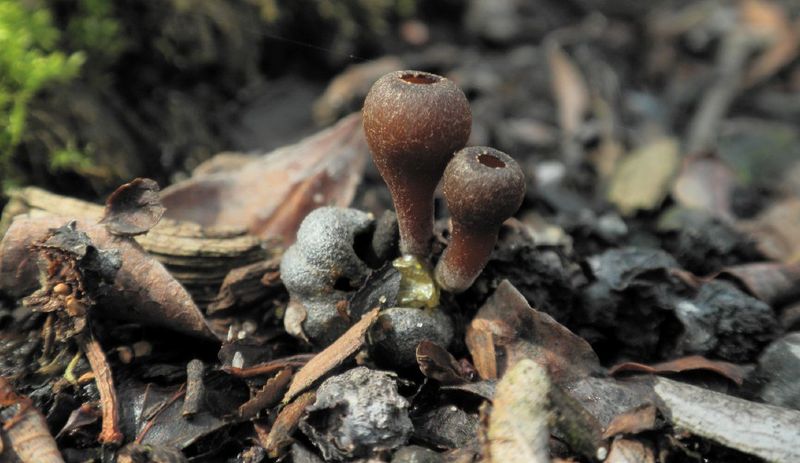
Ground mummies deserve special attention. Some partly buried ones can sprout tiny, mushroom-like cups in early spring.
Those little cups are called apothecia. They shoot spores into the air, aiming right at fresh blossoms overhead.
Blueberry growers face a similar issue with a disease called mummy berry. Fallen infected berries form small cups that launch spores as plants begin growing.
Even a frigid winter will not wipe these spores out. Below-zero nights barely slow them down.
So here is a handy rule of thumb. If you can see a mummy, assume it holds living spores.
That mindset changes how you treat cleanup chores. Instead of a cosmetic task, removing mummies becomes real disease prevention.
One mummy can hold a staggering number of spores. Clearing even a handful makes a noticeable difference by bloom time.
Spring Rain Spreads Spores To New Blossoms
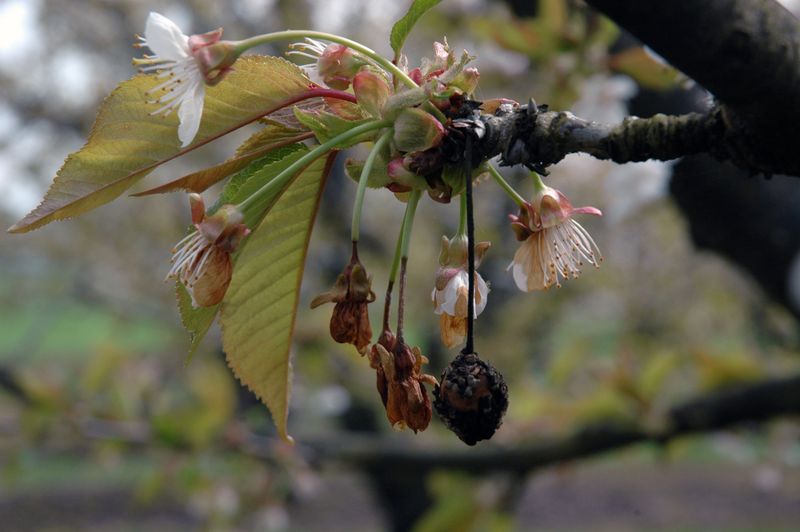
Spring rain smells wonderful, but for fungus, it is a starting pistol. Wet weather is exactly what those sleeping spores have been waiting for.
As trees begin to bloom, mummies wake up and release spores. The timing lines up almost perfectly with tender new flowers opening.
Raindrops do much of the dirty work. When a drop hits a mummy, it splashes spores onto nearby blossoms and leaves.
Scientists call this rain-splash dispersal. It works best over short distances, which makes mummies inside the canopy especially risky.
Wind adds to the problem too. Breezy, damp days can carry spores farther across your yard or garden.
Spores need water sitting on petals or fruit to cause infection. A long stretch of drizzle gives them plenty of time to settle in.
New York springs are famous for cool, rainy stretches. Those soggy weeks around bloom can spark serious blossom blight.
Here is a useful habit to build. Watch the forecast closely when your trees reach the pink bud stage.
If several rainy days are coming, that is a high-risk window. Some gardeners apply an approved fungicide just before the wet weather hits.
Check with Cornell Cooperative Extension for products and timing suited to your area. Their local advice can save you from guessing.
Of course, the easiest protection is fewer spores in the first place. Removing mummies before spring takes away the ammunition.
Pick Every Mummy Off The Branches
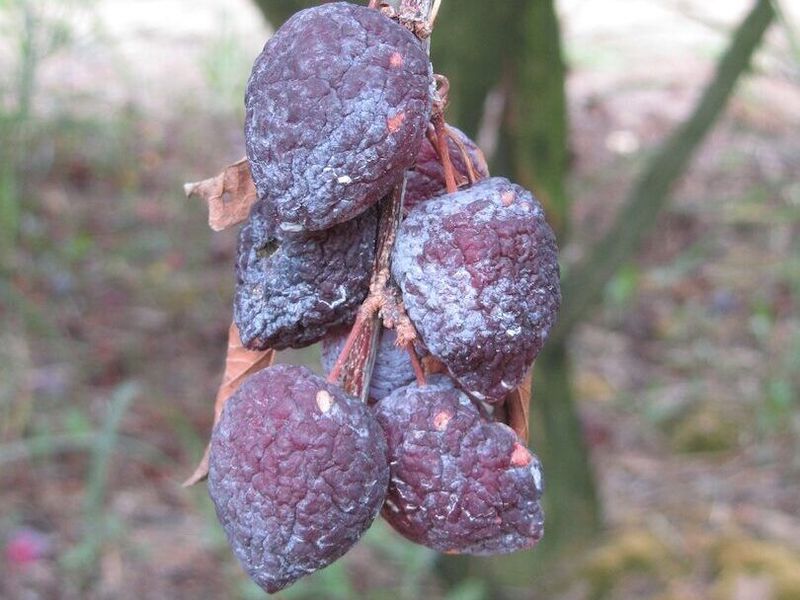
Grab a bucket, a pair of gloves, and maybe a podcast. Picking mummies off your trees is one of the easiest and most rewarding winter chores.
Removing every mummy breaks the disease cycle. Without those winter shelters, fungi have far fewer chances to attack spring blossoms.
The best time to start is right after leaves fall. Bare branches make shriveled fruit much easier to spot.
Do a second sweep in late winter before buds swell. You will likely catch a few you missed the first time.
Wear gloves, since mummies can be crusty and messy. Simply twist or snap them off and drop them in your bucket.
Check carefully where fruit once grew. Mummies often hide in clusters, in branch crotches, or behind thick twigs.
For high branches, a long pole pruner or fruit picker helps a lot. A sturdy orchard ladder works too, as long as someone spots you.
If a mummy is stuck tight, look at the twig behind it. A sunken, discolored spot may be a canker that needs pruning.
Here is a fun way to stay motivated. Count how many mummies you collect each year and watch the number shrink.
Many gardeners notice cleaner fruit after just one season of steady cleanup. Fewer mummies also means fewer hiding spots for insect pests.
It costs nothing but a little time. The reward is sweeter, healthier fruit come summer.
Rake Up Fallen Fruit Under The Tree
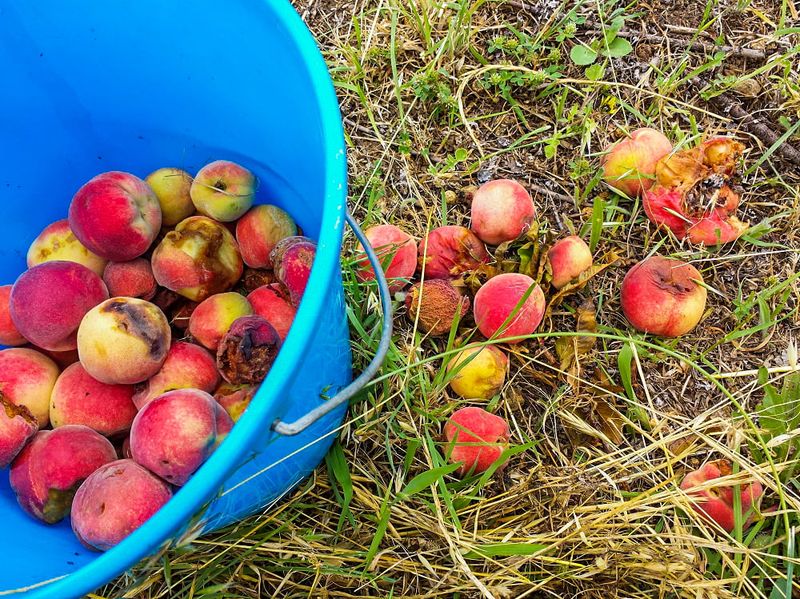
Out of sight should not mean out of mind. The ground beneath your tree can hide just as many mummies as the branches above.
Fallen fruit is easy to ignore, especially once leaves pile on top. Yet that soggy mess is a cozy hideout for fungi and insects.
Rotting apples and peaches attract pests like plum curculio and codling moth larvae. Some burrow into the soil nearby and return the next season.
Diseased leaves also matter, especially for apple scab. The scab fungus survives winter in fallen leaves, then releases spores in spring.
A good leaf rake makes the job quick. Work outward from the trunk to just past the edge of the branches.
That outer edge is called the drip line. Fruit tends to land anywhere under the canopy, so cover the whole area.
Try to rake during summer too, not only in fall. Picking up dropped fruit every few days stops rot from building up.
Here is a clever bonus tip. Mowing over fallen apple leaves shreds them, which helps them break down faster and reduces scab spores.
New York weather can bring early snow, so do not wait too long. Clearing the ground before the first big storm saves headaches later.
Kids can help with this one, turning cleanup into a family game. Just make sure everyone wears gloves around squishy fruit.
Bag And Toss Them, Don’t Compost Them
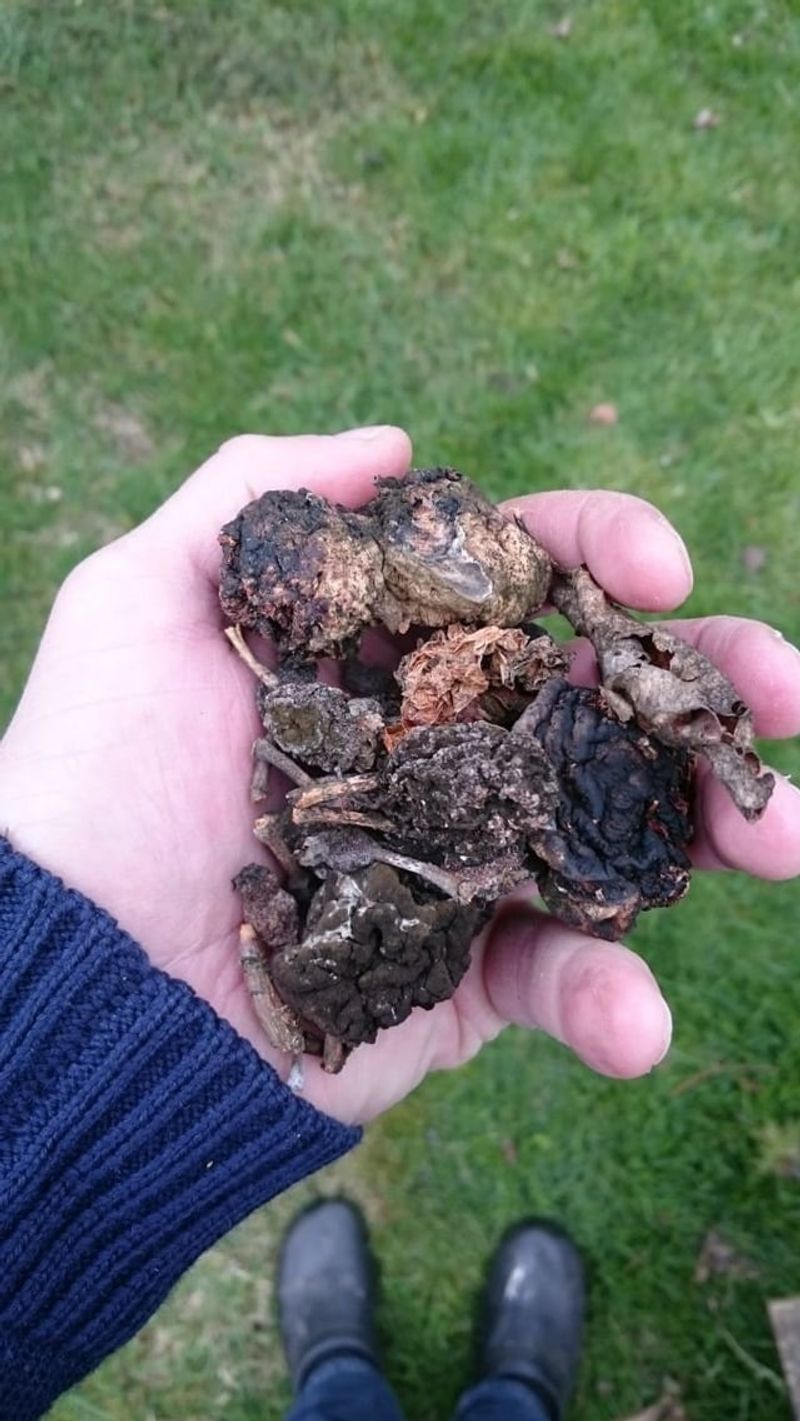
Composting feels like the responsible choice for old fruit. But when it comes to mummies, your compost bin is the wrong place to send them.
Most backyard compost piles never get hot enough. To reliably destroy plant diseases, a pile needs to stay very hot for days.
Home piles usually heat unevenly, with cooler spots near the edges. Fungal spores can survive there just fine.
Then you spread that compost around your garden. Without meaning to, you might hand the disease right back to your trees.
A safer method is simple. Drop mummies and rotten fruit into a sturdy plastic bag and seal it tightly.
Put the bag out with your regular household trash. Check your town rules, since some communities separate yard waste from garbage.
Diseased fruit belongs in the trash, not the yard waste pile. Municipal yard waste sometimes ends up as mulch with spores intact.
Another option is burying the fruit deeply. Aim for at least a foot underground, well away from your fruit trees.
Deep burial keeps spore cups from reaching the surface. Still, bagging is usually quicker and less work for most gardeners.
Here is a final pro tip. Keep a dedicated bucket with a lid near your trees during harvest season.
Toss bad fruit in as you find it, then bag the contents each week. Small habits like that keep cleanup from feeling overwhelming.
Winter Pruning Removes Infected Twigs
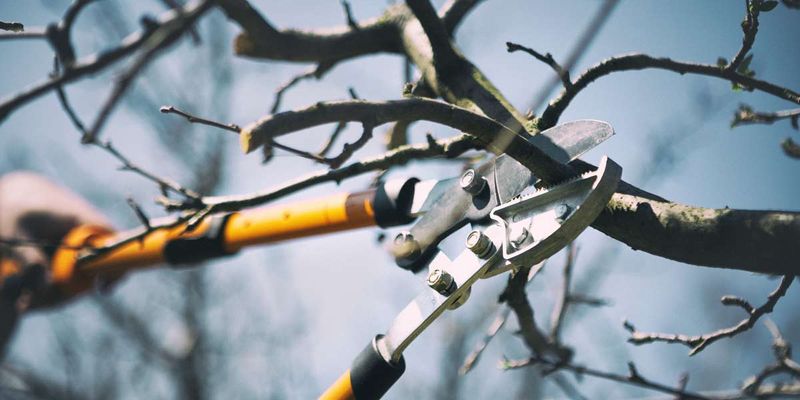
A crisp February morning, a sharp pair of pruners, and a sleeping tree make a perfect match. Winter pruning finishes the job your mummy cleanup started.
Fruit trees are dormant in winter, which makes it a great time to prune. Without leaves, you can clearly see every branch and problem spot.
Focus first on the three Ds. Cut out wood that is broken, diseased, or lifeless.
Look for cankers, which are sunken, cracked, or discolored patches on twigs. They often appear where brown rot traveled from a blossom or mummy into the wood.
Cut several inches below any canker into healthy wood. Clean, light-colored tissue inside the cut means you went far enough.
Thinning crowded branches helps too. Better airflow and sunshine dry leaves faster, making life harder for fungus.
In New York, late winter works well for apples and pears. Cornell advises waiting until the pink or bloom stage for peaches, since earlier cuts invite canker.
Here is a tip many people skip. Wipe your pruner blades with rubbing alcohol or a diluted bleach solution between cuts.
Sterilizing tools keeps you from carrying disease from a sick branch to a healthy one. Dry and oil blades afterward to prevent rust.
Bag the infected clippings just like mummies. With clean branches and a tidy yard, your trees will be ready for a fruitful season ahead.