Why Turkeys Are Suddenly Wandering Through Michigan Yards This November
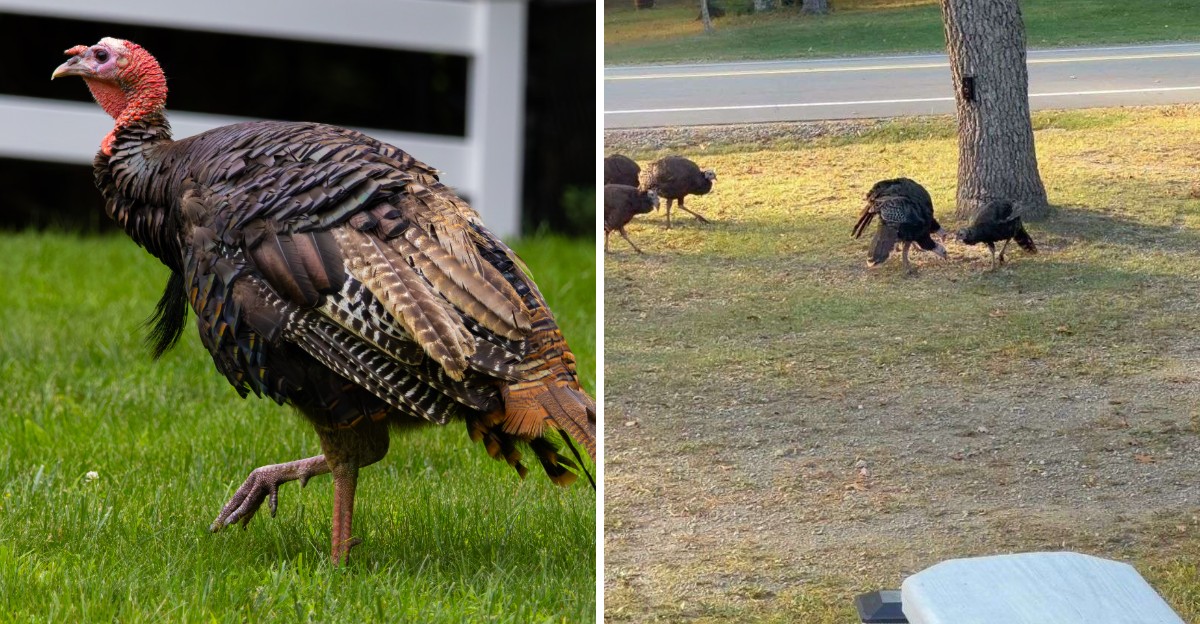
You look out the window, and there they are. Ten, twenty, maybe thirty wild turkeys, marching across the lawn like a parade nobody planned.
A month ago the yard was empty. November has a way of bringing them out. Flocks come together in fall, and food drives them to roam. Acorns, seeds, and bird feeder spill all draw them in.
They behave differently around people than you might expect, and some yards see more trouble than others. A turkey can scratch up mulch, flatten garden beds, and leave a mess behind.
Others pass through without leaving a mark. Understanding why they arrive, and what keeps them coming back, explains this strange seasonal show and helps you decide whether to enjoy it or discourage it.
1. They’ve Formed Fall And Winter Flocks
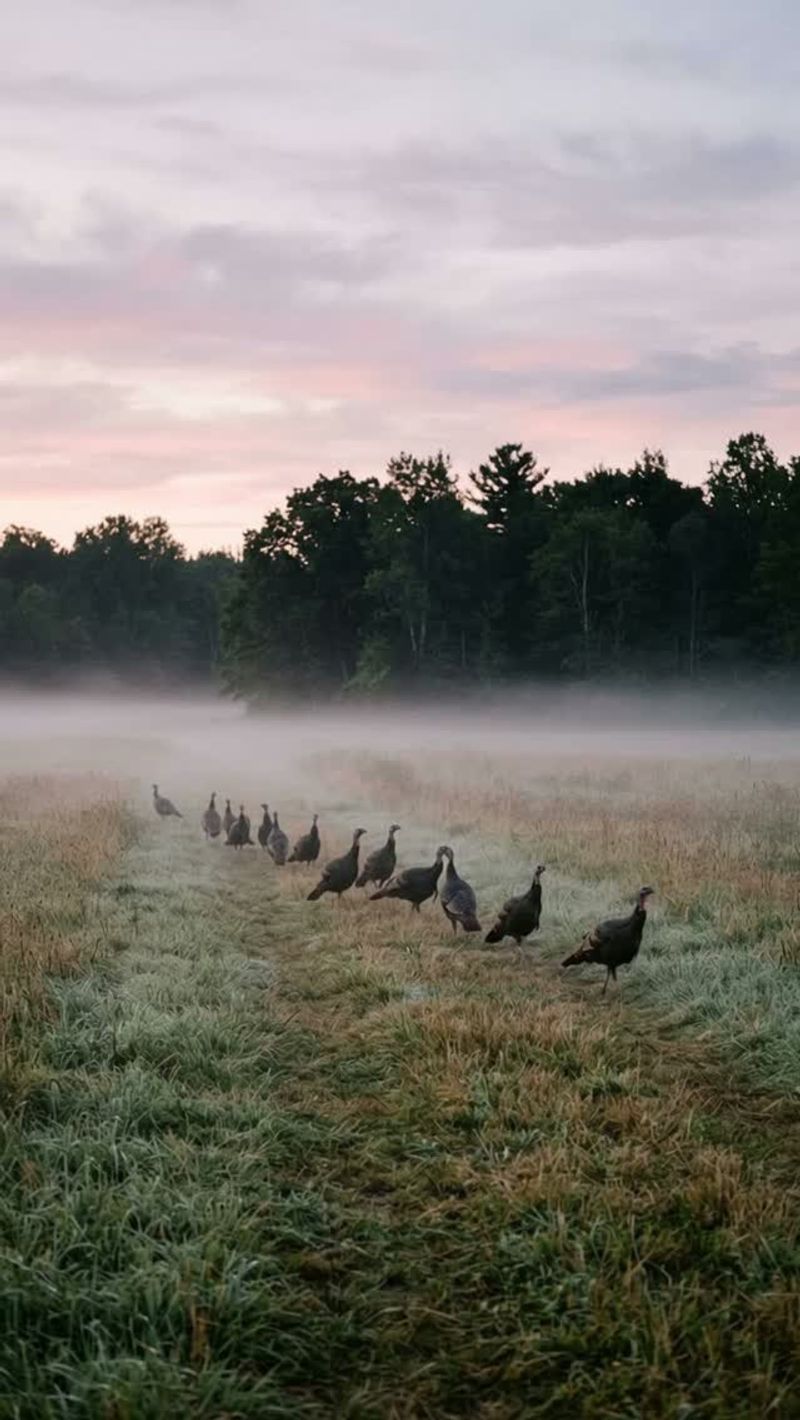
Summer turkeys live a fairly private life, but autumn turns them into social butterflies. Wild turkeys, known to scientists as Meleagris gallopavo, change their whole routine once the nesting season wraps up.
The quiet family groups of summer start blending together into much bigger crowds. Hens and the young birds they raised that year usually join up with other hens and their broods. Adult males, called toms, often travel in their own separate groups.
Some flocks grow to include dozens of birds, and they move together like a feathered team all fall and winter.
Bigger groups bring real benefits. More eyes mean someone spots a coyote or hawk sooner, and the whole flock can scatter or take off in seconds. Living in a crowd also helps young turkeys learn where the best food spots are hiding.
Because these flocks need a lot of food, they cover much more ground than a single family would. That wandering is exactly why you might suddenly see twelve, twenty, or even more turkeys marching across your lawn, a quiet road, or a nearby field.
One day there are none, and the next day your yard looks like a turkey highway. Michigan has a great comeback story behind all this. Wild turkeys were nearly gone from the state by the early 1900s because of habitat loss and unregulated hunting.
Thanks to restoration work by wildlife agencies and conservation groups that moved birds into new areas, turkeys now live throughout much of Michigan.
So when a big flock rolls through, try grabbing your phone and counting heads. You might be surprised by how many you see, and you will be watching a true wildlife success story in action.
2. They’re Searching For Food Before Winter
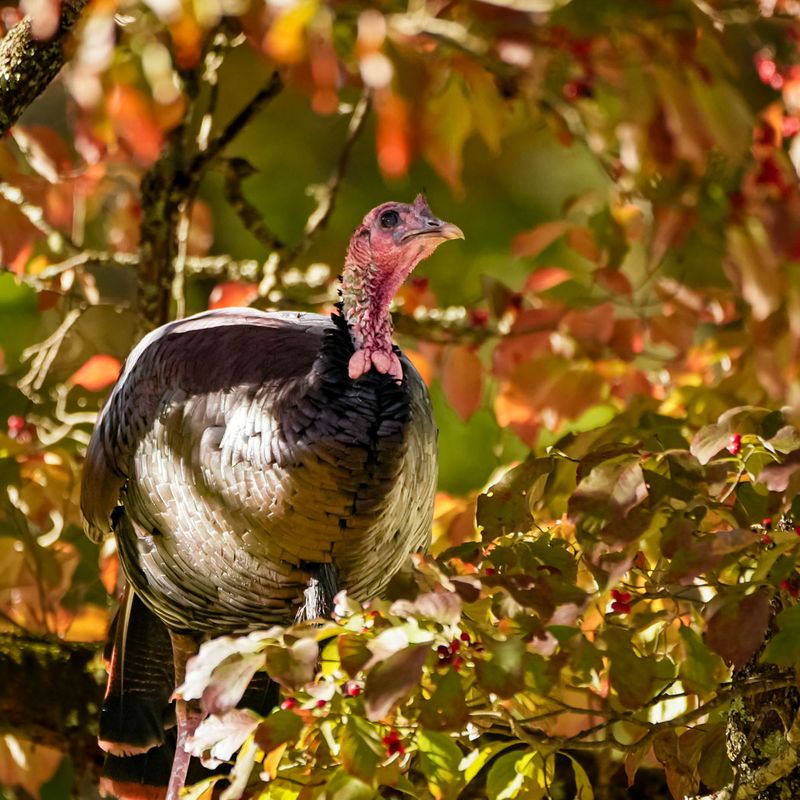
Grocery shopping gets tricky for a turkey once the weather turns cold. During spring and summer, these birds feast on grasshoppers, beetles, and fresh green plants. By November, most of those easy snacks have vanished.
Insects hide away or disappear as temperatures drop, and many plants turn brown and wither. Turkeys have to switch their menu to whatever is left.
Acorns, beechnuts, seeds, wild fruit like crabapples and grapes, and leftover corn or soybeans in harvested fields become the main meals.
Finding enough of that food takes effort. As the weeks go by, the closest food runs out, so flocks travel farther and farther each day.
A path that once stayed deep in the woods may now stretch right through your neighborhood.
Watch how they eat, and you will notice a funny little dance. A turkey kicks backward with one foot, then the other, flipping leaves aside to uncover hidden acorns and seeds.
That scratching leaves behind messy patches in leaf piles, mulch beds, and the ground under oak trees.
Michigan offers turkeys plenty of places to shop. Oak woodlands drop huge numbers of acorns, and farm fields across the state hold spilled grain after harvest.
Yards that sit near wooded edges or fields often become handy stops between these food sources.
If you want fewer turkeys digging around, rake up acorns under your oak trees and clear away fallen fruit. If you enjoy watching them, simply leave some leaves on the far edge of your property.
Either way, you will understand why those birds keep stopping by with their heads down and their feet busy.
3. A Lower Acorn Crop Can Push Them Into Yards
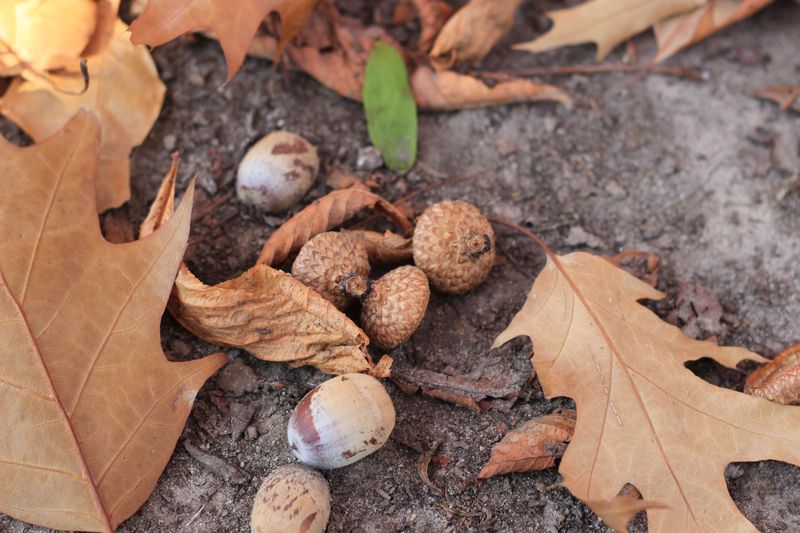
Oak trees are a bit unpredictable. One year they rain acorns everywhere, and the next year you can hardly find one.
Scientists call the big years mast years, and the swing between good and poor crops is completely normal.
Weather plays a huge role in how many nuts a tree produces. A late spring frost, a dry summer, or other stresses can shrink the crop in a whole region.
Hickories, beeches, and other nut trees follow their own ups and downs too. When the woods run short on acorns and nuts, turkeys do not just sit and wait. They go looking.
Neighborhoods, city parks, and backyards suddenly look a lot more interesting, especially if they offer birdseed, fallen apples, or a lawn full of seeds and bugs.
Seeing more turkeys than usual can actually tell you something about the season. It may mean wild food nearby is limited and the birds are working harder to fill their bellies. Your yard turns into a backup pantry.
For Michigan homeowners, this explains why one fall might bring a turkey or two, while the next brings a crowd every single morning. Visits tend to climb when the forest buffet comes up short.
Living near a woodlot makes those swings even easier to notice. A smart move is to look around your property with turkey eyes. Spilled seed, compost piles, and fallen fruit all act like open invitations.
Tidy up those spots during lean years, and the flock will likely move on to search somewhere else. Keep an eye on your oaks, too, since a thin acorn crop can be your early warning that company is coming.
4. Bird Feeders Are An Easy Meal
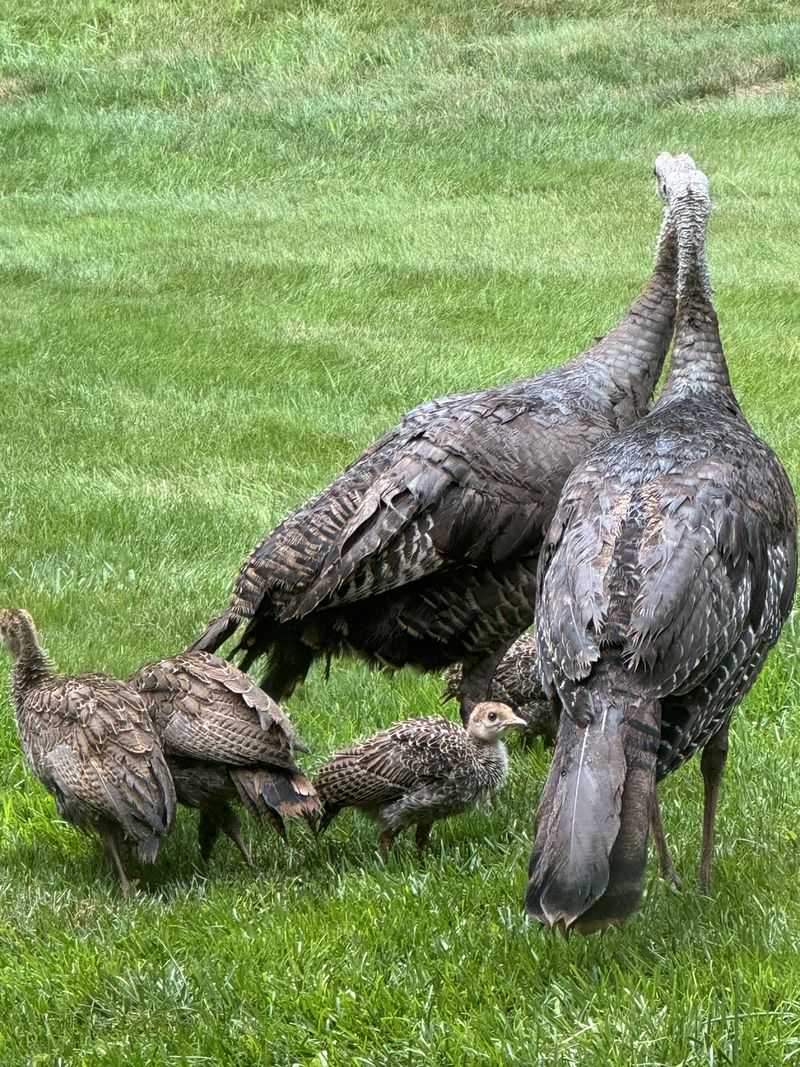
Chickadees and cardinals are not the only ones checking out your bird feeder. Turkeys have figured out that the ground below a feeder is a surprisingly good place to eat.
Every time small birds toss seeds around, a free snack lands on the grass. Once a turkey finds a dependable meal, it remembers. The flock will return day after day, often at nearly the same time.
Over weeks, they can lose some of their natural fear and start acting bolder around people, pets, and even cars in the driveway.
Luckily, a few simple changes can make a big difference. Try a feeder with a tray or seed catcher underneath to keep seed off the ground.
Rake up or sweep spilled seed regularly, especially in the evening before turkeys head out the next morning.
Sometimes the turkeys keep coming anyway. In that case, take your feeders down for a week or two.
The flock will lose interest and wander off, and you can put the feeders back up once they have moved on. Also, avoid scattering corn or seed on the ground for turkeys on purpose.
The Michigan Department of Natural Resources discourages people from feeding wild turkeys, since it can make them too comfortable around homes and crowd birds together where illness can spread.
Bird feeding is a beloved hobby across Michigan, and plenty of families keep feeders full all through fall and winter. That means turkeys have lots of chances to discover easy meals in town.
With a little planning, you can keep your songbirds happy without turning your backyard into a turkey diner.
5. They’re Looking For Safe Places To Roost
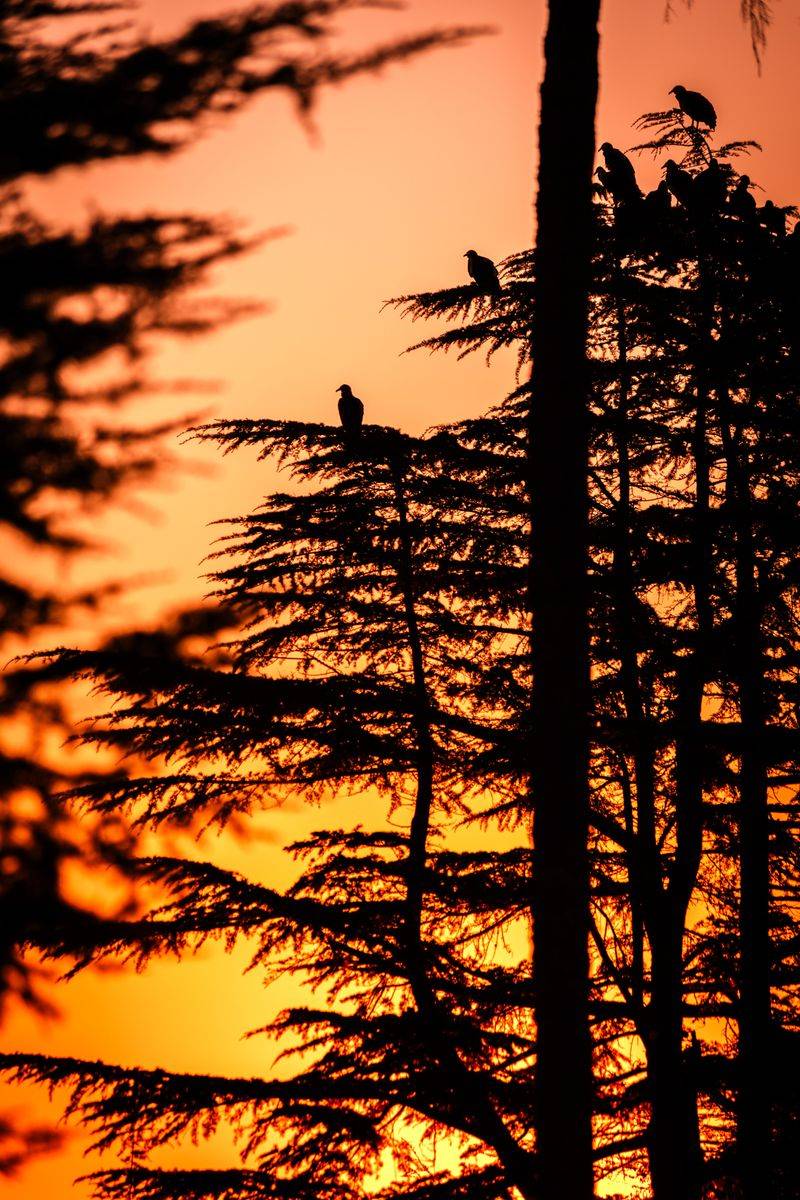
Most people are surprised to learn that wild turkeys can fly, and they do it well. Every evening at dusk, a flock flaps up into tall trees to spend the night. It is a noisy, clumsy, and wonderful thing to see.
Sleeping high off the ground keeps turkeys safe. Coyotes, foxes, and other predators roam at night, and a turkey resting on a sturdy branch is much harder to reach. Big, mature trees with strong limbs, like oaks and white pines, make favorite bedrooms.
Location matters, too. Flocks often pick roost trees close to open spaces where they feed during the day, such as fields, meadows, or big lawns. That way, breakfast is just a short walk or flight away when the sun comes up.
Here is where your yard comes into the picture. If you live near a good roost spot, you might watch turkeys sailing into the treetops around sunset.
Early in the morning, you could spot them gliding down and strolling across your grass as they head out to eat.
Michigan homes close to woodlots, parks, and river corridors are prime viewing areas. Rivers and creeks often have lines of tall trees along their banks, which turkeys love for roosting.
Many suburbs border these green strips, so turkeys pass through backyards on their daily commute. Want a free evening show? Step outside about fifteen minutes before sunset and listen.
You may hear soft clucks and loud wingbeats as the flock settles in. Keep your distance and stay quiet, because a calm roost tends to be used again night after night.
6. Fall Hunting Seasons Can Shift Their Movements
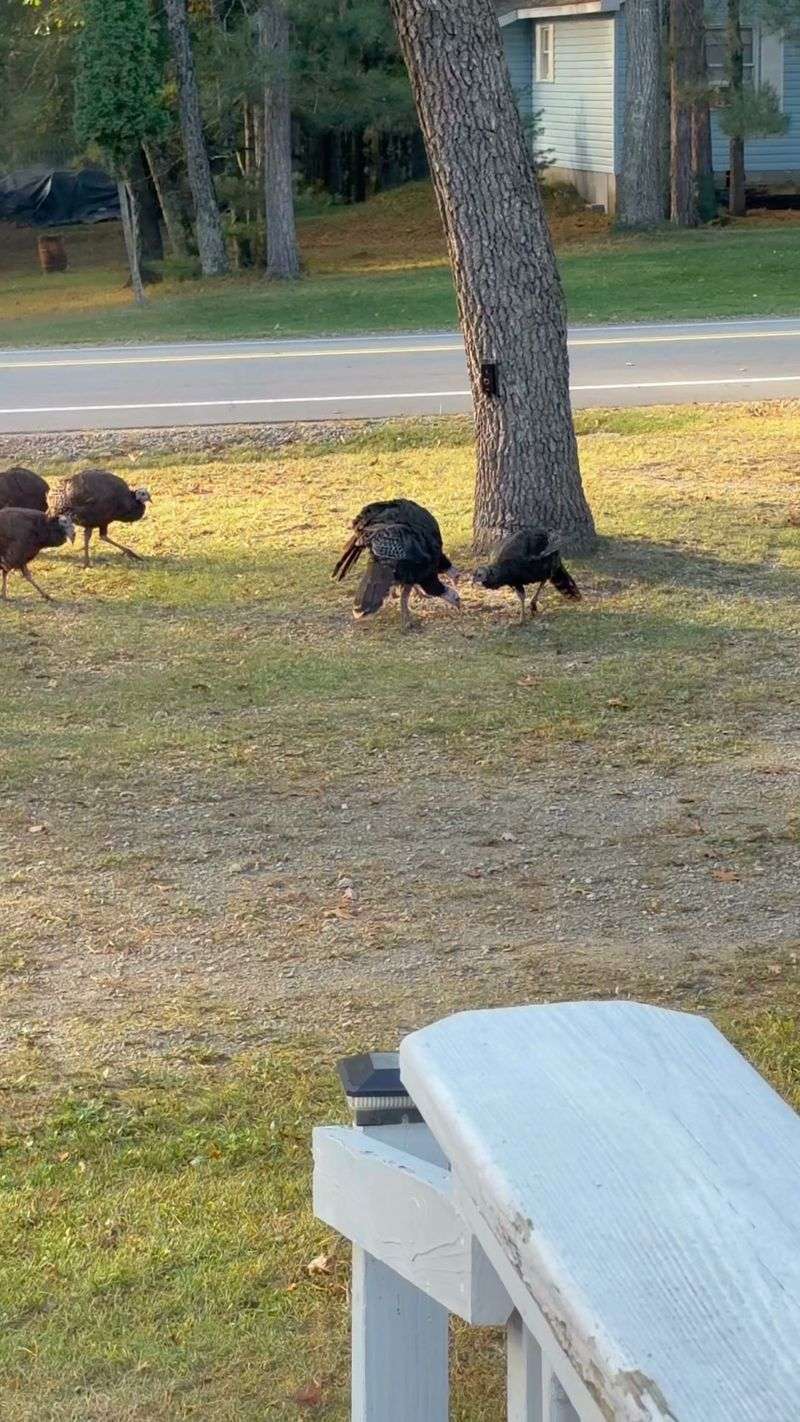
Turkeys are smarter than many people give them credit for. They pay close attention to where trouble shows up and where things feel calm. In fall, that sharp awareness can lead them right into town.
Michigan holds a fall turkey hunting season in parts of the state. Along with hunters, the woods and fields get busy with other activity too, like deer hunting preparation, hikers, farm equipment during harvest, and people enjoying the colorful leaves.
All that extra movement can make the countryside feel a little crowded for a wary bird. So turkeys often shift toward places with less disturbance. Suburban yards, neighborhoods, golf courses, and city parks frequently do not allow hunting at all.
To a turkey, those spots can seem like peaceful hideaways with plenty of grass and trees. Over time, flocks learn which areas feel safest. Once they find a quiet zone, they may spend much more of their fall days there.
You might notice the same group returning to your street week after week. This helps explain why Michigan suburbs sitting next to woodlands often see a bump in turkey traffic every autumn.
The birds still use the nearby forest for food and roosting, but they lean on neighborhoods as a calmer place to hang out during the day.
Spotting them often is a fine chance to share some nature with kids or neighbors. Just remember they are still wild animals.
Give them room, drive slowly where flocks cross roads, and enjoy the reminder that wildlife adapts in clever ways to the world around it.
7. Simple Steps Help You Coexist With Them
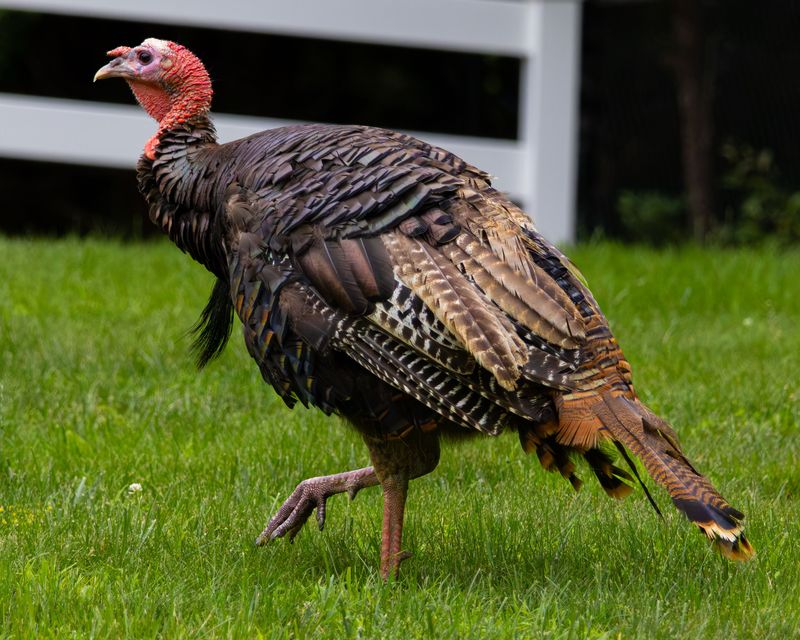
Sharing a neighborhood with turkeys can be a delight. Watching a big tom puff up his feathers or a flock wander past in a neat line is the kind of moment that makes a gray November day brighter.
Most of the time, these birds cause no harm at all. Trouble starts when turkeys get too used to people. Bold birds may peck at garden plants, scratch up flower beds, and leave droppings on decks, patios, and driveways.
Some even chase or puff up at people, especially folks they seem to treat as part of their pecking order.
Good habits keep things friendly. Clean up spilled birdseed, pick up fallen fruit, and secure compost so your yard offers fewer snacks. Never feed turkeys on purpose, since a fed turkey quickly becomes a pushy turkey.
If a flock starts acting too comfortable, remind them who lives there. Make loud noises, spray a quick burst from the garden hose, or wave your arms while stepping toward them.
Turkeys learn fast, and a few firm lessons usually send them back to their wild ways. Pets need some care, too. Keep dogs and cats supervised when turkeys are nearby, because a startled turkey can scratch, and chasing stresses everyone involved.
A leash during morning walks is a simple fix. For a turkey that just will not quit causing trouble, reach out to the Michigan Department of Natural Resources for advice. Turkeys across the state have adapted remarkably well to life near people.
With a little effort from you, those feathered visitors can stay a fun part of the season instead of a daily headache.