8 Animals That Might Be Sheltering Under Your Virginia Deck Right Now
One backyard visitor here carries fifty teeth, which is more than any other land mammal in North America. It might be napping under your deck boards tonight, just a few feet below your favorite patio chair.
Virginia decks make cozy shelters because the dark space underneath stays dry and hidden from most predators. Some visitors stop by for one night, while others raise whole families just below your summer cookouts.
You might notice small clues first, like torn lattice or a fresh pile of dirt beside the steps. Some of these guests are helpful neighbors, and a few can cause real trouble for your home in Virginia.
So who exactly is crawling around down there while you sip your morning coffee above them?
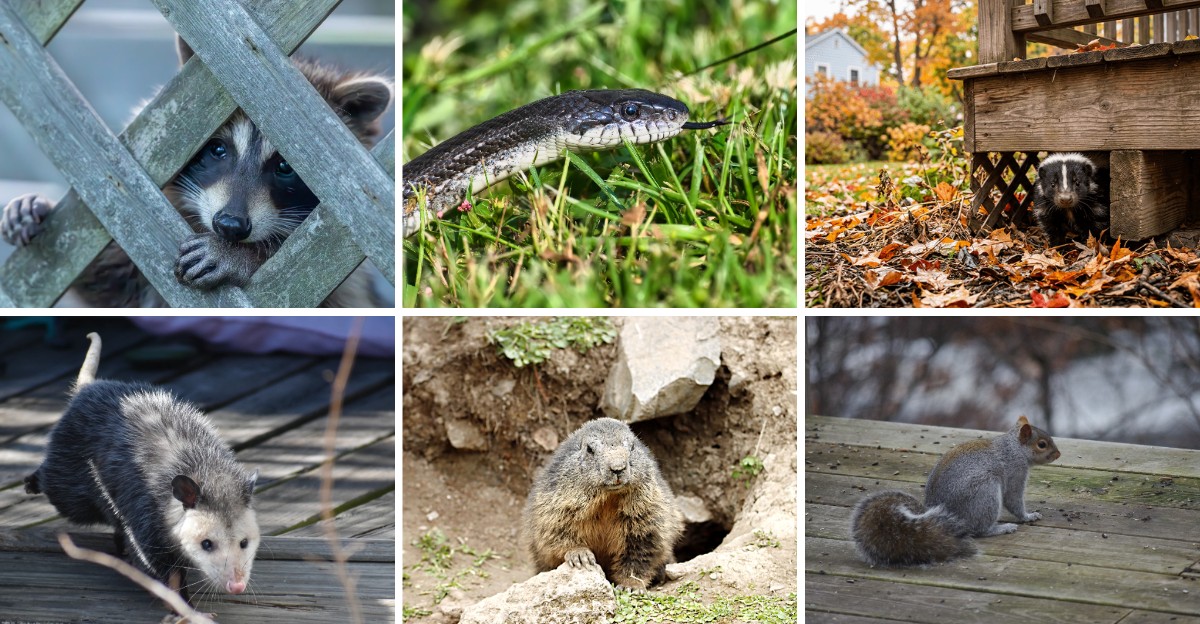
1. Raccoons Tearing Through Deck Lattice
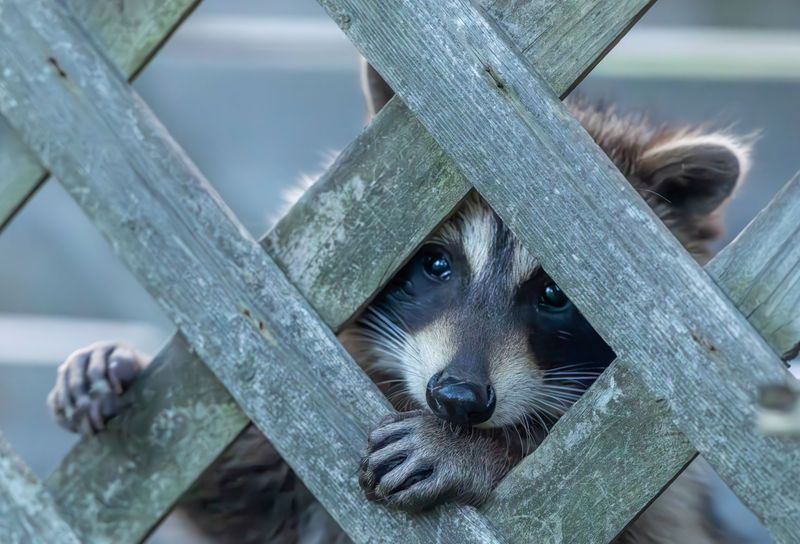
Raccoon front paws look surprisingly like tiny human hands, and their muddy prints prove it on deck steps. I love spotting those little five-fingered tracks, even when they lead straight to my trash can.
Mother raccoons often pick the dark space under a deck for raising kits through spring and summer. The spot feels safe to her because it stays quiet and blocks both wind and nosy neighborhood dogs.
You might notice big ragged holes torn through lattice or skirting along the edges of your deck. Raccoons are strong and clever, so flimsy barriers rarely slow them down for very long at all.
Listen closely at dusk for chittering or soft purring sounds drifting up between your deck boards each night. High-pitched cries often mean a litter of kits is tucked underneath, waiting for their mother to return.
These masked bandits eat almost anything, so unsecured garbage and pet food act like a dinner invitation. Personally, I keep my trash cans latched and bring pet bowls inside before the sun goes down.
If babies are present, wait until the family moves out before sealing the opening behind them. Mothers usually relocate kits on their own once they grow, and blocking them inside causes bigger problems.
Once the space is empty, attach galvanized hardware cloth around the deck and bury it several inches deep. A buried L-shaped footer stops raccoons from simply digging under your new barrier the following week.
2. Skunks Leaving Cone Shaped Holes Near Your Deck
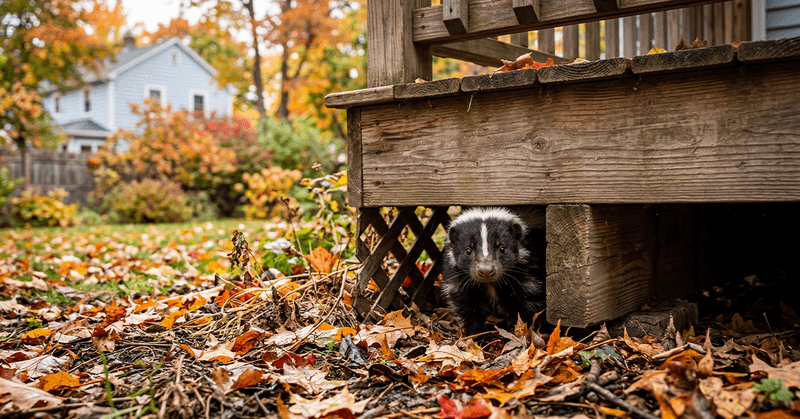
Your nose usually discovers a skunk long before your eyes ever do, especially on warm evenings near the deck. That musky smell can drift for a surprising distance and linger around your yard for many days.
Striped skunks only need a gap about four inches wide to squeeze under a deck or porch. In fall they search hard for snug winter dens, and a low deck looks like perfect real estate.
You might notice small cone-shaped holes, about three or four inches across, scattered through your lawn each morning. Skunks dig those pits while hunting grubs and beetle larvae, so they actually help control lawn pests.
I have to admit I respect them for that pest patrol, even if I keep my distance. They mostly forage at night, which means you will likely hear rustling or smell them before spotting one.
Their famous spray is hard to wash away and can seep indoors when a den sits under your house. Pets that wander too close often come back reeking, so keep dogs leashed during evening bathroom trips outside.
To find out whether a skunk is home, loosely stuff the hole with newspaper and check it daily. If the paper stays pushed aside for several nights in a row, someone is still coming and going.
After the den is empty, seal openings with buried hardware cloth and remove fallen birdseed from the yard. Avoid sealing anything in early summer, since mothers may have young babies hidden in the den then.
3. Opossums Napping In Shady Deck Corners
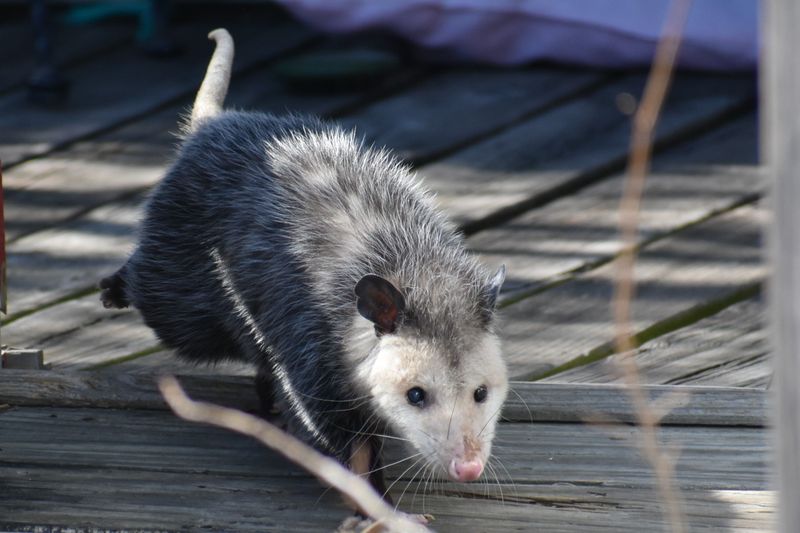
Opossums carry fifty teeth and a hairless tail that can grip branches, which makes them wonderfully strange neighbors. I can’t imagine a backyard visitor more misunderstood than this shy, slow-moving wanderer with a pink nose.
The Virginia opossum is North America’s only native marsupial, so mothers carry tiny babies in a pouch. Later, the young ride around clinging to her back, which is quite a sight under a porch light.
Unlike skunks or groundhogs, opossums do not dig their own burrows under your deck or anywhere else. They simply borrow existing gaps, empty dens, brush piles, or hollow logs whenever they need a resting spot.
Most opossums are nomads that move along every few nights or weeks rather than settling down for good. That habit means your guest will often leave on its own if food stays scarce around the yard.
They munch on insects, slugs, snails, fallen fruit, and carrion, which helps tidy up a garden naturally. Studies on ticks are mixed, so treat claims that opossums eat thousands each season with some healthy doubt.
When terrified, an opossum may collapse into a stiff trance known as playing possum, sometimes for hours. If you find one lying still, step back and give it quiet space to recover and wander away.
Pick up dropped fruit and store pet food indoors to make your deck less appealing to wandering opossums. Then close any gaps with hardware cloth once you confirm the space underneath is empty for the night.
4. Groundhogs Digging Deep Burrows Beside Deck Posts
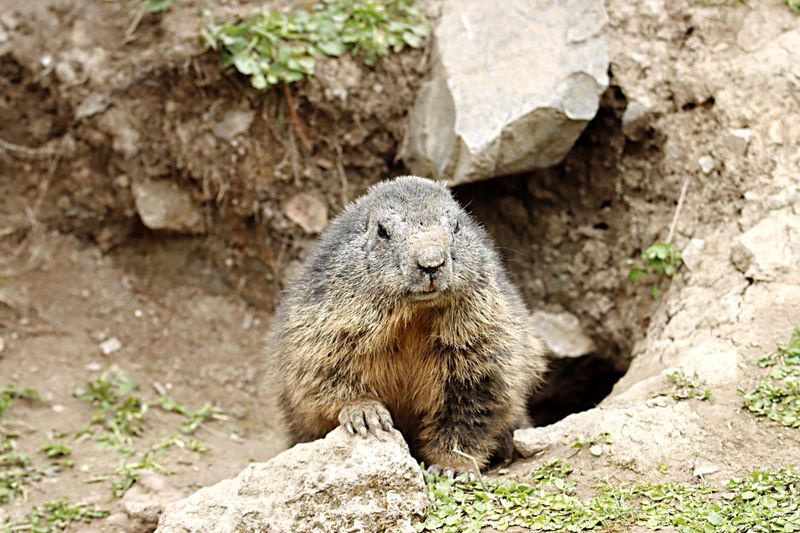
A single groundhog can move a surprising amount of soil, carving tunnels that may stretch dozens of feet. I once watched a chubby woodchuck sit upright by a deck post like it owned the whole yard.
Groundhog burrows often run twenty feet or more, with several entrances and separate rooms for sleeping and nesting. Those tunnels give them shelter from predators and a cozy spot for their long winter hibernation.
You might notice a main entrance about eight to twelve inches wide with a fresh mound of dirt. That dirt pile is a big clue, because chipmunk holes rarely have soil scattered around them.
Unlike most deck dwellers, groundhogs are active during the day, especially in early morning and late afternoon. Watching from a window during those hours is an easy way to confirm who is doing the digging.
Their tunnels can loosen soil around deck footings and foundations, which may weaken support over time. Gardeners also lose plenty of beans and tender lettuce to these hungry plant eaters with big appetites.
Before trapping one, check rules from the Virginia Department of Wildlife Resources, since relocation has specific limits. A licensed wildlife professional can also handle removal safely if you feel unsure about the whole process.
For prevention, install an L-shaped hardware cloth barrier buried about a foot deep around the deck edge. Planting beds farther from the deck also gives curious groundhogs fewer reasons to move in nearby.
5. Gray Squirrels Nesting Beneath Raised Decks
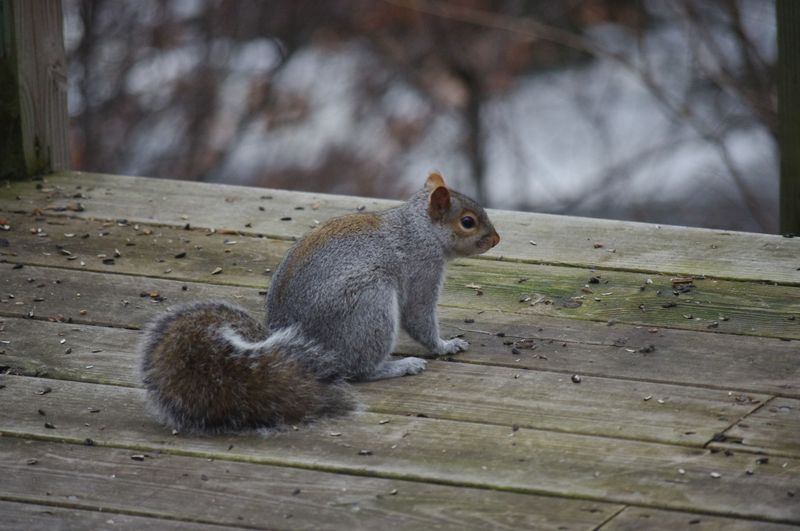
Eastern gray squirrels bury so many nuts that the forgotten ones help plant new oak and hickory trees. I love that quirky habit, though I am less charmed when they stash acorns under my deck.
A raised deck offers a dry and sheltered space that feels a lot like their natural tree cavities. Most squirrels still prefer leafy nests high in branches, so under-deck nesting tends to happen near wooded yards.
Spring brings breeding season, and fall brings frantic food storage before the colder months set in. You might hear quick scampering or scratching from below, usually during daylight hours instead of late at night.
Squirrels are rodents, and their front teeth keep growing throughout their lives, so they chew constantly. Deck joists and the undersides of boards can show gnaw marks if a squirrel spends much time down there.
Personally, I check the framing with a flashlight once or twice a year to catch chewing early. Shallow nibbles are mostly cosmetic, but deep gouges on support beams deserve a closer look from a pro.
Bird feeders near the deck attract squirrels like magnets, so consider moving feeders farther out into the yard. Sweep up spilled seed often, since that free buffet encourages squirrels to settle in right beside it.
Once you know the space is empty, cover openings with sturdy hardware cloth rather than thin plastic mesh. Squirrels chew through soft materials quickly, while galvanized steel mesh holds up much better over the seasons.
6. Red And Gray Foxes Raising Kits Under Porches

Gray foxes can climb trees using hooked claws, a rare trick among members of the dog family. You might be surprised to learn that one could be raising pups under a quiet deck nearby.
Both red and gray foxes live across Virginia and sometimes choose low decks or sheds for dens. They often reuse a good den year after year, especially during spring when young kits arrive.
Red foxes may hunt during daylight from spring into summer while busy feeding their hungry growing pups. Seeing one at noon during that season is usually normal and not a sign of illness by itself.
Late winter nights can bring eerie screams and sharp yaps, which are common sounds during mating season. I have to admit the first scream I heard sounded like a person, and it startled me badly.
Foxes eat mice, voles, rabbits, insects, and fruit, so they can help keep rodent numbers in check. Many gardeners welcome a temporary fox family for that reason and simply wait for the pups to leave.
Fox families usually abandon the den by midsummer once the kits are old enough to travel and hunt. Light harassment, like a talk radio or rags with strong scents near the entrance, can encourage an earlier move.
Avoid feeding foxes on purpose or by accident, since easy meals can erase their natural caution around people. After the family leaves, seal the den with buried hardware cloth so next spring brings new tenants elsewhere.
7. Striped Chipmunks Tunneling Under Deck Steps
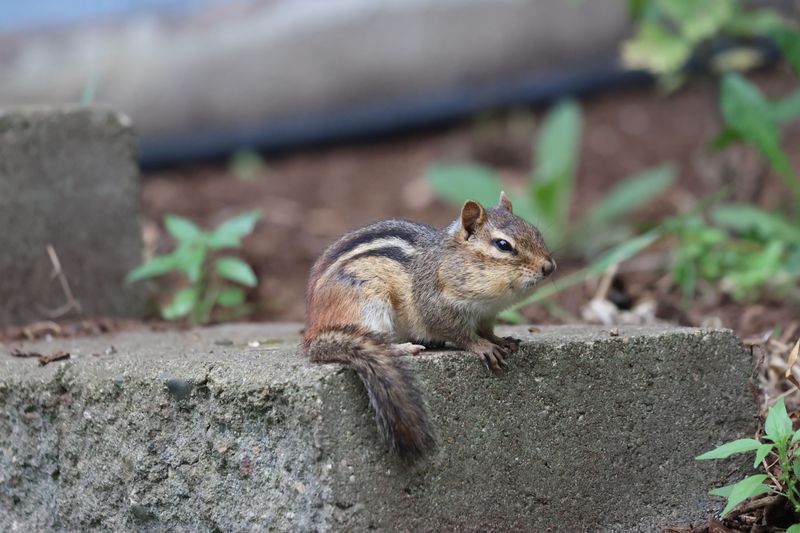
Chipmunks stuff their stretchy cheek pouches so full that their faces puff out like tiny furry balloons. I can watch that silly sight for ages, even while they steal sunflower seeds from my feeder.
Eastern chipmunks dig burrows with separate rooms for sleeping and storing seeds, nuts, and other food. Entrances are often tucked under decks, patios, woodpiles, or steps where predators have trouble reaching them.
You might notice clean holes roughly two inches wide with no dirt piled around the openings at all. Chipmunks carry the soil away in their cheeks, which keeps their front doors cleverly hidden from view.
These striped rodents are active during the day, especially in mid-morning and again in mid-afternoon. They spend much of winter dozing underground but wake often to snack from their stored food supplies.
Gardeners often notice them digging up tulip bulbs and nibbling tender seedlings in the vegetable patch. Placing hardware cloth over bulb beds before planting season can protect your flowers from those busy paws.
Lots of burrows can slowly undermine patios and steps if the tunneling continues unchecked for several years. Filling unused holes with gravel helps, because chipmunks find loose stones much harder to dig through.
Keep a gap of plain gravel or bare ground between deck edges and flower beds or shrubs. Chipmunks feel exposed crossing open space, so they are less likely to set up house right there.
8. Black Rat Snakes Slipping Into Deck Shadows
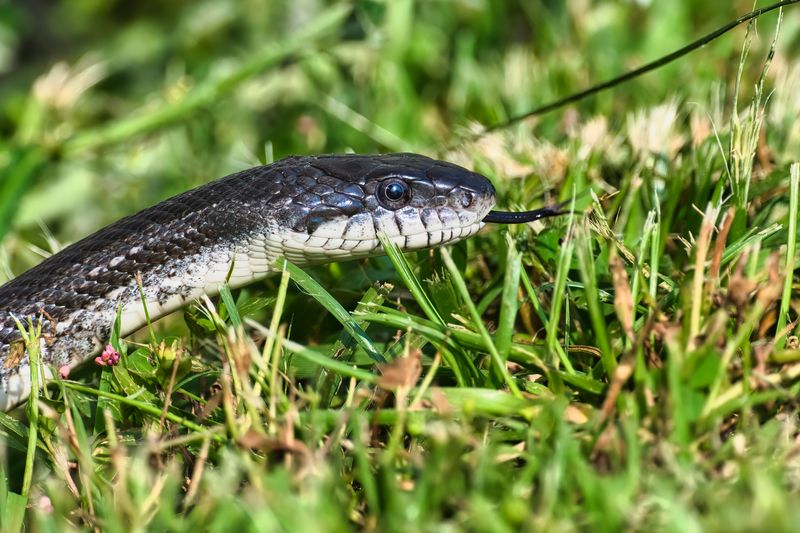
Eastern rat snakes can grow over six feet long, making them the largest snake in Virginia. Spotting one under your deck might make your heart jump, but most are calm and harmless.
Snakes like deck spaces because the shade stays cool in summer and the soil holds warmth later. They also slip into old burrows dug by groundhogs or chipmunks, which turns your deck into prime habitat.
Only three of the roughly thirty native snake species found across the Commonwealth carry venom at all. Copperheads are the venomous kind most likely near homes, so learn their hourglass-shaped bands before you need it.
Personally, I keep a safe distance from any snake and identify it from a few steps away. Rat snakes eat mice and rats, so having one nearby can quietly reduce rodent trouble around your house.
Snakes rarely damage decks themselves, but their sudden appearance can certainly startle anyone stepping outside barefoot. Wearing shoes outdoors at dusk and using a flashlight helps you avoid unpleasant surprises on warm evenings.
Clearing woodpiles and tall grass near the deck removes cover that both snakes and their prey enjoy. Fewer rodents in the yard also means fewer reasons for hungry snakes to hang around your home.
Seal gaps with fine hardware cloth, since snakes can squeeze through surprisingly narrow openings under deck skirting. If a snake seems stuck or dangerous, call a local wildlife professional instead of trying to handle it.