What It Means When Chickadees Crowd Your Michigan Feeder In November
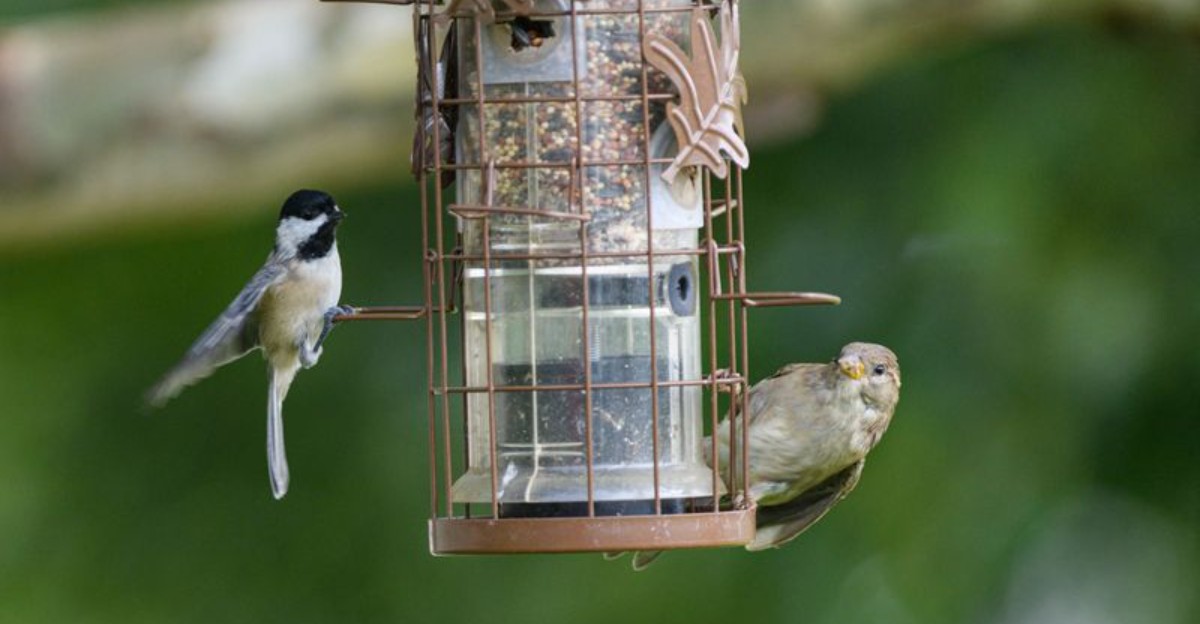
On a gray November morning, the feeder suddenly looks like a busy intersection. Chickadees dart in and out, grabbing a seed and rushing away before another takes its place. It happens fast, and it often means something has changed.
Chickadees do not flock in summer the way they do in cold months. Winter groups form for good reasons, and the birds follow a social order that surprises many watchers. Their feeding habits also reveal clever survival tricks.
Seeds disappear quickly, hidden in hundreds of places that the birds somehow remember. The crowd at your feeder is a sign of the season turning, and of how much these small birds rely on you. A little understanding makes every visit more interesting.
1. They’ve Joined Their Winter Flock
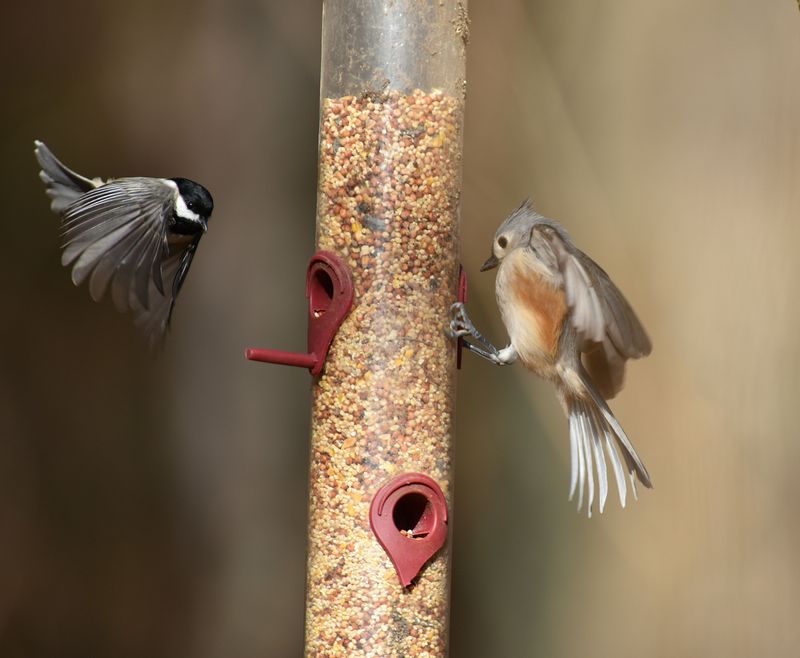
Something shifts in the woods once summer ends. During spring, black-capped chickadees (Poecile atricapillus) pair up and guard their own nesting spots, but by fall they set those squabbles aside and team up.
Small winter flocks form, usually with around six to ten chickadees. Each flock travels through a set area, almost like a neighborhood patrol, and it stays fairly loyal to that route all season long.
Other birds love to tag along, too. White-breasted nuthatches, downy woodpeckers, tufted titmice, and kinglets often join these mixed groups, and the reason is simple.
More eyes mean better chances of spotting food, and more ears mean a faster warning when a hawk or cat comes sneaking around.
Chickadees are the alarm system of the group. Their famous chick-a-dee-dee-dee call actually changes with danger, and studies have found that more dee notes at the end can signal a more serious threat. Other birds listen closely and react to these calls.
So what will you see at your feeder? Expect a sudden rush of activity as the flock arrives, with chickadees zipping in and out while a nuthatch creeps headfirst down the trunk nearby.
After a few minutes, the whole crew often moves on together, leaving your yard quiet until the next visit. Michigan is a great place to watch this happen.
Black-capped chickadees live here all year and rank among the most common backyard birds in the state. That means the same little flock may visit you daily through the coldest months, giving you a front-row seat to a true team effort.
Keep a notebook handy and jot down which birds show up together, because patterns appear quickly.
2. They’re Storing Food For Winter
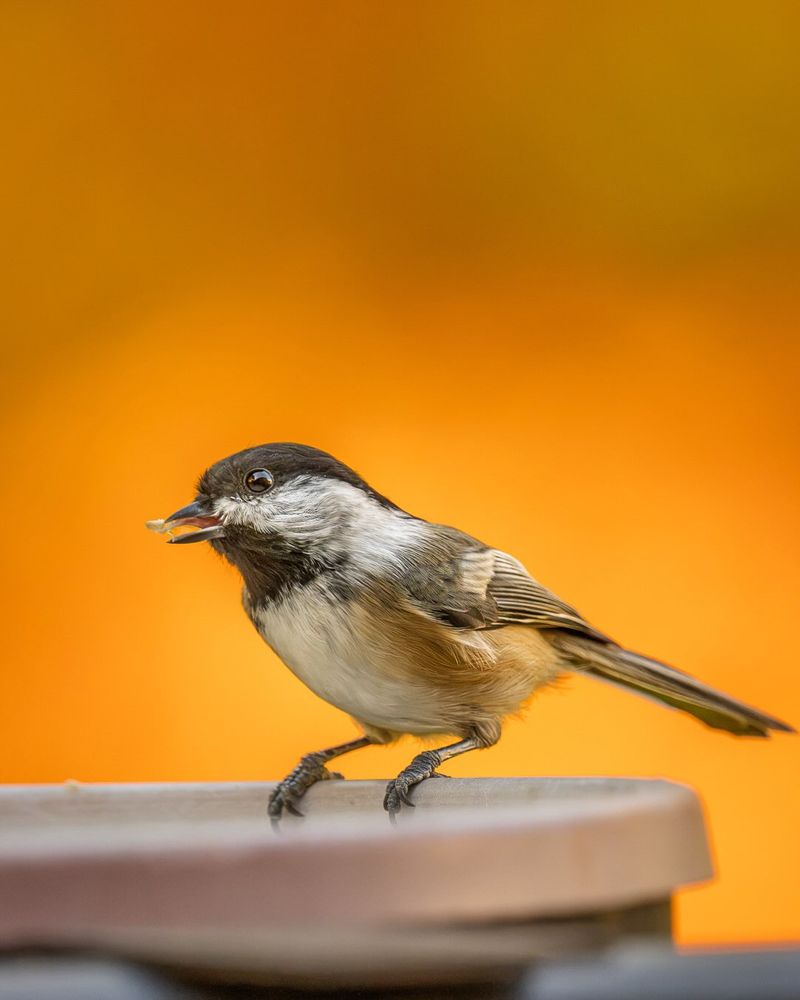
Ever noticed a chickadee grab a seed, vanish, and pop back seconds later for another? That busy bird is not being greedy. It is planning ahead like a tiny squirrel with wings.
Chickadees cache, or hide, food to eat later. They tuck seeds into bark cracks, under curled leaves, inside clusters of pine needles, and in all sorts of small nooks around your yard.
Here is the amazing part. Research shows these birds can hide thousands of food items in a single season and still remember many of those spots for weeks.
Your Michigan Garden Changes Every Week. Your Plan Should Too.
Gardening in Michigan changes quickly throughout the season. Every Friday you’ll receive a simple weekly plan showing exactly what to plant, prune, fertilize, harvest, and protect so you never miss the right timing.
Scientists have even found that the part of a chickadee’s brain tied to memory grows larger in fall, right when all this hiding gets going. Watching the behavior is pure entertainment.
A chickadee usually takes one seed at a time, flies to a nearby branch, and then decides what to do. Sometimes it holds the seed with its feet and hammers it open to eat, and other times it zips off to stash it somewhere secret.
Then it comes right back for more. You might see one bird make dozens of trips in a few minutes, which can make your feeder look much busier than it really is.
For Michigan gardeners, this habit matters a lot. Our winters are long, and deep snow or ice can hide natural food for days. Those hidden seeds act like a pantry the birds can raid when times get tough.
You can help by keeping shrubs, trees, and a little leaf litter around. Every rough bark surface and leafy corner becomes a possible storage spot, turning your yard into a winter grocery store for your feathered friends.
3. They Need High-Energy Food To Survive Cold Nights
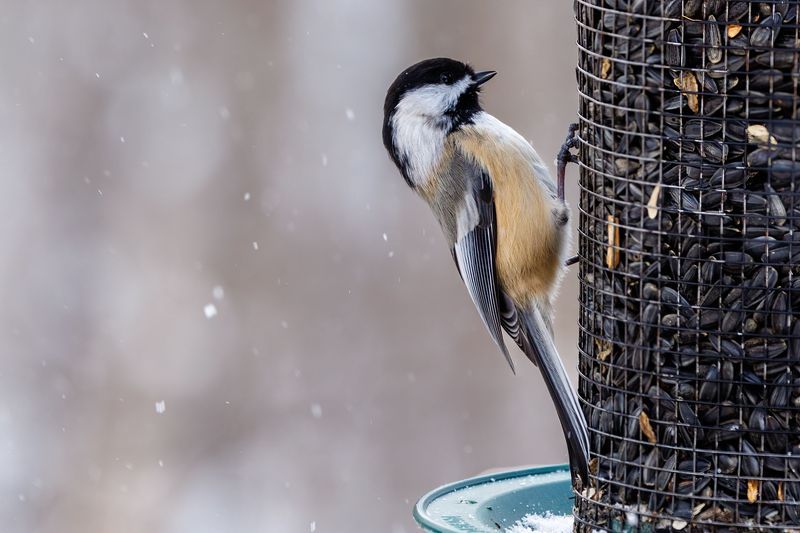
Weighing about as much as two or three quarters, a chickadee has a big job on a freezing night. It has to stay warm with a body smaller than your fist.
Tiny birds lose heat fast. To fight the cold, chickadees fluff their feathers, shiver to make heat, and can even lower their body temperature at night to save energy, a state called regulated hypothermia.
All that effort burns fuel. On a cold night, a chickadee can lose a noticeable share of its body weight, sometimes close to ten percent, so it must eat plenty during the short daylight hours to build back fat reserves.
Your feeder can be a real lifesaver here. Black oil sunflower seeds are a top choice because their thin shells crack easily and the seeds inside are rich in fat. Sunflower hearts are even easier, since there is no shell to open at all.
Suet is another winner. This high-fat treat gives quick energy, and chickadees happily cling to suet cages upside down. Unsalted peanuts, either shelled or chopped, round out a menu that keeps birds fueled.
Skip anything salted or flavored, since those extras are not good for birds. Timing helps, too. Fill feeders in the late afternoon so birds can load up before dark, and check them first thing in the morning when hungry visitors arrive.
Cold snaps call for extra attention. In Michigan, winter nights often drop well below freezing for weeks on end, and wind chills can make things even harsher.
Keeping your feeders full during these stretches gives chickadees the energy boost they need to greet each new sunrise.
4. Feeders Help, But They Don’t Make Birds Dependent
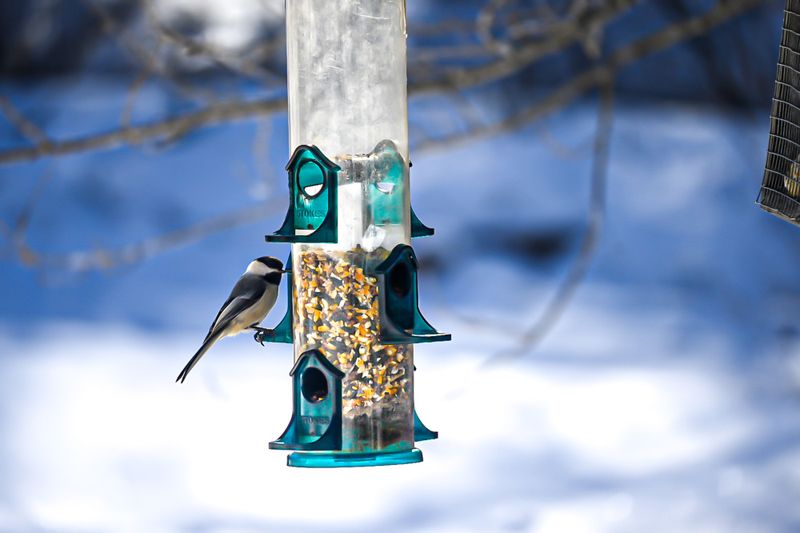
Plenty of bird lovers carry a quiet worry. If you feed chickadees all winter, will they forget how to find food on their own?
Good news is on the way. Researchers in Wisconsin studied black-capped chickadees for years and found that birds with easy access to feeders still gathered most of their daily food from nature. Feeders made up only about a quarter of what they ate.
That same research showed something else encouraging. When feeders were taken away, the chickadees did just as well as birds that had never used feeders at all. They simply went back to searching bark, twigs, and seed heads like they always had.
So think of your feeder as a helpful snack bar, not a full kitchen. It gives birds a handy boost, especially when the weather turns rough.
Those rough days are when feeders shine. Studies found that during severe cold, birds with feeder access had better winter survival, since extra food helped them handle bitter temperatures.
Snowstorms and ice storms that cover natural food also make your offerings extra valuable.
Still, life happens. If you need to stop feeding for a while, chickadees will keep finding natural food without trouble. Try to keep feeders stocked during the coldest stretches if possible, or ask a neighbor to refill them while you are away.
Michigan folks who head south for a winter break can relax a little. Your backyard flock is tough, clever, and well prepared. When you return and fill those feeders again, the chickadees will likely be back within a day or two, chattering away as if you never left.
5. They Need Shelter On Cold Nights
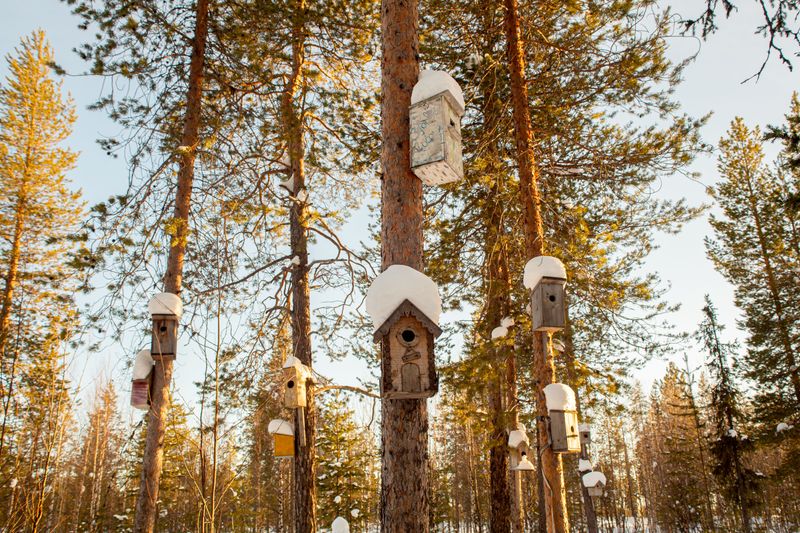
When the sun sets on a frosty Michigan evening, chickadees vanish. Your feeder goes quiet, and the flock seems to disappear into thin air.
Each bird has actually found its own bedroom. Unlike some birds that huddle together, chickadees usually roost alone, tucking into tree cavities, old woodpecker holes, nest boxes, or the thick branches of evergreen trees.
These cozy spots block the wind and trap a little warmth. For a bird this small, staying out of a howling breeze can make a big difference by morning.
Your yard can offer great sleeping spots with a few easy steps. Leave nest boxes up through winter instead of taking them down in fall, since chickadees may use them as snug shelters on bitter nights.
A quick cleanout of old nesting material in late fall keeps the box ready. Standing snags, which are old trees or large branches without leaves, can be valuable too.
Woodpeckers carve holes in them, and chickadees later move in. Keep these only where safe, far from houses, sidewalks, play areas, and power lines.
Planting evergreens might be the best long-term gift of all. White pine, spruce, and arborvitae hold their needles through winter, creating dense green walls that shield birds from snow and wind.
A small cluster of these trees near your feeders also gives birds a quick hiding place from hawks.
Michigan winters can bring wind chills far below zero. Shelter helps small birds save precious energy, so a few thoughtful choices in your yard could help your favorite flock make it to spring in great shape.
6. Clean Feeders Keep The Flock Healthy
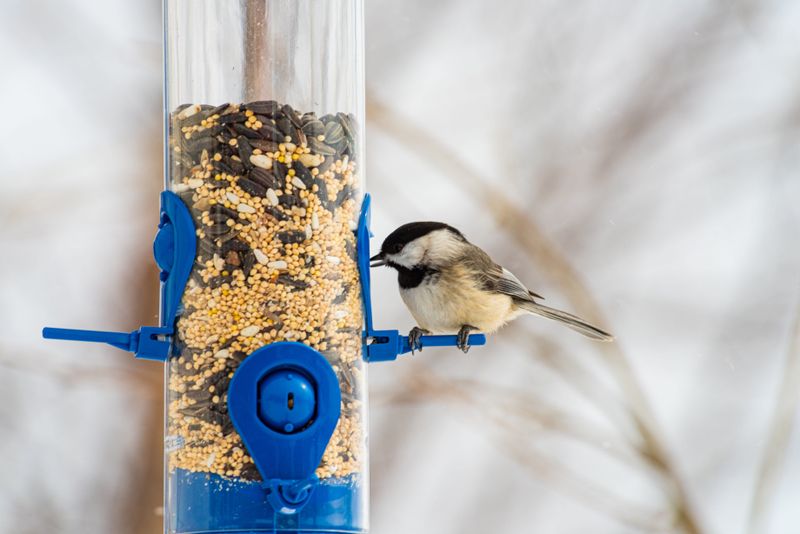
A crowded feeder is a happy sight, but it can also become a germ hotspot. Think about a school cafeteria during flu season, and you get the idea.
When many birds gather in one place, illness can spread quickly. Droppings on perches, wet clumps of seed, and moldy leftovers can all carry germs that make birds sick, so cleaning your feeders protects the whole flock.
Fortunately, the job is simple. Every couple of weeks, take your feeders down and scrub them with hot, soapy water, or soak them in a mild bleach solution of about one part bleach to nine parts water. A long bottle brush helps reach the corners of tube feeders.
Rinsing well is a must. Afterward, let everything dry completely before refilling, because damp seed spoils fast. Many people keep a spare feeder on hand so birds never go without food during cleaning day.
Keep an eye on the seed itself, too. Toss out anything that looks wet, clumpy, or moldy, and only fill feeders with what birds can finish in a few days during rainy or snowy weather.
The ground needs attention as well. Old seed and empty hulls pile up under feeders and can grow mold, so rake them up regularly. Moving your feeder a few feet now and then also helps keep one spot from getting too messy.
Michigan homeowners often see their busiest feeder action in winter, with chickadees, nuthatches, finches, and woodpeckers all crowding in at once. A clean setup keeps that lively crowd healthy, so you can enjoy the show all season long.
7. Native Plants Feed Them All Winter
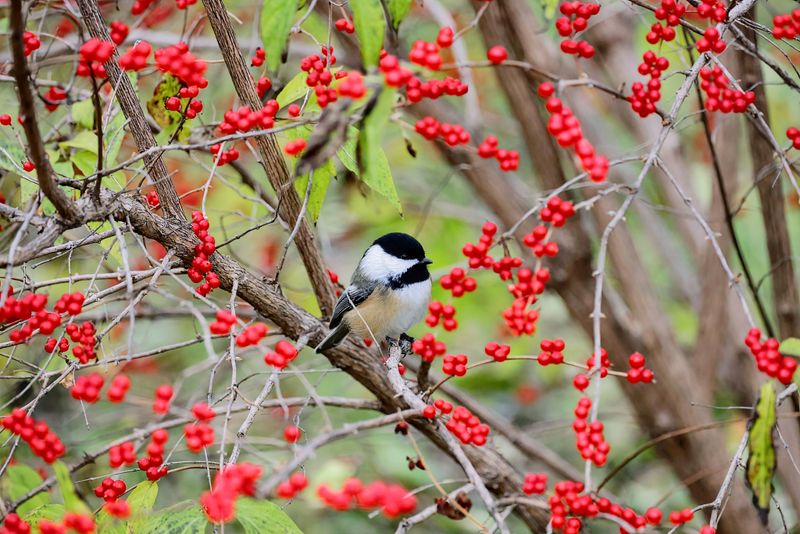
Feeders get all the attention, yet the real winter buffet hides in your trees and shrubs. Chickadees spend much of their day searching bark and twigs for tiny treasures.
Insect eggs, larvae, and pupae tucked into bark cracks and plant stems make up an important part of their winter diet. Add in seeds and berries, and you can see why native plants work like a natural pantry that never needs refilling.
Trees are a great place to begin. Oaks are superstars, supporting hundreds of kinds of caterpillars and other insects, while birches and maples also host plenty of bugs. Those insects lay eggs that chickadees pick from branches all winter.
Shrubs bring color and food together. Winterberry holds bright red berries deep into the cold months, and serviceberry offers fruit in summer plus shelter later on. Both are native to Michigan and grow well in many yards.
Your garden cleanup can wait, too. Leaving seed heads from plants like coneflowers, black-eyed Susans, and goldenrod standing through winter gives birds extra snacks. Hollow stems may also shelter insects that birds will happily find.
One more tip makes a big difference. Avoid insecticides whenever possible, since they reduce the very bugs chickadees rely on, especially when feeding their babies in spring. A yard full of healthy insects is a yard full of happy birds.
Michigan winters stretch on for months, and native plants help chickadees and their flock mates find food the whole way through. Plant a few this coming spring, and future Novembers could bring an even bigger, livelier crowd to your yard.