This Pollinator Favorite Is An Underrated Salvia Alternative For Michigan Flower Beds
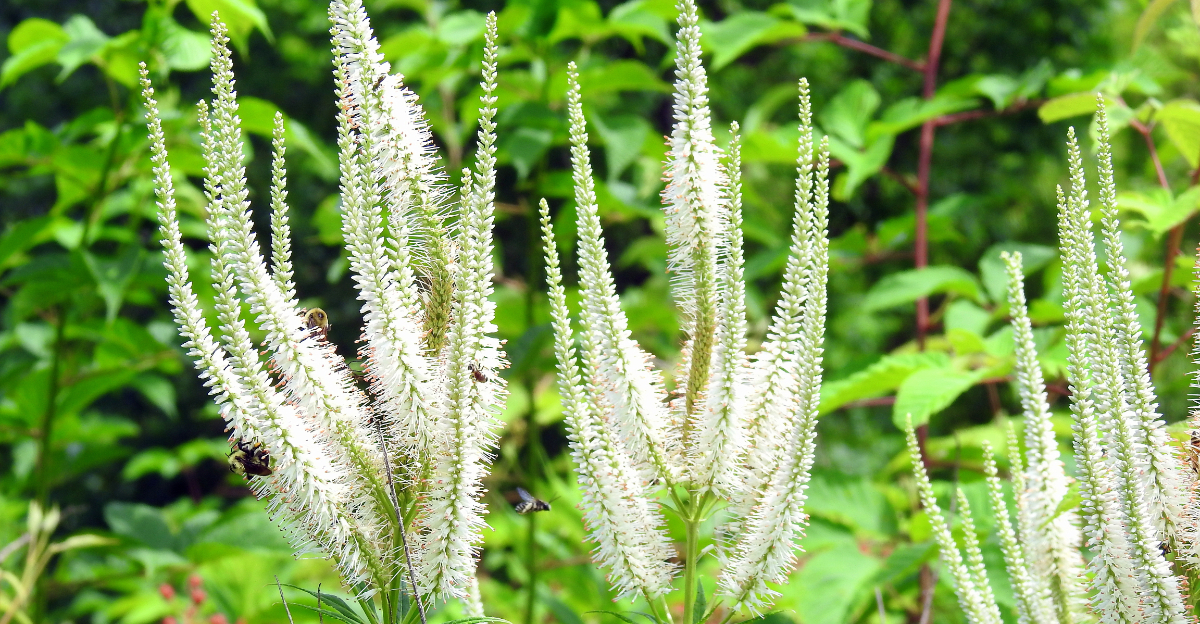
Culver’s root brings striking vertical interest to Michigan flower beds while offering pollinators just as much appeal as traditional salvia varieties.
This native perennial produces tall spikes of white or pale purple blooms that attract bees and butterflies throughout mid to late summer.
Unlike salvia, culver’s root tolerates Michigan’s clay soil and inconsistent moisture levels without much fuss or special care. Its height makes it a strong addition toward the back of garden beds, adding structure that shorter salvia varieties simply cannot provide.
Once established, culver’s root requires minimal maintenance, returning reliably each year with little intervention needed.
Its architectural form also holds up well after blooming, adding visual interest even as flowers fade into fall.
This native option supports a wider range of local pollinators compared to many non native alternatives. Choosing culver’s root gives Michigan gardens height, color, and ecological value all in one low maintenance plant.
1. Culver’s Root Creates Elegant Upright Flower Spires
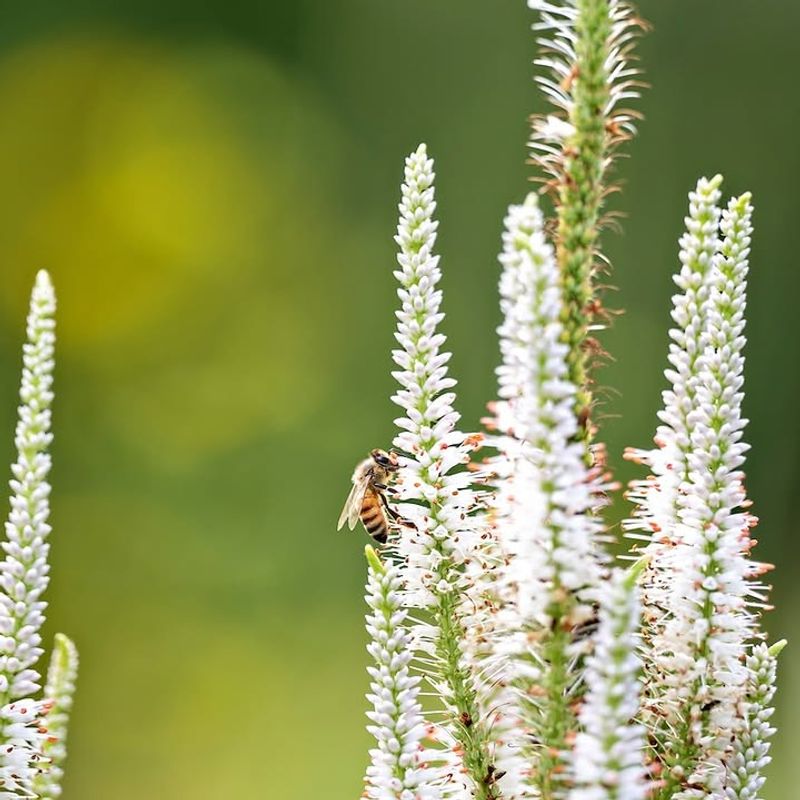
Picture a plant so naturally refined that it looks like a garden designer placed it there on purpose. That is exactly the impression Culver’s Root makes when its tall, slender flower spikes rise above a summer flower bed.
Known botanically as Veronicastrum virginicum, this native perennial produces clusters of narrow white spires that reach skyward with a quiet confidence that few garden plants can match.
Gardeners who love the vertical drama of ornamental Salvia will find a lot to appreciate here. Culver’s Root delivers that same upward architectural energy, giving beds a sense of structure and height that draws the eye naturally from one end of the border to the other.
The blooms are soft and airy rather than bold and showy, which makes them pair beautifully with almost any surrounding plant.
One important difference to keep in mind is that Culver’s Root grows considerably taller than most compact Salvia varieties.
Expect mature plants to reach somewhere between three and five feet in height, which places them firmly in the mid-border or back-of-border category.
This is not a front-of-bed filler plant. Instead, think of it as the elegant, upright backbone of a naturalistic Michigan perennial border that rewards careful plant placement and thoughtful design choices.
2. Culver’s Root Is Native To Michigan
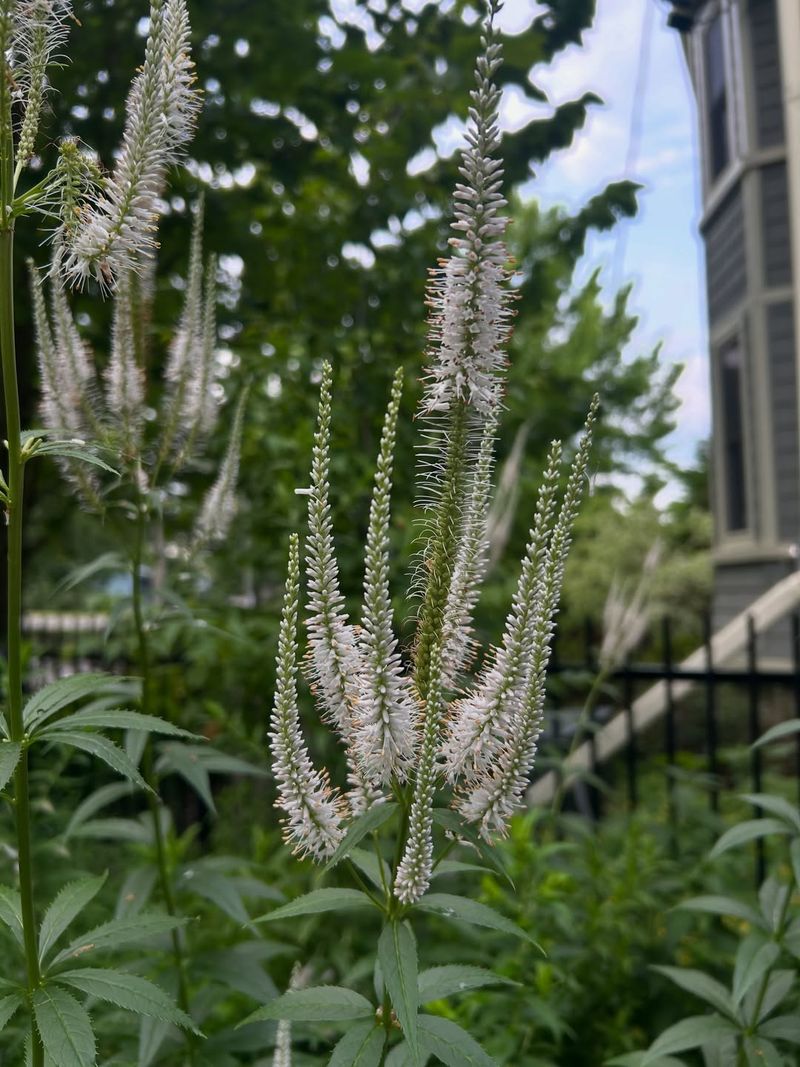
Not every beautiful garden plant belongs where it grows, but Culver’s Root is one that genuinely does. This perennial occurs naturally throughout Michigan and is a true member of the state’s native flora.
Choosing a native plant like this one means you are working with nature rather than against it, giving your garden a deeper connection to the surrounding Michigan landscape and its web of local wildlife.
Native plants have evolved alongside local insects, birds, and soil organisms for thousands of years.
That long relationship means Culver’s Root is already well suited to Michigan’s climate, seasonal rhythms, and native soil conditions without needing a lot of extra help from gardeners.
Once established, it tends to settle in and thrive with far less fussing than many non-native ornamentals require.
Your Michigan Garden Changes Every Week. Your Plan Should Too.
Gardening in Michigan changes quickly throughout the season. Every Friday you’ll receive a simple weekly plan showing exactly what to plant, prune, fertilize, harvest, and protect so you never miss the right timing.
One practical tip worth remembering when you shop for this plant is to look for its botanical name, Veronicastrum virginicum, on the label.
Common plant names can sometimes be applied loosely or inconsistently across different nurseries and regions, which can lead to confusion at the garden center.
Confirming that botanical name gives you confidence that you are bringing home the real thing.
Supporting local native plant nurseries in Michigan is also a wonderful way to ensure the plants you purchase are well adapted to your specific growing region and sourced responsibly.
3. The Flowers Are Highly Attractive To Bees
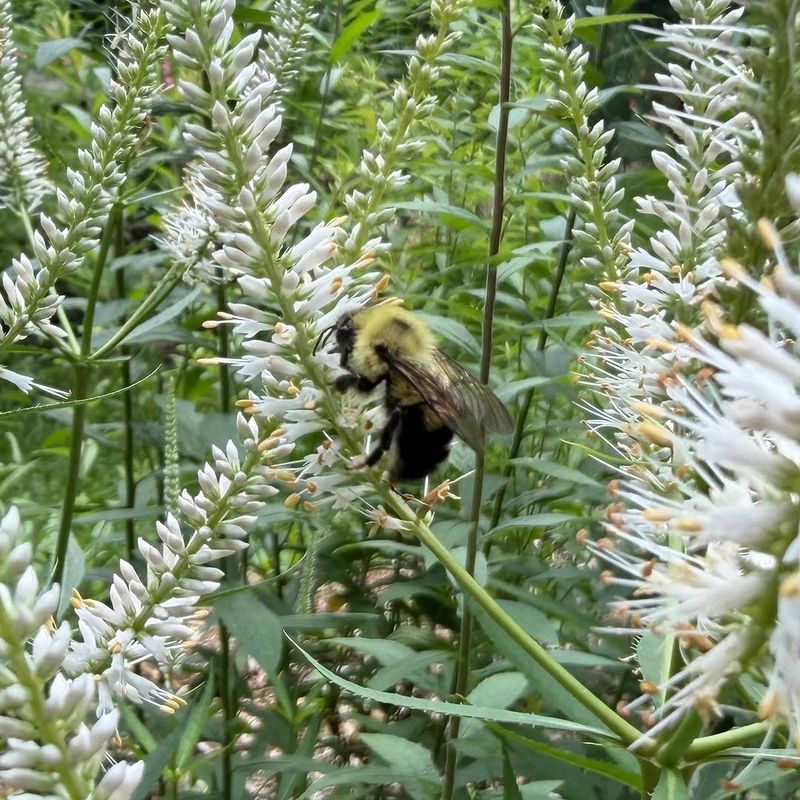
Some plants simply have a reputation among pollinators, and Culver’s Root has earned every bit of its standing.
Research conducted at Michigan State University found that the flowers of Veronicastrum virginicum are highly attractive to a wide range of bee species.
Sweat bees, small carpenter bees, bumblebees, and honey bees have all been observed visiting the blooms in notable numbers, making this plant a genuinely productive stop on a pollinator’s daily foraging route.
The reason bees respond so enthusiastically comes down to flower structure. Each tall spike is lined with dozens of tiny individual flowers, and those flowers open gradually from the bottom of the spike upward over an extended period.
This means there is nearly always something freshly blooming along each stem, giving visiting bees repeated and reliable feeding opportunities throughout the plant’s blooming window.
Worth noting is that no single perennial, however popular with pollinators, can carry the full weight of supporting a healthy bee population on its own.
Culver’s Root works best as part of a diverse planting that includes other Michigan native flowers blooming across different seasons.
That said, its specific appeal to multiple bee species and its generous flower count make it one of the more valuable additions a Michigan gardener can make to a pollinator-friendly yard.
Adding even a small group of these plants can make a noticeable difference in the activity and energy of your summer garden.
4. Summer Blooming Helps Fill A Seasonal Flower Gap
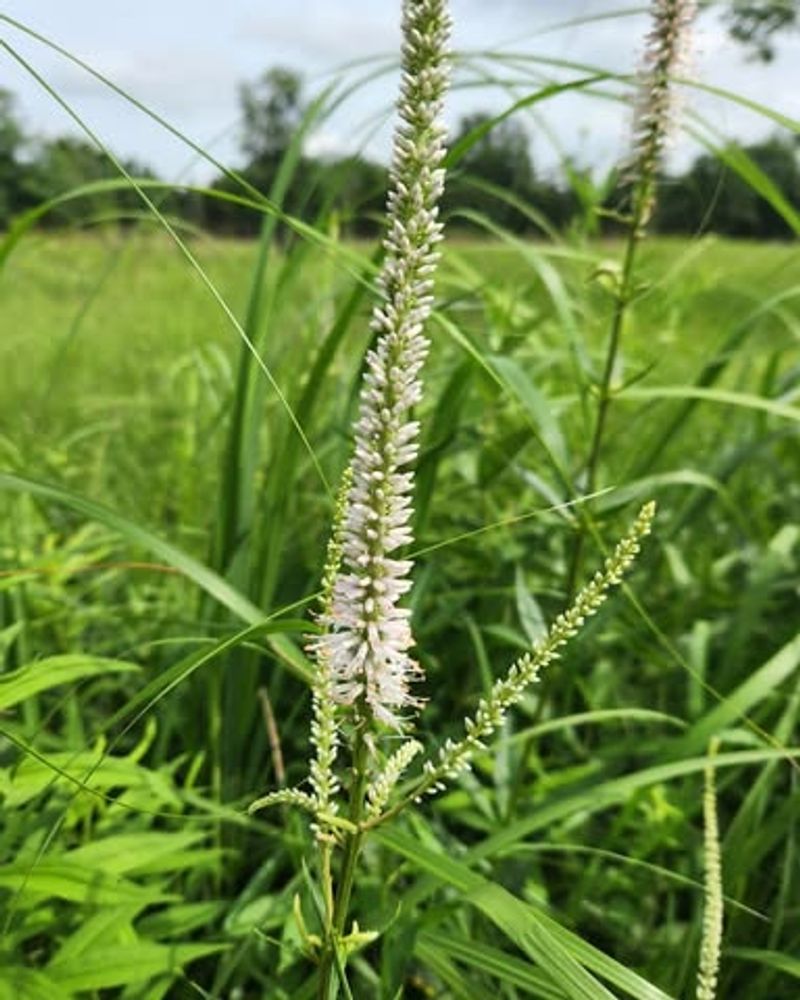
Timing matters enormously in a well-planned pollinator garden, and Culver’s Root blooms at exactly the right moment.
Michigan State University research observed the plant flowering from late July into early August, placing it squarely in the midsummer window when many spring bloomers have already faded and the big fall displays of asters and goldenrod have not yet hit their peak.
That gap can leave pollinators with fewer food sources than they need, and Culver’s Root steps right in to help bridge it.
For gardeners thinking strategically about seasonal interest, this bloom timing is genuinely useful.
Pairing Culver’s Root with early summer perennials on one side and late-season native bloomers on the other creates a garden that supports pollinators across a much longer stretch of the warm season.
It also means your flower bed never has to look bare or uninspiring during the hottest weeks of summer when outdoor entertaining and garden enjoyment are at their peak.
Keep in mind that exact bloom timing is not set in stone. Location within Michigan, local weather patterns, available sunlight, and the temperatures of any given season can all shift when a particular plant decides to flower.
A plant in a warmer, sunnier spot may bloom a bit earlier, while one growing in cooler or shadier conditions might hold off a little longer.
Watching your own plants across a few seasons will give you the most accurate picture of when to expect those beautiful white spires to appear.
5. Full Sun Or Partial Shade Can Support Healthy Growth
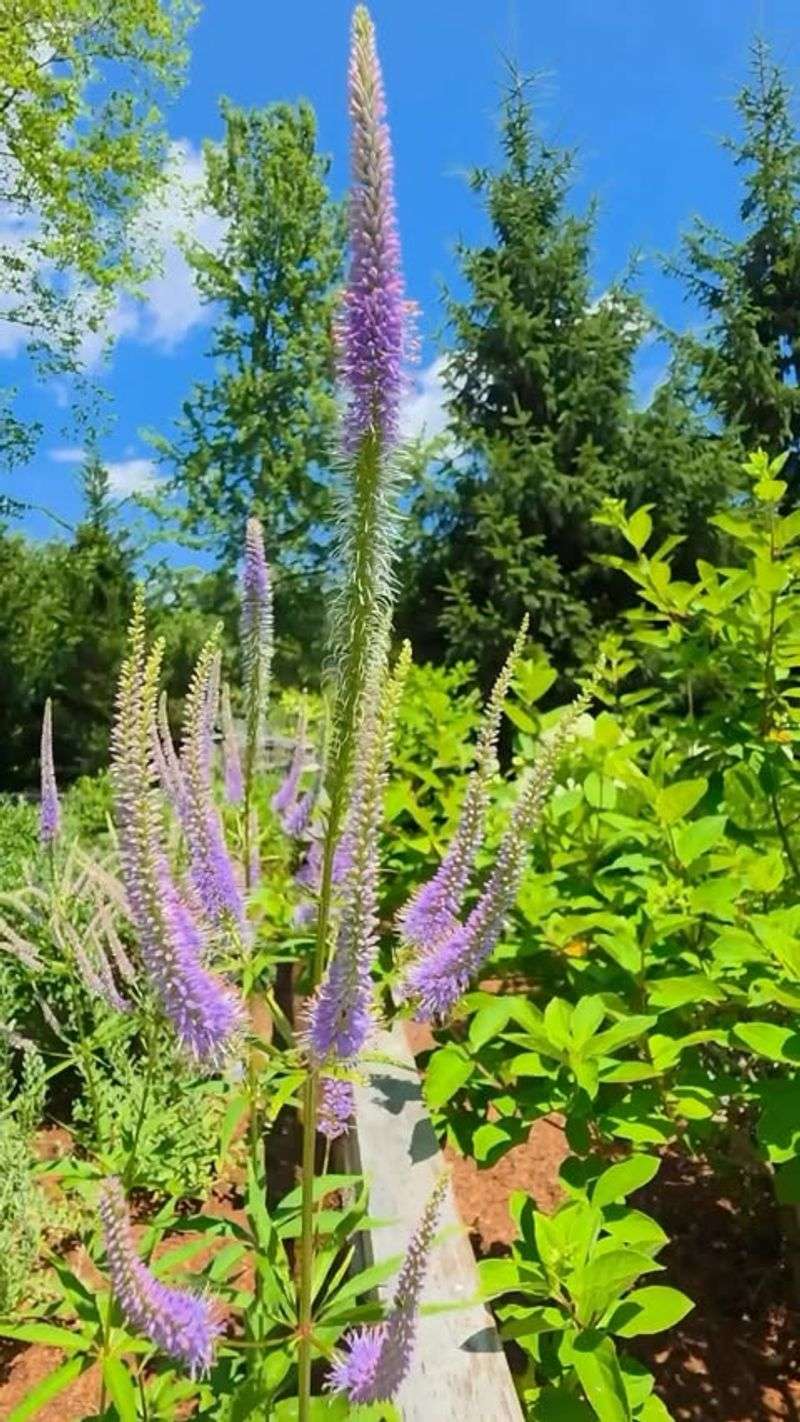
Flexibility is one of the most underrated qualities a garden plant can have, and Culver’s Root brings plenty of it to the table.
This perennial performs well in both full sun and partial shade, which opens up a wider range of planting locations than many gardeners might expect.
Whether your flower bed bakes in afternoon sunshine or sits beneath the dappled light of a nearby tree canopy, Culver’s Root can find its footing and grow into a handsome, productive plant.
Full sun positions tend to produce the strongest results overall. Plants growing in bright direct light for six or more hours a day typically develop sturdier stems, denser foliage, and a more generous flower display than their shadier counterparts.
If you have a sunny perennial border or an open yard with good light exposure, that is often the ideal home for this plant.
A bright woodland edge that receives several hours of morning sun can also work beautifully, blending the plant naturally into a semi-naturalistic garden style.
In shadier spots, Culver’s Root can still grow and flower, but you may notice the stems reaching and leaning toward available light, or producing fewer blooms overall.
Providing some form of support in lower-light areas can help keep the plant upright and looking its best through the season.
Starting with the sunniest available location in your yard generally gives this native perennial the strongest possible foundation for healthy, vigorous, and floriferous growth season after season.
6. Consistent Moisture Keeps The Plant Looking Its Best
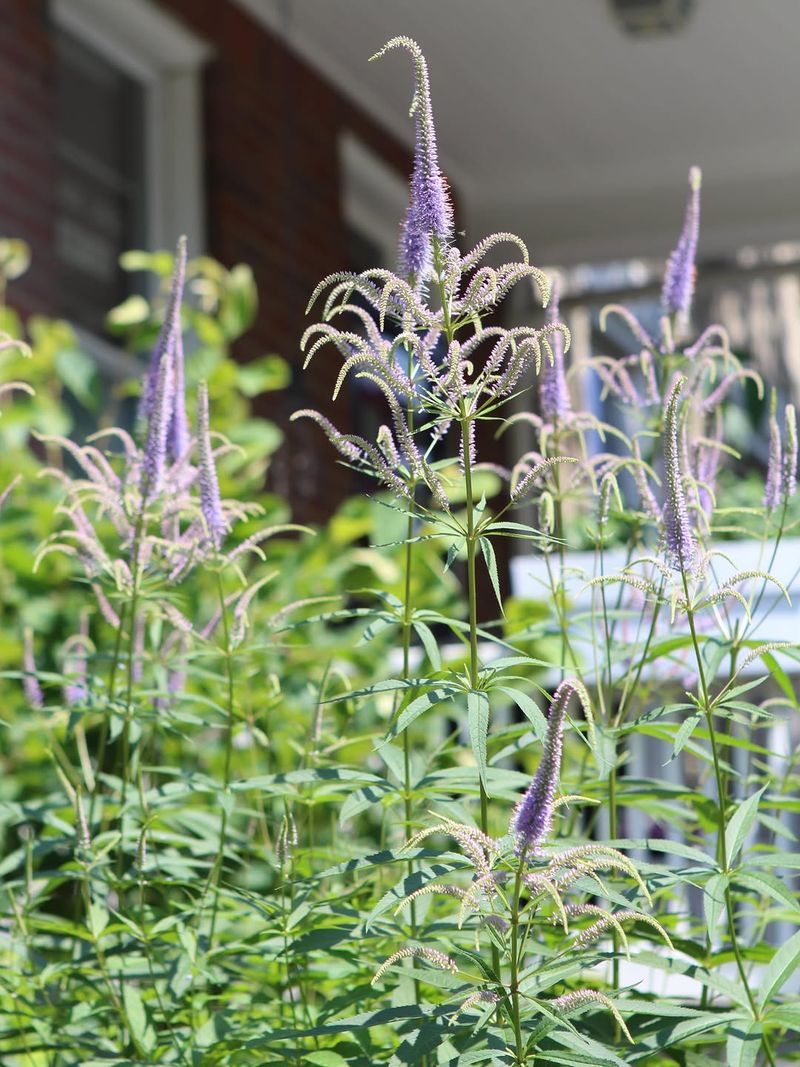
Water might seem like a simple topic, but getting moisture right is one of the most important things you can do for Culver’s Root. This plant prefers soil that stays moderately and reasonably consistently moist through the growing season.
It naturally thrives in habitats like moist meadows, stream edges, and open woodland areas where the soil does not swing wildly between bone dry and waterlogged conditions.
Planting in soil that retains some moisture while still allowing excess water to drain freely is the sweet spot to aim for.
Heavy clay soils that stay soggy for extended periods can create root problems over time.
While sandy or gravelly soils that drain instantly and stay dry through summer heat can stress the plant, reduce flower production, and cause foliage to look tired and worn well before the season ends.
During the first growing season after planting, consistent watering is especially important while the root system establishes itself.
Newly planted Culver’s Root has not yet developed the deep root network it will eventually rely on to access soil moisture independently.
Checking soil moisture during extended dry summer stretches and watering when the top few inches feel dry can make a meaningful difference in how well the plant settles in and performs.
Once established over a season or two, Culver’s Root becomes more self-sufficient, though it still appreciates supplemental water during unusually hot and dry Michigan summers to keep it blooming beautifully.
7. Tall Stems Add Structure To The Middle Or Back Of A Border
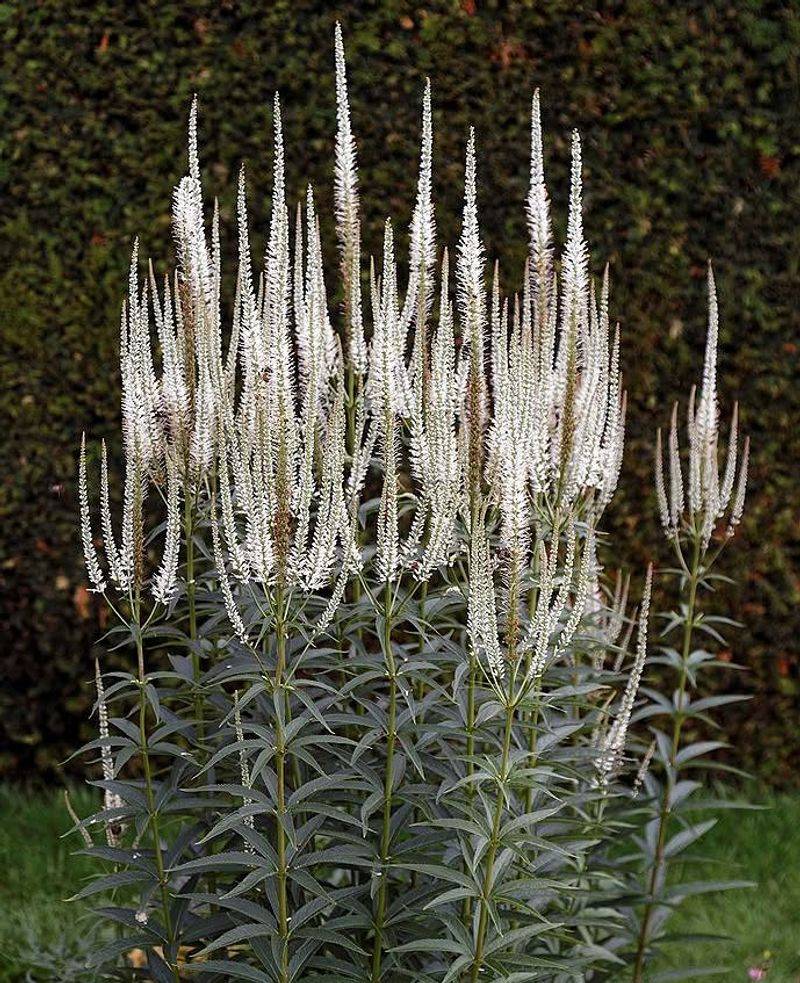
Height is a design tool, and Culver’s Root uses it brilliantly. With flowering stems commonly reaching three to five feet tall, this plant brings genuine vertical presence to a Michigan flower bed.
Placed thoughtfully toward the middle or back of a border, those upright white spires create a visual anchor that draws the eye upward and gives the entire planting a sense of depth, movement, and layered beauty that shorter plants alone cannot achieve.
Michigan State University notes that the tall flowering stalks of Culver’s Root may lean or flop without some form of support, particularly in shadier or more sheltered spots.
Surrounding the plant with sturdy neighbors is one of the most natural and effective ways to handle this.
Native coneflowers, native grasses, and tall asters all make excellent companions that can lend a bit of structural support while creating a rich, layered native planting that looks intentional rather than accidental.
Spacing matters too. Giving each plant enough room for air to circulate freely around the stems helps reduce moisture-related issues and keeps the foliage looking clean and healthy through the season.
A spacing of about two to three feet between plants generally works well and allows enough room for the clumps to fill out gradually over time without crowding.
Lower-growing border plants placed in front of Culver’s Root can help anchor the planting visually while concealing the base of the stems, which can sometimes look a little sparse compared to the spectacular flower display above.
8. Planting In Groups Creates A Stronger Pollinator Display
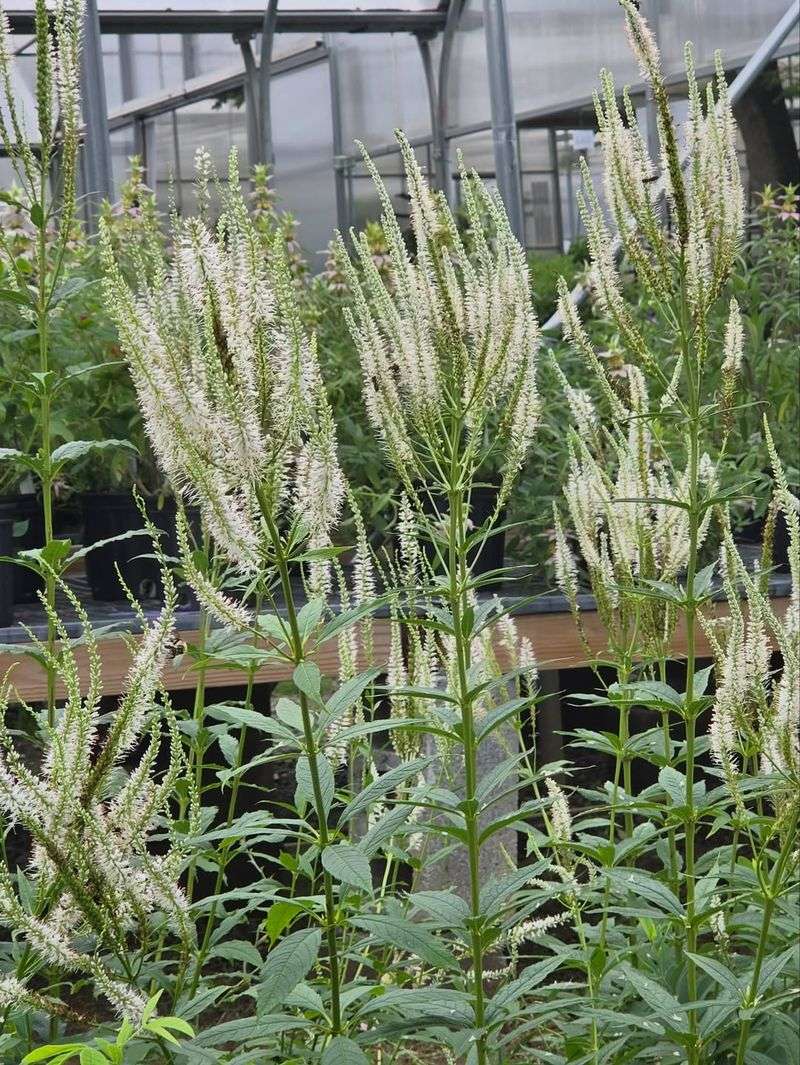
One plant is lovely, but a group of Culver’s Root plants is genuinely spectacular.
Planting several specimens together in a cluster creates a bold, visible mass of white flower spikes that pollinators can spot and navigate to much more easily than a single isolated stem.
Bees in particular tend to work areas of concentrated bloom rather than hunting for individual flowers scattered across a garden, so grouping your plants together directly increases their value as a pollinator resource.
Michigan State University notes that Culver’s Root can be tricky to establish through direct outdoor seeding, so starting with nursery-grown plants or plugs is the most reliable approach for home gardeners.
Plug-grown plants tend to establish more dependably and flower more consistently in their first or second season than seed-sown plants, saving you time and frustration while getting your pollinator planting off to a solid start.
First-season care makes a real difference in long-term success.
Water newly planted Culver’s Root regularly during dry stretches to help the roots settle into their new home, and stay on top of weeding around the plants while they are still getting established and cannot yet compete vigorously on their own.
Spacing plants about two to three feet apart gives each one room to develop naturally without overcrowding.
At the end of the season, consider leaving healthy stems standing through winter rather than cutting everything back immediately, as the upright structure can provide habitat value and visual interest until spring cleanup time arrives.