Why Aromatic Aster Thrives In Dry, Sunny North Carolina Fall Gardens
After a year of drought, a lot of North Carolina gardens look worn out. Lawns are patchy, perennials are scorched, and the fall display is thin.
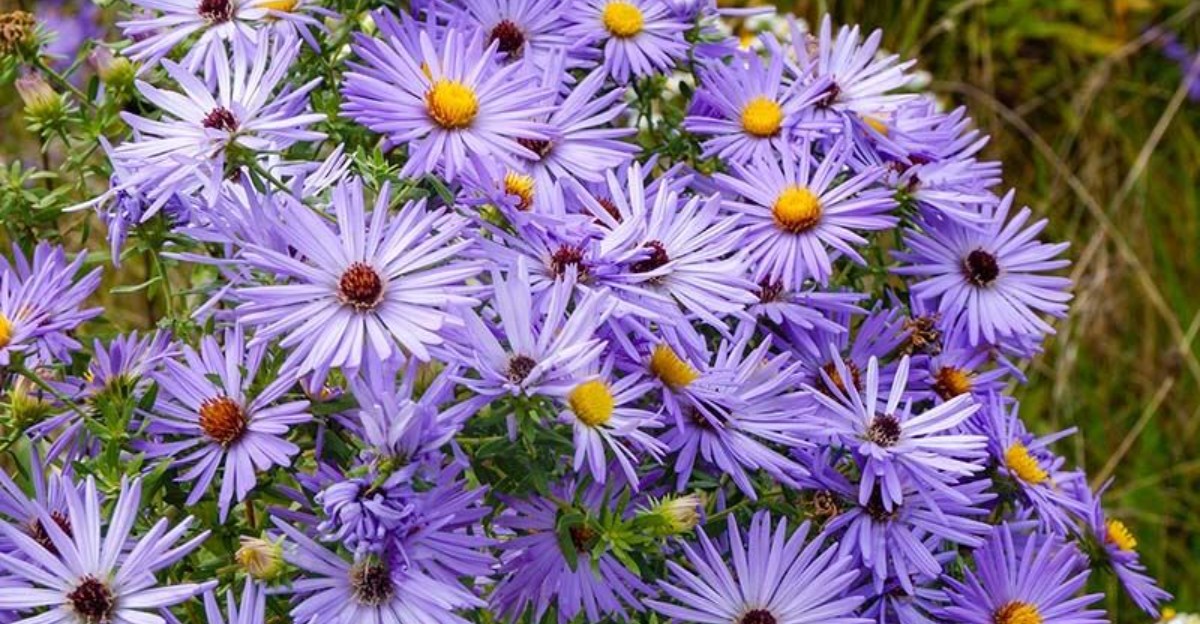
Then, in October, one plant lights up a dry, sunny bed in a cloud of purple. Aromatic aster has no business looking this good with so little water.
Crush a leaf, and you smell why it carries its name. Bees crowd the flowers, and monarch butterflies stop by on their way south.
The plant has a surprising way of handling heat and poor soil, and it asks for almost nothing in return. A few habits, such as when you trim it, decide whether it stays tidy or flops. For gardeners tired of fighting their beds, this one deserves a look.
1. It Handles Drought Once Established
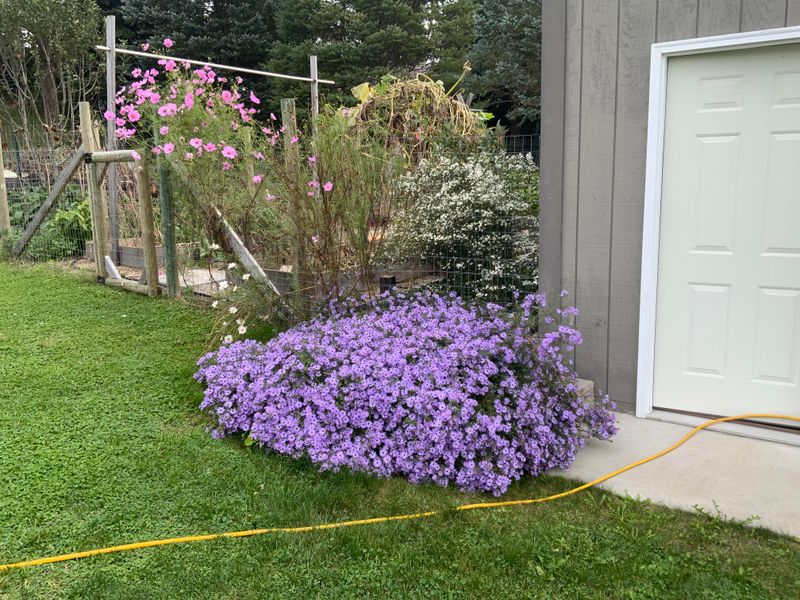
Some plants sulk the moment rain stops falling, but aromatic aster barely notices. Known to botanists as Symphyotrichum oblongifolium, this hardy perennial is native to the eastern and central United States.
Each fall it bursts into masses of lavender-blue to violet flowers that look like tiny daisies. Its toughness comes from where it grows in the wild. You can find it on dry prairies, rocky slopes, and in open woods, places where water never sticks around for long.
Over thousands of years, it learned to send roots deep into the ground to find moisture that shallow-rooted plants simply cannot reach.
Those roots need a little help at first, though. During the first growing season, water your new plants regularly, about once or twice a week if rain is scarce.
A slow, deep soak works better than a quick sprinkle because it pushes roots downward instead of keeping them near the surface.
After that first year, you can mostly put the hose away. Established plants handle long dry spells far better than many fall-blooming perennials, like garden mums or tall phlox.
Only step in with water during an extended drought, when weeks pass without a good soaking rain.
That kind of grit really counts in North Carolina right now. Much of the state has faced drought conditions this year, and plenty of gardeners watched their flower beds struggle through the heat.
Choosing plants that can cope with dry weather saves water, money, and a lot of worry.
Think of aromatic aster as a garden partner that pulls its own weight. Give it a solid start, and it will reward you with steady color even when the sky stays stubbornly clear.
2. It Blooms Late When Gardens Need Color

October in the garden can feel a little sad. The zinnias look tired, the coneflowers have gone to seed, and the beds start turning brown. Then aromatic aster steps up like the last act of a great concert, saving its best for the end.
Bloom time usually runs from late September into November. That is later than many other asters, which often finish up by early fall.
When it finally opens, the plant covers itself in so many small flowers that the green leaves almost disappear beneath a blanket of color.
Your North Carolina Garden Changes Every Week. Your Plan Should Too.
Gardening in North Carolina changes quickly throughout the season. Every Friday you’ll receive a simple weekly plan showing exactly what to plant, prune, fertilize, harvest, and protect so you never miss the right timing.
Expect neat, rounded mounds of purple-blue as your summer perennials fade around them. The contrast is striking, especially next to golden fall leaves or rusty native grasses.
Even better, the flowers often keep going through the first light frosts, which is something few garden plants can claim.
To get the most from that late show, plant aromatic aster where you will actually see it in autumn. A spot near the front door, beside the mailbox, or along a path you walk every day works beautifully.
You will catch every week of the display instead of discovering it by accident.
North Carolina gives this plant a real advantage. Our falls tend to be long and mild, with cool nights and pleasant sunny days stretching well into November in much of the state.
Those conditions let aromatic aster bloom for weeks on end instead of just a few days.
So when your neighbors are raking leaves and wondering where all the color went, your garden can still be humming. A single well-placed clump can turn a dull corner into the brightest spot on the block.
3. It Thrives In Full Sun And Lean Soil

Here is a gardening secret that surprises many people: aromatic aster actually prefers to be treated a little rough. Pampering it with rich soil and lots of plant food can backfire. Tough love is the way to go.
Full sun is the key ingredient. Aim for a spot that gets at least six hours of direct sunlight each day, and more is even better.
In shady areas, the plant grows leggy, leans toward the light, and produces fewer flowers. Soil matters just as much. Average to poor, well-drained ground suits it perfectly.
When the soil is too rich or you add lots of fertilizer, the stems shoot up tall and weak, then flop over in a messy sprawl right before bloom time. Skip the fertilizer completely, and you will get sturdier, more compact plants.
That preference opens up some tricky spots in your yard. Try it on sunny slopes where mowing is a chore, in rock gardens, along driveways, or beside hot sidewalks. Places where other flowers struggle can become some of its happiest homes.
Good drainage is the one thing you should not ignore. Roots sitting in soggy soil through winter can rot, so avoid low spots where water puddles after storms. If needed, plant on a slight mound to help water run off.
Gardeners across North Carolina will find this plant easy to fit in. It adapts well to the sandy soils common in the Coastal Plain and Sandhills.
It also handles the red clay of the Piedmont, as long as that clay drains reasonably well. Few perennials feel so at home across such different ground.
4. Its Leaves Smell Pleasant When Brushed
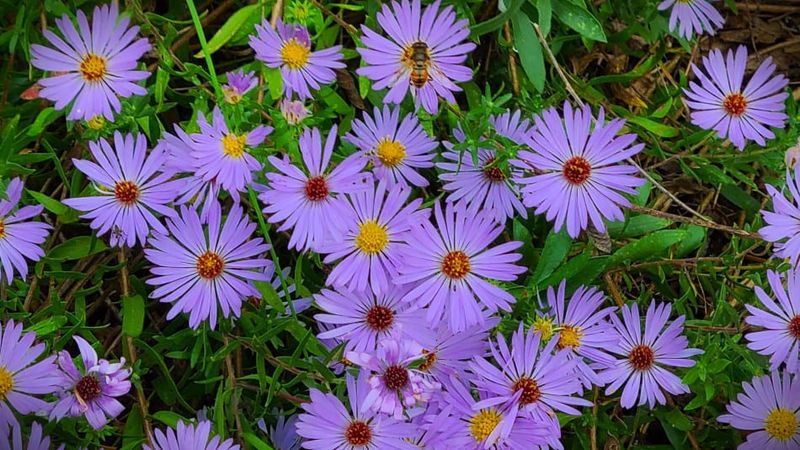
Brush past a clump of aromatic aster on a warm afternoon, and you might stop in your tracks. A fresh, woodsy scent drifts up, a bit like a balsam fir or a walk through a pine forest.
That pleasant surprise is exactly how this plant earned its name. The fragrance comes from its leaves, not its flowers. They are small, slightly rough to the touch, and packed with aromatic oils.
When you crush one between your fingers or simply sweep your hand across the plant, those oils release their balsam-like smell.
Beyond adding a fun sensory treat, the scent offers a practical bonus. Strong-smelling, rough-textured foliage tends to be less appealing to deer.
They usually prefer soft, mild-tasting plants, so aromatic aster often gets passed over while hostas and daylilies get munched. No plant is completely deer-proof, but this one holds up better than most asters.
Smart placement makes the most of that fragrance. Plant it along walkways, garden paths, and the edges of borders where your legs or hands will brush against it. Kids especially love rubbing a leaf and taking a sniff.
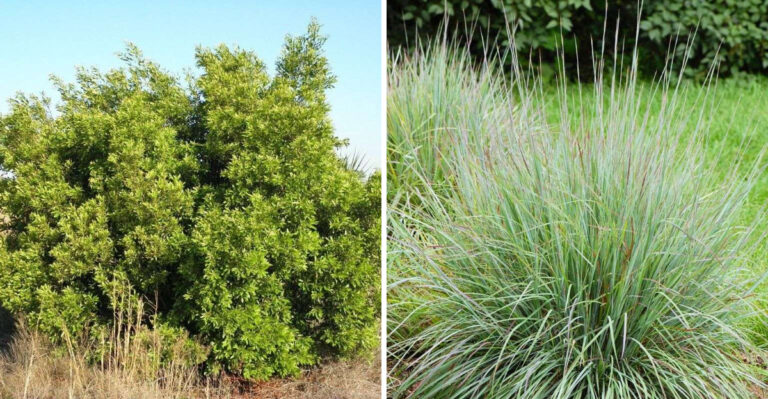
Pair it with other deer-resistant perennials to build a stronger defense. Good partners include mountain mint, bee balm, catmint, salvia, and native grasses like little bluestem. A mix of scented and textured plants sends hungry deer looking elsewhere.
That strategy is a big help across North Carolina. Deer browsing is a common headache in suburban neighborhoods, mountain towns, and rural yards alike.
Choosing plants that deer tend to skip means more flowers for you and less frustration each morning.
5. Pollinators Depend On Its Late Flowers
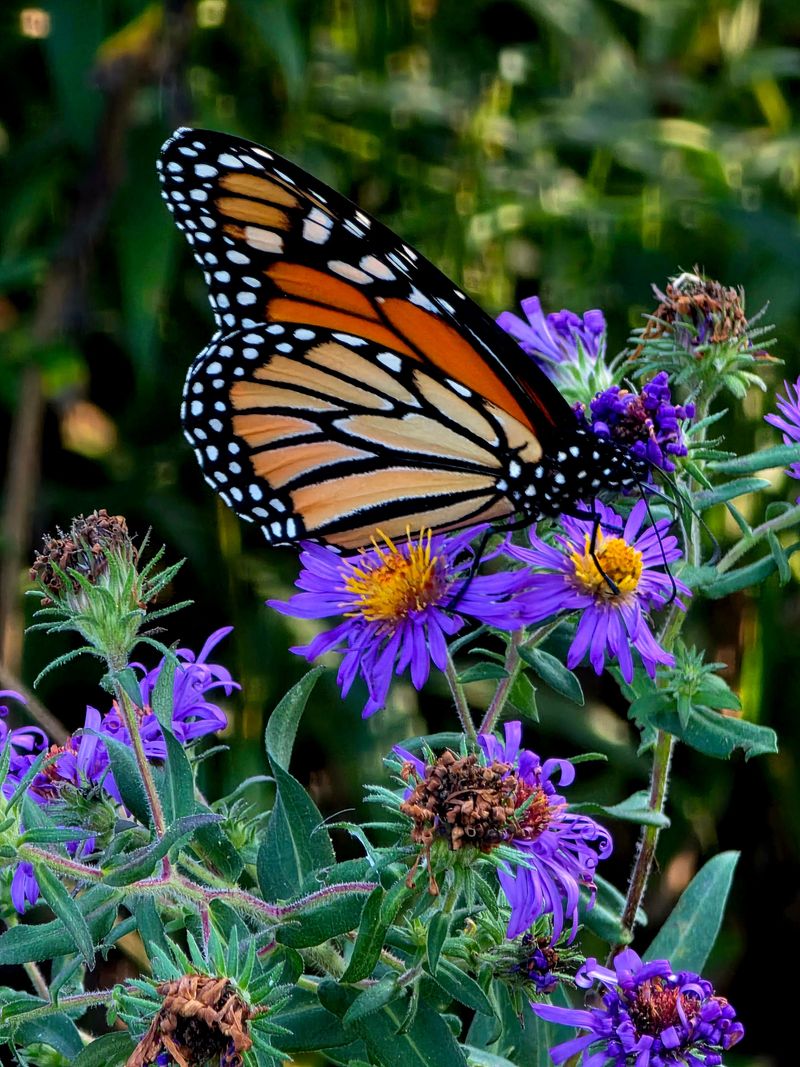
Stand next to a blooming aromatic aster on a sunny October day and just listen. The plant practically buzzes. Bees tumble from flower to flower, butterflies flutter in, and tiny hoverflies dart around the edges.
All that activity happens for a good reason. By late fall, most wildflowers have finished blooming, so food becomes scarce for pollinators.
Aromatic aster fills that gap with nectar and pollen right when insects need extra energy to prepare for winter.
Bumblebee queens fuel up before settling in for the cold months. Native bees and honeybees stock up too.
Monarch butterflies passing through on their long fall migration to Mexico stop to sip nectar, gaining the strength they need for a trip that can cover thousands of miles.
You can make your plants even more welcoming. First, avoid using insecticides on or around blooming asters, since many sprays harm the very visitors you want to attract.
Second, plant in groups of three or more rather than single plants. A big patch of color is much easier for pollinators to spot from the air.
Combining it with other fall bloomers creates a true autumn feast. Goldenrod makes a classic partner, and the purple and gold together look fantastic. Native grasses like little bluestem and switchgrass add texture and shelter for insects.
North Carolina plays a special role here. The state lies along an important fall migration route for monarchs heading south.
Every garden with late-season flowers becomes a refueling station, and your yard can help these remarkable travelers complete their incredible journey.
6. It Resists Powdery Mildew Better Than Many Asters
Anyone who has grown New England aster knows the disappointment. By late summer, the lower leaves turn gray and dusty, then crispy and brown. That ugly coating is powdery mildew, a fungus that loves warm, humid weather.
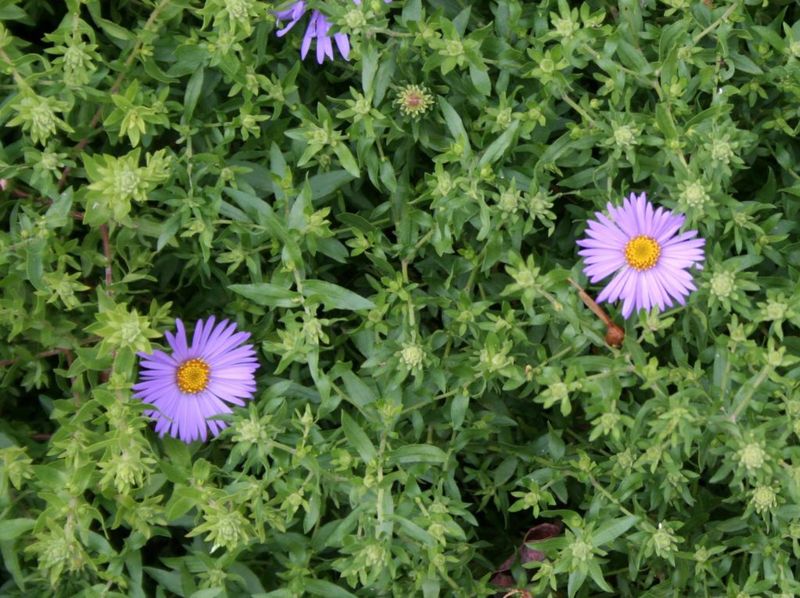
Aromatic aster usually tells a happier story. While no plant is perfect, it tends to stay cleaner and healthier than many of its cousins, especially when grown in sunny, well-drained spots.
Its smaller, rougher leaves and compact habit seem to give the fungus fewer chances to take hold.
A few simple habits can keep your plants looking their best. Start by spacing them properly, roughly two to three feet apart, so air can move freely between clumps.
Good airflow dries leaves quickly after dew or rain, and dry leaves are much less inviting to mildew.
Watering style matters too. Aim the hose or watering can at the base of the plant instead of spraying overhead.
Soaker hoses work wonderfully for this. If you must water from above, do it early in the morning so the sun can dry the foliage.
Crowding is another trouble spot. Avoid tucking aromatic aster tightly between taller plants that block sunlight and trap moist air. Give it room to breathe, and it will reward you with fresh foliage all season.
Gardeners in North Carolina will appreciate this advantage more than most. Our late summers are famously muggy, with sticky nights and heavy morning dew.
Those conditions often bring powdery mildew to asters, phlox, bee balm, and zinnias. Choosing a plant that holds up better means less spraying, less fussing, and a much prettier garden heading into fall.
7. It’s Easy To Shape And Maintain
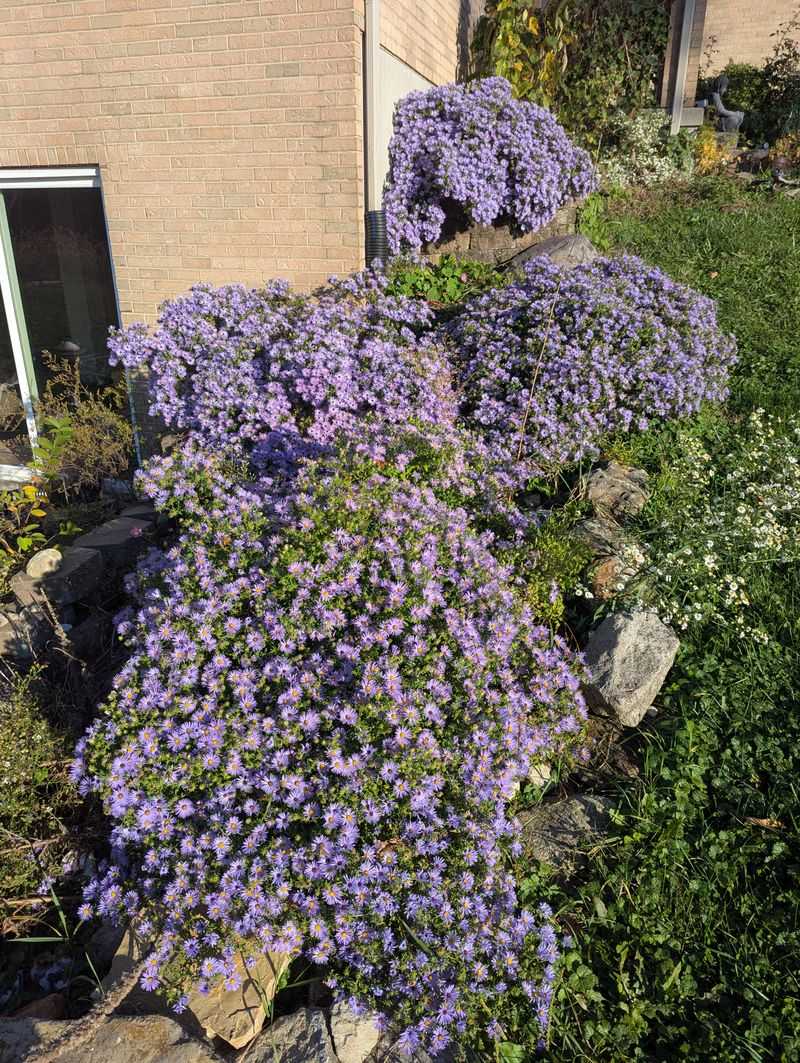
Busy schedule? Not much patience for fussy plants? Aromatic aster might just become your favorite low-effort perennial. It naturally grows into a tidy, rounded mound without much help at all.
A single haircut each year makes a big difference. In late spring or early summer, cut plants back by about a third to a half.
That quick trim encourages bushier growth, more branches, and more flowers come fall. It also keeps stems compact so they stay upright instead of sprawling.
Timing is the main rule to remember. Stop trimming by early July so the plant has plenty of time to form flower buds.
Cut too late, and you could snip off the very buds that would have bloomed in October. After the flowers fade, resist the urge to tidy up right away. Leave the stems standing over winter.
Birds like goldfinches pick at the seeds, and beneficial insects shelter inside the hollow stems during cold weather. Then, in late winter before new growth appears, cut everything back near the ground.
Every few years, clumps may grow crowded or thin in the center. Dig them up in spring, split them into smaller sections with a sharp spade, and replant.
You will end up with extra plants to share with friends or spread around your yard.
North Carolina gardeners have some excellent choices too. Raydon’s Favorite is a popular variety with sky-blue flowers and a strong, reliable show.
October Skies forms a lower, neat mound covered in bright blue blooms. Both deliver dependable fall color with very little work, leaving you more time to simply enjoy the view.