9 Yard Mistakes That Invite Copperheads Closer To Virginia Homes
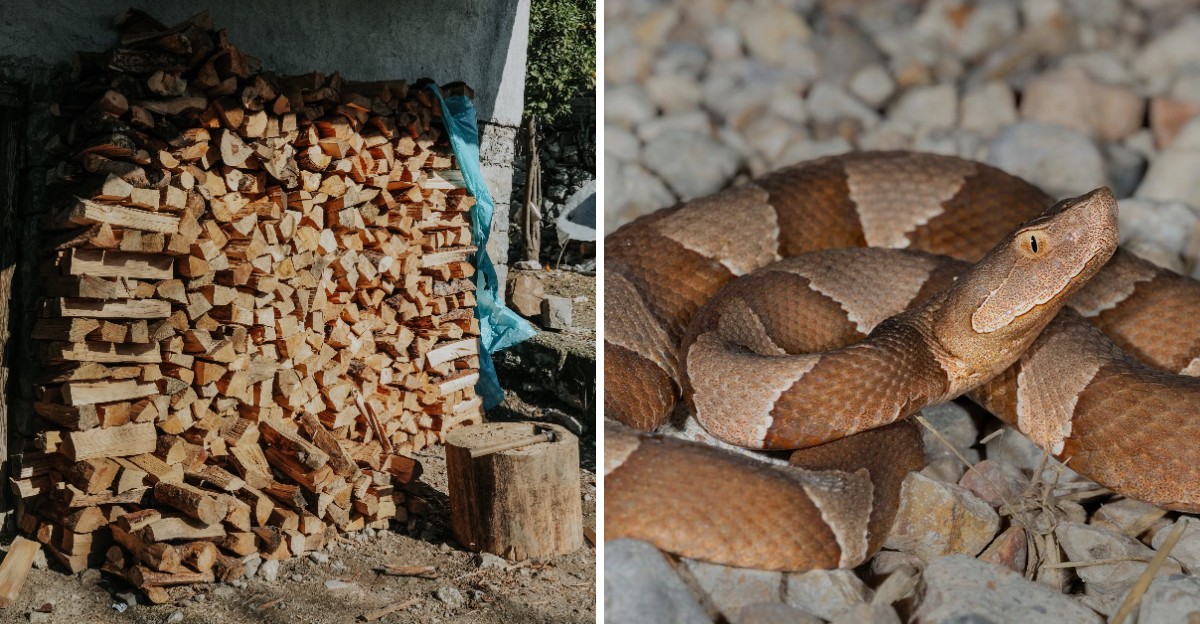
Baby snakes born in late summer arrive with bright yellow tail tips that wiggle like juicy little caterpillars. They use that wiggle to lure frogs and lizards across Virginia yards close enough for a quick strike.
Around here, those youngsters often show up in October, right when we are raking leaves and splitting firewood. Their tan and chestnut bands blend so well with fallen oak leaves that you could easily step on one.
I have to admit that my own tidy-looking garden once hid more snake hotels than I realized. Woodpiles and leaky spigots quietly roll out a welcome mat for these shy and well-camouflaged neighbors.
Most of these snakes would rather freeze and hide than face you, so bites usually happen when someone surprises one by accident.
Wondering which everyday yard habits might be pulling Virginia’s most common venomous snake right up to your doorstep?
1. Tall Grass Along Lawn Edges Hides Copperheads
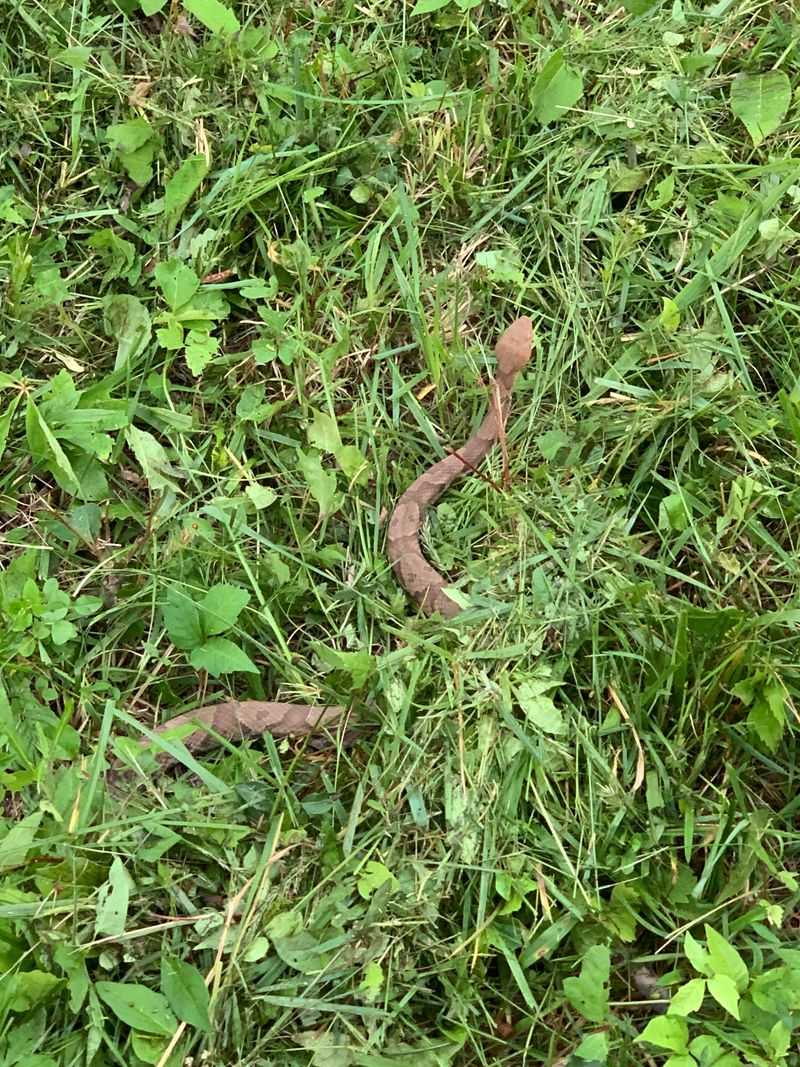
Copperheads are ambush hunters, so a shaggy patch of grass works like a perfect hunting blind for them. Those tall blades shelter crickets and mice too, which means the snake gets cover and dinner together.
Personally, I used to let the strip along my back fence grow wild because mowing it felt tedious. That lazy edge turned into a cozy highway connecting the woods to my vegetable beds and porch steps.
Short grass changes the game because snakes feel exposed to hawks and other predators when cover disappears. Keeping your lawn around three to four inches tall removes much of that hiding space without stressing turf.
October is a smart time for one more careful mow, especially along fences, sheds, and wooded borders. Copperheads are still active on warm fall afternoons as they drift toward winter dens on rocky hillsides.
Pay extra attention to the spots your mower skips, like corners around mailboxes and tree trunks. A string trimmer handles those tricky edges nicely, but wear sturdy boots and long pants while you work.
You might also consider trimming unmowed meadow strips down before winter if they sit right beside your house. Native meadows are wonderful for pollinators, yet they belong farther out in the yard, away from doors.
Snakes rarely linger where they cannot hide, so a neat lawn edge quietly nudges them elsewhere. That simple chore gives you clearer sightlines, and honestly, it makes evening walks to the mailbox feel calmer.
2. Firewood Stacked Against The House Shelters Snakes
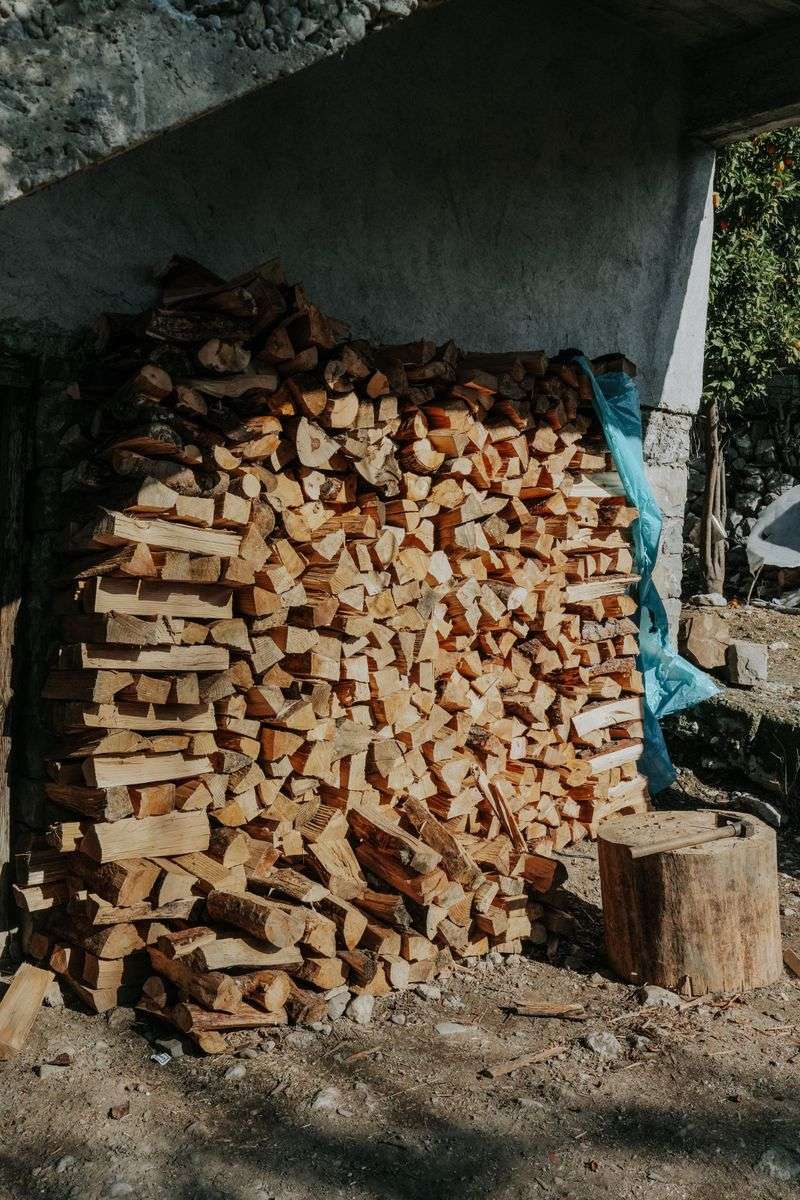
Few things smell better than freshly split oak, and few things attract hungry mice faster than a woodpile. Those mice draw copperheads, which love the snug gaps between logs for steady temperatures and quick escapes.
I learned this lesson while grabbing an armful of logs at dusk without gloves or a flashlight. Nothing bit me, but a sudden rustle sent me back inside with my heart pounding like a drum.
Move firewood at least twenty feet from your home, and keep stacks raised about a foot off the ground. A simple metal rack lets air flow underneath, so snakes and rodents find fewer dark, damp hiding pockets.
Your Virginia Garden Changes Every Week. Your Plan Should Too.
Gardening in Virginia changes quickly throughout the season. Every Friday you’ll receive a simple weekly plan showing exactly what to plant, prune, fertilize, harvest, and protect so you never miss the right timing.
October is prime season for stocking up, which makes now the perfect moment to rethink your stacking spot. Bring in only what you plan to burn within a day or two, rather than storing piles by doors.
Brush piles from summer pruning deserve the same attention because they create similar tangled shelters for wildlife. Run those branches through a chipper, or haul them to a far corner well away from play areas.
Wear thick leather gloves when handling logs, and carry a flashlight if you gather wood after sunset. Copperheads often hunt at night during warm weather, so evening trips to the woodpile deserve extra caution.
Relocating your stack takes one weekend afternoon, yet it removes a favorite snake hangout from your doorstep. Your back porch will look tidier too, and you can enjoy cozy fires without any surprise guests.
3. Loose Rock Piles And Stone Walls Offer Snake Hideouts
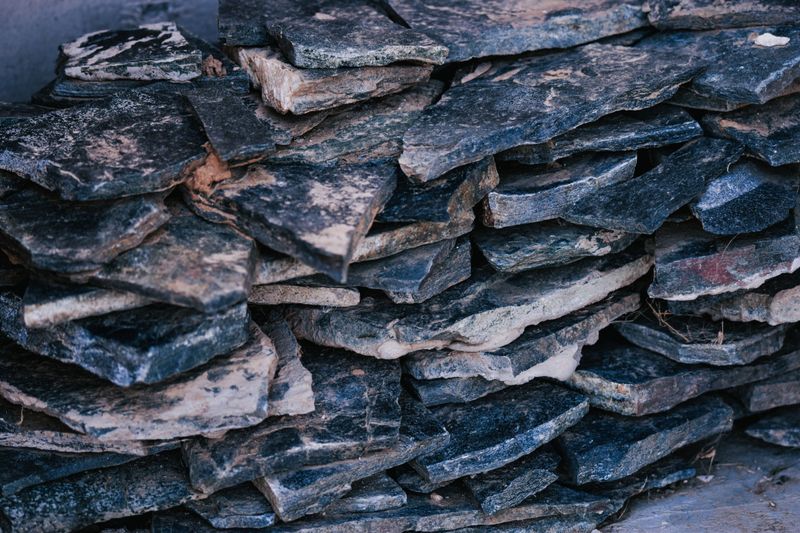
Stacked stone looks charming in a cottage garden, but every crevice can work like a private apartment for snakes. Rocks soak up afternoon sun and hold warmth, which copperheads appreciate as fall nights grow cooler.
In the wild, copperheads often spend winter in rocky outcrops, sometimes sharing dens with rat snakes and timber rattlesnakes. Your decorative rock pile can mimic that habitat a little too well when it sits near the foundation.
I love a good stone border myself, so I am not suggesting you rip out every boulder. Instead, focus on loose rock piles and walkways with wide gaps between old, wobbly pavers or bricks.
Fill paver gaps with polymeric sand or fine gravel so fewer cracks remain open for curious reptiles. Retaining walls built with tight joints and solid backfill offer far less shelter than loosely stacked fieldstone.
October is a comfortable month for this project because cooler air makes hauling stone much less exhausting. Work with gloves and a long-handled tool, and lift rocks toward you so the underside faces away.
Leftover rocks from past projects should be moved well away from the house or hauled off for good. A forgotten heap behind the shed often becomes the busiest snake shelter on the whole property.
You can still enjoy rugged stonework, as long as it is solidly built and set a bit farther out. Tight, well-made stone features keep your garden beautiful without rolling out a red carpet for copperheads.
4. Thick Mulch And Overgrown Shrubs Crowd The Foundation
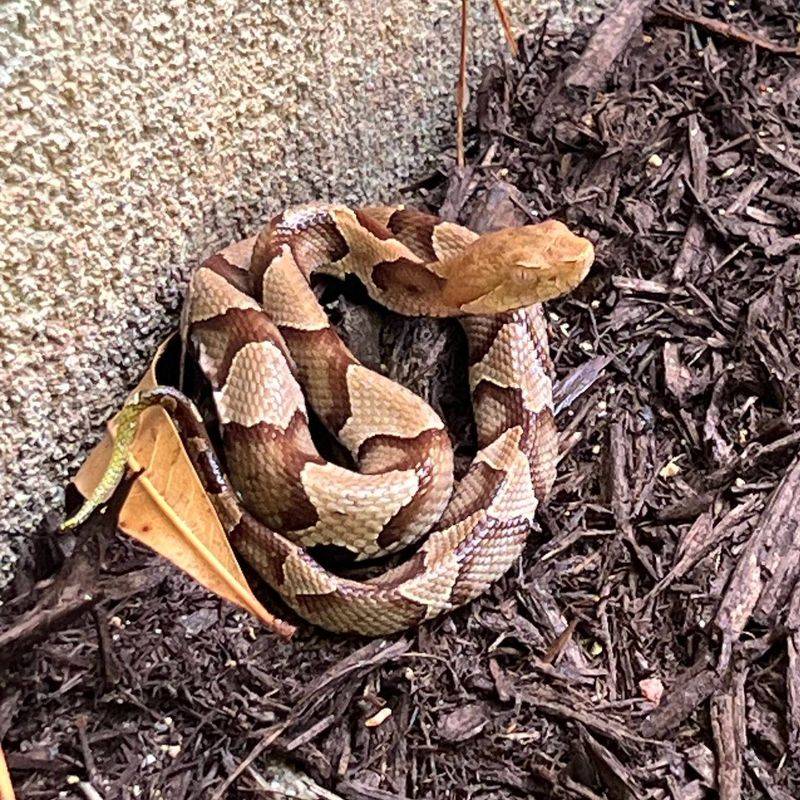
Deep mulch feels like a soft blanket to plants, and copperheads seem to enjoy that blanket just as much. Thick layers stay cool and moist, giving snakes a shady retreat right beside your front steps.
Many of us pile mulch higher every spring, and after a few years it can reach several inches deep. Extension experts generally recommend about two to three inches, which still protects roots without creating a hidden lounge.
Overgrown shrubs add another layer of trouble when their branches sweep the ground beside the foundation. Dense ground covers like English ivy create similar tangles, and ivy is invasive in many areas anyway.
I prune my foundation shrubs so the lowest branches sit several inches above the soil line. That open space lets me spot movement easily, and it removes the shadowy cave snakes like to use.
October works well for light shaping, but save heavy pruning of spring bloomers like azaleas for after flowering. Rake back extra mulch now, keeping it a few inches from the house to discourage termites too.
Consider a narrow gravel strip along the foundation, since snakes usually prefer covered spots over open ground. That border also keeps rainwater splashing away from siding, which your house will appreciate for years.
Swapping invasive ivy for native options like low sedges can keep beds lovely without so much dense cover. Your foundation planting will look crisp and intentional, and you will feel calmer weeding along the walls.
5. Messy Compost Piles Feed The Mice That Feed Copperheads
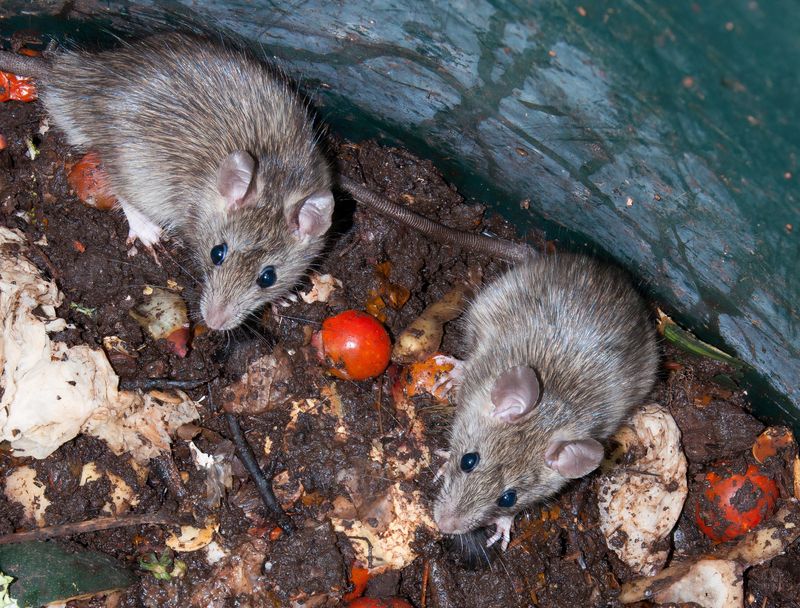
Compost is gardener gold, but an open pile of kitchen scraps can turn into a rodent buffet overnight. Mice and rats rank high on an adult copperhead’s menu, so wherever rodents gather, snakes tend to follow.
Personally, I adore turning scraps into rich, crumbly soil, yet I learned to respect what a sloppy bin attracts. Meat scraps and greasy leftovers invite rodents far faster than coffee grounds or shredded leaves ever could.
Stick to vegetable trimmings and yard waste, and keep meat and dairy products out of the pile. A closed bin with a secure lid and hardware cloth underneath makes life tougher for burrowing rodents.
October hands you a mountain of free brown material as maple and oak leaves start to fall. Mix those crunchy leaves with green scraps, because a balanced pile heats up faster and smells less tempting.
Turn your compost regularly, since frequent mixing disturbs nesting mice and keeps the center warm and active. Rodents prefer quiet, undisturbed corners, so a pile you poke every week feels far less inviting.
Location matters as well, and a bin tucked against the garage or deck sits much too close. Move it to a sunny spot farther out, ideally on level ground away from woodpiles and dense shrubs.
When you lift the lid, glance inside before reaching in, especially on warm afternoons this time of year. A tidy, well-managed compost system feeds your garden beautifully while giving snakes fewer reasons to visit.
6. Leaf Piles And Forgotten Yard Clutter Become Snake Shelters
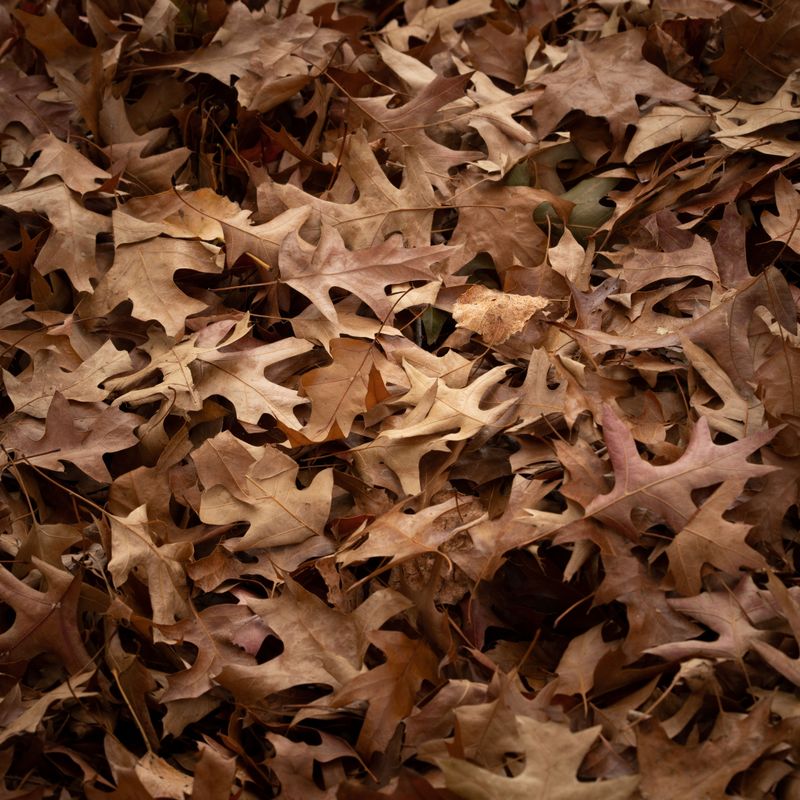
An upside-down wheelbarrow might look harmless, yet underneath it hides a dark, quiet room snakes adore. Copperheads rely on camouflage, and their banded pattern practically vanishes against a carpet of crunchy brown leaves.
Fall raking season in Virginia creates huge leaf piles, and those piles can shelter both snakes and their prey. I still enjoy a good leaf pile, but I poke it with a rake before any kids jump in.
Shred your leaves with the mower and use them as thin mulch rather than leaving tall heaps around. Shredded leaves break down faster and give snakes far less space to curl up out of sight.
Old tarps and scrap lumber lying flat on the ground create almost the same tempting cover for snakes. Even a coiled garden hose left in tall grass can hide a resting copperhead surprisingly well.
October is a great month for a cleanup walk because cooler weather makes outdoor chores more pleasant. Wear gloves and use a rake or long tool to lift objects instead of reaching under with fingers.
Store pots and hoses on shelves or racks so they stay up off the ground during winter. Anything left flat on soil for weeks tends to become a little cave for creatures seeking shelter.
A clutter-free yard looks better from the kitchen window, and it gives you clear sightlines for safer gardening. Fewer hiding spots also mean fewer startled encounters, which is a win for you and the snakes.
7. Leaky Faucets And Soggy Spots Draw Thirsty Copperheads
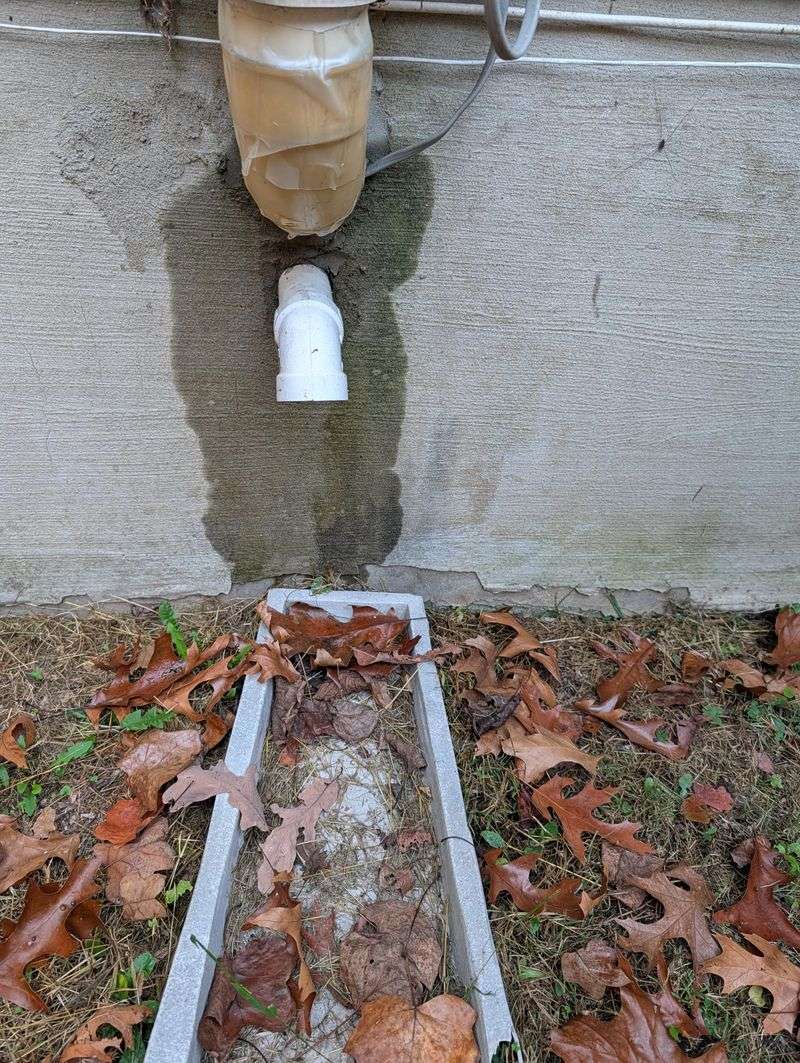
A dripping outdoor spigot sounds minor, but that small puddle can become a magnet for thirsty wildlife. Frogs and insects gather around damp soil, and copperheads happily follow that steady supply of easy meals.
Young copperheads especially enjoy frogs, which explains why they sometimes appear near ponds and soggy lawn corners. I once found a toad convention under my leaky hose bib, and it made me rethink that drip.
Fix leaking faucets and hoses now, before winter freezes turn small drips into cracked pipes and bigger repairs. Disconnecting hoses in October protects your plumbing and dries out the damp patch next to the foundation.
Downspouts deserve a quick look too, since water pooling near the house keeps soil cool and inviting. Add extensions or splash blocks so rainwater flows several feet away from walls and crawl space vents.
Garden ponds and birdbaths are lovely features, and I am not asking you to give them up. Simply keep thick plants trimmed around their edges so snakes have fewer shady places to wait for prey.
Low spots that stay soggy after rain may need regrading or a well-placed rain garden farther out. Native plants in a properly sited rain garden soak up water while keeping the wettest zone away from doors.
Drying out the areas closest to your home removes a hidden water source that many critters quietly depend on. You will save money on water bills too, which feels like a sweet bonus for a quick fix.
8. Spilled Birdseed Under Feeders Attracts Rodents And Snakes
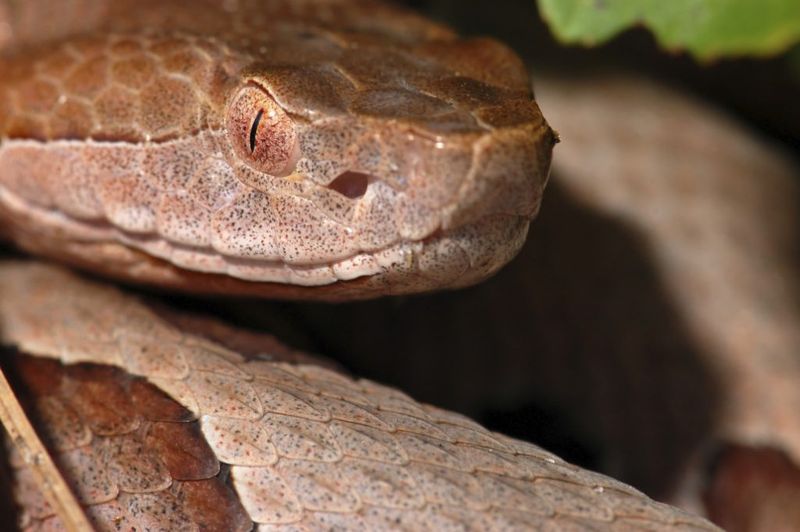
Cardinals at the feeder are pure joy, but the seed they fling down feeds a much sneakier crowd. Mice and chipmunks scoop up those leftovers at night, and copperheads notice that busy rodent traffic quickly.
I am keeping my feeders, but I have changed how I manage the mess underneath them. A tray or seed catcher below the feeder catches hulls before they pile up in the grass.
Choose no-mess blends like hulled sunflower hearts, since birds waste less and fewer shells litter the ground. Rake up spilled seed every few days, and keep feeders well away from decks and foundation plantings.
Some wildlife experts suggest pausing feeding during the warmest months, when snakes and rodents are most active. In October, snakes are winding down for winter, though warm afternoons can still bring them out briefly.
Fall is a wonderful time to watch migrating birds, so cleaning up properly lets you enjoy them guilt-free. Store birdseed in metal cans with tight lids, because paper bags in garages invite chewing rodents inside.
Moving feeders to an open spot on a pole also helps, since rodents prefer cover while foraging. A baffle on that pole blocks squirrels and climbing rodents, keeping the seed where birds can reach it.
Bird feeding and snake awareness can coexist nicely with a little extra housekeeping around the feeding station. Your feathered visitors will still flock in, and the rodent buffet underneath will finally close for business.
9. Gaps Under Decks And Porches Welcome Copperheads Home
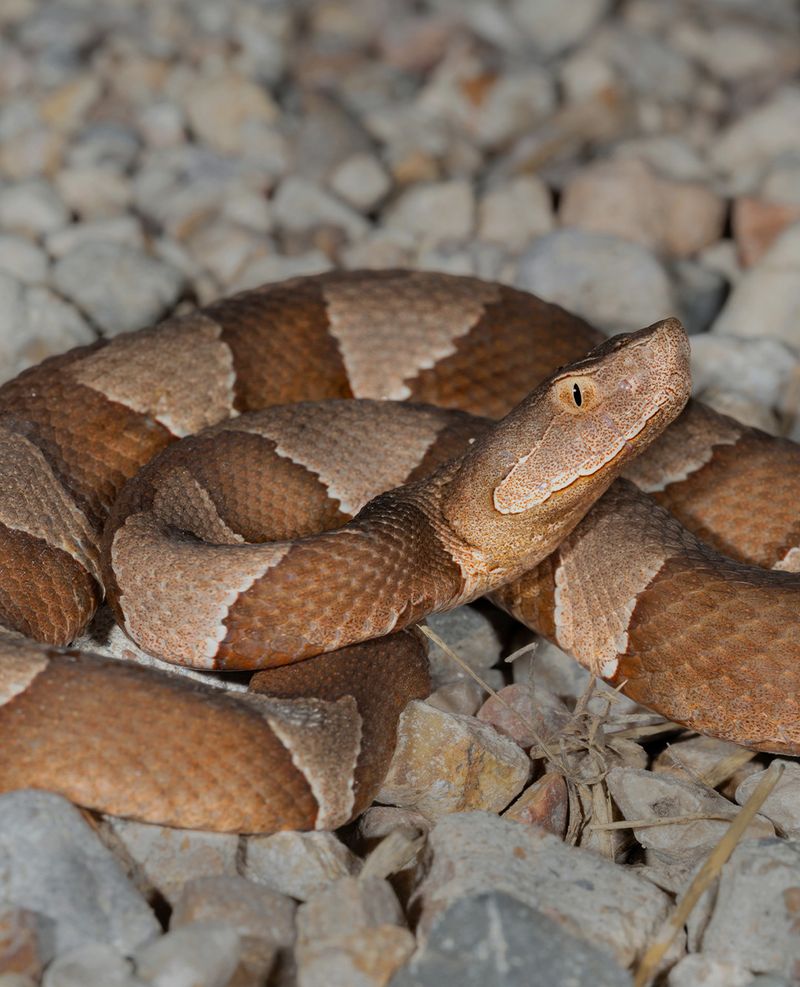
That shady crawl space beneath your deck feels like a five-star resort to a snake seeking cover. Spaces under porches and steps stay cool in summer and offer protection as autumn temperatures start dropping.
Copperheads look for safe winter shelters in fall, and they sometimes settle near homes when good spots exist. Wildlife officials in Virginia note that copperheads commonly turn up in suburban yards, especially near cover.
Seal openings with hardware cloth or sturdy mesh, burying the bottom edge several inches into the soil. Quarter-inch mesh keeps out snakes and also blocks the mice that would otherwise move in underneath.
Check crawl space vents and gaps around utility lines for any cracks wide enough to fit a pencil. Young snakes are slender, so even small openings near the foundation deserve a bit of caulk or foam.
October timing is ideal because sealing now prevents snakes from choosing your crawl space as a winter retreat. Before closing anything up, make sure no animals are trapped inside by checking carefully during the day.
I have to admit that crawling around with a flashlight is not my favorite weekend hobby. Still, one afternoon of patching beats an unexpected meeting with a copperhead beside the laundry room door.
If you do find a snake, give it space and call a licensed wildlife professional for safe removal. Copperhead bites are rarely life-threatening, but anyone bitten should seek medical care right away instead of trying home remedies.