8 Ways New York’s Deer Rule Changes Could Affect Your Backyard Garden
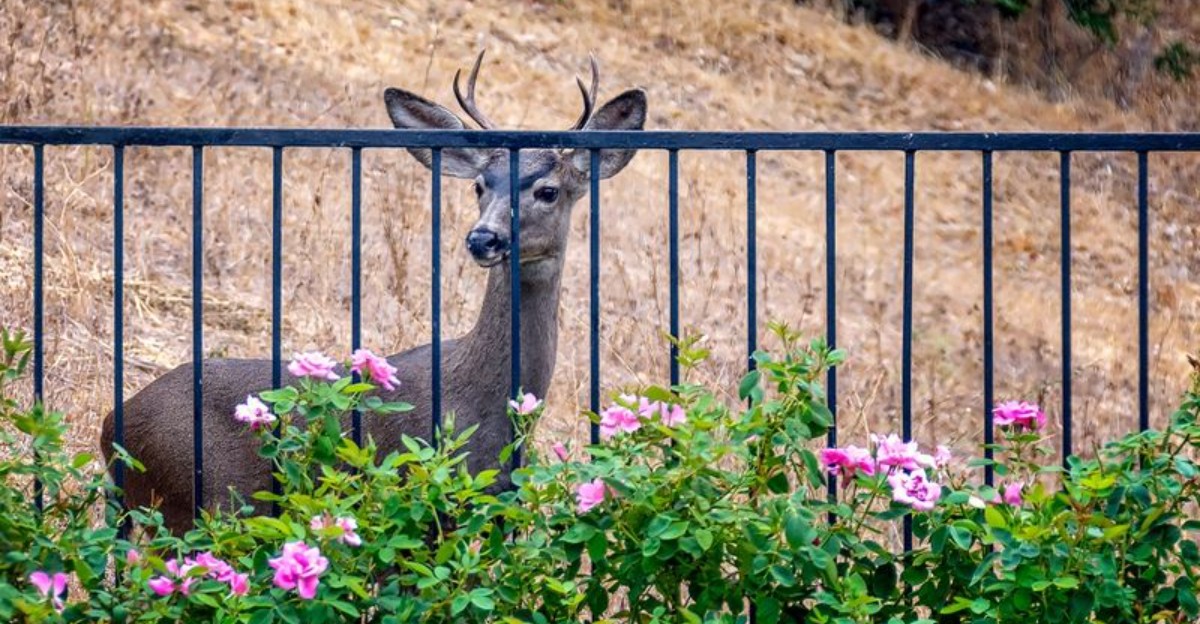
Wildlife officials in New York recently rewrote several deer hunting rules, and the target is mostly female deer. That small detail could quietly change how many of your hostas make it through in the yard next summer.
Does are the engine of herd growth, since each healthy one can raise twins most springs. Biologists have argued for years that taking more antlerless deer is the clearest and fastest path to smaller herds.
I have to admit my own garden has honestly fed more deer than my family some summers. You might notice the browsing pressure peaks right about now, when wild food thins and buds look tempting.
So can new rules written for hunters really protect the flowers and vegetables you worked so hard to grow? The answer is more interesting than a simple yes, and New York gardeners deserve the full story.
1. More Doe Tags Could Mean Fewer Backyard Deer
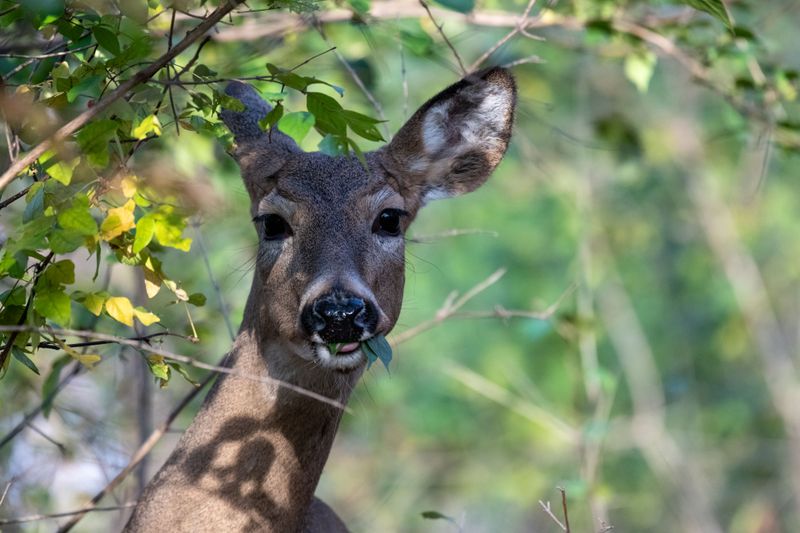
Every doe that stays in the herd this fall could walk through your garden with two fawns next summer. That simple math explains why state biologists keep pushing hunters to take more antlerless deer each season.
According to the DEC, only about 13% of hunters take an antlerless deer in a typical year. Bucks get most of the attention, yet removing bucks barely slows population growth across a region.
Recent rule changes aim to shift that habit by making doe hunting easier and more appealing for hunters. Personally, I love that the plan targets the root of the problem instead of the symptoms.
Fewer does over several seasons should mean fewer fawns, and fewer fawns eventually means lighter browsing pressure. Your arborvitae hedges and young fruit trees could slowly get a little breathing room as numbers ease.
You need to keep expectations realistic, though, since deer populations respond over years rather than weeks. One busy hunting season will rarely erase the herd that has been visiting your yard for a decade.
Results will also vary by Wildlife Management Unit, because each area has different hunter access and deer density. Rural edges with plenty of hunters may see changes sooner than packed suburban neighborhoods with few open lands.
For now, October is a smart time to note which plants deer hit hardest in your beds. That record will help you judge whether the new approach makes a real difference over the next few years.
2. Early Antlerless Seasons Could Spare Fall Shrubs
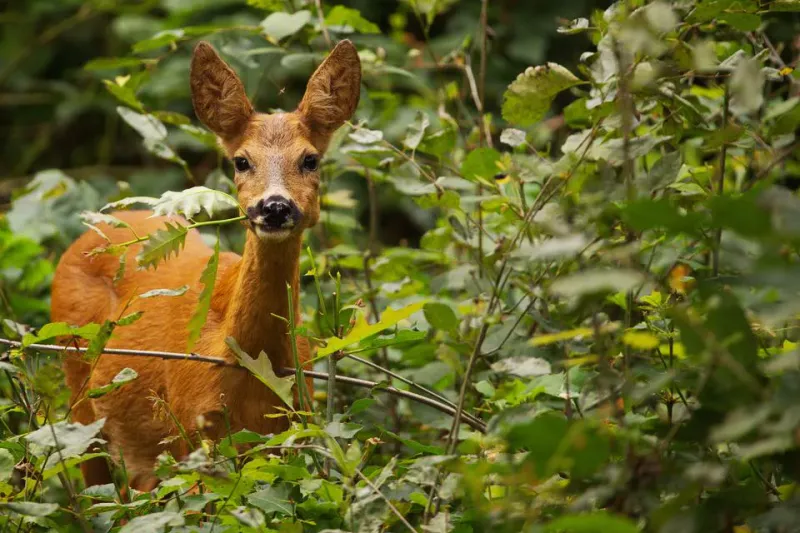
September hunting used to feel like a distant topic for gardeners, but it now overlaps with peak harvest time. DEC has offered an early antlerless season in select units, and recent changes expanded that opportunity further.
Fewer deer roaming in early fall could ease the pressure on your late tomatoes and fall-planted pansies. Deer often shift their feeding habits in autumn, moving toward acorns and whatever green leaves remain in yards.
I can’t imagine a better time to trim a herd than right before winter browsing begins in earnest. Once snow covers the ground, deer lean heavily on woody plants such as yews and young fruit trees.
Your New York Garden Changes Every Week. Your Plan Should Too.
Gardening in New York changes quickly throughout the season. Every Friday you’ll receive a simple weekly plan showing exactly what to plant, prune, fertilize, harvest, and protect so you never miss the right timing.
Removing animals in September means those deer will not be nibbling buds through the long months of cold weather. Yews in particular fare badly, since deer can strip them bare by late February in heavy browse areas.
Check the current DEC hunting guide to see whether your local unit includes the early antlerless season this year. Dates and boundaries can change, so last year’s information may not match what applies to your area.
In the meantime, October is the perfect month to wrap vulnerable evergreens in burlap or plastic deer netting. Install wraps before the first heavy frost, while branches are still flexible and easy to handle without snapping.
Early seasons help most when combined with your own garden defenses, rather than replacing them outright. Think of the hunting change as a helpful bonus, not a magic shield for every plant you own.
3. Easier Deer Permit Transfers Could Boost The Harvest
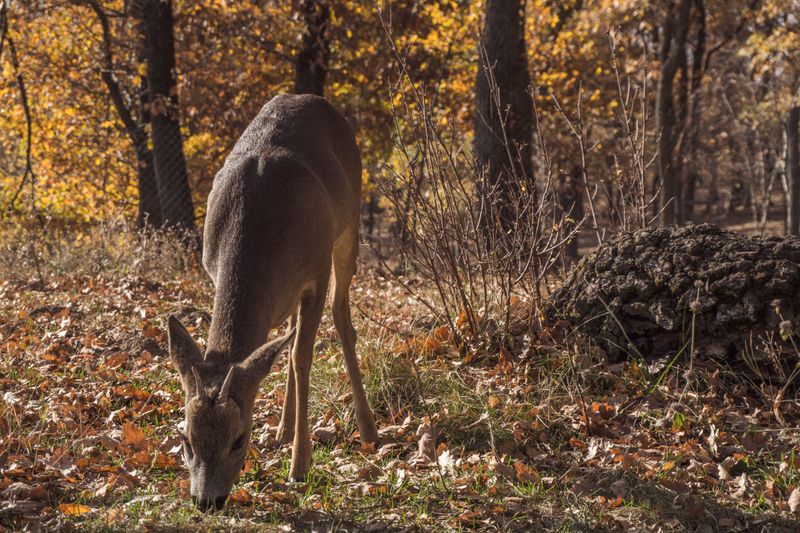
Unused hunting permits sitting in a kitchen drawer do nothing for the hostas wilting under deer pressure outside. Recent rule changes make it easier for hunters to pass unused Deer Management Permits to someone who will use them.
Deer Management Permits, often called DMPs, let hunters take antlerless deer in specific Wildlife Management Units across New York. More permits in active hands should translate into more does harvested in areas where herds run high.
I like how this change relies on simple paperwork fixes instead of asking hunters to spend more money. A busy hunter who cannot get out this fall can now help a friend fill that tag.
For gardeners, the effect is indirect but meaningful, because every doe harvested lowers next spring’s fawn crop. That gradual decline adds up across a whole valley or county when many permits get used.
You can support this effort by allowing responsible, licensed hunters onto your land if you own enough acreage. Many landowners in rural areas work with trusted local hunters each fall and see noticeable drops in browsing.
Safety rules still apply, including state setback distances from homes for firearms and bows during hunting season. Check local ordinances as well, since some towns add their own limits on discharging weapons near houses.
Small suburban lots will rarely host hunting, yet neighbors with larger parcels nearby can still make a difference. A friendly conversation over the fence might connect a willing landowner with a hunter who needs access this fall.
4. Suburban Deer Herds May Keep Visiting Anyway
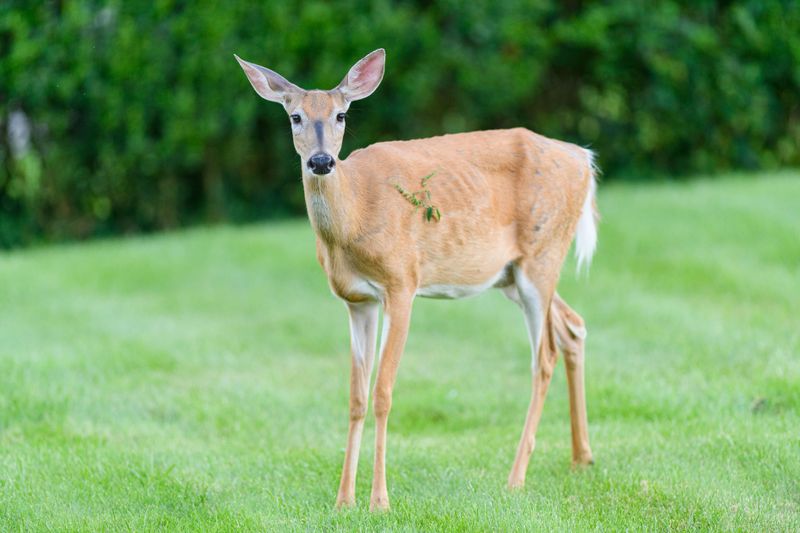
Deer are clever enough to figure out where nobody hunts, and quiet cul-de-sacs often top that list. Many suburban neighborhoods act like unofficial refuges where rule changes for hunters barely reach the local herd.
Firearm setback rules and town ordinances limit hunting near homes, which leaves large pockets of protected habitat. Lush lawns and ornamental shrubs offer an easy buffet that the nearby woods rarely match in early October.
I have to admit my own street looks like a deer highway some evenings around dusk this time of year. Does and fawns stroll between yards with no concern, nibbling arborvitae as if they pay the property taxes.
Statewide rule changes mostly work on rural and edge habitat, where hunters have room to safely operate. Gardeners in dense suburbs should expect slower relief, and possibly no visible change for several more years.
Some communities use special programs like targeted archery hunts or professional removal efforts under state permits. Those local efforts often matter far more for your backyard than any change written into the statewide rulebook.
October is a smart month to walk your property and spot the trails deer use most often. Hoof prints in soft soil and clipped twig ends on shrubs reveal their favorite routes through yards.
Once you know the paths, you can place barriers and repellents exactly where they will work best. Treat suburban deer as permanent neighbors, then plan your garden defenses carefully around that honest reality.
5. Tall Woven Wire Fences Still Outwit Hungry Deer
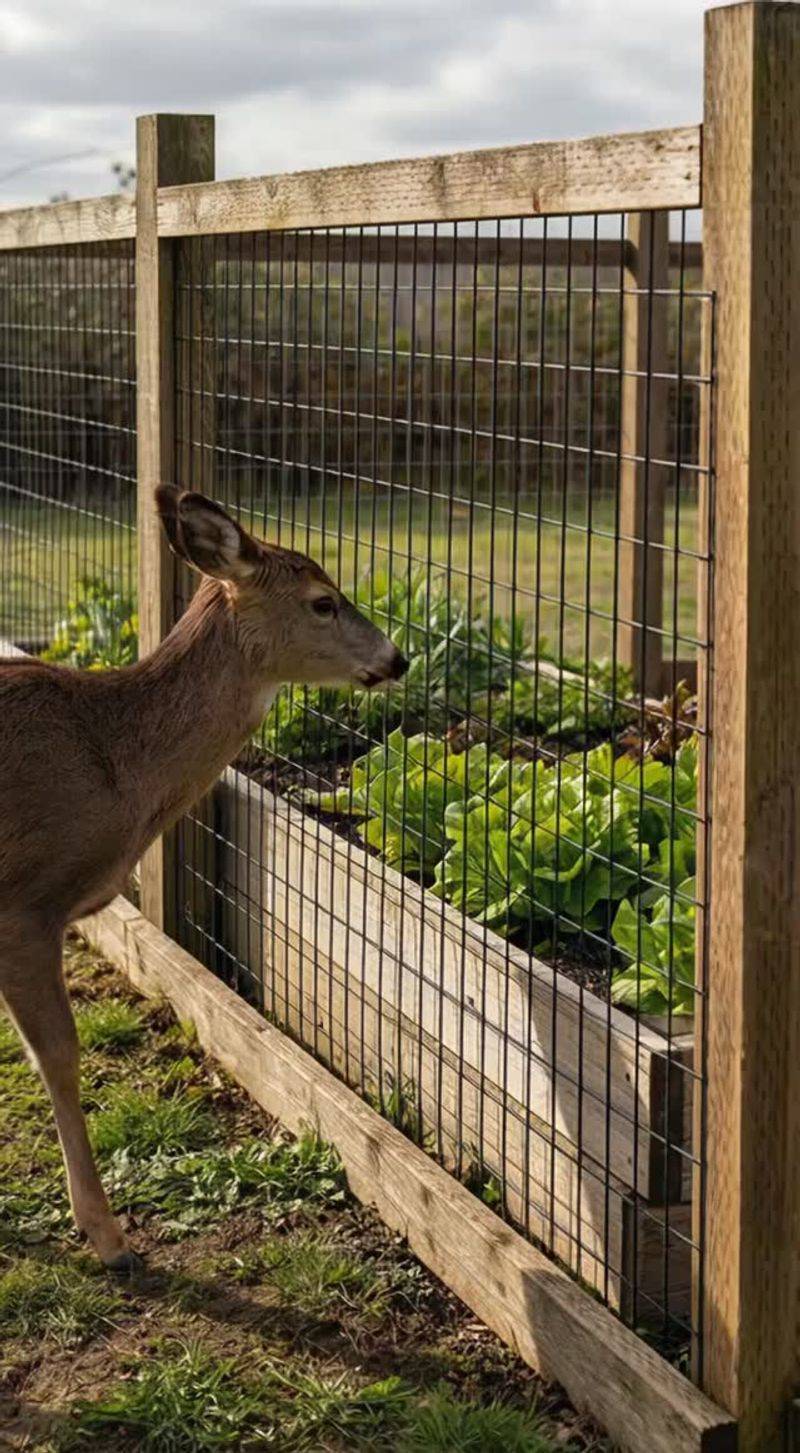
A white-tailed deer can often clear a six-foot fence from a standstill, which surprises plenty of first-time gardeners. No hunting regulation changes that athletic talent, so physical barriers remain your most dependable line of defense.
Cornell Cooperative Extension recommends fences around eight feet tall for reliable deer exclusion in high-pressure areas. Woven wire or heavy polypropylene mesh both work, as long as posts stay sturdy and the mesh stays tight.
Personally, I think a fenced vegetable garden is the most relaxing investment a deer-plagued gardener can make. You stop checking the beans every morning, and you finally get to harvest what you planted.
Deer also push under loose mesh, so pin the bottom edge firmly with landscape staples every few feet. Gaps at gates are another weak spot, and hungry animals find them faster than you might expect.
October is a fine time to install fencing, since soil is workable and garden beds are winding down. Setting posts before the ground freezes saves frustration and gives you a protected garden ready for spring planting.
For single shrubs or young trees, wire cages work well and cost far less than full perimeter fencing. Keep cages about a foot away from branches so deer cannot reach through and nibble the tips.
Double fences, set a few feet apart, can work at lower heights because deer dislike jumping into tight spaces. That option suits gardeners who want protection without staring at a tall wall of mesh all season.
6. Deer Repellent Sprays Still Need Regular Reapplying
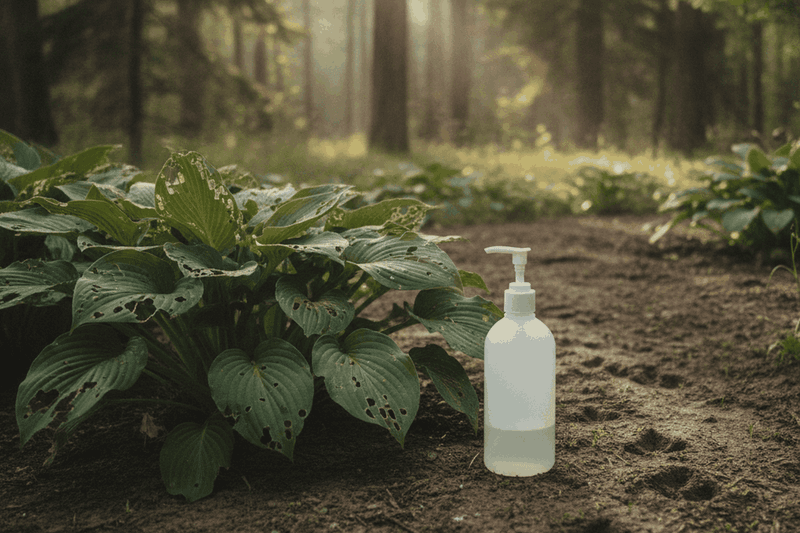
Rotten eggs and garlic make a strange perfume for your roses, yet deer find that combination truly unappetizing. Odor and taste repellents remain useful tools while herds adjust slowly to the new hunting rules.
Repellents work best where deer pressure is light or moderate, according to extension specialists across the Northeast. In areas packed with hungry deer, animals may ignore bad flavors once wild food grows scarce in winter.
Rain washes many products away, so plan to reapply every few weeks and after heavy storms or watering. New growth also needs fresh coverage, because untreated leaves look like a free snack to browsing deer.
I like rotating between two different repellent types so the local deer rarely settle into a comfortable routine. Switching between an egg-based spray and a capsaicin product every month keeps their noses and tongues guessing.
Read every label carefully, since many repellents are not approved for use on fruits and vegetables you plan to eat. For edible crops, fencing or floating row covers usually offer a safer and simpler approach to protection.
October is prime time to treat evergreens like arborvitae and yews before winter browsing gets serious. Spray on a dry day above freezing so the product can bond to foliage and last longer.
Some winter-labeled repellents are designed to hold up through cold weather, which saves you trips outside in January. Check the product directions for temperature limits, then mark your calendar for a midwinter touch-up application.
7. Neighbors Working Together Can Outsmart Local Deer
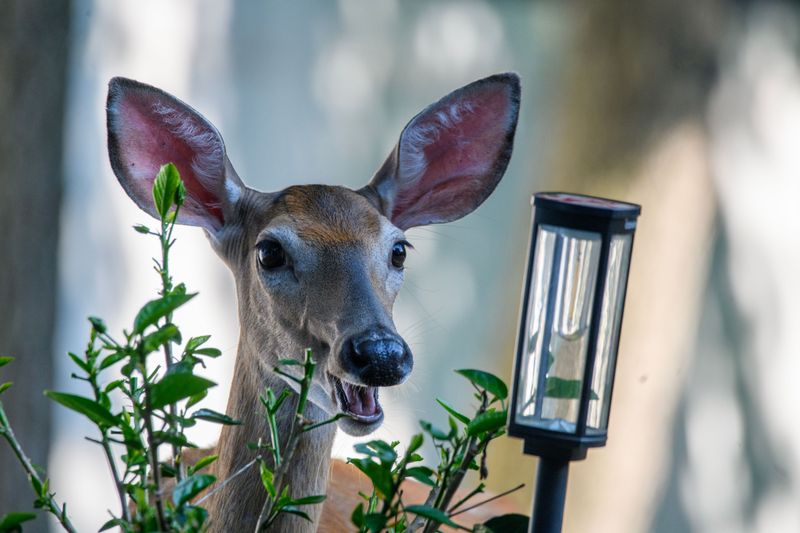
One fenced yard often pushes deer straight into the unprotected garden next door, which rarely makes friends on the block. Real progress usually happens when a whole street or even a town tackles the problem as a team.
The DEC publishes a community deer management guide that helps towns study local impacts and build practical plans. Residents can push for those conversations at town board meetings, especially when deer damage keeps climbing.
Feeding wild deer is illegal in New York, and that rule matters more than many people realize. Feeding draws deer into tight groups, which raises disease risks and invites even more browsing on nearby gardens.
I believe a gentle conversation works better than a lecture when a neighbor scatters corn for visiting deer. Many people simply do not know the law exists, and they often feel grateful to learn about it.
Sharing plant lists helps too, because yards full of deer-resistant choices make the whole block less attractive. Some garden clubs run plant swaps in fall, which makes October a lovely time to trade divisions.
Coordinated repellent schedules can also help, since deer may otherwise just wander over to the next untreated yard. A group text reminding neighbors to spray after storms sounds silly, yet it can spread protection widely.
Community efforts take patience, and results build gradually as more households join in over several seasons. Still, gardening feels far less lonely when the people next door are facing the same hungry visitors.
8. Deer-Resistant Perennials Like Lavender Gain Value
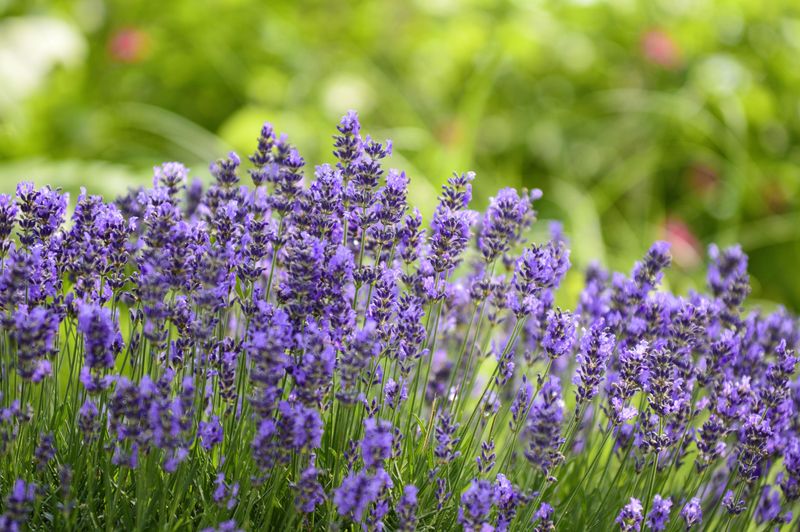
Daffodil bulbs contain bitter compounds that deer and rodents mostly avoid, making them a smart October planting choice. Tuck them in now, and you will enjoy cheerful spring blooms that hungry browsers tend to skip.
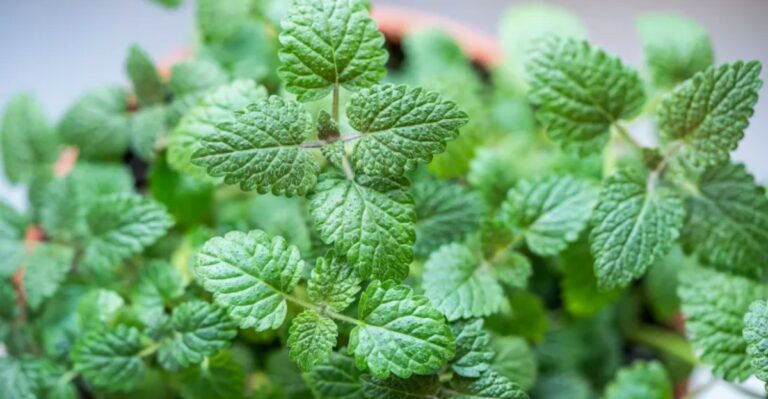
No plant is fully deer-proof, but many are rarely damaged according to lists from Rutgers and Cornell extensions. Aromatic herbs like lavender and catmint usually escape heavy browsing because deer dislike their strong scents.
Fuzzy foliage helps as well, so lamb’s ear and lungwort often survive in yards where hostas get flattened. I love how those soft leaves add texture while quietly discouraging deer from taking a second bite.
Native options deserve a spot too, and some native perennials like mountain mint resist deer quite well. They also feed pollinators, which makes them a double win for gardeners who care about local wildlife.
Hungry deer can sample almost anything during a harsh winter, so treat any resistant label as a strong hint. Watch which plants survive in your own garden, since local herds develop surprisingly specific tastes over time.
Fall is a terrific season for planting perennials, because warm soil encourages roots while cool air reduces stress. Water new plantings well until the ground freezes, then add a light layer of mulch for winter.
Pairing tough plants with fences and repellents gives your garden the best odds while the new rules play out. Over time, a smart plant palette might matter just as much as any change in hunting regulations.